
Honda Accord Tire Speed Ratings: Essential Guide
You rely on your tires to grip the road and keep your Honda Accord stable during quick maneuvers. If you install tires with the wrong speed rating, you risk unpredictable handling and reduced safety. This guide explains how to identify the correct speed rating for your vehicle and why matching those specs matters.
Quick Answer
A tire speed rating represents the maximum speed a tire can sustain safely. You should always match the speed rating specified on your driver’s side door placard to ensure your Accord maintains its intended handling and braking performance.
What Is a Tire Speed Rating and Why Does It Matter?
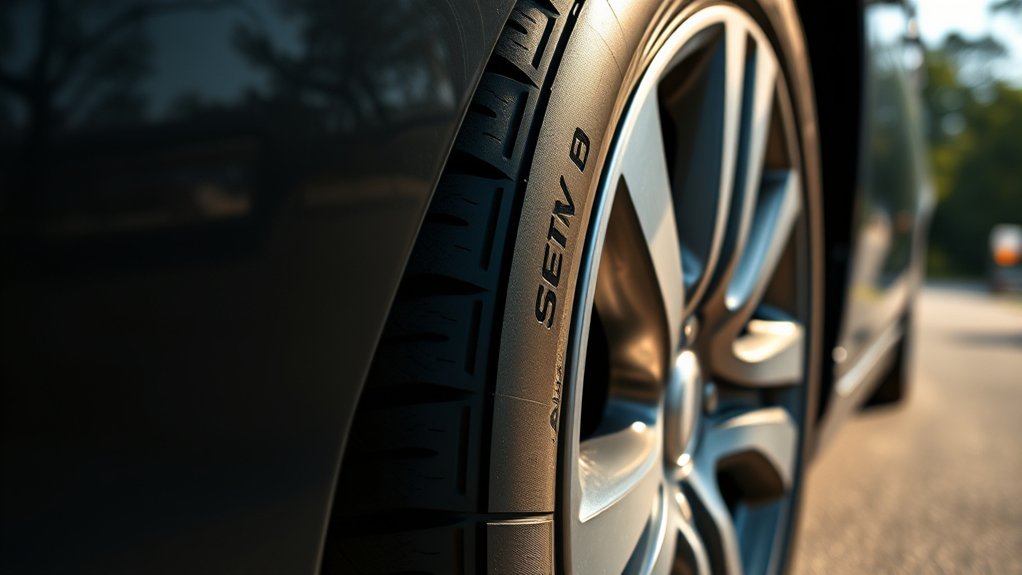
When you choose tires for your Honda Accord, speed ratings provide a vital metric for safety. These ratings indicate the top speed at which a tire can perform reliably over time. Ratings range from A, which covers very low speeds, to Y or Z, which support speeds over 149 mph.
Manufacturers determine these ratings through controlled laboratory testing. A tire must prove it can maintain its structural integrity at the designated speed to earn a specific letter grade. Choosing tires with a lower speed rating than the manufacturer suggests can cause the rubber to overheat or lose stability during highway driving.
[Products Worth Considering]

AZUNO’s digital tire inflator delivers stable, accurate pressure readings with a bright LCD and a 0.1 resolution display for confident inflation. It supports one-handed...
How Speed Ratings Affect Handling and Safety
Tire speed ratings dictate more than just top speed. They often reflect the construction of the tire sidewall and the compound of the rubber. Higher-rated tires like H (130 mph) or V (149 mph) often offer stiffer sidewalls, which improve cornering precision and grip.
Mismatched or lower-rated tires create unpredictable handling. Your car may feel sluggish in turns or unresponsive during emergency braking. Always stick to the manufacturer’s recommended speed rating to ensure your Accord maintains its intended safety margins.
Why You Should Match Original Equipment Speed Ratings
Matching your Honda Accord’s original equipment (OE) speed ratings ensures the vehicle performs as the engineers intended. Prioritize OE ratings for these reasons:
- Maximum Speed Compatibility: Tires with lower ratings cannot handle the sustained heat generated at your vehicle’s potential speeds.
- Handling Stability: Consistent ratings across all four wheels provide predictable feedback during lane changes.
- Accident Prevention: Exceeding a tire’s speed limit can cause internal damage or sudden failure.
- Predictable Dynamics: Uniform ratings ensure your car reacts to steering inputs evenly in all conditions.
Always consult your owner’s manual or the tire placard on your door jamb to confirm the correct rating. Always consult a qualified tire professional before making final decisions on tire specifications.
Where to Locate Your Honda Accord’s Tire Speed Rating
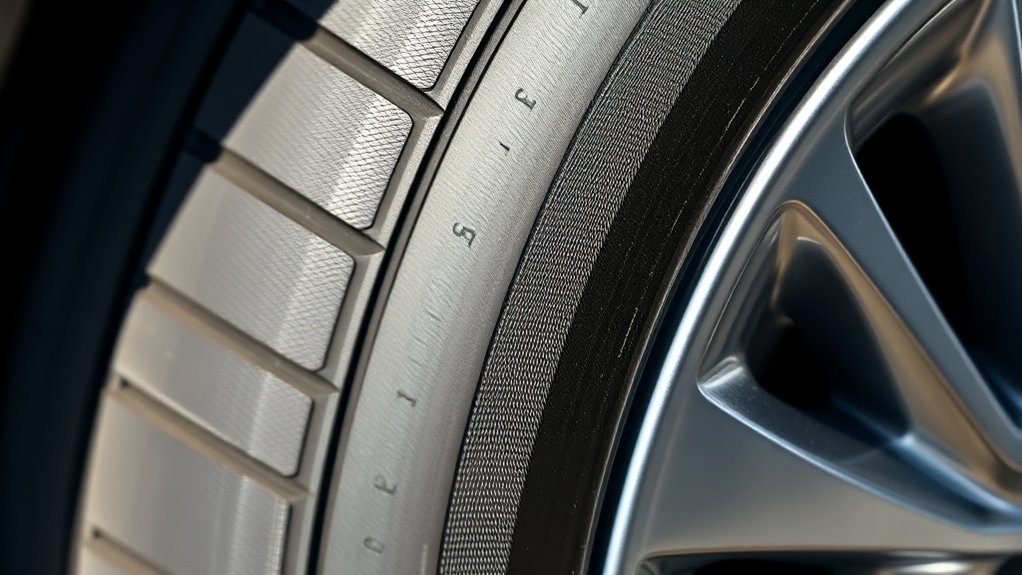
Finding your Honda Accord’s speed rating is a simple process. Start with these three locations:
- Driver’s Side Door Jamb: Look for a white or silver sticker that lists the recommended tire sizes and speed ratings for your specific trim.
- Owner’s Manual: This document details the exact requirements for your model year.
- Tire Sidewall: Check the code on your current tires, such as “P205/60R16 92H.” The final letter, in this case, “H,” is the speed rating.
Can You Mix Tires With Different Speed Ratings on Your Accord?
Do not mix tires with different speed ratings on your Accord. Mixing tires leads to uneven handling characteristics and dangerous performance gaps.
- Restricted Performance: Your vehicle’s safe speed capacity defaults to the lowest-rated tire installed.
- Handling Imbalance: Tires with different ratings often have different rubber compounds, which causes oversteer or understeer in corners.
- Stability Issues: Mismatched tires compromise the effectiveness of electronic stability systems.
For the best results, replace all four tires at once with matching speed ratings. Always consult a qualified professional before changing tire configurations to ensure your safety.
What You Should Know About Trailer Tire Speed Ratings
Trailer tires, often marked with an “ST” prefix, use a different speed rating scale than passenger cars. Most trailer tires are rated for speeds between 55 and 75 mph. Never exceed the speed rating on a trailer tire, as these tires carry heavy loads and are prone to heat buildup.
Common Trailer Tire Ratings
Trailer tire ratings range from A, indicating very low speeds, up to L, which covers 75 mph. Always verify the specific rating on the tire sidewall rather than assuming it matches your tow vehicle’s ratings. Using a tire rated for lower speeds than your travel pace significantly increases the risk of a blowout.
Importance Of Speed Ratings
Speed ratings are critical for trailer safety because they account for the specific stresses of towing. Unlike a passenger car, a trailer often carries a static, heavy load that stresses the tire sidewalls differently. Always follow the manufacturer’s guidelines for your trailer to ensure you operate within a safe heat range.
Safe Speed Practices
Safe towing requires a mix of proper speed management and maintenance. Check your tire pressure before every long trip, as under-inflated tires generate excess heat regardless of their speed rating. If you plan to tow long distances, ensure your tires are rated for the maximum speed you plan to maintain on the highway.
Frequently Asked Questions
Is Speed Rating T or S Better?
The T rating is better than S. The T rating allows for higher speeds and typically offers slightly better handling stability during highway driving.
What Is the Speed Rating of a Honda Accord Tire?
Speed ratings for the Honda Accord vary by trim level and tire size. Check the sticker inside your driver-side door jamb to see the specific rating required for your vehicle.
Is V or W a Higher Speed Rating?
W is a higher speed rating than V. A V-rated tire is tested up to 149 mph, while a W-rated tire is tested up to 168 mph.
Conclusion
Your tire speed ratings are essential for maintaining the safety and handling dynamics of your Honda Accord. Always match your tires to the specifications found on your vehicle’s door placard to ensure consistent performance. Take a moment today to check your current tire ratings and confirm they meet your manufacturer’s standards.

Related Articles
How Tall Is a 305 70 R17 Tire? Exact Height, Width & Dimensions
Curious how tall a 305 70 R17 tire really is—and whether it fits your truck?
Read More
Can-Am Defender Tire Size Guide: Stock Specs & Upgrade Options
Just how big can you go on a Can-Am Defender before mods become necessary?
Read More
How Tall Is a 275 65 20 Tire? Exact Height, Width & Dimensions
Check the exact height, width, and hidden fitment effects of a 275/65R20 tire before you buy or upgrade.
Read More