
Beadlock Wheels vs Standard Wheels on a Toyota Tacoma
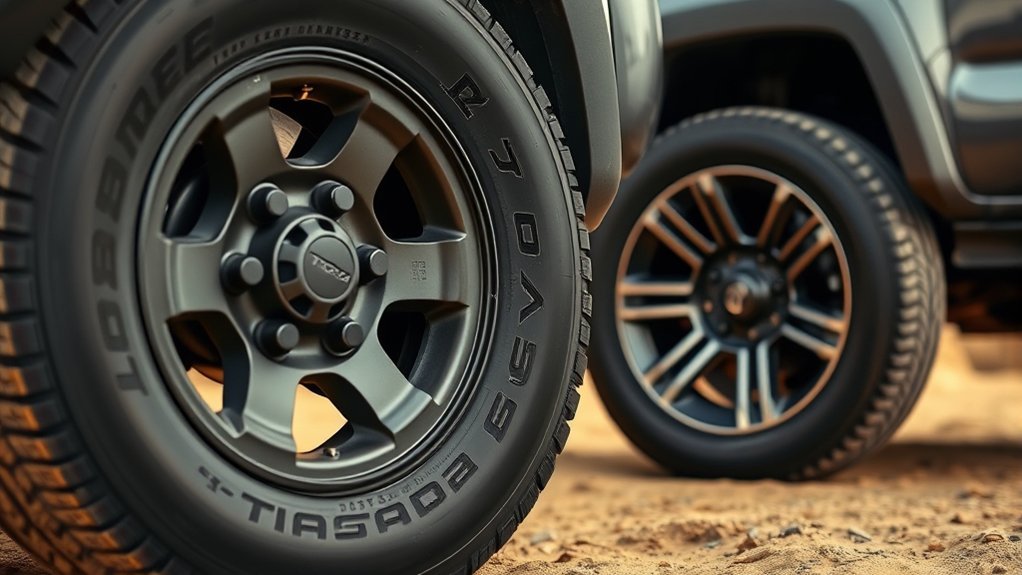
Choosing between beadlock and standard wheels for a Toyota Tacoma comes down to where the truck spends most of its time. True beadlocks can help on difficult trails because they mechanically clamp one tire bead to the wheel. Standard wheels are usually the better choice for commuting, towing, highway travel, and occasional off-road use because they are simpler, lighter, and easier to service.
Quick Answer
Choose true beadlock wheels only if your Tacoma regularly tackles terrain that requires very low trail pressure and you are willing to follow product-specific installation and maintenance rules. For daily driving and light-to-moderate trails, properly rated standard or bead-retention wheels are usually the safer, simpler, and more practical option.
Key Takeaways
- A true beadlock uses a bolted ring to clamp the tire’s outer bead; a simulated beadlock ring is cosmetic.
- There is no universal safe off-road pressure. Tire construction, load, wheel design, speed, and terrain all matter.
- Many true beadlock products are labeled for off-highway or racing use, so check the wheel maker’s instructions and local rules before road use.
- Wheel load rating, bolt pattern, offset, width, brake clearance, lug-seat type, and TPMS compatibility must match your exact Tacoma.
- For most daily-driven Tacomas, a high-quality standard wheel offers the best balance of cost, road manners, serviceability, and safety.
What Are Beadlock Wheels and How Do They Work?
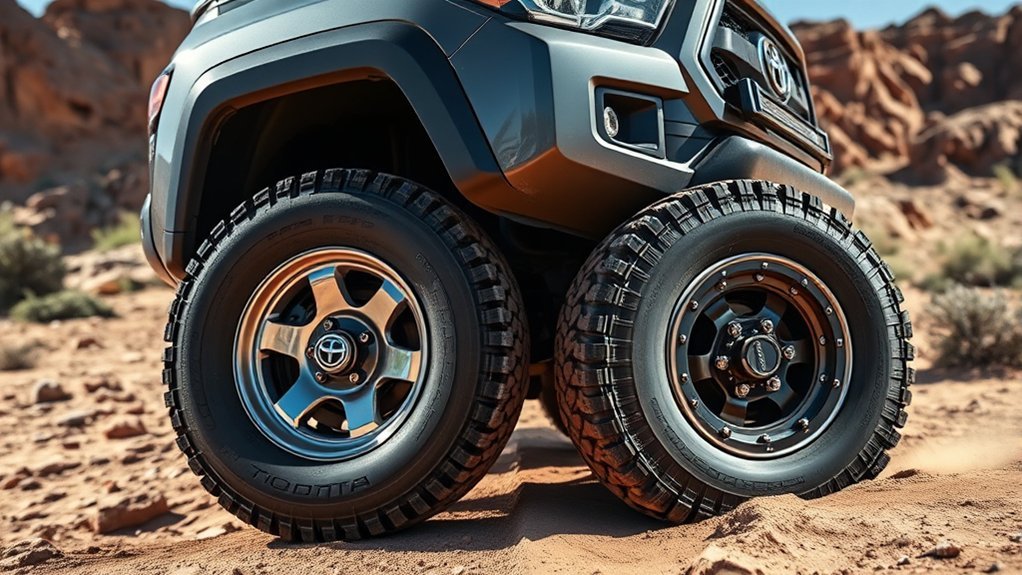
A true beadlock wheel uses a removable ring and a circle of bolts to clamp the tire’s outer bead against the wheel. That mechanical clamp adds tire retention when the tire is aired down for slow off-road travel. A standard wheel does not use a bolted clamping ring; it relies on the wheel’s bead seats, safety humps, correct tire fit, and air pressure to keep the tire in place.
Do not confuse a true beadlock with a simulated beadlock. Many street wheels have decorative bolts or a replaceable trim ring but do not clamp the tire bead. A third category, often called a bead-retention or enhanced bead-seat wheel, uses shaped grooves or more aggressive safety humps to improve bead security without a true clamping ring. Method Race Wheels, for example, explains the functional difference between its standard, bead-retention, and true beadlock designs.
Materials and load ratings vary by model. Some wheels use cast aluminum, some use forged aluminum, and others use steel. Never assume that every beadlock is made from 6061-T6 aluminum or has the same strength. Use the exact wheel’s stamped or published load rating and installation guide.
Note: A beadlock ring normally secures the outer bead only. The inner bead still depends on the wheel’s bead seat, tire fit, inflation pressure, and operating conditions.
[Products Worth Considering]

These aluminum alloy tire valve stem caps with an O-ring seal help protect valve stems from corrosion while adding a clean, stylish look to your vehicle. The universal fit works across cars, trucks, motorcycles, bicycles, and more, making them an easy upgrade for everyday driving and off-road use. Installation is quick, and the included four-pack keeps all your tires dressed and protected.

These M14x1.5 closed-end chrome lug nuts are a one-piece replacement designed for secure fitment on compatible GM, Ford, and select Chrysler/Dodge models. Featuring a 60-degree conical seat and anti-rust chrome plating, they help resist corrosion and maintain a bright look for everyday driving. Built for long-term durability, they include OEM-style part references and are backed by 12 months of support.

Upgrade your wheels with MIKKUPPA closed-end lug nuts designed for reliable fit and corrosion resistance. The one-piece, cold-forged and heat-treated steel construction helps resist rust and stripping, while the integrated finish delivers a durable black appearance. Built to OEM standards with a conical 60-degree seat, these nuts provide a secure solution for compatible Ford, Honda, Jeep, and Chevrolet models.
Comparing Performance: Beadlock vs Standard Wheels
Beadlocks have a clear purpose: improving tire retention during slow, demanding off-road use at reduced pressure. Standard wheels are designed around normal road pressure and broad everyday use. Neither type is automatically “better” in every setting.
Traction on Challenging Terrain
Lowering pressure on the trail can enlarge the tire’s contact patch and help the tread conform to rocks, sand, and uneven ground. A true beadlock can reduce the chance that the clamped outer bead will unseat when the tire is heavily flexed or side-loaded. That can be useful for rock crawling, deep sand, mud, and other low-speed terrain.
Beadlocks do not create traction by themselves. Tire tread, rubber compound, sidewall construction, vehicle weight, lockers, suspension travel, driving technique, and the surface under the tires often matter more. A standard wheel with the right all-terrain tire may outperform a beadlock fitted with the wrong tire.
Tire Pressure Flexibility
There is no safe universal pressure such as 3–7 psi, 5–7 psi, or 12–20 psi for every Tacoma. The correct trail pressure depends on tire size and construction, wheel width, vehicle load, speed, terrain, and the wheel manufacturer’s limits. A pressure that works for a light truck on sand may damage a tire or unseat a bead on a heavier truck crossing rocks.
For road driving, return the tires to the vehicle manufacturer’s recommended cold pressure. The National Highway Traffic Safety Administration directs drivers to use the cold inflation pressure on the Tire and Loading Information label or in the owner’s manual, not the maximum pressure molded on the tire sidewall.
Warning: Low trail pressure is not highway pressure. Driving fast while aired down can cause heat buildup, poor steering response, tire damage, bead loss, or wheel damage. Air back up before sustained road travel and check for tire or wheel damage first.
Weight and Handling Differences
True beadlocks are often heavier than a similar conventional wheel because of the ring, bolts, and reinforced wheel structure. The exact difference varies by size and model, so a single figure such as 31.7 pounds cannot be applied to all products.
Extra wheel and tire mass can affect acceleration, braking, ride quality, steering feel, and fuel economy. It also places more work on suspension and driveline parts. The added mass does not provide a meaningful handling benefit simply by “lowering the center of gravity.” For a daily-driven Tacoma, lower unsprung and rotating mass is generally easier to live with.
| Factor | True Beadlock Wheel | Standard Wheel |
|---|---|---|
| Best use | Slow, difficult off-road terrain | Daily driving, towing, highway use, and moderate trails |
| Low-pressure bead retention | Mechanically clamps the outer bead | Depends on bead-seat design, tire fit, and pressure |
| Weight | Often heavier, but model-specific | Often lighter in a comparable size |
| Maintenance | Ring bolts, air loss, ring seating, and hardware require regular checks | Normal tire, lug-nut, and wheel inspections |
| Road use | Product and jurisdiction dependent; many are labeled off-highway only | Common choice for normal highway service when properly rated and fitted |
| Cost | Usually higher purchase, installation, and upkeep cost | Usually lower total cost and easier service access |
Top Benefits of Beadlock Wheels for Off-Roading
For the right Tacoma and trail, true beadlocks offer several practical benefits:
- Better outer-bead retention: The clamping ring helps hold the tire in place when the sidewall is heavily flexed.
- More pressure flexibility on slow trails: A qualified driver can use lower pressure within the limits of the tire, wheel, load, and terrain.
- Field service potential: Some designs allow the outer bead to be mounted or serviced without a conventional tire machine, although safe installation still requires the correct tools and procedure.
- Replaceable ring protection: On many designs, the outer ring takes trail scrapes and can be replaced separately.
- Purpose-built appearance: True beadlocks provide the functional off-road look many Tacoma owners want.
These benefits do not replace a suitable tire, correct wheel load rating, safe driving, or regular maintenance. A beadlock should be treated as specialized equipment, not as a guarantee against tire failure or wheel damage.
Are Standard Wheels Suitable for Everyday Driving?
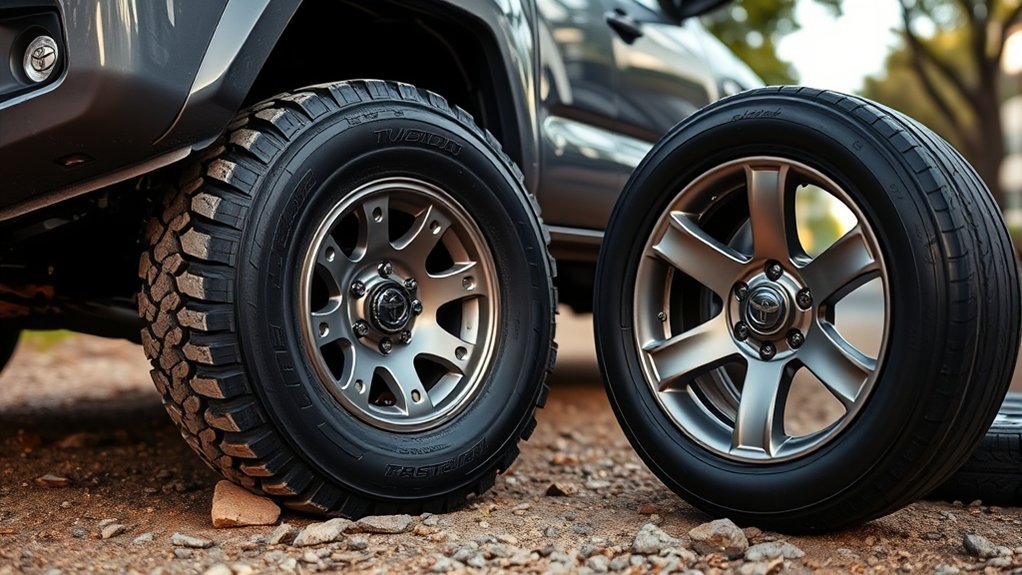
Yes. A correctly rated and properly fitted standard wheel is the best choice for most Tacoma owners. It is simpler to mount and balance, easier to inspect, widely supported by tire shops, and usually lighter than a comparable true beadlock.
Daily Commuting Efficiency
Standard wheels work well at the Tacoma’s specified road pressure and do not require a separate ring-bolt inspection routine. Their lower weight can also help preserve normal braking, steering, ride, and fuel-economy characteristics. The actual result depends on the complete wheel-and-tire package; an oversized heavy tire can outweigh any savings from the wheel itself.
Standard wheels are also a practical choice for forest roads, gravel, camping routes, and moderate trails. Drivers who want more low-pressure security without the upkeep of a true beadlock can consider a properly rated bead-retention wheel that the manufacturer approves for highway use.
Cost-Effectiveness Considerations
Wheel prices vary widely by diameter, construction, brand, load rating, and finish, so a fixed comparison such as “beadlocks cost $1,025” quickly becomes outdated. Compare the complete installed cost: wheels, rings, hardware, lug nuts, TPMS service, mounting, balancing, spare-wheel compatibility, and future replacement parts.
For a truck used mainly on pavement, the extra cost and maintenance of true beadlocks rarely provide a matching benefit. Spend first on quality tires, correct load capacity, a full-size spare, recovery gear, and driver training.
Is the Investment in Beadlocks Justifiable?
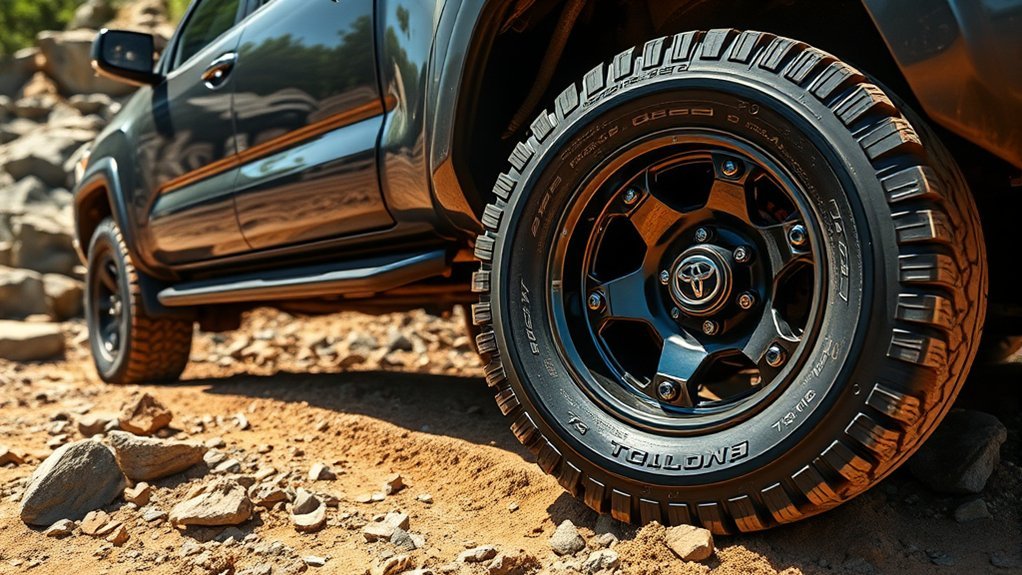
Beadlocks are justifiable when low-speed, low-pressure trail performance is a repeated need rather than an occasional idea. A Tacoma that regularly rock crawls, crosses deep sand, competes off-road, or runs terrain where bead loss is a known problem may benefit. A commuter that visits easy trails a few times a year usually will not.
| Choose True Beadlocks When… | Choose Standard or Bead-Retention Wheels When… |
|---|---|
| You regularly drive technical terrain at reduced pressure | The Tacoma is primarily a commuter, tow vehicle, or road-trip truck |
| You can inspect pressure, rings, and hardware before use | You want normal tire-shop service and less maintenance |
| The selected product is rated for the truck and intended use | Your trails are gravel, dirt roads, sand at moderate pressure, or light obstacles |
| You accept higher cost, weight, and installation complexity | You value lower weight, simpler upkeep, and broad road suitability |
Street Legality and “DOT Approved” Claims
Do not rely on a broad claim that all standard wheels are “DOT legal” or that every beadlock is illegal. NHTSA explains that the U.S. Department of Transportation does not approve motor vehicles or equipment products; manufacturers are responsible for certification to applicable federal standards. SAE J2530 is a current voluntary performance and test standard for aftermarket wheels intended for normal highway use.
Many true beadlock manufacturers label specific products for off-highway or racing use. KMC’s current beadlock instructions, for example, state that its beadlock wheels are not intended for regular highway use. Other designs may be marketed differently. Before driving on public roads, check the exact wheel’s written designation, applicable state and local equipment rules, insurance requirements, and the installer’s advice.
“DOT approved” is not a universal federal product badge. Judge a wheel by its manufacturer documentation, applicable standards, load rating, fitment, and intended use.
[Products Worth Considering]

The 22800 wheel stud installer makes replacing wheel studs quick and secure, saving time and effort during tire service. It uses a ratchet or impact wrench to pull new studs firmly into place, helping when existing studs are too long. Compatible with most automotive wheels and light-duty truck wheel studs, it’s designed for easy, tool-assisted installation.

Upgrade your Toyota’s wheels with durable aluminum alloy valve stem caps that help protect valve cores from corrosion and direct exposure to road grime, clay, water, and snow. Rubber rings improve sealing to help prevent air leakage and maintain stable tire pressure for safer driving. These caps are easy to install or remove without tools and add a unique, stylish look to your car.

The Trivd Frol 1/2" air impact wrench delivers high performance torque up to 1500 ft-lbs with a twin hammer impact mechanism for strong, balanced blows. It features an ergonomic grip, compact lightweight design, and quick-stop control with 3 forward speeds up to 8000 RPM plus a reverse speed. Built for demanding automotive repair and tire shop work, the rear exhaust helps keep debris away from the surface.
Toyota Tacoma Wheel Fitment Checklist
Tacoma wheel fitment is not one-size-fits-all. Model year, trim, drivetrain, brake package, axle configuration, and tire size can change what fits. Before buying any standard or beadlock wheel, confirm each item below:
- Bolt pattern and center bore: The wheel must match the truck’s hub and stud layout.
- Wheel diameter and width: The tire must be approved for that rim width, and the wheel must clear the brakes.
- Offset and backspacing: Incorrect geometry can cause rubbing, poor steering feel, altered scrub radius, or extra load on bearings and suspension parts.
- Load rating: Each wheel must meet or exceed the load required at its axle position. Do not use a generic 4,000-pound claim.
- Lug-seat and lug-nut type: Conical, flat, and shank-style seats are not interchangeable.
- TPMS compatibility: Confirm that the valve and sensor can be installed and relearned correctly.
- Tire and ring compatibility: True beadlocks may require a specific bead thickness, ring spacer, bolt set, or mounting method.
- Spare fitment: Make sure the spare tire and wheel can be carried and used without creating a large rolling-diameter mismatch.
- Road-use designation: Read the manufacturer’s instructions for the exact part number, not a general brand statement.
Toyota’s owner information should be the starting point for factory tire size, pressure, and wheel-nut torque. These values can vary by Tacoma configuration, so use the manual and door-jamb label for your exact truck rather than copying a value from another model year.
Pro Tip: Weigh the truck in travel trim if it carries armor, a camper, tools, a rooftop tent, or heavy recovery gear. Use the measured axle loads and a qualified wheel or tire professional to confirm wheel and tire capacity.
Maintenance and Installation: What You Need to Know
True beadlocks require more care than standard wheels. The ring must sit evenly, the tire bead must be compatible, the correct hardware must be used, and every bolt must be tightened in the pattern and stages specified by that wheel’s manufacturer. Do not copy torque values from a different beadlock because bolt diameter, thread, ring design, and material can change the required setting.
KMC’s installation guidance calls for an experienced beadlock tire installer, inflation in an approved safety cage, use of the supplied hardware, staged tightening, and regular pressure checks. It also warns that overtightening bolts or omitting a required ring spacer can lead to bolt failure and serious injury.
Installation Checks
- Confirm the tire bead thickness and whether the manufacturer requires a spacer.
- Inspect the wheel, ring, bolt holes, threads, valve stem, and hardware before assembly.
- Seat the bead evenly and follow the exact tightening sequence and torque in the wheel manual.
- Use a calibrated torque wrench; do not use an impact wrench for final ring-bolt torque.
- Have the complete wheel-and-tire assembly checked for runout, leaks, and balance.
- Use the Tacoma-specific lug-nut torque from Toyota’s manual for the wheel material and configuration.
Ongoing Beadlock Maintenance
- Check tire pressure before each off-road trip and after hard impacts.
- Inspect the ring for bending, cracks, gouges, uneven seating, or trapped debris.
- Check bolts at the interval stated by the wheel maker and after the initial break-in period.
- Replace damaged or corroded hardware only with the approved specification.
- Inspect the inner and outer tire sidewalls for cuts, cords, bulges, or heat damage.
- Air back up for road travel and confirm there is no leak at the ring, valve, or bead.
How to Choose the Right Wheels for Your Tacoma: Beadlock or Standard?
Start with how the truck is actually used, not how you hope it might be used one day.
- Choose standard wheels for commuting, towing, highway trips, work use, gravel roads, and occasional moderate trails.
- Consider bead-retention wheels when you want added low-pressure security and highway-oriented service without a true external clamping ring.
- Choose true beadlocks when technical off-roading repeatedly demands reduced pressure and the product is suitable for your truck, load, and legal use.
- Verify fitment before style: load rating, brake clearance, offset, bolt pattern, tire width, lug hardware, and TPMS come before finish or spoke design.
- Plan the complete system: tire construction, spare, air compressor, accurate gauge, recovery equipment, and maintenance routine all matter.
For most Tacoma owners, a strong, properly rated standard wheel paired with a suitable all-terrain tire is the balanced choice. True beadlocks are specialized equipment for drivers who can use and maintain them correctly.
Sources
- NHTSA TireWise — recommended cold tire pressure, placard use, and tire-safety guidance.
- NHTSA Importation and Certification FAQs — explains that DOT does not approve individual vehicles or equipment products.
- SAE J2530_202412 — current aftermarket-wheel performance, test, certification, and marking guidance for normal highway use.
- 2026 Toyota Tacoma Owner’s Manual — model-specific owner information and maintenance references.
- KMC Beadlock Assembly Instructions — installation, torque-pattern, spacer, pressure-check, and safety guidance.
- Method Race Wheels: Wheel Technology Overview — distinguishes standard, bead-retention, and true beadlock designs.
Frequently Asked Questions
What are the downsides of beadlocks?
True beadlocks usually cost more, weigh more, require extra installation skill, and need regular ring-bolt and air-pressure checks. Some products are labeled for off-highway use only. Incorrect assembly, incompatible tire beads, damaged hardware, or improper torque can create serious safety problems.
What are the best wheels for a Toyota Tacoma?
The best wheels match the exact Tacoma’s bolt pattern, center bore, brake clearance, diameter, width, offset, lug-seat type, TPMS setup, and required load capacity. Standard wheels suit most daily-driven trucks. Bead-retention wheels fit mixed road and trail use, while true beadlocks fit repeated technical off-roading.
At what horsepower do you need beadlocks?
There is no horsepower threshold. Beadlocks are chosen mainly for tire retention at reduced pressure under high side load or difficult terrain. Vehicle weight, torque, tire construction, wheel design, pressure, speed, and terrain matter more than a single horsepower number.
What is the difference between beadlock and standard wheels?
A true beadlock mechanically clamps the tire’s outer bead with a bolted ring. A standard wheel holds the tire through its bead-seat shape, safety humps, correct fit, and inflation pressure. A simulated beadlock only copies the look, while a bead-retention wheel uses enhanced bead-seat features without a clamping ring.
Can you daily-drive a Tacoma on beadlock wheels?
That depends on the exact wheel’s intended-use statement, fitment, manufacturer instructions, and applicable local rules. Many true beadlocks are marketed for off-highway or racing use. Even where road use is allowed, expect more weight, more maintenance, and more frequent pressure checks than with standard wheels.
How low can you air down Tacoma tires?
No single pressure is safe for every Tacoma. Start conservatively and account for tire construction, vehicle and axle load, wheel width, terrain, speed, and the wheel and tire makers’ instructions. Watch for excessive sidewall folding or rim contact, and reinflate before normal road travel.
Conclusion
True beadlocks are valuable when a Tacoma regularly faces technical terrain that demands reduced tire pressure and strong outer-bead retention. Standard wheels are the better all-around choice for most owners because they are simpler, lighter, easier to service, and better suited to everyday road use. Whichever type you choose, correct fitment, load capacity, tire compatibility, installation, and maintenance matter more than appearance.
[Products Worth Considering]
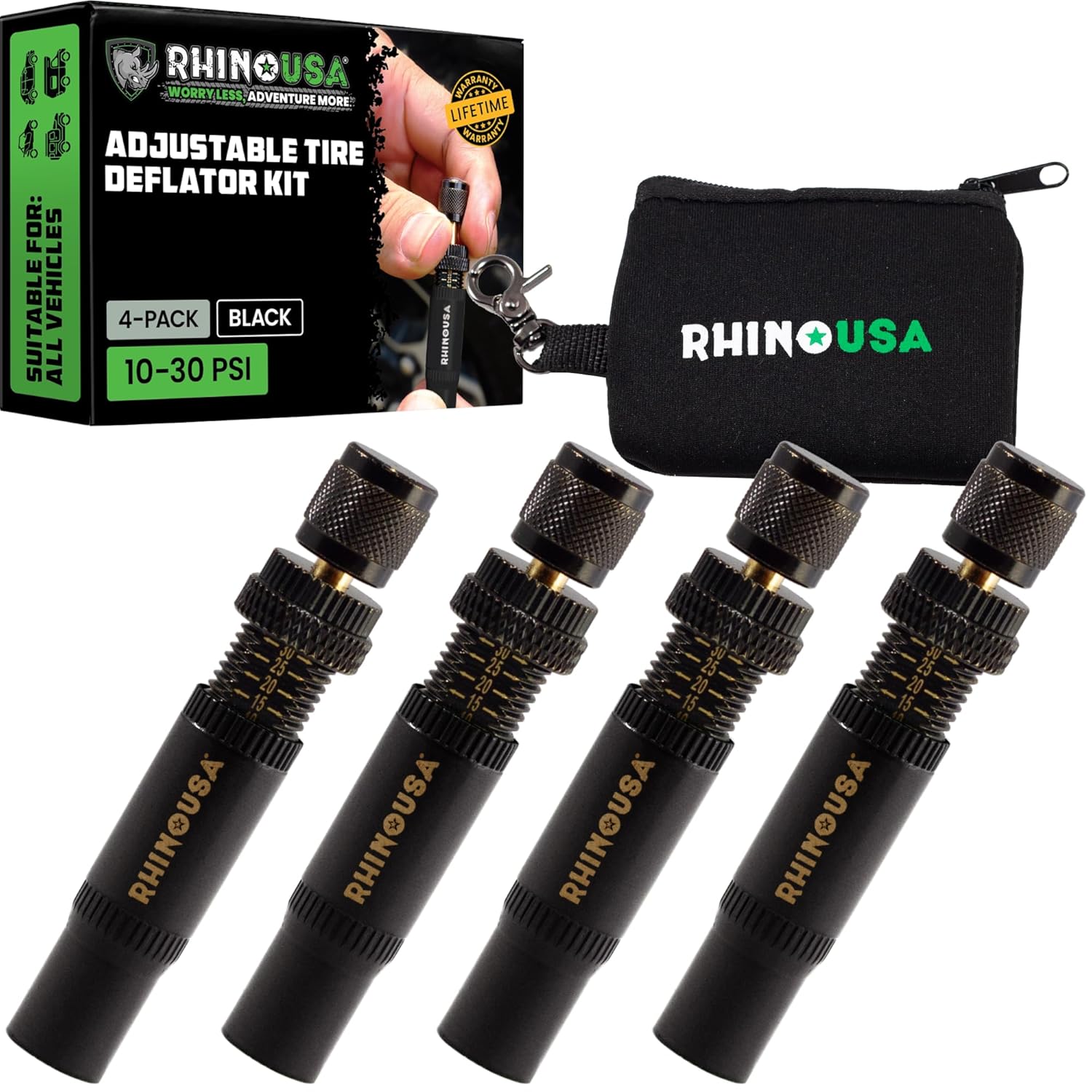
Use the Rhino USA adjustable tire deflators to air down all four tires at once by screwing one deflator onto each valve stem, letting you step away while the tires reach your preset pressure. Each deflator independently adjusts across a 10–30 PSI range with laser-etched indicators for quick setup and verification, making it ideal for beach, sand, and rocky off-road trails.

Upgrade your wheels with MIKKUPPA M12x1.5 mag seat lug nuts built for secure, corrosion-resistant performance. These closed-end chrome lug nuts are a direct replacement for select Toyota models, including Camry, Corolla, RAV4, Sienna, Avalon, Highlander, Matrix, Venza, and Prius. Triple-chromium plating and cold-forged, heat-treated steel help deliver strength for daily driving and replacement needs.

Keep your tires properly inflated with this analog VONDIOR tire pressure gauge, designed for fast, easy readings without batteries. The swiveling, two-axis hose and large glow dial help you measure at any tire angle with instant visibility. Built with a protective rubber shield, it supports durable, low-maintenance use for cars and trucks.

Related Articles
How Tire Weight Affects Toyota Tacoma Performance
How does tire weight influence your Toyota Tacoma's performance and efficiency? Discover the surprising effects that could change your driving experience.
Read More
Tire Noise Levels by Tire Type on a Toyota Tacoma
A comprehensive look at how tire types affect noise levels in your Toyota Tacoma reveals surprising insights that could enhance your driving experience.
Read More
How To Choose Tires for a Dual Use Toyota Tacoma
Unlock the secrets to selecting the perfect tires for your dual-use Toyota Tacoma, ensuring optimal performance and comfort on every adventure. Discover more inside!
Read More