Toyota Hilux Tire Cupping: What It Is and How to Fix It
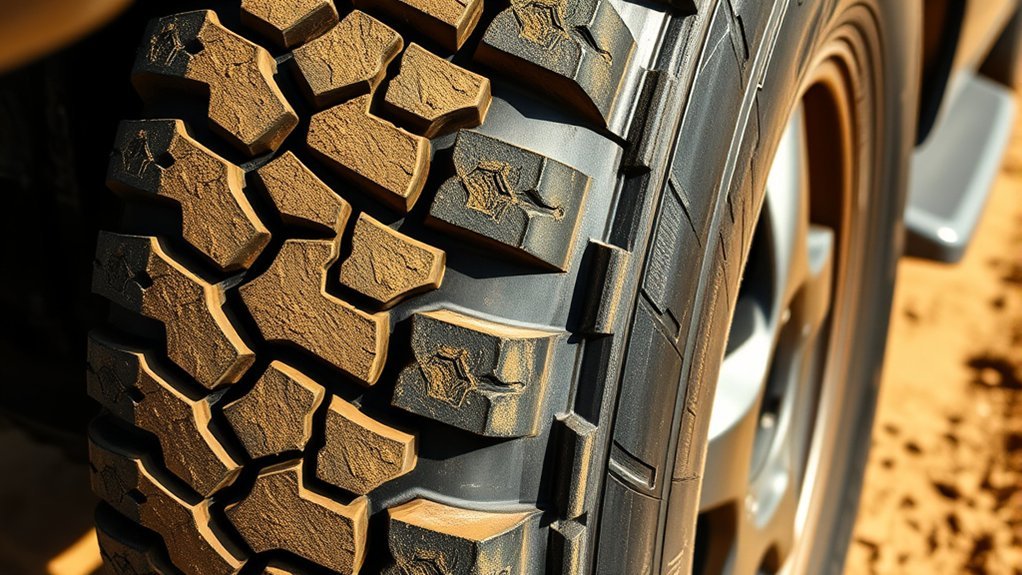
Tire cupping on your Toyota Hilux results in uneven tread wear and can lead to increased noise and safety issues. You’ll notice scooped-out patches on the tread and may experience vibrations or a pulled steering wheel. Common causes include misalignment, worn suspension, and unbalanced tires. To fix it, inspect your alignment and suspension, check tire pressure, and consider rebalancing your tires. Maintaining regular inspections is essential, and there’s more to keeping your tires in top shape.
What Is Tire Cupping?
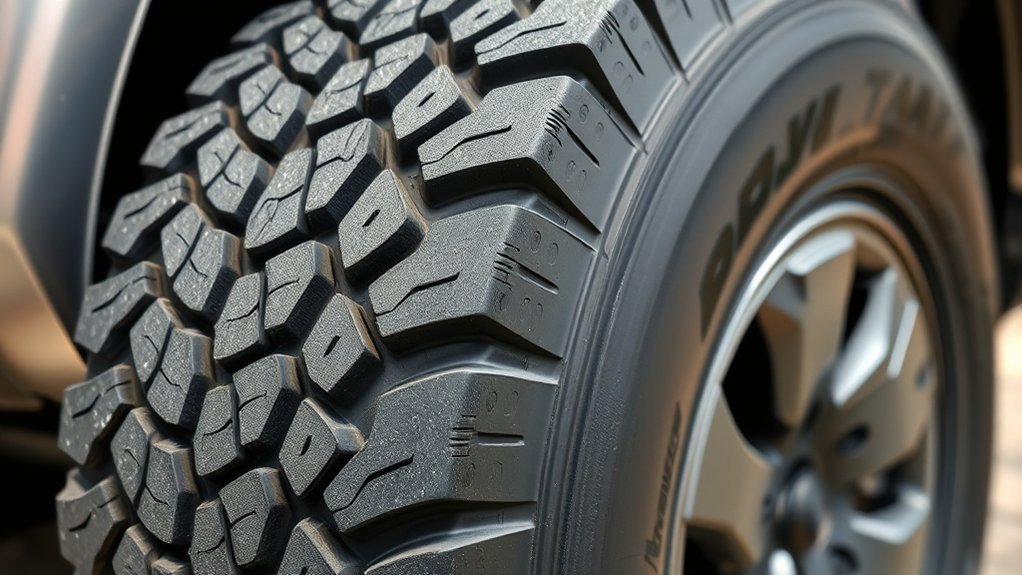
Tire cupping, often referred to as scalloped tires, is a specific type of uneven wear that creates noticeable scooped-out patches on the tread surface, typically occurring every 3-4 inches. This wear pattern signals potential mechanical issues that can compromise your vehicle’s performance and safety. Common causes include misaligned tires, worn suspension components, unbalanced tires, or low-quality materials.
If you notice symptoms like vibrations in the steering wheel, increased road noise, or the vehicle pulling to one side, it’s time to act. Regular tire maintenance is essential; rotating your tires every 5,000 to 8,000 miles and conducting annual alignment checks can greatly reduce the risk of cupping. By staying proactive in your tire care, you not only enhance your driving experience but also guarantee a safer ride. Ignoring these signs could lead to more severe issues down the line, so prioritize your tire health.
How to Identify the Warning Signs of Tire Cupping
When you’re driving your Toyota Hilux, being alert to the signs of tire cupping can prevent further complications. Regular tire inspections are essential to catch issues early. Here are three warning signs to watch for:
- Visible Tread Wear: Look for scooped patches on the tread, spaced every 3-4 inches around the tire. These irregularities indicate uneven wear.
- Increased Noise Levels: A rhythmic humming or droning sound, especially at highway speeds, suggests potential cupping. This noise can become more pronounced as you drive.
- Vibrations and Pulling: If you feel vibrations through the steering wheel or seat, or if the vehicle pulls to one side, these can be signs of uneven tire contact due to cupping.
Common Causes of Tire Cupping in the Toyota Hilux
Tire cupping in your Toyota Hilux often stems from several key issues. Misalignment can lead to uneven tire contact, while worn suspension components may exacerbate the problem by causing excessive bouncing. Additionally, unbalanced tires contribute to irregular tread wear, making it essential to address these factors for peak tire performance.
Misalignment Issues
Misalignment issues in the Toyota Hilux often stem from worn suspension components or incorrect adjustments, which can lead to uneven tire contact with the road. This misalignment may cause tire cupping, noticeable as a “heel-toe wear” pattern, resulting in jagged tread edges. To tackle these issues effectively, consider the following:
- Regular Alignment Checks: Perform checks every 12,000 miles or with new tire installations to maintain proper alignment.
- Suspension Adjustments: Verify suspension components are correctly adjusted to prevent uneven wear.
- Monitor Vehicle Behavior: Be aware of any drifting or pulling to one side, as this can indicate misalignment and compromise driving safety.
Addressing misalignment promptly can extend tire lifespan and enhance overall vehicle handling.
Worn Suspension Components
| Component | Impact on Tire Performance |
|---|---|
| Shock Absorbers | Inadequate dampening |
| Struts | Increased bouncing |
| Alignment Parts | Erratic tire movement |
| Suspension Upgrades | Improved handling & stability |
Regular inspections every 3,000 to 6,000 miles are essential to identify worn parts. Addressing damaged components promptly can restore stability, greatly reducing the risk of tire cupping and enhancing overall driving experience.
Tire Balancing Problems
When your Toyota Hilux experiences tire balancing problems, it can lead to uneven weight distribution that causes tires to wear inconsistently, resulting in cupping every 3-4 inches along the tread. To prevent this, consider the following:
- Regular Tire Balancing: Aim for balancing every 5,000 to 8,000 miles or during tire rotation.
- Monitor Tire Pressure: Consistently check and maintain proper tire pressure to guarantee even wear.
- Address Suspension Issues: Unbalanced tires can exacerbate existing suspension problems, leading to costly repairs.
Ignoring these factors can compromise your vehicle’s stability and handling, ultimately affecting performance and safety. Stay proactive to extend your tires’ life and enhance your driving experience.
What Are the Risks of Driving on Cupped Tires?
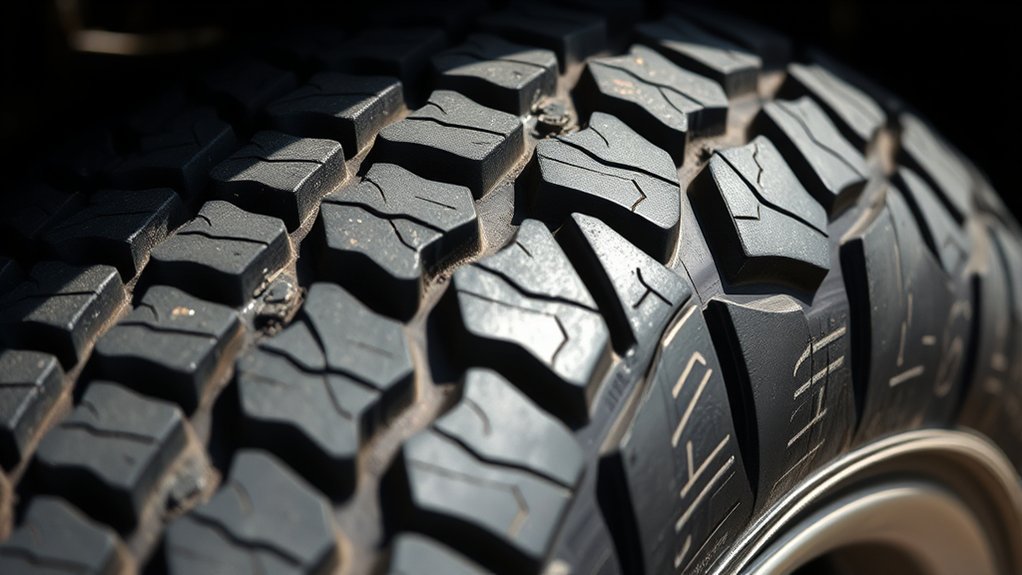
Driving on cupped tires poses significant safety hazards, including reduced traction and longer stopping distances. As performance declines, you’ll notice increased vibrations and potential pulling to one side, compromising control. Additionally, the uneven wear can lead to costly suspension repairs, making timely intervention essential for your Toyota Hilux.
Safety Hazards Involved
Cupped tires pose considerable safety hazards that can jeopardize your control over the vehicle. Understanding these risks is vital for road safety and driver awareness. Here are three key concerns:
- Reduced Traction: Cupped tires can markedly decrease grip, making it easier to lose control, especially in wet or slippery conditions.
- Inconsistent Braking: The uneven surfaces may lead to longer stopping distances, compromising your ability to react quickly in emergencies.
- Distraction: The noise and vibration from cupped tires can divert your attention, further impairing your focus on the road.
Ignoring tire cupping can lead to complete tire failure, endangering you and others. Prioritizing tire maintenance is essential to guarantee safe driving conditions and enhance your overall driving experience.
Performance Decline Over Time
Although tire cupping may seem like a minor issue, it greatly affects your vehicle’s performance over time. Cupped tires lead to uneven wear, reducing traction and compromising braking performance, particularly on slippery surfaces. This decline in tire performance increases your risk of accidents. Additionally, excessive vibrations from cupped tires can accelerate wear on suspension components, creating handling issues that distract you and reduce control. Your vehicle might pull to one side, necessitating constant steering corrections. Ignoring these symptoms not only jeopardizes your safety but can also lead to further damage, resulting in premature tire replacement. Addressing tire cupping promptly is crucial to maintain peak vehicle performance and guarantee a safer driving experience.
Increased Repair Expenses
Tire cupping poses significant risks that can lead to increased repair expenses for vehicle owners. Ignoring cupped tires can result in severe cost implications. Here are some key factors to contemplate:
- Reduced Traction: Cupped tires decrease grip, increasing the likelihood of losing control, particularly on wet surfaces.
- Accelerated Suspension Wear: The vibrations from cupped tires can wear out suspension components faster, leading to higher repair costs.
- Premature Tire Replacement: The uneven wear often demands early tire replacement, adding to your expenses.
To mitigate these issues, implement effective repair strategies, including regular tire rotations and alignments. Staying proactive can save you money and guarantee safety on the road.
How to Fix Tire Cupping
To effectively address tire cupping, start with a thorough inspection of your vehicle’s alignment and suspension components. Look for signs of misalignment or worn parts, as these can lead to uneven tire wear. Next, check your tire pressure; under-inflated or over-inflated tires can exacerbate cupping.
After addressing any alignment issues, consider rebalancing your tires to correct uneven weight distribution. Regular tire rotation every 5,000 to 8,000 miles promotes even wear, helping to mitigate cupping. If you find that shocks or struts are worn, replace or repair them to guarantee proper tire contact with the road.
In severe cases, you may need to replace the affected tires for ideal handling and safety. Finally, reflect on your driving habits; aggressive driving can contribute to tire wear, so adopting smoother driving techniques can extend tire life.
How to Prevent Tire Cupping
Preventing tire cupping on your Toyota Hilux is crucial for maintaining peak performance and safety. Follow these steps to keep your tires in ideal condition:
Preventing tire cupping on your Toyota Hilux is essential for optimal performance and safety.
- Tire Rotation: Rotate your tires every 5,000 to 8,000 miles. This promotes even wear and helps prevent cupping.
- Pressure Monitoring: Check your tire pressure monthly, confirming it meets manufacturer recommendations. Underinflation can lead to uneven wear and exacerbate cupping issues.
- Alignment Checks: Get your alignment checked annually. Proper alignment guarantees tires maintain consistent contact with the road, reducing the risk of cupping.
Additionally, invest in high-quality tires suited for your driving conditions and inspect your suspension components regularly. By adhering to these practices, you’ll enhance your Hilux’s performance and extend tire life, promoting a safer driving experience.
Why Regular Tire Maintenance Matters
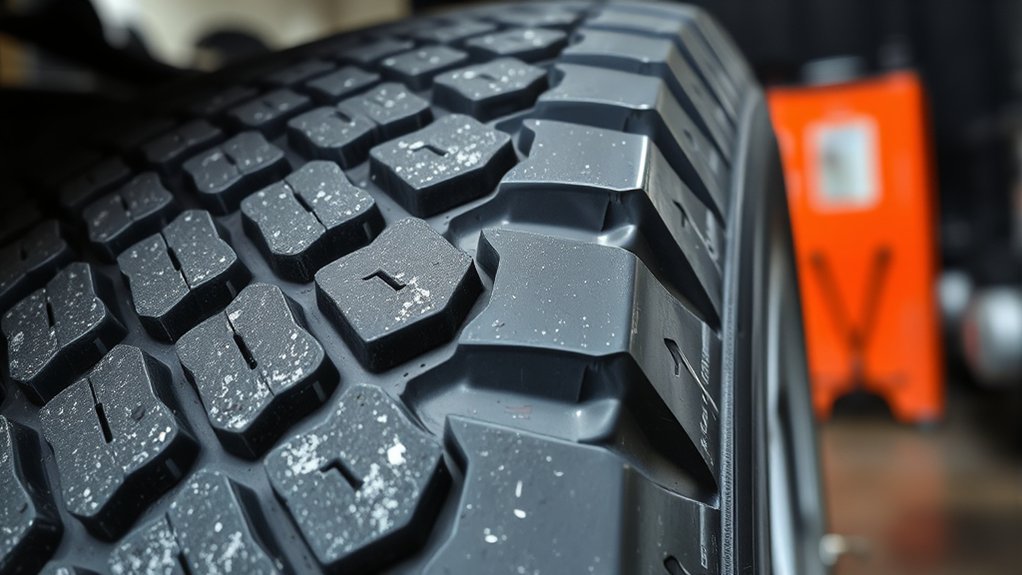
Regular tire maintenance isn’t just about extending tire life; it directly impacts your vehicle’s safety and performance. By adhering to maintenance schedules that include monthly tire pressure checks, you guarantee proper inflation, which is vital for preventing uneven wear. Regularly rotating your tires every 5,000 to 8,000 miles promotes even wear, considerably reducing the risk of tire cupping and enhancing tire longevity.
Additionally, annual inspections for alignment and suspension issues can help you identify potential problems early, avoiding costly repairs down the road. Neglecting these practices can result in cupped tires that compromise traction and handling, posing serious safety hazards. Investing time in regular tire maintenance not only improves your vehicle’s performance but also provides peace of mind on the road. Prioritizing tire care is fundamental for a safer, more efficient driving experience.
When to Seek Professional Help for Tire Issues
When you experience unusual vibrations in the steering wheel or seat while driving, it’s crucial to seek professional help for tire issues. Ignoring these signs can lead to more severe problems down the line. Here are three key indicators that warrant a tire inspection:
- Increased Rhythmic Noise: A sound that escalates with speed often points to tire cupping or other tire-related issues.
- Pulling to One Side: If your Toyota Hilux drifts despite proper alignment, it could signify tire cupping or suspension problems needing expert evaluation.
- Visible Tread Wear: Uneven tread patterns are clear signs of potential tire failure, requiring immediate attention to guarantee your safety.
A thorough vibration assessment can help identify these issues early, allowing for timely interventions and potentially saving you from costly repairs. Don’t hesitate—your safety depends on it.
Tips to Maximize Tire Lifespan and Prevent Cupping
Maintaining your Toyota Hilux’s tires is vital for maximizing performance and safety. To extend tire lifespan and prevent cupping, start by rotating your tires every 5,000 to 8,000 miles. This practice promotes even tread patterns, reducing the risk of uneven wear. Additionally, conduct annual alignment checks to guarantee proper wheel alignment, which is essential for consistent tire contact with the road.
Keep an eye on tire pressure by checking it monthly; both underinflated and overinflated tires can accelerate wear and lead to cupping. Invest in high-quality tires that suit your driving conditions, as cheaper options may have defects that exacerbate wear issues. Finally, schedule routine suspension inspections to catch any worn or damaged components early, making sure they don’t compromise tire performance. Following these tips will help you maintain peak tire health, enhancing your Hilux’s overall driving experience.
Frequently Asked Questions
What Is the Most Likely Cause of Scalloped or Cupped Tires?
Scalloped or cupped tires often result from poor tire maintenance and suspension issues. Improper wheel alignment, worn shocks, and unbalanced tires can all contribute to uneven wear patterns, affecting your vehicle’s performance and safety.
Conclusion
In summary, addressing tire cupping early can save you both time and money. By staying vigilant for warning signs and maintaining your Toyota Hilux, you keep your ride smooth and safe. Remember, tires are the shoes of your vehicle; treat them well, and they’ll carry you far. Regular checks, proper alignment, and rotation are your best defense against tire wear. Don’t wait until wear and tear takes its toll—act now to guarantee peak performance and safety on the road.

Related Articles
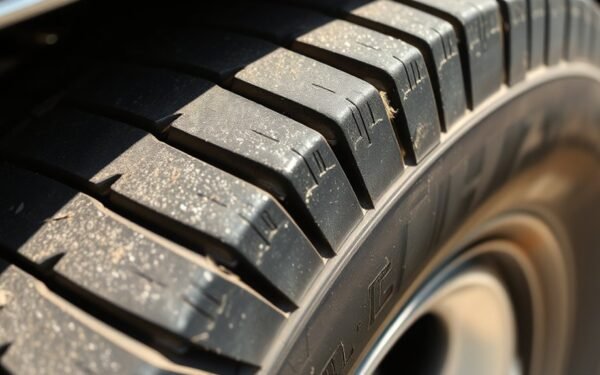
Why Toyota Hilux Tires Wear Out on the Outer Edge
Understanding why Toyota Hilux tires wear out on the outer edge can unveil crucial maintenance insights that every owner should know.
Read More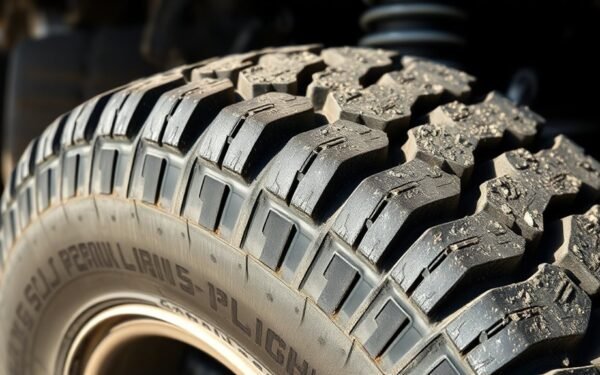
What Causes Inner Tire Wear on the Toyota Hilux
Prevent inner tire wear on your Toyota Hilux by understanding key factors; discover how alignment and maintenance play crucial roles.
Read More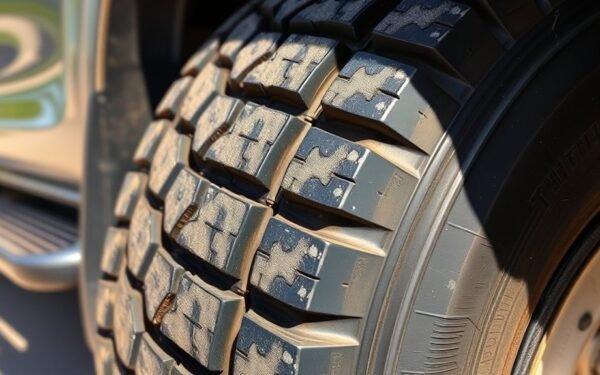
Toyota Hilux Tire Wearing Unevenly: Causes and Fixes
Wondering why your Toyota Hilux tires are wearing unevenly? Discover the causes and essential fixes to ensure your safety and tire longevity.
Read More