
Best Tire Brands for 2026: Michelin, Bridgestone & More

Choosing the best tire brand is really about choosing the best tire model for your vehicle, climate, driving style, and budget. A premium logo can still be the wrong choice if the size, load rating, speed rating, season rating, or tread design does not match how and where you drive.
This 2026 guide compares seven strong car tire brands: Michelin, Bridgestone, Continental, Goodyear, Pirelli, Yokohama, and Cooper. Use it as a practical starting point, then compare exact tire models in your size before you buy.
Quick Answer
For most drivers, Michelin, Continental, Bridgestone, and Goodyear are the strongest first brands to compare because they offer broad lineups for all-season, touring, performance, SUV, truck, and winter needs. Cooper is a smart value pick, Yokohama is strong for balanced comfort, and Pirelli is best for drivers who want sportier handling.
Key Takeaways
- The best tire brand depends on the exact model, not just the name on the sidewall.
- Always match the tire size, load index, speed rating, and recommended pressure from your door placard or owner’s manual.
- For regular snow and ice, dedicated winter tires are the safest route. For lighter winter use, compare all-weather tires with the 3PMSF symbol.
- Compare treadwear warranty, wet-braking notes, comfort reviews, tire category, and total installed price before buying.
Affiliate disclosure: This article contains affiliate links. If you buy through those links, we may earn a commission at no extra cost to you. Recommendations are based on fit, safety factors, tire category, and value, not commission alone.

What makes a tire brand worth considering?
A strong tire brand usually offers more than one good model. Look for consistent performance across the things that affect daily driving: grip, braking, tread life, comfort, winter capability, fuel efficiency, warranty support, and easy replacement availability.
- Grip and braking: Wet traction matters because stopping distance changes quickly when roads are slick.
- Handling and stability: Good tires should feel predictable during lane changes, cornering, and emergency maneuvers.
- Comfort and noise: Touring tires usually focus on smooth ride quality and lower road noise.
- Durability and tread life: A longer warranty can help, but real-world life still depends on alignment, rotation, pressure, road surfaces, and driving habits.
- Weather performance: All-season, all-weather, summer, winter, and all-terrain tires are built for different conditions.
- Value: The cheapest tire is not always the lowest-cost tire if it wears quickly or performs poorly in rain.
- Support and availability: A common tire model is easier to replace, warranty, rotate, or match if one tire is damaged.
Safety note: Never choose a tire only because it is from a “top” brand. Confirm the exact size, load rating, speed rating, and season category for your vehicle before buying.
[Products Worth Considering]

Accurately measure tire tread depth with a calibrated gauge marked from 0 to 1 inch in 1/32 inch increments. The color-coded bar helps you quickly identify tread condition ranges, supporting safe driving for trucks, motorcycles, automobiles, and passenger vehicles.

Protect tire valves from water, dust, and sand to help prevent leaks and support safe driving. These universal stem caps install quickly by hand and feature durable aluminum alloy construction with an inner sealing ring for better air retention. Compatible with cars, SUVs, trucks, motorcycles, and bicycles for everyday convenience.

The 22800 wheel stud installer makes replacing wheel studs quick and secure, saving time and effort during tire service. It uses a ratchet or impact wrench to pull new studs firmly into place, helping when existing studs are too long. Compatible with most automotive wheels and light-duty truck wheel studs, it’s designed for easy, tool-assisted installation.
How to choose the right tire brand for your car
Use the brand shortlist as a starting point, then narrow your choice by fitment and driving conditions. The NHTSA TireWise guide recommends checking your owner’s manual or the Tire and Loading Information Label on the driver’s side door area for the correct tire size and specifications.
- Match the factory requirements first. Check tire size, load index, speed rating, and recommended cold inflation pressure.
- Pick the correct tire type.
- All-season tires: Best for mild climates and everyday commuting with light seasonal changes.
- All-weather tires: Best for drivers who want year-round convenience plus improved light-snow capability. Look for the 3PMSF symbol.
- Winter tires: Best for regular snow, ice, slush, and extended freezing temperatures.
- Summer tires: Best for warm-weather grip and performance driving, but not for snow or freezing conditions.
- All-terrain tires: Best for trucks and SUVs that split time between pavement and dirt, gravel, job sites, or light trails.
- Decide your top priority. Choose one main goal: wet braking, comfort, tread life, snow traction, performance handling, fuel economy, or price.
- Compare models within the brand. A Michelin touring tire and a Michelin performance tire can feel completely different. The same is true for every major brand.
- Check installation quality. Mounting, balancing, alignment, and rotation can affect ride comfort and tread life as much as the tire choice itself.
At a Glance
| Time Required | 10 to 20 minutes to check your tire placard, compare models, and confirm warranties |
| Difficulty | Easy if you start with your vehicle’s required size and climate needs |
| Tools Needed | Owner’s manual or door placard, tire pressure gauge, tread depth gauge or penny, and a tire retailer fitment checker |
| Cost | Varies by size and category. Compare total installed price, not just tire price. |
Quick comparison: best tire brands by buyer type
If you already know your main priority, use this tire brand comparison table to narrow your shortlist faster.
| Brand | Best starting point for | Watch before buying | Amazon |
|---|---|---|---|
| Michelin | Premium comfort, wet grip, tread life, and all-weather options | Higher upfront cost in many sizes | Check Price on Amazon |
| Bridgestone | Broad choices for touring, SUV, winter, EV, and performance use | Compare the exact model because the lineup is wide | Check Price on Amazon |
| Continental | Rainy climates, stable handling, and premium touring comfort | Truck and off-road choices may be more limited than some rivals | Check Price on Amazon |
| Goodyear | Mainstream availability, all-weather choices, SUV, truck, and commuter tires | Different Goodyear lines can target very different budgets and uses | Check Price on Amazon |
| Pirelli | Sport sedans, premium SUVs, and drivers who want sharper steering | Performance-focused tires may ride firmer or wear faster | Check Price on Amazon |
| Yokohama | Balanced comfort, responsive feel, and mid-range value | Check whether the model is comfort-focused or performance-focused | Check Price on Amazon |
| Cooper | Value-focused commuters, family vehicles, SUVs, and light trucks | Compare wet traction and snow capability by exact model | Check Price on Amazon |
How these tire brands were selected
This guide does not claim hands-on testing of every tire model. The brands below were selected as strong buyer starting points based on lineup breadth, common fitment availability, tire category coverage, safety-focused buying factors, warranty visibility, and usefulness for common passenger cars, crossovers, SUVs, trucks, and performance vehicles.
- Lineup depth: Brands with more touring, all-season, all-weather, winter, SUV, truck, and performance choices are easier to match to different drivers.
- Model-level choice: A brand is only useful if it has a model that fits your exact tire size and driving conditions.
- Safety and maintenance factors: Wet traction, load index, speed rating, tread depth, pressure, rotation, alignment, and installation quality all matter.
- Value: A good tire should make sense across purchase price, warranty, expected wear, fuel economy, ride comfort, and total installed cost.
Top 7 best car tire brands for 2026
These seven tire brands are strong starting points because they offer broad model lineups for common passenger cars, SUVs, crossovers, trucks, and performance vehicles. Treat the order as a practical buying guide, not a universal ranking for every vehicle.
7) Cooper Tires
Best Value Pick
Cooper is a practical pick for drivers who want dependable everyday tires without paying the highest premium-brand prices. It is especially worth considering for commuters, family vehicles, light trucks, and SUVs where value matters.
Best for: Value-focused drivers, families, daily commuting, and light truck or SUV use depending on the line.
Why you’ll like it: Cooper often competes on price while still offering solid traction, comfort, and warranty coverage in popular sizes.
Skip if: You want the broadest premium performance lineup or you need a highly specialized winter, EV, or ultra-high-performance tire.
Watch for: Model selection matters. Compare wet traction and treadwear warranty carefully, especially if you drive in heavy rain or snow.
Check Cooper Tire Prices on Amazon
6) Yokohama Tires
Best Balanced Comfort Pick
Yokohama is a good match for drivers who want a balanced tire: comfortable enough for commuting, responsive enough for confident handling, and often priced below the most expensive premium options.
Best for: Drivers who want comfort, quietness, and balanced grip at mid-range pricing.
Why you’ll like it: Yokohama offers touring, performance, all-season, and SUV/light-truck options, including models aimed at lower rolling resistance.
Skip if: You want the widest possible winter tire catalog or a tire shop near you does not carry the exact Yokohama model in your size.
Watch for: Some Yokohama models lean toward comfort while others lean toward performance, so compare the exact model category before buying.
Check Yokohama Tire Prices on Amazon
5) Pirelli Tires
Best Sporty Handling Pick
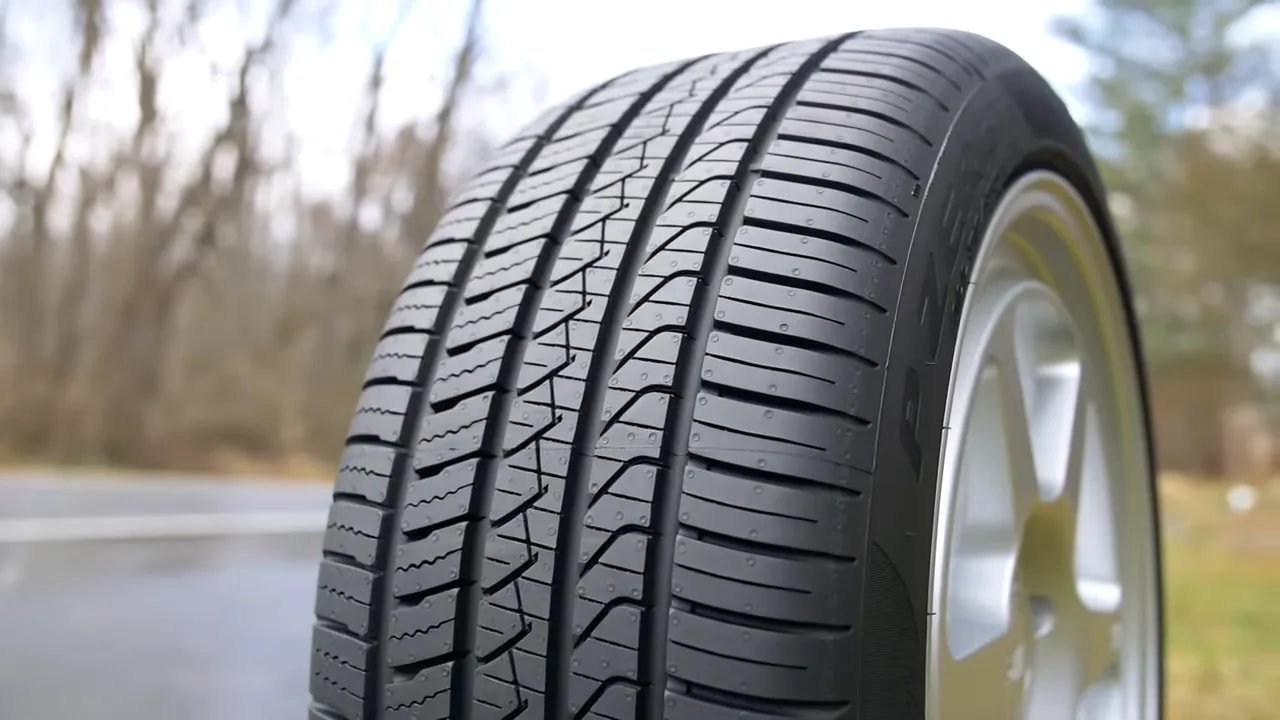
Pirelli is best known for performance-oriented tires, especially for sport sedans, luxury vehicles, performance SUVs, and drivers who care about steering response. It can also be a good fit if you want a more connected road feel.
Best for: Sport sedans, performance vehicles, premium SUVs, and drivers who prioritize handling.
Why you’ll like it: Pirelli’s strongest lines often focus on grip, responsiveness, and confident control in dry and wet conditions.
Skip if: Your top priority is the softest ride, lowest road noise, or lowest long-term replacement cost.
Watch for: Performance tires can cost more, ride firmer, and wear faster than touring tires, so check treadwear expectations before buying.
Check Pirelli Tire Prices on Amazon
4) Goodyear
Best Mainstream Availability Pick
Goodyear is one of the most familiar tire names in the U.S. market, with a wide range of touring, all-season, all-weather, performance, SUV, truck, and winter options. It is a strong mainstream choice when you want easy availability and broad fitment coverage.
Best for: Drivers who want mainstream reliability, strong wet traction options, and a wide selection of tire types.
Why you’ll like it: Goodyear has models for daily commuters, SUVs, trucks, performance cars, and drivers who want all-weather convenience.
Skip if: You are comparing only by brand name and not by the exact Goodyear model, because the lineup covers many different price and performance levels.
Watch for: Compare the exact Goodyear line. An economy-focused model and an all-weather model will not perform the same.
Check Goodyear Tire Prices on Amazon

3) Continental
Best Wet-Road Confidence Pick
Continental is a strong choice for drivers who prioritize safety feel, wet braking, and stable handling. It is especially worth comparing if you drive often in rainy conditions or want a premium touring tire with predictable road manners.
Best for: Rainy climates, safety-first drivers, highway commuters, and premium touring applications.
Why you’ll like it: Continental’s strongest passenger-car lines tend to emphasize wet traction, steering stability, braking confidence, and ride comfort.
Skip if: You need aggressive off-road tread choices or the lowest possible installed price.
Watch for: Continental is not always the cheapest option, and off-road-focused choices may be more limited than brands with broader truck lineups.
Check Continental Tire Prices on Amazon
2) Bridgestone
Best Broad Lineup Pick
Bridgestone is a major global tire brand with a deep lineup covering commuter cars, SUVs, trucks, performance vehicles, electric vehicles, and winter driving. It is one of the safest “start here” brands if you want many model choices in one place.
Best for: Drivers who want a trusted all-around brand with strong options for touring, winter, performance, EV, and SUV use.
Why you’ll like it: Bridgestone offers a broad catalog, including winter-focused lines and comfort-focused touring tires.
Skip if: You only want the lowest-cost tire and do not need premium features, winter capability, or specialty fitments.
Watch for: Some Bridgestone models are premium priced, while some budget-oriented lines may not match the brand’s highest-performing tires.
Check Bridgestone Tire Prices on Amazon
1) Michelin
Best Overall Starting Point
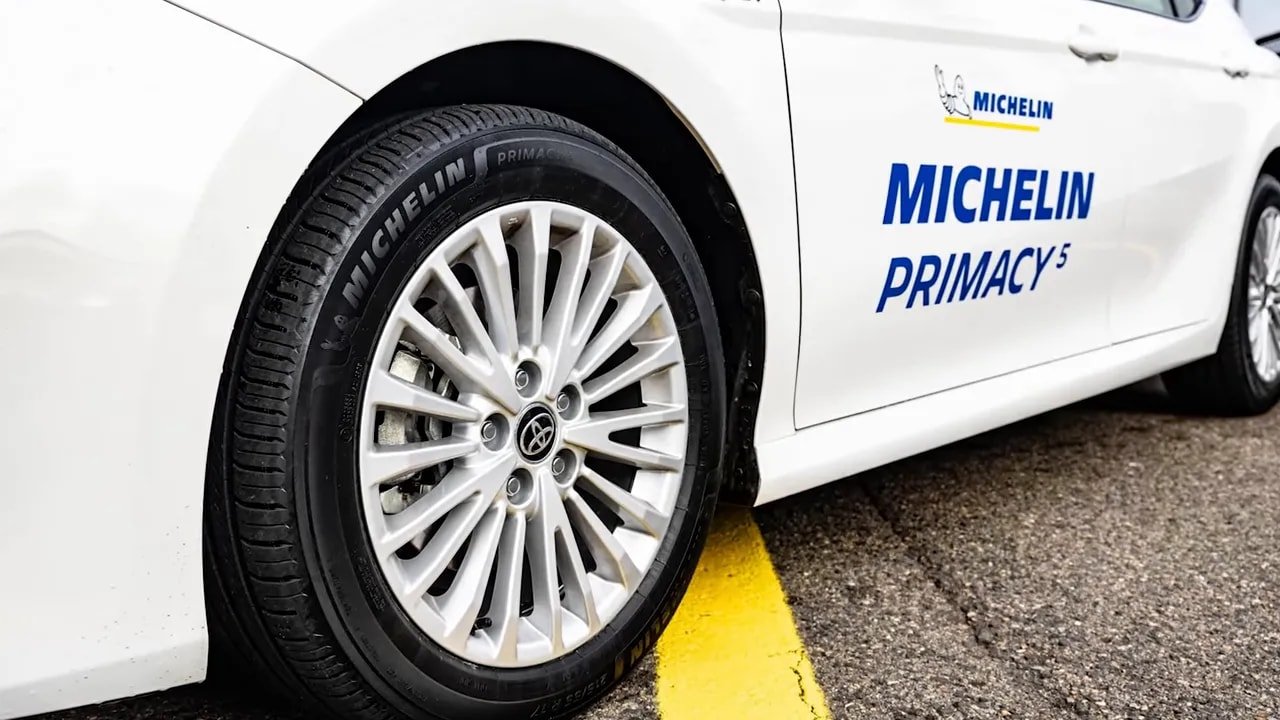
Michelin is often the benchmark for drivers who want a premium tire with strong consistency across comfort, tread life, wet grip, and all-weather options. For example, Michelin’s CrossClimate2 is a well-known all-season tire with 3PMSF certification and a published 60,000-mileage warranty in many replacement fitments.
Best for: Drivers who want long-term value, comfort, wet grip, and dependable performance across many conditions.
Why you’ll like it: Michelin’s premium lines often combine ride comfort, strong treadwear warranties, and confident wet-weather performance.
Skip if: Your budget is tight and a lower-cost tire that still meets your safety needs is available in your size.
Watch for: Michelin usually costs more up front, so compare cost per mile, warranty length, and the exact model’s test results before deciding.
Check Michelin Tire Prices on Amazon
Which brand is best for wet driving, snow, comfort, or value?
There is no single winner for every driver. Use your main driving condition to narrow the list, then compare specific tire models in your exact size.
| Wet safety and braking | Start with Continental, Michelin, Goodyear, and Bridgestone. Compare wet traction grades, professional tests where available, and owner feedback for your exact size. |
| Snow and ice | For frequent winter driving, choose dedicated winter tires. For lighter winter use, compare 3PMSF-rated all-weather models from Michelin, Goodyear, Bridgestone, Pirelli, and others. |
| Quiet comfort | Look at Michelin, Continental, Yokohama, Bridgestone, and Cooper touring tires. Avoid aggressive tread patterns if cabin noise is a major concern. |
| Performance handling | Pirelli, Michelin, Continental, Bridgestone, and Yokohama all offer performance-focused lines. Expect trade-offs in tread life, ride firmness, and winter usability. |
| Value | Cooper is a strong first stop. Also compare select Yokohama, Goodyear, and Bridgestone models when rebates or installed-price deals are available. |
Pro Tip: Compare tires in your exact size. A tire that performs well in one size can ride, wear, or handle differently in another size because construction and load ratings may change.
How to read the ratings before you buy
Brand reputation helps, but tire markings and ratings tell you whether a tire fits your vehicle and use case.
- Size: Match the tire size listed on your door placard or owner’s manual unless your vehicle manufacturer approves an alternate size.
- Load index: This tells you how much weight the tire can support. Do not go below the required load index.
- Speed rating: This indicates the tire’s speed capability under controlled conditions. Match or exceed the vehicle requirement unless a qualified tire professional advises otherwise.
- UTQG treadwear, traction, and temperature grades: NHTSA explains that many passenger tires are rated for treadwear, wet-traction braking, and heat resistance. Use these as comparison tools, not guarantees of real-world mileage.
- 3PMSF symbol: This marks a tire that meets a severe-snow service standard, but it does not automatically make the tire equal to a dedicated winter tire.
- DOT date code: Check tire age, especially when buying from older stock or replacing a spare.
[Products Worth Considering]

Measure tire tread depth quickly and accurately with this LUMITECO dial gauge that reads in 1/32" increments up to 14/32". The color-coded green/yellow/red zones make it easy to judge tire wear and know when replacement is needed. A rugged, compact design with a protective pouch helps keep the gauge ready for use on cars, trucks, motorcycles, and more.

This digital tire pressure gauge with built-in inflator helps you accurately check and adjust tire pressure for safer driving and better fuel efficiency. It supports multiple units (PSI, KPA, BAR, KG/CM²) and reads within 1% for reliable results. The 3-in-1 design inflates, deflates, and measures, with a quick-connect air chuck and compatible hose setup for cars, trucks, SUVs, RVs, and motorcycles.

AZUNO’s digital tire inflator delivers stable, accurate pressure readings with a bright LCD and a 0.1 resolution display for confident inflation. It supports one-handed operation for inflating and quick deflating, and it’s built with rugged steel and brass components for reliable shop or garage use. With multi-unit pressure display and compatibility across cars, SUVs, motorcycles, and trucks, it’s a convenient accessory for everyday tire maintenance.
Before you buy: quick tire checklist
- Confirm your tire size on the driver-side door placard or owner’s manual.
- Match or exceed the required load index and speed rating.
- Choose the right category for your climate: all-season, all-weather, winter, summer, or all-terrain.
- Check whether you need passenger, light truck, XL, EV-ready, run-flat, or OEM-specific tires.
- Compare treadwear warranty, UTQG ratings where available, wet traction notes, and road-noise feedback.
- Review the total installed price, including mounting, balancing, valve stems or TPMS service, disposal fees, alignment, and road-hazard coverage.
- Ask the installer about rotation schedule, alignment needs, and proper cold tire pressure.
Common tire-buying mistakes to avoid
- Buying by brand only: Two models from the same brand can behave very differently.
- Ignoring climate needs: All-season, all-weather, summer, and winter tires are not interchangeable.
- Using worn tires too long: NHTSA says tires should be replaced when tread reaches 2/32 of an inch, and you should check tread at least monthly along with pressure.
- Ignoring tire pressure: FuelEconomy.gov notes that proper tire inflation can improve gas mileage and help tires last longer.
- Replacing only one tire without checking tread depth: Mismatched tread depth can affect stability, especially on all-wheel-drive vehicles.
- Skipping alignment: Misalignment can cause uneven wear even on expensive tires.
- Forgetting the total installed price: Compare tire cost, mounting, balancing, valve stems or TPMS service, disposal fees, alignment, and road-hazard coverage.
A simple decision method so you don’t overthink it
- Write down your tire size and required ratings from the door placard or owner’s manual.
- Choose the tire category based on your climate: all-season, all-weather, winter, summer, or all-terrain.
- Pick your top priority: wet braking, snow traction, comfort, performance, tread life, fuel economy, or value.
- Shortlist 2 to 3 brands that fit that priority.
- Compare specific models by warranty, UTQG ratings, owner feedback, professional tests, and total installed price.
- Schedule proper installation with balancing and alignment checks so the tires wear evenly.
The safest tire purchase is not the most famous brand. It is the correct tire model, in the correct size, installed correctly, and maintained at the correct pressure.
Frequently Asked Questions
What is the best tire brand overall?
Michelin is the best overall starting point for many drivers because it offers strong premium choices for comfort, tread life, wet grip, and all-weather use. That said, Continental, Bridgestone, and Goodyear may be better depending on your vehicle, climate, budget, and exact tire size.
Which tire brand is best for wet weather?
Continental, Michelin, Goodyear, and Bridgestone are good brands to compare for wet-weather confidence. Focus on the exact model’s wet traction, braking performance, tread design, and reviews from drivers in rainy climates.
Are all-season tires enough for winter?
All-season tires are usually enough for mild winter weather, but they are not ideal for frequent snow, ice, or extended freezing temperatures. If you drive in real winter conditions, dedicated winter tires are the safest choice. For lighter winter use, consider all-weather tires with the 3PMSF symbol.
Do premium tires last longer?
Some premium tires last longer, but price alone does not guarantee long tread life. Compare the treadwear warranty, UTQG treadwear grade where available, rotation requirements, and owner feedback for your vehicle type.
Should I buy run-flat tires?
Run-flat tires can help you keep driving for a limited distance after certain punctures, but they can cost more and may ride firmer than standard tires. Use them only if your vehicle supports run-flat tires or your tire professional confirms they are appropriate.
How many tires should be replaced at once?
Replacing all four tires is often best for balanced traction. At minimum, many vehicles should be replaced in pairs on the same axle. All-wheel-drive vehicles may require four matching tires if tread depth differs too much, so check your owner’s manual or ask a qualified tire shop.
Which tire brand is best for the money?
Cooper is a strong value pick, while Yokohama, Goodyear, and Bridgestone often have good mid-range options depending on rebates and installed pricing. The best value is the tire that meets your safety needs and has the lowest cost per mile, not just the lowest sticker price.
What does 3PMSF mean on a tire?
3PMSF stands for Three-Peak Mountain Snowflake. It means the tire meets a severe-snow service performance threshold. It is useful for all-weather tire shopping, but it does not mean the tire will match a dedicated winter tire on ice, deep snow, or severe winter roads.
Can I mix tire brands?
It is best to use matching tires in the same size, category, load rating, speed rating, and tread depth. Mixing brands or models can affect handling, braking, and stability. All-wheel-drive vehicles may be especially sensitive to tread-depth differences, so check your owner’s manual or ask a qualified tire shop.
Which tire brand is best for SUVs and trucks?
Bridgestone, Goodyear, Michelin, Cooper, and Yokohama are good brands to compare for SUVs and light trucks. The best choice depends on whether you need highway comfort, all-terrain grip, towing support, snow traction, or long tread life.
Final takeaway: how to pick your best tire brand in 2026
Start with Michelin, Continental, Bridgestone, and Goodyear if you want premium safety, comfort, and broad availability. Consider Cooper if value is your main goal, Yokohama if you want balanced comfort and grip, and Pirelli if sharper handling matters most.
Then make the real decision at the model level. Match your exact vehicle requirements, choose the right season category, compare wet braking and tread life, and budget for proper installation. That process will get you a better tire than choosing by brand name alone.
Final Recommendation
Choose Michelin if you want the strongest premium starting point, Continental if wet-road confidence matters most, Bridgestone or Goodyear if you want broad availability, Cooper if value matters most, Yokohama if you want balanced comfort, and Pirelli if you prefer a sporty feel. Always confirm the exact model, size, load index, speed rating, and installed cost before ordering.
Sources
- NHTSA TireWise — tire buying, UTQG ratings, pressure, tread depth, rotation, aging, and safety guidance
- FuelEconomy.gov: Keeping Your Vehicle in Shape — tire inflation and fuel economy guidance
- Tire Rack: Three-Peak Mountain Snowflake Symbol — 3PMSF explanation and limitations
- Michelin CrossClimate2 — example of an all-season tire with 3PMSF certification and published mileage warranty details
- FTC Disclosures 101 — affiliate and endorsement disclosure guidance
[Products Worth Considering]

Keep your tires properly inflated with this analog VONDIOR tire pressure gauge, designed for fast, easy readings without batteries. The swiveling, two-axis hose and large glow dial help you measure at any tire angle with instant visibility. Built with a protective rubber shield, it supports durable, low-maintenance use for cars and trucks.

Monitor tire tread wear with a smart, color-coded depth gauge that shows clear condition ranges at a glance. The bar is range marked for fast, easy readings, helping you maintain safer traction and performance. Each gauge is portable with a pocket clip, and the set includes 20 units for daily use and sharing.

The SAFELIFE dial tire tread depth gauge measures tread depth in 1/32 inch increments with clear, easy-to-read 2-inch dial face. Color zones using a traffic light system help you quickly judge whether tread is low, marginal, or ample for safer driving. Built with a durable zinc cast body and a metal detect probe for precise, comfortable use across cars, motorcycles, trucks, and buses.

Related Articles
How Much Does Tire Retreading Cost?
Whether you’re pricing passenger or truck tires, tire retreading costs vary widely, and the real reasons behind the savings may surprise you.
Read More
Firestone Tire Installation Cost: Full Price Guide
Compare Firestone tire installation costs and discover what hidden fees could change your final bill.
Read More
Tire Rack vs Costco: Which Is Better for Tires?
Pick the better tire deal between Tire Rack and Costco before hidden differences change your choice.
Read More