
Nylon vs Polyester Tire Casings: 2026 Guide
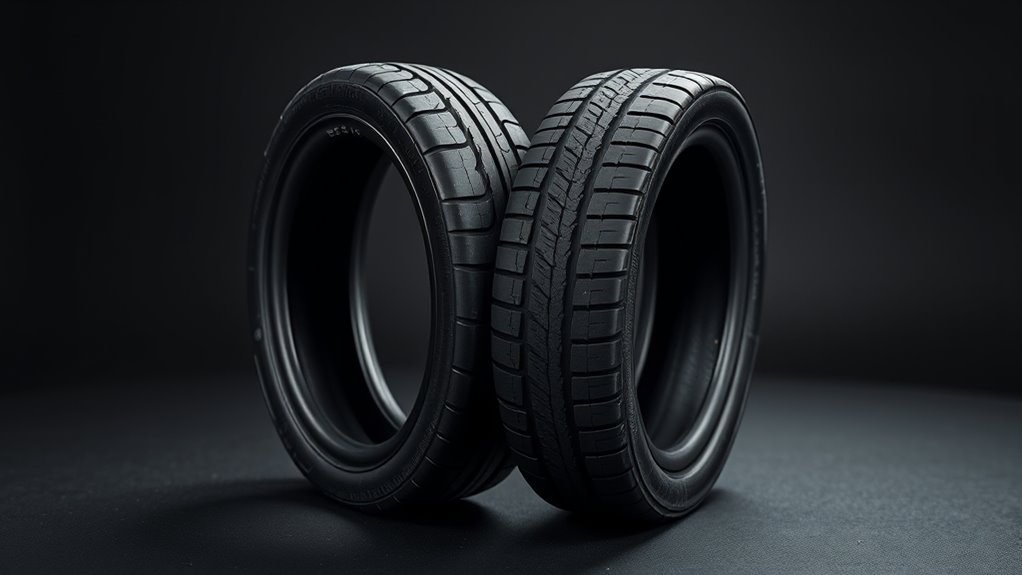
Nylon and polyester tire casings solve different problems, so the better choice depends on the work your tires do. Nylon gives you more flex, impact resistance, and toughness under heavy loads. Polyester gives you steadier shape, lower moisture uptake, and a lower upfront cost. Use nylon for heavy-duty, off-road, or high-stress service, and use polyester for lighter, cost-sensitive routes.
Quick Answer
Choose nylon if you need stronger, more flexible tire casings for heavy loads, sharp impacts, heat, or rough ground. Choose polyester if you need stable shape, lower moisture uptake, and a lower upfront cost for lighter use. For mixed fleets, use nylon on high-stress vehicles and polyester on low-load routes.
Key Takeaways
- Choose nylon when impact resistance, flex, and load handling matter most.
- Choose polyester when shape stability, lower moisture uptake, and cost matter most.
- Match casing material to duty cycle instead of choosing one material for every tire.
- Check ply rating, belt design, load rating, and heat exposure before you buy.
Nylon vs Polyester: Quick Verdict – Which to Choose
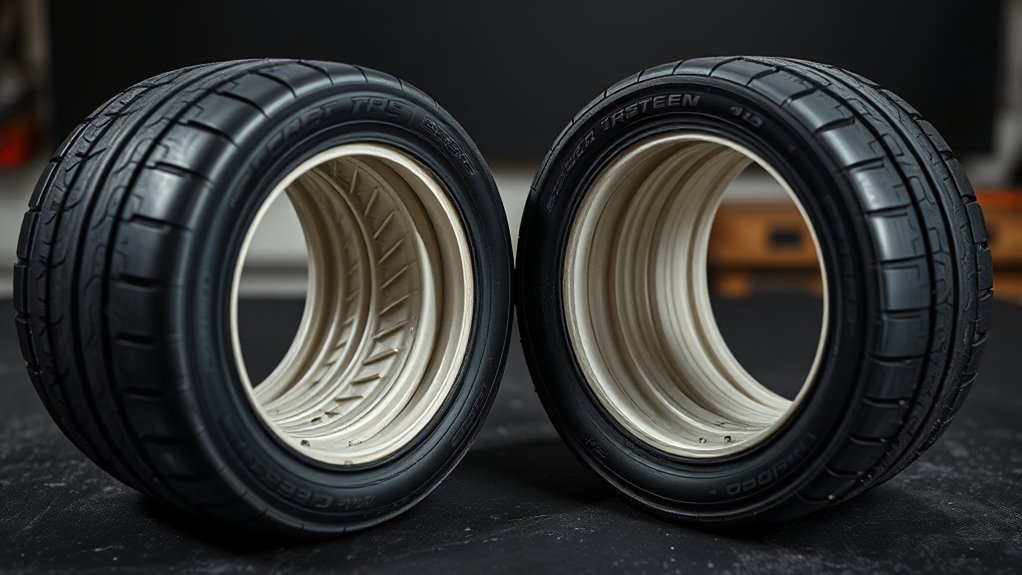
If you need a tire casing that puts strength, flexibility, and long service life first, choose nylon. It offers strong impact absorption, good abrasion resistance, and useful stretch under changing loads. You’ll favor nylon when tire downtime costs more than the higher upfront price.
Choose polyester when you want a lower-cost casing with steadier dimensional stability and lower moisture uptake. It works well for passenger cars, light vans, and budget fleets that run on smoother roads. Your best choice should come from duty cycle, load, speed, road surface, and total ownership cost.
| Factor | Nylon tire casing | Polyester tire casing |
|---|---|---|
| Best use | Heavy-duty, off-road, high-impact, and high-stress service | Passenger, light commercial, and cost-sensitive service |
| Strength and flex | Higher flex and strong impact absorption | Lower flex but steadier shape retention |
| Moisture behavior | Can absorb more moisture than polyester | Absorbs less moisture and holds dimensions well |
| Ride feel | Better shock absorption on rough surfaces | More stable feel on smoother routes |
| Cost profile | Higher upfront cost, often justified by harder service | Lower upfront cost for lighter use |
Choose Nylon If…
Choose nylon if your tires face heavy loads, rough ground, sharp debris, or repeated impact. It suits construction, agriculture, industrial work, and other jobs where casing damage can stop the vehicle.
Choose Polyester If…
Choose polyester if your vehicle carries lighter loads and spends most of its time on paved roads. It suits passenger vehicles, light vans, and budget fleets that need steady handling without overpaying for heavy-duty toughness.
Strength & Flexibility: Nylon vs Polyester Casings
Strength and flexibility shape how a casing handles load, cuts, impact, and tire geometry. Nylon usually gives you more stretch before failure, so it can absorb shocks and recover shape after impacts. That flex helps reduce stress points that can lead to casing damage.
Polyester trades some flex for steadier shape and lower moisture uptake. That makes it useful when predictable handling and stable dimensions matter more than impact absorption. If you want toughness on harsh surfaces, nylon often fits better. If you want steady behavior in lighter service, polyester remains a practical choice.
Real-World Performance: Traction, Load Capacity and Wear
Nylon and polyester perform differently once the tire meets real roads, loads, and heat. Nylon’s flex can help the casing absorb bumps and maintain contact on uneven ground. That can support traction in rough or changing conditions.
For load handling, nylon casings can resist deformation well in demanding service, especially when tire construction also includes proper belts and ratings. Polyester’s shape stability helps consistent geometry and predictable handling on smoother routes. But lower flex can reduce shock absorption when surfaces change fast.
Wear depends on more than casing fabric. Tread compound, belt package, inflation pressure, speed, heat, alignment, and load all affect tire life. Nylon can help in impact-prone settings, while polyester can serve well when routes stay smooth and loads stay modest.
Note: Always compare the full tire specification, not just the casing fabric, because belt design and load rating can change performance.
Which Material to Pick by Vehicle Type and Duty Cycle
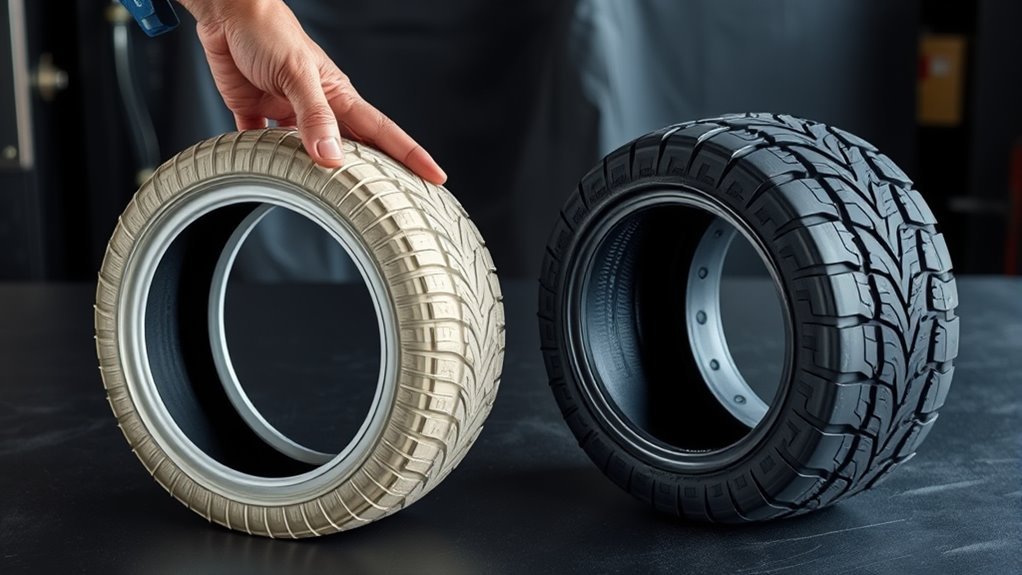
The right casing material depends on vehicle type, load, route, and how often the tire faces impact. Use the material where it gives you a clear benefit.
- Construction, agriculture, skid steers, and telehandlers: pick nylon when load capacity, elasticity, and puncture resistance matter.
- Commercial trucks under heavy loads: consider nylon constructions with suitable belts and ratings to help control deformation.
- Passenger cars and light vans: choose polyester casings for steady ride quality and cost control when extreme durability is not required.
- Mixed-use fleets: assign polyester to low-load urban routes and reserve nylon for off-road or high-stress vehicles.
This approach helps you avoid over-specifying low-risk vehicles while protecting the tires that face the hardest work.
Durability Checklist: Punctures, Heat, Maintenance and Buying Tips
Punctures, heat buildup, and poor maintenance drive downtime and tire cost. Nylon offers strong flex and impact resistance, which can help in jobs with sharp debris or repeated shock. Polyester costs less and holds shape well, but it needs closer inspection in demanding service.
- Track punctures and casing failures per 1,000 operating hours.
- Check inflation pressure on a fixed schedule based on load and route.
- Inspect sidewalls and tread for cuts, bulges, cracking, and exposed cords.
- Compare load rating, speed rating, ply rating, belt package, and operating temperature range.
- Replace tires earlier when casing damage appears, even if tread remains.
Choose nylon when duty includes heavy loads, sharp debris, rough ground, or high heat. Choose polyester when the vehicle runs lighter loads on smoother roads and upfront cost matters most.
Warning: Never exceed the tire’s load rating or speed rating, even if the casing material seems strong enough.
Frequently Asked Questions
What Is Better for You, Nylon or Polyester?
Choose nylon if you need stronger flex, better impact absorption, and more resistance to harsh service. Choose polyester if you need lower cost, stable shape, and reliable performance in lighter use.
Are Polyester Tires Good?
Yes, polyester tires can work well for passenger vehicles, light vans, and low-stress fleet routes. They offer stable dimensions and lower moisture uptake, but they usually do not match nylon’s flex and shock absorption in rough service.
Which Is Lightweight, Nylon or Polyester?
Nylon often helps tire makers build strong, flexible casings with less material. Polyester can also support efficient tire designs, but its main advantages are stable shape, lower moisture uptake, and cost control.
What Is the Tensile Strength of Nylon Vs Polyester?
Tensile strength varies by fiber grade, cord design, treatment, and tire construction. In practical tire buying, you should compare the finished tire’s load rating, ply rating, belt package, and manufacturer specifications instead of relying only on raw material ranges.
Does Nylon or Polyester Last Longer in Tires?
Nylon can last longer in high-impact or heavy-duty service because it handles flex and shock well. Polyester can last well in lighter use when you maintain pressure, alignment, load, and rotation schedules.
Can You Mix Nylon and Polyester Tires in a Fleet?
You can use both materials in one fleet when you assign them by route and duty cycle. Keep tires matched on each axle by size, load rating, speed rating, and manufacturer guidance.
Conclusion
The best casing material is the one that matches your tire’s workload. Pick nylon when rough ground, heavy loads, impact, and heat create real casing risk. Pick polyester when lighter service, stable handling, and lower upfront cost matter more. Before you buy, compare the full tire specification and match it to the vehicle’s duty cycle. That single step can cut downtime and help every tire do the job you bought it to do.

Related Articles

What Is a Fat Tire? Complete Guide & Best Options
I’ll show you what makes fat tires different, which setups work best, and why the right choice could change your ride.
Read More
What Does W Mean on a Tire? Load, Speed & Rating Guide
Huh, what does W on a tire really mean, and why could choosing the wrong rating affect your safety and performance?
Read More
What Does Tire Flipping Work? Muscles, Benefits & Workout Guide
Strong tire flips hammer your entire body, but which muscles and benefits matter most?
Read More