
Tire Punctures: How Kevlar Protection Works (5 Tips)
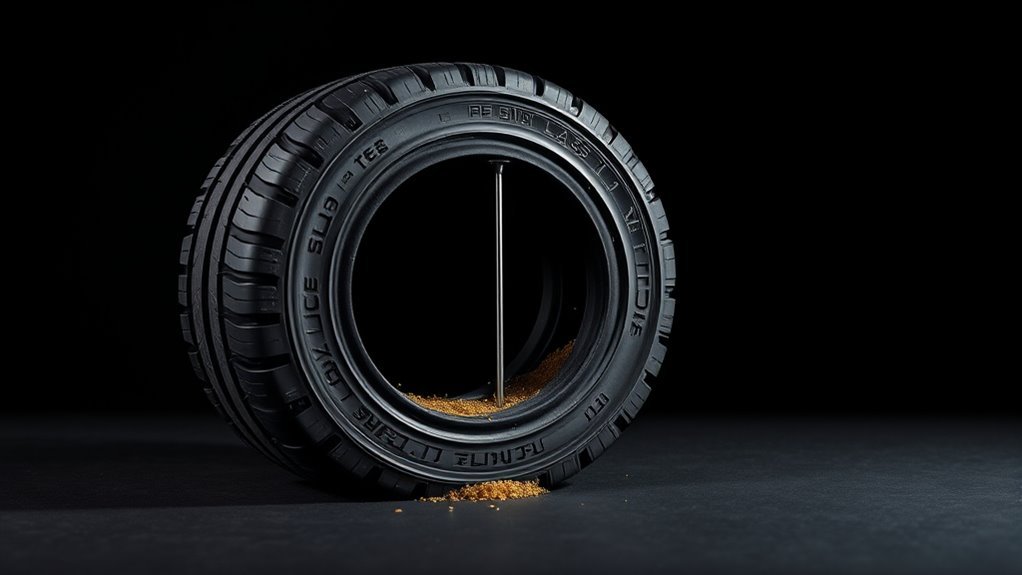
Sharp glass, nails, and flint can end a ride fast, but Kevlar gives your tire a stronger barrier before debris reaches the casing. Kevlar fibers spread cutting force across many tough filaments, so one sharp point has a harder time punching through. This article explains where Kevlar works best, what it changes in ride feel, and why proper pressure still matters.
Quick Answer
Kevlar helps stop tire punctures by adding a tough woven layer under the tread, in the belt, or along the sidewall. The fibers spread force from sharp debris, which lowers the chance that one point cuts through the casing. Kevlar improves protection, but it can’t stop pinch flats, poor inflation damage, or every severe sidewall cut.
Key Takeaways
- Kevlar improves puncture resistance by spreading cutting force across many strong fibers.
- Tread belts help most against glass, thorns, nails, and sharp road debris.
- Sidewall Kevlar helps resist cuts, but severe impacts can still damage the tire.
- Kevlar may add slight weight and stiffness, so ride feel can change.
- Correct tire pressure still matters because Kevlar does not prevent pinch flats.
How Kevlar Stops Cuts in Your Tire
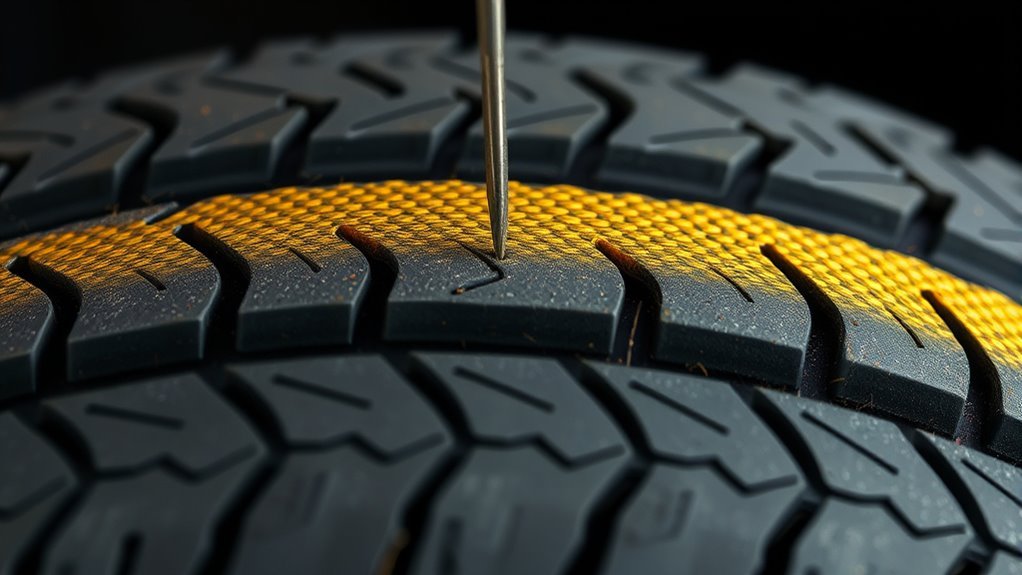
Kevlar fibers sit inside parts of the tire where they can intercept sharp debris before it reaches the casing. The fibers form a strong mesh that spreads force across many strands instead of letting one point carry the full load.
That load sharing helps the tire resist cuts from glass, flint, thorns, and small metal fragments. Kevlar’s high strength for its weight also lets tire makers add protection without adding heavy bulk.
The result is simple: you get better cut resistance and fewer debris-related flats. You still need correct pressure, regular checks, and the right tire for your riding surface.
Kevlar Placement: Tread, Belt, and Sidewall Roles
Kevlar placement matters because each tire zone faces a different type of damage. A tread layer protects against debris from below, while sidewall reinforcement helps with angled cuts from rocks, curbs, and rough edges.
| Zone | Primary Role | Emotional Charge |
|---|---|---|
| Tread | Resists cuts beneath the contact patch and preserves rolling feel | Confidence |
| Belt | Creates a protective layer around the tire circumference | Assurance |
| Sidewall | Helps resist lateral cuts and tears on rough terrain | Freedom |
Tread-integrated Kevlar works best against debris that presses straight into the tire. Belt layers add another barrier around the tire, while sidewall plies help when you ride rough roads, gravel, or loaded touring routes.
Coverage varies by tire model, so don’t judge protection by the word “Kevlar” alone. Check whether the tire protects the tread, sidewalls, or both before you buy.
Kevlar’s Effect on Weight and Rolling Resistance
A Kevlar layer can add some weight and stiffness, but the amount depends on tire size, casing design, and belt thickness. Many riders notice the protection more than the weight, especially on commuter, touring, and utility tires.
- Kevlar can add weight, but it usually adds less bulk than thick rubber-only protection.
- Rolling resistance can rise when extra layers make the tire less flexible.
- Better casing design can limit the speed and comfort tradeoff.
- A firmer ride can feel less supple on rough pavement.
- The best choice balances durability, weight, comfort, and riding surface.
You can choose a lighter Kevlar tire when speed matters most. Choose a heavier-duty version when you carry loads, commute through debris, or ride far from easy repair options.
What Kevlar Won’t Stop: Real-World Limits
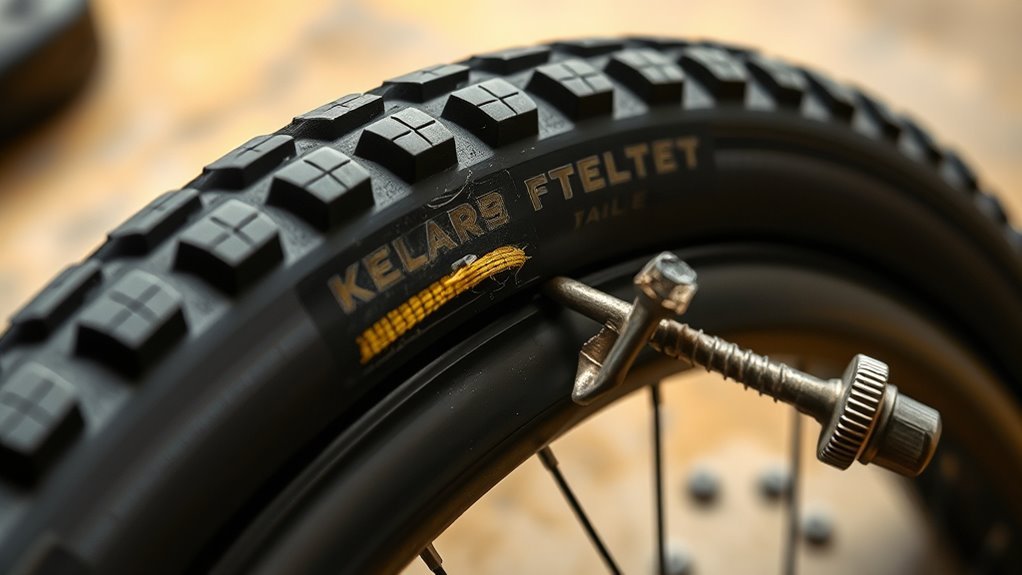
Kevlar belts reduce many punctures from sharp debris, but they don’t make a tire puncture proof. A hard rim strike, very low pressure, or a sharp edge can still cause a pinch flat or casing damage.
Warning: Do not rely on Kevlar to fix underinflation, because low pressure can still cause pinch flats and rim damage.
Sidewalls also remain exposed in many tire designs. An angled rock, curb strike, or long scrape can cut around or through a weak sidewall, especially if the Kevlar layer covers only the tread.
Some tires use thicker or better-placed belts than others. Read the tire’s construction details, inspect the casing often, and match protection to the risks you face.
Choosing and Caring for Kevlar-Belt Tires
Start by matching the tire to your route. City riders often need tread protection against glass and wire, while gravel and touring riders may need stronger sidewalls and a tougher casing.
- Inspect tread and sidewalls each week for cuts, embedded debris, and exposed casing.
- Remove glass, flint, and grit before they work deeper into the tread.
- Check tread depth and replace the tire before the belt becomes exposed.
- Use a pressure gauge and adjust pressure for load, tire width, and road conditions.
- Choose stronger reinforcement when you ride rough terrain or carry heavy bags.
Pro tip: After wet rides, inspect tires sooner because water can help small shards stick in the tread.
Good care helps Kevlar do its job. Clean tires, correct pressure, and timely replacement can prevent many flats before they start.
Kevlar vs. Other Puncture Protection Options
Kevlar works as a built-in barrier, but it is not the only way to reduce flats. Thick rubber belts, tire liners, tubeless sealant, and tougher casings can also help, depending on your setup.
Kevlar suits riders who want protection without a very heavy tire. Sealant can help close small holes, while thicker casings and liners may suit harsh routes where comfort matters less than durability.
Frequently Asked Questions
Are Kevlar Tires Puncture Proof?
No, Kevlar tires are not puncture proof. Kevlar improves cut and puncture resistance, but sharp impacts, pinch flats, and severe sidewall damage can still cause flats.
How Do Puncture Proof Tires Work?
So-called puncture-proof tires use thicker rubber, protective belts, tough casings, or sealant to slow or stop sharp debris. The term can sound absolute, but most designs reduce risk rather than remove it.
How Long Do Kevlar Tires Last?
Kevlar tire life depends on tread compound, rider weight, road surface, pressure, and riding style. Replace the tire when the tread wears thin, the casing shows, or cuts reach the protective layer.
Does Puncture Protection Work?
Yes, puncture protection can reduce flats when you choose the right tire and maintain it well. You get the best results when you pair Kevlar belts with correct pressure and regular tire checks.
Can You Use Sealant With Kevlar Tires?
You can use sealant with many tubeless Kevlar-reinforced tires, as long as the tire and rim support tubeless setup. Check the tire maker’s instructions before adding sealant to any system.
Conclusion
Kevlar helps your tire resist cuts by spreading sharp-force loads across a strong fiber layer. Choose tread, belt, or sidewall protection based on the roads and trails you ride most. Keep your tires clean, inflated, and inspected so the reinforcement can work as intended. With the right setup, you can reduce flat risk and ride with more confidence.

Related Articles
What Does THE P Stand For on a Tire? Full Meaning Explained
I’ll explain what the “P” on a tire really means and why it could change how you choose your next set.
Read More
How to Use a Tubeless Tire Repair Kit: Complete Field Guide
Learn how to fix tubeless tire punctures fast with the right kit, because one small mistake can leave you stranded on the trail.
Read More
How to Tell a Tire’s Diameter: Easy Guide to Reading Tire Size
Want to decode tire sidewall numbers and find the right diameter, but wonder what those hidden digits really mean?
Read More