
Bicycle Tire TPI Explained: How to Choose the Right Casing
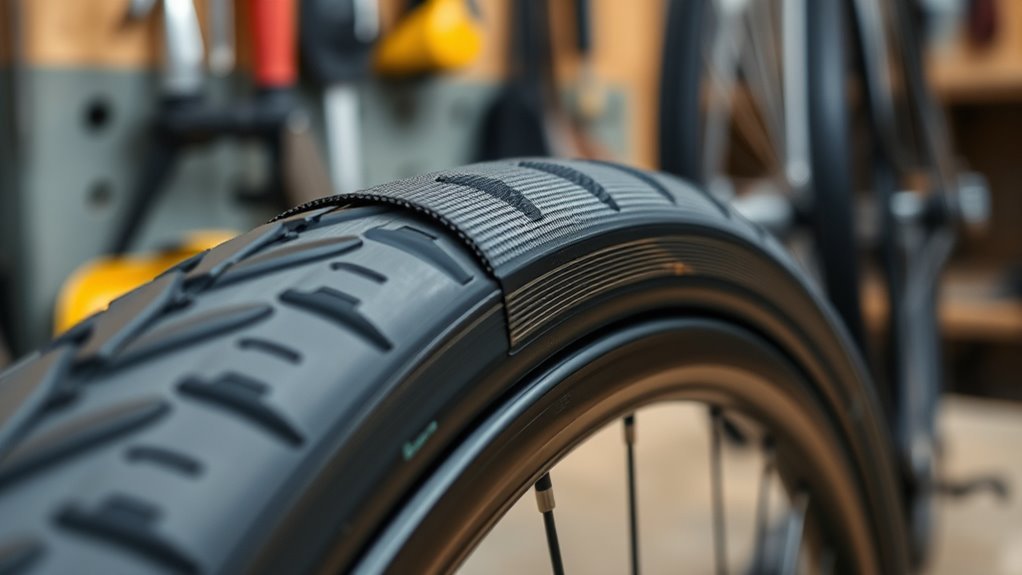
Threads per inch, or TPI, measures how many casing threads cross one inch of a tire. Higher TPI usually means finer yarns and a more supple carcass. Lower TPI usually means thicker yarns and a stiffer, tougher casing. TPI works with thread diameter, casing material, and rubber thickness to shape flex, rolling resistance, and cut resistance. High TPI helps comfort and speed on smooth surfaces, while low TPI usually improves durability on rough ground.
Quick Answer
- Higher TPI usually feels smoother and rolls more easily.
- Lower TPI usually adds strength and puncture resistance.
- TPI is only one part of the tire. Casing material, rubber thickness, and extra protection matter too.
- Road tires often favor higher TPI. Gravel, MTB, and commuter tires often favor tougher, lower-TPI builds.
What TPI Actually Means for a Tire’s Casing
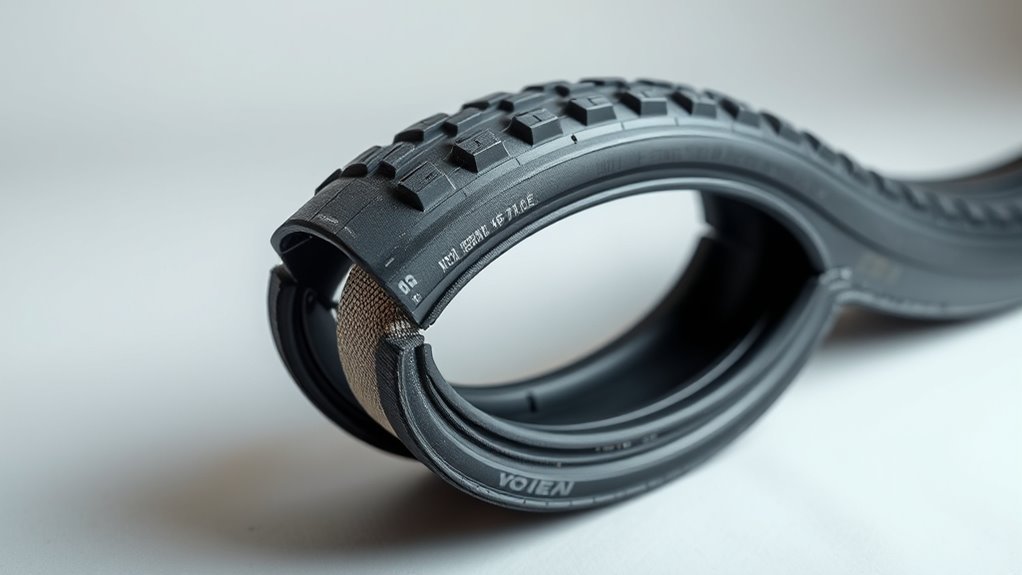
Threads per inch, or TPI, measures how many individual threads cross a one-inch span of a tire’s casing. It affects casing flex and weight. Higher TPI usually means finer, more tightly woven threads, which can make the carcass lighter and more supple. Lower TPI usually means thicker yarns, which often makes the casing stiffer and more resistant to cuts and wear. Vittoria notes that nylon casings can run from 26 to 220 TPI, while cotton and corespun casings can run from 220 to 320 TPI. TPI is only part of the picture, though. Layer count, rubber coating thickness, and protective inserts also shape how a tire rides.
How TPI, Thread Diameter & Rubber Affect Suppleness
Anyone who looks closely at tire construction will see that TPI, thread diameter, and rubber thickness work together. Higher TPI often comes from thinner yarns, which lets the tire flex more and conform better to the road or trail. Larger threads increase stiffness even at similar counts. A thick rubber skim can also hide some of the benefits of a supple casing. Material choice matters too. Nylon, cotton, and corespun all behave a little differently, so you should look at the full construction instead of TPI alone.
| Factor | Effect on Suppleness | Practical Note |
|---|---|---|
| TPI | + flex with finer yarns | Check weave |
| Thread diameter | + stiffness if larger | Measure thread |
| Rubber thickness | + rigidity when thick | Mind compound |
When High TPI Helps : And When It Doesn’t
A high-TPI casing can improve ride comfort and rolling efficiency on smooth, fast surfaces because finer yarns let the tire flex and follow the road with less shock. That said, the trade-off is real. Finer threads can reduce basic toughness, so puncture resistance and sidewall durability may suffer unless the maker adds protection layers or tougher materials. On rough roads and mixed terrain, lower-TPI casings usually hold up better and resist cuts more effectively.
Choosing TPI by Riding Type: Road, Gravel, MTB, Commuter
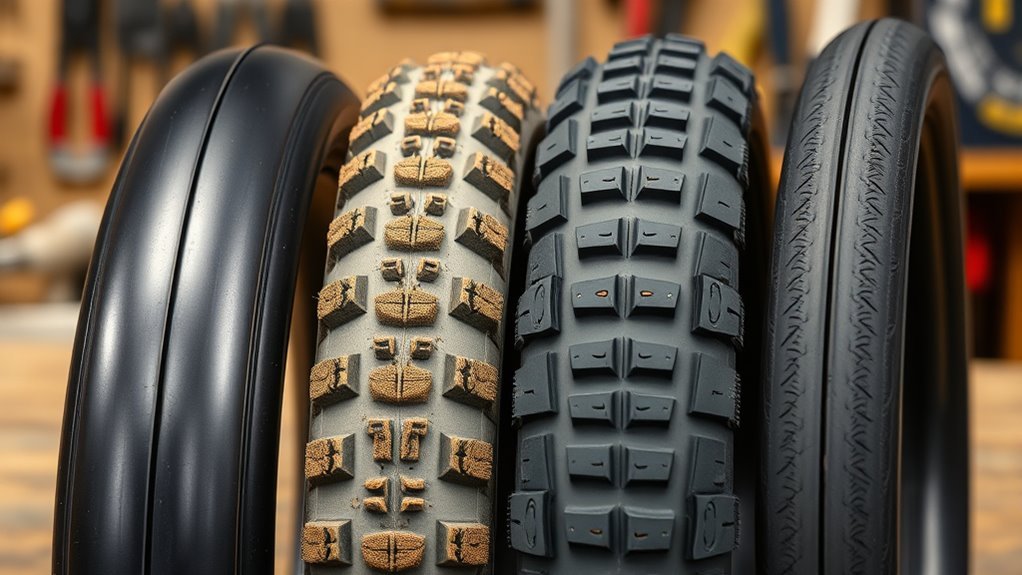
Match TPI to the terrain and the job. Road riders usually want a more supple casing for speed, comfort, and lower rolling resistance on pavement. Gravel riders often need a middle ground, with enough flex for comfort and enough strength for mixed surfaces. MTB and commuter tires usually lean tougher, because sharp rocks, roots, potholes, and curb hits put more stress on the casing. Fat bike tires often use lower-TPI builds too, since flotation and durability matter more than maximum suppleness.
Quick TPI Checks To Ask Before You Buy
Start by checking the stated TPI number and how the maker measures it. Ask whether the number refers to one ply or the whole casing. Then check the casing material, the layer count, and any added protection such as sidewall inserts or anti-puncture belts. If the listing leaves out those details, the tire is harder to judge fairly. The best choice is the one that matches the terrain, not the biggest number on the page.
If a seller gives only a marketing claim and no real construction details, that is a warning sign. Clear specs usually make it easier to compare models on equal terms.
Frequently Asked Questions
Is 60 Tpi or 120 Tpi Better?
Neither is always better. 60 TPI usually favors durability and puncture resistance, while 120 TPI usually gives a more supple feel and better ride quality.
Is Higher Tpi Better?
Usually yes, but not always. Higher TPI often improves comfort and lowers rolling resistance, yet it can reduce toughness.
Is More Tpi Better?
No. More TPI often helps ride feel, but the right choice still depends on terrain, casing material, and protection layers.
What Is 120TPI Mean?
120 TPI means the tire casing has 120 threads per inch. It usually points to a more supple casing, not a better tire in every case.
Conclusion
Think of TPI like the weave in a fabric. Higher counts usually make the casing finer and more flexible. Lower counts usually make it coarser and tougher. Road riders often lean toward higher TPI, while rough-surface and puncture-priority riders usually want stronger casings. The tire label tells part of the story. The rest comes from casing material, rubber, and protection layers.

Related Articles
What Is a Fat Tire? Complete Guide & Best Options
I’ll show you what makes fat tires different, which setups work best, and why the right choice could change your ride.
Read More
What Does W Mean on a Tire? Load, Speed & Rating Guide
Huh, what does W on a tire really mean, and why could choosing the wrong rating affect your safety and performance?
Read More
What Does Tire Flipping Work? Muscles, Benefits & Workout Guide
Strong tire flips hammer your entire body, but which muscles and benefits matter most?
Read More