Inner Tube Guide: 3 Types Compared for Cyclists
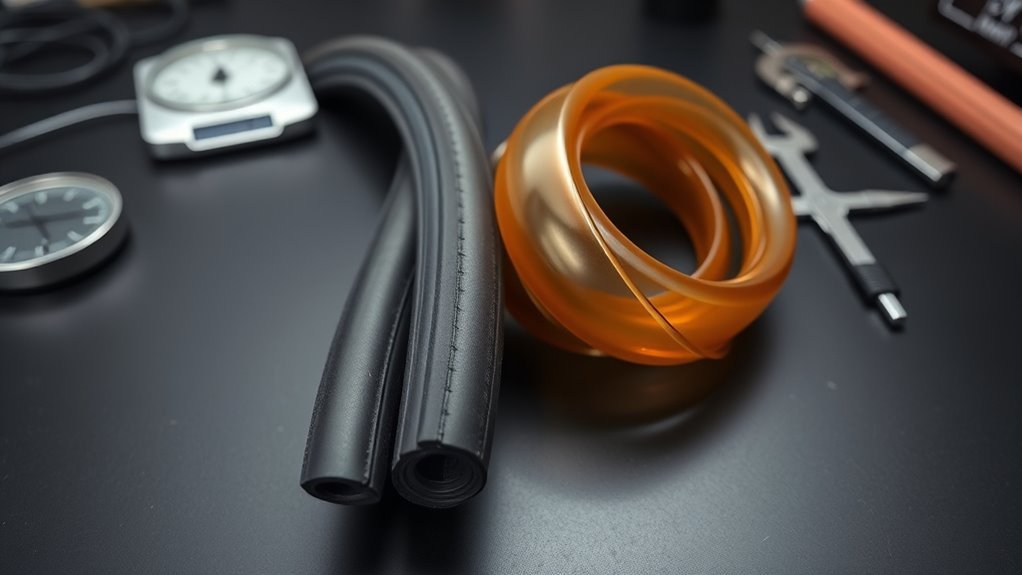
Choosing the wrong inner tube can make your bike feel slower, harsher, or harder to maintain. TPU, butyl, and latex tubes each trade weight, air retention, ride feel, repair ease, and cost in different ways. This guide helps you match the tube material to your riding style, budget, and maintenance habits.
Quick Answer
Choose TPU if you want lower rotating weight and a sharper, more responsive ride. Choose butyl if you want lower cost, easy repairs, and better day-to-day air retention. Choose latex only if you care most about speed and accept more frequent inflation.
Key Takeaways
- TPU tubes suit riders who want low weight, quick handling, and compact spares.
- Butyl tubes suit commuting, touring, training, and riders who want simple repairs.
- Latex tubes suit performance-focused riding, but they need frequent inflation and careful setup.
- Tube choice depends on how you rank weight, puncture risk, air loss, repair ease, and price.
- Carry the right patch kit or spare because TPU, latex, and butyl do not repair the same way.
5 Criteria for Choosing an Inner Tube: Weight, Durability, Air Loss, Punctures, and Cost
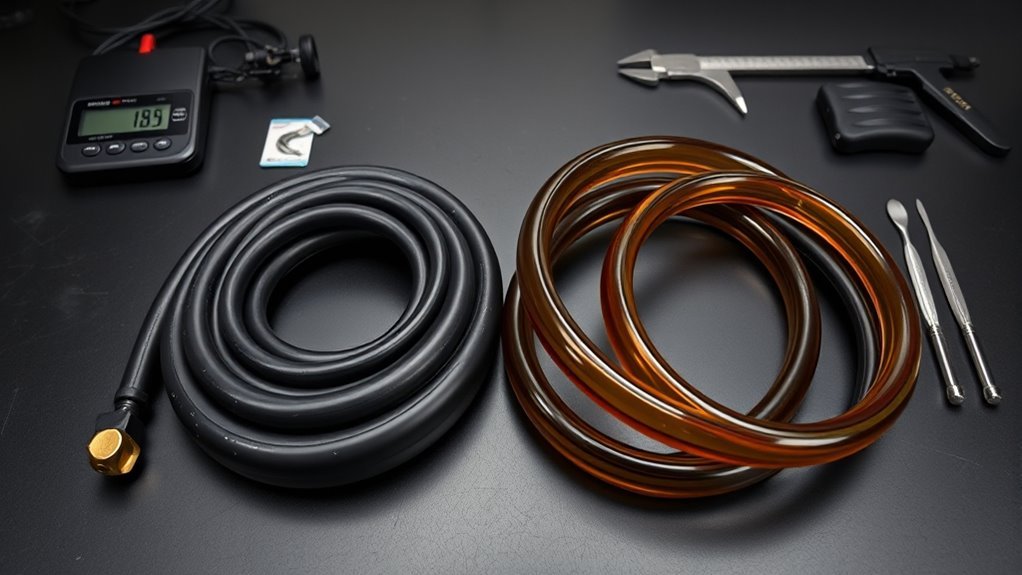
When you choose an inner tube, compare five practical criteria: weight, durability, air loss, puncture resistance, and cost. TPU tubes often weigh about 22 to 100 grams, while many butyl tubes weigh about 105 to 180 grams. Lower weight can help your bike feel quicker, especially during repeated accelerations.
Durability and puncture resistance depend on the tube material, tire setup, road surface, rider weight, and installation quality. Butyl gives you reliable air retention and simple field repairs. TPU can resist many common punctures well, but it needs compatible patches and careful handling during repairs.
Cost also matters. Butyl usually costs less and works well for heavy use. TPU costs more, but riders often choose it for lower rotating weight and compact storage.
Which Inner Tube Is Best for Your Riding?
Pick TPU if reducing rotating mass and improving ride response matter most. TPU tubes are light, compact, and lively, which makes them popular for road riding, racing, and performance-focused setups.
Pick butyl if you want low maintenance, slow air loss, and easy repairs on a budget. Butyl tubes work well for commuting, touring, training, and everyday cycling because they hold pressure well and accept standard patch kits.
Pick latex if you want a fast, supple ride and don’t mind more upkeep. Latex can feel smooth and quick, but it loses air faster and needs more care during installation.
Side-by-Side Inner Tube Comparison
| Tube material | Best for | Main strengths | Main trade-offs |
|---|---|---|---|
| TPU | Performance riding and compact spares | Low weight, lively feel, small packed size | Higher cost and specific repair needs |
| Butyl | Commuting, touring, and everyday use | Good air retention, low cost, easy repairs | Higher weight and less lively ride feel |
| Latex | Racing and speed-focused riding | Supple feel and low rolling resistance | Fast air loss and careful installation |
Butyl Tubes: Durability, Cost, and Everyday Use
Butyl inner tubes give you predictable durability and low operating cost. They use a synthetic rubber that holds air well, handles daily use, and works with common repair kits.
Most riders choose butyl because it keeps cycling simple. You can find replacements easily, patch small punctures with standard kits, and spend less per tube than most TPU or latex options.
The main trade-off is weight. Butyl tubes usually feel less lively than lighter TPU or latex tubes, but they reward you with stable pressure and easy roadside fixes.
Choose Butyl If You Want Low Maintenance
Choose butyl if you ride to work, train often, carry loads, or want fewer pressure checks. It also makes sense if you ride rough roads and value quick, low-cost repairs.
Butyl is not the fastest or lightest choice. It is the practical choice when reliability matters more than saving grams.
TPU Tubes: Weight, Ride Feel, and Repairs
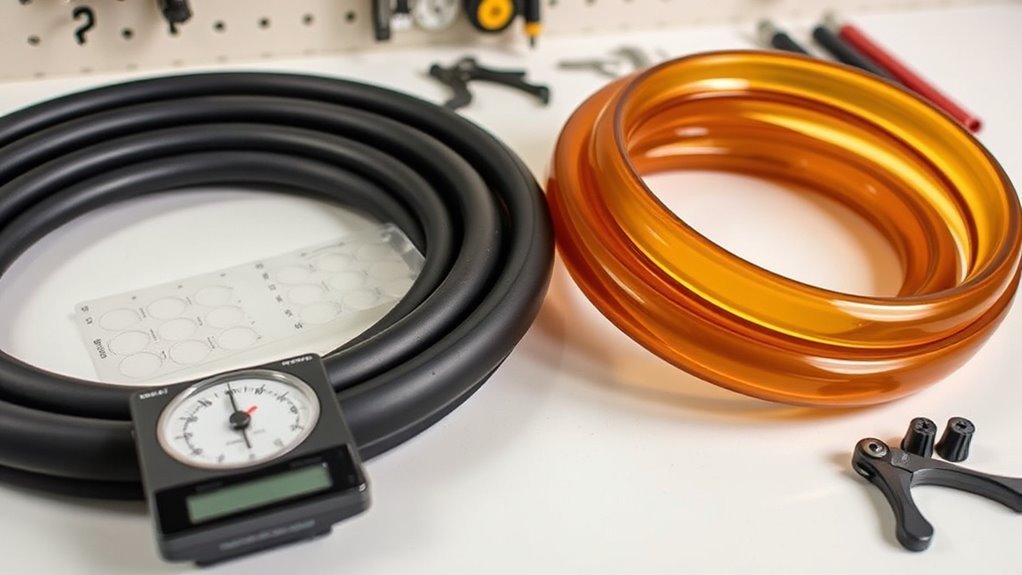
TPU inner tubes, often about 22 to 100 grams for common road sizes, cut weight compared with standard butyl tubes. That lower rotating mass can make your bike feel quicker when you accelerate, climb, or change pace.
You may also notice sharper handling and a more responsive ride feel. TPU tubes pack very small, so they work well as spares in a saddle bag or jersey pocket.
- Weight: TPU can save clear rotating weight compared with many butyl tubes.
- Ride feel: TPU can feel quick and firm under higher pressure setups.
- Storage: TPU packs small, which helps when you carry more than one spare.
- Durability: TPU can resist many common punctures, but results depend on the tire and road conditions.
- Repairs: TPU needs compatible patch kits, not standard butyl patches.
You trade easy universal repairs for lower weight and compact storage. Check your tube maker’s repair instructions before you rely on TPU for long rides.
Note: Some TPU tubes need specific rim tape, valve care, or patch kits, so read the maker’s instructions before installation.
Choose TPU If You Want Lower Weight and Sharper Response
Choose TPU if you care about acceleration, climbing feel, and saving space in your repair kit. It works best for riders who inspect gear often and don’t mind paying more for performance gains.
TPU may not suit every rider. If you want the easiest repair process, butyl still gives you the simpler option.
Latex Inner Tubes: Rolling Resistance, Responsiveness, and Upkeep
Latex tubes push performance further by reducing rolling resistance and improving ride suppleness. Many 700c latex tubes weigh about 75 to 85 grams, so they sit between many TPU and butyl options by weight.
Latex can feel smooth, fast, and responsive. It also loses air faster than butyl and TPU, so you should expect to inflate it before most rides.
Installation takes care. Latex can pinch or tear more easily if it gets trapped under the tire bead, so seat the tube slowly and inspect both sides before full inflation.
Warning: Never inflate a latex tube fully until you confirm it has not slipped under the tire bead.
Choose Latex If You Prioritize Speed Over Upkeep
Choose latex if you want a supple, fast ride and already check tire pressure often. It suits racing, time trials, and performance road rides where small gains matter.
Skip latex if you want low maintenance or simple repairs. You will need more frequent inflation and a careful setup routine.
Repair and Maintenance Tips for Each Tube Type
Your repair kit should match your tube material. Butyl usually works with standard patches, while TPU and latex often need material-specific patches or replacement spares.
- For butyl: Carry a standard patch kit, tire levers, and a pump or inflator.
- For TPU: Carry a TPU-compatible patch kit or a spare tube from the same maker.
- For latex: Carry a spare tube and install it carefully to avoid bead pinch.
Check pressure before rides, especially with latex and some TPU setups. Good rim tape, clean tire interiors, and careful installation prevent many tube failures.
Frequently Asked Questions
Is TPU Better Than Butyl Tube Durability?
TPU can offer strong puncture resistance and good elasticity, but durability depends on the brand, tire, pressure, and road surface. Butyl still wins for easy repairs, predictable air retention, and heavy everyday use.
What Are the Disadvantages of TPU Inner Tube?
TPU tubes usually cost more than butyl tubes and can be harder to repair on the road. They also need compatible patches, careful valve handling, and proper installation.
Is Butyl a Bad Material for Inner Tubes?
No, butyl is a dependable material for most riders. It gives you good air retention, low cost, easy availability, and simple repair options.
How Heavy Are Butyl Inner Tubes?
Common butyl inner tubes often weigh about 105 to 180 grams, depending on wheel size, tire width, valve length, and tube design. You trade that extra weight for low cost and steady pressure retention.
Can You Use TPU, Latex, and Butyl Tubes With the Same Tire?
In many cases, yes, as long as the tube size, valve type, rim depth, brake setup, and tire pressure range match your wheel and tire. Always check the tube maker’s limits because some TPU and latex tubes have stricter setup rules.
Conclusion
The best inner tube is the one that matches how you ride and how much upkeep you accept. Choose butyl for low cost and simple repairs, TPU for low weight and compact storage, or latex for speed-focused rides with frequent pressure checks.
Before your next ride, check your tire size, valve length, rim type, and repair kit. A tube that fits your routine will keep your bike faster, safer, and easier to live with.

Related Articles
How Much Does a Semi Truck Tire Weigh? Exact Weight Guide
Know the exact weight of a semi truck tire, from standard steer tires to heavy-duty options, and discover what changes it next.
Read More
How Much Does a Car Tire Weigh? Exact Weight Guide
Discover how much a car tire weighs and why the exact number depends on size, build, and vehicle type.
Read More
How Heavy Is a Car Tire? Average Weight by Size & Type
Just how heavy is a car tire? Find the average weight by size and type, and discover what else changes before you choose.
Read More