
How to Change Rim Size Safely: A Complete Fitment Guide
Last updated: July 7, 2026
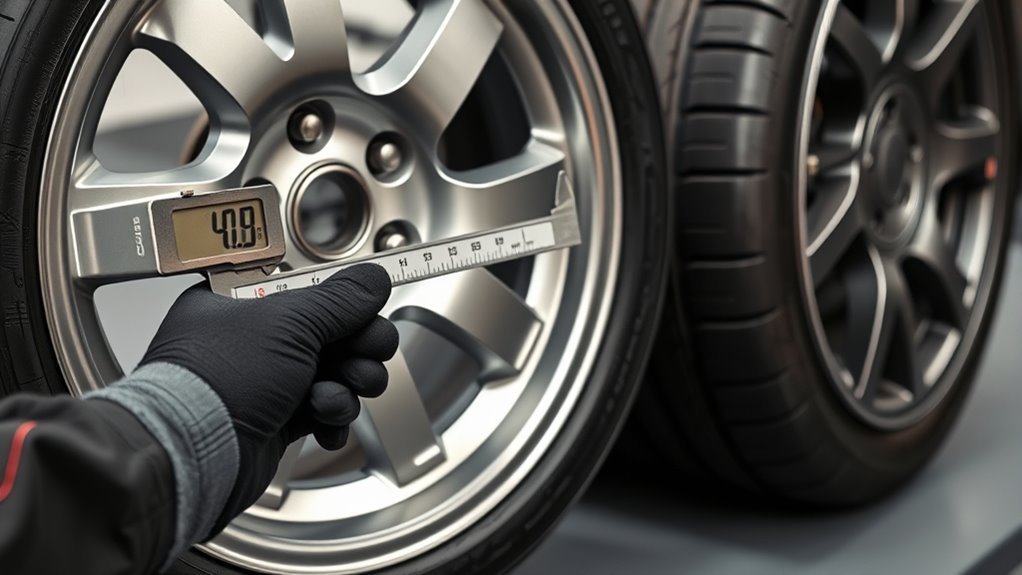
You can change rim size safely only when the full wheel-and-tire package still matches your vehicle’s requirements. Confirm the tire’s overall diameter, rim width, load index, speed rating, bolt pattern, hub bore, offset, brake clearance, and tire pressure before installation. Use the sidewall code, such as 225/45R17, to calculate diameter and confirm the tire fits the new wheel exactly. A tire marked R17 must mount on a 17-inch rim, not a 16- or 18-inch rim.
Aim to stay as close as possible to the original tire diameter. Many fitment guides use a small percentage difference as a screening tool, but your vehicle maker’s approved sizes and a qualified installer’s measurement should override any generic rule. After installation, check full-lock steering clearance, spin each wheel, road-test at low and highway speeds, then recheck tire pressure and lug-nut torque.
Quick Answer: Can You Change Rim Size Safely?
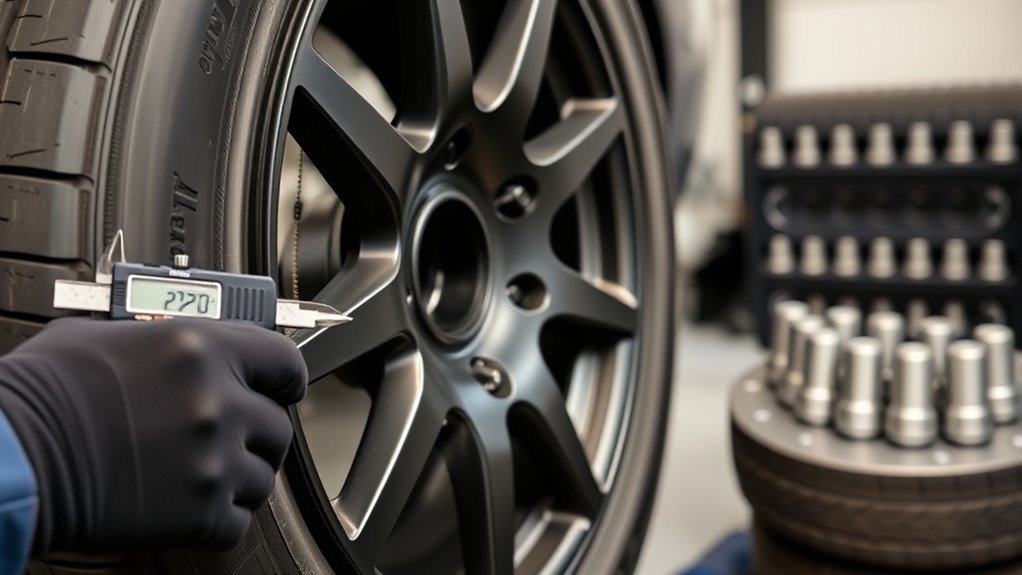
Yes, you can change rim size safely, but the rim alone is only one part of the fitment. The new setup must keep the tire diameter close to the original, match the approved tire size range, and meet or exceed the vehicle’s required load index and speed rating. You also need the correct bolt pattern, center bore, wheel offset, brake clearance, and lug-seat style.
Upsizing can sharpen steering response because a lower-profile tire flexes less. The trade-off is a firmer ride, higher impact risk from potholes, and sometimes more wheel weight. Downsizing can improve comfort and winter traction when it allows a narrower tire with a taller sidewall, but the smaller rim must still clear the brakes. Before buying, check the owner’s manual or tire placard. The NHTSA TireWise guide also recommends using the owner’s manual or Tire and Loading Information Label to find the correct tire size.
| Fitment Check | What to Verify | Why It Matters |
|---|---|---|
| Overall diameter | Compare new diameter with OE diameter. | Protects speedometer accuracy, gearing, ABS, and traction-control behavior. |
| Load index and speed rating | Meet or exceed the vehicle placard or owner’s manual. | Prevents under-rated tires from carrying vehicle weight or sustained speed. |
| Rim width and tire width | Use the tire maker’s approved rim-width range. | Supports bead seating, sidewall shape, steering response, and even wear. |
| Offset, backspacing, and center bore | Measure against OE specs and hub fit. | Prevents rubbing, vibration, bearing stress, and steering-geometry changes. |
| Brake and suspension clearance | Check calipers, struts, fenders, and full-lock steering. | Confirms the wheel clears static and dynamic movement. |
How to Read Tire Sidewall Codes
Start with the numeric tire size code. In 225/45R17, 225 is the section width in millimeters, 45 is the aspect ratio, R means radial construction, and 17 is the wheel diameter in inches. The wheel diameter must match exactly. A 17-inch tire cannot safely seat on an 18-inch wheel, even if the tire width looks close.
After the size code, check the load index and speed symbol. These markings tell you how much weight the tire can carry and the tested maximum speed category. Match them against the tire placard, owner’s manual, or manufacturer fitment data before you choose a different rim size.
Decoding Size Numbers
Tire sidewall codes like 225/50R17 give you three key measurements. The first number is tire width in millimeters. The second is sidewall height as a percentage of that width. The final number after R is the rim diameter in inches. You can estimate tire diameter with this formula:
Overall diameter in inches = rim diameter + 2 × (tire width × aspect ratio ÷ 25.4 ÷ 100).
For a 225/50R17 tire, the sidewall is about 4.43 inches tall. Add two sidewalls to the 17-inch rim, and the estimated overall diameter is about 25.86 inches. Use this estimate to compare candidate sizes, then verify against the tire manufacturer’s published specs because real mounted dimensions can vary by brand, model, rim width, and pressure.
Understanding Speed Ratings
Speed ratings are letter codes that show the tire’s tested sustained-speed category under load. Never install a tire with a lower speed rating than the vehicle manufacturer requires. A lower-rated tire can reduce high-speed stability, heat resistance, and safety margin. This matters even if you never drive near the tire’s maximum speed, because the rating is part of the tire’s overall performance envelope.
Load index matters just as much. If your vehicle requires a 95 load index, choose 95 or higher unless the manufacturer specifies otherwise. Do not rely on tire size alone, because two tires with the same size can carry different load ratings.
Identifying Construction Codes
Read the sidewall from left to right. A leading P means passenger tire, while LT indicates light-truck tire. The three-digit number is section width, the next number is aspect ratio, and R means radial construction. ZR appears on some high-performance tires, but you should still check the final service description for the actual load index and speed symbol.
Also check extra markings such as XL, Load Range, run-flat branding, M+S, or the three-peak mountain snowflake symbol. These affect pressure, load capacity, seasonal performance, and replacement suitability. Match those markings to your vehicle and use case before changing rim size.
Check Vehicle Limits: Load Index, Speed Rating, and Clearance
Before fitting new rims, confirm the tire size and pressure listed on the driver’s door placard or in the owner’s manual. The placard is the safest starting point because it reflects vehicle weight, axle load, suspension tuning, and original calibration. If you choose a non-OE size, verify the replacement through a reputable tire fitment guide and a qualified installer.
Clearance is not just a parked-vehicle measurement. Tires move closer to fenders, liners, struts, and suspension arms during steering, braking, cornering, and compression. Check clearance at ride height, at full steering lock, and after a short road test. Rubbing marks, vibration, steering pull, or a TPMS warning after installation means you should stop and inspect the setup.
[Products Worth Considering]

EVOULTES heavy duty tire inflator with an integrated gauge delivers accurate pressure readings from 10–120 PSI, helping you inflate, deflate, and check tires in one tool. The 16.5-inch extended dual-head air chuck with swivel base reaches hard-to-access dual wheel valves on trucks and RVs. A brass trigger core and side-mounted air release valve make operation smooth, with standard 1/4" NPT threading and quick-connect compatibility for easy setup.

Universal magnetic jack pad with aluminum grooved design to protect vehicle pinch welds during lifting. Durable nylon pad inserts are upgraded and secured with screws to resist damage and keep in place. Designed to fit most single vehicle pinpoint welds for safer, stable jacking when changing tires, repairs, or performing oil changes.

Blackline Blackout is a water-based trim and tire dressing that restores rubber, vinyl, and plastic with a rich satin, blackout look. Its no-sling formula dries quickly and helps prevent messy transfer onto paint. The coating repels water and offers UV protection to help prevent fading, cracking, and discoloration for a clean, long-lasting finish.
Load Index Considerations
The tire load index defines how much weight each tire can support at its rated pressure and speed category. Choose a tire that meets or exceeds the vehicle requirement. Never use a lower load index to make a preferred size fit, because dynamic loads during braking, cornering, cargo loading, and pothole impacts can exceed parked vehicle weight.
For SUVs, vans, trucks, towing setups, and vehicles that carry heavy cargo, also check axle ratings and whether the tire needs XL or LT construction. A tire that fits the rim can still be wrong for the vehicle if its load capacity is too low.
Clearance And Fitment
Before mounting new tires, verify three groups of fitment data: tire service description, wheel dimensions, and physical clearance. Confirm load index and speed rating first. Then check wheel diameter, width, offset, backspacing, center bore, bolt pattern, and lug-seat type.
Offset deserves special attention. More positive offset pulls the wheel inward; less positive offset pushes it outward. Either change can create rubbing, alter steering feel, increase scrub radius, or add stress to bearings and suspension parts. Use measurements, not visual guesses, before you buy.
Match Tire Width to Rim Width (Acceptable Ranges)
Match tire width to the tire manufacturer’s approved rim-width range. The old shortcut that the tire should be roughly 1.5 to 2 inches wider than the rim can help you understand proportions, but it is not precise enough for a final decision. Published rim-width charts matter because bead seating, sidewall shape, and load behavior vary by tire design.
A tire that is too narrow for the rim can stretch the sidewall and reduce rim protection. A tire that is too wide can bulge, steer poorly, overheat, or rub nearby components. Record the wheel width, tire width, approved rim range, offset, and planned inflation pressure before ordering parts.
[Products Worth Considering]

The JACO FlowPro Tire Inflator measures, inflates, and airs down tires up to 100 PSI with battery-free operation and ±2% accuracy after calibration. It features a glowing pressure dial for night visibility, a heavy-duty steel build with a hybrid hose, and a precision push-to-inflate thumb trigger. The patented Lightning Air Chuck locks on for a secure seal, and the kit includes quick-connect hardware for easy inline use with your air compressor.

This portable cordless tire inflator delivers up to 160 PSI with fast 17 L/min airflow to help you quickly top up tires and get back on the road. It features dual power mode, running on a 21V rechargeable battery or a 12V DC adapter for convenient roadside use. An automatic shut-off with digital pressure gauge helps prevent overinflation, and a built-in LED light improves visibility in low-light conditions.

PORTABLE AND ACCURATE - Tire balancer measuring tool with high exactness and you can work efficiently. And the measuring tool has compact structure and light weight, convenient to carry.
Bolt Pattern, Hub Bore, and Lug Hardware
A safe rim-size change also needs the correct mounting hardware. Confirm the bolt pattern, center bore, lug-nut or lug-bolt thread, and seat shape. A wheel can have the right diameter and still be unsafe if it does not center on the hub or if the lug seat does not match the hardware.
Hub-centric rings may help some aftermarket wheels center correctly, but they do not fix the wrong bolt pattern or unsafe offset. Avoid stacking generic spacers unless the vehicle, wheel, stud length, and spacer rating have been checked by a qualified installer. After any wheel change, torque the lugs to the vehicle specification and recheck them after the first drive cycle recommended by your installer.
[Products Worth Considering]

Outside Diameter (O.D.) 73.1 mm. Must match wheel center bore. Inner Diameter (I.D.)64.15 or 64.1mm. Must match the vehicle hub bore. Select the correct size from the size list above and then click Buy Now.

Outside Diameter (O.D.)74 (same as 74.1)mm. Must match wheel center bore. Inner Diameter (I.D.) 72.56 or 72.6mm. Must match the vehicle hub bore. Select the correct size from the size list above and then click Buy Now.
When to Upsize vs. When to Downsize Rims
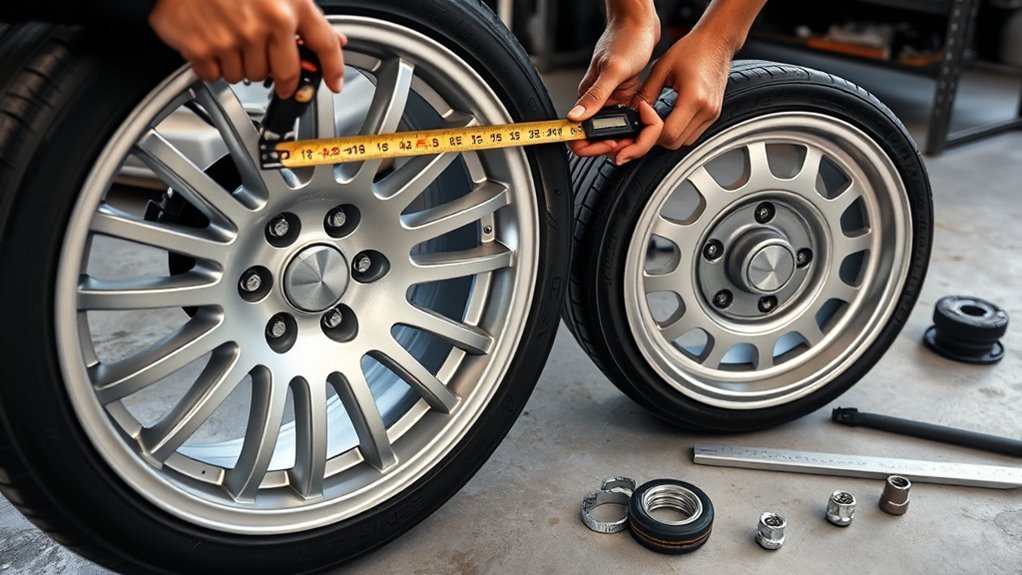
Upsize rims when you want sharper steering response, more brake-caliper clearance, or a sportier appearance. Downsize rims when you want more sidewall, better impact comfort, lower replacement-tire cost, or a winter tire setup. In either direction, keep the complete tire diameter close to stock and confirm the new rim clears the brakes.
When To Upsize
Upsizing makes sense when performance or appearance is the priority. A wider or lower-profile tire can improve steering response and cornering feel because the sidewall flexes less. You may also gain room for larger brakes. The trade-off is a firmer ride and greater risk of wheel or tire damage from potholes.
Do not upsize by wheel diameter alone. Choose a tire with the right aspect ratio so the complete diameter stays close to the original. Then verify load index, speed rating, rim width, offset, brake clearance, and steering effort before driving normally.
When To Downsize
Downsizing, such as moving from 18-inch to 16-inch rims, can improve ride comfort because the tire has more sidewall to absorb impacts. It can also make winter tire packages easier to buy and less expensive. The smaller rim must still clear the brake calipers, and the tire must still match the correct overall diameter and load rating.
| Benefit | Effect |
|---|---|
| Comfort | Taller sidewall softens impacts |
| Fuel | Potential gain if the package is lighter and narrower |
| Cost | Smaller tires often cost less |
| Winter | Narrower tread can cut through snow better |
Seasonal Wheel Strategy
A seasonal wheel strategy keeps one rim-and-tire set for warm months and another for winter. In winter, many drivers choose a smaller wheel with a narrower tire and taller sidewall. In summer, they may return to the OE wheel size or a carefully calculated plus-size setup.
Before buying a second set, confirm TPMS compatibility. Some vehicles need sensors transferred, cloned, or relearned after a wheel swap. Also choose wheels with finishes that can handle road salt, and inspect them for corrosion before each season.
Calculate Plus-Size and Equivalent Tire Sizes
Start by writing down your original tire size, wheel width, offset, and recommended pressure. Then use a tire size calculator to compare each candidate size. Plus-sizing usually increases wheel diameter while lowering tire sidewall height so the complete tire diameter stays close to the original.
- Increase width only when the rim-width range, offset, and body clearance support it.
- Lower aspect ratio enough to keep overall diameter close to OE.
- Confirm the new tire’s load index and speed rating meet or exceed OE specifications.
- Check backspacing and brake clearance before mounting all four tires.
Record each candidate size, its diameter difference, rim-width range, load index, speed rating, and clearance notes. Reject any setup that needs guessing to pass.
How Changing Diameter Affects Speedometer and Gearing
Changing tire diameter changes how far the vehicle travels with each wheel rotation. A larger-diameter tire rotates fewer times per mile, so the speedometer may read lower than actual speed. A smaller-diameter tire rotates more times per mile, so the speedometer may read higher than actual speed.
The same change affects gearing. Larger tires can reduce engine rpm at cruising speed but soften acceleration. Smaller tires can increase rpm and make the vehicle feel more responsive, but they may increase noise, fuel use, and drivetrain stress. Large diameter changes can also affect ABS, traction control, stability control, and odometer readings.
Tire Construction and Fitment Implications (Summer, Winter, Run-Flat)
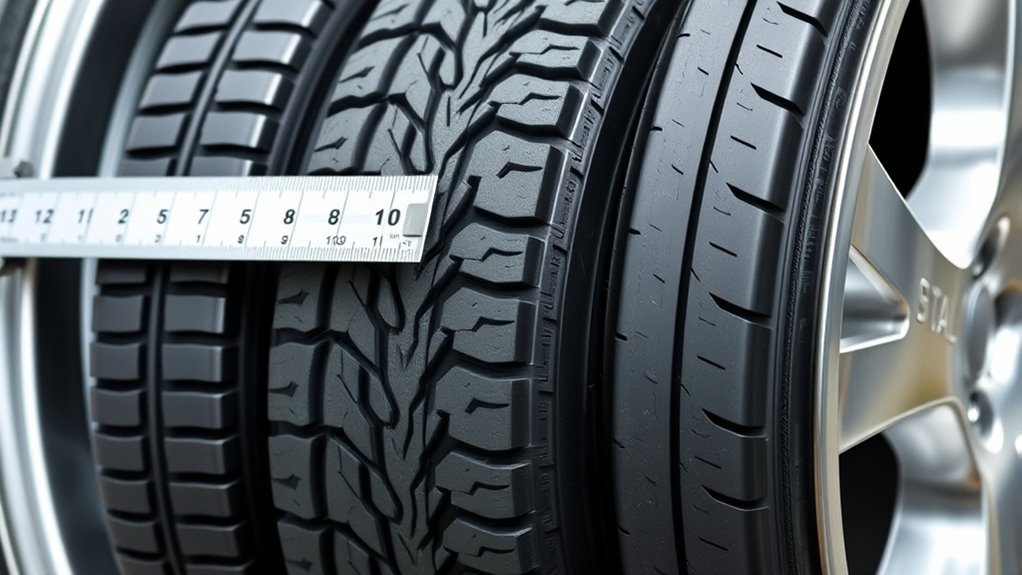
Match tire construction and compound to your driving conditions and vehicle requirements. Summer tires prioritize warm-weather grip but are not designed for snow or freezing conditions. Winter tires use compounds and tread patterns designed for cold weather, snow, and ice. All-season tires balance conditions but do not replace dedicated winter tires in severe winter driving.
- Summer: best for warm dry and wet roads; poor choice for snow or freezing temperatures.
- Winter: best for cold weather, snow, and ice; check for the three-peak mountain snowflake symbol.
- Run-flat: reinforced construction may allow limited mobility after pressure loss, but ride quality, rim compatibility, and TPMS requirements must be checked.
Common Tire Fitment Mistakes and How to Avoid Them
The most common fitment mistake is treating rim diameter as the only number that matters. A safe change also needs the right tire diameter, width, load rating, speed rating, offset, pressure, brake clearance, and mounting hardware. Skipping one of those checks can create rubbing, vibration, uneven tire wear, steering pull, or unsafe heat buildup.
- Wrong overall diameter: recalculates speed, gearing, and stability-system inputs.
- Wrong load index: reduces safety margin under passengers, cargo, braking, and cornering.
- Wrong offset: can create rubbing, steering kickback, bearing stress, or fender poke.
- Wrong rim width: distorts the tire sidewall and can affect bead seating.
- Wrong pressure: causes poor grip, uneven wear, heat buildup, and TPMS warnings.
After installation, watch for new vibration, rubbing sounds, steering pull, ABS lights, TPMS warnings, or uneven wear. Those symptoms mean the fitment needs inspection before you keep driving.
Quick Fitment Checklist: Measure, Verify, Install, Inspect
Use this checklist before you buy rims, not after the tires are already mounted. First, measure or confirm the original tire diameter, wheel width, offset, bolt pattern, center bore, and tire pressure. Second, verify the replacement tire’s load index, speed rating, approved rim-width range, and seasonal rating. Third, test physical clearance around brakes, suspension, and fenders.
The workflow is simple: measure, verify, install, inspect. During installation, torque lug nuts to the vehicle specification, seat the bead correctly, and set cold tire pressure from the vehicle placard unless the tire maker or installer gives a vehicle-specific adjustment. After mounting, do a static clearance check, spin each wheel, road-test carefully, then recheck pressure and lug torque.
- Measure tire diameter, rim width, offset, and backspacing.
- Verify load index, speed rating, bolt pattern, hub bore, and lug-seat type.
- Inspect brake, suspension, fender, and full-lock steering clearance.
- Road-test, then recheck tire pressure and lug-nut torque.
Frequently Asked Questions
Can You Put Bigger Rims on Your Car Safely?
Yes, you can put bigger rims on your car safely if the complete wheel-and-tire package stays close to the original overall diameter, matches the required load index and speed rating, clears the brakes and suspension, and uses the correct bolt pattern, hub bore, offset, and lug hardware.
Do Bigger Rims Affect Speedometer Accuracy?
Bigger rims affect speedometer accuracy only when the total tire diameter changes. If the larger rim uses a lower-profile tire and the overall diameter stays close to the original size, the speedometer change should be small. Calculate the percentage change before installing.
Can You Change Rim Size Without Changing Tire Size?
Usually no. The tire’s rim diameter must match the wheel diameter exactly. For example, a tire marked R17 must mount on a 17-inch wheel. If you change wheel diameter, you need a tire built for that new wheel diameter.
What Rim Offset Is Safe When Changing Wheel Size?
The safest rim offset is the vehicle manufacturer’s approved offset or a fitment that a qualified installer confirms with measurements. Large offset changes can alter scrub radius, steering effort, bearing load, and clearance.
Do Smaller Rims Help in Winter?
Smaller rims can help in winter when they allow a narrower tire with a taller sidewall while keeping overall tire diameter near the original size. That setup can improve impact comfort and snow traction, but it must still clear the brakes.
Do New Rims Affect TPMS Sensors?
New rims can affect TPMS if the sensor type, valve-stem style, or programming does not match the vehicle. You may need to transfer, replace, or relearn sensors after installing a different wheel set.
Conclusion
Changing rim size is safe only when you treat it as a complete fitment decision. Match the tire diameter, rim width, load index, speed rating, offset, bolt pattern, hub bore, lug hardware, and clearance to your vehicle. Upsize for sharper steering only after checking ride and impact trade-offs. Downsize for comfort or winter use only after confirming brake clearance.
Before you buy, compare the new size against the owner’s manual, tire placard, tire manufacturer specs, and installer measurements. After installation, road-test carefully and recheck pressure and torque. Precise fitment prevents the handling, wear, vibration, and safety problems that come from guessing.

Related Articles
What Does THE P Stand For on a Tire? Full Meaning Explained
I’ll explain what the “P” on a tire really means and why it could change how you choose your next set.
Read More
How to Use a Tubeless Tire Repair Kit: Complete Field Guide
Learn how to fix tubeless tire punctures fast with the right kit, because one small mistake can leave you stranded on the trail.
Read More
How to Tell a Tire’s Diameter: Easy Guide to Reading Tire Size
Want to decode tire sidewall numbers and find the right diameter, but wonder what those hidden digits really mean?
Read More