
Highway Terrain Tires for the Toyota Hilux Explained
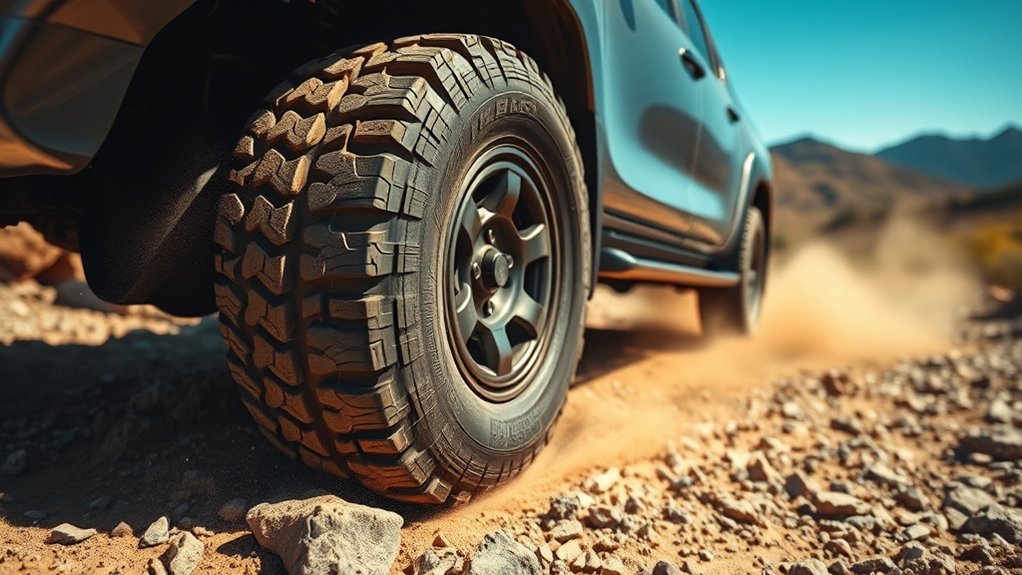
Highway terrain (H/T) tires can be an excellent match for your Toyota Hilux if most of your driving is on paved roads, city streets, and highways. They are built to favor quiet road manners, stable handling, long tread life on pavement, and efficient cruising. The key is choosing the right size, load rating, speed rating, and seasonal capability for your Hilux, not just choosing any tire labeled “H/T.”
Quick Answer
H/T tires are best for a Toyota Hilux that spends most of its time on highways, city roads, and light gravel. They usually ride quieter and more efficiently than aggressive all-terrain tires, but they are not the best choice for frequent mud, rocks, deep ruts, or severe winter driving.
Key Takeaways
- Choose H/T tires for paved-road comfort, lower road noise, stable highway handling, and daily driving.
- Check your Hilux tire placard or owner’s manual before buying; the correct size, load index, and cold inflation pressure matter more than the H/T label.
- M+S does not mean severe-snow certified. For harsh winter roads, look for the Three-Peak Mountain Snowflake symbol or use dedicated winter tires.
- Rotate tires according to the owner’s manual, or use a 5,000- to 8,000-mile interval when no specific schedule is listed.
Understanding Highway Terrain Tires for the Toyota Hilux
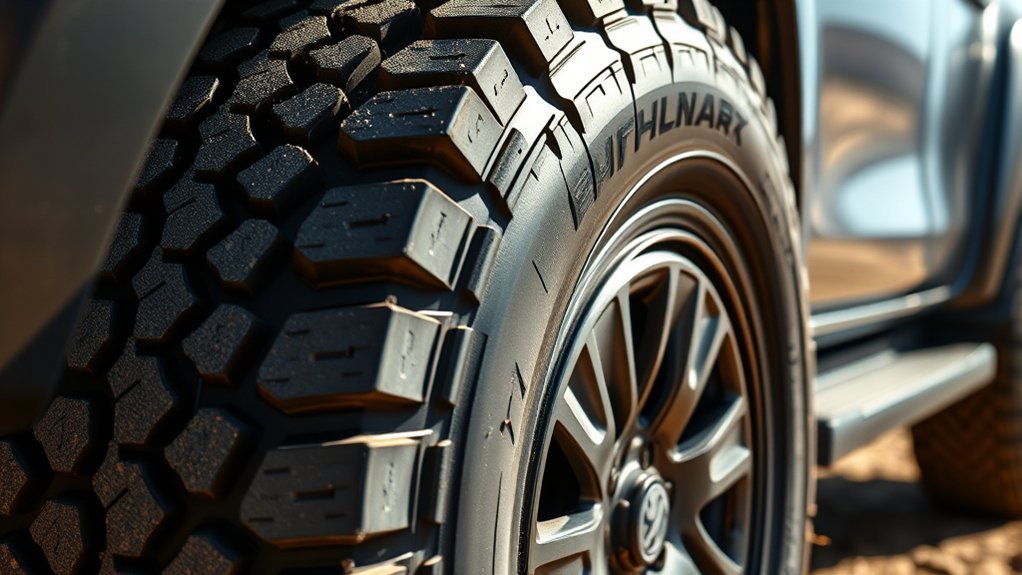
Highway Terrain tires, often marked as H/T, are light truck and SUV tires designed mainly for paved-road use. Compared with most all-terrain tires, they usually have a tighter tread pattern, smaller voids, and a less aggressive shoulder design. That helps reduce road hum, improve ride comfort, and support predictable steering on highways.
For a Toyota Hilux used as a daily driver, family vehicle, work pickup, or long-distance cruiser, those benefits can matter every day. H/T tires are especially useful when your routes include sealed roads, motorways, construction-site access roads, hard-packed dirt, and occasional light gravel rather than frequent mud or rocky trails.
One example is the Landsail Roadblazer H/T CLX11, which Landsail describes as a 55K-mile highway-terrain tire built for traction and quiet comfort. That does not mean every H/T tire will last the same distance, but it shows how many H/T designs are positioned: road comfort, durability, and everyday reliability.
Note: H/T is a tire category, not a universal performance guarantee. Wet grip, load capacity, tread life, ride comfort, and fuel economy still depend on the exact tire model, tire pressure, vehicle load, alignment, and driving style.
[Products Worth Considering]

This portable tire inflator delivers fast, efficient inflation with a maximum 150 PSI rating and accurate pressure control for cars, motorcycles, bikes, and more. It features...
Top Advantages of H/T Tires for Toyota Hilux On-Road Use
When you choose the right Highway-Terrain tires for your Toyota Hilux, you get benefits that suit everyday road driving better than aggressive off-road tread patterns.
- Quieter highway ride: H/T tread blocks are usually closer together than A/T tread blocks, which helps reduce the humming sound many off-road tires create on paved roads.
- Better ride comfort: A road-focused tread pattern can feel smoother during daily commuting, school runs, highway trips, and long-distance travel.
- Stable paved-road handling: H/T tires are designed to keep steady contact with the road on dry and wet pavement, as long as tread depth and tire pressure are maintained.
- Potential fuel-efficiency benefit: Tire design affects rolling resistance and fuel use. H/T tires often have lower rolling resistance than aggressive A/T or M/T tires, although the exact result depends on the tire model and maintenance.
- Good pavement tread life: Because H/T tires are designed for road use, they often wear more evenly on pavement than tires with large, open off-road lugs.
According to NHTSA, tire design influences fuel efficiency, rolling resistance, durability, wet and dry traction, handling, and ride comfort.
When H/T Tires Are the Right Choice for a Hilux
H/T tires make the most sense when your Hilux is used mainly for on-road driving. They are a strong fit if you regularly:
- Drive long highway distances.
- Use your Hilux for city commuting or family transport.
- Carry moderate work gear on paved roads.
- Tow on highways and sealed roads within the vehicle and tire load limits.
- Travel on occasional light gravel, hard-packed dirt, or dry rural roads.
- Want a quieter, more comfortable ride than aggressive all-terrain tires provide.
They are not the best fit if you often drive through deep mud, loose sand, rocky tracks, steep rutted trails, or remote off-road routes where sidewall strength and open tread voids are more important than quiet road comfort.
Warning: Never choose a tire with a lower load index, load range, or speed rating than your Hilux requires. If you tow, carry heavy tools, or run near payload limits, confirm the tire specification with your owner’s manual, tire placard, or a qualified tire dealer before buying.
How to Select the Best H/T Tires for Your Driving Conditions
At a Glance
| Time Required | 10–15 minutes to check tire size, load rating, pressure, tread depth, and seasonal markings before buying. |
| Difficulty | Easy if you match the Hilux tire placard and owner’s manual; moderate if changing wheel size or carrying heavy loads. |
| Tools Needed | Owner’s manual or tire placard, tire-pressure gauge, tread-depth gauge, and the current tire sidewall size. |
| Cost | Inspection is free; tire cost varies by size, brand, load rating, warranty, and market. |
To choose the best H/T tires for your Toyota Hilux, start with the basics before comparing brands or tread patterns.
1. Check the Correct Tire Size
Look at the tire placard, owner’s manual, or the current tire sidewall. Toyota notes that recommended tire pressures and sizes are vehicle-specific and are usually found in the vehicle handbook or driver-side door area. You can also use Toyota’s owner’s manual finder if your market supports it.
2. Match the Load Index and Load Range
A Hilux is often used for cargo, towing, tools, passengers, and work equipment. That makes load rating critical. The tire must be rated to carry the vehicle safely under the loads you use. Do not downgrade the load index just because a tire fits the rim.
3. Choose the Right Season Rating
Many H/T tires carry an M+S marking, which stands for mud and snow. This can be useful for light mud, slush, or mild winter conditions, but it is not the same as a severe-snow certification. If you drive in regular snow, mountain roads, ice, or freezing winter conditions, look for the Three-Peak Mountain Snowflake symbol or use dedicated winter tires.
4. Compare Wet Grip, Noise, and Warranty
Do not buy only on tread appearance. Compare wet traction ratings where available, mileage warranty, road-hazard coverage, user feedback from similar pickups, and whether the tire is designed for light trucks, SUVs, or passenger vehicles.
Pro Tip: Before ordering, write down the full tire code from your Hilux sidewall, such as width, aspect ratio, rim diameter, load index, and speed rating. Match or exceed the required load and speed rating unless your owner’s manual or tire professional confirms an approved alternative.
H/T vs. A/T Tires: Key Differences
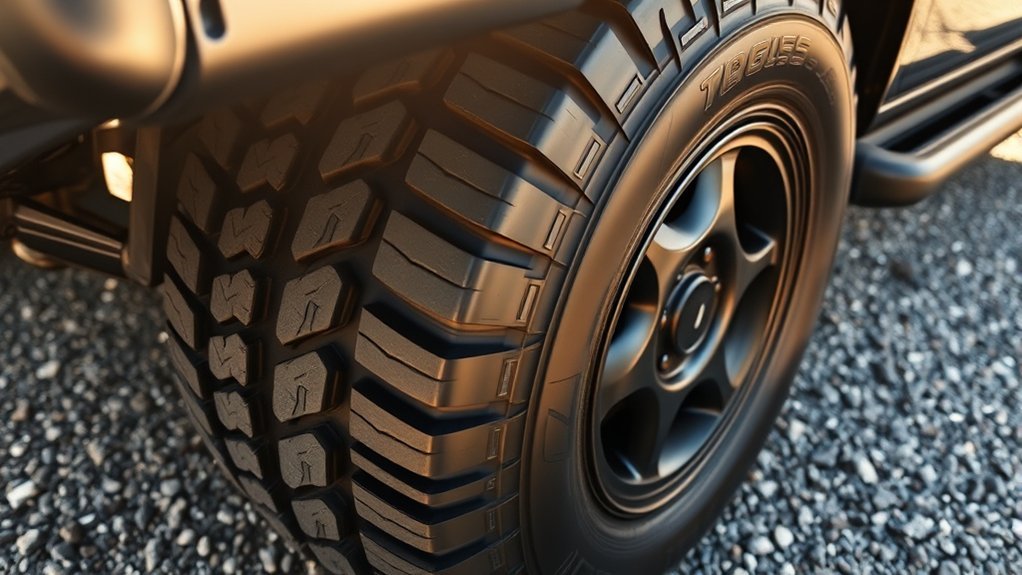
Choosing between Highway-Terrain and All-Terrain tires depends on how your Hilux is used most of the time. H/T tires prioritize paved-road comfort. A/T tires give up some road quietness and efficiency to gain more grip on dirt, gravel, mud, and uneven surfaces.
| Feature | H/T Tires | A/T Tires |
|---|---|---|
| Best use | Highway, city, paved roads, light gravel | Mixed road and off-road driving |
| Ride comfort | Usually smoother and quieter | Usually firmer with more tread noise |
| Fuel efficiency | Often better because of road-focused tread design | Often lower because of heavier, more open tread patterns |
| Wet-road traction | Good when tread depth and pressure are maintained | Good on many models, but varies widely by design |
| Off-road grip | Limited to light gravel, dry dirt, and mild trails | Better for dirt, rocks, mud, and rough tracks |
| Best Hilux owner | Commuter, highway driver, light-duty work user | Weekend explorer, rural driver, job-site user, overlander |
If your Hilux rarely leaves sealed roads, H/T tires are usually the more comfortable and efficient choice. If you regularly drive off-road or need extra bite on loose surfaces, A/T tires may be worth the extra noise and rolling resistance.
How to Keep Your H/T Tires Going Strong
Maintaining your Highway-Terrain tires is essential for safety, tread life, fuel economy, and predictable handling. A good H/T tire can wear quickly if it is underinflated, overloaded, misaligned, or never rotated.
- Check pressure monthly: Use a tire-pressure gauge and check when the tires are cold. The correct pressure is the Hilux placard or owner’s manual pressure, not the maximum pressure printed on the tire sidewall.
- Inspect tread monthly: Replace tires when tread reaches 2/32 inch. For wet roads, consider replacing earlier if traction is declining.
- Rotate on schedule: Follow the Toyota owner’s manual. If no interval is listed, rotate every 5,000 to 8,000 miles or sooner if uneven wear appears.
- Watch for uneven wear: Feathering, cupping, inner-edge wear, or pulling to one side can point to alignment, balance, suspension, or pressure problems.
- Check for damage: Bulges, cracks, exposed cords, punctures near the sidewall, or repeated pressure loss need professional inspection.
- Do not overload: Heavy cargo and towing increase heat and stress. Stay within the Hilux payload, towing, axle, and tire load limits.
- Store tires correctly: If you remove a tire set seasonally, keep it in a cool, dry place away from direct sunlight, petroleum products, and ozone-producing equipment.
NHTSA’s TireWise tire safety guidance highlights pressure, tread, alignment, tire size, fuel efficiency, tire aging, and monthly inspection as key parts of tire care. The U.S. Tire Manufacturers Association also recommends owner-manual rotation guidance and a 5,000- to 8,000-mile interval when no specific period is listed.
Frequently Asked Questions
What does highway-terrain mean for tires?
Highway-terrain means the tire is designed mainly for paved-road use. H/T tires usually focus on low road noise, stable highway handling, ride comfort, and long tread life on pavement rather than maximum grip in mud, rocks, or deep off-road terrain.
Which is better, highway-terrain or all-terrain?
H/T tires are better for quiet highway driving, commuting, and fuel-efficient pavement use. A/T tires are better if your Hilux regularly drives on dirt, gravel, mud, ruts, or job sites. The better choice depends on where you drive most, not just how rugged the tire looks.
Are H/T tires good for towing with a Toyota Hilux?
Yes, H/T tires can be good for towing on paved roads if the tire size, load index, load range, and pressure match your Hilux requirements. Never tow on tires with a lower load rating than required, and always follow the vehicle’s payload, axle, and towing limits.
Can I use H/T tires off-road?
You can use H/T tires on light gravel, dry dirt roads, and mild tracks, but they are not ideal for deep mud, sharp rocks, loose sand, or rutted trails. For regular off-road use, an A/T tire is usually a better match for a Hilux.
Does M+S mean an H/T tire is safe for winter?
Not necessarily. M+S means mud and snow, but it is not the same as a severe-snow rating. For regular snow, ice, mountain roads, or harsh winter conditions, look for the Three-Peak Mountain Snowflake symbol or choose dedicated winter tires.
Conclusion
Highway-terrain tires are a smart choice for a Toyota Hilux when your priority is paved-road comfort, quiet cruising, stable highway handling, and practical daily use. They are not the most aggressive option, but that is exactly why many Hilux owners like them: they make the truck easier to live with on the road.
Before buying, match the tire to your Hilux’s size, load rating, speed rating, pressure requirements, climate, and driving conditions. Choose H/T tires for road-heavy use, choose A/T tires for regular off-road work, and choose proper winter-rated tires when snow and ice are part of your normal driving.
Sources
- NHTSA TireWise — tire pressure, tread depth, rotation, tire size, fuel efficiency, TPMS, aging, and safety guidance.
- U.S. Tire Manufacturers Association: Tire Care Essentials — rotation intervals, tread checks, pressure, and alignment guidance.
- eCFR 49 CFR § 570.9 Tires — 2/32-inch minimum tread-depth safety standard reference.
- Tire Rack: Three-Peak Mountain Snowflake Symbol — difference between M+S and 3PMSF winter-traction markings.
- Landsail CLX11 Roadblazer H/T — manufacturer reference for the tire example mentioned in the article.
- Toyota UK Tyre Pressure and Size Guide — Toyota guidance on checking vehicle-specific tire pressure and size information.

Related Articles
Toyota Hilux Run-Flat Tires: What You Need to Know
Take control of your safety with Toyota Hilux run-flat tires; discover their benefits and hidden costs that could change your driving experience forever.
Read More
Effects of Underinflated Tires on the Toyota Hilux
Inadequate tire pressure in your Toyota Hilux can lead to serious safety issues and costly repairs; discover how to avoid these pitfalls.
Read More
The Risks of Overinflating Toyota Hilux Tires
Overinflating your Toyota Hilux tires can lead to dangerous blowouts and uneven wear, but understanding the risks is crucial for your safety.
Read More