
Tundra Rear Tire Inside Edge Wear: What Causes It and How to Fix It
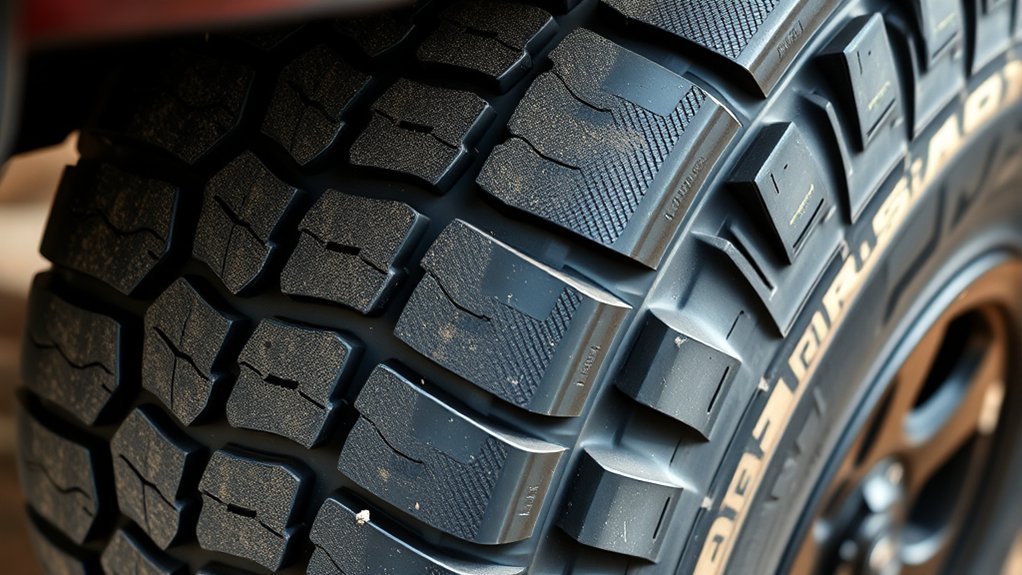
Inside-edge wear on a Toyota Tundra’s rear tires is a warning sign, not a normal trait. The pattern can come from an alignment or thrust-angle problem, worn wheel-end or suspension parts, axle damage, incorrect inflation, overloading, or a tire and wheel issue. The right diagnosis depends on the truck’s model year, suspension setup, tire size, and modifications.
Quick Answer
If your Tundra’s rear tires are wearing on the inside, check the cold tire pressure on the driver-door placard, compare tread depth across both rear tires, and request a four-wheel alignment printout. Because Tundra specifications vary by year and setup, abnormal rear measurements may require inspection for worn bushings, wheel bearings, axle damage, or incorrect lift components.
Key Takeaways
- Do not use 42 PSI as a universal setting. Use the recommended cold pressure on your Tundra’s tire-and-loading label or owner’s manual.
- A smooth inner shoulder usually points toward geometry, axle, bearing, or suspension issues. Cupping or scalloping more often points toward damping, balance, or wheel-end problems.
- Ask for before-and-after alignment measurements, including rear toe, rear camber, and thrust angle. Do not accept a generic “alignment is good” statement.
- A lift kit can change vehicle height and suspension geometry, but there is no single camber or toe target that fits every lifted Tundra.
- Rotation can slow the development of irregular wear, but it cannot repair a tire whose inner tread is already badly worn.
At a Glance
| Time Required | About 15 minutes for a home inspection; professional diagnosis and repair time varies. |
| Difficulty | Beginner for inspection; professional equipment and experience are required for alignment or axle repair. |
| Tools Needed | Accurate tire-pressure gauge, tread-depth gauge or ruler, flashlight, and a professional four-wheel alignment rack. |
| Cost | Home checks cost little or nothing. Alignment and mechanical repair costs depend on the model year, modifications, and damaged parts. |
Warning: Stop using a tire if the inner shoulder has exposed cords, a bulge, deep cracking, tread separation, or rapid pressure loss. Reduce speed and arrange a professional inspection if the truck develops strong vibration, unstable handling, or a sudden pull.
Understanding Tire Wear Patterns on Your Tundra
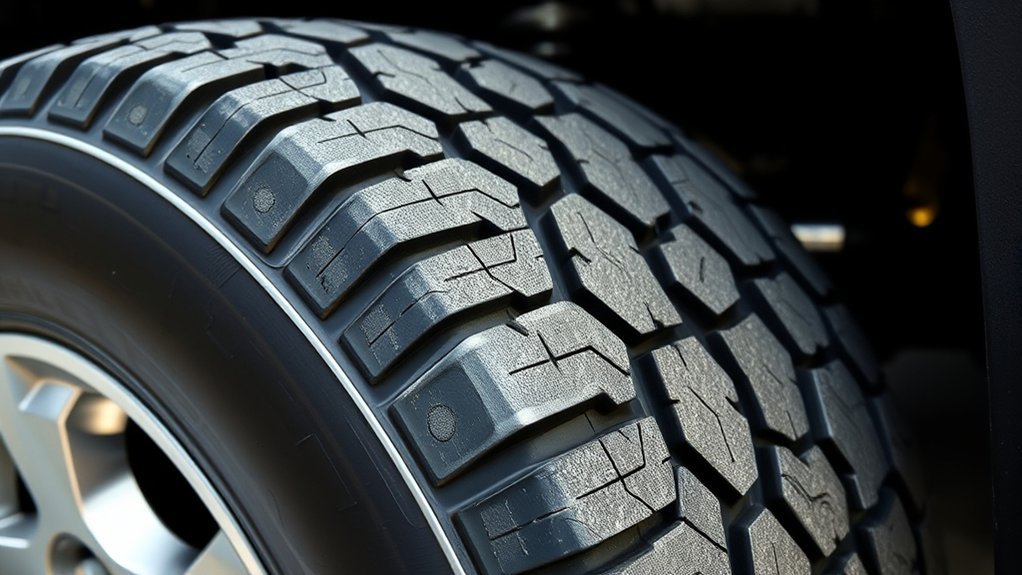
Start by identifying the exact pattern. “Inside wear” can describe several different conditions, and each points toward a different inspection path. Run your hand carefully across the tread, measure the inner, center, and outer grooves, and compare the left-rear tire with the right-rear tire.
A smooth inner shoulder worn lower than the center and outside shoulder can be related to camber, toe, thrust angle, axle geometry, loose wheel-end parts, or suspension movement. Feathered tread blocks often indicate a toe or tracking issue. Alternating high and low patches around the tire are cupping or scalloping, which can be linked to wheel imbalance, worn dampers, loose bearings, or other suspension problems.
| Wear Pattern | What It Often Suggests | First Check |
|---|---|---|
| Smooth wear on one inner shoulder | Alignment geometry, thrust angle, axle condition, bearing play, or shifted suspension parts | Four-wheel alignment printout and mechanical inspection |
| Feathered tread blocks | Toe or tracking error | Toe and thrust-angle measurements |
| Cupped or scalloped patches | Wheel balance, damping, bearing, runout, or suspension issue | Balance, shock condition, bearing play, and wheel runout |
| Both shoulders worn | Chronic underinflation or overloading | Cold pressure and actual load |
| Center worn faster | Overinflation for the tire and load | Door-placard pressure and tire fitment |
Check the tires when they are cold. The National Highway Traffic Safety Administration advises using the vehicle manufacturer’s recommended pressure on the tire-and-loading label or in the owner’s manual, not a universal PSI and not the maximum pressure molded into the tire sidewall.
[Products Worth Considering]

EVOULTES heavy duty tire inflator with an integrated gauge delivers accurate pressure readings from 10–120 PSI, helping you inflate, deflate, and check tires in one tool. The 16.5-inch extended dual-head air chuck with swivel base reaches hard-to-access dual wheel valves on trucks and RVs. A brass trigger core and side-mounted air release valve make operation smooth, with standard 1/4" NPT threading and quick-connect compatibility for easy setup.
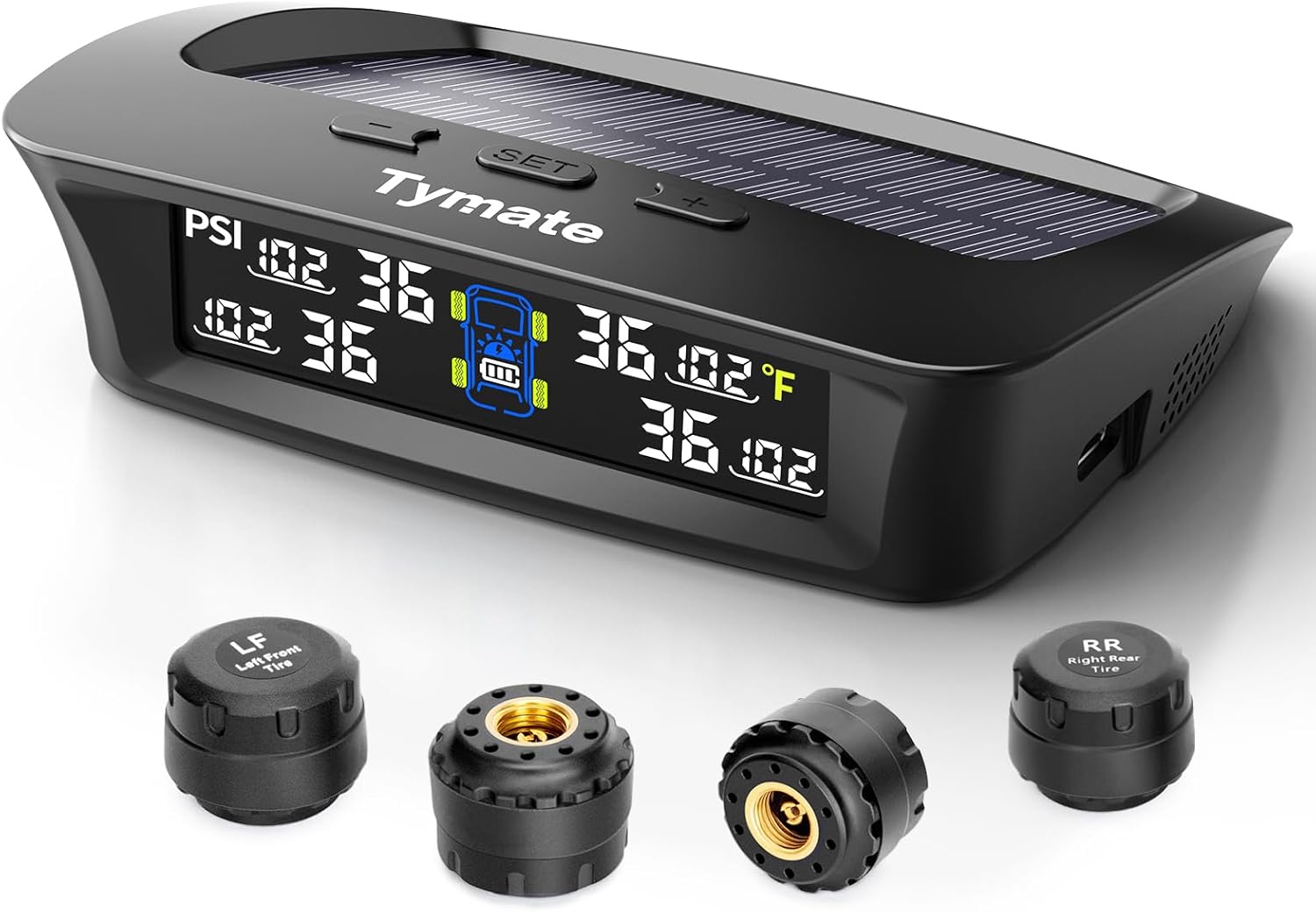
The Tymate TM3 RV TPMS delivers real-time tire pressure monitoring from 0 to 144 PSI with accurate readings and dependable wireless communication. It includes four external sensors with pre-pairing, six alarm modes for rapid leak, pressure extremes, temperature, and signal loss, plus an easy-reference setup for alert thresholds. Solar and USB-C charging help keep the display powered, while the color LCD and adaptive backlight improve visibility for safer driving and towing.

The JACO FlowPro Tire Inflator measures, inflates, and airs down tires up to 100 PSI with battery-free operation and ±2% accuracy after calibration. It features a glowing pressure dial for night visibility, a heavy-duty steel build with a hybrid hose, and a precision push-to-inflate thumb trigger. The patented Lightning Air Chuck locks on for a secure seal, and the kit includes quick-connect hardware for easy inline use with your air compressor.
Key Causes of Inside Edge Tire Wear: Misalignment and More
Inside-edge wear is usually the result of a condition that changes how the tread meets the road. Alignment is one possibility, but it is not the only one. The most useful diagnosis combines alignment measurements with a hands-on inspection of the axle, hubs, bearings, wheels, tires, and suspension.
| Possible Cause | Why It Matters | Correct Response |
|---|---|---|
| Toe or thrust-angle error | The tire scrubs sideways instead of rolling cleanly. | Measure all four wheels and correct the underlying geometry or damaged part. |
| Abnormal rear camber measurement | The tire carries more load on one shoulder. | Inspect for axle, hub, bearing, wheel, or suspension damage instead of assuming a normal adjustment is available. |
| Worn bushings, links, U-bolts, or mounting hardware | Movement under load can change tracking and thrust angle. | Replace worn or loose parts and repeat the alignment measurement. |
| Bent axle housing, flange, or wheel | Runout or geometry error can concentrate wear on the inner tread. | Measure runout and axle geometry; repair or replace the damaged component. |
| Loose or failing wheel bearing | Wheel movement can create irregular contact and noise. | Check play, noise, heat, and hub condition. |
| Incorrect pressure, overloading, or mismatched tires | The contact patch and heat buildup change under load. | Restore correct cold pressure, confirm load capacity, and match tire specifications. |
Rotation every 5,000 miles may fit many Toyota maintenance schedules, and NHTSA gives a general 5,000-to-8,000-mile range when the vehicle manufacturer recommends rotation. Follow the schedule and pattern for your exact model, tire type, and drivetrain. Rotate sooner when uneven wear begins, but diagnose the cause first.
How Does Alignment Affect Tire Longevity?
Alignment determines where each tire points and how the vehicle tracks down the road. Excessive toe can scrub tread quickly, while camber can load one shoulder more than the other. A rear thrust-angle error can also make the truck travel slightly sideways, forcing the front wheels to compensate.
Do not rely on a universal target such as “0.20 degrees total toe or less.” Toyota specifications change by generation, configuration, tire size, ride height, and service procedure. A proper shop should select the exact vehicle in its alignment database, measure ride height, inspect for looseness, and provide a before-and-after printout.
The most useful alignment result is not a verbal “it is within spec.” It is a printed report showing front and rear camber, caster where applicable, toe, and thrust angle for your exact Tundra configuration.
There is also no universal 12,000-mile alignment interval. Have alignment checked when you see uneven wear, after a hard curb or pothole impact, after suspension or steering work, after installing a lift or leveling kit, or when the steering wheel or tracking changes. An annual inspection can be reasonable for trucks driven on rough roads, but symptoms matter more than a fixed number.
How Lift Kits Affect Tire Alignment
A lift or leveling kit changes ride height and can alter front camber, caster, toe, steering angles, and the operating position of suspension components. The rear effect depends on the Tundra generation and the parts installed. Toyota changed the Tundra to a multi-link, coil-spring rear suspension for the 2022 model year, replacing the previous leaf-spring layout, so diagnosis cannot be copied from one generation to another. Toyota describes that change in its 2022 Tundra chassis overview.
After installation, the truck should be aligned at its normal driving height with the hardware torqued according to the kit and Toyota procedures. The technician should also confirm that the kit is complete, the parts are installed on the correct sides, and no link, bushing, spacer, block, U-bolt, or bracket has shifted.
Note: A lift-kit brand or height does not create a universal alignment specification. Use the kit maker’s instructions together with Toyota’s model-specific service data. If a shop proposes a custom target, ask why it is appropriate for your tire size, ride height, and use.
Adjustable upper control arms, correction links, bushings, or other components may be needed on some builds, but they should not be added by guesswork. The correct part depends on which measurement is out of range and why.
Signs Your Alignment Needs Attention
Uneven rear tire wear is enough reason to measure alignment, even when the truck seems to drive normally. Steering and handling symptoms can strengthen the diagnosis, but they do not prove that the rear tires are the only problem.
Uneven Tire Wear Patterns
| What You See | Likely Direction | Next Step |
|---|---|---|
| Both rear tires wear on the inner edge | Shared geometry, load, pressure, axle, or modification issue | Compare rear measurements and inspect the complete rear suspension and axle |
| Only one rear tire wears inside | Local wheel, tire, hub, bearing, axle-end, or suspension problem | Measure runout and inspect that corner closely |
| Inside edge plus feathering | Toe or thrust-angle concern | Request individual toe and thrust-angle values |
| Inside edge plus cupping | More than one issue may be present | Check alignment, balance, dampers, bearings, and runout |
Measure tread depth at several points around each tire. One measurement can miss a localized low spot. If the inner groove is near the wear bars while the outer tread still looks deep, the tire may be unsafe even though it appears acceptable from the side of the truck.
Steering Wheel Misalignment
A crooked steering wheel while driving straight often indicates that the front toe, steering-wheel centering, or overall thrust line needs attention. It can appear with rear tracking problems because the front wheels may be compensating for the direction the rear axle pushes the truck. Have the complete four-wheel geometry measured rather than requesting only a quick front toe adjustment.
Vehicle Pulling to Side
Pulling can come from alignment, tire construction, unequal pressure, brake drag, road crown, or suspension damage. Check cold pressure first and compare the tires for damage or mismatched size. If the pull remains on a flat road, have a professional inspect the tires, brakes, steering, suspension, and alignment. Strong pulling or unstable handling deserves prompt attention.
How to Diagnose Tundra Rear Inside Tire Wear
- Confirm the pattern. Measure inner, center, and outer tread depth on both rear tires at several points around the circumference.
- Check cold pressure. Use the driver-door placard or owner’s manual. Do not use the tire sidewall maximum as the normal setting.
- Review load and towing history. Repeated overloading, uneven cargo, or incorrect towing setup can change tire loading and expose weak suspension parts.
- Inspect for visible damage. Look for bent wheels, missing balance weights, leaking shocks, loose hardware, shifted blocks or spacers, damaged bushings, and signs of tire contact with the body or suspension.
- Check wheel-end condition. A technician should inspect bearing play, hub condition, wheel and tire runout, and unusual heat or noise.
- Get a four-wheel alignment printout. Record individual rear camber and toe, total toe, thrust angle, front camber and caster where applicable, and front toe.
- Repair the cause before replacing tires. New tires can develop the same pattern quickly if the geometry or mechanical fault remains.
Pro Tip: Photograph the tread and save the alignment printout before repairs. Recheck tread depth after 1,000 to 2,000 miles so you can confirm that the wear has stopped instead of waiting until the next rotation.
Best Alignment Specs for Lifted Tundras
The best specification is the correct model-specific specification, not a forum number copied from a different generation or lift. Start with Toyota’s service data for the exact year, cab, drivetrain, tire configuration, and suspension. Then apply any documented changes required by the lift-kit manufacturer.
Alignment equipment should account for actual ride height. If the truck cannot be brought within the appropriate range, the technician should identify the limiting component instead of simply setting toe and ignoring camber, caster, or thrust angle.
[Products Worth Considering]
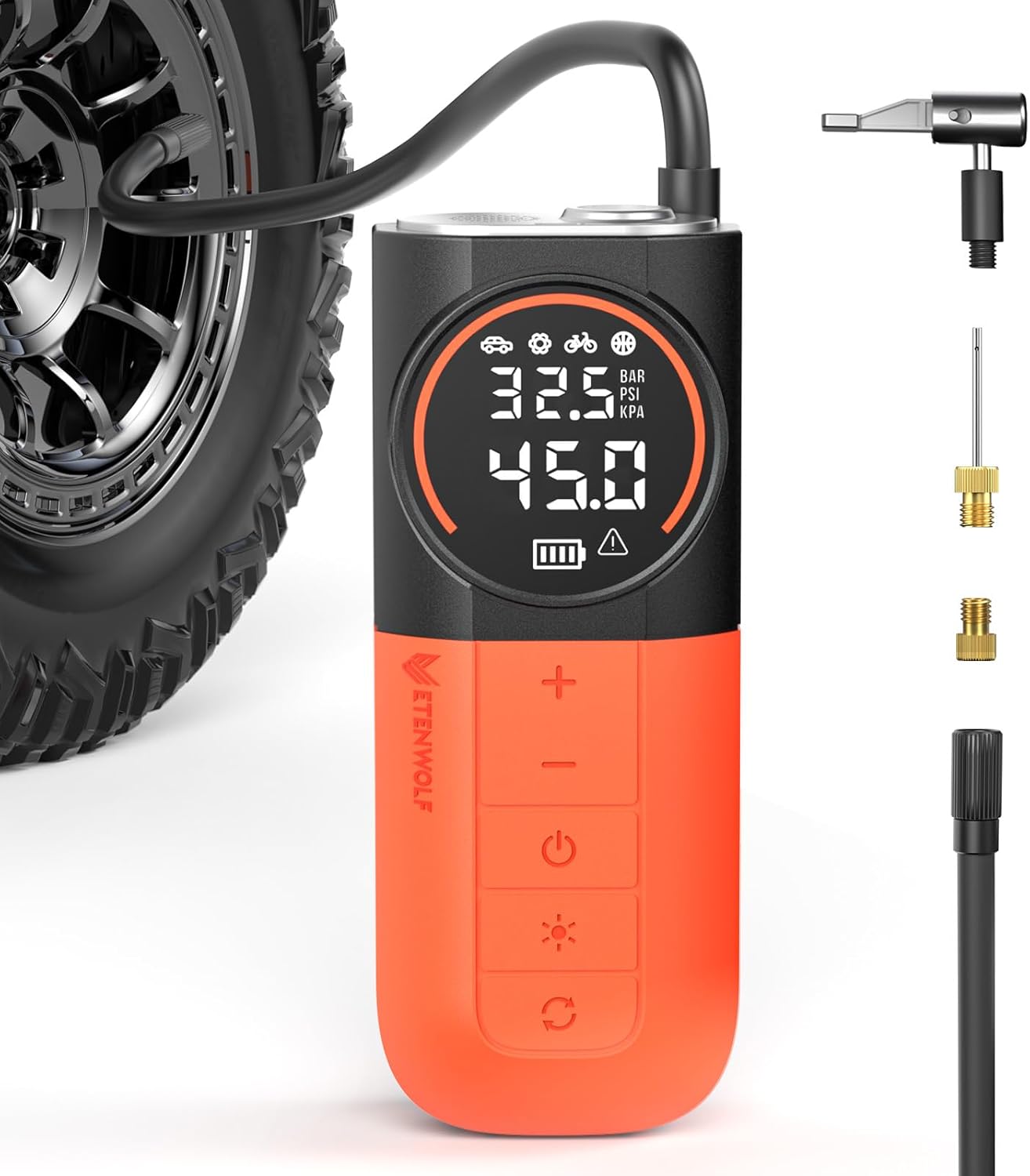
The ETENWOLF S1 cordless tire inflator delivers ultra-fast inflation with up to 160 PSI and a 20 L/min airflow for quicker tire top-offs. Its 5200mAh battery and cooling system support inflating many tires and sports balls on a single charge, while the digital pressure gauge and multi-unit display help you reach the right pressure accurately. With preset modes, pressure memory, an auto-stop feature, and an LED flashlight, it’s built for easy roadside and everyday use.

This portable cordless tire inflator delivers fast, efficient inflation for cars, motorcycles, bikes, and sports balls with a digital pressure gauge. Use the one-click PSI preset with auto shut-off for accurate, hands-free topping to your target pressure up to 150 PSI. It’s compact and rechargeable with a built-in emergency LED light plus valve adapters and accessories for quick, ready-to-go use.
Optimal Camber Settings
Do not use a blanket target of -0.5 to -1.0 degrees for every lifted Tundra. That range may be inappropriate for your generation or may refer to a different axle. The goal is balanced side-to-side geometry within the correct service range while preserving tire contact and predictable handling.
If a rear camber reading is abnormal and the design does not provide a normal camber adjustment, inspect for a bent wheel or axle component, bearing or hub problems, damaged suspension parts, or measurement error. Installing an unapproved correction part without identifying the cause can hide a safety problem.
Toe Adjustment Importance
Toe has a strong effect on tire scrub, but the correct value varies. Ask the shop to show individual toe, total toe, and thrust angle. A truck can have an acceptable total toe number while one side points in and the other points out, leaving an undesirable thrust angle.
Hunter Engineering notes that some rear suspensions are adjustable and others are not. When rear adjustment is unavailable, the repair may involve correcting damaged or shifted parts and aligning the front wheels to the proper thrust line, not forcing a generic rear adjustment.
Regular Maintenance Tips to Reduce Tundra Tire Wear
Regular checks help you catch a problem before the inner shoulder reaches the cords.
- Check cold pressure monthly and before towing or carrying a heavy load. Use the placard value unless Toyota or the tire manufacturer provides a documented alternative for an approved fitment.
- Rotate on the correct schedule and pattern. Many owners use a 5,000-mile interval, but the owner’s manual and tire design take priority.
- Measure tread depth across the full width. Looking only at the outer shoulder can hide severe inner wear.
- Inspect after impacts. A pothole, curb strike, collision, or hard off-road hit can bend a wheel or disturb suspension geometry.
- Recheck after modifications. Align the truck after lift, leveling, steering, suspension, axle, or wheel changes.
- Watch the load. Stay within the truck’s tire, axle, payload, and towing limits, and distribute cargo correctly.
How to Pick the Best Tires for Your Tundra
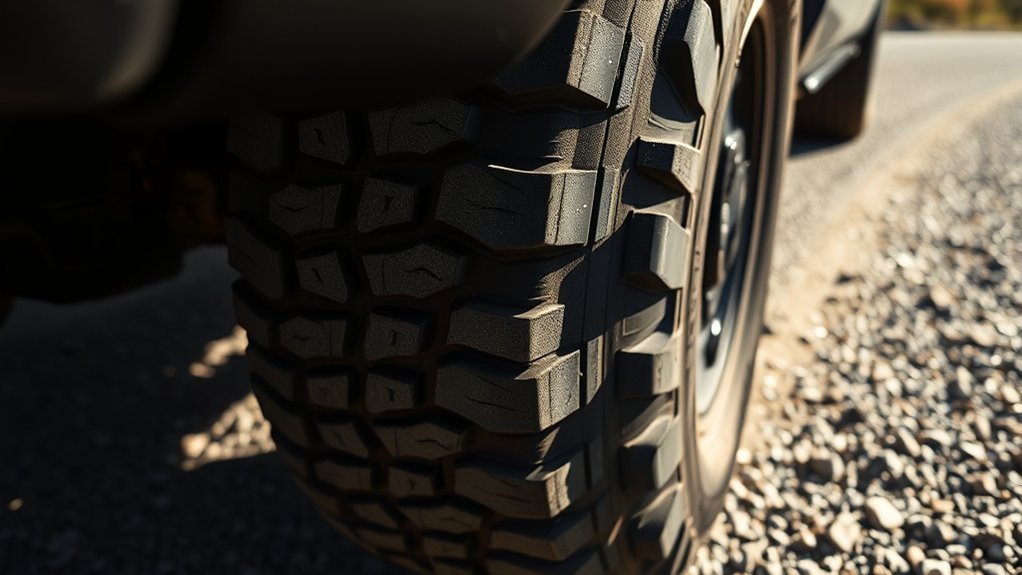
Choose tires by verified fitment, not by assuming every Tundra needs an E-rated tire. Match the size, load index, speed rating, wheel width, and service type listed for your truck, or use an alternative size approved by a qualified tire professional. NHTSA recommends replacing tires with the original size or another size recommended by the vehicle manufacturer.
Light-truck tires with higher load ranges can suit towing, hauling, or off-road use, but they may require different inflation guidance and can change ride quality, weight, and handling. Passenger-metric tires may be appropriate for other factory configurations. The correct choice depends on the truck’s gross axle ratings, real load, wheel, and intended use.
Select a tread design for the conditions you actually drive. Highway all-season tires often provide quieter road manners and long wear. All-terrain tires add off-road traction but may be heavier and noisier. Confirm clearance at full steering lock and suspension travel after any size or wheel-offset change.
Essential Maintenance Practices to Prevent Tire Wear
Use this five-part routine to prevent a repeat failure after repairs:
- Pressure record: Write down cold pressures once a month and before long trips.
- Tread record: Measure inner, center, and outer grooves at each rotation.
- Alignment record: Keep every before-and-after printout, especially after a lift or suspension repair.
- Mechanical inspection: Check bearings, dampers, bushings, links, leaf-spring hardware where equipped, wheels, and axle components when irregular wear appears.
- Follow-up check: Reinspect tread after the repair to verify that the wear rate has normalized.
Tire rotation spreads normal wear among positions, but it does not reverse damaged tread. If one tire has much less inner tread than the others, a tire professional should decide whether it can remain in service and where it can be safely installed.
What to Do If Your Alignment Is Off After Installing a Lift Kit
Do not keep driving and repeatedly replacing tires without finding the limiting measurement or damaged part. Use a shop that works with modified trucks and can explain the numbers.
- Confirm the exact kit part numbers, advertised lift height, and installation instructions.
- Measure actual ride height on both sides and check for a lean, shifted axle, or uneven spring position.
- Verify that all brackets, links, spacers, blocks, U-bolts, control arms, and bushings are installed correctly and torqued at the required ride position.
- Inspect for contact, binding, stretched brake hoses or wiring, and damaged steering or suspension parts.
- Perform a four-wheel alignment using the correct Tundra configuration and record every measurement.
- Install correction components only when the measurements and kit instructions show they are needed.
- Road-test the truck, center the steering wheel, and recheck hardware and tire wear after the kit maker’s recommended break-in period.
If the rear readings remain abnormal after the lift hardware is verified, inspect for pre-existing axle, wheel-end, or collision damage. A lift may reveal a problem that was already present rather than create it by itself.
Frequently Asked Questions
Why are my Tundra’s rear tires wearing on the inside?
Possible causes include rear toe or thrust-angle error, abnormal camber caused by damaged or shifted parts, wheel-bearing play, a bent wheel or axle component, incorrect lift hardware, tire runout, inflation problems, or overloading. A four-wheel alignment printout and mechanical inspection are needed to separate these causes.
Is 42 PSI the correct tire pressure for every Toyota Tundra?
No. Recommended cold pressure varies by model year, tire size, configuration, and approved fitment. Use the tire-and-loading label on the driver-side door area or the owner’s manual. Do not use the tire sidewall maximum as the normal pressure.
Can bad rear shocks cause inner tire wear?
Worn rear shocks are more commonly associated with cupping or scalloped patches because the tire is not controlled consistently over bumps. They can aggravate irregular wear, but a smooth inner shoulder should also trigger checks for alignment geometry, bearings, axle condition, and suspension movement.
Can a lift kit cause rear inside-edge tire wear?
It can contribute if the kit changes geometry, shifts the axle, uses incorrect parts, or leaves hardware loose. The effect depends on the Tundra generation and kit design. Verify installation, ride height, alignment measurements, and rear suspension or axle condition.
What’s the worst year for a Toyota Tundra?
There is no reliable single “worst year” for this tire-wear symptom. Inside-edge wear should be diagnosed on the individual truck, including its tires, maintenance, damage history, suspension, and modifications. Check your VIN through the NHTSA recall lookup for open safety recalls instead of relying on a broad model-year label.
Does a Tundra need a four-wheel alignment?
A four-wheel alignment measurement is useful because it shows rear camber, toe, and thrust angle as well as front geometry. Not every rear angle is normally adjustable on every Tundra, but measuring it can reveal damaged, worn, shifted, or bent components.
Can I keep driving on a tire with inner-edge wear?
Only after the full tread width has been inspected. Stop using the tire if cords are visible, the tread has reached its wear indicators, or there is a bulge, separation, deep damage, or rapid pressure loss. Severe vibration or unstable handling also requires immediate attention.
Conclusion
Inside-edge wear on a Tundra’s rear tires should lead to measurement, not guesswork. Start with the placard pressure and a full tread-depth check, then get a four-wheel alignment printout and inspect the wheel ends, axle, suspension, and lift hardware. Repair the cause before installing new tires, and recheck the tread soon afterward to confirm the problem is truly fixed.
Sources
- NHTSA TireWise: cold inflation pressure, placard guidance, rotation, alignment, inspection, and tire-safety basics.
- Toyota USA Newsroom: 2022 Tundra chassis and suspension: change from rear leaf springs to a multi-link coil-spring layout.
- Michelin: Uneven tire wear: alignment-related front and rear tire-wear symptoms.
- Michelin: Wheel alignment and balancing: pulling, off-center steering, inside-edge wear, vibration, and cupping.
- Hunter Engineering: Alignment and thrust line: rear adjustability, individual rear toe, and thrust-angle principles.
- NHTSA Recall Lookup: VIN-based checks for open vehicle and tire safety recalls.

Related Articles
Toyota Tundra Tire and Wheel Package: What to Consider Before Buying
Unlock the secrets to choosing the perfect tire and wheel package for your Toyota Tundra—essential tips await to enhance your ride.
Read More
Do Bigger Tires Void a Toyota Tundra Warranty? Magnuson-Moss Act Explained
Bigger tires might not void your Toyota Tundra warranty, but understanding the Magnuson-Moss Act is crucial—discover how to protect your investment effectively.
Read More
Toyota Tundra Tire Rack Setup: Garage Storage Ideas for Seasonal Sets
Better tire storage for your Toyota Tundra awaits—discover essential tips to maximize space and protect your seasonal sets in the garage!
Read More