
Can You Drive on a Plugged Tire Long Term? Risks and Guidelines
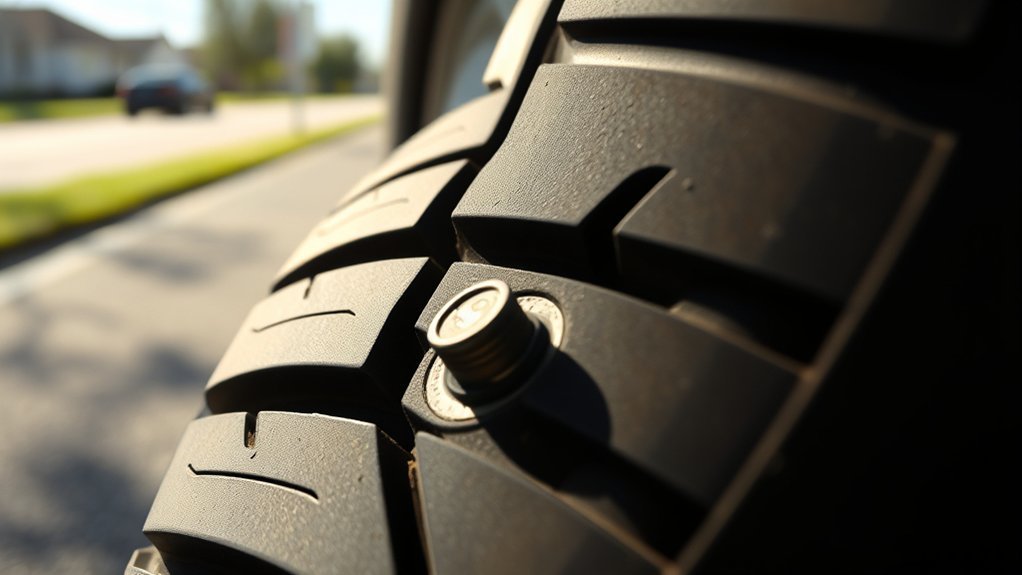
A plugged tire is not automatically safe for long-term driving. The answer depends on what kind of plug you mean, where the puncture sits, how large the hole is, and whether a trained tire technician removed the tire from the wheel to inspect and repair it from the inside. A simple roadside string plug should be treated as temporary. A proper plug-patch repair can stay in service when it meets tire-industry and manufacturer limits.
Quick Answer
You should not drive long-term on a plug-only tire repair. A proper long-term puncture repair usually requires removing the tire, inspecting the inside, filling the injury with a rubber stem, and sealing the innerliner with a patch. Replace the tire if the puncture is in the sidewall, shoulder, too large, leaking, or near worn-out tread.
Key Takeaways
- A plug-only or outside-in string plug is best treated as a temporary repair until a tire shop can inspect the tire.
- A puncture may be repairable only when it is in the tread repair area and no larger than 1/4 inch, or 6 mm.
- Sidewall, shoulder, overlapping, angled shoulder-area, or internally damaged punctures should not be repaired.
- A proper repair uses both a rubber stem to fill the injury and a patch to seal the innerliner.
- Check pressure cold, watch for leaks or vibration, and replace the tire if the repair will not hold air safely.
At a Glance
| Time Required | 5 minutes for a roadside pressure check; 30 to 60 minutes for a professional demount, inspection, and plug-patch repair |
| Difficulty | Pressure checks are easy; permanent tire repair should be handled by a trained tire technician |
| Tools Needed | Tire pressure gauge, tread-depth gauge or penny, soapy water for leak checks, and professional tire-repair tools for a plug-patch repair |
| Cost | Varies by shop, tire size, repair type, and whether the tire needs replacement |
Warning: Do not treat a plug-only repair as a permanent fix. Industry guidance says the tire should be removed from the wheel for internal inspection, the puncture injury should be filled, and the innerliner should be sealed. A hidden internal injury can lead to air loss, tread-belt separation, blowout, loss of control, serious injury, or death.
Understanding Tire Plugs: What They Are and How They Work
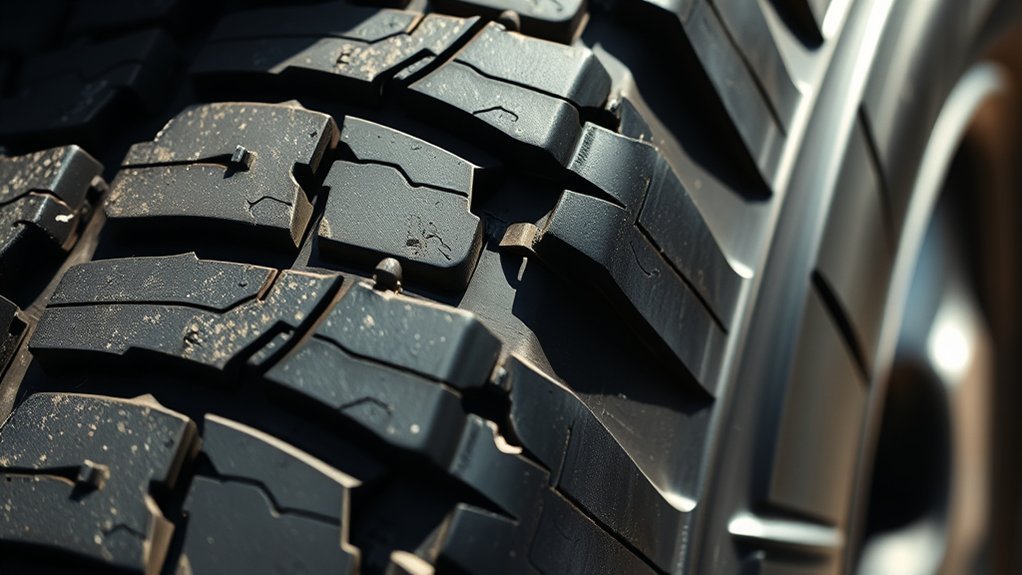
A tire plug is a rubber stem or strip that fills a puncture channel in the tread. Roadside plug kits usually push a sticky string plug into the hole from the outside. That can slow or stop air loss long enough to get you moving again, but it does not let you inspect the inside of the tire.
A proper tire puncture repair is different. The U.S. Tire Manufacturers Association says the tire should be removed from the rim, inspected for internal damage, filled with a rubber stem or plug, and sealed on the innerliner with a patch. It also states that a plug alone is not an acceptable repair.
The Tire Industry Association gives the same practical warning: a plug by itself does not permanently seal the innerliner, and a patch by itself does not fill the injury path left by the nail or screw.
[Products Worth Considering]

This tire repair patch tool kit helps you quickly seal small punctures using upgraded mushroom plugs and a built-in roller system that presses for even penetration. The tungsten buffing wheel and HSS twist drill bits prepare the damaged surface for stronger adhesion, while the crown-angle friendly plugs are designed to keep water and debris out. Ideal for puncture repairs on many vehicle types, from cars and trucks to bikes and scooters.

This VEVOR tire bead breaker uses a slide-hammer impact and wedge tip to separate tire beads from rims quickly and efficiently without damaging hub surfaces. The long handle and sturdy steel construction help reduce user strain while providing reliable, portable tire changing for cars, trucks, and more. Ideal for home mechanics and repair shops handling multiple vehicle tire sizes.

Wykodra tire plugs provide quick vulcanizing repairs for tubeless tires, helping you seal punctures and get back on the road. The industrial-strength rubber creates a long-lasting, leak-resistant bond and is designed for emergency fixes without removing the tire. Choose between two standard plug sizes with color-matched options for small to larger damage across many vehicles and off-road uses.
Can You Drive Long-Term on a Plugged Tire?
You can drive long-term only when the tire has a proper plug-patch repair, the puncture is within the repairable tread area, and the tire manufacturer allows that repair. You should not drive long-term on a simple outside-in string plug.
Think of a string plug as an emergency repair. It may hold air for days, weeks, or longer, but that does not prove the tire is safe inside. A nail or screw can cut the innerliner, damage belts, or hide sidewall damage that you cannot see while the tire is still mounted on the wheel.
Note: Many drivers use the word “plugged” for any repaired tire. For safety, separate plug-only repairs from professional plug-patch repairs. The first is temporary. The second may be suitable for normal service if it passes inspection and meets repair limits.
When Is It Safe to Repair a Tire Puncture?
A puncture may be repairable when it meets all of these conditions:
- The puncture is in the tread repair area, not the sidewall or shoulder.
- The injury is no larger than 1/4 inch, or 6 mm, in diameter.
- The tire has not been driven while flat or severely underinflated.
- The repair will not overlap another repair.
- The tread is not worn down to the treadwear indicators or 2/32 inch.
- The inside of the tire shows no separation, cuts, exposed cords, liner damage, or heat damage.
- The tire manufacturer allows repair for that tire type, speed rating, and service use.
The repairable area matters. A tread puncture near the shoulder may look small from outside, but it can angle into the shoulder or belt-edge area. If the technician cannot confirm the injury stays in the repairable tread area, the safer choice is replacement.
Repair, Replace, or Inspect? Quick Decision Table
| Tire Condition | Best Action | Why It Matters |
|---|---|---|
| Small nail hole in the center tread, no air-loss damage | Professional plug-patch repair | This is the most repair-friendly scenario. |
| Plug-only roadside repair | Have the tire inspected as soon as possible | The inside of the tire has not been checked. |
| Puncture in sidewall or shoulder | Replace the tire | These areas flex heavily and are not repairable under industry guidance. |
| Hole larger than 1/4 inch, or 6 mm | Replace the tire | The injury is outside normal puncture-repair limits. |
| Tread at 2/32 inch or wear bars | Replace the tire | NHTSA says tires are not safe when worn to 2/32 inch. |
| Bulge, vibration, exposed cords, cracking, or repeated pressure loss | Stop using the tire and get professional help | These signs can point to structural damage or an unsafe repair. |
What Are the Risks of Driving Long-Term on a Plugged Tire?
The biggest risk is not the plug itself. The bigger risk is hidden damage. If the tire was driven underinflated, if the puncture damaged the belt package, or if the injury reaches the shoulder or sidewall, the tire can fail even if the plug still appears to hold air.
Long-term driving on a plug-only repair can also allow moisture into the tire body. That can damage steel belts over time. The tire may also develop a slow leak, uneven wear, vibration, heat buildup, or sudden pressure loss.
Speed and load add stress. Highway driving, towing, heavy cargo, high heat, and winter potholes all make a questionable repair more risky. If the tire is on a high-speed-rated vehicle, ask the tire shop or tire manufacturer whether the repair affects the tire’s speed rating. For example, Goodyear’s puncture repair bulletin states that, for H-and-above speed-rated tires, only one properly performed puncture repair is allowed for the speed rating to be maintained.
A tire that keeps losing pressure after a plug is not “mostly fixed.” It is warning you that the repair, the puncture, or the tire structure needs professional inspection.
How to Assess the Condition of Your Plugged Tire
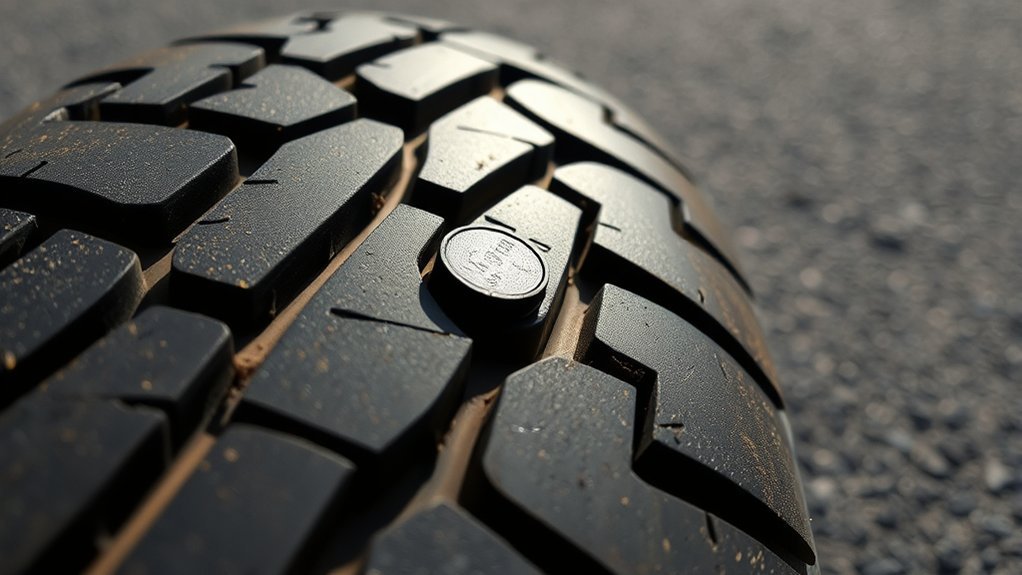
Checking a plugged tire takes only a few minutes, but it should not replace a tire-shop inspection. Use these checks to decide whether you can drive carefully to service or need to stop using the tire.
| Assessment Area | What to Check | Action Required |
|---|---|---|
| Tire Pressure | Check when cold and compare with the driver-door placard or owner’s manual. | Inflate only to the vehicle-recommended pressure, then recheck for loss. |
| Plug Area | Look for cracks, lifted plug material, cuts, bulges, or wet bubbling. | Do not keep driving if you see damage or active leakage. |
| Slow Leaks | Spray soapy water around the repair and valve stem. Bubbles show leaking air. | Have the tire inspected or replaced if bubbles continue. |
| Tread Depth | Measure tread depth and look for wear bars. | Replace the tire if it is at 2/32 inch or the treadwear indicators. |
| Driving Feel | Watch for vibration, pulling, thumping, instability, or a TPMS warning. | Slow down, pull over safely, and contact roadside help or a tire shop. |
Plugging vs. Patching: Which Is the Safer Option?
The safest standard repair is not plug versus patch. It is plug plus patch. The rubber stem fills the puncture path, and the patch seals the innerliner so air cannot escape from inside the tire.
Plug-Only Repair
A plug-only repair is fast and useful in an emergency. It can help you avoid driving on a flat tire, which can destroy the sidewall and innerliner. Still, a plug-only repair does not let you see the inside of the tire. It also does not properly seal the innerliner according to tire-industry guidance.
Patch-Only Repair
A patch-only repair seals the innerliner, but it may leave the puncture channel open. That can let water enter the tire body and reach the belts. For that reason, the Tire Industry Association says a patch by itself is not an acceptable repair.
Plug-Patch Combination Repair
A plug-patch combination repair is the preferred method for a repairable passenger or light-truck tire puncture. The technician removes the tire, inspects it inside and out, prepares the injury, fills the puncture channel, seals the innerliner, and reinflates and checks the tire.
Pro Tip: Ask the shop, “Will you remove the tire from the wheel and use a plug-patch repair?” That one question helps you avoid an outside-only repair when you need a proper long-term fix.
What to Do After Using a Roadside Plug Kit
If you used a plug kit on the shoulder of the road, treat it as a temporary way to reach help. Do not assume the tire is ready for months of normal driving.
- Inflate the tire to the vehicle placard pressure. Do not use the maximum PSI printed on the tire sidewall as your normal target.
- Check for leaks. Use soapy water around the plug and valve stem. Bubbles mean air is escaping.
- Drive gently to a tire shop. Avoid highway speeds, towing, heavy loads, aggressive cornering, and long trips.
- Ask for internal inspection. The technician should remove the tire from the wheel to check for liner, belt, sidewall, and heat damage.
- Replace the tire if it fails inspection. Do not try to save a tire with sidewall damage, severe underinflation damage, exposed cords, or an improper previous repair.
[Products Worth Considering]
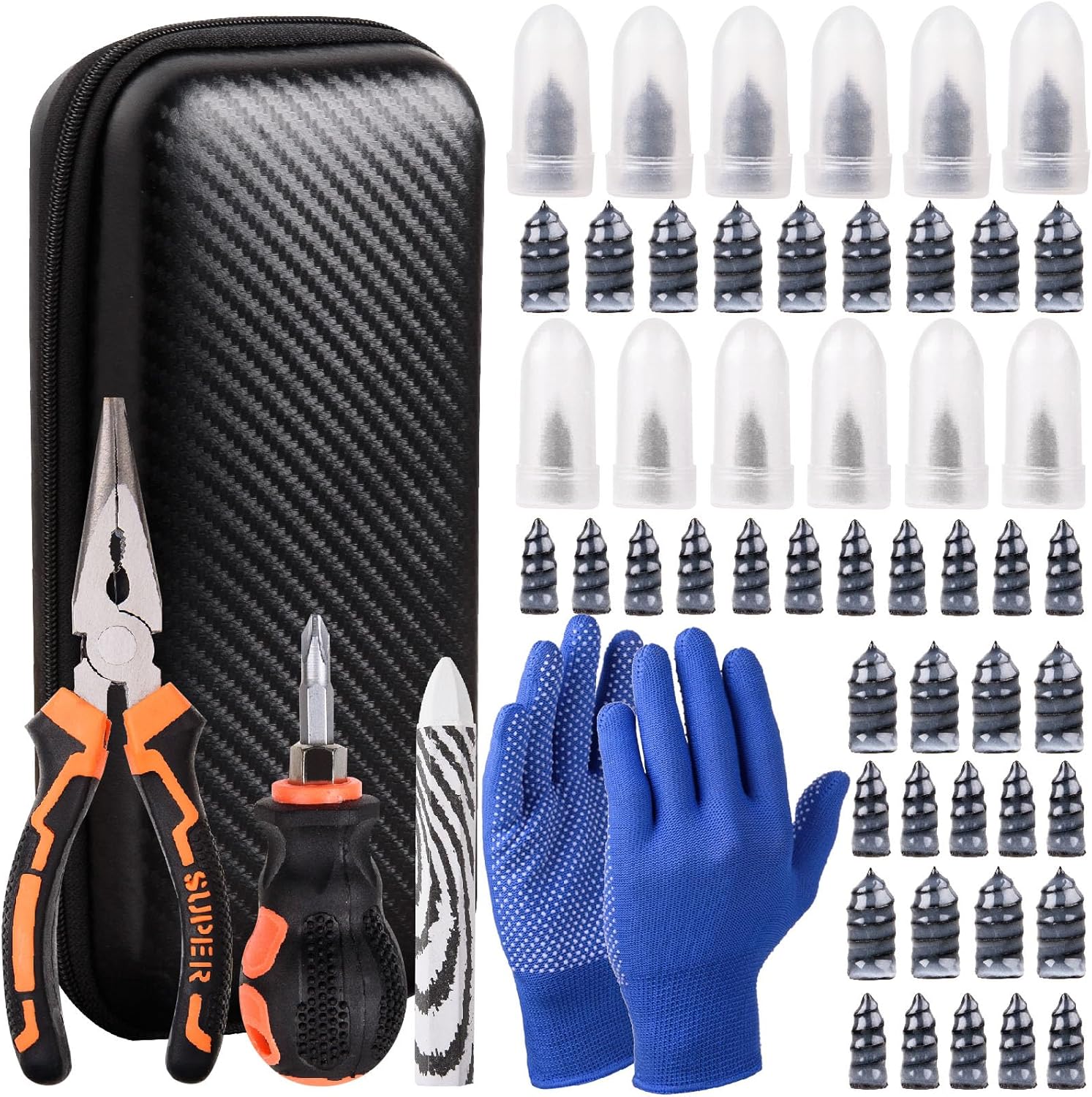
This tire sidewall puncture repair kit fixes flats fast without removing the tire, helping you get back on the road in minutes. It includes self-tapping repair nails, essential tools, gloves, and a portable storage bag for convenient roadside use. Designed for tubeless tires, it helps create a tight, leak-resistant seal for cars, motorcycles, trucks, SUVs, and ATVs.

This AUTOWN flat tire repair kit is designed for quick, reliable puncture repairs using a plug kit and spiral probe tool to simplify installation. Built for durability and safe handling, it offers strong adhesion and flexibility to help maintain tire air tightness. With a portable storage case and a multi-vehicle approach, it’s suitable for cars, motorcycles, ATVs, tractors, lawn mowers, RVs, jeeps, and trucks.
Warranty and Speed Rating Implications of Tire Repairs
Tire warranties and speed-rating rules vary by manufacturer. Some warranties exclude damage caused by road hazards, improper repair, racing, overloading, underinflation, or continued driving on a flat tire. Keep your repair receipt and ask the shop to note the repair type, puncture location, and tire condition.
Speed ratings also need caution. A high-speed-rated tire may have stricter repair limits than a standard touring tire. Some manufacturers allow a properly performed repair under specific limits, while others may restrict repairs based on tire type, speed rating, run-flat design, foam lining, or service use.
Do not rely on a generic rule from the internet for a performance tire, EV tire, run-flat tire, commercial tire, or tire used for towing. Check the tire maker’s repair policy or ask a trained tire technician before you keep using it.
Monitoring Your Plugged Tire for Warning Signs
After any puncture repair, stay alert for changes. A tire can look normal and still lose air slowly. The National Highway Traffic Safety Administration recommends checking tire pressure at least once a month when tires are cold and using the pressure listed on the vehicle’s tire information label or in the owner’s manual.
Common Warning Indicators
- Repeated pressure loss: The tire needs air more often than the others.
- TPMS warning: The tire pressure monitoring system turns on or keeps returning after inflation.
- Visible damage: You see bulges, cuts, cracks, exposed cords, or tread separation.
- Vibration or pulling: The vehicle shakes, pulls, or feels unstable.
- Noise from the tire: You hear thumping, flapping, hissing, or new road noise.
- Bubbles during leak check: Soapy water bubbles at the repair, valve stem, bead, or sidewall.
Regular Pressure Checks
Check pressure when the tires are cold, meaning the vehicle has not been driven for at least three hours. Use a reliable gauge. Do not judge pressure by appearance because an underinflated tire can look normal.
If the repaired tire keeps dropping below the recommended pressure, stop treating it as routine maintenance. A recurring leak means the tire needs inspection, a proper repair, or replacement.
Visual Inspection Techniques
Look across the full tread, both sidewalls, and the repair area. Search for embedded objects, uneven wear, sidewall bubbles, shoulder damage, cracks, and flat-spot wear. If the tire was driven while low or flat, ask a technician to check the inside for run-flat damage before any repair is approved.
Tire Maintenance Tips After Plugging

After a puncture repair, check the repaired tire more often for the first few drives. Confirm pressure before a long trip, after a cold night, and before towing or carrying heavy cargo.
- Use the correct pressure: Follow the vehicle placard or owner’s manual, not the tire sidewall maximum.
- Watch tread depth: Replace the tire at 2/32 inch. Consider replacing sooner for heavy rain, snow, or long highway trips.
- Rotate tires on schedule: Follow your owner’s manual unless your vehicle uses staggered tire sizes or directional restrictions.
- Keep valve stems healthy: A slow leak may come from the valve stem or bead, not the puncture repair.
- Do not overload the vehicle: Extra weight increases heat and stress in a repaired tire.
- Get help after impact: Potholes, curbs, and debris can damage a repaired tire or wheel.
When to Seek Professional Help for Tire Repairs
Get professional help right away if the tire loses air, the plug shifts, the TPMS light comes on, or the vehicle starts vibrating. Also get help if you do not know how long you drove while the tire was low.
A tire shop should inspect the tire before deciding whether repair is safe. The tire may need replacement if the puncture is too close to the shoulder, larger than 1/4 inch, angled into the shoulder area, overlapping another repair, or paired with sidewall damage.
If you are deciding between “drive on it” and “get it checked,” choose the inspection. Tire failure at speed costs far more than a repair visit.
Frequently Asked Questions
How long can a plugged tire last before needing replacement?
A plug-only repair should be treated as temporary and checked by a tire shop as soon as possible. A proper plug-patch repair can last for the remaining usable life of the tire if the puncture was repairable, the tire passed internal inspection, and the repair follows the tire manufacturer’s rules.
Can I drive on a plugged tire in winter conditions?
You should be extra cautious in winter. Cold weather can lower tire pressure, potholes can stress the repair, and low tread reduces snow and wet-road traction. Do not rely on a plug-only repair for winter driving. Have the tire inspected and repaired properly or replace it.
What should I do if my plugged tire starts leaking again?
Stop treating the tire as safe for normal driving. Check pressure, avoid high speeds, and drive only as far as needed to reach service if the tire can hold enough air. If pressure drops quickly, install the spare if available or call roadside assistance.
Are there legal implications for driving on a plugged tire?
Laws vary by location, but you are responsible for keeping your vehicle in safe operating condition. If a known unsafe tire contributes to a crash, it can create liability problems. Replace the tire if it is worn to 2/32 inch, structurally damaged, leaking, or outside repair limits.
How can I prevent future punctures after plugging a tire?
Keep tires properly inflated, rotate them as recommended, replace worn tires, avoid road shoulders and construction debris, and inspect tread after driving over nails, screws, glass, or potholes. Good pressure and healthy tread reduce damage risk, but they cannot prevent every puncture.
Is a tire patch better than a plug?
A patch alone is not the best complete repair. A proper repair usually combines both functions: a rubber stem fills the puncture channel, and a patch seals the innerliner. This is why many professional repairs use a one-piece plug-patch unit.
Can a sidewall puncture be plugged?
No. A sidewall puncture should not be plugged or patched for normal road use. The sidewall flexes constantly and does not have the same repairable structure as the tread area. Replace the tire.
Conclusion
Driving long-term on a plugged tire is safe only when “plugged” means a proper plug-patch repair that meets industry and manufacturer limits. A simple outside string plug is a temporary fix, not a permanent repair.
If the puncture is in the sidewall or shoulder, larger than 1/4 inch, leaking again, overlapping another repair, or paired with worn-out tread, replace the tire. Your tires are the only parts of your vehicle touching the road, so a questionable repair is not worth the risk.
Sources
- U.S. Tire Manufacturers Association: Tire Repair Basics — backs up repair limits, internal inspection, and plug-patch guidance. Accessed July 6, 2026.
- USTMA: Puncture Repair Procedures for Passenger and Light Truck Tires — backs up 1/4-inch repair limit, tread-area-only repair, and no outside-in repair guidance. Accessed July 6, 2026.
- Tire Industry Association: Tire Repair — backs up why plug-only and patch-only repairs are not complete repairs. Accessed July 6, 2026.
- NHTSA TireWise: Tire Safety Ratings and Awareness — backs up pressure-check, tread-depth, TPMS, and blowout safety guidance. Accessed July 6, 2026.
- Goodyear Product Service Bulletin: Proper Puncture Repair Procedures — backs up manufacturer-specific repair and speed-rating considerations. Accessed July 6, 2026.

Related Articles
Toyota Tundra Tire and Wheel Package: What to Consider Before Buying
Unlock the secrets to choosing the perfect tire and wheel package for your Toyota Tundra—essential tips await to enhance your ride.
Read More
Do Bigger Tires Void a Toyota Tundra Warranty? Magnuson-Moss Act Explained
Bigger tires might not void your Toyota Tundra warranty, but understanding the Magnuson-Moss Act is crucial—discover how to protect your investment effectively.
Read More
Toyota Tundra Tire Rack Setup: Garage Storage Ideas for Seasonal Sets
Better tire storage for your Toyota Tundra awaits—discover essential tips to maximize space and protect your seasonal sets in the garage!
Read More