
Biggest Tire With a 3-Inch Lift on a Tundra: Sizing Without Rubbing
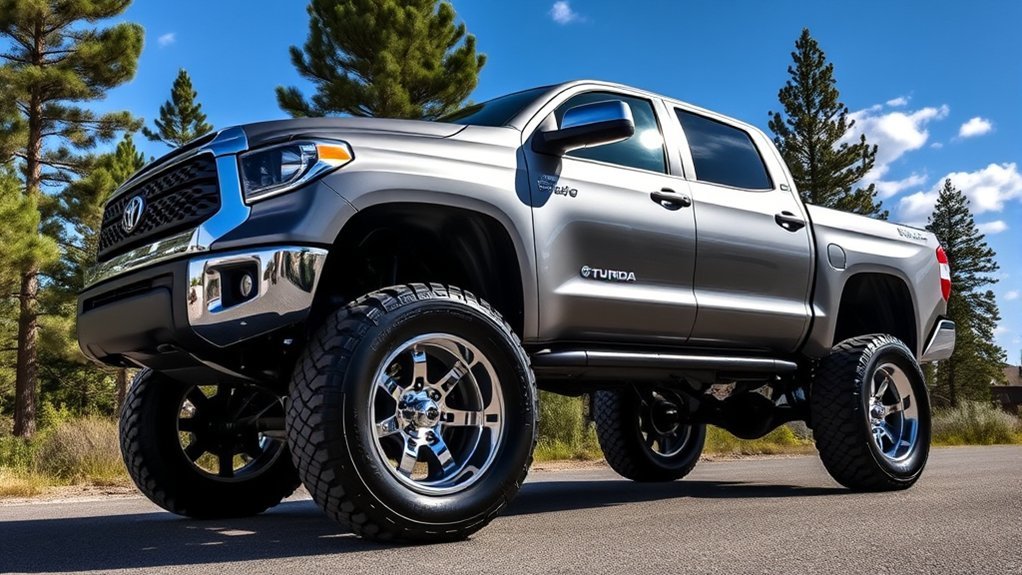
If your Toyota Tundra has a 3-inch lift, the biggest practical tire is usually 35×12.50, but the best low-drama fit is often 295/60R20 or 295/70R18. Tire height alone does not decide fitment. Your Tundra generation, wheel width, wheel offset, tire brand, alignment, bumper clearance, mud flaps, and fender-liner position all affect rubbing. For daily driving, stay near the 34-inch range unless you are ready to test-fit and trim.
Last updated: July 7, 2026. Reviewed for Toyota Tundra tire fitment, replacement-tire safety guidance, link rel compliance, and schema compliance.
Quick Answer
For most 3-inch-lifted Tundras, 295/60R20 or 295/70R18 is the best low-drama fit. If you want the biggest practical tire, 35×12.50 can fit many builds, but it usually needs the right wheel specs, full-lock clearance checks, and possible liner or mud-flap trimming. Match or exceed the original load index, set cold pressure correctly, and align the truck after installation.
Key Takeaways
- Best daily fit: 295/60R20 or 295/70R18 gives a larger look without jumping straight into heavy trimming.
- Biggest common fit: 35×12.50 can work on many 3-inch-lift Tundras, but rubbing checks and trimming are often part of the job.
- Offset matters: Mild positive offset often reduces bumper and fender rubbing compared with aggressive negative offset, but every wheel/tire/lift combination must be test-fitted.
- Generation matters: A 2007–2021 Tundra and a 2022-current Tundra can rub in different places, even with similar lift height.
- Safety first: Match or exceed the original load index and speed rating, then set cold tire pressure from the door placard or a tire professional’s load-inflation guidance.
At a Glance
| Time Required | 30–60 minutes for measuring and test-fit checks; longer if trimming, alignment, or recalibration is needed. |
| Difficulty | Moderate. Tire selection is simple, but clearance testing and trimming require care. |
| Tools Needed | Tape measure, tire-size calculator, flashlight, floor jack or lift, torque wrench, tire-pressure gauge, and alignment check after installation. |
| Cost | Usually the cost of tires, mounting/balancing, alignment, and any trimming labor. Bigger LT tires often cost more and may reduce fuel economy. |
Choosing the Right Tire Size for a 3-Inch Lift
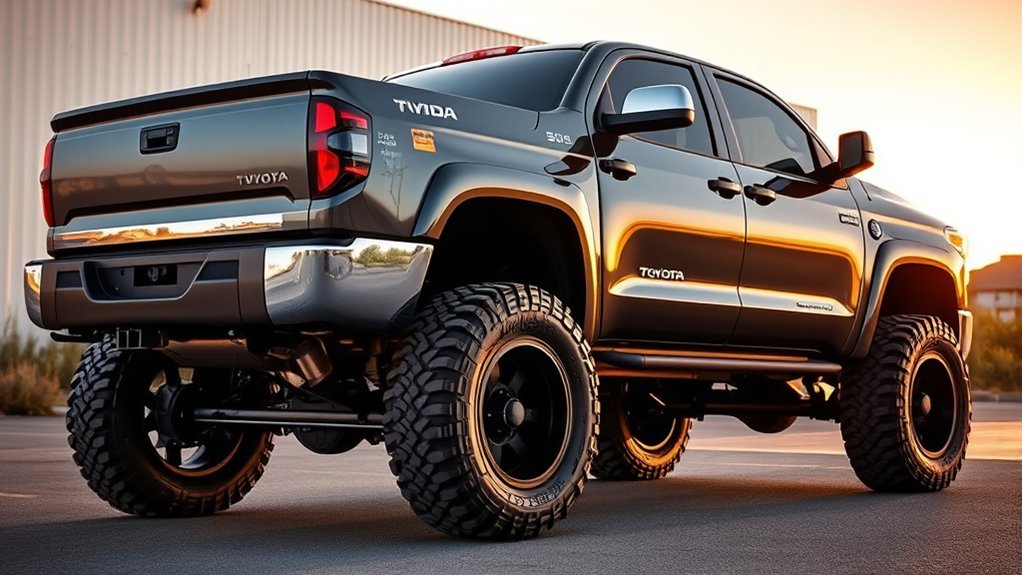
When you lift a Tundra by 3 inches, the goal is not just to install the tallest tire possible. The better goal is to choose the largest tire that clears the body, suspension, bumper, mud flaps, and fender liners while keeping the truck safe on the road.
A good starting point is to separate tire choices into three groups:
- Easy daily-driver sizes: 305/55R20 and 295/60R20. These are around 33 to 34 inches tall and usually keep rubbing easier to manage.
- Tall but still practical sizes: 295/70R18. This is a common 34-inch-range choice for lifted Tundras because it adds height without being as wide as a 12.50-inch tire.
- Aggressive max-fit sizes: 35×12.50R18 or 35×12.50R20. These fill the wheel wells well, but they are more likely to need trimming and careful wheel offset.
Note: Tundra fitment changes by generation. A 2007–2021 Tundra and a 2022-current Tundra do not always clear the same tire the same way, even with the same lift height.
Factory wheel and tire packages vary by trim and model year. For example, Toyota’s current 2026 Tundra page lists 18-inch wheels on SR and SR5 trims, 20-inch wheels on several upper trims, 22-inch wheels on Capstone, and 18-inch BBS forged wheels with Falken WILDPEAK All-Terrain tires on TRD Pro. Because the exact tire size changes by trim and package, check the tire placard, trim, wheel size, and generation before buying oversized tires.
Fitment rule of thumb
Use actual measured tire dimensions, not only the size printed on the sidewall. Two tires labeled 35×12.50 can differ in real mounted diameter, tread width, shoulder shape, and sidewall bulge. Those small differences can decide whether the tire clears the fender liner or rubs in reverse.
[Products Worth Considering]

EVOULTES heavy duty tire inflator with an integrated gauge delivers accurate pressure readings from 10–120 PSI, helping you inflate, deflate, and check tires in one tool. The 16.5-inch extended dual-head air chuck with swivel base reaches hard-to-access dual wheel valves on trucks and RVs. A brass trigger core and side-mounted air release valve make operation smooth, with standard 1/4" NPT threading and quick-connect compatibility for easy setup.

The JACO FlowPro Tire Inflator measures, inflates, and airs down tires up to 100 PSI with battery-free operation and ±2% accuracy after calibration. It features a glowing pressure dial for night visibility, a heavy-duty steel build with a hybrid hose, and a precision push-to-inflate thumb trigger. The patented Lightning Air Chuck locks on for a secure seal, and the kit includes quick-connect hardware for easy inline use with your air compressor.
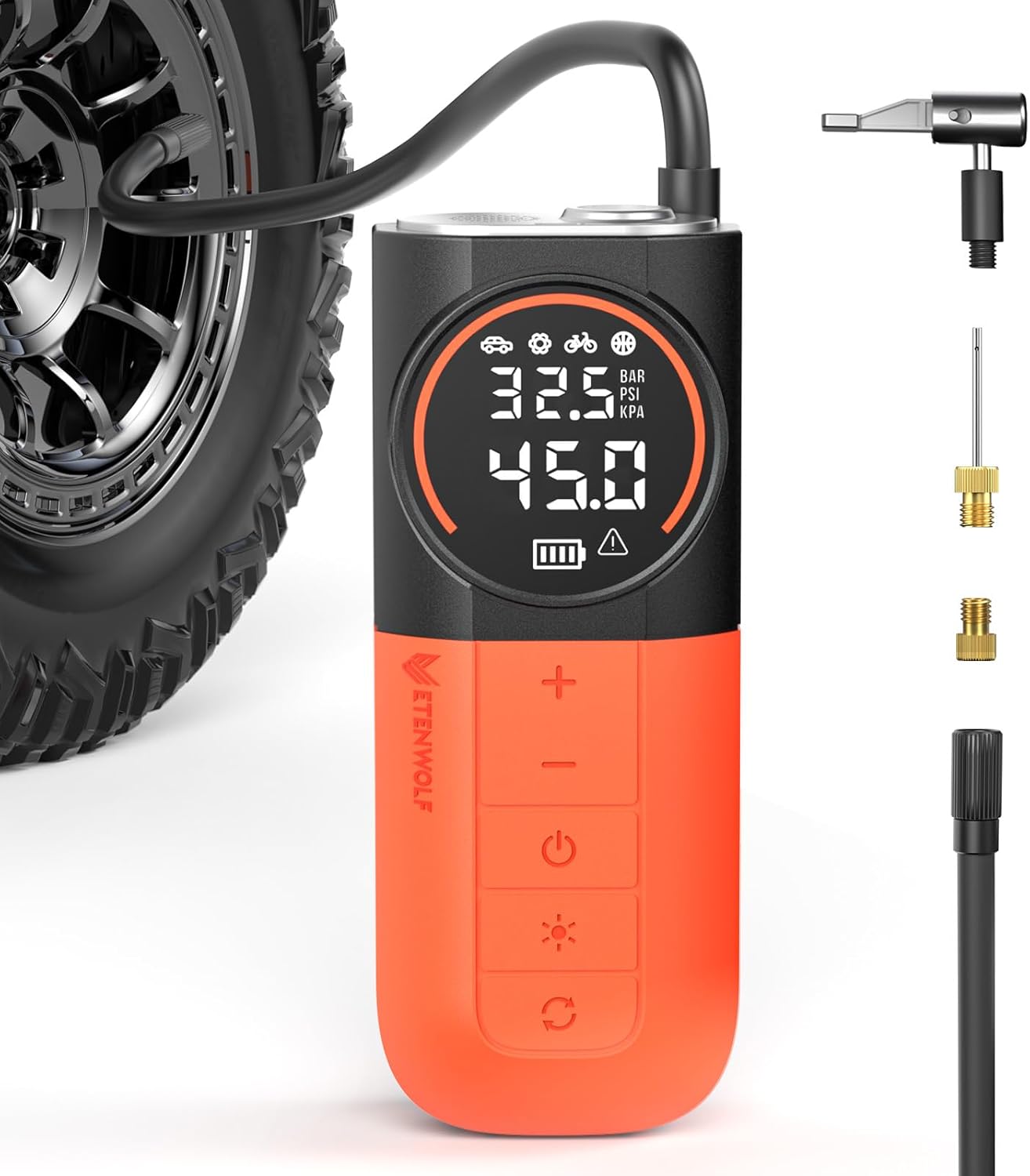
The ETENWOLF S1 cordless tire inflator delivers ultra-fast inflation with up to 160 PSI and a 20 L/min airflow for quicker tire top-offs. Its 5200mAh battery and cooling system support inflating many tires and sports balls on a single charge, while the digital pressure gauge and multi-unit display help you reach the right pressure accurately. With preset modes, pressure memory, an auto-stop feature, and an LED flashlight, it’s built for easy roadside and everyday use.
What Are the Best Tire Sizes for a 3-Inch Lifted Tundra?
Use this table as a practical comparison. The exact measurements can vary slightly by tire brand and model, so always check the manufacturer’s specs for the exact tire you plan to buy.
| Tire Size | Approx. Diameter | Approx. Width | Best For | Likely Trimming |
| 305/55R20 | 33.2 in. | 12.0 in. | Wide stance on 20-inch wheels without going to a full 35. | None to minor, depending on offset. |
| 295/60R20 | 33.9 in. | 11.6 in. | Best balanced 20-inch setup for many 3-inch-lift builds. | Usually none to minor. |
| 295/70R18 | 34.3 in. | 11.6 in. | Tall 18-inch all-terrain setup with more sidewall. | Minor trimming may be needed at full lock. |
| 35×12.50R18 / 35×12.50R20 | About 34.5–35 in., depending on tire model. | 12.5 in. | Aggressive max-fit look and more ground clearance. | Often minor to moderate trimming. |
If you want the least hassle, choose 295/60R20 on a properly matched 20×9 wheel or 295/70R18 on a properly matched 18×9 wheel. If you want the largest tire that still makes sense for everyday use, a 35×12.50 can be the right choice, but only if you are comfortable checking clearance and making small modifications.
What Prevents Rubbing When You Install Bigger Tundra Tires?
Choosing the right tire size for your lifted Tundra is only the first step. Rubbing usually comes from a combination of tire height, tire width, wheel offset, alignment, and where the tire moves during steering and suspension travel.
Lift height gives you room at ride height, but real tire clearance is proven at full steering lock, reverse, and suspension compression.
- Tire Size: A narrow 34-inch tire may clear better than a wide 33-inch tire. Width matters as much as height.
- Wheel Offset: A mild positive offset is often easier to manage than an aggressive negative offset, but the right number depends on wheel width, tire width, lift kit, alignment, and generation.
- Wheel Width: A 9-inch-wide wheel is common for 295- to 35-inch truck tire setups. Wider wheels can push the tire into the fender area sooner.
- Alignment: Caster and toe settings can change where the tire sits in the wheel well. Get an alignment after the lift and tire install.
- Suspension Clearance: Check the upper control arms, sway bar, brake lines, and inner fender area before assuming the tire clears.
- Body Clearance: Check the mud flaps, bumper/air dam, front fender liner, rear fender liner, and body mount or cab mount area.
Warning: Never judge fitment by parked clearance only. A tire that clears while parked can still rub when backing up, turning at full lock, hitting a dip, towing, or flexing off-road.
Which Tire Size Is Best for Your Driving Goal?
For the best mix of appearance, clearance, ride quality, and drivability, the sweet spot is usually a tire that measures about 34 inches tall and under about 12 inches wide. That is why 295/60R20 and 295/70R18 are such practical choices.
A 305/55R20 is wider than a 295, but it is not as tall as a 295/70R18. It can look strong on a lifted Tundra, especially with the right wheel, but it is not the true “biggest” option. It is better described as a wide, lower-risk 33-inch-range setup.
A 35×12.50 gives the Tundra the more aggressive lifted look many owners want. It also adds ground clearance under the axles. The tradeoff is that the wider tread and larger diameter increase the chance of rubbing, add weight, can affect braking feel, and may slightly reduce fuel economy.
Large tire changes can also affect speedometer accuracy, ABS, traction control, and stability-control behavior. Tire Rack explains that large changes in overall tire diameter can affect speedometer readings and vehicle systems such as ABS and stability control, so do not ignore the electronics side of the upgrade.
Pro Tip: If you want a 35-inch look with fewer problems, compare actual manufacturer specs. Some “35-inch” tires measure closer to 34.5 inches, and that small difference can decide whether you rub.
What Modifications Help Bigger Tires Fit Correctly?
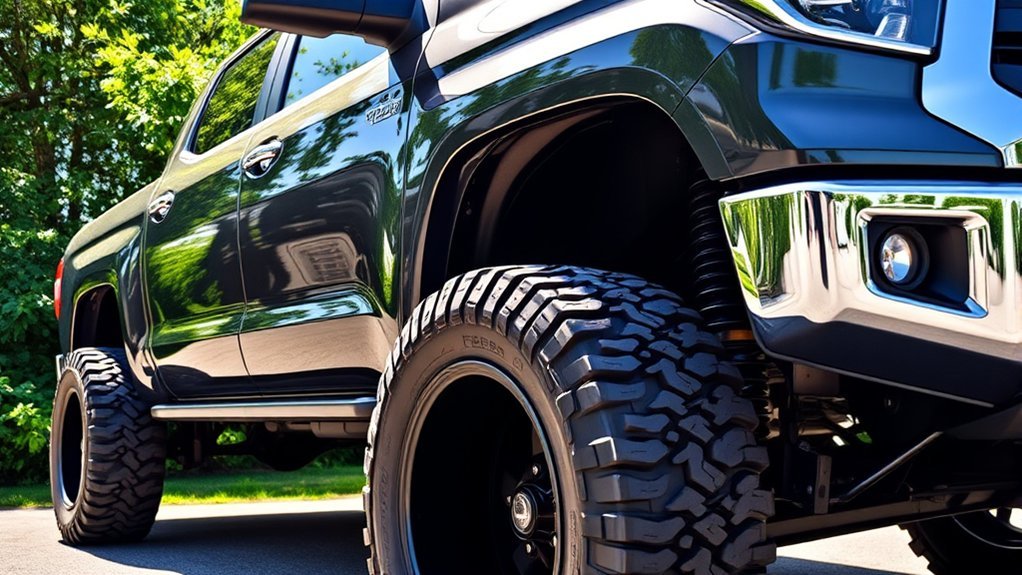
To achieve a clean fit on your lifted Tundra, start with the least invasive changes and work up only as needed. Do not cut metal or plastic until you know exactly where the tire is touching.
Clearance Check Before Trimming
- Turn full left and full right: Check the front and rear of the front wheel well.
- Check in reverse: Many trucks rub more when backing up at full lock than when moving forward.
- Cycle the suspension: If possible, check clearance with the suspension compressed, not just parked on flat ground.
- Look for shiny spots: Fresh rub marks on plastic, metal, or tire lugs show where the problem is.
- Recheck after alignment: Alignment changes can move the tire enough to create or solve rubbing.
Common Modifications
- Fender-liner adjustment: Pinning, heating, or trimming the liner can create extra space at the rear of the front wheel well.
- Mud-flap removal: Mud flaps are a common rub point with 34- and 35-inch tires.
- Front air-dam or bumper trimming: Some setups rub near the front lower bumper or air dam during full-lock turns.
- Body mount or cab mount trimming: This may be needed on aggressive wide setups, especially 35×12.50 tires.
- Upper control arm clearance: Wider tires on high-positive-offset wheels may sit too close to the UCA. Check before driving.
Do not forget the final step: torque the wheels correctly, set cold tire pressure, and get an alignment. For tire pressure, NHTSA says the correct tire pressure is the vehicle manufacturer’s recommended cold pressure on the tire information placard or certification label, not the maximum PSI printed on the tire sidewall.
What Safety Checks Matter Before Buying Bigger Tires?
Bigger tires are not just an appearance upgrade. They change the way the truck steers, brakes, accelerates, and carries weight. Tire safety also has real crash consequences: NHTSA reported 511 traffic deaths in tire-related crashes in 2024. Before ordering tires, check these items:
- Load index: The replacement tire should meet or exceed the original-equipment load index.
- Speed rating: Choose a tire with a speed rating appropriate for the truck and your driving.
- Load range: LT tires may ride firmer than passenger-metric tires, but they can be a better fit for towing, payload, and off-road use when selected correctly.
- Wheel rating: Make sure the wheel is rated for the Tundra’s weight and use.
- Spare tire plan: A factory spare may be much smaller than the new tires. That can matter if you need to use 4WD after a flat.
- TPMS: Confirm that tire-pressure sensors are installed, working, and compatible.
Measure before you order
- Measure the distance from the tire shoulder to the upper control arm.
- Measure front bumper, air-dam, mud-flap, and rear liner clearance at full lock.
- Compare the tire maker’s actual diameter and tread width, not only the nominal size.
- Confirm the spare tire plan, especially if you use 4WD or tow far from home.
The Tire Industry Association advises drivers not to install replacement tires with a lower load index than the original equipment tire and recommends consulting a tire professional for custom wheel and tire packages. That advice matters even more when lifting a truck and installing oversized all-terrain or rugged-terrain tires.
[Products Worth Considering]

This portable cordless tire inflator delivers up to 160 PSI with fast 17 L/min airflow to help you quickly top up tires and get back on the road. It features dual power mode, running on a 21V rechargeable battery or a 12V DC adapter for convenient roadside use. An automatic shut-off with digital pressure gauge helps prevent overinflation, and a built-in LED light improves visibility in low-light conditions.
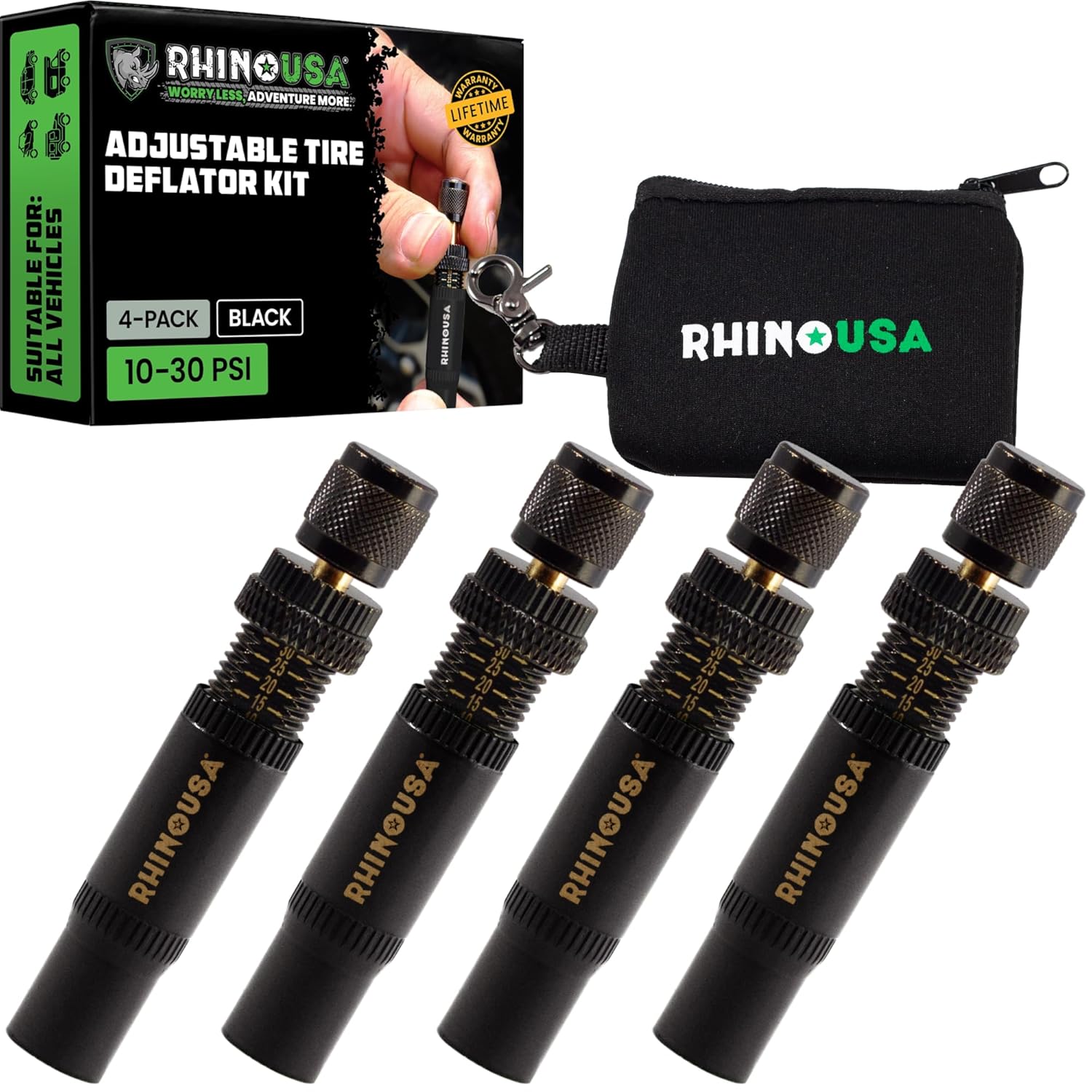
Use the Rhino USA adjustable tire deflators to air down all four tires at once by screwing one deflator onto each valve stem, letting you step away while the tires reach your preset pressure. Each deflator independently adjusts across a 10–30 PSI range with laser-etched indicators for quick setup and verification, making it ideal for beach, sand, and rocky off-road trails.
Which Tire Brands Make Sense for Lifted Tundra Setups?
Tundra owners commonly report good results with 305/55R20, 295/60R20, 295/70R18, and 35×12.50 tires on lifted trucks. The biggest difference is how much rubbing they are willing to tolerate and how much trimming they are willing to do.
For tire brands, two popular options are BFGoodrich and Toyo. The BFGoodrich All-Terrain T/A KO3 is positioned as an all-terrain tire with updated tread compound, 3D sipes, and sidewall-toughness features. The Toyo Open Country R/T Trail is a rugged-terrain hybrid all-terrain tire aimed at drivers who want more off-road grip than a traditional all-terrain without jumping all the way to a mud tire.
Choose the tread based on how you actually drive:
- Mostly highway: Choose a lighter all-terrain with good wet-road manners and lower noise.
- Mixed highway and trails: Choose an all-terrain or rugged-terrain tire with strong sidewalls.
- Mud, sand, and deep ruts: Consider a more aggressive rugged-terrain or mud-terrain tire, but expect more noise and weight.
- Towing or payload: Prioritize load rating, heat resistance, and inflation guidance over looks.
Best Setup by Goal
Best Low-Rub Daily Driver
Choose 295/60R20 or 305/55R20 on a properly matched wheel. This gives the truck a fuller stance without jumping into the highest-risk rubbing zone.
Best 18-Inch Trail Setup
Choose 295/70R18 if you want more sidewall and a taller tire without going as wide as 12.50 inches. This is a strong fit for mixed road and trail use.
Biggest Common Setup
Choose 35×12.50R18 or 35×12.50R20 if you want the biggest practical look on a 3-inch lift. Plan for test fitting, possible liner work, mud-flap removal, and minor trimming.
What to Avoid
Avoid choosing wheels with very aggressive negative offsets unless you want more poke and more trimming. Negative offsets can look tough, but they often swing the tire into the fender and bumper area during turns. Also avoid choosing a tire with a lower load rating than the original tire listed on your door placard.
Frequently Asked Questions
How big of tires can I fit with a 3 inch lift on a Tundra?
Most 3-inch-lifted Tundras can run tires in the 34-inch range with less hassle. Common choices include 295/60R20, 295/70R18, and 305/55R20. Many builds can also run 35×12.50 tires, but that usually depends on wheel offset, wheel width, alignment, generation, and trimming.
Will 35-inch tires rub on a 3-inch lifted Tundra?
They can. A 35×12.50 tire is wide enough that rubbing is common at full lock, in reverse, or during suspension compression. The usual fixes are positive-offset wheels, mud-flap removal, fender-liner adjustment, minor plastic trimming, and sometimes body mount or cab mount work.
Is 295/70R18 better than 305/55R20?
It depends on your goal. A 295/70R18 is taller at about 34.3 inches and gives more sidewall for trail use. A 305/55R20 is wider but shorter at about 33.2 inches, which can look aggressive while keeping height-related rubbing easier to manage.
What wheel offset is best for bigger Tundra tires?
A mild positive offset is often easier to manage than an aggressive negative offset, but there is no single perfect number. Too much negative offset can cause fender and bumper rubbing, while too much positive offset can reduce clearance near suspension parts. Test-fit the exact wheel, tire, lift kit, and alignment combination before driving.
Do bigger tires change my speedometer?
Yes. A taller tire travels farther per revolution, so your speedometer and odometer can read differently. Larger tire-diameter changes can also affect gearing feel, braking, ABS, traction control, and stability-control behavior. Recalibration may be needed after a large size change.
Conclusion
A 3-inch lift gives your Tundra room for a much stronger tire setup, but it is not a free pass to install the biggest tire on the rack. For a clean daily-driver fit, 295/60R20, 295/70R18, and 305/55R20 are smart choices. For the biggest common setup, 35×12.50 can work on many lifted Tundras, but expect careful test fitting and possible trimming.
The best setup is the one that clears at full lock, keeps the correct load rating, uses safe cold tire pressure, aligns properly, and still drives well on the road. Before you buy, compare the tire maker’s actual specs, check your door placard, and ask your installer to test clearance before final mounting.
Sources
- Toyota 2026 Tundra specifications and trims – current wheel, trim, and capability reference.
- NHTSA TireWise tire safety guide – cold tire pressure and tire placard safety guidance.
- Tire Industry Association tire replacement guidance – load index, speed rating, and custom wheel/tire package safety guidance.
- Tire Rack plus-sizing guide – tire diameter changes, speedometer accuracy, ABS, traction control, and stability-system impact.
- BFGoodrich All-Terrain T/A KO3 – official tire model features and use case.
- Toyo Open Country R/T Trail – official rugged-terrain tire features and use case.

Related Articles
Toyota Tundra Tire and Wheel Package: What to Consider Before Buying
Unlock the secrets to choosing the perfect tire and wheel package for your Toyota Tundra—essential tips await to enhance your ride.
Read More
Do Bigger Tires Void a Toyota Tundra Warranty? Magnuson-Moss Act Explained
Bigger tires might not void your Toyota Tundra warranty, but understanding the Magnuson-Moss Act is crucial—discover how to protect your investment effectively.
Read More
Toyota Tundra Tire Rack Setup: Garage Storage Ideas for Seasonal Sets
Better tire storage for your Toyota Tundra awaits—discover essential tips to maximize space and protect your seasonal sets in the garage!
Read More