
4Runner Regearing After Bigger Tires: Why and When
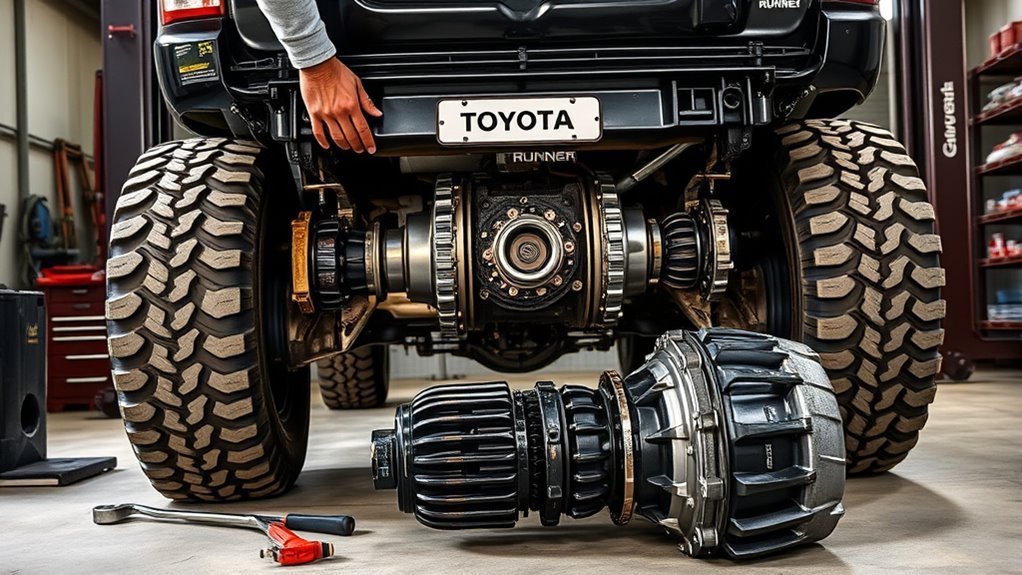
Regearing can make a modified 2010–2024 fifth-generation V6 Toyota 4Runner feel more responsive, but tire diameter alone does not decide whether you need it. A lightly built 4Runner on 33-inch tires may remain acceptable with its factory 3.73-class gearing, while a heavier truck on 34s or 35s may benefit greatly from 4.56 or 4.88 gears. Your model year, measured tire diameter, added weight, terrain, towing load, and highway use all matter.
Quick Answer
A fifth-generation V6 4Runner does not automatically need a regear when you install 33-inch tires. Consider 4.56 gears for a mixed-use build on 33s or 34s, and 4.88 gears for heavier builds, frequent mountain driving, technical trails, towing, or 35-inch tires. Confirm the axle configuration before ordering parts.
Key Takeaways
- This guide applies to the common 2010–2024 fifth-generation Toyota 4Runner V6 drivetrain, not the redesigned 2025-and-newer model.
- Tire size changes the effective final-drive ratio, but added weight, elevation, towing, tread design, and driving style affect the result.
- 4.56 is usually the more highway-friendly choice; 4.88 provides greater torque multiplication and low-speed control.
- A 4WD 4Runner must use matching front and rear axle ratios before four-wheel drive is engaged.
- Professional setup, correct break-in, and an early gear-oil change are essential to protect the new ring-and-pinion sets.
Note: Toyota redesigned the 4Runner for 2025 with turbocharged four-cylinder powertrains and an eight-speed automatic. Some sixth-generation grades include 33-inch tires from the factory, so the fifth-generation recommendations below should not be applied to a 2025-or-newer 4Runner.
At a Glance
| Time Required | Usually one to two business days for a professional front-and-rear installation, plus break-in driving and a follow-up oil change |
| Difficulty | Advanced differential work; professional installation is strongly recommended |
| Tools Needed | Bearing press and puller, dial indicator, inch-pound and standard torque wrenches, setup bearings or shims, marking compound, and model-specific service data |
| Cost | Plan roughly $3,000–$5,500 for a 4WD front-and-rear regear without lockers; local labor rates, axle condition, parts brand, and locker choices can move the total substantially |
Do You Actually Need to Regear? Tire Size Breakdown
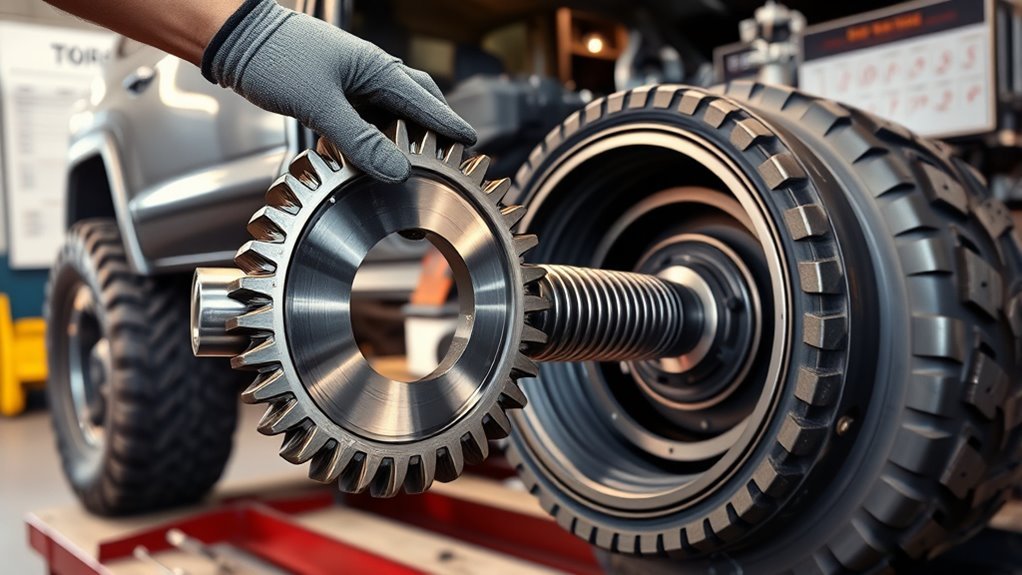
Larger tires reduce the effective numerical axle ratio because each tire revolution moves the vehicle farther. Using a typical fifth-generation stock tire diameter of about 31.6 inches and a 3.73-class axle ratio, a 33-inch tire makes the drivetrain behave roughly like it has 3.57 gears. A 35-inch tire lowers the effective ratio to about 3.36.
That calculation explains why the engine may operate at lower rpm for a given road speed and why the transmission may downshift more often under load. It does not prove that every 33-inch tire requires 4.56 gears or every 35-inch tire requires 4.88 gears. The actual mounted diameter, tire weight, armor, roof load, elevation, towing, and intended use must be considered together.
| Nominal Tire Size | Approx. Effective Ratio With 3.73 Gears | Practical Guidance |
|---|---|---|
| 33 inches | About 3.57 | Stock gearing is often tolerable on a light, mostly highway-driven build. Consider 4.56 if the truck is heavy, frequently climbs grades, tows, or sees technical trails. |
| 34 inches | About 3.46 | 4.56 is a balanced choice for mixed driving. Choose 4.88 when added weight, elevation, towing, or low-speed trail control matters more than relaxed highway rpm. |
| 35 inches | About 3.36 | A regear is strongly worth considering. 4.88 is common for heavy or trail-focused builds; 4.56 may suit a lighter truck that spends more time at interstate speeds. |
The simplest factory-equivalent calculation is:
New axle ratio = original axle ratio × new measured tire diameter ÷ original measured tire diameter.
Using that formula, moving from a 31.6-inch tire to a true 35-inch tire calls for roughly 4.13 gears merely to restore the original relationship. Choosing 4.56 or 4.88 goes deeper than simple diameter correction to compensate for vehicle weight, terrain, towing, and the five-speed transmission’s behavior.
[Products Worth Considering]

This manual duck head tire changer kit makes tire installation and removal simpler by letting you embed the duck head into the tire with applied pressure. The integrated design and durable steel construction help reduce friction and improve efficiency and safety during use. Suitable for 16–21 inch wheels, it’s convenient for cars, trucks, SUVs, and ATV tires, with 24-hour after-sales support.

Malco tire mounting and demounting lubricant is a ready-to-use tire lube formulated to reduce friction during tire installation for passenger cars, light trucks, farm tires, and heavy-duty equipment. It provides rust-inhibiting protection to help reduce corrosion on rims and wheels, and helps support proper tire bead seating during inflation to reduce air leakage. The silicone-free, soap-free formula is whitewall safe to help prevent discoloration on whitewall tires and sensitive sidewall markings.

Keep your tires properly inflated with this analog VONDIOR tire pressure gauge, designed for fast, easy readings without batteries. The swiveling, two-axis hose and large glow dial help you measure at any tire angle with instant visibility. Built with a protective rubber shield, it supports durable, low-maintenance use for cars and trucks.
Why Fifth-Generation 3.73 Gears Can Struggle With 34s and 35s
The common U.S.-market fifth-generation V6 4Runner combines a 4.0-liter engine with a five-speed automatic. Larger and heavier tires reduce the torque available at the contact patch for a given transmission gear and add rotational inertia. The result can be slower acceleration, more throttle input, and more frequent downshifts—especially on grades, at elevation, while towing, or after adding bumpers, skids, sliders, a winch, a roof rack, and camping gear.
Regearing increases mechanical advantage at the axles. It cannot remove the tire’s extra mass, rolling resistance, or aerodynamic drag from the rest of the build, but it can place the engine and transmission in a more useful operating range.
- Acceleration: Numerically higher axle gears multiply torque more before it reaches the tires.
- Shift behavior: The transmission may hold a higher gear more consistently on mild grades or in headwinds.
- Low-speed control: Deeper gearing improves crawl speed and reduces the need to use momentum on technical terrain.
- Towing and payload: More mechanical advantage can make a loaded vehicle easier to manage, although it does not increase Toyota’s rated towing or payload limits.
5 Signs Your Gearing Is Too Tall for Your Tires and Build
1. Frequent Gear Hunting
The transmission repeatedly shifts between fourth and fifth gear on modest grades, in light headwinds, or with cruise control set. Occasional downshifts are normal; repeated hunting in conditions the truck previously handled easily is a stronger clue.
2. Sluggish Acceleration
The 4Runner needs noticeably more throttle to merge, pass, or move away from a stop. This symptom becomes more meaningful when it appeared after the tire and weight changes rather than from a separate engine, transmission, brake, or alignment problem.
3. Difficulty Holding Highway Speed
The truck cannot maintain speed on familiar grades without an immediate downshift, or you routinely select fourth gear to stop the transmission from searching. A regear can improve stability, but a very aggressive ratio may also raise cruising rpm and cabin noise.
4. Poor Loaded or Mountain Performance
Towing within the vehicle’s rating, carrying camping equipment, or driving at elevation exposes a loss of usable torque that is less obvious on flat roads with an empty vehicle.
5. Limited Low-Speed Trail Control
You need excessive throttle, braking, or momentum to cross obstacles that should be handled slowly. Deeper axle gears increase the overall crawl ratio and make small throttle inputs easier to manage.
Warning: Whining, clunking, vibration, leaking gear oil, or an abnormally hot differential is not proof that you merely need a different ratio. Those symptoms can indicate worn bearings, incorrect setup, low lubricant, driveshaft problems, or damaged gears. Have the drivetrain inspected before ordering a regear.
Before and After: What Regearing Changes
Fuel Economy May Improve, Stay the Same, or Drop
Regearing does not guarantee better MPG. It may reduce inefficient lugging and repeated downshifts, but it also raises engine rpm at a given road speed. Heavy tires, aggressive tread, lift height, roof cargo, bumpers, speed, and wind can outweigh any efficiency recovered through gearing. Compare corrected fuel use over several tanks rather than relying on the dash display alone.
Throttle Response and Drivability Usually Improve
A properly selected ratio gives the engine more leverage at the wheels. Drivers commonly notice easier starts, less throttle on grades, and more predictable transmission behavior. The result may feel closer to stock, but it will not erase the mass and drag added by larger tires and accessories.
Crawl Ratio Improves by a Measurable Amount
Because the transfer-case and transmission ratios stay the same, the change in axle ratio directly changes the overall crawl ratio. Moving from 3.73 to 4.56 increases torque multiplication by about 22%. Moving from 3.73 to 4.88 increases it by about 31%. That improvement is real, but traction, tire pressure, suspension travel, and driver technique still determine whether the vehicle clears an obstacle.
4.56 or 4.88: Pick the Right Gear Ratio for Your Build
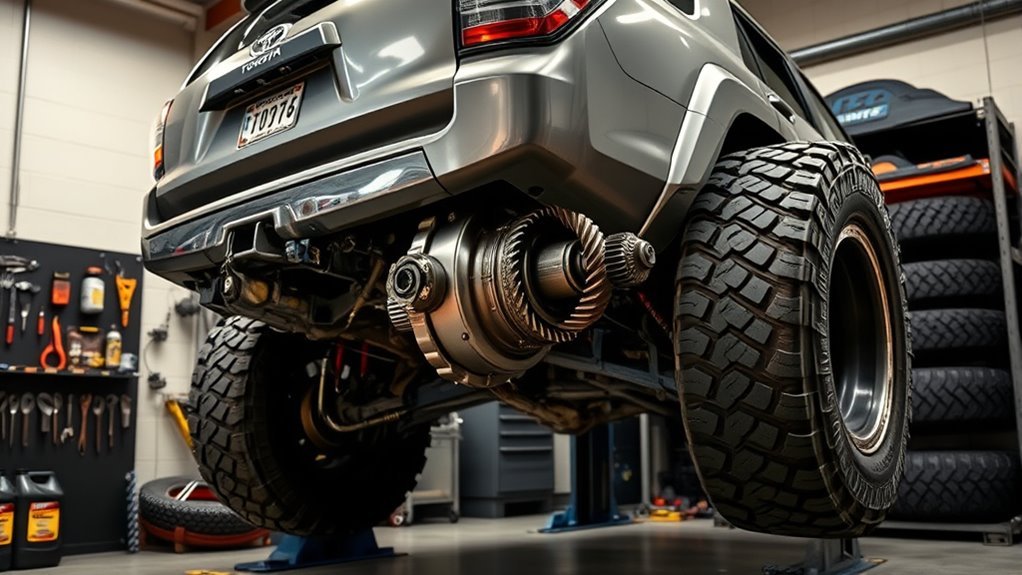
| Factor | 4.56 Gears | 4.88 Gears |
|---|---|---|
| Typical tire range | 33s to 34s; some lighter 35-inch builds | 34s to 35s; especially heavy or trail-focused builds |
| Best use | Mixed highway, commuting, moderate added weight, occasional towing or trails | Mountains, heavy armor, frequent towing, technical trails, or a true 35-inch tire |
| Highway behavior | Lower cruising rpm than 4.88 and generally quieter on long interstate trips | Higher cruising rpm, stronger response, and less need to downshift under load |
| Low-speed control | Significant improvement over stock | About 7% more axle multiplication than 4.56 |
Choose 4.56 when your priority is balanced road use and you want to avoid more rpm than necessary. Choose 4.88 when the truck is heavy, the tires measure close to 35 inches, or low-speed control and grade performance matter more than relaxed highway cruising.
Pro Tip: Give the installer the tire’s actual mounted diameter—not only the sidewall label—plus your normal highway speed, added vehicle weight, towing use, and terrain. Ask for estimated engine rpm at that speed with both ratios before approving the job.
Verify Your Axles and Parts Before Ordering
Do not buy a gear package based only on “fifth-gen 4Runner.” Parts can differ by model year, two-wheel drive versus four-wheel drive, open differential versus factory electronic locker, and front or rear axle design. A reputable supplier or installer should verify the vehicle by VIN, axle code, trim, and differential configuration.
- 2WD models: Only the driven rear axle is regeared.
- Part-time 4WD models: The front and rear ratios must match before four-wheel drive is used.
- Full-time 4WD Limited models: Matching ratios are mandatory throughout operation.
- Factory electronic locker: Confirm that the ring-and-pinion set and installation kit are specifically compatible.
- Carrier or locker changes: These depend on the exact axle and gear-set design; there is no universal rule that every ratio beyond 4.56 requires a new carrier.
Warning: Never engage four-wheel drive with mismatched front and rear axle ratios. The axles will try to turn at different speeds, causing severe driveline binding and possible transfer-case, differential, or tire damage.
[Products Worth Considering]

This 1/2-inch drive breaker bar delivers powerful leverage for loosening and tightening stubborn lug nuts and automotive fasteners. The 180-degree flex head helps you reach tight spaces at the angle you need, making tire and brake jobs easier. A spring-loaded ball detent design holds 1/2-inch sockets securely while the chrome-moly head provides durable strength for everyday use.

Steelman white tire marking crayons provide high-contrast, semi-permanent marks for repairing and inspecting tires and equipment. They write on wet or dry, smooth or coarse surfaces including rubber, metal, glass, and wood, making them ideal for puncture location and damage outlining. The lead- and zinc-free crayons resist weather and fading yet wipe away when you no longer need the marks.

The Topeak SmartGauge D2 delivers precise digital tire pressure readings for bikes, motorcycles, and sports equipment up to 250 psi (17 bar). Its rotating SmartHead works with both Presta and Schrader valves, so you can check pressure quickly without adapters. The LCD display makes it easy to read results in psi, bar, or kg/cm² with an included CR2032 battery for immediate use.
What You’ll Really Pay to Regear
Pricing varies by region, shop labor rate, axle condition, gear brand, and whether lockers are installed at the same time. As a current parts reference, a front-and-rear Revolution Gear package for certain 2010–2024 4Runner configurations was listed at about $1,278 when checked in July 2026, before tax, shipping, fluids, or labor. Other packages and configurations can cost more.
For planning purposes, a complete 4WD regear without lockers often lands around $3,000–$5,500. Lockers, compressors, damaged bearings or housings, seized hardware, differential bushings, expedited parts, and follow-up service can raise the total substantially.
- Ask for an itemized quote covering front and rear gears, master install kits, bearings, seals, fluids, shop supplies, labor, and tax.
- Confirm whether the quote includes removal and installation of both differentials, an initial inspection, and the post-break-in oil change.
- Ask who covers labor if a gear set develops noise and must be reset or replaced.
- If you already want lockers, installing them during the regear can avoid paying for overlapping differential setup labor later, although wiring, air lines, compressors, and additional parts still add cost.
Professional Installation and Break-In
Ring-and-pinion work depends on precise pinion depth, bearing preload, backlash, and tooth-contact pattern. A small setup error can cause noise, heat, rapid wear, or failure. Choose a shop that regularly builds Toyota differentials, documents the contact pattern, uses new one-time-use parts where required, and provides a written workmanship warranty.
Follow the gear manufacturer’s break-in instructions rather than a generic internet routine. Yukon Gear, for example, recommends an initial short drive followed by a cool-down, at least 500 miles before towing, and a gear-oil change after the first 500 miles. Other manufacturers may specify different lubricant or break-in procedures, so the instructions supplied with your exact gear set control.
Note: After installation, stop driving and contact the installer if you notice a new howl that changes between acceleration and deceleration, severe vibration, leaks, smoke, or a burning odor. New gears should not be “driven until the noise goes away.”
Frequently Asked Questions
Does regearing void my Toyota warranty?
An aftermarket regear does not automatically erase the entire vehicle warranty. Under federal warranty principles described by the FTC, a manufacturer generally cannot require branded parts or dealer-only service merely to keep coverage. However, Toyota may deny a specific repair if it can show that the aftermarket gears, installation, or related modification caused the failure. Keep invoices, part numbers, setup records, and maintenance receipts.
Can I regear only the front or rear axle?
A 2WD 4Runner only needs the driven rear axle regeared. A 4WD 4Runner needs matching front and rear ratios before four-wheel drive is engaged. On a full-time 4WD Limited, mismatched ratios are unacceptable because both axles are driven during normal operation.
How long does a professional regear take?
Many shops schedule one to two business days for a complete 4WD job, but timing depends on workload, parts availability, rust, axle condition, and whether lockers or other repairs are included. Ask when the vehicle will be ready, whether a road test is included, and when the follow-up fluid change is due.
Do I need new carriers for a 4.56 or 4.88 gear change?
Not always. Carrier and locker requirements depend on the exact front and rear axle, whether the truck has a factory electronic locker, and whether the selected gear set uses a thick ring gear or a different carrier design. Verify the VIN, axle code, and differential configuration with the gear manufacturer or installer before ordering.
Will regearing fix speedometer inaccuracy from larger tires?
No. Regearing changes torque multiplication, but it does not change the number of tire revolutions per mile. Larger tires can still affect speed, distance, navigation, and fuel-economy calculations; Toyota also notes that nonfactory tire diameter can affect navigation position calculations. Use GPS to verify the error and choose a model-compatible calibration method if correction is available.
Should I choose 4.56 or 4.88 gears with 33-inch tires?
For a light 33-inch build that spends most of its time on the highway, stock gearing may remain acceptable. Choose 4.56 when you want stronger response without as much highway rpm as 4.88. Reserve 4.88 for a heavy build, frequent towing or mountain use, technical trails, or a planned move to larger tires.
Do new differential gears need a break-in period?
Yes, unless the gear manufacturer or installer provides a specific alternative procedure. New gears generate heat as their contact surfaces settle. Follow the supplied instructions for short initial drives, cooling periods, towing restrictions, lubricant, and the first oil change.
Sources
- Toyota USA Newsroom: 2019 Toyota 4Runner — fifth-generation engine, transmission, towing, and drivetrain context
- Toyota USA Newsroom: All-New 2025 4Runner — sixth-generation powertrains, eight-speed transmission, and factory 33-inch tire availability
- Federal Trade Commission: Warranty Coverage and Aftermarket Parts — federal warranty principles
- Revolution Gear & Axle: Toyota 4Runner Gear Package — current package configuration, included parts, ratios, and price reference
- Yukon Gear & Axle Technical FAQs — terminology, setup principles, carrier breaks, and break-in guidance
- Toyota 4Runner Owner’s Manual: Tire Change Calibration — effects of nonfactory tire diameter on navigation position calculations
Conclusion
A regear is not an automatic requirement at 33 inches, but it can be one of the most effective drivability upgrades for a heavy fifth-generation 4Runner on 34s or 35s. Choose 4.56 for a balanced mixed-use build and 4.88 when weight, grades, towing, or technical terrain demand more leverage. Verify the exact axle configuration, use an experienced differential shop, and follow the gear manufacturer’s break-in instructions.
[Products Worth Considering]
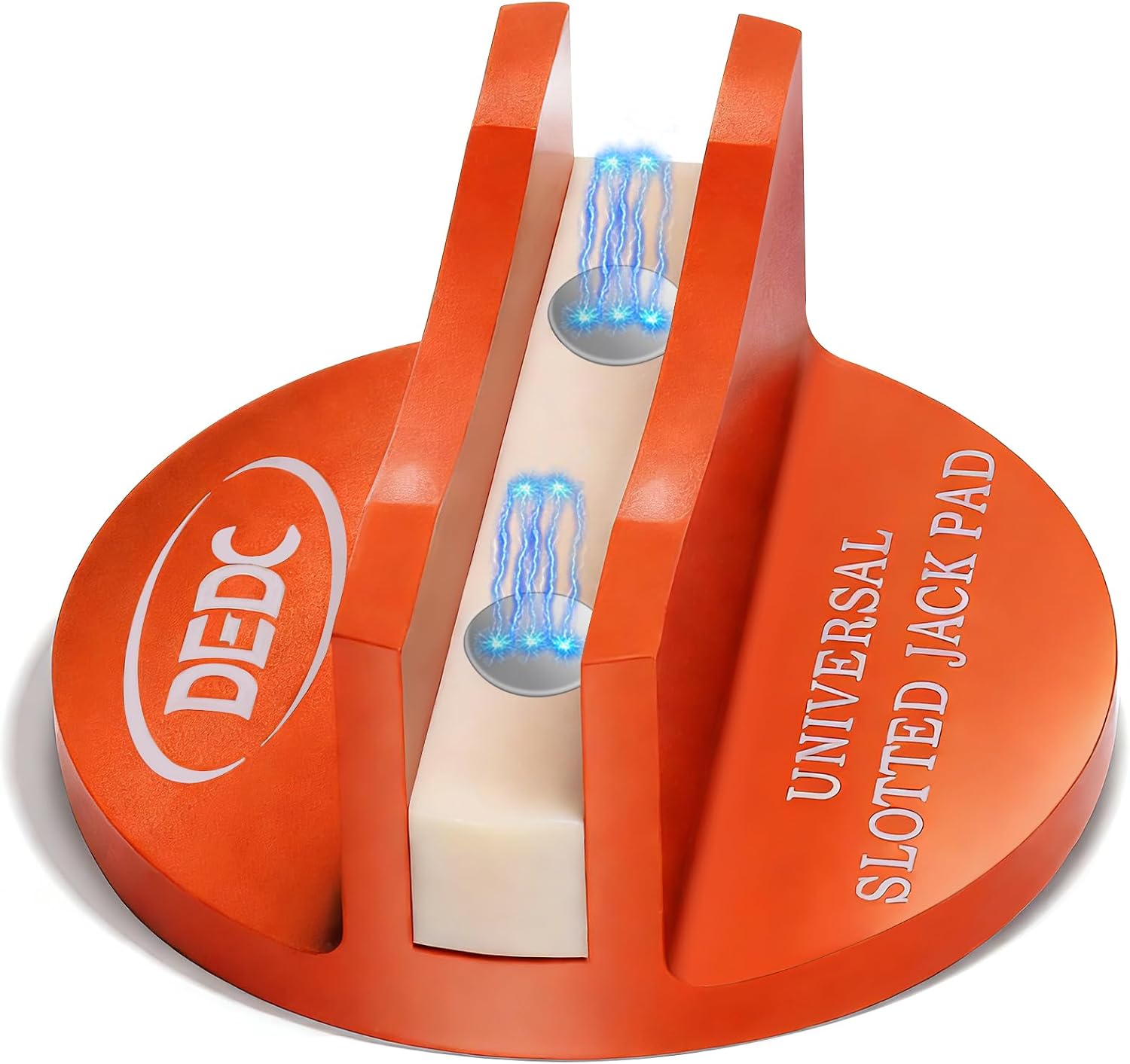
This universal magnetic jack pad is designed to protect pinch welds when lifting vehicles, helping prevent seam damage or warping. Crafted from solid aluminum with a nylon pad insert, it provides reinforced structural support and a secure fit for most single-vehicle pinch welds. Slotted for strong magnet holding, it supports safe jacking for cars, SUVs, trucks, and more.
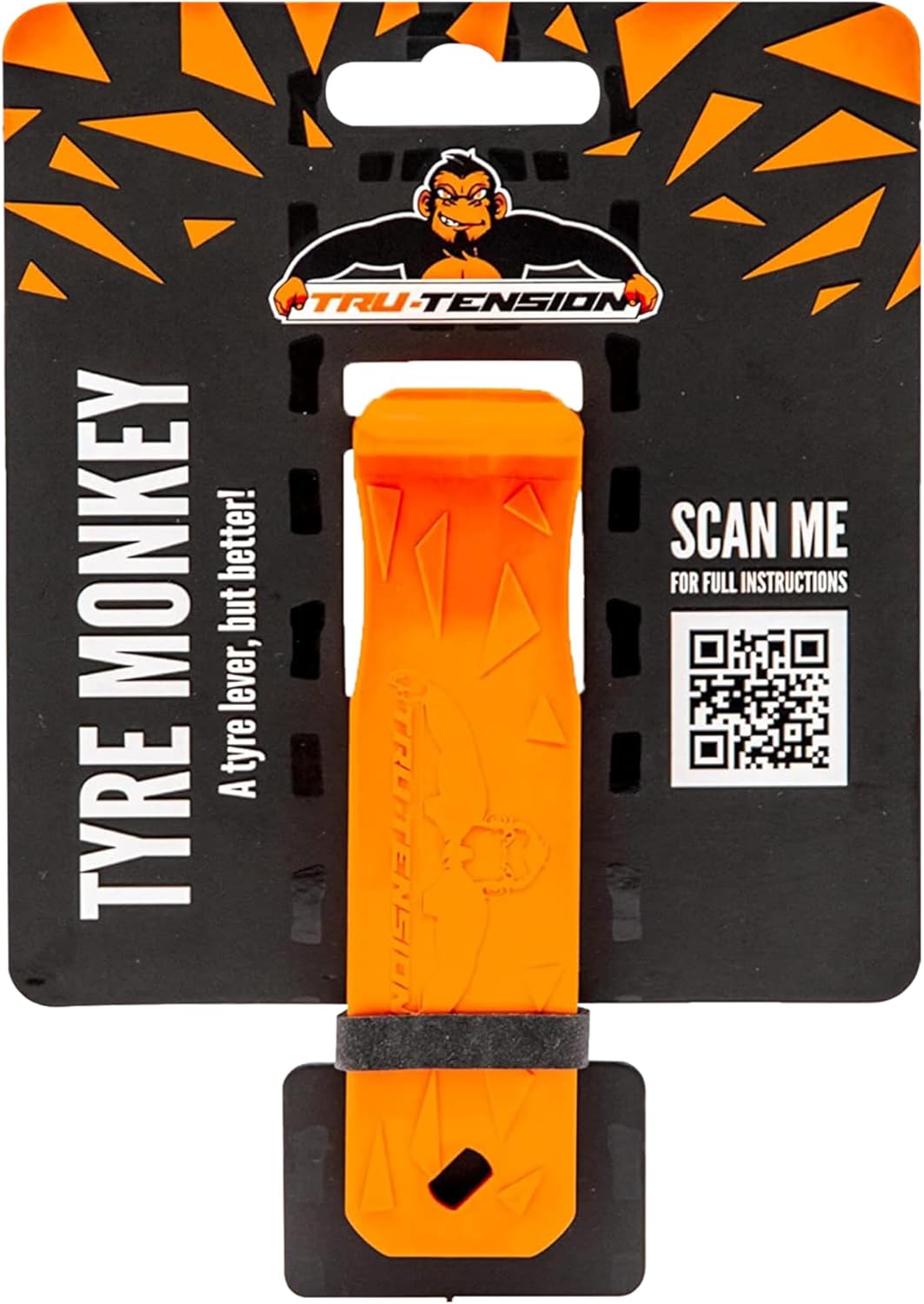
The Tru-Tension Tyre Monkey is a revolutionary bicycle tyre lever that makes removing and fitting tires fast and easy. Its innovative geometry helps keep your hand at a 90-degree angle to the wheel to reduce the risk of hitting spokes, and the design is optimized to use only one tool instead of multiple conventional levers. Compact and durable, it’s built for convenient carry and reliable tire changes on the go.
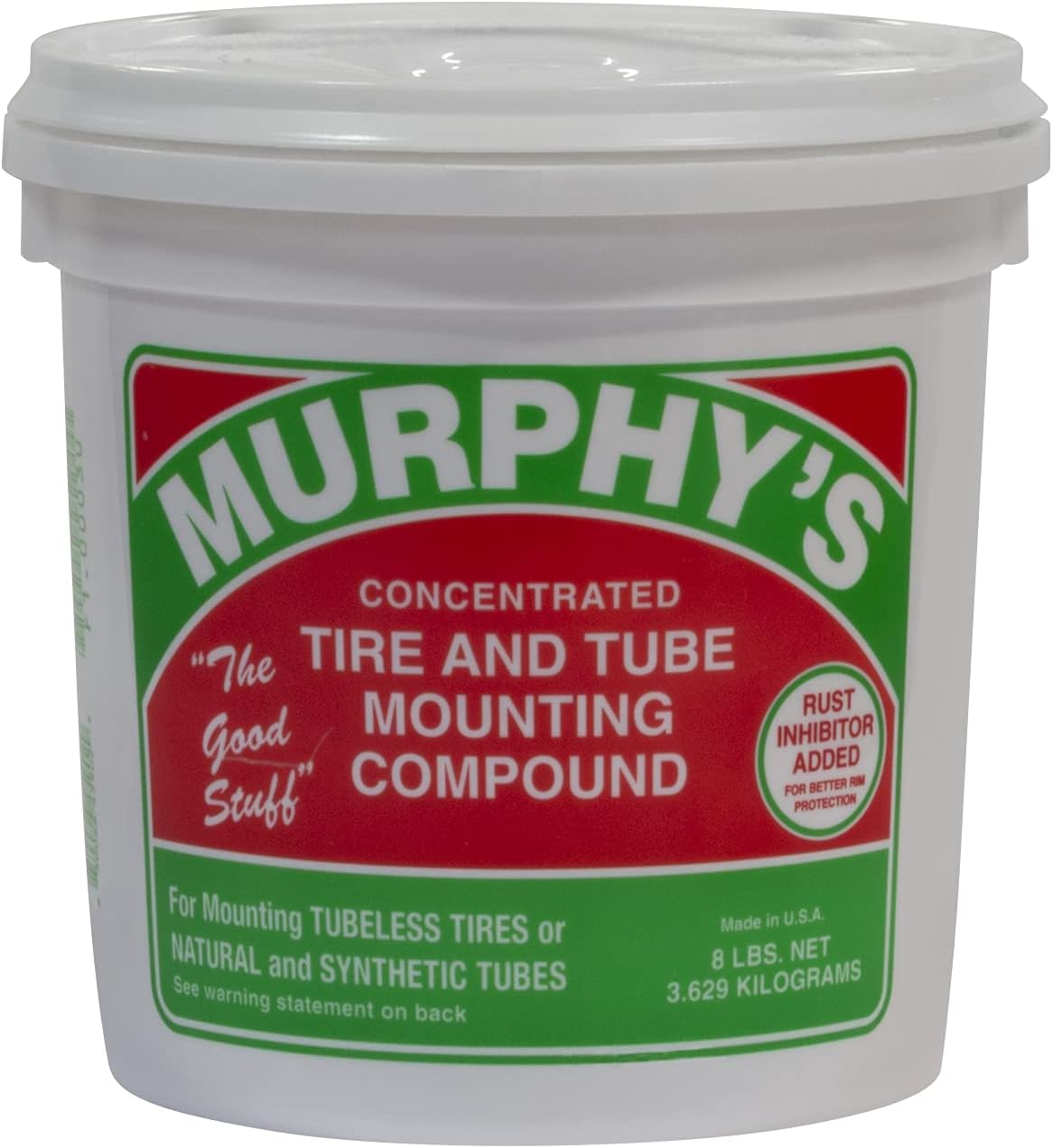
A concentrated tire and tube mounting compound designed to help simplify mounting rubber tires and tubes on passenger, semi truck, construction, and OTR applications. Its ultra-thick formula packs beads effectively and includes rust inhibitors to help protect against corrosion during use.

Related Articles

When to Switch From All-Season to Winter Tires on a 4Runner
Ineffective all-season tires in cold weather can jeopardize your safety—discover when to make the crucial switch for better traction and handling.
Read More
4Runner Tire Mileage: How Many Miles Should They Last
Curious about how long your 4Runner tires should last? Discover essential tips and factors that influence tire longevity.
Read More
How Long Do Toyota 4Runner Tires Typically Last
How long do Toyota 4Runner tires typically last? Discover the factors that influence tire longevity and essential tips for maintenance.
Read More