
4Runner Wheel Offset Guide: What Fits Without Rubbing
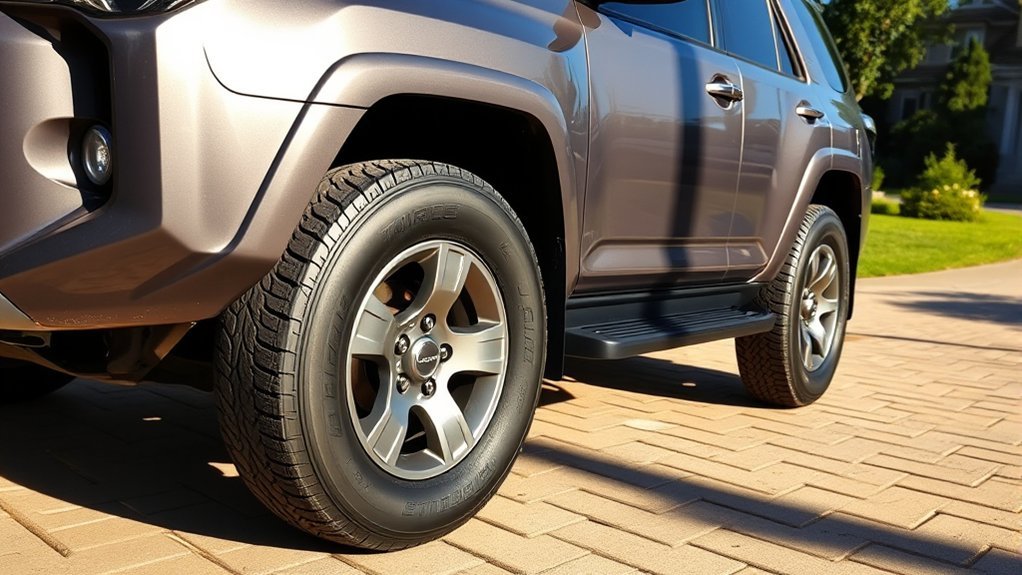
Choosing the right wheel offset for your 4Runner helps you get the stance you want without creating tire rub, poor steering feel, or unsafe clearance issues. For many 2010-2024 Toyota 4Runner builds, a 17×8.5 wheel is a popular starting point. Stock-height setups usually stay closer to a positive or near-zero offset, while lifted builds can often run a more aggressive zero to negative offset.
Quick Answer
For most 2010-2024 Toyota 4Runner builds, a 17×8.5 wheel with a +0 to +15 mm offset gives a clean, practical fit. A lifted 4Runner can often use 0 to -12 mm for a wider stance, but larger tires may still need caster adjustment, fender-liner work, or trimming.
Key Takeaways
- A 17×8.5 wheel is a common 4Runner upgrade because it supports popular tire sizes without going too wide.
- A +0 to +15 mm offset works well for many stock or mild setups that need a balanced stance.
- A 0 to -12 mm offset gives a more aggressive look, but it can increase rubbing near the fender liner, mud flap, and body mount.
- A 265/70R17 is the safest stock-style size for many 5th-gen setups, while 275/70R17 and 285/70R17 need more clearance planning.
- Always verify your exact tire size, load rating, and cold tire pressure with your owner’s manual, door placard, or a qualified tire shop.
At a Glance
| Time Required | 30-60 minutes to compare specs; longer if you test fit wheels and tires |
| Difficulty | Moderate, because offset, tire size, suspension height, and alignment all work together |
| Tools Needed | Tape measure, tire-size calculator, owner’s manual, door placard, torque wrench, and a professional alignment check |
| Cost | Free to plan; wheel, tire, mounting, balancing, trimming, and alignment costs vary by shop and setup |
Understanding Wheel Offset: What You Need to Know
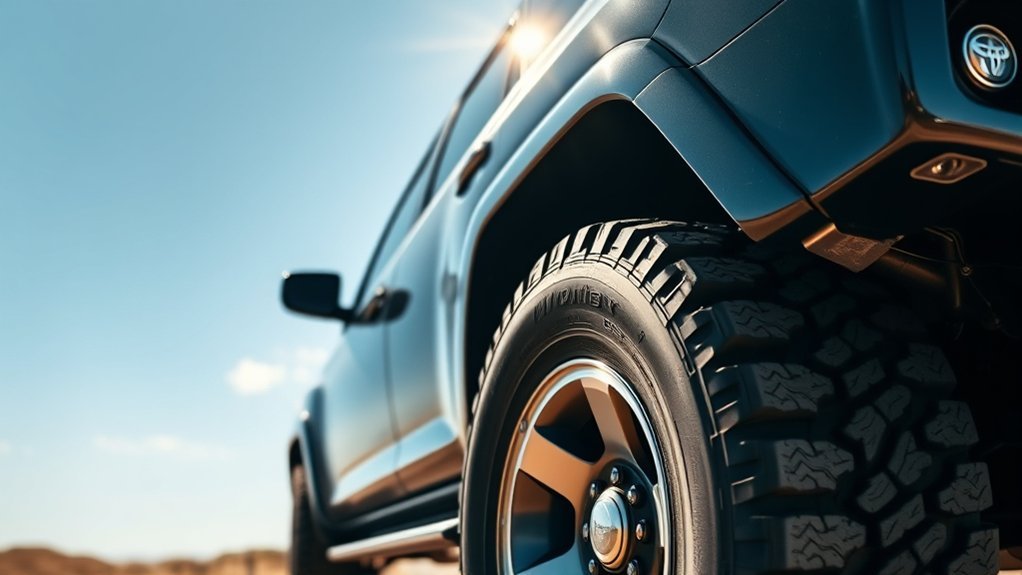
Wheel offset is the distance from the wheel’s hub mounting surface to the wheel centerline. A positive offset moves the wheel farther inward toward the suspension. A zero offset places the mounting surface at the centerline. A negative offset pushes the wheel outward for more poke.
That outward movement can help inner clearance, but it does not automatically stop rubbing. On a 4Runner, aggressive negative offset can move the tire closer to the outer fender liner, mud flap, bumper edge, and body mount. It can also change steering feel and add stress to wheel bearings over time.
For a useful technical reference, Tire Rack explains that incorrect offset can affect handling and wheel-well clearance. You can review its offset explanation here: Tire Rack wheel offset guide.
Note: This guide is most useful for common 2010-2024 4Runner fitment questions. The redesigned 2025+ 4Runner uses a newer platform and includes trims such as Trailhunter with factory 33-inch tires, so always confirm fitment for your exact model year and trim.
[Products Worth Considering]
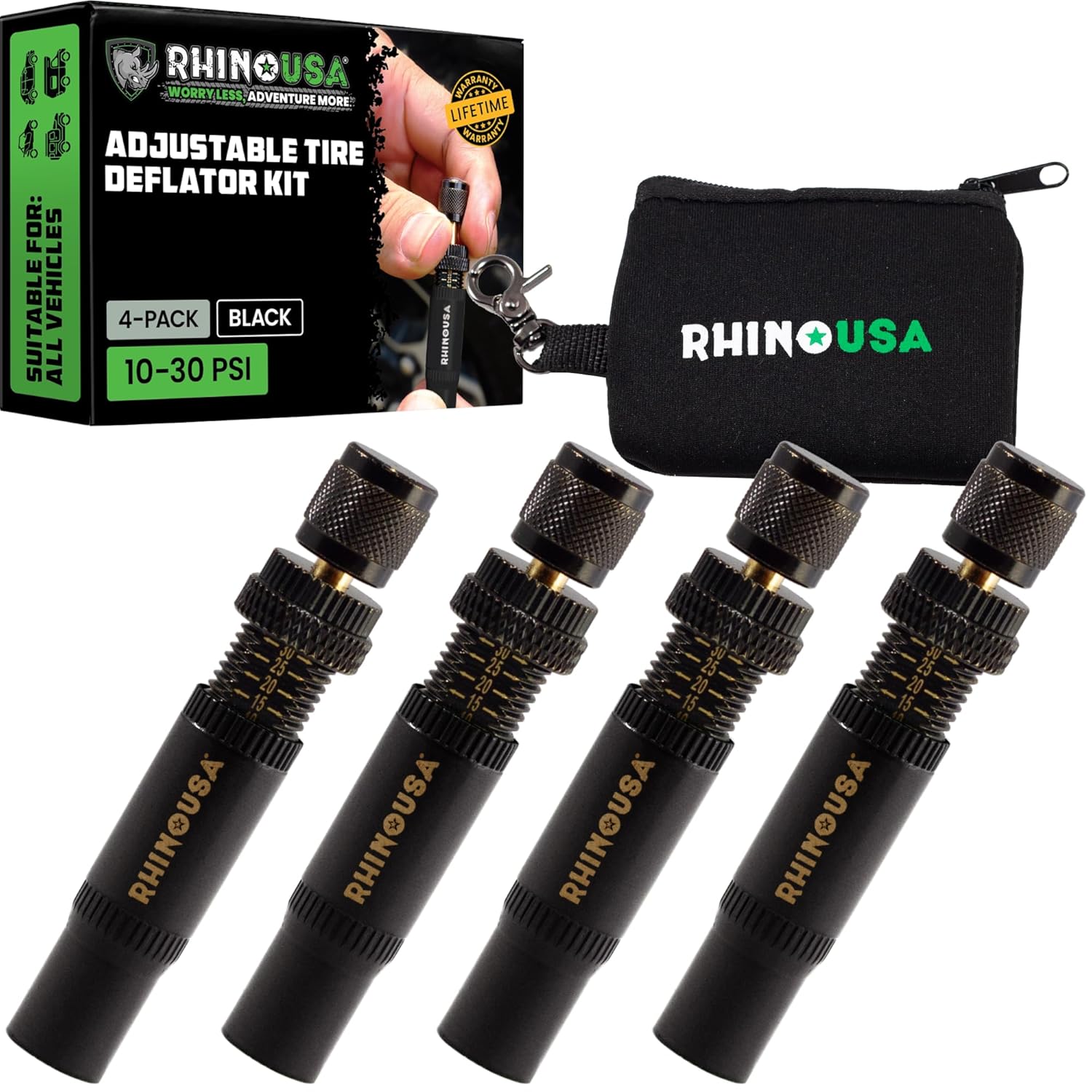
Use the Rhino USA adjustable tire deflators to air down all four tires at once by screwing one deflator onto each valve stem, letting you step away while the tires reach your preset pressure. Each deflator independently adjusts across a 10–30 PSI range with laser-etched indicators for quick setup and verification, making it ideal for beach, sand, and rocky off-road trails.

Universal magnetic jack pad with aluminum grooved design to protect vehicle pinch welds during lifting. Durable nylon pad inserts are upgraded and secured with screws to resist damage and keep in place. Designed to fit most single vehicle pinpoint welds for safer, stable jacking when changing tires, repairs, or performing oil changes.

This VEVOR tire bead breaker uses a slide-hammer impact and wedge tip to separate tire beads from rims quickly and efficiently without damaging hub surfaces. The long handle and sturdy steel construction help reduce user strain while providing reliable, portable tire changing for cars, trucks, and more. Ideal for home mechanics and repair shops handling multiple vehicle tire sizes.
Choosing the Right Wheel Diameter for Your 4Runner
A 17-inch wheel is usually the best choice for a 4Runner that sees trails, gravel, snow, or rough roads. It leaves more sidewall than an 18-inch or 20-inch wheel, which helps the tire absorb impacts and improves ride comfort off pavement.
An 18-inch wheel can still work well if you want a cleaner street look with some trail ability. A 20-inch wheel is more street-focused because it reduces sidewall height. Less sidewall can make the ride firmer and can leave the wheel more exposed to pothole and rock damage.
If you want the safest all-around upgrade path, start with the wheel diameter already supported by your trim. Then compare the tire’s overall diameter, section width, load index, and speed rating before buying.
Ideal Wheel Width: Why 8.5 Inches Is Recommended
The ideal wheel width for many 4Runner upgrades is 8.5 inches. It gives enough width for common 265, 275, and 285 tires without pushing you into an extreme fitment. It also keeps the tire sidewall shape more predictable than a very wide wheel.
A 17×8.5 wheel works especially well when you want a balanced stance, good tire support, and manageable clearance. Wider wheels can look aggressive, but they can push the tire farther outward and make rubbing worse during turns or suspension compression.
Before you buy, confirm the wheel’s bolt pattern, center bore, load rating, lug-seat type, and TPMS compatibility. A wheel that has the right offset but the wrong load rating or center-bore setup is not the right wheel for your 4Runner.
Recommended Offset Ranges for Optimal Fitment
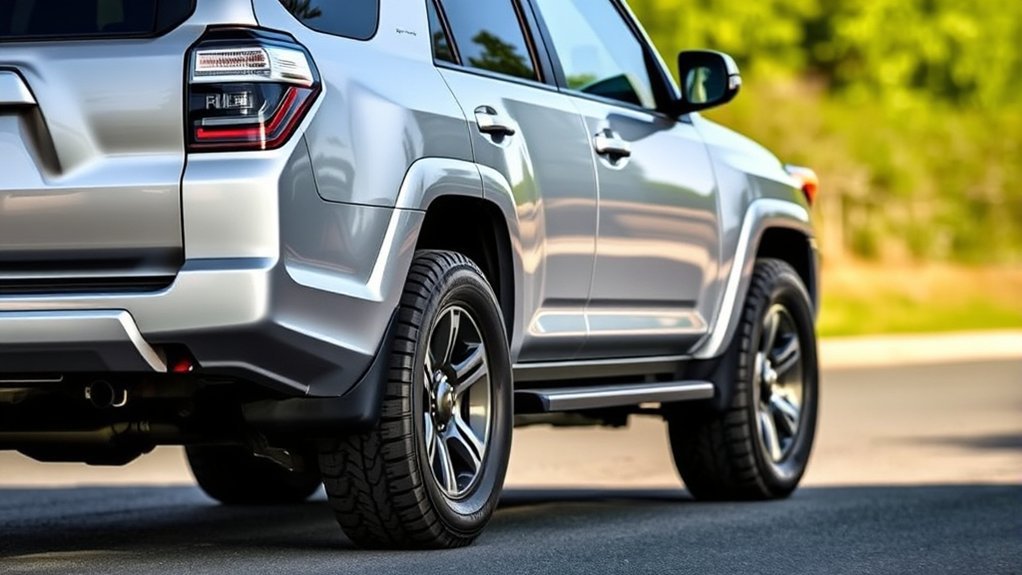
The best offset depends on your suspension height, tire size, alignment, and how much trimming you are willing to do. Use the ranges below as a practical starting point, not a guarantee.
| Setup | Common Wheel Size | Offset Range | Best For |
|---|---|---|---|
| Stock height | 17×8 to 17×8.5 | +15 to +25 mm | OEM-like clearance, daily driving, minimal rubbing risk |
| Stock height with mild stance | 17×8.5 | +0 to +15 mm | A fuller fender look without going too aggressive |
| Leveled or mild lift | 17×8.5 | 0 to -10 mm | 275-width tires, mild trail stance, better inner clearance |
| Lifted aggressive setup | 17×8.5 to 17×9 | -10 to -12 mm | Wider stance, 285-width tires, off-road appearance |
Ideal Offsets for Stock Setup
For a stock-height 4Runner, stay conservative if you want the least rubbing risk. A +15 to +25 mm offset keeps the wheel closer to an OEM-style position. A +0 to +15 mm offset gives more stance while still staying manageable for many daily-driven builds.
If you use a 265/70R17 tire, stock-height clearance is usually easier. If you move to a 275/70R17, check the mud flap, fender liner, and front bumper edge at full steering lock.
Offsets for Lifted Vehicles
A lifted 4Runner gives you more vertical clearance, but offset still matters. A 0 to -12 mm offset can work well for a wider stance, especially with 275- or 285-width tires. The tradeoff is that the tire moves outward, which can create outer-fender and body-mount interference.
For 285/70R17 tires, expect some combination of lift, caster adjustment, fender-liner movement, mud-flap removal, trimming, or body-mount clearance work. Some builds clear with less work than others, but you should not assume a 285 will fit cleanly just because the truck is lifted.
Adjustments for Tire Size
Tire size changes the whole fitment picture. A wider or taller tire can rub even when the wheel offset looks correct on paper. Use this chart as a planning guide.
| Tire Size | Approx. Diameter | Typical Fitment Notes |
|---|---|---|
| 265/70R17 | About 31.6 inches | Common stock-style size for many 5th-gen setups; usually the easiest fit. |
| 275/70R17 | About 32.2 inches | May need fender-liner adjustment, mud-flap removal, or careful alignment. |
| 285/70R17 | About 32.7 inches | Often needs a lift, caster adjustment, trimming, and body-mount clearance checks. |
Warning: Never choose a tire only because it “fits” the wheel well. Confirm the correct tire size, load rating, and cold inflation pressure on your owner’s manual or Tire and Loading Information Label. NHTSA also recommends proper pressure checks, alignment, and balancing for tire safety.
Tire Fitment: Which Sizes Clear Without Rubbing?
If you want the lowest-risk fit, start with 265/70R17. This size is close to the factory-style fitment used on many 2010-2024 4Runner trims and is the easiest choice for stock suspension.
- 265/70R17: Best for stock-height daily drivers that want simple fitment and minimal trimming.
- 275/70R17: A mild upgrade that gives a fuller look, but it may rub at full lock depending on offset and alignment.
- 285/70R17: A popular off-road size, but it usually needs more clearance work and should be planned as a full fitment package.
Remember that tire brands vary. Two tires with the same printed size can measure differently in real width, shoulder shape, and tread block design. Aggressive all-terrain and mud-terrain tires often rub sooner than smoother highway tires.
Stock vs. Lifted 4Runner: What’s the Best Setup?
The best setup depends on how you use your 4Runner. A stock-height 4Runner is easier to keep comfortable and predictable for daily driving. A lifted 4Runner gives more clearance for larger tires, but it also adds alignment and trimming considerations.
| Feature | Stock 4Runner | Lifted 4Runner |
|---|---|---|
| Best wheel offset range | +15 to +25 mm for OEM-like fit; +0 to +15 mm for mild stance | 0 to -12 mm for wider stance and larger tires |
| Best tire range | 265/70R17 to mild 275/70R17 | 275/70R17 to 285/70R17 with proper clearance work |
| Main advantage | Simple fitment, lower cost, predictable road manners | More clearance, stronger trail stance, room for larger tires |
| Main risk | Limited room for taller tires | Rubbing, alignment needs, and extra suspension wear if poorly planned |
If your 4Runner is mostly a commuter, keep the setup conservative. If you trail ride often, a mild lift with careful offset and tire selection gives a better balance than chasing the most aggressive stance possible.
Boosting Fitment: Essential Mods for Your 4Runner
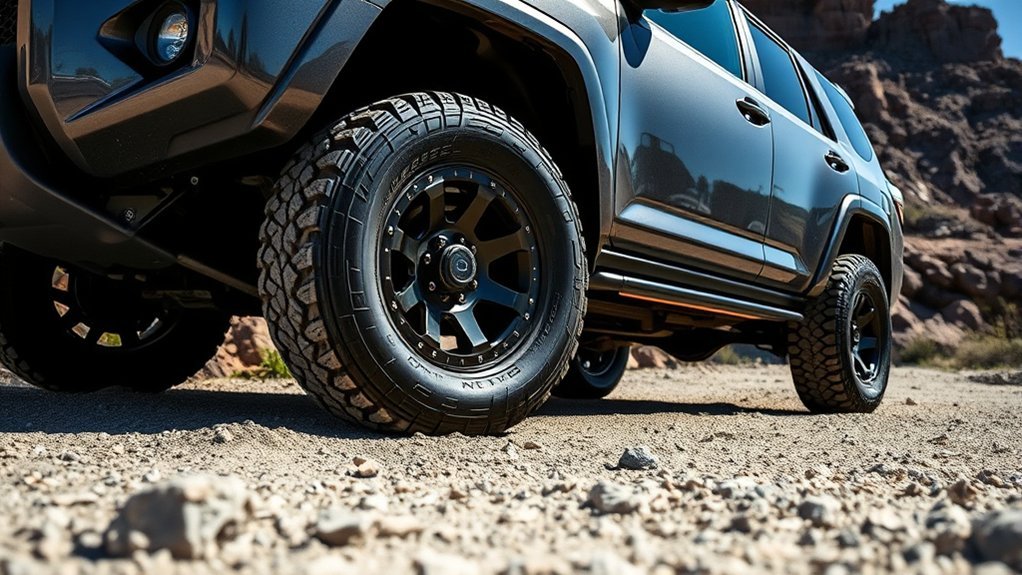
If your tire rubs, do not assume the offset is wrong right away. Rubbing can come from the mud flap, fender liner, bumper edge, body mount, sway bar, upper control arm, or low caster setting. Fix the exact contact point instead of guessing.
[Products Worth Considering]

Secure your parked vehicle quickly with AFA Tooling 4T rubber wheel chocks in a 4-pack for two dual-wheel sets. The ribbed design and textured base grip fast without pounding, so you can chock tires on trailers, RVs, ATVs, and work vehicles with confidence. EZ rustproof handles with rope ties keep the pair together for easy placement and removal, while nylon-reinforced rubber stands up to dirt, ice, salt, and harsh weather.

Camco’s RV wheel chocks with an attached rope help keep your travel trailer securely in place for safer unhitching or parking. This 2-pack is compatible with wheels up to 26-inch diameter and features durable UV-resistant construction for reliable outdoor performance. The rope enables quick, safe removal so you can prepare for your next trip with less hassle.
Wheel Spacers Benefits
Wheel spacers can push the wheel outward without buying new wheels. They can help clear upper control arms and improve stance, but they can also increase outer-fender rubbing. Use spacers only if you understand the tradeoff.
- Improved stance: Spacers move the wheel outward for a wider look.
- More inner clearance: They can help with upper control arm clearance on some wheel and tire combinations.
- More rubbing risk outside: The tire may hit the fender liner, bumper edge, or mud flap sooner.
Use only hub-centric spacers from a reputable brand, torque them correctly, and recheck torque after the first drive cycle. If you are unsure, have a qualified shop install and inspect them.
Suspension Upgrades Importance
Suspension upgrades help when you want taller tires, but lift height alone does not solve every rub point. A 2-inch or 3-inch lift can create more vertical space, while aftermarket upper control arms can help with alignment and caster. More caster often moves the front tire slightly away from the rear fender liner and body mount.
A leveling kit can improve the stance of a stock 4Runner, but it still needs an alignment afterward. Poor alignment can cause rubbing, uneven tire wear, wandering, and reduced steering confidence.
Pro Tip: Before trimming anything, turn the steering wheel fully left and right on level ground, then test again while the suspension is compressed. Mark the exact contact points with painter’s tape so you fix the real problem.
Backspacing, Bolt Pattern, and Other Specs to Check
Offset is only one part of wheel fitment. You also need to check backspacing, bolt pattern, center bore, lug hardware, and load rating.
- Backspacing: This is the distance from the hub mounting surface to the inner wheel lip. More backspacing usually means the wheel sits farther inward.
- Bolt pattern: Confirm the wheel matches your 4Runner’s bolt pattern for your exact model year.
- Center bore: A hub-centric fit helps the wheel center properly on the hub.
- Lug seat: Some wheels use different lug-seat styles, so do not reuse hardware blindly.
- Load rating: Use wheels and tires rated for your vehicle weight and intended load.
- TPMS: Make sure your tire pressure sensors are compatible and installed correctly.
User Experiences With Wheel Offsets: What to Expect?
Real-world 4Runner fitment results vary because every build is slightly different. The same wheel and tire setup may clear on one truck and rub on another due to alignment, tire model, suspension age, lift height, or aftermarket bumper parts.
- +6 mm offset with 265/70R17: Usually a safe, mild stance on many stock-height setups.
- 0 mm offset with 275/70R17: Often gives a fuller look, but fender-liner contact can happen at full lock.
- -10 mm offset with 285/70R17: Looks aggressive, but trimming and alignment work are common.
The best approach is to test fit before committing. If that is not possible, compare your planned setup with verified builds that match your exact model year, suspension height, tire model, and wheel width.
Post-Install Checklist for a Safe Fit
After installing new wheels or tires, inspect the setup before you drive normally. A quick check can prevent rubbing, vibration, or unsafe tire wear.
- Check clearance at full steering lock in both directions.
- Check clearance with the suspension compressed, not only while parked on flat ground.
- Confirm lug nuts are torqued to the correct specification for your wheel and vehicle.
- Verify tire pressure when the tires are cold.
- Make sure the TPMS sensors work and no warning light stays on.
- Get an alignment after suspension changes or larger tire installation.
- Listen for rubbing during slow turns, braking, reverse turns, and driveway entries.
- Recheck for shiny rub marks inside the fender liner after your first few drives.
NHTSA’s TireWise guide recommends checking correct tire size through the owner’s manual or door placard and maintaining proper tire pressure, alignment, balancing, rotation, and tread checks. You can review that guidance here: NHTSA TireWise.
Final Tips for Choosing the Perfect Wheel Setup
The best 4Runner wheel setup is not always the widest or most negative option. It is the setup that gives you enough clearance, the right tire support, safe load capacity, and the stance you want without constant rubbing.
| Goal | Recommended Starting Point | What to Watch |
|---|---|---|
| Daily driver, no trimming | 17×8 or 17×8.5, +15 to +25 mm, 265/70R17 | Door placard tire size, pressure, and load rating |
| Mild stance | 17×8.5, +0 to +15 mm, 265/70R17 or 275/70R17 | Mud flap and fender-liner rub |
| Lifted trail setup | 17×8.5, 0 to -12 mm, 275/70R17 or 285/70R17 | Caster, body mount, bumper edge, and full-compression clearance |
If you own a 2025+ 4Runner, use extra caution when applying older 5th-gen fitment advice. Toyota’s official newsroom notes that the 2025 4Runner moved to the TNGA-F platform and that Trailhunter uses 33-inch Toyo Open Country A/T tires with factory overlanding hardware. You can verify current-model information through Toyota’s 2025 4Runner release.
Frequently Asked Questions
What offset is better for handling on a 4Runner?
A mild offset close to the factory range usually gives the most predictable handling. A lower or negative offset can widen the track and improve stance, but too much negative offset can change steering feel, increase rubbing, and add stress to wheel bearings.
Can you fit wheels with different offsets?
Yes, but you should not mix different offsets randomly across the vehicle. Different offsets can change track width, steering behavior, and clearance. For normal driving, use a matched wheel set and confirm the fit with a tire professional.
Will 285/70R17 tires fit a stock 4Runner?
A 285/70R17 usually needs more planning than a stock setup provides. Some builds need a lift, caster adjustment, fender-liner movement, mud-flap removal, trimming, or body-mount clearance. Test fit before buying if you want to avoid surprises.
Is negative offset bad for a 4Runner?
Negative offset is not automatically bad. It can create a stronger stance and improve inner clearance, but aggressive negative offset can make the tire rub the outer fender area and can affect steering feel. Stay moderate unless your suspension and trimming plan support it.
Do I need an alignment after changing wheels and tires?
You should get an alignment after installing a lift, leveling kit, upper control arms, or noticeably larger tires. Alignment, especially caster, can affect rubbing, steering feel, and tire wear.
Conclusion
The best 4Runner wheel offset depends on your model year, suspension height, wheel width, tire size, and how much trimming you will accept. For many 2010-2024 builds, a 17×8.5 wheel with a +0 to +15 mm offset is the best balanced choice. Lifted setups can move toward 0 to -12 mm, but larger tires still need careful clearance checks.
Before buying, confirm your tire size, load rating, cold inflation pressure, center bore, lug hardware, and TPMS compatibility. A clean 4Runner setup should look good, drive straight, clear under compression, and stay safe on the road.
Sources
- Tire Rack: What Is Wheel Offset? — supports the wheel offset definition and fitment tradeoffs.
- NHTSA TireWise — supports tire size, pressure, tread, balance, and alignment safety guidance.
- Toyota Owners Manuals and Warranties — helps owners confirm model-specific manual information.
- Toyota USA Newsroom: 2025 4Runner — supports the 2025+ platform and Trailhunter 33-inch tire freshness note.

Related Articles

When to Switch From All-Season to Winter Tires on a 4Runner
Ineffective all-season tires in cold weather can jeopardize your safety—discover when to make the crucial switch for better traction and handling.
Read More
4Runner Tire Mileage: How Many Miles Should They Last
Curious about how long your 4Runner tires should last? Discover essential tips and factors that influence tire longevity.
Read More
How Long Do Toyota 4Runner Tires Typically Last
How long do Toyota 4Runner tires typically last? Discover the factors that influence tire longevity and essential tips for maintenance.
Read More