
Is Tire Dressing Safe for 4Runner Tires and Rubber
Tire dressing can be safe for your Toyota 4Runner’s tire rubber when you use the right product and apply it the right way. The goal is to protect and refresh the sidewall, not to coat the tread, hide tire damage, or make the tire slippery. Clean first, apply a thin coat, and wipe off extra product before driving.
Quick Answer
Tire dressing is safe for 4Runner rubber when you choose a water-based or clearly rubber-safe formula, avoid petroleum-heavy products, and apply it only to clean, dry sidewalls. Never put tire dressing on tread, brake parts, pedals, or any surface where slipperiness could reduce control.
Key Takeaways
- Use water-based or rubber-safe tire dressing with UV protection when possible.
- Avoid petroleum-based cleaners, harsh solvents, and products that do not say they are safe for tire sidewalls.
- Apply dressing only to the sidewall, then let it dry and wipe away excess to reduce sling.
- Tire dressing cannot repair dry rot, cracks, bulges, exposed cords, or old unsafe tires.
- Off-road mud, dust, car washes, heat, and rain shorten dressing life, so reapply based on condition rather than a fixed calendar.
At a Glance
| Time Required | 15–30 minutes, plus drying time listed on the product label |
| Difficulty | Easy, but accuracy matters because tread and brake contact can create a slippery surface |
| Tools Needed | Car wash soap or tire-safe cleaner, tire brush, water, microfiber towel, foam applicator, tire dressing |
| Cost | Usually $10–$30 for a consumer tire dressing and applicator |
Is Tire Dressing Safe for 4Runner Rubber?
Yes, tire dressing can be safe for 4Runner tire rubber, but only when the formula and application method are safe for tire sidewalls. The safest choice is usually a water-based or clearly rubber-safe product that is made for tires and includes UV protection.
This matters because tire sidewalls already face sunlight, heat, ozone, road grime, salt, brake dust, and flexing. Cooper Tire explains that UV exposure, petroleum-based chemicals, severe temperatures, low tire pressure, ozone sources, and long storage can contribute to tire dry rot and cracking.
That does not mean every tire shine product is harmful. It means you should avoid harsh chemistry, clean the tire before applying anything, and never use dressing to hide aging or damage. NHTSA’s TireWise guidance treats tire maintenance as a safety issue because tires are the only contact point between your vehicle and the road.
Warning: Tire dressing belongs on the sidewall only. Do not apply it to tread, brake rotors, brake drums, brake pads, pedals, motorcycle tires, bicycle tires, or any surface where slipperiness could be dangerous.
[Products Worth Considering]

Adam’s Pro Tire Hex Grip applicators are molded foam sponges designed for precise, even tire dressing application. The ergonomic grip helps you spread product without overapplying, reducing sling that can splash onto paint and helping keep your hands clean during wheel and trim detailing. They’re durable, washable, and reusable for repeated detailing sessions.

Cristal Products Untouchable Tire Shine Spray delivers a deep, wet-look gloss that enhances your vehicle’s tires. It’s quick-drying and spreads smoothly for consistent, streak-free coverage, while forming a protective coating against UV rays, road grime, and weather. Suitable for all tire types, it helps restore dull, faded tires to a showroom-quality finish.

Blackline Blackout is a water-based trim and tire dressing that restores rubber, vinyl, and plastic with a rich satin, blackout look. Its no-sling formula dries quickly and helps prevent messy transfer onto paint. The coating repels water and offers UV protection to help prevent fading, cracking, and discoloration for a clean, long-lasting finish.
Which Tire Dressing Formula Is Safest for 4Runners?
The safest tire dressing for a 4Runner is a tire-specific, rubber-safe formula that does not rely on harsh petroleum solvents. Water-based dressings are a strong default because they are easier to control, less likely to sling when applied thinly, and usually easier to remove before the next application.
One example of the type of label language to look for is Optimum Opti-Bond Tire Gel, which is described by its manufacturer as water-based, free of petroleum distillates, and made with UV and ozone protectants. That does not mean it is the only good choice; it simply shows the kind of claims you want to verify on a product page or safety data sheet.
| Formula Type | Best Use | Watch Out For |
| Water-based dressing | Regular sidewall care, satin to mild-gloss finish, easy cleanup | Shorter life after rain, car washes, or trail mud |
| Solvent-heavy dressing | High gloss when specifically desired | Petroleum distillates, strong odor, dust attraction, overspray, sling, and rubber-drying risk with poor formulas |
| Long-lasting coating or gel | Drivers who want longer intervals between applications | Needs excellent prep, proper cure time, and careful sidewall-only application |
Do not treat “silicone” as automatically bad or “natural” as automatically safe. What matters most is whether the product is designed for tire sidewalls, whether it avoids petroleum-heavy or harsh-solvent chemistry, and whether the instructions clearly warn against tread contact.
Does Dressing Protect 4Runner Tires or Just Make Them Shine?
Good tire dressing does more than make the sidewall look darker. A quality product can add a temporary protective layer against UV exposure, water, dirt, and light road grime. It may also help the tire look cleaner between washes.
Still, tire dressing is not tire repair. It will not reverse dry rot, rebuild rubber, fix cracks, restore old tires, or make a damaged tire safe. If the sidewall has deep cracking, bulges, exposed cords, cuts, severe brittleness, or cracking that reaches into the tread, skip the dressing and have the tire inspected.
Tire dressing should improve appearance and add light sidewall protection. It should never be used to cover damage that needs inspection or replacement.
How to Apply Tire Dressing Safely on a 4Runner
Proper application protects the tire, reduces sling, and keeps the product away from traction surfaces. Use this process for stock 4Runner tires, all-terrain tires, and mud-terrain tires.
- Inspect the tire first. Look for cracks, bulges, exposed cords, punctures, sidewall cuts, or uneven wear. Toyota’s 4Runner owner guidance tells owners to check tires and follow tire rotation and maintenance schedules; do not dress a tire that needs service or replacement.
- Clean the tire. Rinse away mud and grit. Use car wash soap or a tire-safe cleaner with a tire brush. For a 4Runner that sees trail use, pay attention to raised lettering, sidewall ribs, and the bead area near the wheel.
- Rinse and dry fully. Dressing sticks better to clean, dry rubber. Wet rubber can dilute the product and cause streaks or sling.
- Apply to an applicator, not the tread. Put a small amount on a foam applicator or towel. Spread a thin coat on the sidewall only.
- Work around raised sidewall details. Cover letters, sidewall ribs, and the outer sidewall face. Do not work product into tread grooves.
- Let it sit. Follow the product’s dwell or cure time. Many products need several minutes before buffing or driving.
- Wipe off excess. Buff the sidewall with a clean towel. This step reduces sling onto paint, fenders, and running boards.
- Check before driving. Make sure no dressing touched the tread, brake parts, wheel face, garage floor, or driveway where it could create a slippery spot.
Pro Tip: For aggressive all-terrain or mud-terrain sidewalls, use two thin coats instead of one heavy coat. Thin coats dry more evenly and are less likely to sling.
How Often Should You Apply 4Runner Tire Dressing?
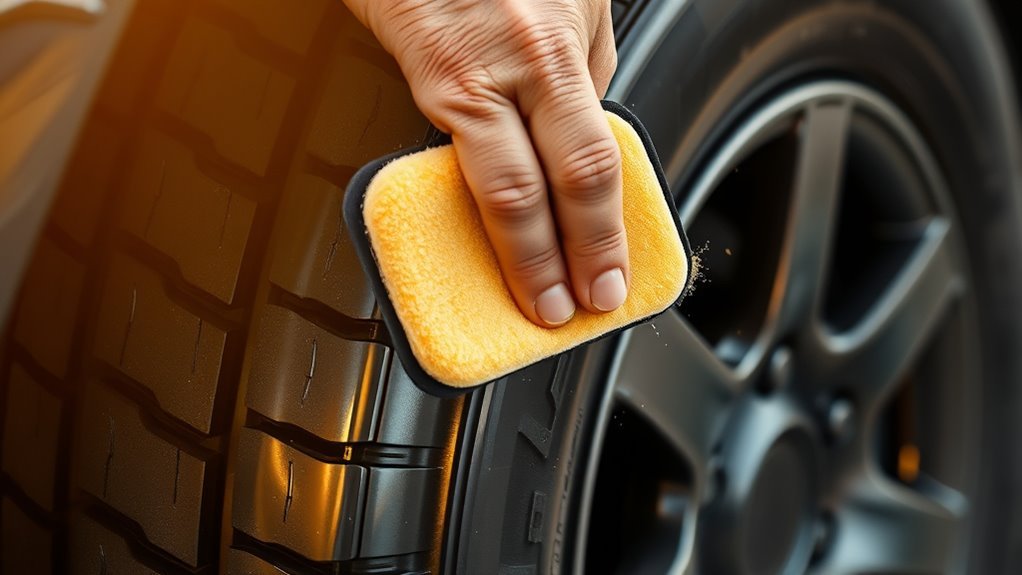
Apply tire dressing when the sidewall is clean, dry, and starting to lose its finish. Do not apply it just because the calendar says so. Weather, washing, off-road driving, tire type, and product chemistry all change how long dressing lasts.
Water-Based Frequency
Water-based dressings often need reapplication after heavy rain, a car wash, or a muddy trail run. For normal street use, many owners refresh them every one to three weeks, but the product label should guide the final interval.
If the sidewall still looks even and clean, you do not need another coat. Too much product can trap grime, create uneven shine, and increase sling.
Long-Lasting Gel or Coating Intervals
Some gels and coatings last longer than basic sprays, but they also require better prep. Clean the rubber thoroughly, apply the product evenly, and allow the listed cure time before driving. If a product claims long durability, check whether it also says it is safe for tire sidewalls and whether it warns against tread contact.
Climate and Off-Road Considerations
Heat, sun, road salt, rain, mud, and dust can shorten the life of any dressing. A 4Runner parked outside in strong sun or used on dirt roads will usually need more frequent cleaning than a garage-kept daily driver.
Winter adds another issue: road salt and de-icing chemicals. Rinse the tires and wheel wells after salty roads before applying dressing. Toyota’s exterior cleaning guidance recommends removing dirt and dust from the body, wheel wells, and underside with water before washing, which is a smart habit after off-road or winter driving.
What Application Mistakes Damage 4Runner Rubber?
Most tire dressing problems come from the wrong product, too much product, poor cleaning, or careless placement. A safe dressing can still become unsafe if it ends up on the tread or brakes.
[Products Worth Considering]

This oesee 8-piece wheel care kit helps you clean, scrub, and dry wheels safely with purpose-built brushes and towels. The scratch-free microfiber wheel brush lifts brake dust and grime, while the stiff pro-grip tire brush removes tire browning and embedded dirt. A twist loop microfiber drying towel and an applicator help achieve a streak-free finish and cleaner, more even product application.

This wheel brush kit delivers pro-level cleaning at home, lifting dirt, grime, and brake dust to help restore wheel appearance. It includes multiple brush styles and applicator pads for tackling different wheel surfaces, with gentle, metal-free bristles designed to reduce scratching risk. The flat and double-ended brushes are built for comfort and reach, making wheel care easier for cars, trucks, and RVs.
Overuse Frequency Issues
More dressing does not mean more protection. Heavy repeated coats can attract dust, trap old residue, and create greasy buildup. If the sidewall feels oily after drying, too much product was used.
Use a thin coat, let it dry, and buff off excess. Reapply only when the tire has been cleaned and the previous finish has faded.
Incorrect Product Selection
The biggest product-selection mistake is choosing shine over rubber safety. Avoid products that list petroleum distillates, mineral spirits, naphtha, toluene, xylene, or vague “solvent blend” language without clear tire-sidewall compatibility.
Read the label and, when available, the safety data sheet. Good signs include “water-based,” “rubber-safe,” “tire sidewall,” “UV protection,” “no petroleum distillates,” and clear warnings about not applying the product to tread.
Spraying Too Close to Brakes or Paint
Aerosol and trigger-spray dressings are convenient, but overspray can reach wheels, paint, brake parts, concrete, or the tread shoulder. Spray the product onto an applicator instead of directly onto the tire when possible. This gives you more control and reduces cleanup.
Note: Manufacturer warnings matter. Meguiar’s warns users not to allow tire shine to contact tread, and Armor All warns that tire shine products should not be used on tread or other surfaces where slipperiness may be hazardous.
What About Off-Roading? Mud, Dust, and Dressing Durability
Off-roading is hard on tire dressing. Mud scrubs it away, dust sticks to oily residue, and rocks can grind dirt into raised sidewall lettering. If your 4Runner regularly sees trails, treat dressing as a short-term sidewall finish, not a permanent coating.
Follow this trail-use routine:
- Before the trail: Use only a light, fully dried coat. A greasy sidewall collects dust quickly.
- After the trail: Rinse mud from the tread, sidewall, bead area, wheels, and wheel wells.
- Before reapplying: Let the tire dry completely so the dressing can bond evenly.
- After reapplying: Buff the sidewall and inspect for sling before driving at speed.
If you air down for off-road driving, inspect the sidewalls after the trip. Low pressure and sidewall flex are normal in many off-road situations, but cuts, pinches, cracks, or bulges should be checked before cosmetic products are applied.
How to Read Labels and Spot Rubber-Safe Dressings
Do not buy tire dressing based on shine level alone. The label should tell you where the product can be used, what surfaces to avoid, and how long to let it dry.
| Label Element | What You Want | What to Avoid |
| Surface use | Tire sidewalls, rubber trim, exterior rubber | No clear tire-sidewall use listed |
| Base formula | Water-based, rubber-safe, no petroleum distillates | Petroleum-heavy or harsh-solvent formulas |
| Protection claims | UV protection, ozone protection, non-slinging, rubber conditioning | Only vague “wet look” or “extreme shine” claims |
| Safety warnings | Clear warning to avoid tread, brakes, pedals, and cycle tires | No safety instructions or no drying time |
| Application directions | Clean, dry surface; thin coat; wipe excess | No prep steps or “spray and drive” instructions |
When Should You Skip Tire Dressing?
Skip tire dressing when the tire needs inspection, repair, or replacement. A dark, shiny sidewall can hide warning signs that should be checked first.
Do not dress the tire if you see:
- Deep cracks in the sidewall or tread area
- Cracks with exposed fabric, cords, or inner material
- Bulges, bubbles, or sidewall separation
- Fresh cuts from rocks or trail impacts
- Severe dry rot, brittleness, or gray chalky rubber
- Oil, fuel, brake fluid, or unknown chemical contamination
- Tires that are old enough to need a professional age and condition inspection
In those cases, clean the tire with mild soap and water and have it inspected by a tire professional. Dressing should be the final cosmetic step after the tire is confirmed to be safe.
Frequently Asked Questions
Do tire dressings damage tires?
Tire dressings do not have to damage tires. The risk comes from harsh petroleum-based chemistry, overuse, poor cleaning, or putting product on the tread. Choose a rubber-safe formula, apply it thinly to the sidewall, and wipe away excess.
Does tire shine degrade rubber?
Some tire shine products can contribute to rubber drying or cracking if they use harsh petroleum-based chemicals or are applied too often. Water-based or clearly rubber-safe dressings are the better choice for routine 4Runner sidewall care.
Can I put tire dressing on 4Runner all-terrain tires?
Yes, you can use tire dressing on all-terrain tire sidewalls, including raised lettering and sidewall ribs. Keep it off the tread blocks, siping, shoulder lugs, and brake parts. Use thin coats because aggressive sidewalls can hold extra product.
How long should tire dressing dry before driving?
Follow the product label, but do not drive while the sidewall is wet or greasy. Let the dressing set, then buff the tire with a clean towel. This reduces sling and helps keep product off paint, fender liners, steps, and wheels.
Can tire dressing fix dry rot?
No. Tire dressing may improve appearance and add temporary sidewall protection, but it cannot repair dry rot, cracks, exposed cords, bulges, or structural tire damage. Damaged tires should be inspected by a tire professional.
Conclusion
Tire dressing is safe for your 4Runner’s rubber when you treat it as controlled sidewall care, not a quick spray-on shine. Choose a water-based or rubber-safe formula, avoid petroleum-heavy products, clean the tire first, apply a thin coat only to the sidewall, and wipe away excess before driving.
The best routine is simple: inspect, clean, dry, apply, buff, and recheck. If the tire shows cracks, bulges, exposed cords, severe dry rot, or trail damage, skip the dressing and get the tire inspected. A clean sidewall looks good, but a safe tire matters more.
Sources
- NHTSA TireWise — tire safety, maintenance, and tire-care context.
- Cooper Tire: Dry Rot — dry-rot causes, petroleum-based chemical warning, UV, ozone, storage, and inflation factors.
- Toyota 4Runner Owner’s Manual: Tires — tire checking, maintenance, treadwear, and rotation guidance.
- Toyota 4Runner Owner’s Manual: Cleaning and Protecting the Vehicle Exterior — washing, rinsing, and cleaning around wheel wells and exterior surfaces.
- Optimum Opti-Bond Tire Gel — example of a water-based tire dressing with no petroleum distillates and UV/ozone protectants.
- Meguiar’s Hybrid Ceramic Tire Shine — manufacturer warning to avoid tire tread and brake components.

Related Articles

When to Switch From All-Season to Winter Tires on a 4Runner
Ineffective all-season tires in cold weather can jeopardize your safety—discover when to make the crucial switch for better traction and handling.
Read More
4Runner Tire Mileage: How Many Miles Should They Last
Curious about how long your 4Runner tires should last? Discover essential tips and factors that influence tire longevity.
Read More
How Long Do Toyota 4Runner Tires Typically Last
How long do Toyota 4Runner tires typically last? Discover the factors that influence tire longevity and essential tips for maintenance.
Read More