
Toyota Camry Tire Width by Trim Level: Why Different Trims Use Different Sizes
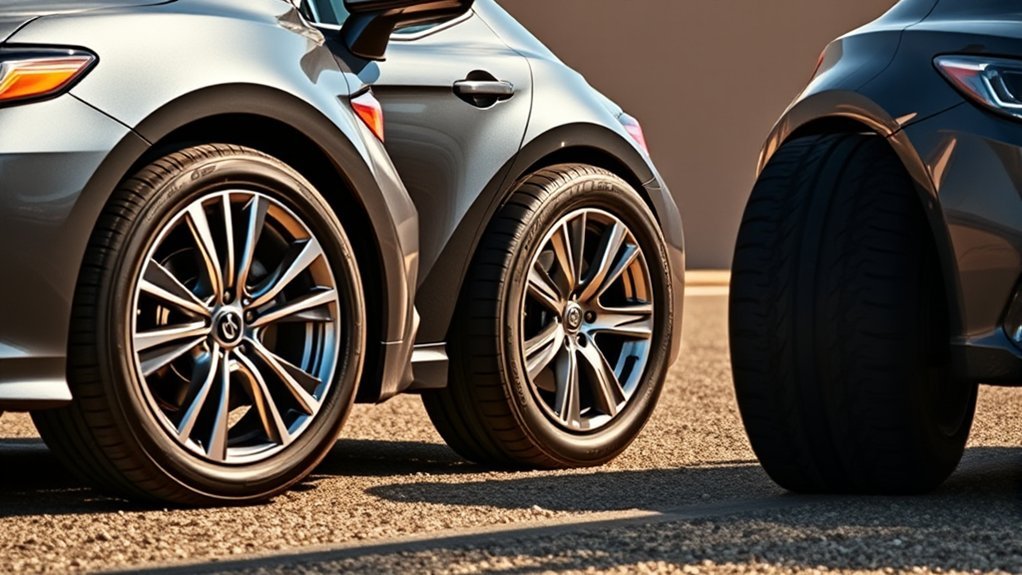
Your Toyota Camry tire width depends on the trim, wheel package, model year, and drivetrain. On the current 2026 Camry, the LE uses a narrower 205/65R16 tire, while the SE and XLE move to 235/45R18 tires. The XSE and Nightshade use lower-profile 235/40R19 tires. That difference affects comfort, steering feel, grip, replacement cost, and fuel economy.
Quick Answer
For the current 2026 Toyota Camry, the LE commonly uses 205/65R16 tires, the SE and XLE use 235/45R18 tires, and the XSE and Nightshade use 235/40R19 tires. Always confirm your exact size on the driver-side doorjamb placard before buying replacements.
Key Takeaways
- Toyota Camry tire width changes by trim because each trim balances comfort, efficiency, style, and handling differently.
- Narrower LE tires usually support a smoother ride and better fuel economy, while wider sport-trim tires can improve steering response and dry-road grip.
- Width is only one part of tire sizing. Sidewall height, wheel diameter, load index, speed rating, and tire design also matter.
- The tire information placard on your driver-side doorjamb is the safest source for your exact Camry tire size and pressure.
Understanding Toyota Camry Tire Width and Its Impact on Performance
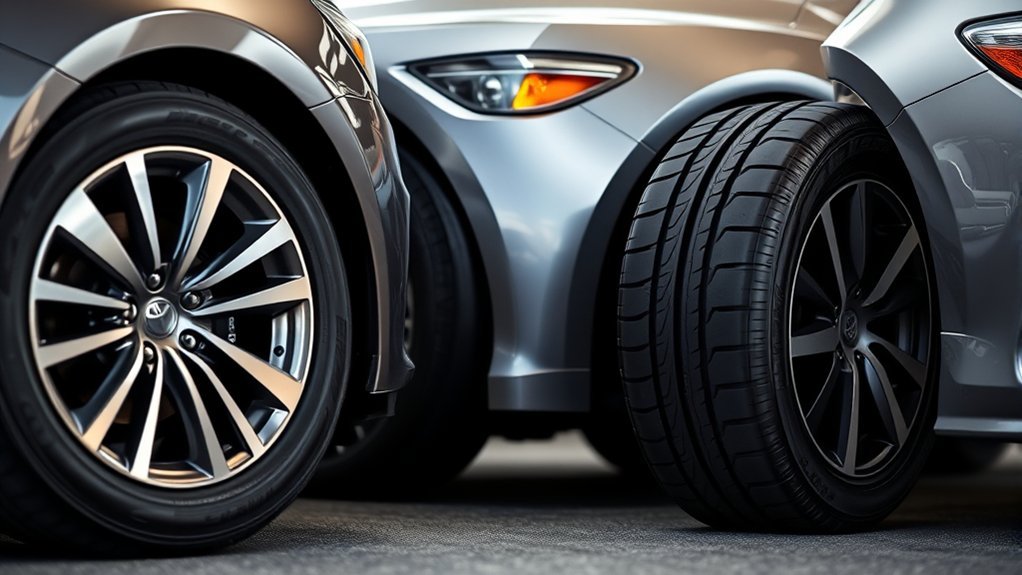
Tire width is the first number in a tire size. For example, a 205/65R16 tire is about 205 millimeters wide, while a 235/45R18 tire is about 235 millimeters wide. A wider tire usually puts more rubber on the road, but the full driving feel also depends on the tire compound, tread pattern, sidewall height, and wheel size.
Sport-oriented Camry trims use wider and lower-profile tires to sharpen steering feel and support better cornering grip. Comfort-focused trims use narrower tires with taller sidewalls to help absorb bumps and reduce rolling resistance. That is why the LE feels more relaxed, while the SE, XSE, and Nightshade trims feel firmer and more responsive.
Warning: Do not choose a replacement tire based on width alone. A tire must match the correct size, load index, speed rating, and wheel diameter for your Camry. If you use the wrong size, you can affect braking, handling, TPMS accuracy, and tire wear.
[Products Worth Considering]

Measure tire tread depth quickly and accurately with this LUMITECO dial gauge that reads in 1/32" increments up to 14/32". The color-coded green/yellow/red zones make it easy to judge tire wear and know when replacement is needed. A rugged, compact design with a protective pouch helps keep the gauge ready for use on cars, trucks, motorcycles, and more.

Keep your tires properly inflated with this analog VONDIOR tire pressure gauge, designed for fast, easy readings without batteries. The swiveling, two-axis hose and large glow dial help you measure at any tire angle with instant visibility. Built with a protective rubber shield, it supports durable, low-maintenance use for cars and trucks.

Monitor tire tread wear with a smart, color-coded depth gauge that shows clear condition ranges at a glance. The bar is range marked for fast, easy readings, helping you maintain safer traction and performance. Each gauge is portable with a pocket clip, and the set includes 20 units for daily use and sharing.
Current Toyota Camry Tire Sizes by Trim
The current 2026 Camry lineup uses different tire sizes across trims. These common fitments apply to current U.S. and North American listings, but your exact vehicle can vary by model year, market, package, or wheel option. Always check your driver-side doorjamb placard before ordering tires.
| Camry Trim | Common Tire Size | What It Means |
|---|---|---|
| LE FWD / LE AWD | 205/65R16 | Narrower tire with a taller sidewall for comfort and efficiency. |
| SE | 235/45R18 | Wider tire with a shorter sidewall for a sportier steering feel. |
| XLE | 235/45R18 | Wider 18-inch fitment that balances comfort, grip, and premium styling. |
| XSE | 235/40R19 | Low-profile 19-inch tire for sharper response and a firmer ride. |
| Nightshade | 235/40R19 | Sport-styled 19-inch setup with a lower-profile sidewall. |
Current tire listings from Goodyear Canada show 205/65R16 for 2026 Camry LE models, 235/45R18 for SE and XLE, and 235/40R19 for XSE and Nightshade. Toyota also notes that the 2026 Camry LE has 16-inch wheels, the XLE has 18-inch wheels, and the XSE has 19-inch wheels in its current model information.
How Tire Width Varies Across Toyota Camry Trim Levels
Camry trims use different tire sizes because Toyota tunes each trim for a different type of driver. The LE focuses on quiet daily driving and fuel economy. The SE adds a sportier look and sharper road feel. The XLE blends comfort with a larger wheel package. The XSE and Nightshade lean harder into appearance and handling with 19-inch wheels.
Tire Size Specifications
A tire size such as 235/45R18 gives you three important details. The first number, 235, is the tire width in millimeters. The second number, 45, is the sidewall height as a percentage of the width. The final number, 18, is the wheel diameter in inches.
That means a 235/45R18 Camry tire is wider than a 205/65R16 tire, but it also has a shorter sidewall. The shorter sidewall can make steering feel more direct, while the taller LE sidewall can help cushion potholes and rough pavement.
Performance Impact Considerations
Wider tires can improve dry-road grip and cornering confidence, especially when the tire compound and tread design match the vehicle. That is why sportier trims such as the SE, XSE, and Nightshade use wider tires than the LE.
The trade-off is comfort and cost. Wider, lower-profile tires can ride more firmly, cost more to replace, and become easier to damage on harsh potholes. They may also create more rolling resistance than a narrower tire, which can affect fuel economy.
Advantages of Wider Tires in Sporty Trims
Sportier Camry trims benefit from wider tires because they give the car a stronger contact patch and a more planted feel. When you turn into a curve, the wider tire can support better lateral grip than a narrower comfort-focused tire, assuming both tires use similar quality and tread design.
| Feature | SE / XLE 18-Inch Tire | XSE / Nightshade 19-Inch Tire |
|---|---|---|
| Common size | 235/45R18 | 235/40R19 |
| Main benefit | Balanced grip and comfort | Sharper response and sportier look |
| Ride feel | Moderately firm | Firmest of the common Camry sizes |
| Best for | Drivers who want comfort with better grip | Drivers who prefer sport styling and direct steering feel |
Wider tires do not automatically make every Camry safer or faster. A high-quality tire in the correct factory size usually performs better than a cheap wider tire in the wrong size. Tire quality matters as much as tire width.
Fuel Efficiency and Comfort: The Case for Narrower Tires in LE Trims
The Camry LE uses a narrower tire because it is tuned for everyday comfort and efficiency. On the current 2026 Camry, Toyota lists the model with a starting MSRP of $29,600 and up to an estimated 51 combined MPG on its official Camry page. The LE’s 16-inch wheel and taller tire sidewall support that comfort-first setup.
Narrower tires can reduce rolling resistance compared with wider sport tires, depending on the exact tire design. A taller sidewall also gives the tire more room to flex over small bumps, which can make daily commuting feel smoother.
This does not mean the LE has poor grip. It means Toyota chose a tire size that matches the LE’s purpose: predictable handling, lower operating cost, and better ride comfort. If most of your driving is commuting, highway cruising, or city errands, that setup can make more sense than a wider 19-inch tire.
How Tire Width Affects Handling and Ride Quality
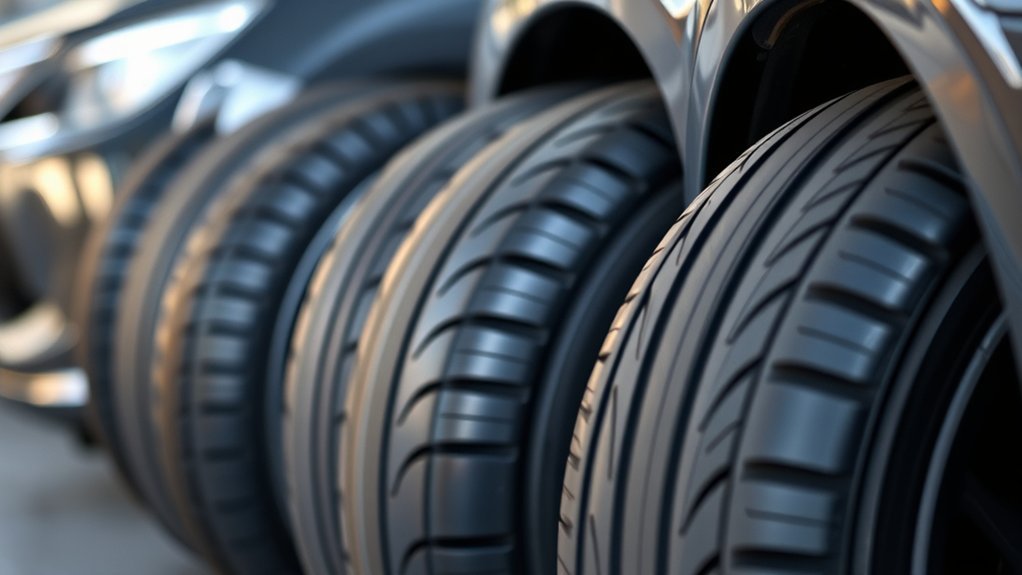
Tire width changes how your Camry feels through the steering wheel. A wider tire can feel more stable in corners because it can create a broader contact patch. A lower-profile tire can also reduce sidewall flex, which makes the car respond quicker when you turn.
Ride quality moves in the opposite direction. A 235/40R19 tire has less sidewall cushion than a 205/65R16 tire. That can make bumps, potholes, and broken pavement feel sharper inside the cabin. If your roads are rough, a smaller wheel with a taller sidewall often feels more forgiving.
A wider tire may improve grip, but the correct factory-approved size is more important than chasing extra width.
How to Choose the Right Tire Size for Your Camry Trim
Start with the tire information placard on the driver-side doorjamb. That label shows the factory tire size and cold tire pressure for your specific Camry. The owner’s manual is the next best source, especially if you need rotation patterns, winter tire guidance, or replacement rules.
[Products Worth Considering]

The SAFELIFE dial tire tread depth gauge measures tread depth in 1/32 inch increments with clear, easy-to-read 2-inch dial face. Color zones using a traffic light system help you quickly judge whether tread is low, marginal, or ample for safer driving. Built with a durable zinc cast body and a metal detect probe for precise, comfortable use across cars, motorcycles, trucks, and buses.

Adam’s Pro Tire Hex Grip applicators are molded foam sponges designed for precise, even tire dressing application. The ergonomic grip helps you spread product without overapplying, reducing sling that can splash onto paint and helping keep your hands clean during wheel and trim detailing. They’re durable, washable, and reusable for repeated detailing sessions.

Add style while helping protect your tire valve stems with handmade crystal rhinestone caps and a durable plastic insert. These caps resist corrosion and help keep out rain, snow, and muddy water, extending tire life. Textured non-slip design makes them easy to grip for quick install and removal when checking tire pressure.
Check the Doorjamb Placard First
The doorjamb placard matters because Camry tire size can vary by year, trim, market, and wheel package. Online fitment charts are useful, but they should not override the label on your vehicle. If your current tire sidewall and door placard disagree, ask a Toyota dealer or qualified tire shop to confirm the correct fitment.
Match Load Index and Speed Rating
The tire size is only part of the replacement decision. You also need the correct load index and speed rating. The load index tells you how much weight the tire can carry. The speed rating tells you the tire’s tested speed capability. Replacements should meet or exceed the rating Toyota specifies for your Camry.
Be Careful With Plus Sizing
Plus sizing means moving to a larger wheel and a shorter tire sidewall while keeping the overall tire diameter close to factory specs. Done correctly, it can sharpen steering feel. Done poorly, it can cause rubbing, inaccurate speedometer readings, poor ride quality, or extra stress on suspension parts.
Pro Tip: Before you buy tires online, compare three things: the doorjamb placard, your current tire sidewall, and the tire shop’s fitment recommendation. If all three match, you have a much lower chance of ordering the wrong size.
Common Tire Size Options for Each Toyota Camry Trim
For the current Camry, the LE commonly uses 205/65R16 tires. This size gives the LE a taller sidewall and a comfort-focused feel. It also supports the LE’s efficiency-first character.
The SE and XLE commonly use 235/45R18 tires. This setup gives you more tire width than the LE without moving to the shortest sidewall in the lineup. It is a strong middle ground if you want better steering feel but still care about comfort.
The XSE and Nightshade commonly use 235/40R19 tires. These tires give the Camry its most aggressive factory stance and sharpest common steering response. The trade-off is a firmer ride and higher replacement cost in many tire models.
What to Know About Tire Maintenance for Your Camry
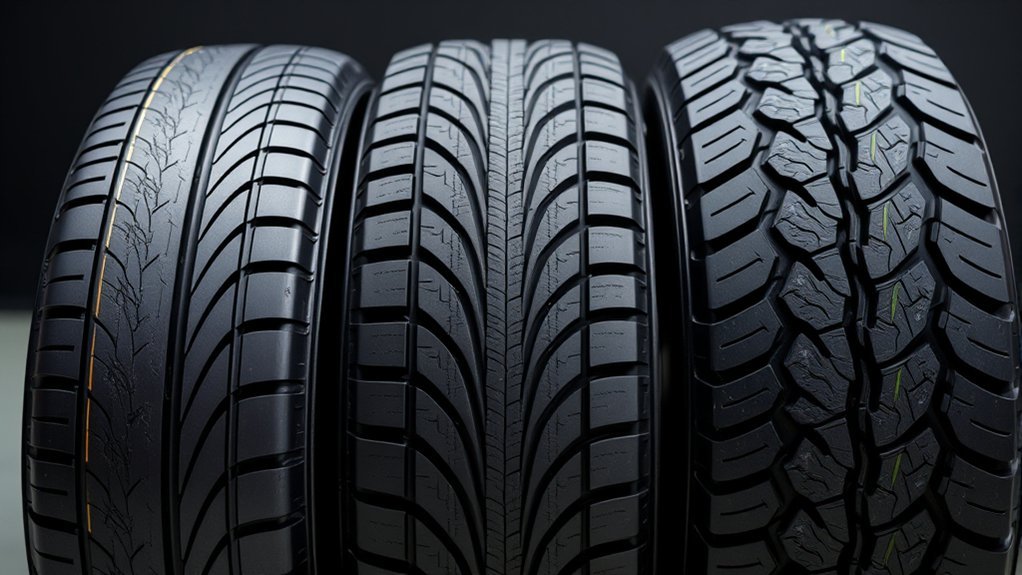
Tire maintenance matters on every Camry trim, but it becomes even more important when you use wider, lower-profile tires. Check tire pressure at least once a month and before long trips. Use the cold PSI listed on your doorjamb placard, not the maximum PSI printed on the tire sidewall.
Also check tread depth monthly. The National Highway Traffic Safety Administration says tires should be replaced when tread wears down to 2/32 of an inch. If you drive in heavy rain or snow, you may want to replace tires earlier for better wet-weather grip.
Rotate your tires based on your owner’s manual. NHTSA notes that many vehicles use a 5,000- to 8,000-mile rotation interval when recommended by the manufacturer. If you notice feathering, cupping, vibration, or the car pulling to one side, have the alignment and balance checked.
- Check cold tire pressure monthly.
- Inspect tread depth and sidewall damage monthly.
- Rotate tires at the interval in your owner’s manual.
- Replace tires in matching sets when wear is uneven or traction drops.
- Have alignment checked after hard pothole hits, curb impacts, or uneven wear.
How Proper Tire Selection Enhances Safety for Your Toyota Camry
The right tire helps your Camry brake, steer, and handle emergency maneuvers as Toyota intended. The wrong tire can reduce grip, change steering response, increase uneven wear, and affect stability control behavior. That is why matching the correct size and rating matters more than choosing the widest tire that fits the wheel.
If your Camry has all-wheel drive, be extra careful about mixing tire sizes or tread depths. AWD systems work best when all four tires match closely. When you replace one tire on an AWD Camry, ask a qualified tire shop whether you need a matching replacement, tire shaving, or a full set.
Note: Winter tires should usually be installed as a full set of four. Mixing winter tires with all-season tires can reduce stability and make the car behave unpredictably in cold or slippery conditions.
Frequently Asked Questions
Are all Toyota Camry tires the same size?
No. Camry tire size changes by trim, model year, drivetrain, and wheel package. For the current 2026 Camry, common sizes include 205/65R16 for LE, 235/45R18 for SE and XLE, and 235/40R19 for XSE and Nightshade.
Does Camry trim affect tire width?
Yes. Comfort-focused trims tend to use narrower tires, while sport-styled trims use wider tires and larger wheels. That helps Toyota tune each trim for a different balance of comfort, fuel economy, handling, and appearance.
Which Toyota Camry trim has the widest tires?
On the current 2026 Camry, the SE, XLE, XSE, and Nightshade all commonly use 235 mm wide tires. The XSE and Nightshade pair that width with 19-inch wheels and a lower-profile 235/40R19 size.
Can I put wider tires on my Camry LE?
You may be able to change tire and wheel sizes, but you should not guess. Wider tires must clear the suspension and body, match the right wheel width, keep the overall diameter close to factory specs, and meet the correct load and speed ratings. Ask a qualified tire shop before changing sizes.
Do wider Camry tires improve fuel economy?
Usually no. Wider tires can improve grip, but they may add rolling resistance and weight depending on the tire model. The LE’s narrower 16-inch setup is better aligned with comfort and fuel efficiency.
Where do I find the correct tire size for my Camry?
Look at the Tire and Loading Information Label on the driver-side doorjamb. You can also check your owner’s manual or ask a Toyota dealer. The placard on your exact vehicle is the safest reference when replacing tires.
Conclusion
Toyota Camry tire width changes by trim because each model serves a different driving style. The LE favors comfort and efficiency with a narrower tire, while the SE, XLE, XSE, and Nightshade use wider tires to support a stronger road feel and sportier appearance.
Before you buy replacement tires, check your doorjamb placard, match the full tire size, confirm the load index and speed rating, and avoid unsupported size changes. The best tire for your Camry is not simply the widest one. It is the tire that matches your trim, your roads, and Toyota’s safety requirements.
Sources
- Toyota 2026 Camry official page — supports current MSRP, fuel economy overview, hybrid lineup, and wheel-feature references.
- Toyota USA Newsroom: Camry goes exclusively hybrid — supports trim positioning and wheel-size differences for LE, XLE, SE, and XSE.
- Goodyear 2026 Toyota Camry tire fitment — supports common 2026 Camry tire sizes by trim.
- Toyota: How to check tire pressure — supports monthly tire-pressure checks and doorjamb/owner’s manual guidance.
- NHTSA TireWise tire safety guide — supports tire pressure, tread depth, replacement-size, and rotation guidance.
- Toyota Tire Warranty Guide — supports replacement tire load, speed rating, and tire-matching cautions.
[Products Worth Considering]

The Continental Grand Prix 5000 is an allround road bike tire engineered for faster rolling, improved ride comfort, and enhanced puncture protection. It features a Vectran Breaker cut-protection layer, Lazer Grip micro-profile tread for confident cornering control, and Active Comfort Technology to damp vibration for smoother rides. BlackChili compound optimizes grip and speed for everyday performance and long-lasting confidence.

Accurately measure tire tread depth with a calibrated gauge marked from 0 to 1 inch in 1/32 inch increments. The color-coded bar helps you quickly identify tread condition ranges, supporting safe driving for trucks, motorcycles, automobiles, and passenger vehicles.

These universal tire valve stem caps help protect valve cores from dust, debris, and moisture while helping maintain stable tire pressure. The corrosion-resistant metal construction and sealed design provide reliable protection in road grime, mud, and winter conditions. Twist-on installation makes them quick to fit on cars, SUVs, trucks, and motorcycles.

Related Articles

Toyota Camry All-Season Tires Explained: What They Can and Can’t Do
In exploring Toyota Camry all-season tires, discover their benefits and limitations—are they really the right choice for your driving needs?
Read More
Toyota Camry Tire Traction in Ice and Snow: A Practical Winter Driving Guide
Learn essential tips for maximizing tire traction on ice and snow in your Toyota Camry, ensuring your winter driving is safe and confident. Discover more now!
Read More
Do Toyota Camry Tires Need Snow Chains? When They Help and When They Don’t
How do snow chains enhance your Toyota Camry's winter driving safety, and when should you avoid using them? Discover the essential details inside!
Read More