
How to Use a Tire Pressure Gauge on a Toyota Camry (Digital & Stick Types)
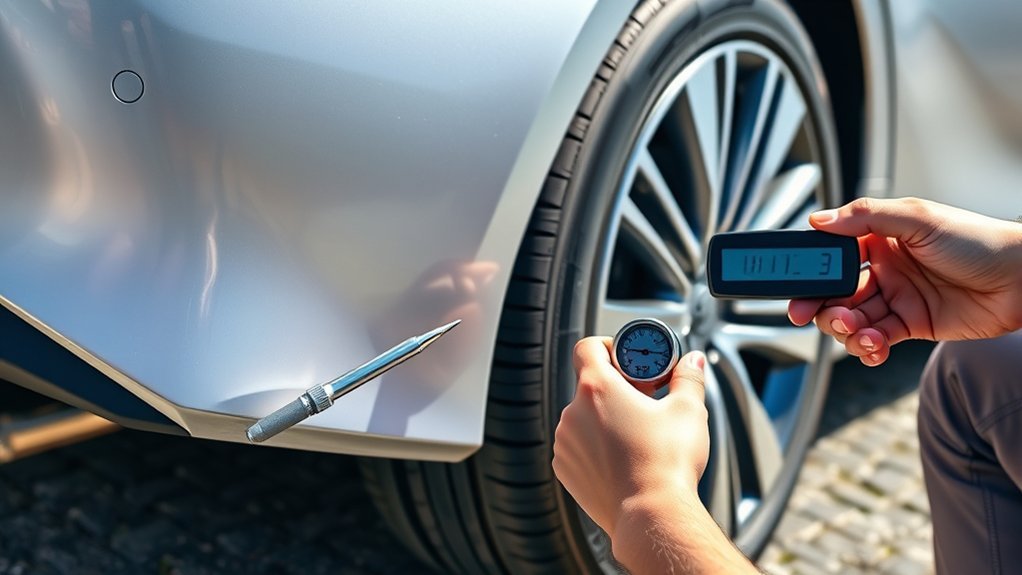
Using a tire pressure gauge on your Toyota Camry is simple, but the most important step happens before you touch the valve stem: find the correct cold tire pressure for your exact car. That number is printed on the Tire and Loading Information Label on the driver-side door edge or door jamb, and it can vary by model year, trim, tire size, and market.
Quick Answer
To use a tire pressure gauge on a Toyota Camry, check the tires when they are cold, remove the valve cap, press the gauge firmly onto the valve stem, read the PSI, then add or release air until the pressure matches the driver-door placard. Replace the valve cap when finished.
Key Takeaways
- Use the PSI on your Camry’s driver-door Tire and Loading Information Label, not the number molded on the tire sidewall.
- Check pressure when the tires are cold, ideally before driving or after the car has been parked for at least three hours.
- A TPMS warning light is helpful, but it does not replace regular manual checks with a tire pressure gauge.
- Check all four tires and the spare tire if your Camry has one.
At a Glance
| Time Required | 5 to 10 minutes |
| Difficulty | Easy |
| Tools Needed | Tire pressure gauge, air compressor, and your Camry’s door placard PSI |
| Cost | Usually $0 if you already own a gauge; about $5 to $20 for a basic gauge |
What You Need to Know About Tire Pressure
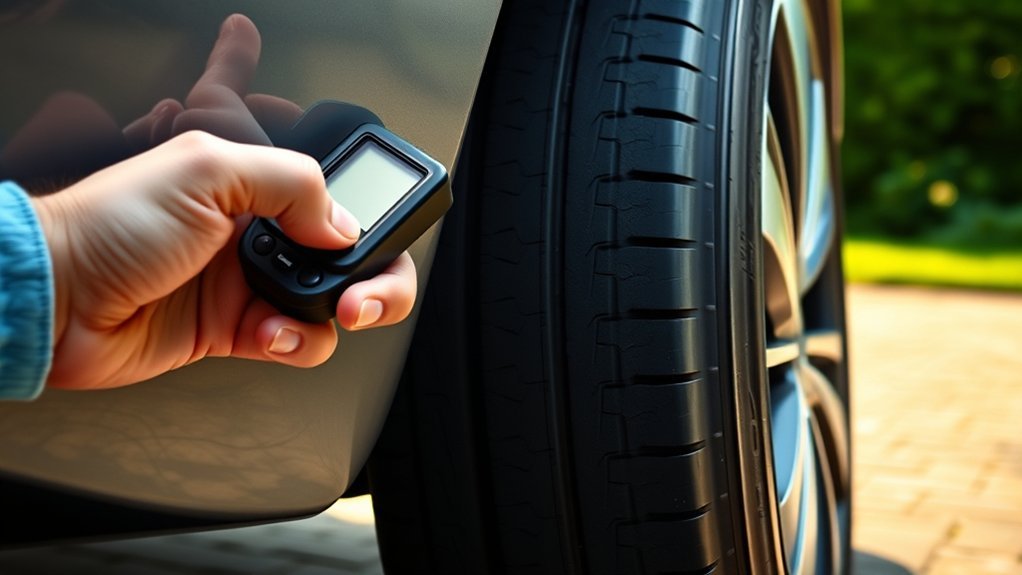
Correct tire pressure helps your Toyota Camry brake, steer, ride, and wear its tires as designed. The exact PSI is not the same for every Camry, so start with the vehicle label rather than guessing. You will usually find the label on the driver-side door edge, door jamb, or B-pillar. You can also confirm the information in the Toyota owner’s manual.
Many late-model Camrys list a cold tire pressure in the mid-30 PSI range, but your car’s label is the final authority. Tire size, trim, speed rating, replacement tires, and regional specifications can change the correct number.
Warning: Do not inflate your Camry’s tires to the maximum PSI printed on the tire sidewall unless that number matches Toyota’s placard instruction for your specific vehicle. The sidewall number is a maximum tire limit, not the normal operating pressure for the car.
[Products Worth Considering]

EVOULTES heavy duty tire inflator with an integrated gauge delivers accurate pressure readings from 10–120 PSI, helping you inflate, deflate, and check tires in one tool. The 16.5-inch extended dual-head air chuck with swivel base reaches hard-to-access dual wheel valves on trucks and RVs. A brass trigger core and side-mounted air release valve make operation smooth, with standard 1/4" NPT threading and quick-connect compatibility for easy setup.

The AstroAI 2 pack air chucks provide a heavy-duty, closed-flow locking design that helps keep air flowing during inflation while securely attaching to the valve stem. Built with 250 PSI rated brass components and compatible with Schrader valves, they feature 1/4" female NPT threads for a wide fit with common inflators. The straight tip and locking clip make filling tires and monitoring pressure more convenient.

The JACO FlowPro Tire Inflator measures, inflates, and airs down tires up to 100 PSI with battery-free operation and ±2% accuracy after calibration. It features a glowing pressure dial for night visibility, a heavy-duty steel build with a hybrid hose, and a precision push-to-inflate thumb trigger. The patented Lightning Air Chuck locks on for a secure seal, and the kit includes quick-connect hardware for easy inline use with your air compressor.
Why Accurate Tire Pressure Matters
Proper tire pressure affects safety, tire life, fuel economy, and comfort. According to NHTSA TireWise, tire pressure is one of the most important parts of tire maintenance because it affects safety, durability, and fuel use.
NHTSA reported 511 deaths in tire-related crashes in 2024, making regular tire checks more than a simple maintenance habit.
Safety Risks Involved
Under-inflated tires flex more than properly inflated tires. That can create heat, poor handling, longer stopping distances, uneven wear, and a greater chance of tire damage. Over-inflated tires can also wear unevenly and may be more vulnerable to impact damage from potholes or road debris.
- Low pressure: Can reduce handling, increase heat, and wear the outer shoulders of the tread faster.
- High pressure: Can reduce ride comfort and wear the center of the tread faster.
- Uneven pressure: Can make the car pull, feel unstable, or brake unevenly.
- Ignored pressure loss: Can point to a nail, valve leak, cracked wheel, or tire damage.
Tire Longevity Benefits
Tires last longer when they are inflated to the pressure Toyota designed for the vehicle. Under-inflation and over-inflation both change how the tread contacts the road, which can cause uneven wear. Checking pressure at least once a month also gives you a chance to spot cracks, bulges, punctures, or low tread before they become bigger problems.
Fuel Efficiency Improvements
Proper inflation can also save fuel. FuelEconomy.gov states that under-inflated tires can lower gas mileage by about 0.2% for every 1 PSI drop in the average pressure of all tires, while keeping tires properly inflated can improve gas mileage by 0.6% on average and up to 3% in some cases.
Step-by-Step Guide: Using a Tire Pressure Gauge
Check your Toyota Camry tire pressure before driving, in the morning, or after the car has been parked for at least three hours. That gives you a cold reading, which is the pressure Toyota and safety agencies use for recommended PSI.
Before You Start
- Park on level ground and set the parking brake.
- Open the driver-side door and read the Tire and Loading Information Label.
- Write down the front and rear PSI if they are different.
- Keep the gauge, valve caps, and air hose clean so dirt does not enter the valve stem.
Note: If your tires are warm because you have already driven, do not bleed air just because the reading is a few PSI above the placard. Warm tires naturally read higher. Recheck when cold, or add air only if a tire is clearly below the placard value.
Types of Tire Pressure Gauges
Any accurate gauge can work. The best one is the gauge you will keep in the car and use regularly.
- Digital gauge: Easy to read, often with a lighted display. Replace the battery when readings become inconsistent.
- Stick gauge: Simple, inexpensive, and battery-free. The measuring stick slides out to show PSI.
- Dial gauge: Uses a round analog dial. Many include a pressure-release button.
Checking Tire Pressure Steps
- Remove the valve cap from the first tire and put it in your pocket so it does not roll away.
- Press the gauge straight onto the valve stem. A quick hiss is normal, but a long hiss means the gauge is not sealed.
- Read the PSI on the digital display, dial, or stick scale.
- Compare the reading with the placard PSI for that tire position.
- Add air if the reading is low, or release a little air if it is high.
- Recheck with the gauge after every adjustment.
- Replace the valve cap securely.
- Repeat for all four tires and the spare tire if your Camry has one.
Using a Digital Tire Pressure Gauge
A digital tire pressure gauge is the easiest option for many drivers because it gives a direct PSI reading. Turn it on if needed, place the nozzle squarely on the valve stem, and press firmly until the reading stabilizes. If the number jumps around or you hear air escaping, remove the gauge and try again with a straighter angle.
After reading the pressure, compare it to the door placard. If the tire is low, add air in short bursts. If it is high, press the valve core gently or use the bleed button if your gauge has one. Recheck until the tire matches the recommended cold PSI.
Pro Tip: Check pressure twice if a reading seems unusual. A crooked gauge connection is one of the most common reasons for a bad reading.
Using a Stick Tire Pressure Gauge
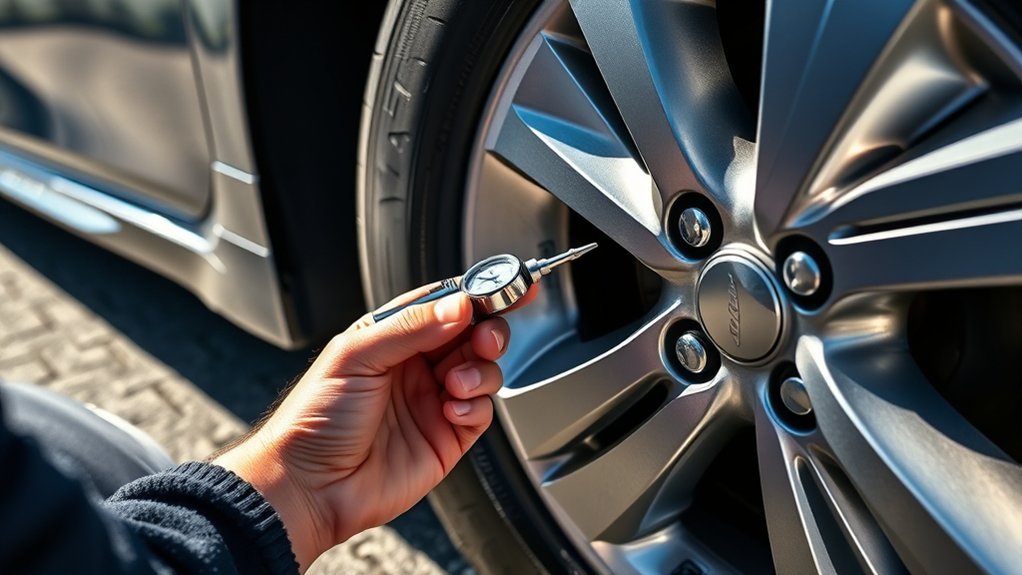
A stick gauge has a small measuring bar that slides out when air pressure pushes against it. Press the gauge firmly and squarely onto the valve stem, then remove it and read the number where the stick stops. If the stick shoots out unevenly or the gauge hisses for more than a moment, reset it and check again.
Stick gauges are durable and inexpensive, but the scale can be harder to read in low light. Keep it clean and store it where it will not be bent or crushed.
Interpreting Your Tire Pressure Readings
Once you have a PSI reading, compare it with the front and rear tire pressures shown on your Camry’s placard. Some vehicles use the same PSI on all four tires, while others specify different front and rear pressures.
- Reading matches the placard: Replace the cap and move to the next tire.
- Reading is low: Add the missing PSI with an air compressor, then recheck.
- Reading is high: Release air slowly and recheck often.
- One tire keeps dropping: Inspect for nails, valve leaks, sidewall damage, or a cracked wheel.
If you cannot find the placard, use the owner’s manual or ask a Toyota dealer to confirm the correct pressure by VIN. Do not guess based on another Camry, because wheels and tire packages can differ.
Top Mistakes to Avoid While Checking Tire Pressure
- Using the sidewall PSI: The sidewall usually shows the tire’s maximum cold pressure, not the recommended pressure for your Camry.
- Checking only after driving: Warm tires read higher, which can lead you to release too much air.
- Forgetting the spare: If your Camry has a spare, check it monthly so it is ready in an emergency.
- Relying only on TPMS: TPMS warns when pressure is significantly low; it may not catch small but important changes.
- Not replacing valve caps: Caps help keep dirt and moisture away from the valve stem.
- Ignoring repeated pressure loss: A tire that keeps losing air needs inspection, not just more air.
[Products Worth Considering]

This compact capsule-style tire repair kit helps you quickly fix punctures and plug flats with minimal effort. The rugged stainless steel shell protects the contents for reliable roadside use, while the simple plug assembly makes repairs fast and tool-free. Suitable for motorcycles, cars, ATVs, UTVs, and even mountain bikes.

This portable cordless tire inflator delivers fast, efficient inflation for cars, motorcycles, bikes, and sports balls with a digital pressure gauge. Use the one-click PSI preset with auto shut-off for accurate, hands-free topping to your target pressure up to 150 PSI. It’s compact and rechargeable with a built-in emergency LED light plus valve adapters and accessories for quick, ready-to-go use.
How to Properly Inflate Your Tires Using a Gauge
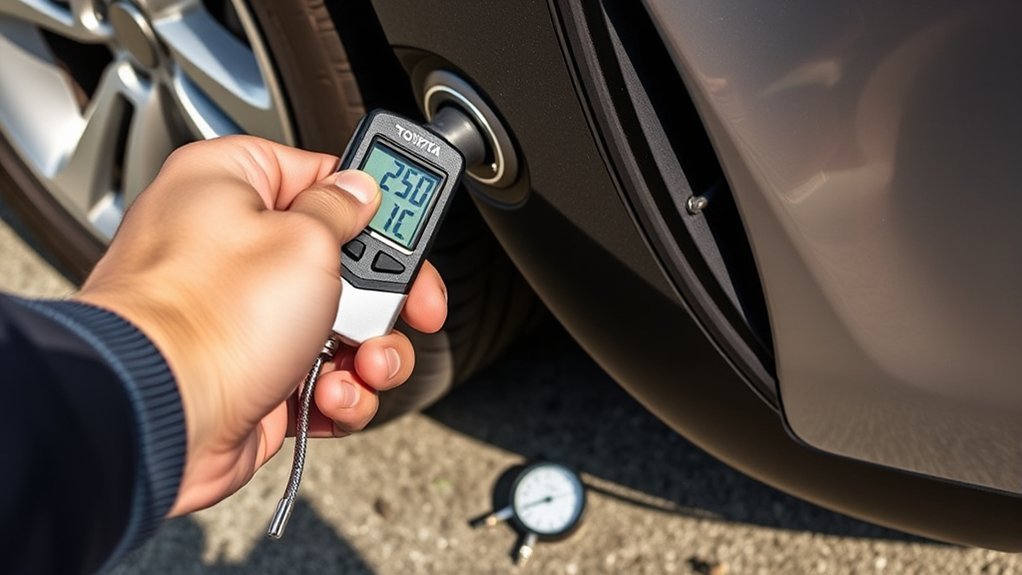
Selecting the Right Gauge
Choose a gauge that is easy to read and rated for normal passenger-car tire pressure. Digital gauges are convenient, while stick gauges are simple and reliable. If you own more than one gauge and they disagree by several PSI, compare them with a trusted shop gauge or replace the questionable one.
Checking Tire Pressure
Check pressure when the tires are cold. Remove the valve cap, press the gauge onto the valve stem, and read the pressure. Compare it with the driver-door placard. If the tire is within the recommended PSI, replace the cap and continue to the next tire.
Adjusting Tire Inflation
If the tire is low, add air in short bursts. Many gas-station compressors fill quickly, so pause and recheck often. If the tire is too high, press the center pin in the valve stem briefly to release air, then check again. Stop when the tire matches the recommended cold PSI.
Warning: Do not drive on a visibly flat tire, a tire with a sidewall bulge, or a tire that will not hold pressure. Install the spare if equipped, use roadside assistance, or have the tire inspected before driving.
Understanding Your Camry’s TPMS Light
Your Toyota Camry’s Tire Pressure Monitoring System can warn you when one or more tires are significantly under-inflated. On many models, the low tire pressure icon appears in the instrument cluster and a warning message may appear in the multi-information display. Some Camry models or trims may also show individual tire pressures, but you should still confirm the reading with a gauge.
Federal TPMS rules are designed around significant under-inflation, so the warning light is not a substitute for monthly manual checks. If the light comes on, check all tires with a gauge and inflate them to the correct placard pressure. If the light flashes and then stays on, or if it stays on after the tires are corrected and driven normally, the TPMS may need service.
Troubleshooting Tire Pressure Issues
If your Camry keeps losing pressure, use the pattern of the loss to narrow down the cause.
- One tire loses air repeatedly: Look for a nail, screw, rim leak, or valve stem leak.
- All tires read low in cold weather: Temperature changes can lower pressure, so recheck and inflate to the placard PSI when cold.
- Pressure rises after highway driving: This is normal heat expansion. Recheck cold before adjusting downward.
- TPMS light stays on after inflation: Check all tires again, drive as directed in your owner’s manual, and seek service if the warning remains.
- Gauge readings vary widely: Replace the gauge or compare it with a trusted gauge at a tire shop.
When to Seek Professional Assistance for Tire Issues
Get professional tire service if you see sidewall damage, tread separation, a bulge, exposed cords, a puncture near the sidewall, or repeated pressure loss. Also visit a Toyota dealer or qualified tire shop if your TPMS warning flashes, stays on after pressure correction, or shows missing pressure data.
A technician can inspect the tire, wheel, valve stem, TPMS sensor, and bead seal. That is safer than repeatedly adding air to a tire with an unknown leak.
Frequently Asked Questions
How do I tell which tire is low on a Toyota Camry?
Check all four tires with a tire pressure gauge and compare each reading with the driver-door placard. If your Camry shows individual tire pressures in the display, use that as a clue, but confirm with a gauge before adding or releasing air.
Does the Toyota Camry show tire pressure?
Many newer Camry models provide a TPMS warning light and warning message, and some trims may show individual tire pressure readings. Equipment varies, so check your owner’s manual. Even if your display shows PSI, a manual gauge is still useful for accurate cold-pressure checks.
What PSI should Toyota Camry tires be?
Use the cold tire pressure printed on your Camry’s driver-side Tire and Loading Information Label. Many Camrys are in the mid-30 PSI range, but the exact number can vary by model year, trim, wheel size, and tire specification.
Should I check tire pressure hot or cold?
Check tire pressure cold, before driving or after the car has been parked for at least three hours. Warm tires read higher, so releasing air from warm tires can leave them under-inflated once they cool.
How often should I check my Camry’s tire pressure?
Check tire pressure at least once a month, before long trips, and when temperatures change sharply. Also check after hitting a pothole or curb, because impact damage can cause sudden or slow pressure loss.
Conclusion
Using a tire pressure gauge on your Toyota Camry takes only a few minutes: find the placard PSI, check the tires cold, press the gauge squarely onto each valve stem, adjust air as needed, and replace the valve caps. Do this monthly and before long trips. It is one of the easiest ways to improve safety, tire life, fuel economy, and everyday driving confidence.
Sources
- Toyota Owners Manuals and Warranties — supports checking Toyota vehicle-specific owner information and specifications.
- NHTSA TireWise — supports cold tire checks, driver-door label guidance, monthly checks, and tire safety advice.
- FuelEconomy.gov Gas Mileage Tips — supports fuel-economy effects of proper tire inflation.
- 49 CFR 571.138 Tire Pressure Monitoring Systems — supports TPMS purpose and significant-underinflation warning requirements.
- NHTSA TPMS Effectiveness Report — supports safety effects of under-inflation and over-inflation.

Related Articles

Toyota Camry All-Season Tires Explained: What They Can and Can’t Do
In exploring Toyota Camry all-season tires, discover their benefits and limitations—are they really the right choice for your driving needs?
Read More
Toyota Camry Tire Traction in Ice and Snow: A Practical Winter Driving Guide
Learn essential tips for maximizing tire traction on ice and snow in your Toyota Camry, ensuring your winter driving is safe and confident. Discover more now!
Read More
Do Toyota Camry Tires Need Snow Chains? When They Help and When They Don’t
How do snow chains enhance your Toyota Camry's winter driving safety, and when should you avoid using them? Discover the essential details inside!
Read More