
Grinding Noise in Hyundai Sonata: Causes & Fixes
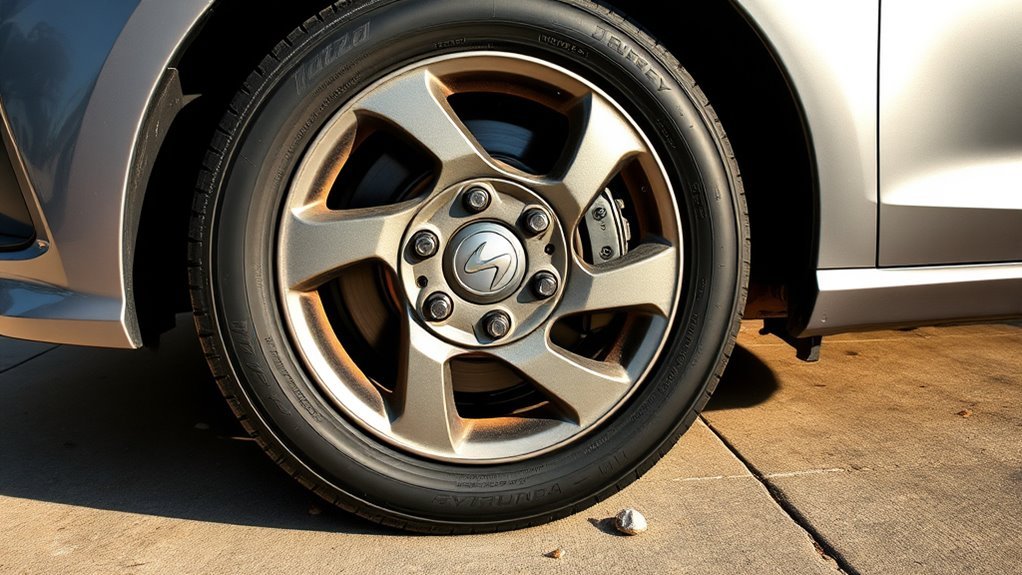
A grinding noise near a Hyundai Sonata tire usually means a part needs attention now, not later. The sound may come from worn brake pads, a failing wheel bearing, tire rubbing, trapped debris, or worn suspension parts. Use the symptoms below to narrow the cause, then get the problem checked before it damages the brakes, tires, or steering system.
Quick Answer
A grinding noise from the tire area of your Hyundai Sonata often points to worn brake pads, a bad wheel bearing, tire rubbing, or worn suspension parts. If the sound gets louder while braking, turning, or driving over bumps, avoid long trips and schedule an inspection as soon as you can.
Key Takeaways
- Grinding while braking often means the brake pads have worn too far.
- Grinding that changes during turns can point to a wheel bearing or tire rubbing issue.
- Noises over bumps may come from worn suspension parts or loose liners.
- Prompt inspection can prevent rotor damage, tire wear, and unsafe handling.
- You should stop driving if braking feels weak, the wheel shakes, or the noise gets loud.
Common Symptoms of Grinding Noise in Hyundai Sonata
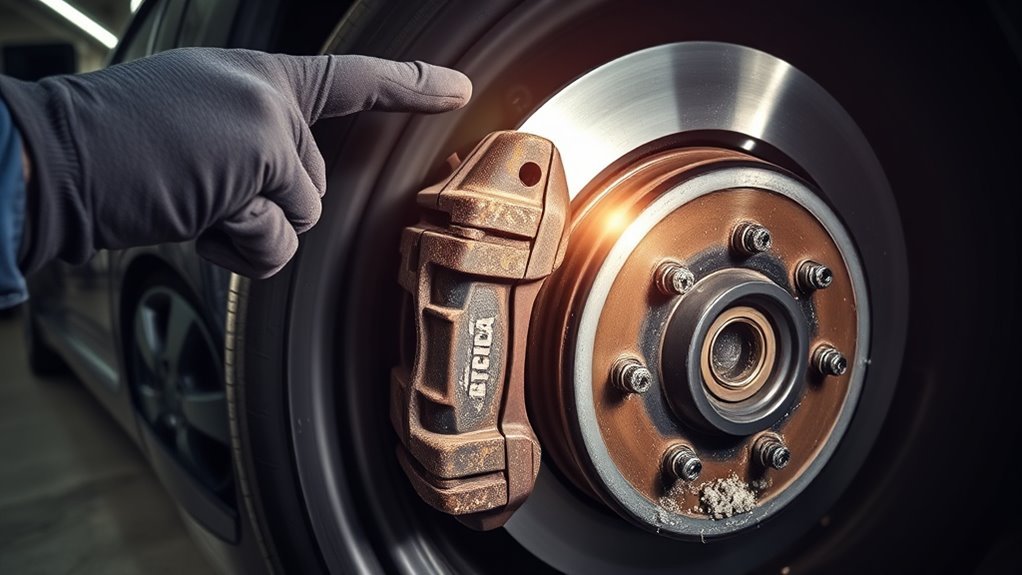
When you hear a grinding noise from your Hyundai Sonata, listen for when it happens. The timing often gives you the best clue. A noise that gets worse while braking may point to worn brake pads, while a noise that changes during turns may point to a wheel bearing or tire rubbing.
You may also hear grinding when you drive over bumps. That can happen when suspension components, control arm bushings, splash shields, or inner fender liners loosen or wear out. If the noise feels tied to steering, braking, or road impact, treat it as a safety issue and inspect it soon.
Common Causes of Grinding Noise in Your Hyundai Sonata
If you hear a grinding noise in your Hyundai Sonata, start with the most common causes. Brake wear, wheel bearing wear, tire rubbing, debris, and suspension issues can all make similar sounds. The sections below show how each problem usually feels and sounds.
Worn Brake Components
Grinding noises often come from worn brake components, especially when the brake pads wear down too far. If the pad material wears away, metal can contact the rotor. That contact can damage the rotor and reduce braking performance.
Check the brakes right away if the sound gets louder when you press the pedal. Sticking brake calipers, loose hardware, or debris in the brake system can also cause grinding. Regular brake checks help you catch wear before it turns into a larger repair.
Warning: If your Sonata grinds while braking or takes longer to stop, do not keep driving until a mechanic checks the brake system.
Faulty Wheel Bearings
Faulty wheel bearings can make a steady grinding noise, growling sound, or rough hum near the tire area. The sound may get louder when you turn because the car shifts weight onto one side. You may also feel vibration through the steering wheel or floor.
Wheel bearings help the wheel rotate smoothly. When they wear out, they can affect handling and tire movement. A mechanic can check for bearing play, roughness, and noise during a road test or lift inspection.
Tire Rubbing or Loose Inner Fender Liner
A loose inner fender liner, splash shield, or trim clip can rub the tire and sound like grinding. This often happens during turns, after tire replacement, or after driving over rough roads. The noise may come and go as the tire changes angle.
Look inside the wheel well for scuff marks, loose plastic, missing clips, or shiny rubbed spots. Replace missing clips and secure loose panels before they wear through the tire or liner.
Trapped Debris Near the Brakes or Wheel
Small rocks, road grit, or brake dust can get trapped near the rotor, dust shield, or caliper. This can create a scraping or grinding sound that starts suddenly. The sound may change with speed and may not always relate to braking.
Do not reach around hot brakes after driving. Let the parts cool first, then inspect the wheel area with care. If you cannot see the debris, have a shop remove the wheel and check the brake assembly.
How to Inspect for Brake and Bearing Issues
Use a careful inspection to narrow the cause of the grinding noise. Park on level ground, set the parking brake, and use proper safety equipment before you lift the car. If you are not comfortable lifting the vehicle, let a mechanic handle the inspection.
- Check the brake pads: Look through the wheel or remove it to inspect pad thickness. Thin pads or metal contact need service.
- Inspect the rotors: Look for deep grooves, heavy scoring, or blue heat marks. Rotor damage often follows long-term grinding.
- Spin each wheel: Listen for roughness, scraping, or grinding. A rough feel may point to a bearing or brake contact issue.
- Check tire wear: Look for uneven tread wear, sidewall marks, or rub marks inside the wheel well.
- Watch for steering changes: Pulling, vibration, or looseness can point to suspension, alignment, or bearing trouble.
Noise that changes during turns can help you find the affected side. A shop can confirm the cause with a lift inspection and road test. Early diagnosis can save the rotor, tire, or wheel hub from more damage.
How Worn Suspension Components Contribute to Grinding Noise
Worn suspension components can change how the tire sits and moves. That can create grinding noises, rubbing sounds, and uneven tire wear. Control arms, bushings, struts, ball joints, and sway bar links can all affect wheel movement.
Common Suspension Issues
If your Sonata grinds while turning or driving over bumps, inspect the suspension. Common trouble spots include:
- Control arm bushings: Worn bushings can allow extra movement and poor alignment.
- Ball joints: Loose joints can cause clunks, grinding, and unstable steering.
- Struts and mounts: Worn struts can let the tire bounce or shift more than it should.
- Loose shields or liners: Loose panels can rub the tire and mimic suspension noise.
Regular suspension checks help keep the tire aligned and the steering stable. They also reduce the chance of hidden tire damage.
Effects on Vehicle Handling
Suspension wear can make your Sonata feel loose, noisy, or less stable. You may notice pulling, vibration, uneven tire wear, or a rough feel over bumps. These signs can appear before a major part fails.
Grinding may also increase when weight shifts during a turn. That happens when worn parts allow too much movement in the wheel area. A full inspection should include the brakes, tires, wheel bearings, and suspension together.
When to Seek Professional Help for Repairs?
Get professional help if the grinding sound continues, gets louder, or changes with braking and steering. A mechanic can find the root cause before it damages more parts. Do not wait if the noise affects how the car stops or handles.
- Persistent noise: Schedule an inspection if the sound does not stop after a short drive.
- Pulling or vibration: Get the car checked if it pulls to one side or shakes at speed.
- Weak braking: Stop driving and seek service if braking feels soft, rough, or slow.
- Visible tire damage: Replace or inspect the tire if you see cuts, grooves, bulges, or exposed cords.
Grinding can start small but lead to costly repairs. Fast action protects your brakes, tires, and steering parts.
Repair Cost Estimates for Grinding Noise
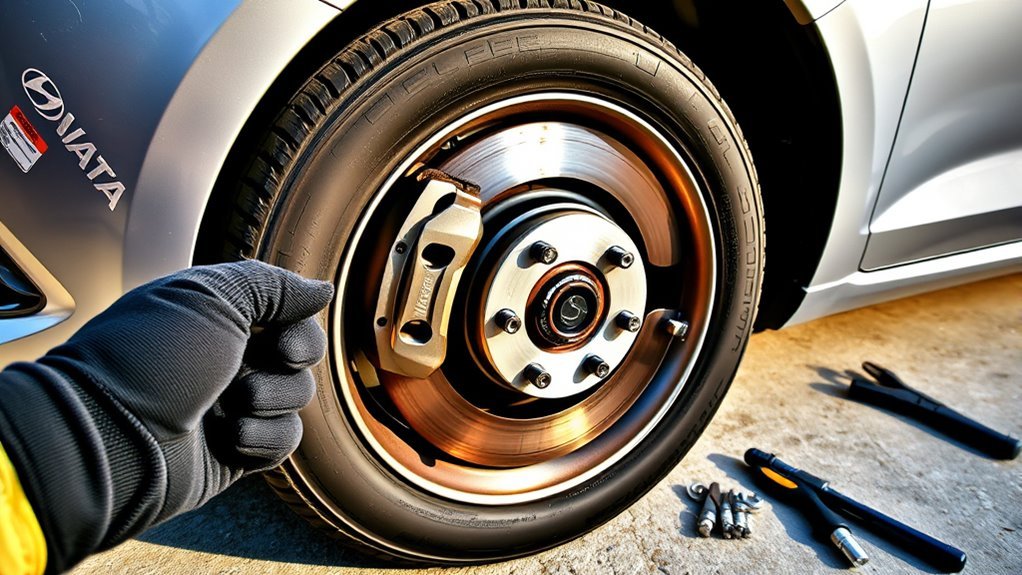
Repair costs depend on the failed part, local labor rates, and whether other parts have worn with it. A simple loose liner clip can cost very little to fix. Brake pads, rotors, wheel bearings, and suspension parts usually cost more because they need parts and labor.
Brake pad replacement often costs less than wheel bearing or suspension work, but prices vary by shop and location. If grinding has damaged the rotor, the brake repair can cost more. Ask for a written estimate that separates parts, labor, inspection fees, and alignment costs.
Note: If your Sonata still has warranty coverage, ask the dealer whether the failed part qualifies before you approve paid repairs.
Tips for Keeping Your Hyundai Sonata Noise-Free
Good maintenance helps prevent grinding noises before they start. Focus on the parts that carry weight, stop the car, and keep the tire clear of nearby panels.
- Inspect and replace brake pads: Check pad wear during tire rotations and replace pads before they grind.
- Check inner fender clearance: Make sure liners, splash shields, and clips stay secure near the tire.
- Maintain suspension components: Inspect bushings, ball joints, struts, and control arms when you hear noise over bumps.
- Rotate and inspect tires: Watch for uneven wear, rubbing, cupping, or sidewall damage.
- Address small noises early: A quick inspection can stop a minor scrape from becoming a major repair.
User Experiences With Grinding Noise Issues
Many Hyundai Sonata owners describe grinding sounds near the tire area during turns, braking, or rough-road driving. Some notice louder noise when turning one direction, which may point to wheel bearing load, tire rubbing, or suspension movement. Others hear the sound after tire work, heavy rain, or a wheel-well impact.
Owner reports can help you spot patterns, but they cannot replace inspection. The same sound can come from brakes, bearings, liners, debris, or suspension parts. Use the symptoms as clues, then confirm the issue with a hands-on check.
Frequently Asked Questions
Can I Drive My Hyundai Sonata With a Grinding Noise?
You should avoid driving your Hyundai Sonata with a grinding noise until you know the cause. If the sound happens while braking, the car pulls, or the wheel shakes, stop driving and arrange service.
How Can I Prevent Grinding Noises in My Hyundai Sonata?
You can prevent many grinding noises with regular brake checks, tire rotations, and suspension inspections. Keep wheel-well liners secure, replace worn brake pads early, and inspect the car after you hit potholes or debris.
What Tools Do I Need to Inspect My Brakes?
You need a jack, jack stands, a lug wrench, a flashlight, gloves, and basic hand tools for a visual brake check. Use a brake pad gauge if you have one. Never rely on a jack alone while you work near or under the car.
Are Grinding Noises Covered Under My Warranty?
Warranty coverage depends on the failed part, mileage, age, and cause of the noise. Wear items like brake pads often do not qualify, but faulty covered parts may. Ask your Hyundai dealer to inspect the car and confirm coverage.
How Often Should I Inspect My Brakes and Bearings?
Inspect your brakes during routine tire rotations or whenever you hear noise. Ask a mechanic to check the wheel bearings if you hear grinding, humming, or growling that changes with speed or turns.
Conclusion
A grinding noise from your Hyundai Sonata’s tire area usually means the brakes, wheel bearing, tire clearance, or suspension needs attention. Start by noting when the sound happens, especially during braking, turning, or driving over bumps. Then inspect the wheel area or schedule a repair visit before the problem spreads. A quiet, stable ride starts with catching small warning signs early.

Related Articles

Danger of Using Summer Tires in Winter on a Hyundai Sonata
Potentially perilous, using summer tires in winter on your Hyundai Sonata can compromise safety—discover the hidden dangers that await you on icy roads.
Read More
Can You Mix Nitrogen and Air in Hyundai Sonata Tires? Answered
Discover the implications of mixing nitrogen and air in your Hyundai Sonata tires—are the benefits worth the risks? Explore the answer inside!
Read More
How to Tell If Hyundai Sonata Tires Are Too Old to Use Safely
Understand how to assess the age of your Hyundai Sonata tires and discover crucial signs of deterioration that could compromise your safety on the road.
Read More