
How Much Do Winter Tires Cost? Price Guide
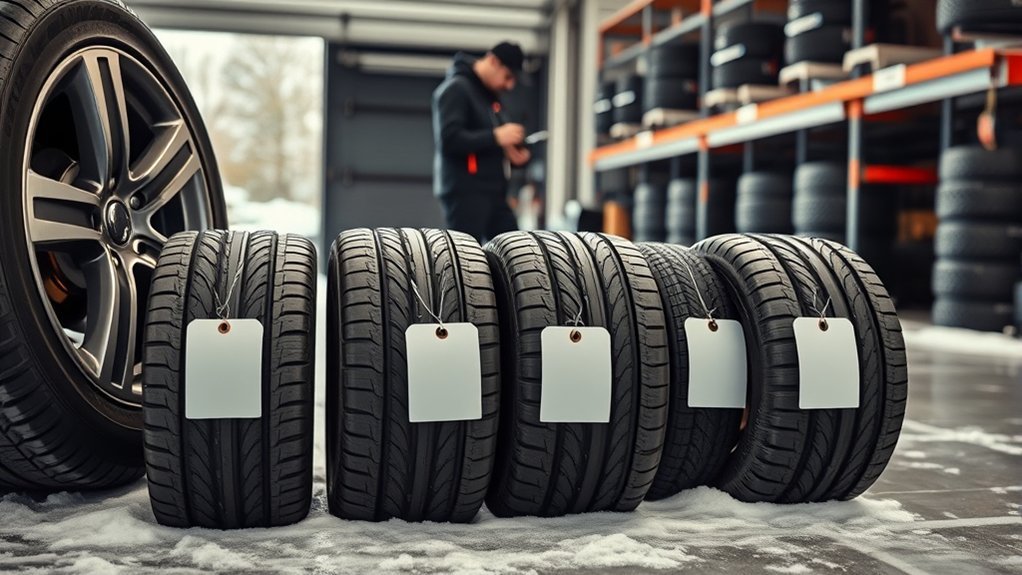
Winter tires usually cost $100 to $300 per tire, depending on size, brand, and performance. If you drive a compact car, you’ll often pay less, while SUVs, trucks, and performance vehicles usually need pricier winter options. Installation, balancing, valve stems, disposal fees, and TPMS service can add to the total. Seasonal storage may also cost extra. If you compare tread life and winter grip, you can find better value and see what matters most.
Key Takeaways
- Winter tires typically cost about $100 to $300 per tire, depending on size, brand, and performance features.
- Compact car winter tires are usually cheapest, while SUVs, trucks, and performance vehicles cost more.
- Larger tires, advanced tread designs, and premium brands can significantly increase the price.
- Installation, balancing, valve stems, disposal fees, and TPMS service add to the total cost.
- Compare tread life, warranty, and winter performance to judge value beyond the upfront price.
[Products Worth Considering]

These universal tire valve stem caps help protect valve cores from dust, debris, and moisture while helping maintain stable tire pressure. The corrosion-resistant metal construction and sealed design provide reliable protection in road grime, mud, and winter conditions. Twist-on installation makes them quick to fit on cars, SUVs, trucks, and motorcycles.
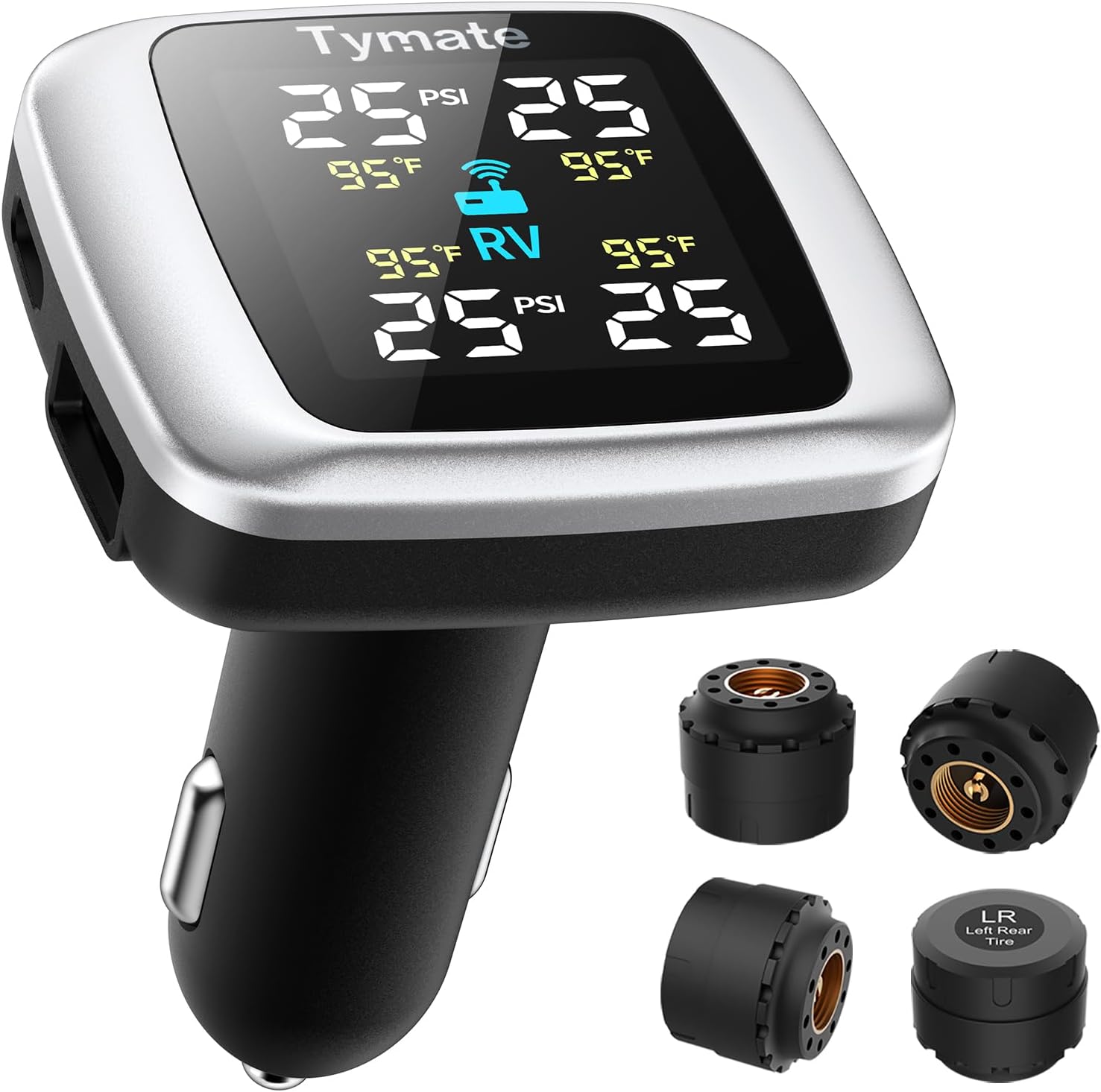
Tymate TM7 is a wireless tire pressure monitoring system that delivers real-time pressure and temperature readings for safer driving. It includes four external sensors, a bright color LCD display with adjustable backlight, and six alarm modes for high/low pressure, fast leakage, high temperature, and sensor signal or battery issues. The system covers a wide 0–144 PSI range and plugs into your vehicle’s cigarette lighter socket for quick DIY setup.

Protect tire valves from water, dust, and sand to help prevent leaks and support safe driving. These universal stem caps install quickly by hand and feature durable aluminum alloy construction with an inner sealing ring for better air retention. Compatible with cars, SUVs, trucks, motorcycles, and bicycles for everyday convenience.
How Much Do Winter Tires Cost?
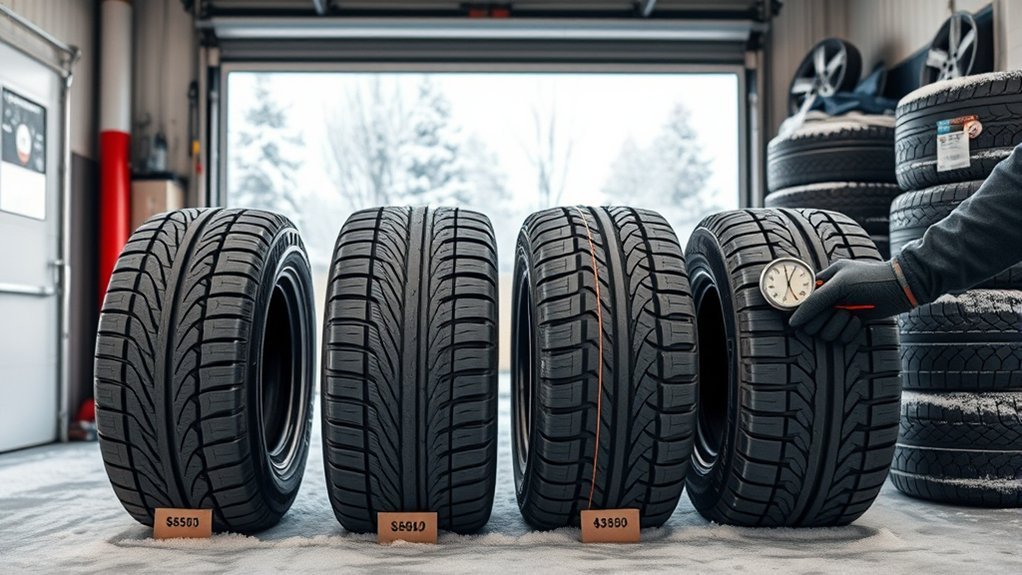
Winter tire costs vary widely depending on your vehicle size, tire brand, and performance level, but you can usually expect to pay anywhere from about $100 to $300 per tire.
If you drive a compact car, you may stay near the lower end. If you need larger sizes or premium tire brands, your cost can rise quickly.
You should also expect some models to cost more because they offer better traction, shorter stopping distances, and longer tread life.
Even so, winter tires can provide clear seasonal benefits, especially when temperatures drop and roads become slick. You’ll often get better grip, improved control, and more confidence in snow, slush, and ice.
To budget well, compare a few options in your size and check whether installation or balancing adds extra cost. You can then choose a set that fits your driving needs without overspending.
What Drives Winter Tire Prices?
Several factors push winter tire prices up or down, and size is one of the biggest. Larger tires usually cost more because they use more materials and need more complex construction.
Winter tire prices often rise with size, since larger tires need more materials and more complex construction.
You’ll also see price differences based on tread design, rubber compounds, and whether the tire uses advanced siping or studdable features. These elements affect tire performance on snow, ice, and slush, so higher-performing models often carry higher price tags.
Brand reputation matters too. Well-known manufacturers may charge more because buyers trust their testing, quality control, and warranty support.
Newer or budget brands can be cheaper, but their performance and long-term durability may vary. Retail channel, seasonal demand, and sales can also change what you pay.
If you shop early or compare multiple sellers, you can often find a better deal without giving up the winter traction you need.
Winter Tire Costs by Vehicle Type
Your vehicle type can make a big difference in what you pay for winter tires, even when the tires share the same brand or general design. Compact cars often need smaller, less expensive sizes, while larger vehicles usually require pricier tires with more load capacity.
You should compare prices by size first, then by category, because fit drives most of the cost.
- Sedan recommendations usually fall in the lower to mid price range, especially for common rim sizes.
- SUV considerations often raise costs because you may need wider tires and stronger sidewalls.
- Truck options can cost the most, since heavier loads and tougher use demand robust construction.
If you drive a performance model, Performance needs can also push you toward specialized winter tires that cost more than standard touring choices.
[Products Worth Considering]

The Kurgo Seasonal Tire Tote helps protect your car interior, clothes, and garage from tire grime, brake dust, and residue during seasonal tire changes. Its universal design fits most passenger tires between 22" and 31" in diameter, making storage and transport simpler with less mess. Built for rugged, repeated use, it’s machine washable for easy care and comes with a lifetime warranty.

This 100-piece set of snap-in tubeless tire valve stems is designed for standard 0.453 in (11.5 mm) rim holes and helps maintain reliable, steady tire pressure. Made with ozone-resistant rubber and brass cores, the valves are built for durability and long-term use. Easy to install by hand, they support safe driving and are suitable for cars, light trucks, trailers, and more.

This tire inflator with pressure gauge delivers long-lasting performance with a durable rubber-protected gauge and sturdy build. The longer hose and 360 swivel air chuck help you seal the valve securely and keep your hands free while measuring, inflating, or deflating. It’s battery-free for reliable use and provides ±2 PSI accuracy in the mid-range for most typical tires, with universal compatibility for 1/4 NPT compressor outputs.
Winter Tire Installation and Extra Costs
Even after you buy the tires, installation can add a noticeable amount to the total cost. You’ll usually pay for mounting, tire balancing, and valve stems, and some shops include disposal fees for your old tires.
Even after you buy the tires, installation can add a noticeable amount to the total cost.
If your vehicle has tire pressure monitoring sensors, expect possible relearning or service charges. Labor rates vary by shop, region, and wheel size, so larger tires often cost more to install.
If you don’t switch tires yourself, you may also need seasonal storage for the off-season set. Storage fees depend on space, climate control, and how long the shop keeps them.
Some installers bundle installation, balancing, and storage into one package, while others charge each item separately. Ask for an itemized quote before you book so you can see the full out-the-door price.
These extra costs don’t change the tire purchase itself, but they can greatly affect your total winter tire budget.
How to Get the Best Winter Tire Value
To get the best winter tire value, focus on the total cost over the tire’s life, not just the sticker price.
Compare tread life, warranty, and tire performance in snow, slush, and ice. A cheaper set may wear faster or reduce traction, raising your long-term cost.
You should also factor in seasonal considerations, such as how many months you’ll use the tires and whether you need a separate wheel set for easier swaps.
- Check rolling resistance for fuel savings.
- Match the tire to your vehicle and climate.
- Compare rebates, installation, and storage costs.
Buy only the size and speed rating you need, then review independent tests before you decide.
If you drive in mild winters, an all-weather tire may offer better value. If your area gets frequent ice and deep snow, dedicated winter tires usually justify the higher upfront price through safer, more consistent winter driving and better durability.
Frequently Asked Questions
Do Winter Tires Improve Braking on Ice?
Yes, winter tires can improve braking on ice because you get better ice traction and tire performance than with all-season tires. You’ll still need cautious driving, but they often shorten stopping distances noticeably.
Can I Use Winter Tires Year-Round?
No, you shouldn’t use winter tires year-round; they wear faster in warm weather. Like Cinderella’s glass slipper, they fit winter best. You’ll lose winter tire benefits in an all season comparison, with softer handling and poorer efficiency.
How Long Do Winter Tires Last?
You can expect winter tires to last about 3 to 5 seasons, depending on tread wear, driving habits, and tire maintenance. You’ll get longer life if you rotate them, store them properly, and avoid warm roads.
Are Studded Winter Tires Legal Everywhere?
No, studded winter tires aren’t legal everywhere. You should check local stud regulations, because rules vary by state or country. They can improve tire performance on ice, yet they’re often restricted to protect roads.
When Should I Switch to Winter Tires?
You should switch to winter tires when temperatures regularly drop below 45°F, before snow or ice arrives. Winter tire benefits include better grip and braking. Follow tire installation tips and swap early for safety.
Conclusion
Winter tires can seem pricey, but the idea that they always cost too much doesn’t hold up. When you compare tire size, vehicle type, tread design, and installation fees, the price often makes sense. You’ll usually pay more for larger vehicles and premium brands, but you can also save with seasonal discounts and package deals. If you drive in snow and ice, winter tires can be a practical investment, not just an added expense.
[Products Worth Considering]

Replace worn or missing TPMS sensors with a pre-programmed 4-pack designed for compatible GM vehicles. These 315MHz sensors provide real-time tire pressure monitoring and alert you if pressure is too high, too low, or if a rapid air leak occurs. Most installations are ready with minimal relearn effort after mounting, helping improve safety and driving confidence.

Autel MX TPMS sensors combine 315MHz and 433MHz in a single easy-to-install press-in design for faster tire service. They support wireless programming with strong signal performance, and the sensors are clone-able for streamlined replacement. Built for reliability and tested to SAE standards, each sensor includes a series number for quality control.

This Dr.Roc tire valve stem puller tools set helps install or remove snap-in tubeless valve stems safely and efficiently. It includes ozone-resistant EPDM snap-in valve stems, a valve stem installer, and a valve core remover for quick core removal or installation during tire service. Designed for reliable tubeless tire repair on motorcycles, ATVs, lawn equipment, cars, and trucks.

Related Articles

Can You Drive Studded Tires in Summer? Legal Rules
Just when you think studded tires are fine year-round, summer laws and hidden penalties may say otherwise—find out what could surprise you.
Read More
Are All-Terrain Tires Good in Snow? Winter Performance
Snow traction varies more than you think, and all-terrain tires can surprise you on winter roads, but ice changes everything.
Read More
What Should Tire Pressure Be in Winter?
How should tire pressure change in winter to keep you safe and save wear?
Read More