
What Are Run-Flat Tires and How Do They Work?

Run-flat tires are designed so you can keep driving after a puncture or pressure loss. You’ll usually find reinforced sidewalls or an internal support ring that carries the vehicle’s weight when air escapes, preserving steering control and reducing wheel damage. A tire pressure monitoring system warns you early, since these tires only work for a limited time and distance. They’re safer in emergencies, but they’re costlier and often less repairable, which matters more than you might expect.
Key Takeaways
- Run-flat tires are designed to keep supporting the vehicle briefly after losing air pressure.
- They use reinforced sidewalls or a support ring to prevent complete tire collapse.
- This lets drivers continue for limited distance and speed, often about 50 miles at 50 mph.
- They improve safety and remove the immediate need to stop for a spare tire.
- A tire pressure monitoring system is important because run-flats still require prompt inspection and replacement.
[Products Worth Considering]
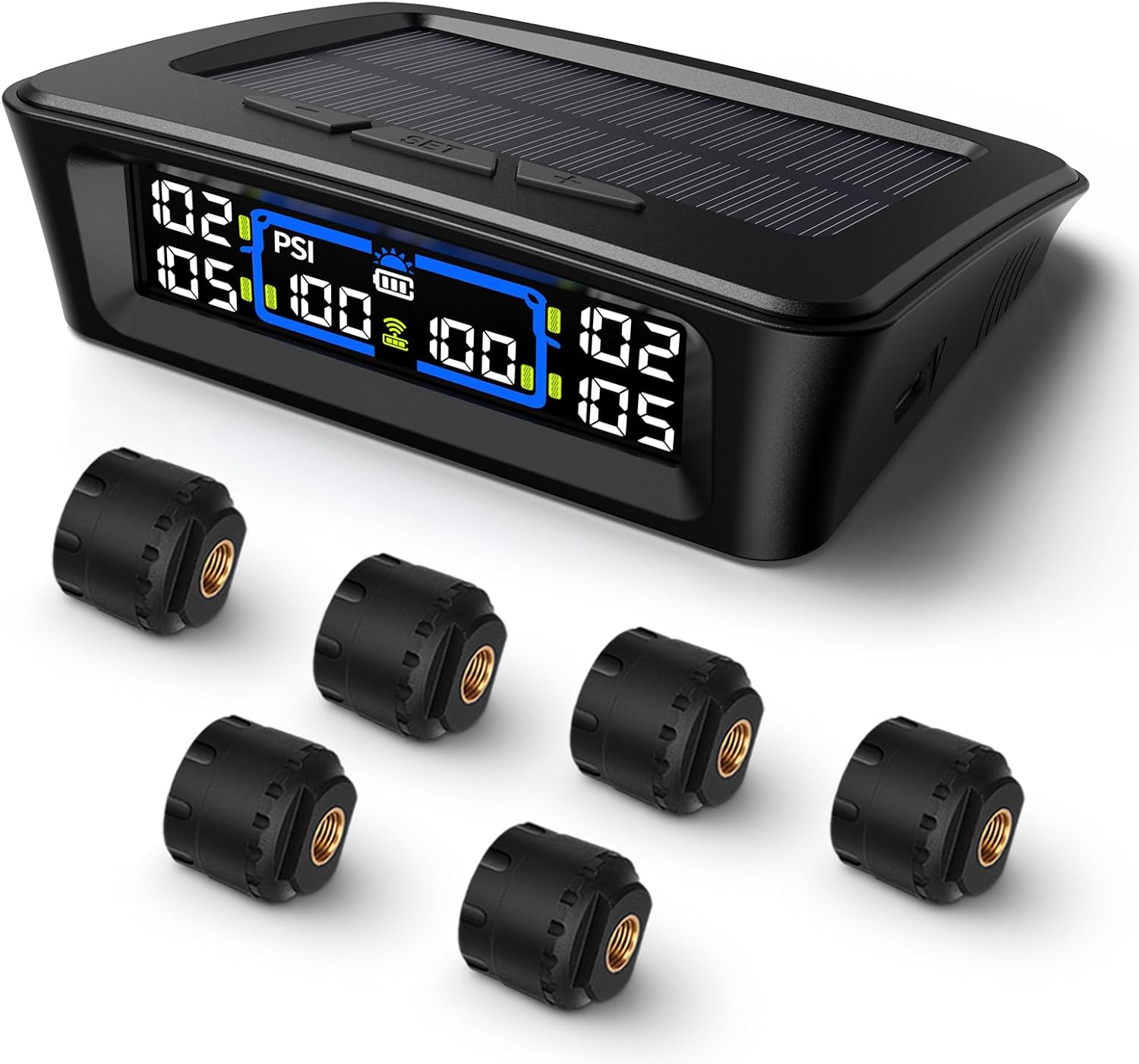
The Tymate TM12 RV TPMS delivers real-time tire pressure and temperature monitoring with a stable 433Hz display for safer long-distance driving. It supports simultaneous monitoring across vehicle and trailer zones, includes six alarm modes for pressure, temperature, leakage, battery, and signal loss, and features easy DIY installation with auto calibration. Power is supplied via USB-C charging or solar recharging, with a wide 0–144 PSI range and up to 50 ft signal coverage for RVs and towable trailers.

Steelman white tire marking crayons provide high-contrast, semi-permanent marks for repairing and inspecting tires and equipment. They write on wet or dry, smooth or coarse surfaces including rubber, metal, glass, and wood, making them ideal for puncture location and damage outlining. The lead- and zinc-free crayons resist weather and fading yet wipe away when you no longer need the marks.

The TYAMATE TM8 solar-powered wireless TPMS delivers real-time tire pressure and temperature monitoring with six alarm modes for safer driving. A vibrant color LCD display shows readings clearly while windshield mounting keeps it hands-free and easy to read. With a wide 0–87 PSI range, strong 433.92 MHz signal transmission, and quick sensor pairing, it’s ideal for RV, sedan, SUV, MPV, and truck use.
What Are Run-Flat Tires?
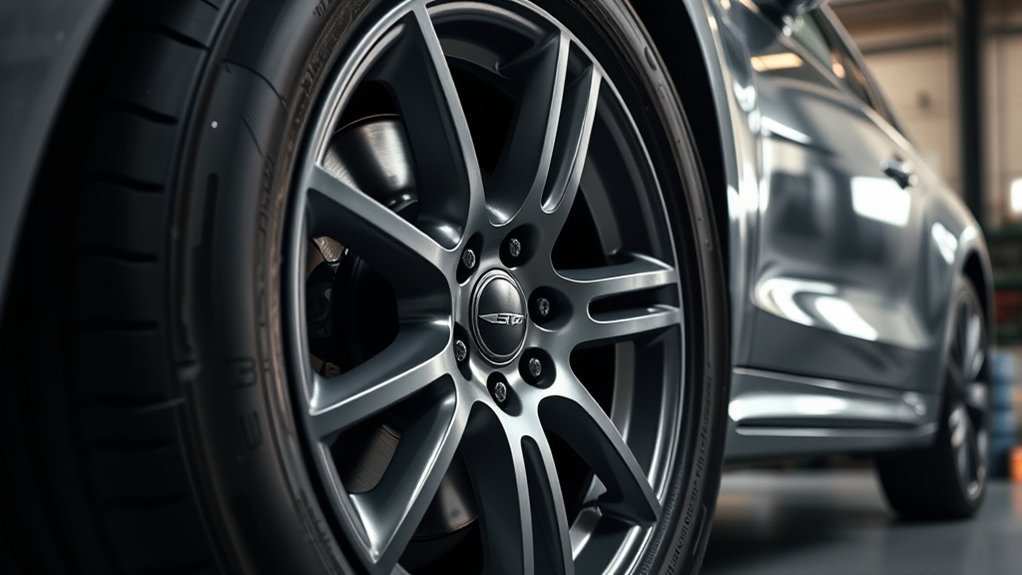
Run-flat tires are engineered with reinforced sidewalls, or a support ring system, so the tire can continue carrying the vehicle’s weight after a loss of air pressure.
You use run-flat tires when you need controlled mobility after a puncture, rather than an immediate stop at the roadside. Their reinforced sidewalls help maintain structural support, while support ring designs place a rigid element beneath the tread to carry load.
A Tire Pressure Monitoring System typically works with these tires, warning you quickly when pressure drops. In practical terms, you can usually travel up to 50 miles at a maximum speed of 50 mph, giving you a defined maximum distance to reach service.
Compared with conventional tires, run-flat tires remove the need for a spare, but they can ride more firmly and cost more to replace.
How Do Run-Flat Tires Work?
When a tire loses air, its reinforced structure keeps the vehicle supported long enough for controlled driving to a service station.
In a run-flat design, the sidewalls carry vehicle weight after pressure drops, so you can keep moving instead of stopping immediately. This reinforcement limits collapse, preserves steering response, and reduces wheel-to-road contact damage.
A TPMS alerts you to the pressure loss, so you can inspect the tire promptly and follow safe operating limits. Typically, you can travel up to 50 miles at no more than 50 mph, which gives you a narrow service window after a puncture.
The system works by substituting structural stiffness for normal inflation support, so the tire remains functional long enough for recovery.
Because the casing has already been stressed, you usually can’t repair it after puncture, and replacement is often required.
Self-Supporting vs. Support Ring Run-Flat Tires
Although both designs let you keep moving after air loss, self-supporting run-flat tires rely on reinforced sidewalls to carry the vehicle, while support ring run-flats use a rigid rubber ring under the tread to distribute load during deflation. You’ll see that self-supporting models offer moderate puncture resistance and weigh less, so they suit performance-focused setups. Support ring systems manage the weight of the vehicle with a firmer internal structure, and they usually ride more like standard tires.
| Type | Load Method | Key Trait |
|---|---|---|
| self-supporting | Reinforced sidewalls | Lighter construction |
| support ring | Rubber ring under tread | Comfort and durability |
| both | TPMS alerting | Immediate pressure-loss warning |
You still need a Tire Pressure Monitoring System (TPMS) with either design, because it tells you when pressure drops. After a puncture, you shouldn’t assume repair is possible; both types often require replacement, so you need to understand their limits before you choose.
What Are the Pros and Cons of Run-Flat Tires?
Run-flat tires improve safety because you can keep control after a puncture and reach service without stopping on the roadside.
They also add convenience by eliminating the spare tire. However, you’ll usually face higher replacement costs because most run-flats can’t be repaired after damage.
You may also notice a firmer ride, since the reinforced sidewalls reduce compliance over rough pavement.
[Products Worth Considering]

Keep your tires properly inflated with this analog VONDIOR tire pressure gauge, designed for fast, easy readings without batteries. The swiveling, two-axis hose and large glow dial help you measure at any tire angle with instant visibility. Built with a protective rubber shield, it supports durable, low-maintenance use for cars and trucks.

The Tymate TM2 RV tire pressure monitoring system keeps you informed with a color LCD display, automatic backlight, and solar charging for dependable operation. It supports up to 10 tire positions with four pre-paired sensors, while offering multiple alarm modes for fast leak detection, pressure extremes, temperature alerts, and low-signal warnings. Built-in monitoring uses accurate readings and reliable 433.92MHz communication to help protect your RV, trailer, truck, or SUV.

Monitor tire tread wear with a smart, color-coded depth gauge that shows clear condition ranges at a glance. The bar is range marked for fast, easy readings, helping you maintain safer traction and performance. Each gauge is portable with a pocket clip, and the set includes 20 units for daily use and sharing.
Safety and Convenience
Even in the event of a puncture, run-flat tires let you keep driving for up to 50 miles at speeds up to 50 mph, which can provide valuable time to reach a repair facility.
| Safety feature | Effect |
|---|---|
| Reinforced sidewalls of run-flat tires | Support vehicle load when deflated |
| Pressure Monitoring System (TPMS) | Warns you of pressure loss |
| Mobility after puncture | Reduces roadside exposure |
| No spare tire | Frees cargo space |
These safety features make run-flat tires useful in emergencies, but you still need a proper tire inspection after any loss of pressure. The sidewalls of run-flat tires help maintain stability, yet they don’t eliminate the risk of hidden damage. A functioning Pressure Monitoring System (TPMS) is essential because it alerts you early, so you can act before a tire deteriorates. That combination improves convenience and control when a flat occurs.
Cost and Ride Quality
When you compare run-flat tires with conventional tires, the main tradeoffs are higher cost and a harsher ride. You’ll usually pay 20-50% more upfront because their reinforced construction adds materials and complexity.
That higher cost can continue after a puncture, since many run-flat designs can’t be repaired, so you face replacement costs instead of a simple patch.
Their stiff sidewalls also reduce ride quality, especially on rough pavement, where impacts transmit more directly into the cabin. The added weight and stiffness can increase rolling resistance, which may trim fuel economy slightly.
You may also notice less responsive handling than with conventional tires. If you prioritize convenience after a puncture, the premium can make sense; if you value comfort and low operating cost, it’s a clear compromise.
How Far and How Fast Can You Drive on Them?
After a puncture, you can usually drive a run-flat tire for up to 50 miles at no more than 50 mph. This gives you enough range to reach a safe location or repair shop.
If you exceed either limit, you can weaken the tire’s structure and raise the risk of failure. Your actual mobility also depends on the tire design, inflation status, and TPMS monitoring, so you should follow the manufacturer’s limits closely.
Speed Limits After Puncture
If a run-flat tire loses pressure, you can usually keep driving for up to 50 miles at speeds no higher than 50 mph, but only within the manufacturer’s specified limits. You should treat that speed as the maximum speed after a puncture, because extra load and heat accelerate damage. Your run-flat’s pressure monitoring system should alert you immediately, so you can reduce speed and maintain control.
| Condition | Guidance |
|---|---|
| Pressure loss | Drive cautiously |
| Maximum speed | 50 mph |
| Distance limit | About 50 miles |
| System check | Verify TPMS alerts |
You shouldn’t exceed either the speed or distance limit, since doing so can compromise safety and worsen tire failure. Always consult the tire’s guidelines, because manufacturer limits can differ.
Distance Range After Deflation
Even with a puncture, run-flat tires can usually keep you moving for up to 50 miles, but only if you stay at or below 50 mph and follow the manufacturer’s limits.
When your Run Flat tire begins losing air pressure, the carcass or support ring carries the load, preserving control. The Pressure Monitoring System (TPMS) should alert you early so you can assess distance and speed before damage escalates.
Compared with a properly inflated tire, a deflated run-flat offers reduced thermal margin, so you must treat the remaining range as a strict operating envelope.
- Check the dashboard warning immediately.
- Keep speed steady, not aggressive.
- Drive only to a service point.
- Replace or inspect the tire after use.
Factors That Affect Mobility
How far and how fast you can drive on a run-flat tire depend on the tire’s design, the vehicle’s load, and the conditions you’re driving in.
Most run-flat tires let you travel about 50 miles at up to 50 mph after a puncture, but your actual mobility can drop if vehicle weight is high or driving conditions are severe.
Always check the manufacturer’s limits, because tire type and model change performance. Your tire pressure monitoring system is critical here; it alerts you immediately when pressure falls, so you can respond before damage spreads.
If you exceed the recommended speed or distance, you increase heat buildup, reduce structural support, and risk tire failure.
Treat run-flat tires as a temporary safety measure, not a substitute for prompt repair.
Can Run-Flat Tires Be Repaired?
Can run-flat tires be repaired? Yes, but only under narrow conditions. If your run-flat tires have a small puncture in the tread area, you may get a limited repair with a plug or patch, depending on the maker’s limits. If the damage reaches the sidewall, you usually can’t repair it, and replacement’s the safe choice.
- Assess the puncture location before any repair.
- Follow manufacturer rules; they override general assumptions.
- Treat self-supporting run-flat tires as nonrepairable after most punctures.
- Inspect any tire that ran at low pressure or zero pressure.
A qualified professional should inspect the tire after pressure loss because hidden internal damage can make a visible repair unsafe.
Support ring systems may allow more repair options than self-supporting designs, but you still need a precise inspection.
In practice, repair depends on damage severity, construction type, and safety criteria, not just whether the tire still holds air.
How Do You Maintain Run-Flat Tires?
To keep run-flat tires performing safely, you should check tire pressure at least once a month and verify that the TPMS is working correctly so pressure loss is detected promptly.
You need to maintain correct inflation pressure because these tires rely on it for load support, heat control, and predictable handling.
Inspect each tire for visible damage, including cuts, bulges, embedded debris, or punctures, and don’t ignore signs after any low- or zero-pressure event. If you find damage, have a qualified technician assess it immediately.
Rotate the tires at the intervals your manufacturer specifies so the tread wears evenly and the set can maintain better service life.
Follow the vehicle and tire maker’s replacement rules closely, since some run-flat tires can’t be safely repaired after puncture.
Prompt inspection, pressure control, and timely replacement reduce failure risk and preserve the tire’s run-flat capability under emergency conditions.
Frequently Asked Questions
Can I Replace Run-Flat Tires With Regular Tires?
Yes, you can replace them, but you should check vehicle compatibility first. You’ll lose run flat advantages and gain run flat disadvantages, especially after low tire pressure. Review replacement options, TPMS, suspension, and alignment.
Do You Put Air in a Run-Flat Tire?
Yes, you do; you should keep run-flats at recommended pressure for driving safety and run flat benefits. Good tire maintenance tips include checking TPMS, valuing air pressure importance, and reviewing tire repair options promptly.
What Is the Lifespan of a Run-Flat Tire?
You’ll usually get 25,000-50,000 miles from a run-flat tire. Tire durability factors, performance comparison, maintenance tips, safety benefits, and cost analysis all matter; if you keep pressure correct, you can extend life, though punctures often end replacement.
What Are the Common Problems With BMW Run-Flat Tires?
BMW run-flat tires commonly cause performance concerns, firmer handling characteristics, higher cost comparisons, increased noise levels, and uneven wear patterns. You’ll also face limited repair options, so you should monitor TPMS closely and inspect them regularly.
Conclusion
Run-flat tires give you an essential buffer when a puncture occurs, letting you keep moving instead of stopping on the roadside. You can drive a limited distance at reduced speed because their reinforced structure or support ring carries the load after air loss. But they’re not invincible, and you still need regular inspections and correct pressure. Treat them like a safety net: useful in emergencies, but not a substitute for proper tire care.
[Products Worth Considering]

Masoll M13 TPMS monitors tire pressure across RV and trailer applications and helps protect safety on the road. Set your reference pressure for auto alarm triggers, while the system automatically calibrates as you inflate or deflate. Solar charging with intelligent sleep/wake keeps operation efficient, and the color LCD provides clear readings in day or night driving.
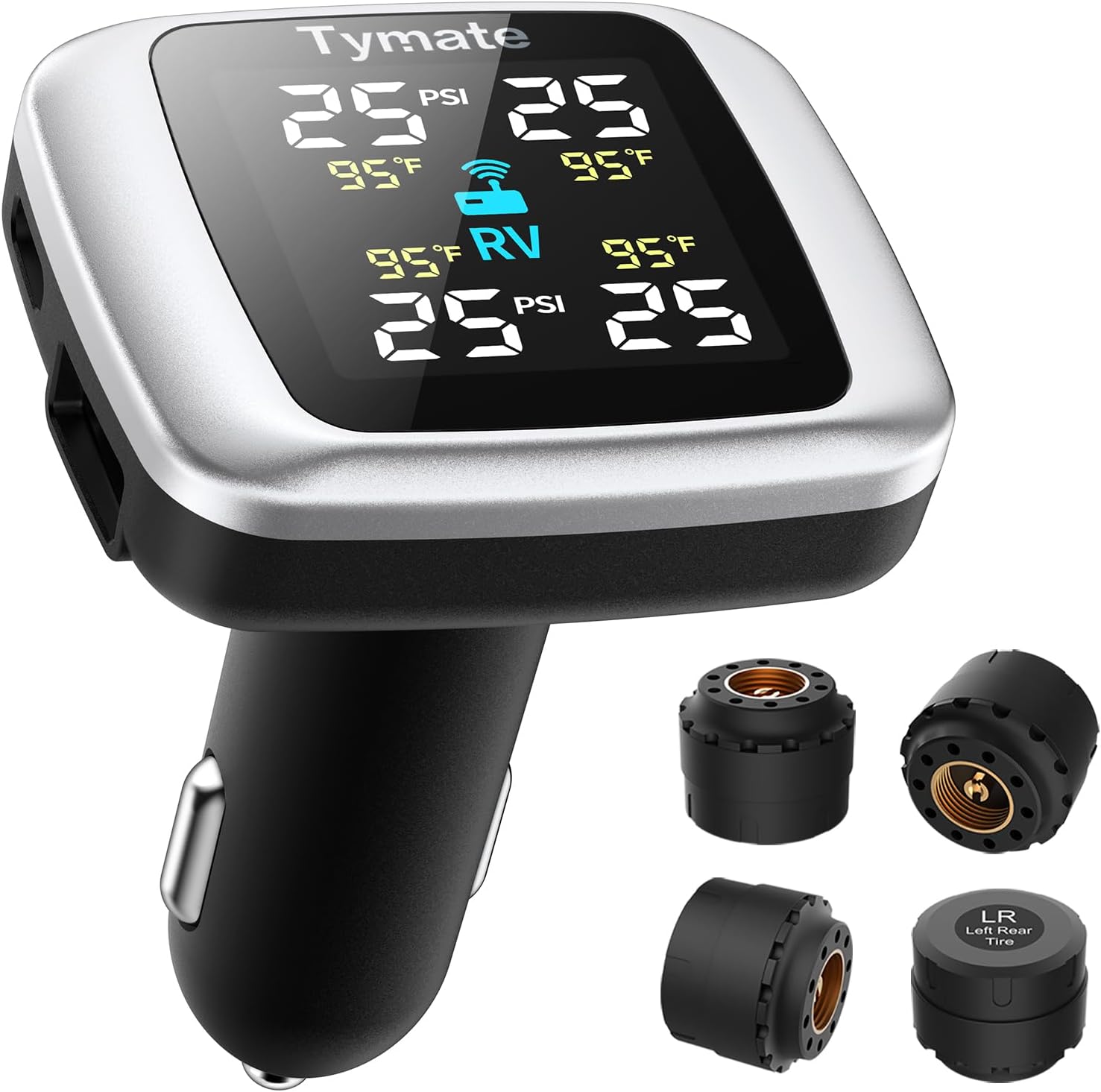
Tymate TM7 is a wireless tire pressure monitoring system that delivers real-time pressure and temperature readings for safer driving. It includes four external sensors, a bright color LCD display with adjustable backlight, and six alarm modes for high/low pressure, fast leakage, high temperature, and sensor signal or battery issues. The system covers a wide 0–144 PSI range and plugs into your vehicle’s cigarette lighter socket for quick DIY setup.
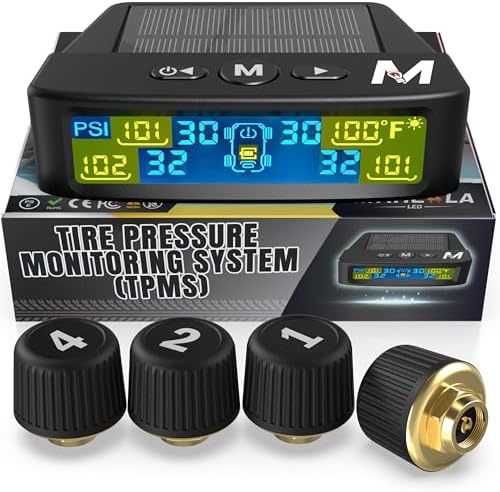
Marcala’s TPMS set of four sensors helps you monitor tire pressure and temperature in real time while driving, with updates every second. The bright color LCD uses auto-dimming for easy viewing, powered by dual solar and USB charging, and offers six alarm modes. Built for trailers, RVs, campers, trucks, and towing setups, the sensors support monitoring 1-4 wheels up to 98 PSI with IP67 waterproof protection.

Related Articles
Why Do EV Tires Wear Out Faster?
I reveal why EV tires wear out faster, from instant torque to extra weight, and show what’s secretly chewing through your tread.
Read More
How to Stop Tires From Rubbing: 10 Clearance Fixes
Baffled by tire rub? Discover 10 proven clearance fixes that can save your setup—and find out which one actually works best.
Read More
How to Reduce Road Noise From Tires: 8 Proven Fixes
Muffle tire drone with 8 proven fixes that reveal the easiest ways to quiet your ride—and one overlooked step may surprise you.
Read More