
How Tire Tread Patterns Work: The Science Behind Grip
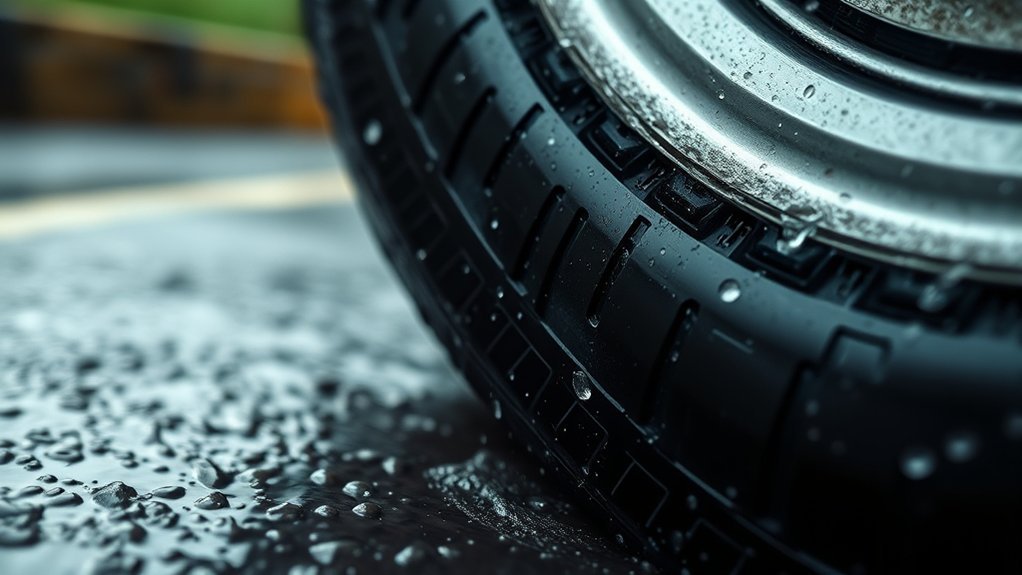
Tire tread patterns improve grip by shaping how your tire contacts the road and evacuates water, snow, and debris. Grooves and channels move water away from the contact patch, which helps prevent hydroplaning and preserves traction on wet pavement. Sipes add biting edges for snow and ice, while tread block size and layout tune braking, cornering, and acceleration. Tread depth also matters, because worn tread reduces grip fast, especially in rain, and there’s more to unpack.
Key Takeaways
- Tread grooves and blocks create contact edges that improve grip during acceleration, braking, and cornering.
- Channels and voids move water away from the contact patch, reducing hydroplaning on wet roads.
- Sipes add biting edges that boost traction on snow and ice, though they can soften dry-road response.
- Directional, asymmetrical, and symmetrical tread patterns balance wet traction, dry stability, and everyday comfort.
- Tread depth matters: deeper tread evacuates water better, while worn tread sharply reduces wet-road grip.
[Products Worth Considering]

Monitor tire tread wear with a smart, color-coded depth gauge that shows clear condition ranges at a glance. The bar is range marked for fast, easy readings, helping you maintain safer traction and performance. Each gauge is portable with a pocket clip, and the set includes 20 units for daily use and sharing.

Measure tire tread depth quickly and accurately with this LUMITECO dial gauge that reads in 1/32" increments up to 14/32". The color-coded green/yellow/red zones make it easy to judge tire wear and know when replacement is needed. A rugged, compact design with a protective pouch helps keep the gauge ready for use on cars, trucks, motorcycles, and more.

The SAFELIFE dial tire tread depth gauge measures tread depth in 1/32 inch increments with clear, easy-to-read 2-inch dial face. Color zones using a traffic light system help you quickly judge whether tread is low, marginal, or ample for safer driving. Built with a durable zinc cast body and a metal detect probe for precise, comfortable use across cars, motorcycles, trucks, and buses.
How Tire Tread Patterns Improve Grip
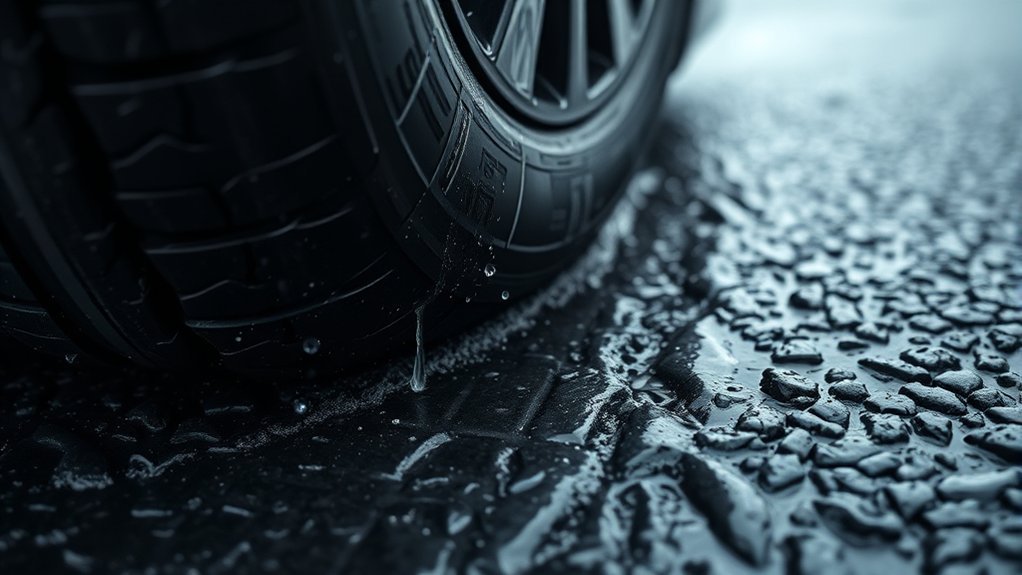
Tire tread patterns improve grip by using grooves, channels, and tread blocks to manage contact with the road surface and control water evacuation. You gain traction because tire tread patterns keep the contact patch stable, even when wet surfaces threaten adhesion.
Deeper tread depth helps the tire retain grip by preserving space for water evacuation, which lowers hydroplaning risk. Sipes add biting edges, so you get better traction on icy or snowy pavement.
Tread blocks also matter: their size and arrangement determine how consistently the tire maintains road contact during acceleration, braking, and cornering. Different tread designs, including asymmetrical and directional layouts, balance wet and dry performance by tuning how the tire responds to changing conditions.
When tread depth falls below 4/32, grip declines sharply, and hydroplaning becomes more likely. In practice, you should match tread designs to driving demands if you want predictable performance and maximum traction.
How Tire Tread Patterns Move Water Away
Beyond improving grip, tread patterns also manage water at the contact patch to keep the tire in firm road contact. You rely on tire tread patterns with grooves to move water out from beneath the tread, preserving grip on wet roads and limiting hydroplaning.
Circumferential grooves carry water around the tire, while lateral grooves guide it outward during braking and cornering. Engineers tune the void ratio to balance water evacuation against dry-road contact; more void space usually drains better, but it can reduce rubber-to-road area.
Deep grooves and sipes add biting edges, which help your tire displace surface water and maintain traction on slick pavement. Directional tread patterns, especially V-shaped grooves, cut through standing water efficiently and eject moisture away from the footprint.
When the pattern clears water fast enough, the tread blocks stay engaged with the road, so your tire keeps steadier, more predictable contact across the surface.
Why Tire Tread Patterns Handle Wet and Dry Roads Differently
Because wet and dry roads place different demands on the tread, tire patterns are shaped to manage water evacuation without sacrificing contact area.
You’ll see that tire tread patterns use grooves, blocks, and sipes to balance grip and traction across changing surfaces. On wet pavement, deeper channels and a higher void ratio move water out of the contact patch, cutting hydroplaning risk and improving bite. Directional, aggressive tread layouts push water forward and outward, so the tire keeps working in rain.
On dry roads, the same large voids can reduce rubber-to-road contact, so designers use an asymmetrical tread to keep the outer shoulder stiff for cornering stability while the inner side handles drainage.
Sipes add extra edges that help wet grip and braking, but they can also soften block response. You’re always trading evacuation efficiency against contact consistency, and that trade defines wet and dry performance.
[Products Worth Considering]

Accurately measure tire tread depth with a calibrated gauge marked from 0 to 1 inch in 1/32 inch increments. The color-coded bar helps you quickly identify tread condition ranges, supporting safe driving for trucks, motorcycles, automobiles, and passenger vehicles.

Measure tyre tread depth precisely with a digital gauge that reads in both MM and inches, helping you monitor safe driving conditions. The large LCD screen is easy to operate, and the compact tool fits for cars, trucks, and motorcycles. It provides high accuracy with a 0-25.4mm range and includes a 1-year warranty for added peace of mind.

Secure your parked vehicle quickly with AFA Tooling 4T rubber wheel chocks in a 4-pack for two dual-wheel sets. The ribbed design and textured base grip fast without pounding, so you can chock tires on trailers, RVs, ATVs, and work vehicles with confidence. EZ rustproof handles with rope ties keep the pair together for easy placement and removal, while nylon-reinforced rubber stands up to dirt, ice, salt, and harsh weather.
Which Tire Tread Pattern Fits Your Driving Conditions
Which tread pattern best fits your driving conditions? You should match tire tread patterns to your dominant surfaces and weather conditions.
- Symmetrical tread suits everyday commuting. Its uniform blocks keep rolling resistance low, reduce noise, and deliver predictable grip on dry, wet pavement.
- Asymmetrical tread patterns work best when you face changing weather conditions. Their inner channels improve wet traction, while outer shoulders preserve dry stability, giving you an ideal balance.
- Directional tread patterns are perfect if you drive through heavy rain or snow. Their V-shaped grooves move water away quickly, cutting hydroplaning risk and improving traction in winter-like conditions.
- Winter or off-road designs fit specialized use. Winter tires add deep grooves and sipes for ice and packed snow, while off-road tires use large blocks and voids to maximize traction on soft terrain.
Choose the pattern that matches your environment, then prioritize the grip you need most.
How Tread Depth and Wear Affect Performance
Tread depth has a direct effect on traction, especially in wet conditions, so you need to monitor wear as closely as you monitor inflation. New passenger tires often begin at 10/32 or 11/32 inch, but your tire tread depth shouldn’t approach the 2/32-inch legal minimum before replacement.
Once depth drops below 4/32 inch, hydroplaning resistance falls sharply, and you’ll lose the margin that helps maintain grip on standing water. You should also watch for uneven tire wear, because it often points to misalignment and adds load to steering and suspension parts, accelerating tread wear.
A well-designed tread pattern wears evenly, which helps preserve consistent tread patterns, traction, and peak performance across the tire’s life. For safety, replace tires before they reach the legal limit; that timing gives you better braking response, more stable cornering, and stronger wet-road control.
Frequently Asked Questions
How Are Tire Tread Patterns Designed and Tested for Performance?
You design tread patterns using tread design principles, tread pattern simulations, and tread pattern optimization, then verify them through performance testing methods, wet traction analysis, tread wear patterns, tire safety standards, all terrain capabilities, racing tire innovations, and environmental impact considerations.
What Materials Affect Tread Flexibility and Road Contact?
You’ll see tread compounds and rubber blend control flexibility; silica content, carbon black, and manufacturing processes tune tread stiffness, temperature resistance, wear characteristics, moisture absorption, and tread durability, helping your tire maintain road contact.
Do Tread Patterns Influence Tire Noise and Ride Comfort?
Yes, you’ll notice tread patterns affect tread noise and ride quality; tread shape, tread depth, tire composition, and acoustic design alter sound frequency, road texture interaction, vibration dampening, and your comfort levels.
Can Tread Design Affect Fuel Efficiency?
Yes, you can improve fuel efficiency through tread design: lower rolling resistance, optimized tread depth, and tread optimization reduce energy loss. Eco friendly tires balance tread wear, wet traction, highway performance, all season capabilities, performance tires, and tread innovation.
How Do Temperature Changes Impact Tread Grip?
Temperature changes alter your tread’s grip through rubber compounds and surface interaction. In cold performance, you’ll see grip variations; hot conditions can soften blocks. Seasonal adaptations and environmental factors shift performance metrics, balancing wear resistance.
Conclusion
You can see tread as a study in contrasts: deep grooves disperse water, yet solid blocks maximize dry contact; flexible edges bite into slick pavement, yet rigid ribs stabilize the tire at speed. As your tread wears, those sharp distinctions fade, and grip declines in both rain and heat. So you don’t just choose a pattern for style—you match it to your roads, then monitor depth closely to keep performance predictable and safe.
[Products Worth Considering]

The Continental Grand Prix 5000 is an allround road bike tire engineered for faster rolling, improved ride comfort, and enhanced puncture protection. It features a Vectran Breaker cut-protection layer, Lazer Grip micro-profile tread for confident cornering control, and Active Comfort Technology to damp vibration for smoother rides. BlackChili compound optimizes grip and speed for everyday performance and long-lasting confidence.

Add style while helping protect your tire valve stems with handmade crystal rhinestone caps and a durable plastic insert. These caps resist corrosion and help keep out rain, snow, and muddy water, extending tire life. Textured non-slip design makes them easy to grip for quick install and removal when checking tire pressure.
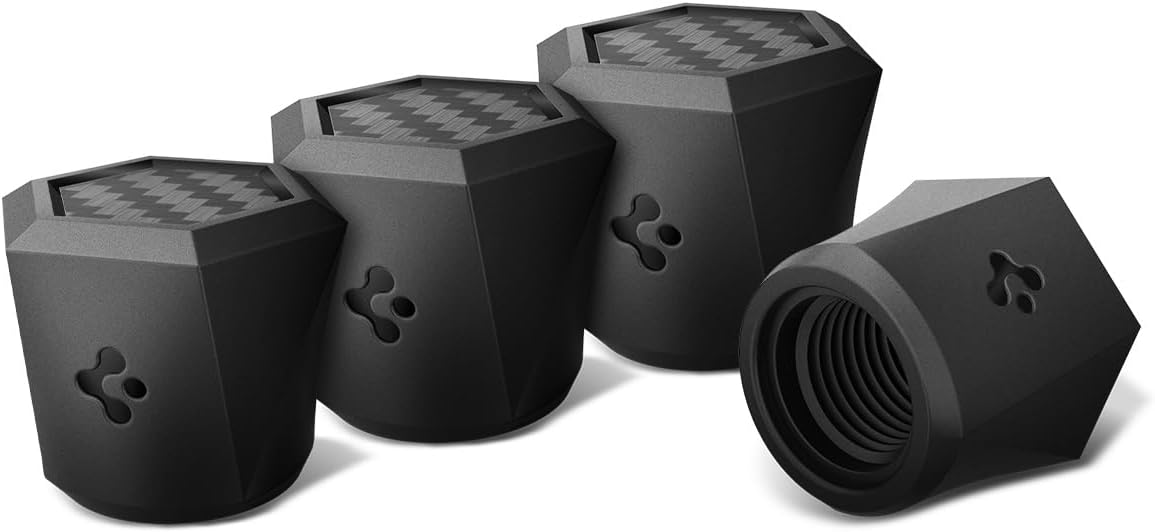
Spigen magnetic tire valve caps attach securely to metal surfaces so you never have to search for lost caps. Designed for Schrader valve stems, they install quickly, help protect against air leakage and corrosion, and feature a light magnet that won’t interfere with TPMS signals.

Related Articles
Racing Tire Technology: How They’re Built for Speed
Ultimate racing tire technology blends grip, heat, and precision in ways that can shave seconds—discover what really makes them so fast.
Read More
Changing Wheel Size: What a Bigger Rim Does to Your Car
Wider rims can sharpen handling and change your car’s feel, but the hidden tradeoffs may surprise you—discover what really happens next.
Read More
How Oversized Tires Affect Your Transmission
Oversized tires strain your transmission more than you think, but the real damage they cause may surprise you.
Read More