
Driving on Winter Tires in Summer: Why You Shouldn’t

You shouldn’t drive on winter tires in summer because warm pavement makes their soft rubber wear much faster, reduces grip, and lengthens braking distances. Once daily temperatures stay above 7 °C, their snow-focused tread flexes too much, so steering feels less precise and handling becomes less stable. They also increase rolling resistance, which can raise fuel use. If you need safer warm-weather performance, the next section explains the best timing and tire choices.
Key Takeaways
- Winter tires wear much faster in warm weather because their soft rubber breaks down on hot pavement.
- They reduce handling and grip, making steering less responsive and the car less stable.
- Braking distances can increase significantly, raising the risk of accidents.
- Winter tires create higher rolling resistance, which can increase fuel consumption.
- Switch to summer or all-season tires when temperatures stay above 7 °C for safer, longer-lasting performance.
[Products Worth Considering]

The ETENWOLF T600 digital tire pressure gauge delivers precise, manually calibrated readings to ANSI B40.7 Grade 2A standards with ±0.5% PSI accuracy. Its 360° rotating nozzle and display hold make it easy to check pressures from any angle, while a bleed button helps dial tires to the perfect level. With a 0–250 PSI range and support for PSI, BAR, and KPA, it’s a convenient tool for maintaining tire performance across many vehicles and seasons.

ETENWOLF’s tire pressure gauge helps you quickly and accurately check tire PSI across cars, trucks, motorcycles, bikes, and more. It’s manually calibrated to ANSI B40.1 Grade A for reliable readings, includes a large glow dial for easy nighttime viewing, and features a 360-degree swivel chuck for use at any valve angle. The gauge also works consistently in extreme hot or cold weather.

ETENWOLF’s calibrated tire pressure gauge delivers accurate readings for cars, trucks, motorcycles, bikes, SUVs, RVs, and ATVs across a 0–75 PSI range. The large glow dial improves visibility in low light, while the 360° swivel chuck makes it easy to check valve pressure from any angle. It’s designed to stay accurate even in extreme hot or cold weather.
Should You Use Winter Tires in Summer?

No, you shouldn’t use winter tires in summer. Winter tires are engineered for traction in winter, not for sustained use in warmer temperatures.
When daily averages stay above 7 °C, you should switch to summer tires or suitable all-season tires to preserve safety and performance. On hot pavement, the softer rubber in winter tires degrades faster, so tread wear can increase dramatically, and you may see reduced handling capabilities, longer braking distances, and less responsive steering.
Their tread patterns also grip dry roads less effectively, which raises the risk of skidding during emergency maneuvers. You’ll also notice higher rolling resistance, which can increase fuel consumption and send you to the gas station more often.
For dependable control, use tires matched to the season. That choice protects your vehicle, supports stable braking, and helps you maintain consistent safety throughout summer driving conditions.
Why Winter Tires Wear Faster in Heat
You’ll find that winter tires use a softer rubber compound, and that compound breaks down more quickly as temperatures rise.
Hot pavement increases tread abrasion and can accelerate wear far beyond what you’d see in cold conditions.
As a result, you can expect shorter tire life, uneven wear, and earlier replacement if you keep them on in summer.
Soft Compound Breaks Down
Winter tires wear much faster in summer because their softer rubber compound is designed to stay flexible in cold weather, not withstand heat.
When you run winter tires in warm temperatures, that soft rubber starts to break down, and the tread can wear at an accelerated rate. The compound becomes overly pliable, so you lose some traction and handling precision, especially when you need stable response during sudden maneuvers.
You may also notice reduced fuel efficiency because the tires create more rolling resistance in heat.
Over time, that extra wear shortens service life considerably, sometimes by as much as 60%. If you keep using them, you’ll likely replace them early and return to colder seasons with less tread depth and weaker grip.
Hot Pavement Increases Wear
When winter tires are run on hot pavement, their soft rubber compound and aggressive tread pattern wear down much faster than they do in cold conditions.
You’ll notice faster tread loss as warmer weather raises friction, so the tires wear out faster and lose grip sooner. Their blocky design also increases rolling resistance on dry roads, which adds heat and stress.
- Above 7 °C, expect accelerated degradation.
- Hot surfaces can create uneven wear.
- A shorter lifespan often follows.
If you keep using winter tires in summer, you risk cutting service life by up to 60%.
For safer handling and better durability, switch to summer or all-season tires before sustained heat returns.
How Winter Tires Affect Summer Grip
Although winter tires are built for cold-weather traction, their softer rubber compound loses firmness in warm conditions, which reduces grip and makes the tire feel overly flexible on dry pavement.
You’ll notice that, unlike summer tires, they don’t maintain crisp contact as temperatures climb. Their tread patterns, which help on snow and ice, can also raise rolling resistance on dry roads, so the tire works harder to keep pace and can feel less stable.
In warm weather, that softer compound accelerates tread wear, shortening usable life well beyond what you’d expect in winter use.
You may also experience slower steering response and longer braking distances, especially when you need precise control. That combination weakens traction during lane changes, cornering, and sudden stops.
Noise and ride harshness can add to the problem, but the core issue is grip: winter tires simply aren’t engineered to deliver reliable summer performance.
Why Braking Distance Gets Longer
When you brake on warm pavement with winter tires, the softer tread compound can become too pliable, so your inputs don’t translate into crisp stopping force.
Their snow-oriented tread also reduces road contact, which lowers traction and extends stopping distance as temperatures rise.
In some tests, that loss in heat-affected grip has increased braking distance by as much as 30% compared with summer tires.
Softer Tread Response
Winter tires use a softer rubber compound that stays pliable in cold conditions, but in warm weather it becomes too flexible and reduces braking responsiveness.
In warmer conditions, that softer rubber deforms more under load, so you’ll feel less immediate bite when you press the brake. As tread depth drops faster, braking distances can grow, especially on dry roads where the aggressive tread can’t contact the surface evenly.
That mismatch also affects handling, making the vehicle feel vague during quick stops or lane changes.
- Softer tread delays force transfer to the road.
- Faster wear shortens tread depth and weakens grip.
- Unstable handling raises stopping risk in everyday driving.
Heat-Reduced Stopping Power
That softer tread doesn’t just dull steering feel; it also lengthens stopping distances in warm weather.
When you run winter tires above about 7 °C, the rubber becomes overly pliable, and you lose the crisp braking performance you expect on dry pavement. Their snow-and-ice tread can’t bite as effectively, so traction drops and your control fades.
Added rolling resistance further slows deceleration, which can push stopping distances up by as much as 30% versus summer tires. In an emergency stop, that extra distance matters.
You may also feel the tires squirm or skid as ABS works harder to compensate. For your safety, treat winter tires as cold-weather equipment only, and switch to summer or all-season tires once temperatures stay consistently warm.
How Winter Tires Increase Fuel Use
Even in warm weather, winter tires increase fuel use because their softer rubber compounds and deeper tread patterns create higher rolling resistance than summer or all-season tires.
You’ll notice the engine working harder on dry roads, and that extra effort raises fuel consumption during summer driving. Their aggressive tread patterns also flex and squirm more at speed, adding drag and wasting energy.
The heat further softens the rubber compounds, so the tire deforms more and can’t roll as efficiently. In practice, studies show fuel efficiency can drop by up to 10%, which means you’ll refuel more often and spend more over time.
- Higher rolling resistance directly converts more fuel into heat, not motion.
- Winter tires on dry roads create unnecessary drag and reduce efficiency.
- Increased fuel consumption can make winter tires an economically unwise choice in summer.
[Products Worth Considering]
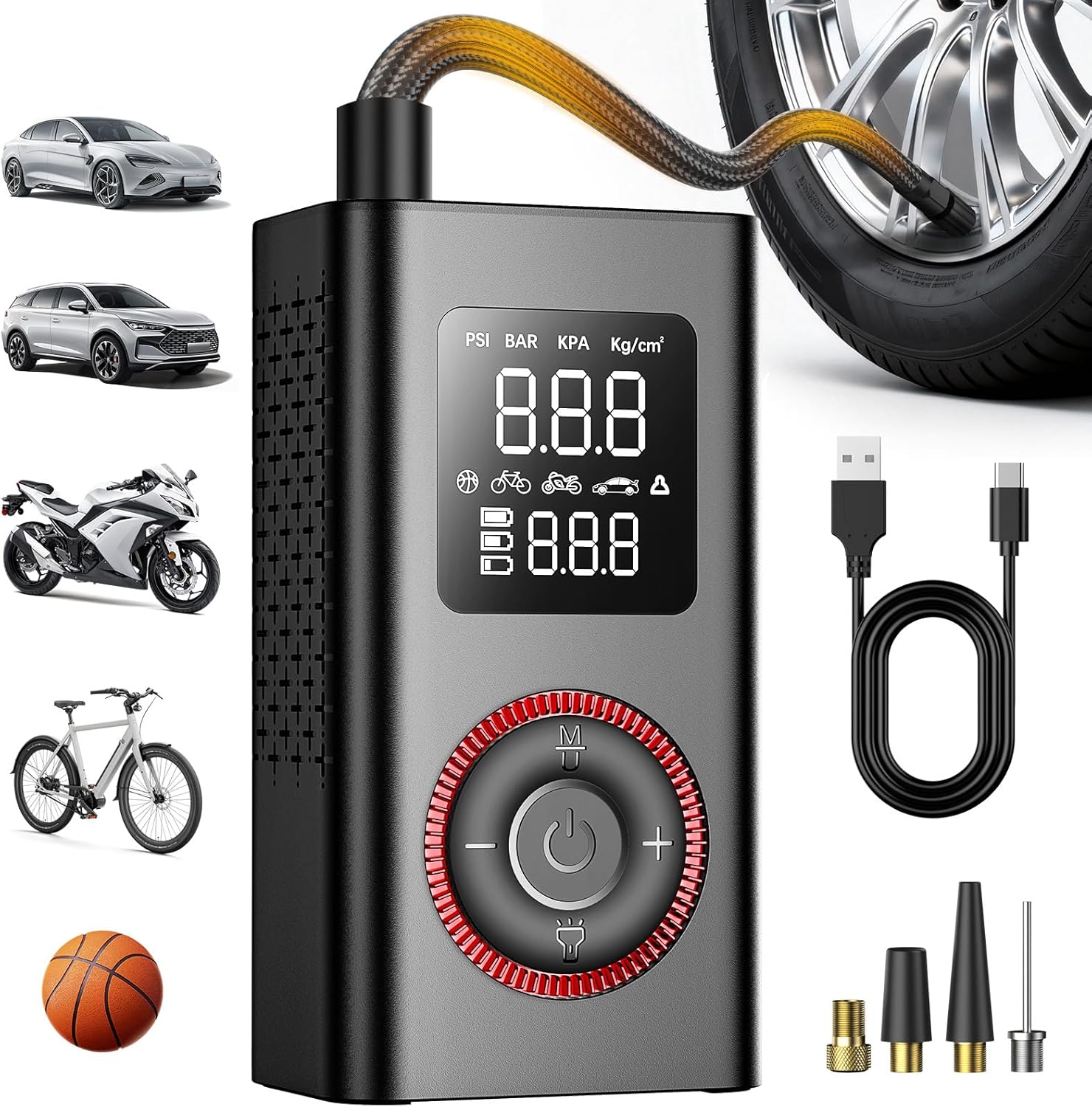
This portable tire inflator delivers fast, efficient inflation with a maximum 150 PSI rating and accurate pressure control for cars, motorcycles, bikes, and more. It features preset modes with automatic shutoff to help prevent overinflation, plus a real-time digital gauge and bright LED light for roadside use. Powered by a rechargeable 6000mAh battery with Type-C charging and a USB output, it’s also useful as an emergency power source for devices.
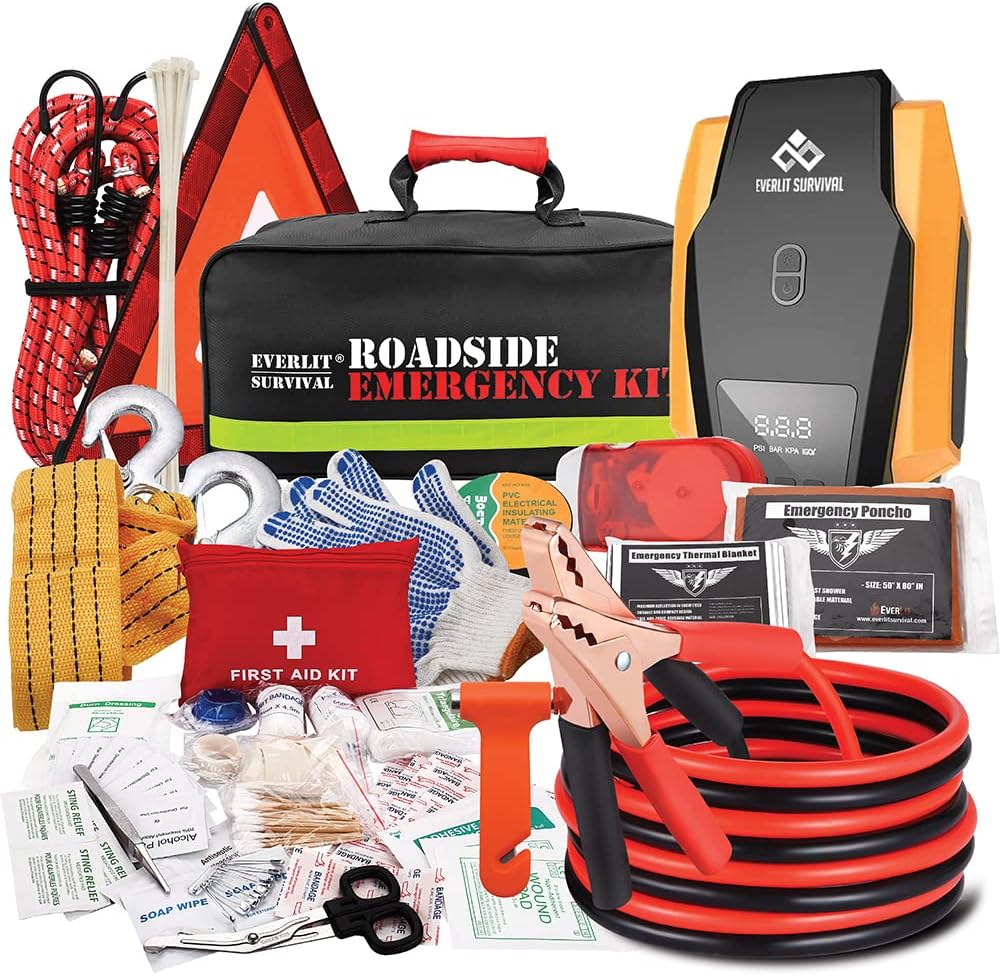
The Everlit Road Guardian emergency kit is designed for roadside breakdowns, combining essential safety gear and roadside tools in one compact bag. It includes a digital 12V auto tire inflator with preset and auto shutoff, plus 12-foot 8-gauge jumper cables to get you moving again. You also get a full 108-piece first aid kit, reflective warning tools, safety gloves, and emergency convenience items for safer travel.

Gently exfoliate and lift away dead skin with jojoba beads while hyaluronic acid and caffeine help moisturize and revive tired-looking skin. This fragrance-free scrub is designed for normal to dry skin types and supports a healthy skin barrier for a refreshed, smoother feel.
What Summer Tire Alternatives Work Best?
What alternatives work best depends on how and where you drive: summer tires are the strongest choice for consistently warm, dry conditions because their firmer compounds deliver better grip, steering response, and braking, while all-season tires offer a more practical middle ground if you need usable performance across mild winters and summer heat.
If you want sharper control, performance summer tires add even more precise handling and high-speed stability, but they’re still optimized for warm weather only. If fuel efficiency matters, eco-friendly tires can reduce rolling resistance without sacrificing basic summer safety.
You should match the tire to your driving needs, not just the season. Use summer tires when you want better traction and maximum warm-weather confidence; choose all-season tires when you need flexibility.
Remember that specialized compounds can also make tires wear out faster, so compare longevity, comfort, and cost before you buy. A tire shop can help you narrow the options.
When to Switch From Winter Tires
The best tire choice only matters if you switch at the right time, and winter tires should come off once temperatures stay consistently above 7 °C (45 °F).
Winter tires should come off once temperatures stay consistently above 7 °C (45 °F).
When temperatures rise, the softer rubber in winter tires loses its advantage and starts wearing faster, so you should move to summer tires or all-season tires for peak performance.
If you keep winter tires on in warm weather, you can cut their lifespan by up to 60% through accelerated tread wear.
You’ll also increase rolling resistance, which raises fuel consumption and reduces efficiency.
More importantly, you may notice weaker handling and stability, longer stopping distances, and slower emergency response.
- Check average daily temperatures, not one warm afternoon.
- Switch before sustained warmth accelerates tread wear.
- Inspect tire condition regularly; worn winter tires can lose grip quickly.
How to Store Winter Tires Properly
Once you’ve removed your winter tires, store them in a cool, dry place away from direct sunlight so the rubber compounds don’t degrade.
Before you store them, clean and dry each tire thoroughly. Moisture trapped on the tread or sidewall can promote mold, corrosion, and premature wear.
Use tire storage bags or covers to protect them from dust and UV exposure, especially if you’ll keep them in a garage or basement.
If the winter tires are mounted on rims, stack them vertically; if they’re off rims, lay them flat to prevent distortion and damage.
Avoid placing heavy objects on top of them.
During storage, inspect the tires periodically for cracking, bulges, or abnormal wear. Early detection lets you address issues before the next season.
Proper storage preserves performance, extends service life, and helps guarantee your winter tires remain safe and ready when temperatures drop again.
Frequently Asked Questions
What Is the 7 7 Rule for Winter Tires?
The 7-7 rule means you should use winter tires only when temperatures stay below 7°C; above that, you’ll see tire performance drop, tread wear rise, handling issues, safety concerns, fuel efficiency fall, and legal regulations vary.
What Is the 3 Tire Rule?
The 3 tire rule means you should keep at least three matching tires; mismatched rubber vs. matched set affects tire performance, tread wear, safety concerns, handling issues, temperature impact, road conditions, and cost implications.
Can I Drive With 2 Winter Tires and 2 Summer Tires?
No, you shouldn’t drive with 2 winter tires and 2 summer tires; you’ll get poor tire performance, safety concerns, handling issues, traction loss, uneven tread wear, possible legal implications, and worse cost effectiveness overall.
What Temperature Is Too Hot for Winter Tires?
Above 7°C, winter tires start to act like melting ice—your tire performance drops, heat degradation accelerates, tread wear rises, handling issues grow, safety risks increase, fuel efficiency falls, and driving comfort suffers.
Conclusion
In summer, winter tires are like snow boots on a dry trail: they can get you moving, but they wear quickly, grip less securely, and make every stop longer than it should be. You’ll also burn more fuel as the softer compound works against the heat. For safer, more efficient driving, switch to tires designed for warm roads as soon as temperatures stay consistently above freezing. Store your winter set properly, and they’ll serve you better next season.
[Products Worth Considering]
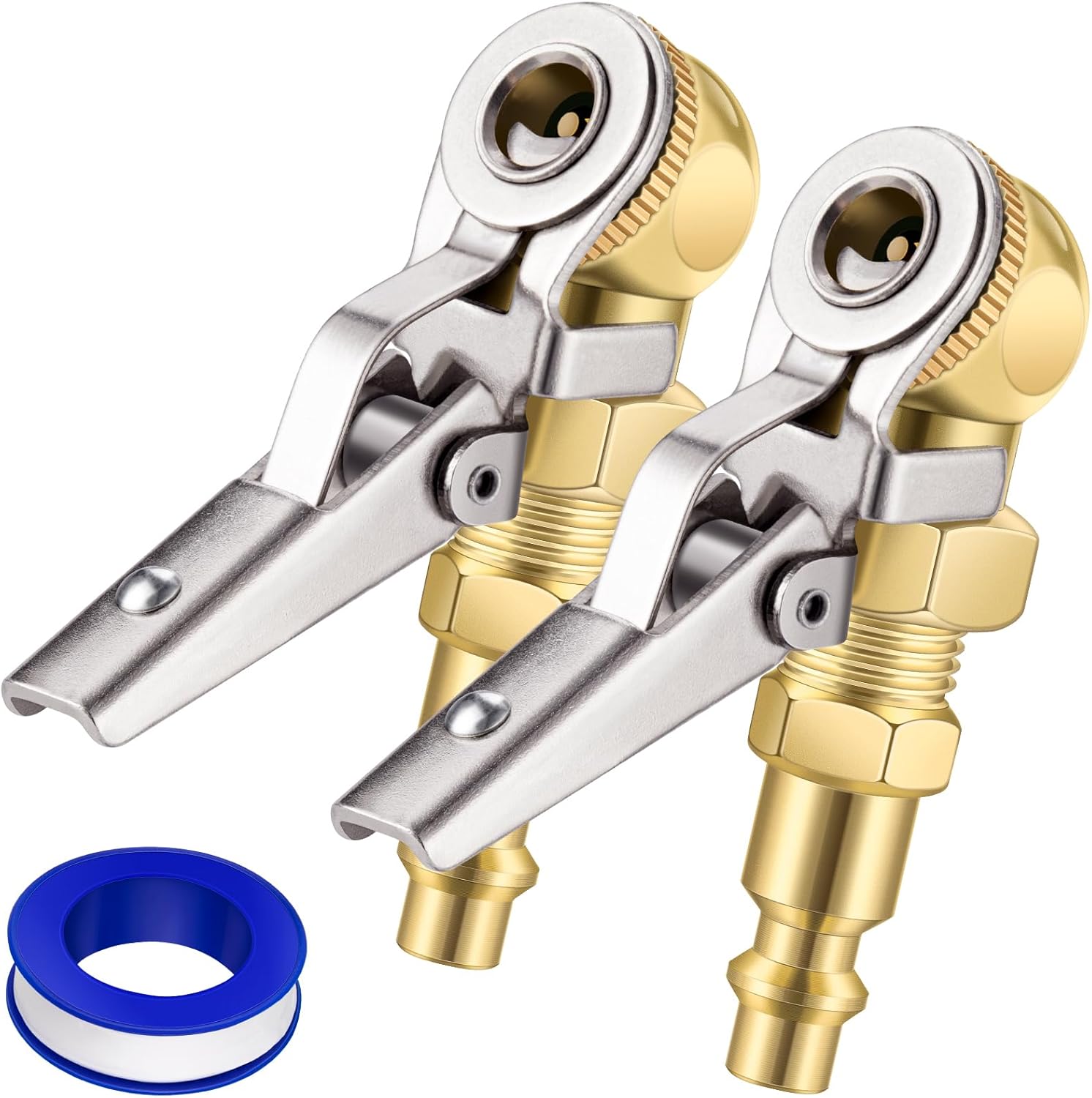
EVOULTES 2-pack closed ball tire chucks lock onto Schrader valves to help you inflate tires hands-free. The set includes both chucks with quick plug compatibility and a 2-way connection approach for easy setup to your air line or compressor. Durable metal construction supports reliable use for cars, trucks, RVs, bikes, and other Schrader-valve tires up to 250 PSI.

This EVOULTES 2-way air chuck set includes a dual head closed flow air chuck and a ball head chuck for versatile tire inflation. It connects easily to air lines, inflator gauges, and compressors using 1/4" NPT threads and includes two 1/4" male quick plugs for fast coupling. Built with durable metal construction and sealed threads using Teflon tape to help prevent air leaks, it’s ideal for inflating Schrader valve tires across cars, bikes, and motorcycles.

This manual duck head tire changer kit makes tire installation and removal simpler by letting you embed the duck head into the tire with applied pressure. The integrated design and durable steel construction help reduce friction and improve efficiency and safety during use. Suitable for 16–21 inch wheels, it’s convenient for cars, trucks, SUVs, and ATV tires, with 24-hour after-sales support.

Related Articles
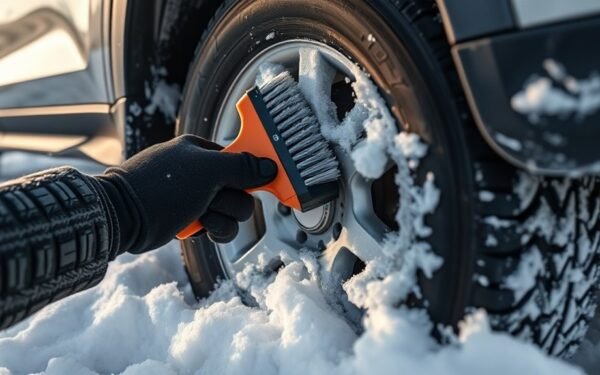
How to De-Ice Tires: Safe Winter Removal Guide
De-ice tires safely with simple winter removal tricks, and discover the one step that can get you moving again.
Read More
Alloy vs Steel Wheels for Winter: Which Is Better?
Keen to know whether alloy or steel wheels survive winter better, and which choice could save you trouble when the roads get rough?
Read More
Tire Traction in Rain, Snow, and Heat: What Changes
When rain, snow, or heat hits, tire traction changes fast—learn what affects grip, stopping, and safety before the road decides for you.
Read More