
How Long Do All-Season Tires Last? Mileage and Age
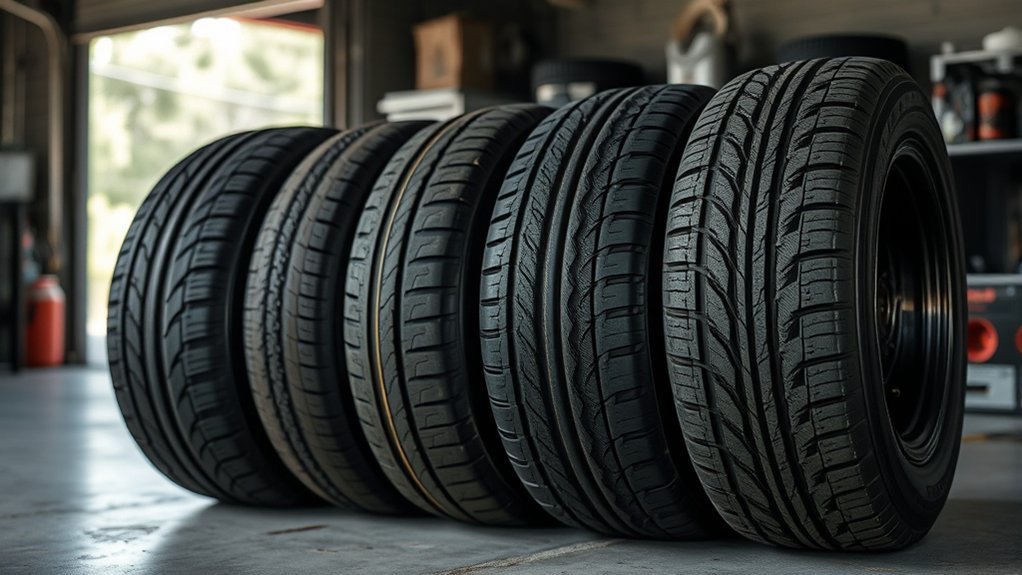
All-season tires usually last about 50,000 to 70,000 miles, though some can reach 80,000 with proper care. Your driving style, road conditions, inflation, rotation, and alignment all affect tire life. Even if tread remains, you should replace them after 6 to 10 years because rubber ages and loses reliability. Check for wear bars, cracking, bulges, or uneven wear, and you’ll know when replacement is due—and what to watch for next.
Key Takeaways
- All-season tires typically last 50,000 to 70,000 miles, though some can reach 80,000 miles with proper care.
- Tire lifespan depends on driving habits, maintenance, road conditions, and climate.
- Aggressive driving, underinflation, poor alignment, and rough roads can shorten tire life significantly.
- Replace tires when tread depth falls below 2/32 inch or the penny test shows the tread is too worn.
- Even with good tread, all-season tires should usually be replaced after 6 to 10 years due to aging rubber.
[Products Worth Considering]

Monitor tire tread wear with a smart, color-coded depth gauge that shows clear condition ranges at a glance. The bar is range marked for fast, easy readings, helping you maintain safer traction and performance. Each gauge is portable with a pocket clip, and the set includes 20 units for daily use and sharing.

Measure tire tread depth quickly and accurately with this LUMITECO dial gauge that reads in 1/32" increments up to 14/32". The color-coded green/yellow/red zones make it easy to judge tire wear and know when replacement is needed. A rugged, compact design with a protective pouch helps keep the gauge ready for use on cars, trucks, motorcycles, and more.

Accurately measure tire tread depth with a calibrated gauge marked from 0 to 1 inch in 1/32 inch increments. The color-coded bar helps you quickly identify tread condition ranges, supporting safe driving for trucks, motorcycles, automobiles, and passenger vehicles.
How Long Do All-Season Tires Last?
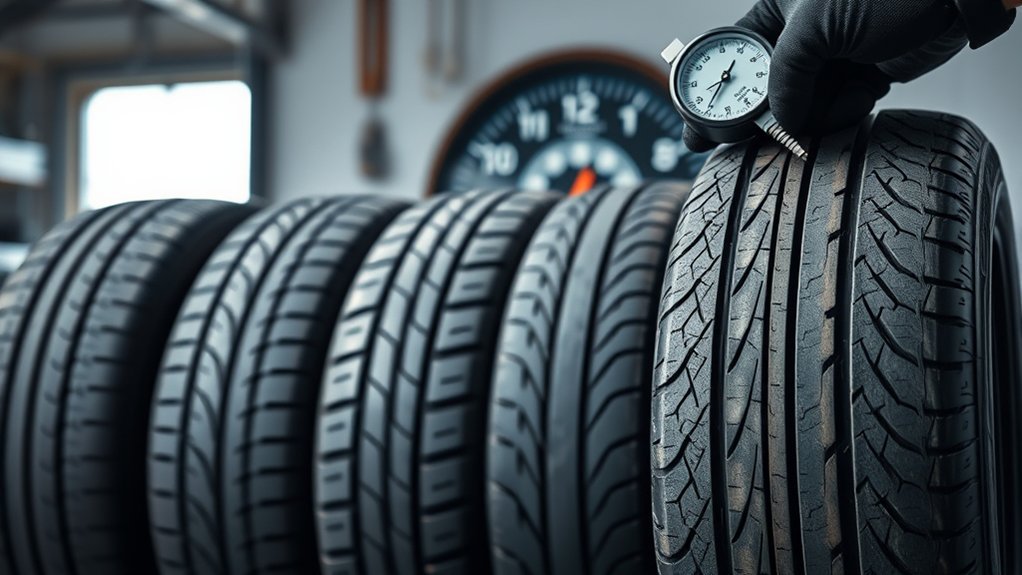
All-season tires typically last between 50,000 and 70,000 miles when you maintain them properly and drive conservatively. Your Tires’ actual lifespan depends on proper maintenance, driving habits, and the driving conditions you face.
If you keep inflation correct, rotate them at the recommended interval, and inspect them regularly, you can preserve tread wear and extend mileage. Rough roads, heavy loads, and aggressive cornering shorten service life, while moderate use keeps degradation lower.
Age matters too. Even with acceptable tread depth, you should plan replacement after about 6 to 10 years because UV exposure, heat cycles, and rubber aging reduce performance.
In practice, many all-season tires reach an average lifespan of 5 to 7 years before they lose reliability. Check them for cracking, hardening, or uneven wear, and replace them promptly if you see damage.
Proper maintenance doesn’t eliminate aging, but it does help you get the most safe, usable life from your tires.
How Many Miles Do All-Season Tires Last?
You can expect most all-season tires to last about 50,000 to 80,000 miles, with actual mileage shaped by your driving habits and maintenance.
Harsh road conditions, frequent temperature swings, low inflation, and skipped rotations can cut that range down.
You should replace the tires when tread depth drops below 2/32 of an inch or when age and wear start to compromise safety.
Typical Mileage Range
Most all-season tires last between 50,000 and 80,000 miles, though actual mileage can vary widely based on driving habits and road conditions. That typical mileage range defines your tire lifespan, but you should still monitor tread depth and follow manufacturer recommendations.
If you maintain proper inflation and rotate your all-season tires on schedule, you can usually extend usable mileage. Your driving style also matters; aggressive acceleration and hard braking can shorten service life.
Even when tread looks acceptable, rubber degradation means you may need replacing tires after 6 to 10 years. Temperature swings and poor road quality can further reduce durability.
For the most accurate estimate, compare wear rate with the tire maker’s guidelines and inspect tires regularly.
Factors That Reduce Mileage
Even when all-season tires fall within the typical 50,000 to 80,000-mile range, several factors can shorten their service life. Your driving conditions directly affect tire wear and mileage, and aggressive driving can cut lifespan by up to 30%. High-speed travel and stop-and-go traffic raise heat and scrub tread depth faster, reducing performance.
Environmental conditions also matter:
- Rough road surfaces increase tread abrasion.
- Extreme temperatures harden rubber and speed wear.
- Poor alignment or underinflation undermines mileage.
Regular tire maintenance helps you preserve performance. Check pressure often, rotate tires on schedule, and inspect tread depth so you catch uneven wear early.
With consistent maintenance practices, you can extend lifespan and get more miles from each set of all-season tires.
When to Replace Tires
All-season tires typically last about 50,000 to 70,000 miles with proper maintenance, but mileage alone doesn’t determine replacement timing.
You should replace tires when tread depth drops below 2/32 inch, because tire wear then compromises driving safety and wet traction. Check tire condition regularly with the penny test; if Lincoln’s head shows, your all-season tires are worn out.
Even if mileage looks acceptable, age matters: replace tires after 6 to 10 years due to rubber degradation and loss of structural integrity.
Aggressive driving, poor maintenance, and harsh roads can shorten service life, so inspect tires often.
If you notice uneven tire wear, cracking, bulges, or vibration, don’t wait for the odometer—replace tires promptly to maintain performance and safety.
What Shortens All-Season Tire Life?
Your driving habits can cut all-season tire life fast, especially if you accelerate hard or brake abruptly, because that increases heat and friction.
Poor maintenance, such as skipping pressure checks or alignment corrections, can reduce tread life just as quickly, and rough roads add more wear with every mile.
Extreme temperatures, UV exposure, humidity, and running past the tire’s rated mileage also raise the risk of early degradation and failure.
Driving Habits
Aggressive driving habits can cut all-season tire life well before the tread should naturally wear out. Hard acceleration, abrupt braking, and fast cornering increase tire wear, reduce tread depth, and can shorten tire life by up to 30%.
High-speed driving adds heat, which degrades all-season tires faster and affects performance and safety. Stop-and-go traffic and sharp turns also create uneven wear patterns, so your driving habits matter as much as mileage.
- Accelerate smoothly to limit tread scrub.
- Brake early to reduce heat and stress.
- Check maintenance and inspect tread depth often.
If you skip maintenance like pressure checks and rotations, you can lose up to 50% of expected life.
Watch for visible damage and replace tires when wear appears, even if mileage looks low.
Road And Maintenance Conditions
Rough roads, poor upkeep, and harsh environmental exposure can shorten all-season tire life well before the tread reaches its expected limit of 50,000 to 70,000 miles.
You’ll see faster tire wear on rough or unpaved driving conditions because impacts and abrasion erode tread depth and sidewalls.
If you skip maintenance, especially tire rotations and pressure checks, you can cut lifespan by as much as 50%.
Aggressive driving, including rapid acceleration and hard braking, can reduce tire life by up to 30%.
Environmental factors such as extreme heat, cold, and UV light also degrade rubber, even when tread looks serviceable.
To avoid premature replacement, inspect your all-season tires regularly, keep inflation correct, rotate them on schedule, and adjust your driving to the surface and climate.
Do All-Season Tires Age Out Before They Wear Out?
Yes—although all-season tires often deliver 50,000 to 70,000 miles of service, they can age out before the tread is fully worn. Under normal driving conditions, tire wear may look acceptable, but age still degrades rubber, so tread depth alone doesn’t guarantee safety.
Most manufacturers recommend replacement every 6 to 10 years, and tires over 10 years old should be replaced regardless of tread grooves. Check the DOT code to confirm the manufacturing date, because all-season tires can deteriorate even when parked.
- Cracking can appear in the rubber as age advances.
- Sidewall bulges may indicate internal structural damage.
- Inspections help you replace your tires before failure risk rises.
You should monitor mileage, storage, and maintenance, but don’t rely on appearance alone. If the DOT date shows the tire is nearing a decade old, plan replacement now.
Aging often outpaces tire wear in low-mileage use.
Signs Your All-Season Tires Need Replacing
If your all-season tires are worn down to 2/32 inches of tread, show cracks, bulges, or blisters on the sidewall, or start causing vibrations or pulling while driving, it’s time to replace them. Those signs point to tire wear that’s past the safe limit and can compromise driving safety immediately.
Low tread depth reduces grip and water evacuation, while visible tire damage often means structural issues inside the casing. Uneven wear patterns can also indicate alignment, inflation, or suspension problems, and they usually get worse if you keep driving.
Don’t ignore tire age, either: even if tread remains, rubber degrades after about 6-10 years and loses reliability. Check tread wear indicators during regular inspections; when they’re flush with the tread surface, the tire has reached its legal minimum.
If you notice any of these signs, replace the tires promptly to preserve traction, handling, and overall safety on the road.
[Products Worth Considering]

Measure tyre tread depth precisely with a digital gauge that reads in both MM and inches, helping you monitor safe driving conditions. The large LCD screen is easy to operate, and the compact tool fits for cars, trucks, and motorcycles. It provides high accuracy with a 0-25.4mm range and includes a 1-year warranty for added peace of mind.

The SAFELIFE dial tire tread depth gauge measures tread depth in 1/32 inch increments with clear, easy-to-read 2-inch dial face. Color zones using a traffic light system help you quickly judge whether tread is low, marginal, or ample for safer driving. Built with a durable zinc cast body and a metal detect probe for precise, comfortable use across cars, motorcycles, trucks, and buses.

Milton S-921 pencil tire pressure gauge helps you maintain optimal tire pressure for passenger cars with accurate readings in PSI and kPa. It features a built-in deflator valve for convenient pressure adjustments, plus a single chuck head and nylon indicator bar for easy use on the go. Built from durable plated brass and designed for reliable performance, it’s a practical road trip and cold-weather maintenance tool.
How to Check Tread Depth at Home
You can check all-season tire tread depth at home with a simple penny test: insert a penny into the groove with Lincoln’s head facing down, and if you can see all of his head, the tread is too worn.
Use this to check tread depth across each tire, not just one spot, because tread remains can vary.
Check tread depth across each tire, not just one spot, since tread wear can vary.
- Place a quarter in the groove; if Washington’s head is fully visible, you should replace the tire.
- Look for tread wear indicators, the raised bars that show the minimum tread depth of 2/32 inch.
- Inspect the full contact patch for uneven wear patterns that may reduce tire life.
If you drive in snow, target at least 5/32 inch for adequate traction.
Measure several grooves, inner to outer, and compare results.
Any section that exposes the indicators, shows uneven wear, or fails the coin test means the tire’s tread depth is no longer sufficient, and you should replace the tire promptly.
How to Extend All-Season Tire Life
To extend the life of your all-season tires, keep them properly inflated, rotate them every 5,000 to 7,500 miles, and schedule an annual wheel alignment to prevent uneven wear.
Check proper tire pressure monthly; under-inflation increases heat buildup, speeds tire wear, and cuts tread life.
When you rotate tires on schedule, you balance tread wear across all four positions, which helps extend tire life and supports consistent driving safety.
Have the alignment inspected if you notice pulling or irregular wear patterns, because misalignment accelerates tread wear on one edge.
Drive smoothly and avoid aggressive acceleration and hard braking; those habits can reduce tire life by as much as 30%.
Inspect tread depth regularly with the penny test to track tire condition and maintain traction.
These habits keep all-season tires wearing evenly, preserve performance, and reduce premature replacement.
When to Replace All-Season Tires
When should you replace all-season tires? You should replace tires when tire wear reaches the safety limit, when tread depth measures 2/32 inches or less, or when age exceeds 6 to 10 years.
Even if mileage is below 70,000, natural rubber degradation can reduce grip and durability. Your driving conditions, tire maintenance, and rotation schedule also affect timing.
- Check tread depth with a gauge.
- Inspect for cracks, bulges, and uneven wear.
- Compare age against the tire’s DOT date.
If you see visible damage, don’t wait for more wear. All-season tires can fail in wet or cold conditions long before the tread is gone.
Regular inspections help you catch problems early and plan replacement before safety drops. Keep tire pressure correct, rotate on schedule, and watch for vibration or pull, since these often signal internal damage.
When in doubt, replace tires sooner rather than later for consistent safety and performance.
Frequently Asked Questions
Is 30000 Miles on a Set of Tires Good?
Yes, 30,000 miles is good for your tires if tire tread remains deep and wear’s even. Your driving habits, tire maintenance, seasonal changes, and tire brands affect mileage expectations, cost efficiency, weather performance, safety concerns, and replacement indicators.
How Many Years Should All Season Tires Last?
You should expect all-season tires to last about 5–7 years; I once saw a set age like bread, not wear out. Tire lifespan factors, tread wear indicators, and rubber aging effects guide cost vs. longevity.
Can a 20 Year Old Tire Still Be Good?
No—your 20-year-old tire isn’t safe, even with tread remaining. Tire aging, rubber composition changes, environmental factors, and storage conditions cause performance decline and safety concerns. Follow manufacturer recommendations, inspect cracks, bulges, and verify DOT date.
What Is the Disadvantage of All Season Tires?
All-season tires can be a jack-of-all-trades, yet you’ll notice traction limitations, tread wear, weaker wet grip, poorer snow capability, and altered handling characteristics; they may also raise noise levels, reduce fuel efficiency, and create durability issues despite cost effectiveness.
Conclusion
All-season tires usually last 50,000 to 70,000 miles, but age matters too. I once checked a 6-year-old tire with plenty of tread left; tiny sidewall cracks told the real story. Like a good coat that still looks fine but leaks in the rain, your tires can fail before the tread disappears. Check depth, inspect for cracking, and replace them when wear, age, or damage starts to reduce grip, safety, and control.
[Products Worth Considering]

Cristal Products Untouchable Tire Shine Spray delivers a deep, wet-look gloss that enhances your vehicle’s tires. It’s quick-drying and spreads smoothly for consistent, streak-free coverage, while forming a protective coating against UV rays, road grime, and weather. Suitable for all tire types, it helps restore dull, faded tires to a showroom-quality finish.

ETENWOLF’s calibrated tire pressure gauge delivers accurate readings for cars, trucks, motorcycles, bikes, SUVs, RVs, and ATVs across a 0–75 PSI range. The large glow dial improves visibility in low light, while the 360° swivel chuck makes it easy to check valve pressure from any angle. It’s designed to stay accurate even in extreme hot or cold weather.

Black Magic Tire Wet delivers a deep wet-look shine that makes tires appear dark, rich, and freshly detailed. Its long-lasting formula helps resist rain, dust, and road grime for weeks of glossy protection, not days. Apply by spraying onto clean, dry tires—no buffing or wiping required—with a low-sling design to reduce splatter on paint and wheels.

Related Articles
How Much Do Tire Chains Cost? Price Guide
Tire chains can cost anywhere from $50 to $200, but what drives the price difference may surprise you.
Read More
How Much Do Winter Tires Cost? Price Guide
Keen to know winter tire costs? Discover price ranges, hidden fees, and money-saving tips before you buy.
Read More
Can You Drive Studded Tires in Summer? Legal Rules
Just when you think studded tires are fine year-round, summer laws and hidden penalties may say otherwise—find out what could surprise you.
Read More