
How Your Car’s Electrical System Works: Simple Guide
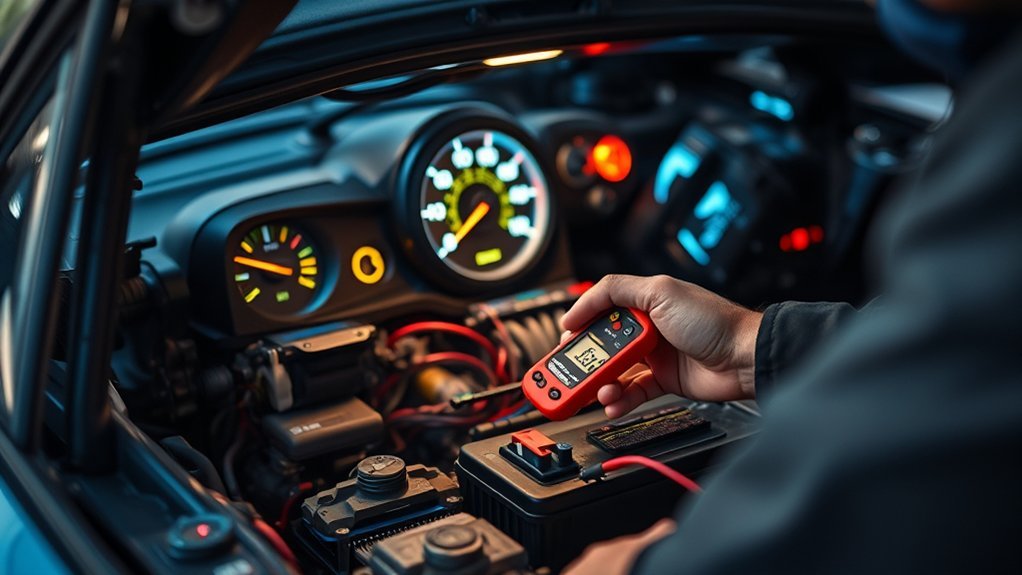
Your car’s electrical system powers the starter, ignition, lights, and sensors. The battery supplies 12-volt power for startup and low-speed demand, while the alternator recharges it and keeps voltage near 14.8 volts after the engine starts. Current flows through wiring to each component, and the chassis serves as the return path. Fuses and relays protect circuits from overloads and high current. Series and parallel layouts affect how faults and power are handled, and there’s more to uncover.
Key Takeaways
- The battery supplies 12-volt power to start the engine and run low-demand electrical components.
- The alternator recharges the battery and keeps system voltage around 14.8 volts while the engine runs.
- Electricity flows through wiring to lights, sensors, ignition, and other components.
- Fuses protect circuits by melting when current is too high, preventing damage.
- Most car circuits use parallel wiring so each component gets full voltage independently.
[Products Worth Considering]
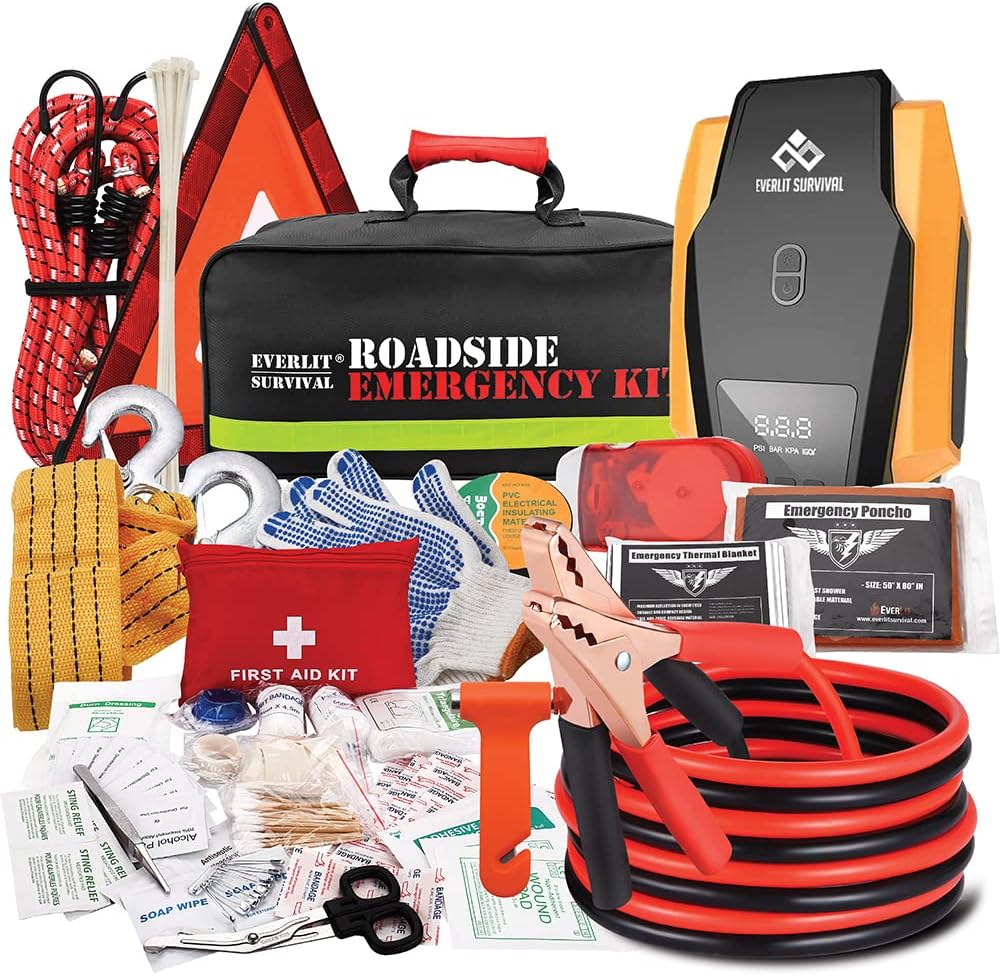
The Everlit Road Guardian emergency kit is designed for roadside breakdowns, combining essential safety gear and roadside tools in one compact bag. It includes a digital 12V auto tire inflator with preset and auto shutoff, plus 12-foot 8-gauge jumper cables to get you moving again. You also get a full 108-piece first aid kit, reflective warning tools, safety gloves, and emergency convenience items for safer travel.

This car emergency kit keeps essential roadside tools organized in a durable, portable bag so you can respond quickly during common driving emergencies. It includes battery jumper cables, a bright LED headlight, first aid supplies, a tire pressure gauge, and safety essentials like gloves and an emergency poncho. Designed for trunk or storage use, it helps you be prepared for dead batteries, minor malfunctions, and unexpected roadside issues.
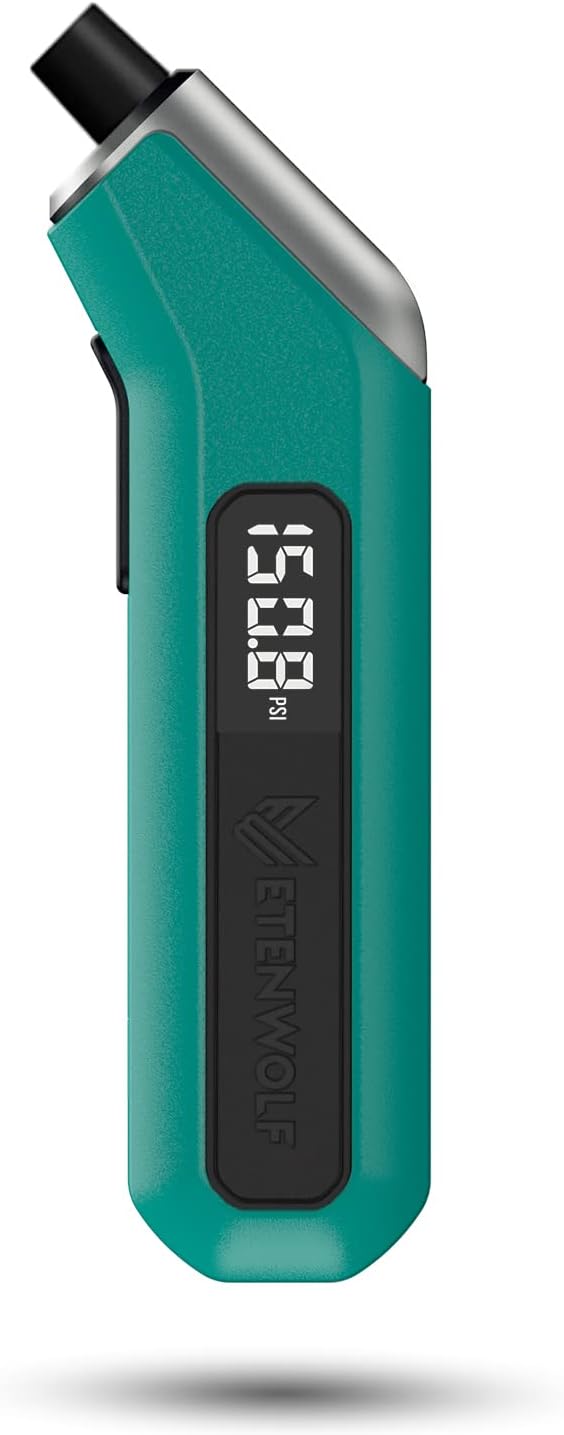
ETENWOLF T300 is a calibrated digital tire pressure gauge designed for reliable readings across low and high pressure ranges. It includes thermal compensation for stable performance in extreme cold or heat, an LED light for visibility, and an auto shut-off to help preserve battery life. Ideal for pickups, RVs, and heavy-duty vehicles, it delivers accurate PSI measurements with sturdy durability.
What Does a Car Electrical System Do?
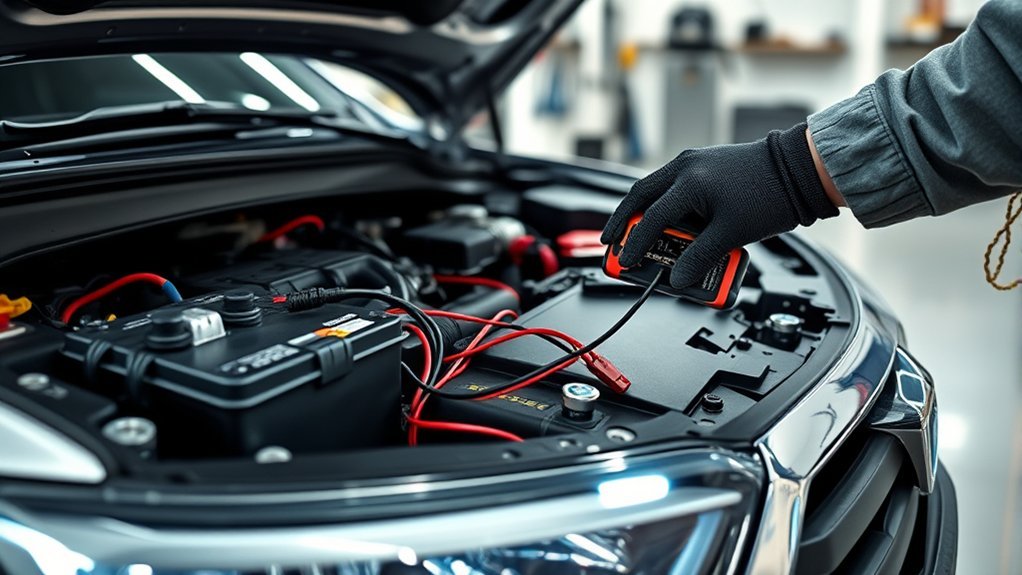
A car’s electrical system powers the starter motor, ignition system, lights, sensors, and other critical components that keep the vehicle running efficiently.
In your car electrical systems, the battery supplies electrical power to start the engine and support low-speed demand. While the engine runs, the alternator converts mechanical energy into electrical power and restores a charged battery.
Current flows through wiring to each electrical parts group, so precise routing matters for performance and safety. Fuses play a key protective role by opening the circuit during overloads, limiting damage from excess current.
You need a reliable ignition system because it triggers combustion and supports consistent operation. When voltage drops or connections corrode, common issues can appear, including dim lights, slow cranking, or sensor faults.
Regular checks of battery voltage, cables, and connectors help you catch problems early and maintain stable electrical output.
How the Car Electrical System Works
When you turn the key or press the start button, the battery sends 12-volt power through the circuit to the starter and ignition system, with current returning through the car body to complete the loop.
In your car’s electrical system, the battery acts as the initial power source, supplying enough current for cranking, while the ignition circuit directs power to the engine controls and spark components. The negative terminal connects to the chassis, so the body serves as the return path.
After startup, the alternator takes over, generating electricity and recharging the battery to maintain voltage near 14.8 volts.
Most components are wired in parallel, so each receives full power independently. Fuses protect the system by opening if current rises too high, preventing damage.
Good maintenance helps you spot weak battery voltage below 12.6 volts or alternator problems, such as dim lights, before they leave you stranded.
Current, Voltage, Resistance, and Polarity
Once the battery, starter, and alternator are working together, the next step is understanding the electrical terms that describe how power moves through the car: current, voltage, resistance, and polarity. In your electrical system, the 12-volt battery creates voltage, the pressure that pushes current through each circuit. Current, measured in amperes, is the actual flow you use to run ignition and accessories. Resistance, measured in ohms, opposes that flow; thinner wires raise resistance, while thicker wires let more current pass.
| Term | Meaning |
|---|---|
| Current | Flow in amperes |
| Voltage | Electrical pressure in volts |
| Resistance | Opposition in ohms |
| Polarity | Correct positive and negative direction |
Polarity matters because reversed connections can damage sensitive parts like radios. Ohm’s Law ties everything together: 1 volt drives 1 ampere through 1 ohm. When you understand it, you can evaluate your battery and circuit behavior with confidence.
[Products Worth Considering]

Monitor tire tread wear with a smart, color-coded depth gauge that shows clear condition ranges at a glance. The bar is range marked for fast, easy readings, helping you maintain safer traction and performance. Each gauge is portable with a pocket clip, and the set includes 20 units for daily use and sharing.

The GOOLOO A3 3000A 12V jump starter delivers fast, reliable starts for dead vehicles while also providing a built-in 150 PSI cordless tire inflator. It supports gas and diesel engines up to 9.0L/6.5L and includes multiple inflation modes with smart shutoff and an LED display for convenient pressure control. A high-efficiency BMS provides 10 safety protections, and the unit also functions as a flashlight and device-charging power bank.

Accurately measure tire tread depth with a calibrated gauge marked from 0 to 1 inch in 1/32 inch increments. The color-coded bar helps you quickly identify tread condition ranges, supporting safe driving for trucks, motorcycles, automobiles, and passenger vehicles.
How Fuses, Relays, and Wiring Protect Circuits
Even with proper voltage, current must still be controlled, and fuses, relays, and wiring do that job in different ways.
You rely on fuses to protect electrical circuits by melting when amperage exceeds their rating, which breaks the path before electrical components are damaged. In a fuse box, each circuit usually gets its own fuse, so one fault won’t disable unrelated systems and repairs stay targeted.
Relays work as switches: a low-power control signal energizes the relay, and that lets you manage a higher-power load without routing heavy current through the switch itself.
Wiring matters just as much. Car wiring is color-coded and sized by maximum amperage, so the conductor can carry the load safely. If the gauge is too small, resistance rises, voltage drops increase, and circuit functionality suffers.
Proper wiring choices keep power delivery efficient and help your vehicle’s electrical circuits operate safely and consistently.
Series vs Parallel Circuits in Cars
In a car’s electrical system, the difference between series and parallel circuits determines how reliably power reaches each component. In series circuits, you connect electrical components one after another, so total resistance rises and current drops across the chain. If one bulb fails, the whole path can open, and you may see dashboard lights dim or go out.
In parallel circuits, each branch gets full voltage, so current distribution matches each device’s needs without interference. That wiring configuration supports stable power distribution for sensors, radios, and motors. Modern vehicles rely on parallel circuits for most loads because they prevent one fault from shutting down everything.
Your ignition system and lighting circuits usually use this layout, so a burned-out bulb won’t stop the rest from working. This design improves safety and visibility while keeping your car’s electrical components operating predictably under load.
Frequently Asked Questions
How Does a Car’s Electrical System Work?
Your car’s electrical system uses the battery, starter motor, alternator function, ignition system, fuse box, and wiring diagrams to manage power distribution, voltage regulation, and electrical components, while battery maintenance prevents failures and supports electrical troubleshooting.
How to Learn Car Wiring for Beginners?
Start smart: study car wiring basics, wiring color codes, common components, and understanding fuses. Use electrical diagram analysis, tools needed, circuit testing methods, wiring safety tips, troubleshooting techniques, and DIY projects; you’ll learn fast.
What Is the Most Common Electrical Problem in a Car?
You’ll usually face battery issues first; dead batteries top car electrical problems. Faulty alternators, blown fuses, bad connections, worn wiring, starter problems, electrical shorts, sensor failures, ground problems, and lighting malfunctions also occur.
What Are the Five Parts of the Automotive Electrical System?
You’ve got five parts: battery, alternator, starter motor, fuses, and wiring. Some think the battery alone powers everything, but that’s false. Use battery maintenance, a wiring diagram, and component testing for electrical troubleshooting.
Conclusion
Now you can see how your car’s electrical system keeps everything running, from ignition to lights to sensors. You rely on voltage, current, and resistance to move power safely through wires, fuses, and relays. Here’s a useful fact: modern vehicles can contain more than 1,500 electrical circuits, which shows how much coordination your car needs to operate reliably. When you understand series and parallel circuits, you’re better prepared to spot problems fast.
[Products Worth Considering]
![[2026NEW] 5000A Jump Starter with Air Compressor (150PSI)](https://m.media-amazon.com/images/I/71oG4PFNsmL._AC_SL1500_.jpg)
The 2026 Povasee 5000A jump starter is an all-in-one car power solution that jump-starts 12V vehicles and also inflates tires with a high-output air compressor. It supports multiple inflation presets with an LCD display, plus LED lighting and SOS signaling for safer roadside help. With secure protection systems, fast charging for phones, and 24-month standby, it’s built for reliable emergency performance in a wide temperature range.

This inline air pressure regulator helps you precisely control air flow from your compressor with an integrated 0-150 PSI gauge. It improves finish quality by reducing overspray and material waste for automotive spray painting and other pneumatic tools. The universal 1/4 NPT threads make it easy to connect to air hoses, compressors, and spray guns for quick, on-the-fly adjustments.

Masoll M13 TPMS monitors tire pressure across RV and trailer applications and helps protect safety on the road. Set your reference pressure for auto alarm triggers, while the system automatically calibrates as you inflate or deflate. Solar charging with intelligent sleep/wake keeps operation efficient, and the color LCD provides clear readings in day or night driving.

Related Articles
AWD Tire Rotation Pattern: How Often and How to Do It
W**ondering the right AWD tire rotation pattern and timing? Discover the simple method, ideal schedule, and mistakes to avoid before your tires wear unevenly.
Read More
Wheel Damage: Types, Repair Options, and Costs
Many wheel damages look minor, but some hide costly safety risks—learn which repairs are worth it and when replacement is smarter.
Read More
Tire Balancing Weights: Types, Cost, and Why You Need Them
Precisely chosen tire balancing weights reduce vibration and wear, but which type fits your wheels and what it really costs may surprise you.
Read More