
Hyundai Sonata SE vs SEL Tire Size: Are They Different?

Yes, the Hyundai Sonata SE and SEL-related trims can use different tire sizes, but the exact answer depends on the model year, gas-versus-hybrid trim, and wheel package. The safest shortcut is simple: use the tire size printed on your driver-side door placard first, then compare any wheel swap against brake clearance, offset, load rating, speed rating, and overall tire diameter.
Quick Answer
Most recent Sonata SE models use 205/65R16 tires, while SEL-related trims may use 215/55R17 or 235/45R18 depending on year and powertrain. For example, the current gas SEL Sport uses 235/45R18, while the SEL Hybrid uses 215/55R17. Always confirm your exact size on the door placard.
Key Takeaways
- The Sonata SE usually favors a smaller wheel and taller sidewall for comfort and efficiency.
- SEL, SEL Sport, and SEL Hybrid tire sizes are not always the same, so trim name alone is not enough.
- A wheel may share the same bolt pattern but still fail because of offset, center bore, brake clearance, or tire diameter.
- For replacements, match the door-placard tire size, load index, speed rating, and recommended cold tire pressure whenever possible.
Do the Sonata SE and SEL Use Different Tire Sizes?
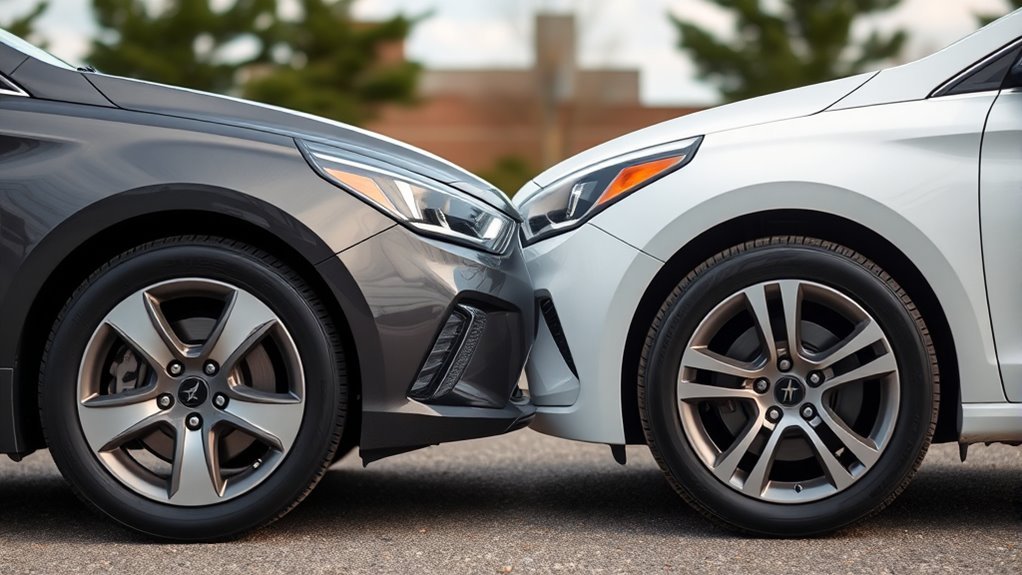
Yes, they often do. The SE is commonly the comfort-and-efficiency trim with a smaller wheel, while SEL-related trims often step up to a larger wheel and lower-profile tire. That larger wheel can make steering feel sharper, but it also leaves less tire sidewall to absorb potholes, expansion joints, and rough pavement.
The main catch is that “SEL” is not one universal tire size across every Sonata year. In the current U.S. lineup, the gas trim is listed as Sonata SEL Sport, while the hybrid lineup still includes Sonata SEL Hybrid. Those trims can use different wheel-and-tire packages, so the right answer depends on the exact vehicle.
Warning: Do not buy Sonata tires based only on the trim badge. Check the driver-side door placard or Hyundai build information for your VIN. The wrong tire size, load index, speed rating, offset, or brake clearance can cause rubbing, inaccurate speedometer readings, poor handling, or safety-system issues.
[Products Worth Considering]
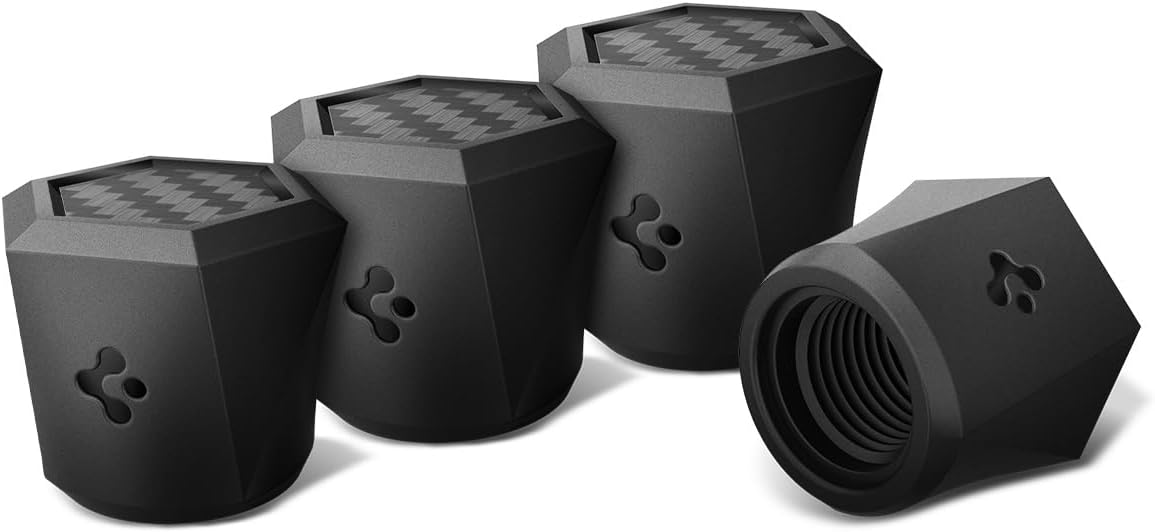
Spigen magnetic tire valve caps attach securely to metal surfaces so you never have to search for lost caps. Designed for Schrader valve stems, they install quickly, help protect against air leakage and corrosion, and feature a light magnet that won’t interfere with TPMS signals.

Upgrade your tires with a set of four aluminum valve stem covers designed to protect the valve from wear and help keep out moisture and debris. The hermetically sealed, screw-in caps are corrosion resistant and provide an attractive, long-lasting anodized finish. Suitable for many vehicle types and installs quickly for everyday convenience.

These universal aluminum tire valve stem caps help protect valve cores from corrosion caused by dirt, water, and snow while helping prevent air leaks to maintain steady tire pressure. They’re easy to install with a simple screw-on fit and are suitable for cars, SUVs, trucks, bicycles, motorcycles, and other vehicles. The stylish black caps add a clean, standout look to your wheels while supporting reliable long-term performance.
Factory Tire Sizes by Recent Sonata Trim
For the latest Sonata lineup, Hyundai’s official Sonata specs should be your first stop. The table below gives a practical recent-model reference, but your door placard is still the final authority for your car.
| Recent Sonata trim | Common factory tire size | What it means |
|---|---|---|
| Sonata SE | 205/65R16 | Smaller wheel, taller sidewall, smoother ride focus |
| Sonata SEL Sport | 235/45R18 | Wider, lower-profile tire for a sportier feel |
| Sonata SEL Hybrid | 215/55R17 | Middle-ground size with comfort and efficiency balance |
| Sonata N Line | 245/40R19 | Performance-oriented tire with the shortest sidewall here |
If you own an older Sonata SEL, you may see 215/55R17 or another factory size depending on year and package. That is why the vehicle placard matters more than a generic online trim chart.
How to Confirm Your Exact Sonata Tire Size
The fastest way to avoid a wrong tire order is to check the original-equipment tire information before you shop. The vehicle tire placard normally lists the original tire size, cold tire pressure, seating/load information, and related tire details.
At a Glance
| Time Required | 5–10 minutes |
| Difficulty | Easy |
| Tools Needed | Driver-door placard, tire sidewall, owner manual, or VIN lookup |
| Cost | Free before purchase |
- Check the driver-side door jamb: Look for the tire and loading information placard.
- Read the current tire sidewall: This helps confirm what is installed now, but it may not be the factory size if a previous owner changed tires.
- Use the owner manual: Hyundai’s digital owner manual can help with tire-care and maintenance guidance.
- Use the VIN with a dealer or tire shop: This is useful if the car has an option package or if you are unsure whether the wheels are original.
What the Tire Size Code Means
A tire size such as 205/65R16 is not random. The first number is tire width in millimeters. The second number is the aspect ratio, which means sidewall height as a percentage of width. The “R” means radial construction, and the final number is the wheel diameter in inches.
So a 205/65R16 tire is 205 mm wide, has a sidewall height equal to 65% of that width, and fits a 16-inch wheel. A 235/45R18 tire is wider and fits an 18-inch wheel, but the sidewall is shorter. That is the basic reason SEL Sport-style sizes feel firmer than the SE’s taller-sidewall setup.
Also check the service description after the size, such as 95H or 94V. The number is the load index, and the letter is the speed rating. The NHTSA tire safety guide explains tire ratings and why sidewall information matters when buying replacement tires.
Fitment Issues to Watch: Brakes, Offset, Bolt Pattern, Diameter
Even if a wheel bolts on, that does not automatically make it a safe fit. Wheel swaps need more than matching diameter and a nice design. Check these items before installing SE wheels on an SEL-related trim, or SEL-style wheels on an SE:
- Bolt pattern: The studs must match the wheel. Many modern Sonata fitments use a 5-lug pattern, but verify your exact year.
- Center bore: The wheel must sit properly on the hub. If the bore is too large, hub-centric rings may be needed; if too small, the wheel will not fit.
- Offset: Incorrect offset can push the wheel too far inward or outward, causing rubbing or poor handling.
- Brake clearance: The inside of the wheel must clear the brake caliper, especially on N Line models, upgraded brake kits, or aftermarket wheel designs.
- Overall tire diameter: Keep the new tire close to the original rolling diameter. Tire Rack’s plus-sizing guide explains why matching overall diameter helps preserve ground clearance, gearing, speedometer accuracy, ABS, traction control, and stability-system behavior.
- Load index and speed rating: Replacement tires should meet or exceed the original requirement shown on the placard or factory tire.
- TPMS compatibility: If you buy a separate winter or aftermarket wheel set, make sure the tire-pressure monitoring sensors are compatible and programmed correctly.
Note: A tire shop can test-fit one front wheel before mounting the full set. That is the best way to catch caliper, wheel-weight, fender-liner, and suspension clearance problems before you pay for installation.
[Products Worth Considering]

These universal tire valve stem caps help protect your valve core from dust, debris, moisture, and corrosion, supporting more stable tire pressure. The aluminum alloy design resists long-term wear, while the sealing construction helps help prevent air leakage. They twist on easily for quick installation and help safeguard driving safety across cars, SUVs, trucks, and motorcycles.
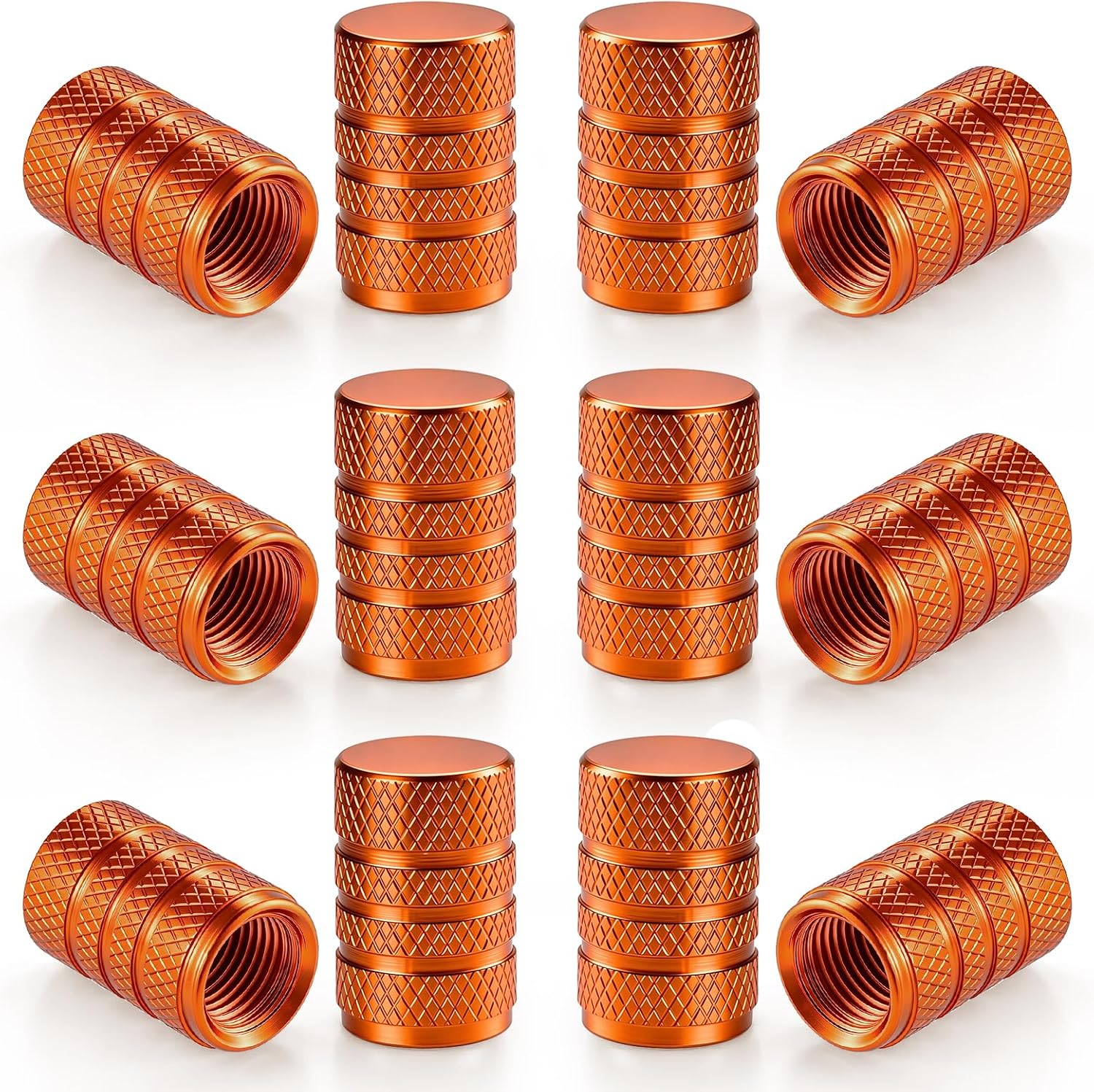
Upgrade your vehicles with these universal aluminum alloy tire valve stem caps designed to help keep dust out and maintain stable tire pressure. Each cap features an internal rubber seal for long-lasting leak protection and features an easy screw-on installation that won’t damage the valve stem threads. Suitable for cars, trucks, motorcycles, and bicycles, they also add a personalized decorative touch to your wheels.
How Size Changes Ride, Fuel Economy, and Handling

Switching from a smaller Sonata SE tire to a larger SEL-style wheel changes the way the car feels. A taller sidewall usually gives a softer ride because more rubber can flex over bumps. A lower-profile tire usually reacts faster to steering input because the sidewall flexes less.
That does not mean the bigger wheel is automatically better. Larger wheels can add road noise, reduce pothole cushion, and make replacement tires more expensive. Smaller wheels can feel calmer on rough roads and are often preferred for winter setups, but they may look less sporty and can feel less sharp in quick cornering.
A 205/65R16 Sonata tire is about 26.49 inches tall, while a 215/55R17 is about 26.31 inches tall and a 235/45R18 is about 26.33 inches tall. Those common factory-style sizes stay close in overall diameter, which is why they can preserve speedometer accuracy when the wheel, offset, load rating, and clearance are also correct.
Practical Picks: Winter Wheels and Aftermarket Options for SE/SEL
For winter driving, a smaller wheel with a taller sidewall can be a smart setup if it clears the brakes and matches the correct overall tire diameter. The taller sidewall gives extra cushion against potholes, and narrower winter tires can cut through slush better than wide performance-style tires.
Pro Tip: If you want dedicated winter wheels, start with the smallest factory-approved wheel size that clears your brakes. Then match the overall tire diameter and use TPMS sensors that work with your Sonata.
| Consideration | Recommendation |
|---|---|
| Stock fitment | Use the door-placard size for direct replacement |
| Winter focus | Consider a smaller wheel only if brake clearance and diameter are correct |
| Aftermarket wheels | Verify bolt pattern, center bore, offset, caliper clearance, load rating, and TPMS |
| Overall diameter | Keep close to OEM rolling diameter to protect speedometer and safety-system behavior |
If you are upgrading for appearance, the safest route is to copy a factory Sonata size from the same generation and confirm every fitment point before buying. If you are downsizing for winter, do not assume a 16-inch wheel will clear every trim; test-fitment matters.
Frequently Asked Questions
What size tires are on a Hyundai Sonata SE?
Many recent Hyundai Sonata SE models use 205/65R16 tires on 16-inch wheels. Still, check your driver-side door placard because the correct size can vary by model year, market, and wheel package.
What size tires are on a Hyundai Sonata SEL?
It depends on the exact SEL-related trim. Recent SEL Hybrid models may use 215/55R17, while the current gas SEL Sport uses 235/45R18. Older SEL models may differ, so the door placard is the best source.
Can I put SEL wheels on a Sonata SE?
Sometimes, but only after checking bolt pattern, center bore, offset, brake clearance, load rating, TPMS compatibility, and overall tire diameter. A factory-style 17- or 18-inch setup can work on some cars, but a test fit is the safest move.
Do bigger Sonata wheels improve handling?
They can make steering feel quicker because the tire sidewall is shorter and flexes less. The trade-off is a firmer ride, less pothole cushion, possible extra road noise, and often higher tire replacement cost.
Is the Sonata SEL available with all-wheel drive?
On the current gas lineup, the SEL Sport is the trim associated with available all-wheel drive. Availability can change by year and market, so confirm the drivetrain and tire size for your exact VIN before buying wheels or tires.
Should I use the same tire pressure after changing tire size?
Use the cold tire pressure listed on your vehicle placard for the approved factory size. If you install a non-factory size, ask a qualified tire shop to confirm the correct load capacity and inflation pressure for that setup.
Conclusion
The Sonata SE and SEL-related trims are not always on the same tires. The SE commonly uses 205/65R16, while SEL Hybrid and SEL Sport models may use larger 17- or 18-inch packages depending on year and powertrain. If you are replacing tires, follow the driver-door placard. If you are swapping wheels, confirm offset, center bore, bolt pattern, brake clearance, TPMS, load rating, speed rating, and overall diameter before installation.
Sources
- Hyundai USA Sonata Specs — current trim and wheel-size reference.
- Hyundai USA Sonata SEL Sport — current SEL Sport trim reference.
- Hyundai Digital Owner’s Manual — owner guidance for vehicle maintenance and tire care.
- Tire Rack: How to Read a Tire Placard — tire placard, OE size, pressure, and load information.
- Tire Rack: Plus Size Wheels & Tires — overall diameter, speedometer, ABS, traction control, and stability-system considerations.
- NHTSA Tire Safety — tire ratings, sidewall information, and tire-safety basics.

Related Articles

Danger of Using Summer Tires in Winter on a Hyundai Sonata
Potentially perilous, using summer tires in winter on your Hyundai Sonata can compromise safety—discover the hidden dangers that await you on icy roads.
Read More
Can You Mix Nitrogen and Air in Hyundai Sonata Tires? Answered
Discover the implications of mixing nitrogen and air in your Hyundai Sonata tires—are the benefits worth the risks? Explore the answer inside!
Read More
How to Tell If Hyundai Sonata Tires Are Too Old to Use Safely
Understand how to assess the age of your Hyundai Sonata tires and discover crucial signs of deterioration that could compromise your safety on the road.
Read More