
Tire Temperature Ratings A, B, C: What They Mean for Safety and Performance
Tire temperature ratings (A, B, C) tell you how well a tire handles heat at sustained speeds. This affects both safety and how long your tires last. You’ll find an A, B, or C stamped on the sidewall. A handles the most heat, B is moderate, and C meets the federal minimum. Choose A for sustained high-speed or heavy-load driving, B for occasional high speeds, and C for typical around-town use. Proper pressure and maintenance also help keep temperatures down. Below, you’ll find test details, thresholds, and real-world tradeoffs.
Quick Answer: What Tire Temperature Ratings Mean

Tire temperature ratings are a heat-tolerance grade for your tires. They’re classified A, B, or C based on how well a tire can dissipate heat at sustained high speeds.
- A-rated tires handle temperatures above 249°F at speeds over 115 mph. About 62% of U.S. passenger tires carry this rating, offering the best heat dissipation.
- B-rated tires control heat up to about 230°F at speeds between 100 and 115 mph. They work well for average driving needs. Roughly 34% of tires fall in this category.
- C-rated tires meet the NHTSA minimum standard and handle up to 212°F at 85 to 100 mph. Only about 4% of tires sold carry this grade.
Since excessive heat speeds up rubber breakdown, pick a rating that matches your vehicle’s expected speed and heat demands.
What Temperature Ratings Measure and Why They Matter
Now that you know the A, B, and C grading, here’s what those letters actually measure and why they affect safety.
Temperature ratings quantify a tire’s ability to dissipate heat at sustained high speeds. Picking the right rating prevents rubber breakdown and reduces blowout risk by keeping tire heat in check.
| Rating | Speed Range (mph) | Practical Implication |
|---|---|---|
| A | >115 | Best high-speed heat dissipation |
| B | 100–115 | Moderate heat control |
| C | 85–100 | Basic heat tolerance (federal minimum) |
About 62% of U.S. tires are A-rated. Match the rating to your driving for better longevity and safety.
Decoding A, B, and C Temperature Grades
Each grade tells you how much heat a tire can handle under sustained load and speed. Grade A resists temperatures above 249°F for speeds over 115 mph. B holds to 230°F for 100 to 115 mph. C reaches 212°F for 85 to 100 mph. Use these ratings to match tire selection and maintenance practices to the speeds and heat exposure you expect.
[Products Worth Considering]

The Milton 555e digital tire inflator delivers fast, accurate pressure readings with a backlit display and multiple unit options, making tire inflation quick and easy. Its durable 20" EPDM rubber hose and grip‑head chuck provide reliable connection, while the ±1 PSI accuracy ensures precise inflation for cars, bikes, and trucks.

This digital tire pressure gauge combines a sturdy pistol grip inflator with a backlit 0.1 PSI display for quick, accurate readings in any lighting condition. Its 360° swivel gauge and 20" rubber hose make it easy to use and store, while the integrated inflate/deflate trigger and ¼" NPT air inlet provide fast, reliable tire maintenance.

The Milton 507KIT delivers fast, accurate tire inflation, deflation and pressure measurement with a backlit LCD gauge and 14" rubber hose. Its 3‑in‑1 design meets ANSI/ASME standards and provides readings from 0‑250 PSI with 0.1 PSI resolution. The ergonomic pistol‑grip body and brass lock‑on chuck make one‑handed operation effortless, while the auto‑off feature conserves battery life.
Heat Dissipation Explained
Tire heat builds rapidly at speed. The temperature grade on the sidewall tells you how well a tire sheds that heat before failure becomes likely.
Treat the grade as a heat management metric. A-rated compounds dissipate heat most efficiently. B-rated tires offer middle-ground dissipation. C-rated tires meet only the minimum standard.
Material formulation, tread design, and belt construction all play a role. These elements control how heat moves through and away from the tire. Matching the grade to your typical operating conditions slows rubber degradation and preserves structural integrity. Use A for sustained high-load or high-temperature driving, B for moderate exposure, and C only if your driving rarely stresses the tire thermally.
Speed and Safety
The A, B, and C temperature grades tell you how much heat a tire can safely handle and at what speeds it keeps its structural integrity. Use these ratings to align tire performance with your expected speeds: Grade A (above 249°F) for sustained speeds over 115 mph, Grade B (up to 230°F) for 100 to 115 mph, and Grade C (up to 212°F) for 85 to 100 mph.
Proper selection improves heat management, reduces wear, and lowers the chance of failure. Keep these practical points in mind:
- Match Grade A for high-performance driving where aggressive heat management is needed.
- Choose Grade B for moderate high-speed use with balanced performance.
- Use Grade C for standard driving that meets federal minimums.
- Never exceed rated speeds to avoid dangerous heat buildup.
Where to Find and How to Read Your Tire’s Temperature Rating
Look at the tire sidewall for the temperature grade stamped as A, B, or C alongside other DOT codes. Read the letter to understand the tire’s heat-resistance capability and compare it to your usual speeds and conditions. Use that information to guide maintenance (pressure, load, and replacement intervals) so the tire performs within its rated thermal limits.
Sidewall Location
The temperature rating is stamped on the tire’s outer sidewall. Scan the area between the tread and bead for a small sequence that includes A, B, or C. You’ll find it near the rim, placed beside other specification data like tire size and load index.
Read the code in daylight with the tire clean. A tire with Grade A, B, or C reflects lab-tested heat resistance that affects safe high-speed operation. The National Highway Traffic Safety Administration requires at least a C rating for all passenger tires, reflecting minimum heat dissipation standards.
- Inspect alongside size and load indexes.
- Clean debris for legibility.
- Compare grade to vehicle speed needs.
- Replace if markings are missing or damaged.
Decoding the Code
To decode your tire’s temperature rating, inspect the outer sidewall near the rim. Manufacturers stamp a short sequence that includes A, B, or C alongside size and service markings. This letter directly shows the tire’s lab-tested heat resistance and dissipation capability.
A denotes capability above 249°F, suitable for speeds over 115 mph. B indicates up to 230°F for 100 to 115 mph. C means up to 212°F for 85 to 100 mph and meets NHTSA minimums. Read the letter alongside load and speed indexes to evaluate tire performance for your intended driving conditions.
Maintenance Implications
That single-letter temperature code on your sidewall guides your maintenance routine and helps reduce heat buildup. Tires can risk failure when internal temperatures exceed the roughly 195°F threshold.
Check tire pressure regularly. Correct inflation minimizes flexing and heat. Match your tire rating to your typical speeds: A for over 115 mph, B for 100 to 115, C for 85 to 100.
- Check pressure weekly and before long or high-speed trips.
- Inspect sidewall for the temperature letter and signs of wear.
- Record inflation, load, and operating speed for trends.
- Replace tires showing excessive heat-related degradation.
Who Assigns UTQG Ratings?
A common misconception is that the government tests every tire and assigns ratings. In reality, tire manufacturers test and assign their own UTQG grades. They run the tests on controlled lab equipment or hire independent testing companies. The NHTSA does not conduct the tests itself but does perform random compliance checks and spot inspections. If a manufacturer’s reported grades don’t match NHTSA’s findings, the agency can require corrections and issue fines.
This means that UTQG ratings are useful for comparing tires within a brand, but comparisons across different manufacturers may not be perfectly consistent. Keep this in mind when shopping.
How UTQG Temperature Tests Work: and Their Limits
Although conducted in labs, UTQG temperature tests give you a standardized measure of a tire’s ability to resist and dissipate heat at sustained high speeds. The protocol runs tires on high-speed drums under controlled loads and ambient conditions. Results place tires into A, B, or C grades based on specific speed thresholds (A: over 115 mph, B: 100 to 115 mph, C: 85 to 100 mph).
NHTSA conducts random compliance checks to verify manufacturer claims. But the lab setting removes real-world variables like load variations, road surface, ambient temperature, and driver behavior. So the grade is a consistent metric, not an absolute predictor of everyday performance.
UTQG Tests vs. Real-World Performance: What to Trust
Because UTQG temperature grades come from tightly controlled lab procedures, treat them as standardized indicators of a tire’s heat resistance, not guarantees of on-road behavior. Lab-derived grades (A, B, C) quantify heat endurance under repeatable conditions, but they won’t capture all real-world stresses. You’ll see performance variability when factors like load, inflation, road surface, and driving style differ from test parameters.
- Lab tests isolate heat response. They don’t replicate traffic, debris, or prolonged heavy loading.
- Grades reflect peak tolerance, not typical longevity under mixed use.
- Expect some gap between advertised ratings and field performance.
- Use UTQG as one objective measure alongside regular inspection and proper maintenance.
Real-World Heat and Speed Thresholds (°F) With Examples
Lab grades give you a standard, but real-world thresholds tie those letters to specific temperatures and speed ranges you’ll encounter on the road.
Grade A tires dissipate heat up to 249°F and suit sustained speeds over 115 mph. You’ll use them on high-performance cars where heat resistance prevents rapid degradation. Grade B tires tolerate up to 230°F at 100 to 115 mph, matching typical highway driving. Grade C tires resist up to 212°F for 85 to 100 mph use, common in cooler climates or light-duty driving.
Going beyond these thresholds produces excessive heat buildup, increases failure risk, and shortens tread life while reducing stability.
Choosing the Right Temperature Grade for Your Vehicle
Match the temperature grade on the sidewall to your typical speeds and operating conditions so the rubber can handle the heat your driving generates. Select Grade A for sustained high-speed driving (over 115 mph, above 249°F), Grade B for moderate high-speed use (100 to 115 mph, up to 230°F), or Grade C for lower-speed, cooler-climate driving (85 to 100 mph, up to 212°F).
Match your tire’s temperature grade to your typical speeds so heat won’t degrade performance.
- Highway commuters at sustained speeds: choose Grade A.
- Enthusiastic but occasional fast drivers: Grade B balances performance and cost.
- Urban, low-speed drivers in cool areas: Grade C will do the job.
- Cross-check your vehicle manufacturer’s recommendations for best results.
[Products Worth Considering]

The AZUNO Digital Tire Inflator provides fast, accurate inflation with a 200 PSI capacity and a digital gauge that reads within 1% of true pressure. Its stainless‑steel braided hose resists cracking and bending, while the smart LCD displays clear units and auto‑shuts after inactivity. The built‑in air bleeder valve lets you switch between inflation and deflation with a single trigger, making tire maintenance quick and convenient.

Tire Size: 295/40R20 106Y, Rim Diameter: 20 inches
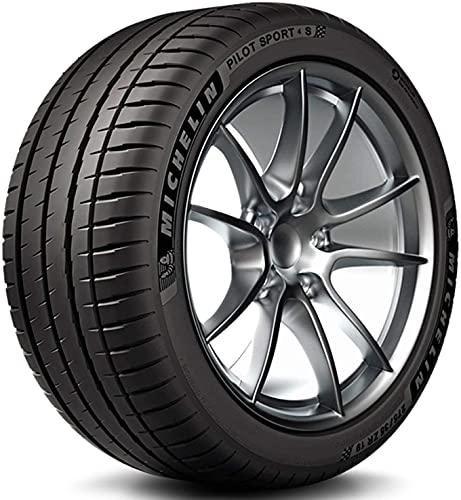
Genuine Passion. Exceptional Drives. Derived from the legendary Michelin Pilot Super Sport, the Michelin Pilot Sport 4 S is #1 in max performance summer tires.
Temperature Ratings: Impact on Tire Life, Safety, and Warranty
Now that you’ve matched a temperature grade to your driving profile, consider how that rating affects tire life, on-road safety, and warranty coverage.
Higher-rated tires resist heat-induced degradation better, so they tend to last longer and fail less often. For safety, staying within the rated speed and temperature window reduces blowout probability and maintains traction. Warranty terms often require you to stay within rated operating limits. Exceeding them can void coverage.
Combine routine tire maintenance and active heat management (proper inflation, load limits, and rotation) to preserve performance and keep your warranty valid.
Combining Temperature, Treadwear, and Traction to Pick Tires
To choose the right tire, match its temperature rating with treadwear and traction grades. Pick a Class A tire if you routinely drive at high speeds or generate heavy heat. Go with Class B or C for lower-speed use. Then verify the treadwear number meets your expected mileage and the traction grade ensures wet-surface stopping power.
Prioritize the temperature rating for sustained high-speed or heavy-load driving, treadwear for lifecycle cost, and traction for safety in wet conditions.
Match tire temperature class with treadwear and traction. Balance heat tolerance, longevity, and wet-surface safety for your driving needs.
- Confirm temperature class (A, B, or C) against expected operating heat and speed.
- Compare treadwear numbers to your annual mileage target.
- Verify traction grade (AA, A, B, or C) for wet braking needs.
- Choose the best compromise for performance, longevity, and safety.
[Products Worth Considering]

CONTROL YOUR CRUISE – Cooper ProControl tires are designed to wear evenly so your handling feels crisp at every turn, straightaway, and stop light

Up to 65,000-mile limited treadwear coverage

Treadwear Warranty: 60,000 Miles
Frequently Asked Questions
Are B-Temperature Tires Good?
Yes. B-temperature tires offer reliable performance and adequate heat resistance for typical driving. They work well for warmer climates and everyday speeds. Just don’t expect A-grade heat dissipation for sustained high-speed use.
What Is the Difference Between Tire Temperature Rating A and B?
A-grade tires withstand higher temperatures and sustain better performance than B-grade tires. You’ll get superior heat management, longer life, and higher safe speed thresholds. A-rated tires are the practical choice for performance driving and demanding conditions.
What Is the Difference Between Type A and Type B Tires?
Type A tires offer higher performance and greater heat resistance than Type B. You’ll get better sustained high-speed stability and reduced overheating risk. Type B balances everyday durability and moderate heat management.
Does Tire Temperature Go Higher Than A?
No. The UTQG temperature scale only goes up to A. There is no AA rating for temperature. (AA exists for the traction rating, which measures wet-surface braking. These are two separate scales.) Grade A is the highest temperature grade available.
Conclusion
Tire temperature ratings tell you how well a tire resists heat buildup. A is the best, B is moderate, and C is the minimum. That matters for speed, load, and longevity. The UTQG grade helps match tires to your driving demands so you don’t overheat at sustained highway speeds or underperform on spirited drives. Use the rating alongside treadwear and traction to choose tires that balance safety, efficiency, and warranty coverage.

Related Articles
What Does THE P Stand For on a Tire? Full Meaning Explained
I’ll explain what the “P” on a tire really means and why it could change how you choose your next set.
Read More
How to Use a Tubeless Tire Repair Kit: Complete Field Guide
Learn how to fix tubeless tire punctures fast with the right kit, because one small mistake can leave you stranded on the trail.
Read More
How to Tell a Tire’s Diameter: Easy Guide to Reading Tire Size
Want to decode tire sidewall numbers and find the right diameter, but wonder what those hidden digits really mean?
Read More