
Humming Noise From Tires on a Toyota RAV4: What Is It?
Humming noise from your Toyota RAV4 tires typically arises from worn wheel bearings, low-quality tires, or misalignment. You might notice a low-pitched sound, especially above 40 mph, and the noise may lessen when you decelerate. Uneven tire wear and incorrect tire pressure can exacerbate the issue. Regular maintenance, tire rotation, and upgrading to premium brands can improve your experience. Discovering the underlying causes can help you address the problem effectively and guarantee a smoother ride.
What Causes Humming Noise in RAV4 Tires?

When you’re driving your Toyota RAV4 and notice a humming noise from the tires, it’s often due to worn wheel bearings. These bearings can create low-pitched grinding sounds that become more pronounced at speeds over 40 mph. Additionally, tire quality plays a significant role; brands like Sailun tend to generate more noise compared to premium options like Goodyear or Michelin.
Improper tire alignment can exacerbate the issue, leading to uneven tread wear and increased noise. Regular tire maintenance, including rotation and alignment, is vital for reducing noise levels and ensuring peak performance. However, diagnosing the source of the noise is essential, as it might also indicate other mechanical issues such as CV joint wear or tire feathering. Addressing these factors early can help you enjoy a quieter, smoother ride while preserving the longevity of your RAV4.
[Products Worth Considering]

The JACO FlowPro Tire Inflator measures, inflates, and airs down tires up to 100 PSI with battery-free operation and ±2% accuracy after calibration. It features a glowing pressure dial for night visibility, a heavy-duty steel build with a hybrid hose, and a precision push-to-inflate thumb trigger. The patented Lightning Air Chuck locks on for a secure seal, and the kit includes quick-connect hardware for easy inline use with your air compressor.

This portable cordless tire inflator delivers up to 160 PSI with fast 17 L/min airflow to help you quickly top up tires and get back on the road. It features dual power mode, running on a 21V rechargeable battery or a 12V DC adapter for convenient roadside use. An automatic shut-off with digital pressure gauge helps prevent overinflation, and a built-in LED light improves visibility in low-light conditions.
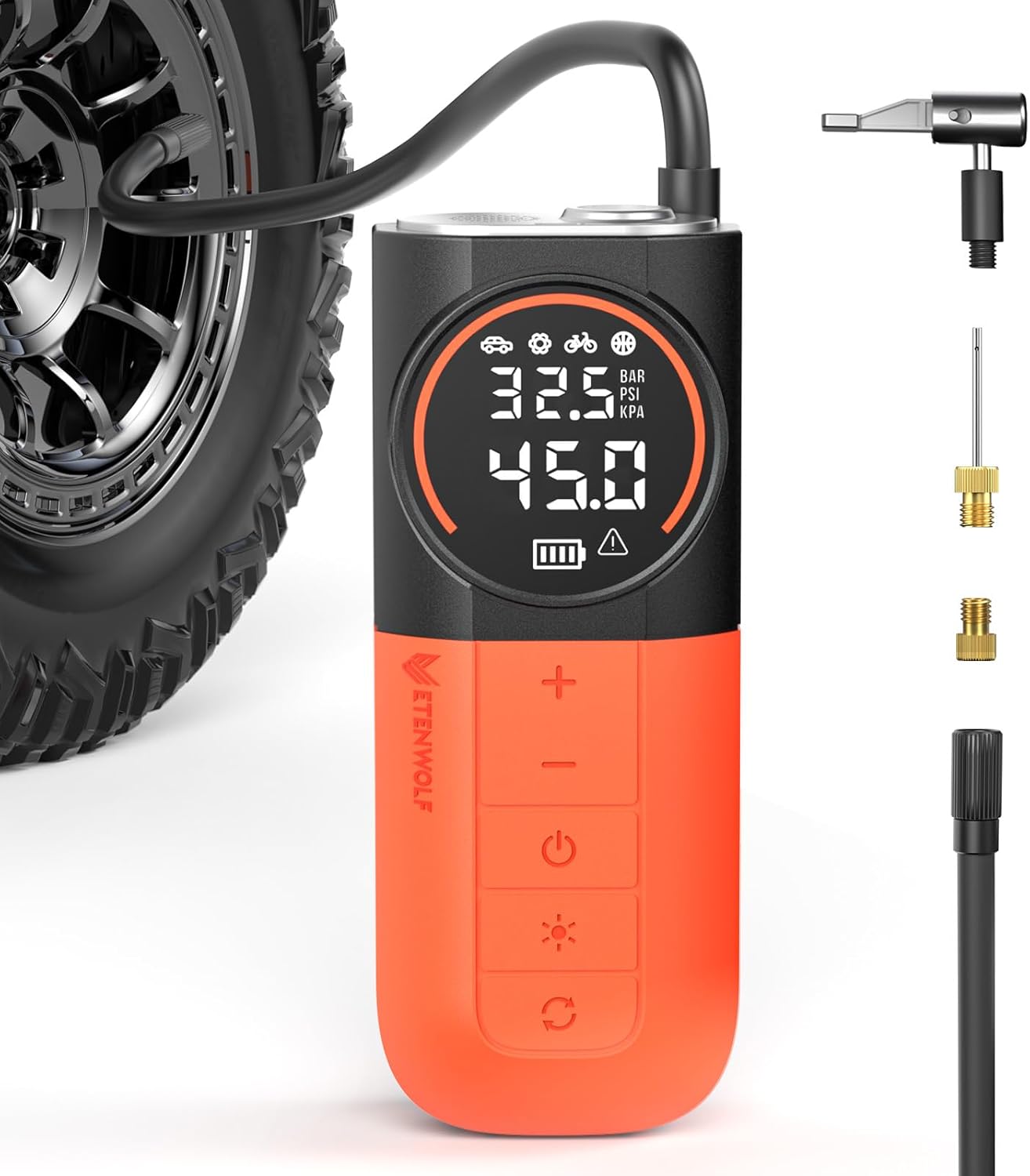
The ETENWOLF S1 cordless tire inflator delivers ultra-fast inflation with up to 160 PSI and a 20 L/min airflow for quicker tire top-offs. Its 5200mAh battery and cooling system support inflating many tires and sports balls on a single charge, while the digital pressure gauge and multi-unit display help you reach the right pressure accurately. With preset modes, pressure memory, an auto-stop feature, and an LED flashlight, it’s built for easy roadside and everyday use.
Symptoms That Indicate Humming Noise
Several key symptoms can indicate a humming noise from your Toyota RAV4’s tires. You might notice this low-pitched grinding or humming sound when driving over 40 mph, particularly while coasting or turning. Pay attention; if the noise lessens during deceleration, it could signal an underlying issue.
Increased passenger weight in the rear seats can amplify this noise, so consider your load when evaluating the situation. Uneven tire wear or feathering often contributes to the sound, making regular inspections essential. Additionally, verify your tire pressure is at recommended levels, as incorrect pressure can worsen the noise.
Finally, be aware that different road conditions can also impact the audibility of the humming. Regular tire maintenance, like rotation and alignment, is critical to mitigating these issues and prolonging tire life, ultimately leading to a more comfortable driving experience.
Impact of Tire Type on Humming Noise
The type of tires you choose for your Toyota RAV4 can greatly affect the humming noise you experience. Tire design and tread patterns play critical roles; for instance, all-season tires often generate more noise than premium options. Additionally, specific tread designs can either exacerbate or minimize humming, especially at higher speeds.
Tire Design Influence
Tire design plays an essential role in the humming noise you experience while driving your Toyota RAV4. Different tire materials and designs influence sound frequency at various speeds. All-season tires tend to generate more noise due to their aggressive tread patterns, while winter tires can be noisier on dry roads because of discrete tread blocks.
| Tire Type | Noise Level |
|---|---|
| All-Season | Moderate to High |
| Winter | High on Dry Surfaces |
| Premium Brands | Low (e.g., Goodyear) |
| Rotation | moderate to high |
| Alignment | moderate to high |
| Is critical to mitigating these issues | moderate to high |
| Prolonging tire life | moderate to high |
Brands like Sailun often produce higher noise levels, especially over 90 km/h. Proper tire alignment and balancing are vital for minimizing noise, as misalignment increases uneven wear and sound generation.
Tread Pattern Effects
Tread patterns considerably affect the humming noise you might notice while driving your Toyota RAV4. Aggressive, blocky designs often generate more noise, while smoother, continuous patterns in touring tires provide better noise reduction. Winter tires, with deeper grooves for traction, can increase road noise, which isn’t ideal for a quiet ride. Opting for premium brands like Michelin or Goodyear can enhance tire performance, offering a quieter experience compared to budget options with noisier tread designs. Seasonal changes also matter; summer tires typically feature less aggressive patterns, resulting in a quieter drive. Finally, maintaining proper tire alignment and balancing is essential, as misalignment can amplify humming noise, so regular inspections are vital for the best performance.
How to Diagnose Tire Noise Easily
When diagnosing noise from your Toyota RAV4’s tires, start by raising the vehicle to check for play in the wheel bearings at both the 9 and 3 o’clock, as well as the 12 and 6 o’clock positions. Listen for any roughness while spinning the wheel; this can indicate potential bearing issues.
Here are three key steps to follow:
- Inspect CV Boots: Look for tears or grease leaks that might suggest joint wear contributing to the noise.
- Conduct a Road Test: Make gentle turns to help isolate the noise source; changes in sound may reveal specific mechanical problems.
- Evaluate Tire Wear Patterns: Check for uneven wear, as improper wheel alignment can exacerbate noise levels, especially under varying road conditions.
When to Replace Tires to Stop Humming?
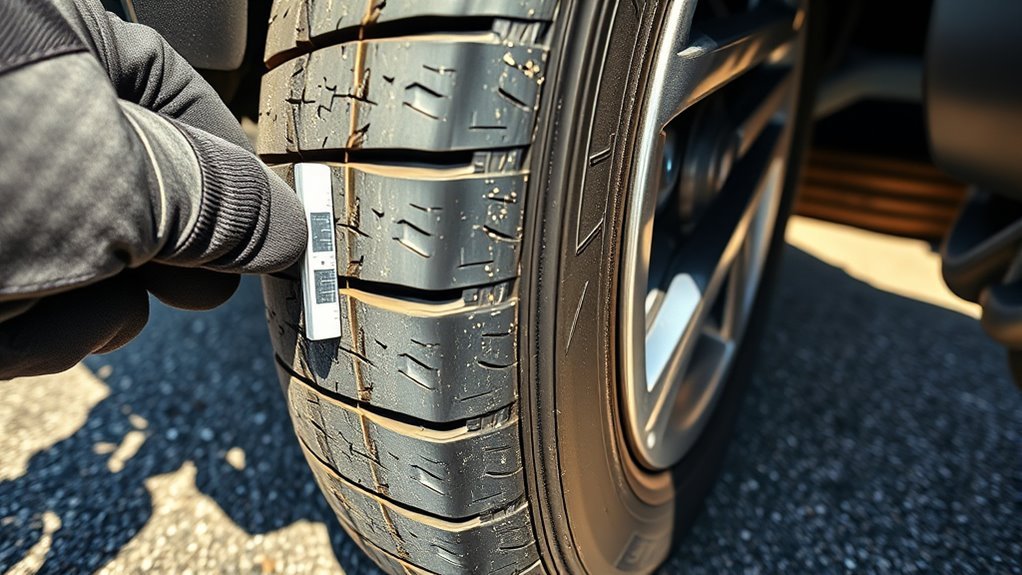
If you’re hearing a humming noise from your RAV4, check for signs of worn tires, like uneven tread or feathering. Replacing them is essential, especially if the noise becomes noticeable at speeds over 40 mph. Additionally, consider the quality of your tires; premium brands can greatly reduce road noise compared to budget options.
[Products Worth Considering]

The AstroAI L7 Air Tire Inflator refills car tires quickly with up to 150PSI max pressure and a fast 1-minute inflation claim. It includes 5 preset modes for car, motorcycle, bicycle, balls, and manual use, along with an auto shutoff to help prevent overinflation. Designed for convenience, it features a digital gauge with unit switching, a top LED light with multiple modes, and USB-C/USB ports for backup power.

EVOULTES heavy duty tire inflator with an integrated gauge delivers accurate pressure readings from 10–120 PSI, helping you inflate, deflate, and check tires in one tool. The 16.5-inch extended dual-head air chuck with swivel base reaches hard-to-access dual wheel valves on trucks and RVs. A brass trigger core and side-mounted air release valve make operation smooth, with standard 1/4" NPT threading and quick-connect compatibility for easy setup.
Signs of Worn Tires
Humming noises from your Toyota RAV4 can signal that your tires are worn or damaged, prompting the need for immediate attention. Recognizing the signs of worn tires is vital for safety and performance. Here are three key indicators:
- Tire Tread Depth: If your tread is less than 2/32 of an inch, it’s time for a replacement.
- Uneven Wear Patterns: Look for feathering or bald spots, which can indicate alignment or balancing issues.
- Vibrations and Handling Issues: Noticeable vibrations or decreased handling performance often accompany worn tires.
Regularly inspecting wear indicators and rotating tires every 5,000 to 8,000 miles can help mitigate issues. If the humming persists after these actions, consider a thorough inspection for internal damage.
Impact of Tire Quality
Worn tires can create annoying humming noises, but the quality of those tires plays a significant role in noise levels and overall driving experience. Low-quality tire brands like Sailun often generate more noise, especially at higher speeds, while premium brands such as Goodyear and Michelin offer better noise reduction. If you notice tire feathering or uneven wear, it’s a clear sign that replacement is necessary. Regular tire rotations and alignments can help mitigate noise but don’t delay replacing tires worn down to 2/32 of an inch for safety and comfort. Additionally, switching from winter to summer tires can enhance your ride, as summer tires typically feature designs that promote quieter operation. Choose wisely for a peaceful drive!
Maintenance Tips for Quieter Rides
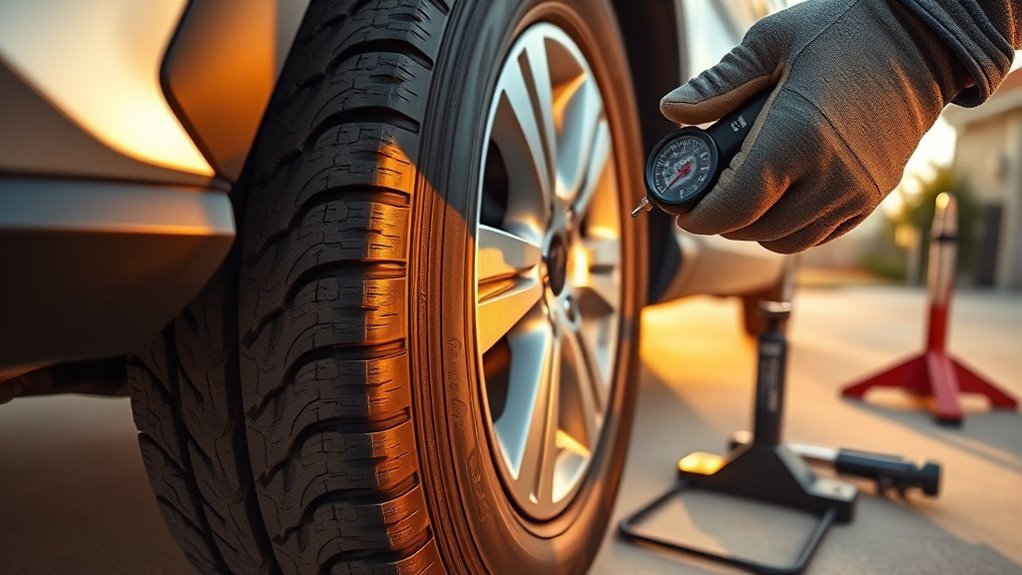
To guarantee a quieter ride in your Toyota RAV4, regular maintenance is essential. Implementing a few key practices can greatly enhance noise reduction and improve your driving experience.
- Tire Rotation: Rotate your tires every 5,000 to 7,500 miles. This promotes even wear, helping to minimize noise levels.
- Alignment and Balancing: Confirm proper alignment and balancing. Misalignment can lead to increased road noise and uneven tire wear, detracting from your comfort.
- Tire Pressure and Quality: Maintain appropriate tire pressure and consider upgrading to premium brands like Goodyear or Michelin. These tires are designed for quieter performance, reducing overall cabin noise.
Expert Solutions for Humming Noise Problems
When you notice a persistent humming noise in your Toyota RAV4, it’s vital to pinpoint the source quickly to avoid further complications. Typically, this noise originates from worn wheel bearings or tire issues, especially noticeable at higher speeds. Start by inspecting your wheel bearings; any signs of wear can lead to increased noise and should be addressed immediately. Regular drivetrain maintenance, including lubrication and inspections, is essential for mitigating noise caused by wear.
Consider evaluating your tires as well. Users report that replacing low-quality tires like Sailun with premium brands such as Goodyear or Michelin can considerably reduce road noise and enhance driving comfort. After tire rotations or alignments, monitor any changes in noise to identify potential mechanical issues. By staying proactive with these measures, you can maintain a quieter, more enjoyable ride in your RAV4.
Frequently Asked Questions
Is It Safe to Drive With a Humming Wheel Bearing?
Driving with a humming wheel bearing isn’t safe. The noise indicates potential damage, risking further issues. Addressing it promptly enhances noise reduction and guarantees your vehicle’s safety and performance remain intact. Don’t ignore the warning.
Conclusion
In summary, addressing the humming noise from your RAV4 tires is essential for a smoother ride. Remember, “a stitch in time saves nine”—early diagnosis and timely tire replacements can prevent further issues. Regular maintenance and being mindful of tire types will help minimize noise levels. If the problem persists, consult a professional for expert solutions. Staying proactive with your vehicle’s care will guarantee a quieter, more enjoyable driving experience.

Related Articles

Toyota RAV4 TPMS Reset: Easy Steps That Work
Unlock the secrets to resetting your Toyota RAV4's TPMS effortlessly—discover the essential steps to ensure your tires are always safe.
Read More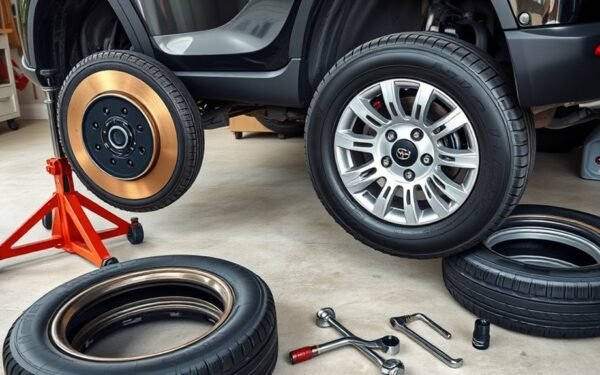
Toyota RAV4 Tire Rotation: DIY Steps & Pattern
Take control of your Toyota RAV4's tire maintenance with our simple DIY rotation guide—discover the best steps for optimal performance and longevity!
Read More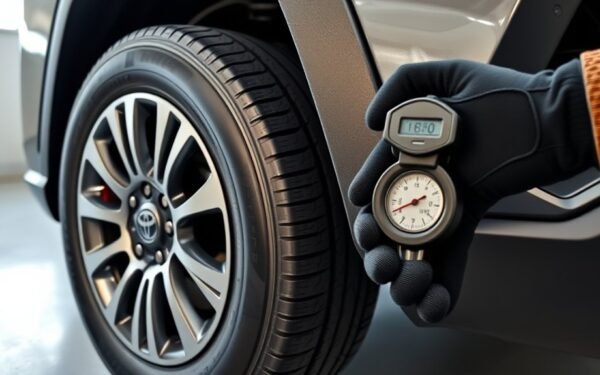
Mix Tire Brands on a Toyota RAV4? Expert Guide
Keeping your RAV4 safe? Learn when mixing tire brands risks traction, ABS/TCS and AWD damage — and what exact matches you must insist on.
Read More
One Comment