
Tire Storage Tips for Off-Season RAV4 Tires: How to Do It Right
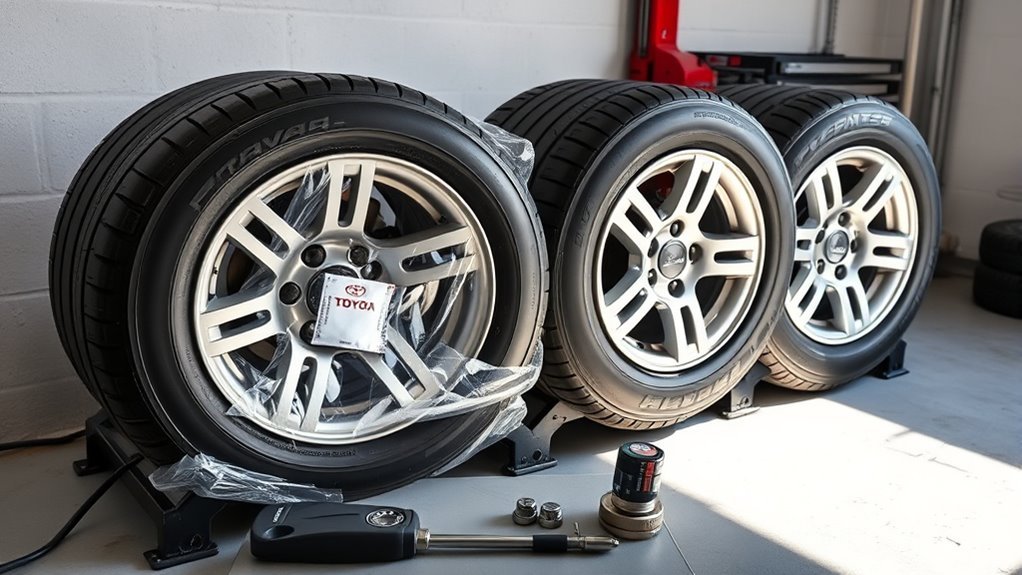
Storing your RAV4’s off-season tires the right way helps protect the rubber, wheels, tread life, and next-season safety. The basics are simple: clean them, dry them fully, label their original positions, seal them from air and moisture, and keep them away from heat, sunlight, chemicals, and ozone-producing equipment. Before reinstalling them, check age, tread depth, pressure, and visible damage so you do not put a weakened tire back on the road.
Quick Answer
To store RAV4 off-season tires properly, clean and dry every tire, mark its position, seal it in an opaque airtight bag, and store it indoors in a cool, dry, dark place away from heat, sun, chemicals, and ozone. Stack or hang mounted tires; stand unmounted tires upright when possible.
Key Takeaways
- Clean tires with mild soap and water, dry them completely, and skip tire dressings before storage.
- Use opaque airtight bags to slow moisture exposure and oil evaporation from the rubber.
- Keep stored tires indoors in a cool, dry, shaded area away from gasoline, oils, solvents, electric motors, generators, furnaces, and direct sunlight.
- For mounted tire-and-wheel assemblies, stack them flat or hang them by the wheel. For unmounted tires, store them upright on a clean rack when possible.
- Before reinstalling, check tread depth, DOT age code, cold pressure, sidewall condition, and Toyota’s tire-matching guidance for your RAV4.
At a Glance
| Time Required | 30–60 minutes for a set of four tires |
| Difficulty | Easy, but tires are heavy; lift carefully or use a tire caddy |
| Tools Needed | Mild soap, water, tire brush, towels, marker or tags, opaque airtight bags, tape or clips, tread-depth gauge, tire-pressure gauge, gloves, and a clean rack or pallet |
| Cost | Low if you already have cleaning supplies and bags; higher only if you buy a dedicated rack or tire caddy |
Prep RAV4 Tires for Storage (Clean, Mark, and Dry)
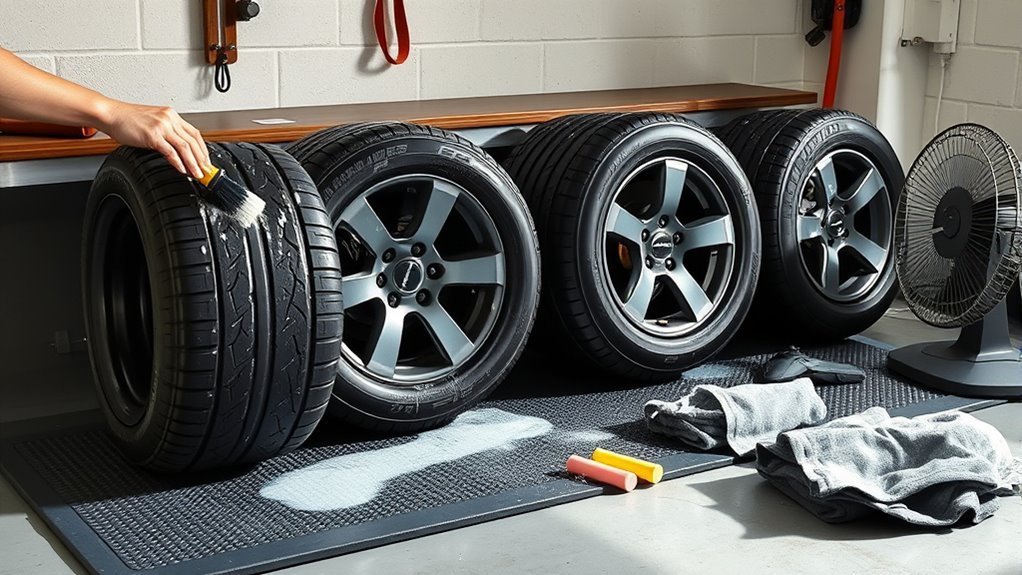
Start by marking each tire’s original position on the RAV4: front left, front right, rear left, and rear right. Use chalk, a paint pen, masking tape, or zip-tie tags. Clear labels make seasonal rotation easier and help you track uneven wear before the next install.
Next, clean each tire with mild soap, water, and a tire brush. Remove road grime, brake dust, salt, mud, and stones from the tread. If the tires are mounted on wheels, clean the wheels too so brake dust and moisture do not sit against the finish for months. Tire-storage guidance from Tire Rack also recommends drying tires fully and not applying tire dressing before storage.
Warning: Do not store tires while they are damp. Trapped moisture can encourage corrosion on wheels and may speed rubber deterioration. Let the tires and wheels dry completely before bagging.
Before sealing each tire, inspect it closely. Look for cuts, cracks, bulges, punctures, exposed cords, embedded nails, uneven wear, and treadwear indicators. The National Highway Traffic Safety Administration says tires should be replaced when tread is worn to 2/32 inch and that cracks, bulges, irregular wear, or other damage are reasons to stop using a tire.
[Products Worth Considering]

This wheel brush kit delivers pro-level cleaning at home, lifting dirt, grime, and brake dust to help restore wheel appearance. It includes multiple brush styles and applicator pads for tackling different wheel surfaces, with gentle, metal-free bristles designed to reduce scratching risk. The flat and double-ended brushes are built for comfort and reach, making wheel care easier for cars, trucks, and RVs.

The Kurgo Seasonal Tire Tote helps protect your car interior, clothes, and garage from tire grime, brake dust, and residue during seasonal tire changes. Its universal design fits most passenger tires between 22" and 31" in diameter, making storage and transport simpler with less mess. Built for rugged, repeated use, it’s machine washable for easy care and comes with a lifetime warranty.

Keep RV, trailer, or truck dual-axle tires protected with waterproof, UV-resistant covers that help guard against sunlight, snow, rust, and dirt. The dual tire covers are easy to install with a rope/bungee fastener for a stable fit that won’t easily slip. Designed for 27–30 inch diameter wheels, they help maintain tire condition through harsh weather.
Choose the Right Storage Spot for RAV4 Tires
The best storage spot for RAV4 off-season tires is indoors, cool, dry, clean, dark, and away from strong air movement. A basement, climate-controlled workshop, enclosed storage room, or clean garage shelf is usually better than a shed, attic, outdoor patio, or direct concrete floor in a damp area.
Keep tires away from direct sunlight, radiant heat, fuels, oils, solvents, battery chargers, generators, furnaces, sump pumps, welding equipment, and electric motors. Heat, UV light, petroleum products, and ozone can all age rubber faster. The Rubber Manufacturers Association tire-storage bulletin distributed by Goodyear recommends clean, dry, well-ventilated storage with mild temperatures, shade, and protection from ozone and chemicals.
Store RAV4 tires indoors whenever possible: cool, dry, dark, clean, raised off the floor, and away from heat, sunlight, petroleum products, and ozone sources.
If you must store tires outside for a short time, raise them off the ground on a clean pallet or rack and cover them with an opaque waterproof cover that has vent openings. Do not wrap an outdoor tire stack in a sealed tarp that traps heat and moisture like a steam bath.
Store Mounted vs. Unmounted RAV4 Tires (Standing, Stacking, Hanging)
The right position depends on whether the tires are mounted on wheels. Manufacturer guidance can vary, so follow the tire maker’s instructions if they differ. For most home storage, use this simple rule: mounted tire-and-wheel assemblies can be stacked or hung by the wheel; unmounted tires are best stored upright on a clean rack when possible.
| Tire Type | Best Storage Position | Avoid |
|---|---|---|
| Mounted on wheels | Stack flat in a short, stable pile or hang by the wheel on a proper wall hook | Hanging by the tire rubber or leaving weight on one small contact patch for months |
| Unmounted tires | Store upright on a smooth rack or clean surface; rotate the contact point occasionally if stored for months | Hanging unmounted tires or stacking them too high |
| Tires left on a parked vehicle | Remove vehicle weight from the tires if the RAV4 will sit for a long time | Parking for months on underinflated tires or on wet, uneven, dirty ground |
For a normal seasonal tire swap, the safest and neatest setup is usually a labeled, bagged set stored on a smooth shelf, pallet, or tire rack. Keep stacks low enough that they cannot tip, and do not place heavy boxes or tools on top of the tires.
Package Tires Properly: Bags, Racks, and Handling Tips
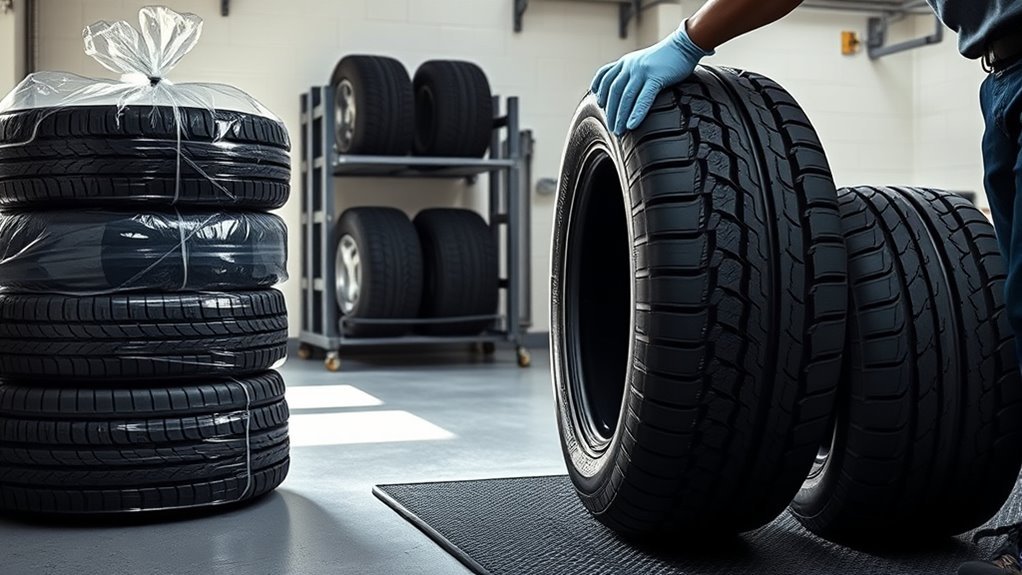
After the tires are clean and dry, place each one in its own large opaque airtight plastic bag. Remove as much air as practical, then close the bag tightly with tape or a heavy-duty clip. This creates a small protected environment around the tire and helps reduce moisture exposure and oil evaporation from the rubber.
Airtight Bagging Techniques
- Use one bag per tire, not one large bag around the full set.
- Label each bag with the tire position, date stored, tread depth, and any notes about wear.
- Push or vacuum excess air out before sealing.
- Keep the sealed bags away from sharp shelf edges, nails, tools, and rough concrete.
- If you use tire totes, put the sealed airtight bag on first, then place the tote over it for easier carrying.
Pro Tip: Write “FL,” “FR,” “RL,” and “RR” on the bags, then add the tread depth. Next season, you can rotate the set intelligently instead of guessing where each tire came from.
Safe Rack Organization
A clean rack, shelf, pallet, or tire caddy keeps your RAV4 tires off damp floors and makes the set easier to move. The storage surface should be smooth, stable, and free of protruding nails, burrs, or sharp corners. Do not use a grated surface that can press marks into a tire during long storage.
Leave enough room around the tires so you can inspect the bags and check for leaks, pests, moisture, or chemical spills. Avoid placing the rack next to gasoline cans, lawn chemicals, solvents, compressors, or electric equipment that may produce ozone.
Careful Tire Handling
RAV4 tires and wheels can be heavy. Wear gloves, lift with your legs, and avoid dragging tires across rough ground. If a tire has a nail, wire, or sharp object in the tread, do not run your bare hand over it. Mark the spot and have the tire inspected before using it again.
Note: If your RAV4 tires are mounted on wheels with TPMS sensors, reinstall valve caps before storage and avoid dropping or striking the wheel around the valve stem.
Protect Tires From Chemicals, Ozone, and UV
Rubber slowly ages even when a tire is not being driven, but poor storage speeds up that aging. Keep stored tires away from sunlight, high heat, standing water, petroleum products, solvents, and ozone. Common ozone sources in garages include electric motors, battery chargers, generators, welders, furnaces, sump pumps, and compressors.
Do not store tires directly on black asphalt or heat-absorbing outdoor surfaces. If the only available area is a garage, choose the coolest, cleanest, driest corner and raise the tires on a smooth pallet or rack. If sunlight reaches the area, use opaque bags or an opaque cover to block UV exposure.
[Products Worth Considering]
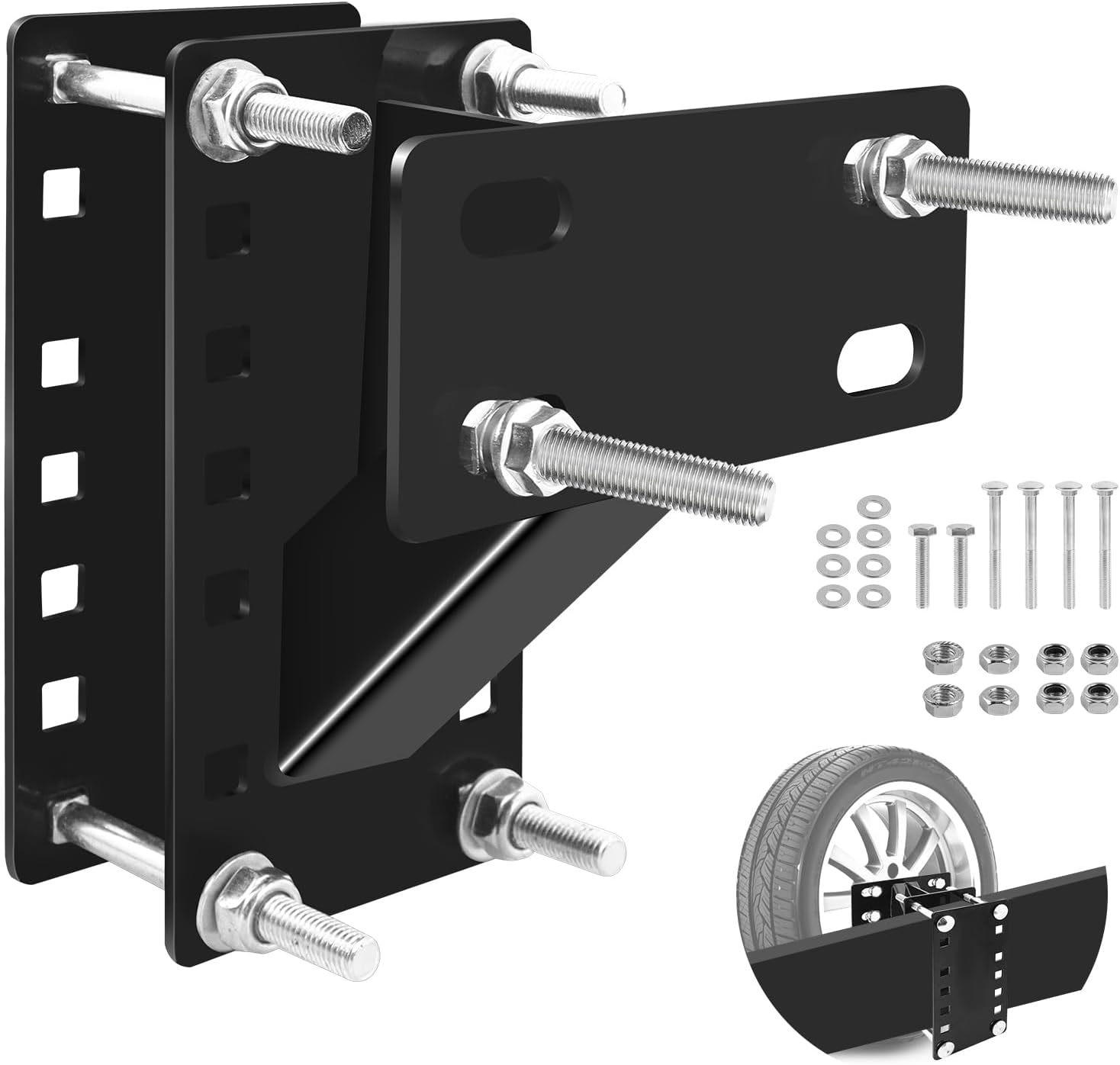
This universal spare tire mount carrier holder is built for utility trailers and boat trailers, offering a secure fit for 4, 5, and 6 lug wheels. It supports multiple bolt pattern sizes and a heavy-duty load capacity while resisting rust with a durable finish. The design allows easy installation and lets you choose the steel beam height for a better fit.

Mount your spare tire off the floor and onto your wall using an e-track spare tire carrier that helps you stay organized in trailers, garages, and warehouses. The upgraded double-fittings design improves stability versus single-fittings and supports greater load bearing. Install by snapping into e-track anchor points and securing the tire with a lug-nut style bolt setup for quick, secure storage.
Keep, Sell, or Replace: Checking Tire Age and Condition
Before storage and again before reinstalling, decide whether each tire is safe to keep. Age, tread depth, sidewall condition, air retention, and how the tire was used all matter. Do not sell or reuse a tire if you would not trust it on your own RAV4.
Check Tire Datecodes
Find the DOT Tire Identification Number on the sidewall. The last four digits show the week and year of manufacture. For example, “2319” means the tire was made in the 23rd week of 2019. The full code may appear on only one side of the tire, so check both sidewalls.
NHTSA notes that some vehicle and tire manufacturers recommend replacing tires that are six to 10 years old regardless of treadwear. Toyota also says any tire over six years old should be checked by a qualified technician even if it has seldom or never been used. Treat tires near 10 years old as end-of-service unless the tire manufacturer gives a stricter replacement age.
Inspect For Visible Damage
Look for sidewall cracks, bulges, cuts, punctures, exposed fabric, tread separation, uneven wear, repeated air loss, or vibration history. Any of these can make a tire unsafe even if the tread looks deep. If a tire was bought used and you do not know how it was previously driven, inspect it more cautiously.
Warning: Do not reinstall a tire with bulges, deep cracks, exposed cords, repeated pressure loss, or unknown severe impact damage. Have it checked by a qualified tire professional or replace it.
Assess Tread Depth
Use a tread-depth gauge and measure several spots across each tire. Tires are legally and practically worn out at 2/32 inch, but wet and winter traction can decline before that. If you are storing winter tires for the next cold season, replace them earlier when they no longer have enough tread to perform in snow and slush.
- If tread is even, age is reasonable, and there is no damage, the tire can usually be stored for next season.
- If treadwear is uneven, note the pattern before storage because it may point to alignment, inflation, or suspension issues.
- If a tire is old, cracked, repeatedly leaking, or close to 2/32 inch, replacement is safer than storage.
RAV4 Reinstall Checklist Before Next Season
When it is time to put the tires back on your RAV4, do not rely on how they looked when you stored them. Check them again before installation.
- Confirm all four tires match Toyota’s guidance for size, construction, season type, and tread pattern. Toyota warns not to mix tires of different makes, models, tread patterns, remarkably different treadwear, sizes, or construction types on the RAV4.
- Check cold tire pressure with a gauge. Toyota says the correct pressure is listed in the owner’s manual or on the Tire and Loading Information placard on the driver’s side door post, not on the tire sidewall.
- Expect some air loss during storage. Tire Rack notes that tires can lose about 1 psi per month under normal conditions.
- Inspect valve stems and caps, especially if the tires are mounted on wheels with TPMS sensors.
- Have the wheels torqued to the specification in your RAV4 owner’s manual or by a qualified technician.
- Drive slowly at first and listen for vibration, pulling, thumping, or pressure-warning messages.
Note: The pressure molded on a tire sidewall is a maximum tire rating, not the recommended inflation pressure for your RAV4. Use the Toyota placard or owner’s manual.
Frequently Asked Questions
How do you store off-season RAV4 tires?
Clean and dry each tire, label its original vehicle position, seal it in an opaque airtight bag, and store it indoors in a cool, dry, dark area. Keep the tires away from sunlight, heat, fuels, oils, solvents, electric motors, generators, and other ozone sources.
How do you store RAV4 tires without rims?
Unmounted tires are best stored upright on a smooth rack or clean surface. Do not hang unmounted tires by the bead. If space forces you to stack them, keep the stack low, stable, clean, and protected from moisture and heat.
Should mounted RAV4 tires be stored flat or standing up?
For tires mounted on wheels, stacking flat in a short stable pile or hanging by the wheel is usually preferred. Do not hang a mounted tire by the rubber itself, and do not stack so high that the pile can tip or overload the bottom tire.
Can RAV4 tires be stored outside?
Indoor storage is much better. If outside storage is unavoidable for a short time, raise the tires off the ground and use an opaque waterproof cover with vent openings so heat and moisture do not get trapped.
How old is too old for stored RAV4 tires?
Check the DOT date code. Any tire over six years old should be inspected by a qualified technician, even if it looks unused. Tires near 10 years old should usually be replaced unless the tire manufacturer gives a stricter or clearer service-life recommendation.
Conclusion
Good RAV4 tire storage is simple: clean, dry, label, bag, and store the tires in the right environment. Keep them cool, dry, dark, raised, and away from ozone, heat, sunlight, fuels, oils, and solvents. Use the correct position for mounted or unmounted tires, and check DOT age, tread depth, pressure, and damage before reinstalling. A few minutes of careful storage now can help your off-season tires stay safer, cleaner, and easier to use next season.
Sources
- NHTSA TireWise — tire tread, DOT date codes, aging, pressure, and tire safety guidance.
- Toyota 2025 RAV4 Owner’s Manual: Tires — RAV4 tire inspection, replacement, age-check, and tire-matching guidance.
- Toyota Support: Recommended Tire Pressure — where to find the correct vehicle tire pressure.
- Tire Rack: How Do I Store Tires? — cleaning, drying, airtight bagging, sunlight, ozone, and storage-location guidance.
- Michelin: How Do I Store My Tires? — tire storage conditions and mounted vs. unmounted positioning guidance.
- Goodyear / Rubber Manufacturers Association Tire Storage Bulletin — storage do’s and don’ts, outdoor storage cautions, ozone sources, and professional inspection before service.

Related Articles

Toyota RAV4 TPMS Reset: Easy Steps That Work
Unlock the secrets to resetting your Toyota RAV4's TPMS effortlessly—discover the essential steps to ensure your tires are always safe.
Read More
Toyota RAV4 Tire Rotation: DIY Steps & Pattern
Take control of your Toyota RAV4's tire maintenance with our simple DIY rotation guide—discover the best steps for optimal performance and longevity!
Read More
Mix Tire Brands on a Toyota RAV4? Expert Guide
Keeping your RAV4 safe? Learn when mixing tire brands risks traction, ABS/TCS and AWD damage — and what exact matches you must insist on.
Read More