
Latex Inner Tubes vs Butyl and TPU: Benefits, Drawbacks and When to Use Them
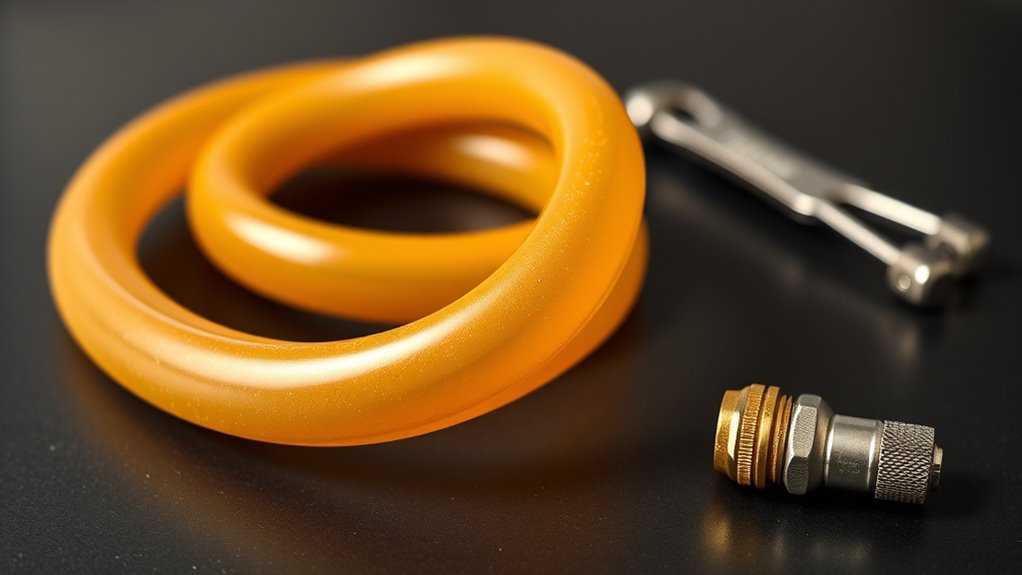
A latex inner tube uses natural rubber. It weighs less and stretches more than a butyl tube. This cuts rolling resistance, helps you accelerate quicker, and improves comfort. It also seals small punctures better when you add sealant. You save roughly 7 W and about 80 g versus butyl. But you get faster air loss of around 10 psi per day, greater puncture risk, trickier installation, and the need for special patches. Use latex for racing or focused training on smooth roads. Just expect daily pressure checks. Keep reading for the details on care, compatibility, and alternatives.
Quick Answer
- Latex tubes cut rolling resistance by about 7 W and save around 80 g compared to butyl, giving faster acceleration and a smoother ride.
- They lose air quicker (up to 10 psi per day) and carry higher puncture risk, so daily pressure checks are essential.
- They work best for racing or time trials on smooth roads where every watt and gram counts.
- For commuting or regular training, butyl or TPU often feels more practical.
[Products Worth Considering]
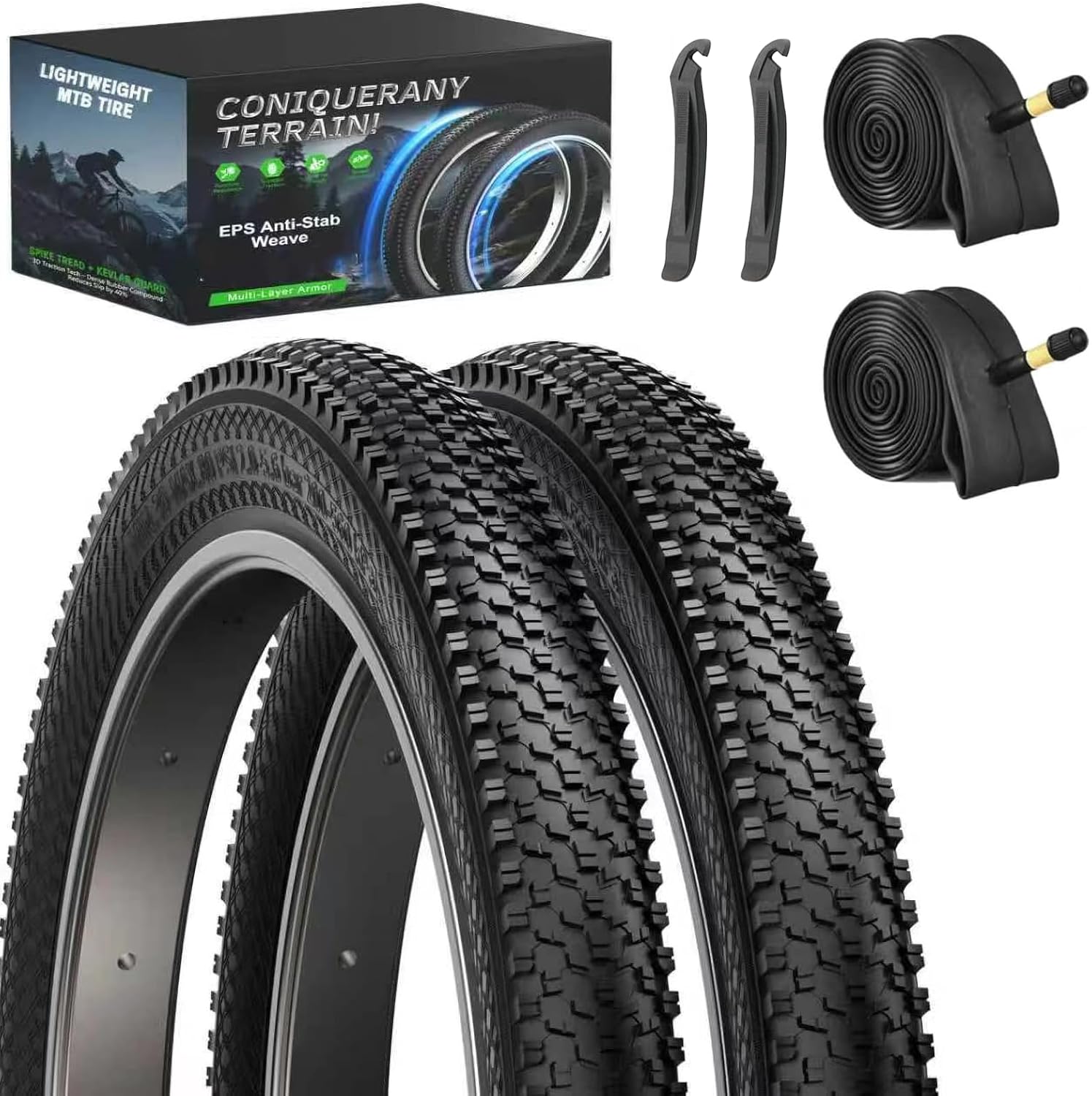
This 2-pack set includes two folding mountain bike tires, two inner tubes, and two tire levers for quick, budget-friendly replacements. The tires feature an anti-stab weave...
What Is a Latex Inner Tube vs Butyl and TPU
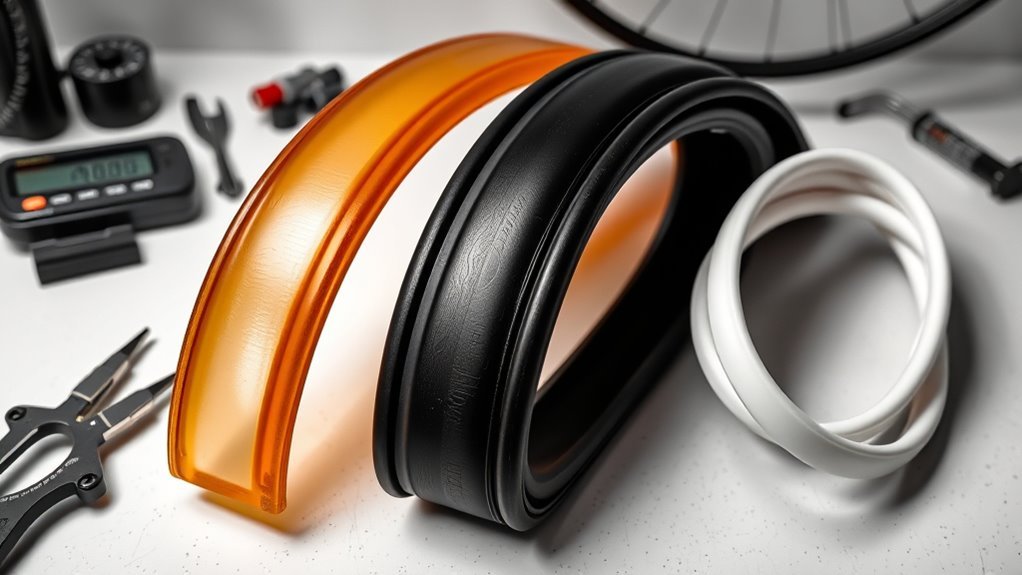
Although all three serve the same basic function, latex inner tubes are made from natural rubber while butyl tubes use synthetic rubber and TPU (thermoplastic polyurethane) is a plastic-based alternative. Those material differences drive their performance trade-offs.
You’ll choose latex when you want lower rolling resistance (typically 5–7 W less than butyl) and reduced mass (≈80 g versus 100–150 g for butyl as expert comparisons show). But you’ll accept faster air loss—up to about 10 psi per day—so you’ll need frequent pressure checks. In butyl comparisons, butyl wins for slow leak rates (around 1 psi per day), puncture resistance, durability, and easier repair. TPU sits as a midpoint: more durable than latex, lighter or similar to some butyls, but with different ride characteristics and sealing behavior.
How Latex Improves Speed, Weight and Ride Feel
Having compared materials, you can now look at how latex affects real-world performance. It trims rolling resistance by about 7.1 W versus standard butyl according to recent independent tests, shaves roughly 20–70 g per tube (typical latex ≈80 g vs butyl 100–150 g), and its natural elasticity smooths road vibrations for a livelier, more compliant ride.
You’ll notice measurable speed enhancement in time trials and accelerations due to lower rolling loss and reduced rotational mass. The improved ride comfort comes from latex’s compliance, which damps high-frequency buzz without compromising cornering stability. Latex also self-seals small perforations better when used with sealant, preserving speed gains. Monitor pressure regularly to maintain peak performance, as air retention differs from butyl.
Drawbacks: Air Loss, Fragility, Installation and Repair
Be prepared to check pressure daily, since latex tubes can lose up to about 10 psi per day and will underperform if you don’t top them up. They’re also thinner and more puncture-prone than butyl, so oils, rough handling, and heat at the rim increase failure risk. Finally, repairs aren’t straightforward—latex needs specific patches and careful technique, so roadside fixes can be slow or impossible.
Rapid Air Loss
Because latex is inherently more porous and thinner than butyl, you’ll face noticeably faster air loss and greater handling risk. Expect up to about 10 psi drop per day, increased sensitivity to heat (especially on rim-brake rims), and a higher chance of damage from oils, solvents, or improper seating that can lead to blowouts.
Plan for daily air pressure checks before key rides. Competitive use often requires topping up pre-ride and mid-ride. During installation, seat the bead carefully, avoid twisting or pinching the tube, and keep lubricants away from the rubber. Carry a compatible spare rather than relying on standard puncture kits. For storage and after hot descents, inspect pressure and tube condition. These maintenance tips reduce sudden failures but don’t eliminate inherent rapid loss.
Easy Puncture Risk
The faster air loss of latex also goes hand-in-hand with greater puncture vulnerability. Their thinner, more elastic casing rips or nicks more easily than butyl, so you’ll see more flats from thorns, glass, and pinch cuts.
You need disciplined puncture prevention techniques: run lower pressures cautiously, inspect and remove embedded debris before fitting, use high-quality tire liners or sealant compatible with latex, and choose tires with robust casing. Installation demands care—seat the bead evenly and avoid pinching the tube with levers. Follow tube maintenance tips by checking pressures daily and inspecting for heat-affected areas near rim brakes. Accept that latex trades durability for suppleness. If you want reliability over performance, consider butyl or carry a spare latex tube and a compatible repair solution.
Tricky Patch Repairs
While latex gives you a supple ride, it also makes patching more finicky. The thin, highly elastic material tears more easily during installation and often resists standard vulcanizing patches, so you’ll need latex-specific repair methods and extra care when seating the tire.
You should expect faster air loss—sometimes up to 10 psi per day—so verify pressure before every ride and after any repair. For field repairs, use patch material designed for latex. Standard kits often fail because adhesives don’t bond to the rubber matrix. Evaluate adhesive options: solvent-based latex glues or purpose-formulated rubber cements work best. Avoid heat buildup during descents and handle the tube gently when installing patches to prevent further tearing or adhesive failure.
Who Benefits From Latex Tubes (And When)?
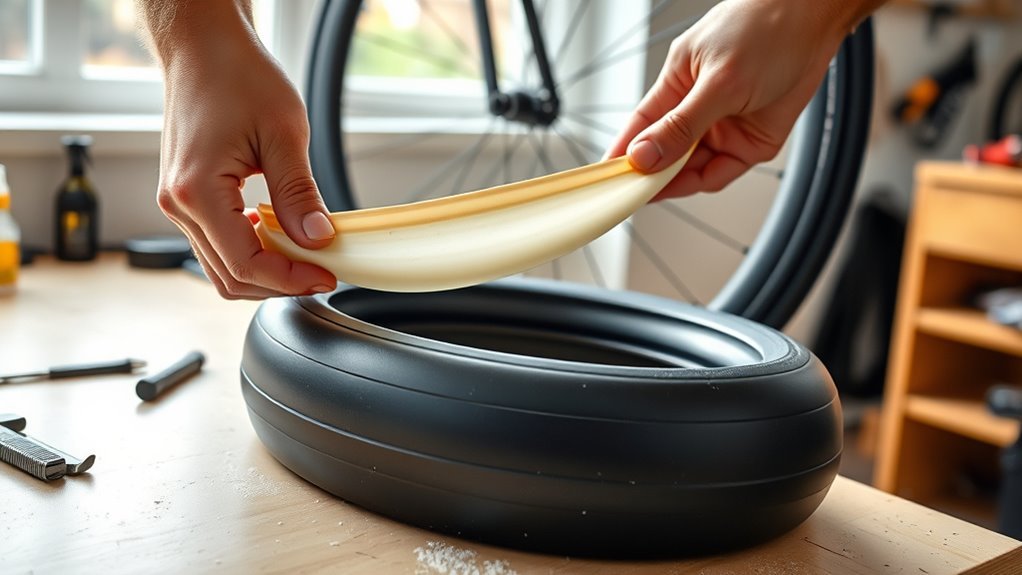
If you’re racing or doing time trials, latex tubes give measurable gains in rolling resistance and ride quality that can shave watts and seconds. For commuting and everyday training, you’ll only want latex if you prioritize weight and feel and can manage daily pressure checks and faster air loss. Choose latex when performance margins matter. Stick with butyl when practicality and puncture resistance are higher priorities.
Racing And Time Trials
Because latex tubes cut rolling resistance by roughly 5–7 watts per tire and shave weight at about 80 g for a 700×28, racers and time-trialists gain measurable speed and quicker acceleration when conditions are right. You’ll pick latex when marginal gains matter: during short time trials, breakaways, or flat TT courses where race strategy prioritizes steady high power and low drag. Expect better vibration damping and comfort, but plan for frequent pressure checks because latex leaks faster.
- Use latex with race strategy focused on performance gains over durability.
- Pair with high-quality tire selection to minimize puncture risk.
- Pre-ride inflation checks are mandatory for consistent pressures.
- Avoid dirty, debris-strewn courses where puncture risk negates benefits.
Commuting And Training
When you spend most rides on smooth pavement and care about marginal speed and comfort, latex tubes give a clear performance edge. They cut rolling resistance by roughly 7 watts versus butyl and damp road vibration better. But they demand daily pressure checks (you can lose ~10 psi/day) and more frequent maintenance, so they’re best for commuters and trainees who prioritize speed and ride quality over low upkeep.
You’ll see commuting efficiency gains on consistent surfaces and measurable training performance improvements during tempo intervals. Expect improved comfort on long efforts, but plan regular inflation and inspection. For casual daily use or mixed-surface commuting, butyl’s durability may outweigh latex’s benefits.
| Benefit | Trade-off |
|---|---|
| Lower rolling resistance | Higher air loss |
| Better damping | More maintenance |
| Improved speed | Less puncture durability |
Latex Tube Compatibility: Tyres, Hookless Rims and Sealant
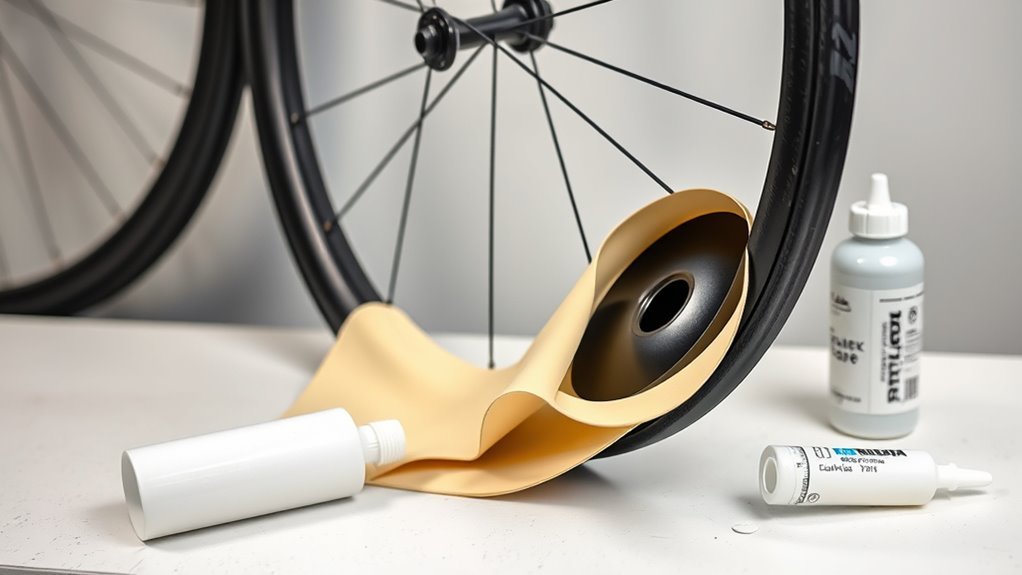
Although latex tubes fit most standard clincher tires and give lower rolling resistance than butyl, you need to check tire and rim seating, verify hookless rim compatibility, and plan for sealant use and more frequent inflation checks. You’ll want to confirm tire compatibility and rim compatibility before installation: proper bead seating prevents pinch punctures and tube damage.
Hookless rims can accept latex tubes but may complicate installation. Follow manufacturer limits and use appropriate tire pressure. Sealant can help latex tubes self-seal small punctures, improving field reliability, but won’t stop large cuts. Finally, expect faster air loss—schedule inflation checks and carry a pump or CO2. Practical prep and routine inspection keep latex advantages without surprises.
- Verify bead seating every install
- Check hookless rim specs
- Use sealant for small punctures
- Monitor pressure frequently
Cost, Care and Alternatives: TPU, Butyl and Tubeless
If you want the performance edge, expect to pay for it: latex tubes typically cost £15–£25, considerably more than butyl‘s ~£7.50–£12, and they demand more hands-on care—gentle installation, frequent top-ups (as much as ~10 psi/day), and cautious handling to avoid nicks. For a clear cost comparison, butyl wins on price and low maintenance, losing roughly 1 psi/day and tolerating rougher handling. TPU sits between worlds: lightweight (~30 g), good air retention, $10–$40 price range, and similar rolling resistance to latex but tougher to patch. Tubeless systems offer puncture resistance and flexibility but add weight and service complexity. They suit experienced users. Maintenance tips: inspect beads, use gloves to avoid cuts, carry a pump and spare, and check pressure daily with latex.
Frequently Asked Questions
What Are the Advantages of Latex Inner Tubes?
You get lighter, faster rides with improved comfort and lower rolling resistance. Latex tubes absorb vibrations and pair well with sealants to boost puncture resistance. But they’ll need frequent inflation and routine pressure checks.
Why Use Latex Tubes?
You’ll save about 5–7 watts per tire, so you’ll go faster. Performance comparison favors latex for lower rolling resistance and comfort. Use installation tips: handle gently, stretch briefly, and top up psi daily to maintain performance.
How Quickly Do Latex Inner Tubes Lose Pressure?
You’ll lose about 5–10 psi per day with latex tubes, so pressure maintenance demands daily checks and reinflation. They’re performant but offer less puncture resistance than butyl, requiring more frequent servicing.
How Long Does Latex Tubing Last?
You’ll typically get 1–2 years. Longevity factors include usage, UV/temperature exposure and punctures, and maintenance tips like regular pressure checks, careful installation and sun‑free storage to maximize service life.
Conclusion
Think of a latex inner tube as a precision spring. It breathes, flexes and rewards you with lower rolling resistance, lighter weight and a livelier ride. You’ll trade that springiness for faster air loss, more puncture sensitivity and extra care during fitment and repair. Choose latex when performance and feel matter more than convenience. Opt for butyl, TPU or tubeless when durability, low maintenance and long-term reliability are your priorities.

Related Articles
What Does THE P Stand For on a Tire? Full Meaning Explained
I’ll explain what the “P” on a tire really means and why it could change how you choose your next set.
Read More
How to Use a Tubeless Tire Repair Kit: Complete Field Guide
Learn how to fix tubeless tire punctures fast with the right kit, because one small mistake can leave you stranded on the trail.
Read More
How to Tell a Tire’s Diameter: Easy Guide to Reading Tire Size
Want to decode tire sidewall numbers and find the right diameter, but wonder what those hidden digits really mean?
Read More