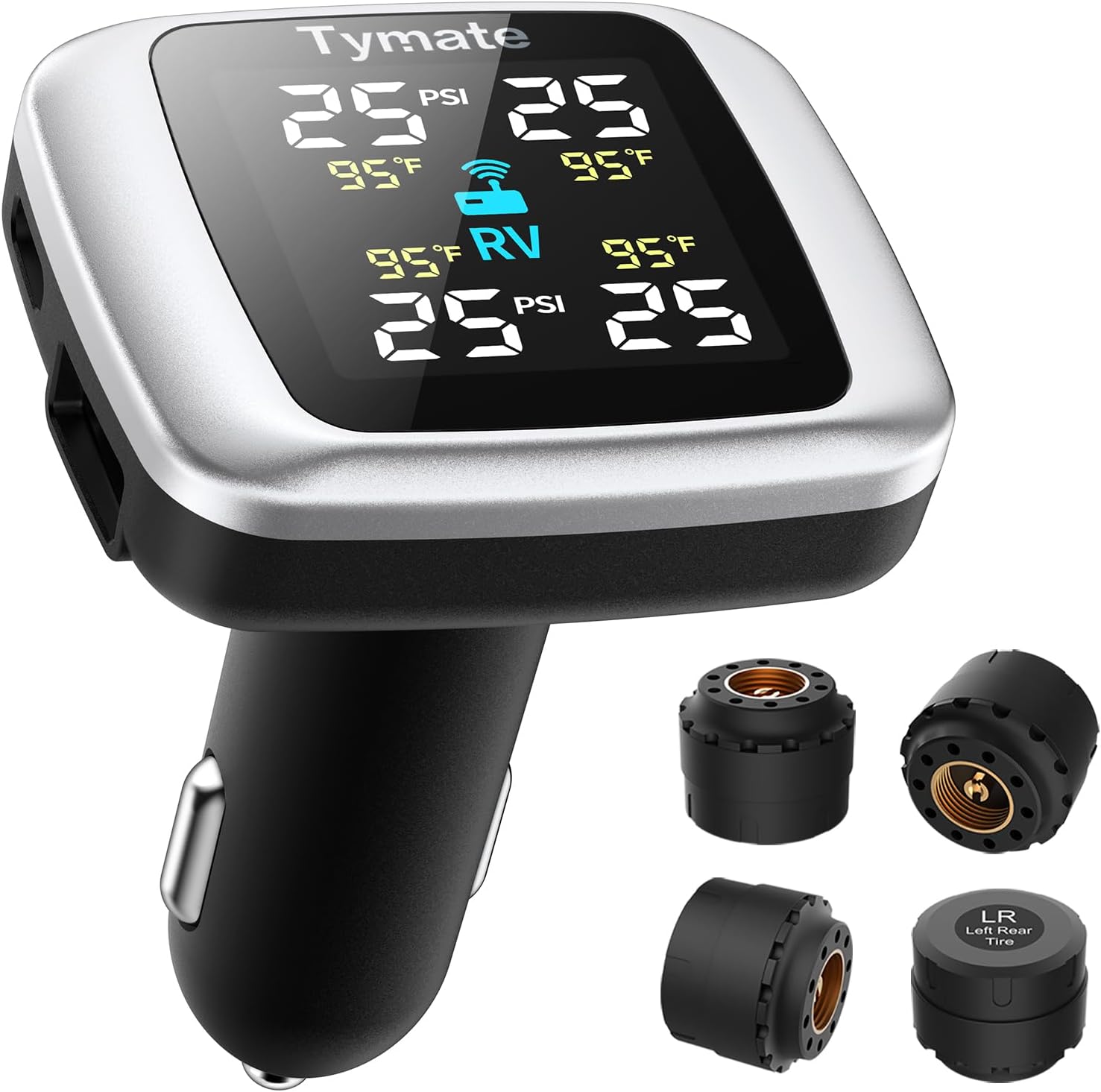
Can You Drive on a Low Tire? Risks, Distance & Safe PSI Limit
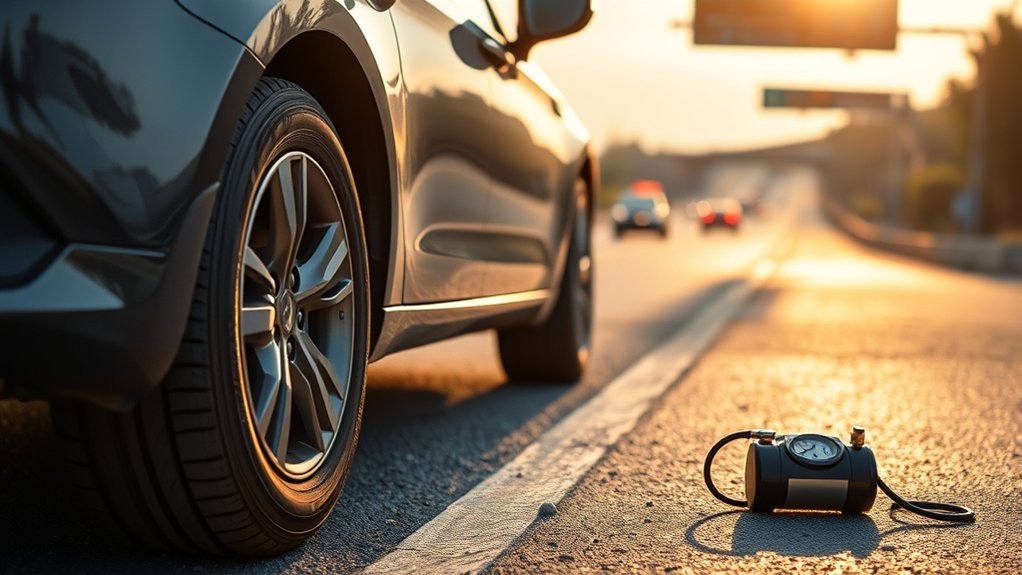
Yes, you can drive on a low tire, but only briefly and with caution. Below about 25 psi, treat it as an emergency drive: slow down to 50 mph or less, avoid hard braking and sharp turns, and watch for pulling or vibration. Under 20 psi, stop driving immediately. Low pressure cuts traction, increases stopping distance, and raises blowout risk, so check pressure with a gauge and fix the cause fast; the details matter.
Key Takeaways
- Low tire pressure reduces traction, braking, and handling, making driving more dangerous.
- Below 25 PSI, drive only a short distance at 50 mph or less, avoiding hard braking and sharp turns.
- Below 20 PSI, stop driving immediately because the tire is effectively flat and blowout risk is high.
- Tire pressure warning lights usually trigger after a 5 to 7 PSI drop and need prompt inspection.
- Check tires when cold, inflate to the recommended 28 to 35 PSI, and seek service if the light stays on.
Is It Safe to Drive With Low Tire Pressure?

No—driving with low tire pressure is not safe, because under-inflated tires reduce traction, impair handling, and increase braking distances. You compromise vehicle control every mile, especially when cornering, stopping, or responding to sudden hazards. If your tire pressure warning light comes on, treat it as a safety signal, not an inconvenience. Most vehicles need about 28 to 35 PSI, and pressures below 20 PSI are dangerously low and functionally flat. Low tire pressure also increases tire flexing, which builds heat and raises blowout risk. That added stress can accelerate wear, distort alignment, and strain suspension parts. You don’t have to accept avoidable danger or mechanical damage. Check pressures with an accurate gauge, inflate to the manufacturer’s spec, and inspect for leaks or punctures before you drive. Safe tires protect your freedom to move, brake, and steer with confidence. Additionally, using dedicated winter tires can significantly enhance your vehicle’s performance in cold conditions.
How Far Can You Drive on Low Tire Pressure?
How far you can drive on low tire pressure depends on how low the tire is, but if pressure is under 25 psi, you should treat it as a short, cautious emergency drive only—roughly 10 to 50 miles at 50 mph or less—to limit heat buildup and tire stress. You need to keep your route direct and avoid hard braking, sharp turns, or heavy loads. Driving with low tire pressure increases handling loss and stopping distance, so every mile adds risk. If the reading drops below 20 psi, stop driving; at that point, the tire is effectively flat and a blowout becomes much more likely. Your TPMS usually warns you after a 5 to 7 psi drop, and that alert means you should act immediately. To stay free from avoidable damage, check pressure often and inflate to the manufacturer’s recommended low tire pressure level, usually 32 to 35 psi. Additionally, using low rolling resistance tires can help improve fuel economy and overall driving performance.
How Low Is Too Low for Tire Pressure?
A tire is too low once it falls below the vehicle manufacturer’s recommended PSI, typically about 28 to 35 PSI for most cars. If you’re asking how low is too low, treat anything under that range as low pressure that needs correction. Once pressure drops below 20 PSI, the tire is effectively flat and you’re exposing yourself to serious blowout risk, degraded handling, and longer stopping distances. You may also accelerate tread wear and waste fuel. Temperature shifts matter too: a 10-degree Fahrenheit drop can reduce pressure by about 1 PSI, so check tires regularly, especially in cold weather. Tire pressure monitoring systems help, but they don’t replace a manual gauge check. If one tire keeps losing air, don’t ignore it; a puncture or leak may be driving the loss. Stay free to move, but don’t let underinflation control your safety or your vehicle’s performance. Additionally, maintaining the correct tire pressure is essential for optimizing traction and handling on various road conditions.
Why Did the Tire Pressure Light Come On?

Your tire pressure light usually activates when one or more tires drop about 5 to 7 psi below the manufacturer’s recommended level, often near 32 psi. That warning can also point to a leak, a sensor fault, or seasonal temperature shifts that reduce pressure. Because pressure monitoring systems (TPMS) track inflation electronically, a false alert is possible, but you shouldn’t assume that without checking tire pressure manually. Use a gauge on all four tires and the spare as soon as the light appears. If the reading is low, the system is doing its job: protecting your freedom of movement by warning you before safety degrades. Ignoring the warning can increase stopping distance and raise blowout risk. If the tire pressure light stays on after you restore proper pressure, you may need a professional TPMS diagnosis or inspection for tire damage. Additionally, maintaining the correct pressure is essential for optimal tire performance and safety.
What Should You Do When Tire Pressure Drops?
When tire pressure drops considerably, check it immediately with a gauge, because underinflated tires reduce handling and increase blowout risk. You should verify tire pressure against the placard, not guess, and respond quickly to preserve control and freedom on the road. If you see the warning light, inspect the tire for punctures, cuts, or sidewall damage before moving. Pressure monitoring systems (TPMS) can alert you to a leak, but they can also fail, so don’t rely on the light alone. If pressure is 20–25 psi, you may drive only a short distance, cautiously, and keep speed under 50 mph to limit heat buildup. When pressure falls below that, stop and arrange service.
Additionally, consider how tire tread depth impacts overall safety and performance while driving on low tire pressure.
- check tire pressure with a gauge
- look for visible damage first
- limit speed to 50 mph
- drive only a short distance
- visit a tire shop promptly
How Do You Check and Inflate Tire Pressure?
You check tire pressure with a standard or digital gauge when the tires are cold, since heat can distort the reading. You should compare the result to the PSI listed on your driver’s door jamb or in your owner’s manual, not just the typical 32–35 PSI range. To inflate safely, use a compressor or public air station and recheck each tire, including the spare, until it matches the recommended pressure. Regularly checking your tire pressure is crucial for maximizing tire life and ensuring optimal performance and safety.
Checking Tire Pressure
Before adding air, check the tire with a standard or digital gauge by first making sure the valve stem is clean and free of debris, then pressing the gauge firmly onto the valve. For checking tire pressure, compare the reading with your vehicle’s recommended PSI, usually 28 to 35, from the owner’s manual or door sticker. Use a pressure gauge monthly and before long trips; TPMS can warn you, but it won’t replace manual verification.
- Read each tire cold.
- Note any PSI drop after temperature swings.
- Inspect sidewalls and tread for damage.
- Check all four tires, including the spare.
- Record readings to track changes.
If pressure is low, plan proper inflation soon. Consistent checks protect control, efficiency, and the freedom to drive without avoidable risk.
Inflating Tires Safely
Once you’ve confirmed a low reading, inflate the tire with a compressor or public air station to the vehicle’s recommended PSI, usually 28 to 35 for most cars. Use a standard or digital gauge to verify Pressure before and after each fill. Check Tires when they’re cold, because Drive heat can distort readings and hide leaks. Inflate in short bursts, then recheck frequently; temperature swings can drop about 1 PSI for every 10 degrees. Inspect sidewalls and tread for punctures or damage first, since compromised Tires won’t hold air safely. Keep your hands clear of the valve, and stop at the specified PSI. Monthly checks help you maintain control, protect freedom of movement, and reduce the risk of sudden failure on the road.
How Low Tire Pressure Damages Tires
Low tire pressure makes a tire flex more than it’s designed to, which builds heat inside the casing and can damage internal structure over time. When you keep driving underinflated, you invite structural damage, faster degradation, and less freedom from avoidable repair costs. Tire pressure monitoring systems (TPMS) can warn you early, but they can’t stop the wear already happening.
Low tire pressure flexes tires more, builds heat, and quietly damages their internal structure over time.
- More flexing creates excess heat
- Heat weakens belts and sidewalls
- Uneven wear shortens tire life
- Grip drops as PSI falls
- Suspension and alignment can suffer
You’ll often see uneven wear on the shoulders because the tread can’t carry load evenly at low PSI. If pressure falls far below spec, the tire loses shape and integrity, and failure risk rises sharply. Staying within the recommended range protects handling, preserves the tire, and helps you drive with control and autonomy. Additionally, maintaining proper tire pressure enhances wet and snow traction, which is crucial for safe driving conditions.
When Should You Stop Driving Immediately?

Stop driving immediately if the tire pressure drops below 20 psi, because that level is dangerously low and raises the risk of a blowout. When your tire pressure monitoring systems warns you, treat it as a clear signal that pressure is too low and your margin for safe travel is shrinking. If the light comes on, check the tire as soon as it’s safe. If you see a visibly flat tire, stop driving immediately; continued motion can ruin the tire and drive up repair costs. If you feel strong vibration or the vehicle pulls to one side, pull over at once and inspect the tire. Even with pressure above 25 psi, but below spec, keep speed at 50 mph or less and limit distance to 10-50 miles to reduce heat buildup. Your freedom depends on decisive action, not wishful thinking. Additionally, maintaining proper tire pressure can significantly enhance all-season performance and extend the life of your tires.
When Should You Visit a Tire Service Shop?
If your tire pressure warning light stays on, you should treat it as a service issue, not just a dashboard alert. If pressure falls below 20 PSI, you need to visit a tire service shop immediately because that level is unsafe. You should also get a professional inspection whenever the light persists after inflation or you suspect hidden damage. Regular tire maintenance, including monthly pressure checks, can help prevent such issues from arising.
Warning Light On
When the tire pressure warning light comes on, it usually means one or more tires have dropped about 5 to 7 psi below the recommended level, so you should address it promptly. Your TPMS isn’t decorative; it alerts you to conditions that can cause poor handling, longer stops, and loss of control.
- Check pressures with a gauge.
- Compare them to the placard.
- Inflate to spec, then recheck.
- If the light stays on, visit a tire service shop.
- If pressure is below 20 psi, don’t drive.
Monitor tires monthly to keep the warning light from surprising you. If TPMS remains illuminated after correction, you may have a sensor fault or tire damage, and only a diagnostic inspection can confirm it.
Tire Pressure Too Low
A tire pressure warning light or a low gauge reading means you should assess the tires right away, because driving on any tire below 20 psi is unsafe and can lead to a flat or blowout. TPMS helps you notice a problem, but you still need to verify each tire manually.
| PSI Range | Action |
|---|---|
| Under 20 | Stop driving; risk rises fast. |
| 20-24 | Drive only briefly, if necessary. |
| 25-30 | Keep speed under 50 mph. |
| Monthly check | Prevent hidden loss and tire wear. |
Low pressure increases stopping distances, heat, and sidewall flex, which erodes control and freedom on the road. If you see significant pressure loss or visible damage, you shouldn’t keep pushing it; a tire service shop can check for leaks or punctures and confirm the tire’s integrity.
Seek Professional Inspection
Even after you inflate a tire, you should visit a tire service shop right away if the pressure is still below 20 PSI, because that can indicate a near-flat tire, a leak, or internal damage. You should seek professional inspection when warning lights stay on, because tire pressure monitoring systems (TPMS) may have a fault. Inspect for visible damage, including cuts, bulges, or sidewall abrasions, and don’t delay service if you find any.
- Check pressure after inflation.
- Watch for recurring pressure loss.
- Schedule rotation every 5,000–7,000 miles.
- Ask for leak testing after temperature drops.
- Replace compromised tires promptly.
A technician can diagnose hidden punctures, valve problems, and structural weakness, giving you safer mobility and control.
Frequently Asked Questions
How Long Can You Drive With a Low Tire?
You can drive only a short distance—usually 10 to 50 miles—if tire pressure stays above 25 PSI, but you shouldn’t push it. Watch for warning signs like pulling, vibration, or TPMS alerts, because tire pressure effects grow fast with heat and load. If the tire’s below 20 PSI, stop and use temporary solutions: inflate it, spare it, or call for help. Driving farther risks blowouts and uneven wear.
How Low Is Too Low to Drive on Your Tires?
Too low is anything under 25 PSI for most tires, and below 20 PSI is unsafe to drive on. You’re facing serious safety risks because tire pressure this low reduces handling, lengthens stopping distance, and heats the tire fast. Don’t ignore the warning light. Check pressure when tires are cold, compare it to your door placard, and add air promptly. These maintenance tips help you protect control, freedom, and vehicle integrity.
What Is Dangerously Low for a Tire?
You’re in danger when tire pressure falls below 20 PSI; that’s the cracked bridge before a storm. At that level, safety concerns rise fast: the tire flexes, heats up, and can fail. You should watch for warning signs like bulging, pulling, or a thumping ride. Most vehicles need 28–35 PSI for stable control, so check your gauge often and restore pressure promptly to stay free and safe.
Is 17 Psi Too Low to Drive On?
Yes—17 psi is too low to drive on. You’re below the safe tire pressure range, and driving safety drops fast as flexing, heat, and blowout risk rise. You’ll need to stop, inflate to the manufacturer’s spec, and inspect for punctures or bead leaks. Don’t keep rolling on it; that only worsens wear and handling. For maintenance tips, check all tires cold and reset pressure regularly.
Conclusion
You can drive on a low tire only for a short distance, and only with caution. Think of the tire as a soft boot under load: every mile on underinflated rubber builds heat, flex, and damage. If the pressure warning light comes on, stop soon, check psi, and inflate to the placard value. Don’t push a tire that’s visibly sagging, because a blowout can happen fast. When in doubt, slow down and get service.

Related Articles
Can Hitting a Curb Pop Your Tire? Damage to Expect & What to Do
Ongoing curb damage can quietly pop your tire or hide worse issues—discover the warning signs and what to inspect before driving again.
Read More
Can Glass Pop a Car Tire? What Actually Punctures a Tire
When can glass pop a car tire, and what really punctures it? Discover the surprising factors that decide whether you’re safe or stranded.
Read More
Are Tire Caps Necessary? Why Every Tire Needs a Valve Cap
L**earn why a tiny tire cap could save you from hidden air loss and costly damage—what happens if you skip it?
Read More