
Where Is Fat Tire Beer Brewed? New Belgium Brewing’s Home Base
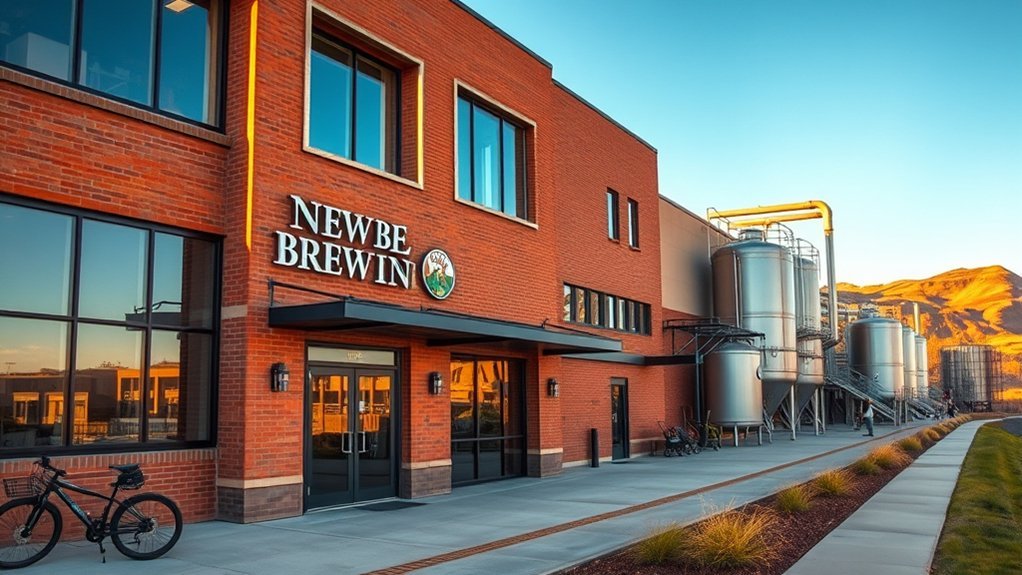
Fat Tire is brewed by New Belgium Brewing, the brewery that started in Fort Collins, Colorado, and still anchors the beer’s identity there. New Belgium also uses its Asheville, North Carolina, brewery and a wider U.S. production network to support national availability. Public sources confirm Daleville, Virginia, as part of New Belgium’s broader production footprint, but they do not clearly list every Fat Tire batch by site.
Quick Answer
Fat Tire is a New Belgium Brewing beer rooted in Fort Collins, Colorado. New Belgium’s main public brewery locations are Fort Collins and Asheville, North Carolina, while its broader production network now includes additional U.S. sites such as Daleville, Virginia. For the freshest local availability, use New Belgium’s Beer Finder.
Key Takeaways
- Fat Tire began with New Belgium Brewing in Fort Collins, Colorado, where the company’s story started in 1991.
- New Belgium lists Fort Collins, Colorado, and Asheville, North Carolina, as its main public brewery locations.
- Daleville, Virginia, joined New Belgium’s production network in 2023, but public sources do not clearly confirm it as a Fat Tire-specific brewing site.
- The current beer is marketed as Fat Tire Classic Ale, while the older amber/red version is treated as the 1991–2022 version.
- Canadian Fat Tire production was announced through Steam Whistle Brewing for the Canadian market, but local availability can change by province and retailer.
Warning: Fat Tire is an alcoholic beverage. Drink responsibly, follow your local drinking-age laws, and check local rules before ordering beer online or crossing borders with alcohol.
Where Is Fat Tire Beer Brewed?
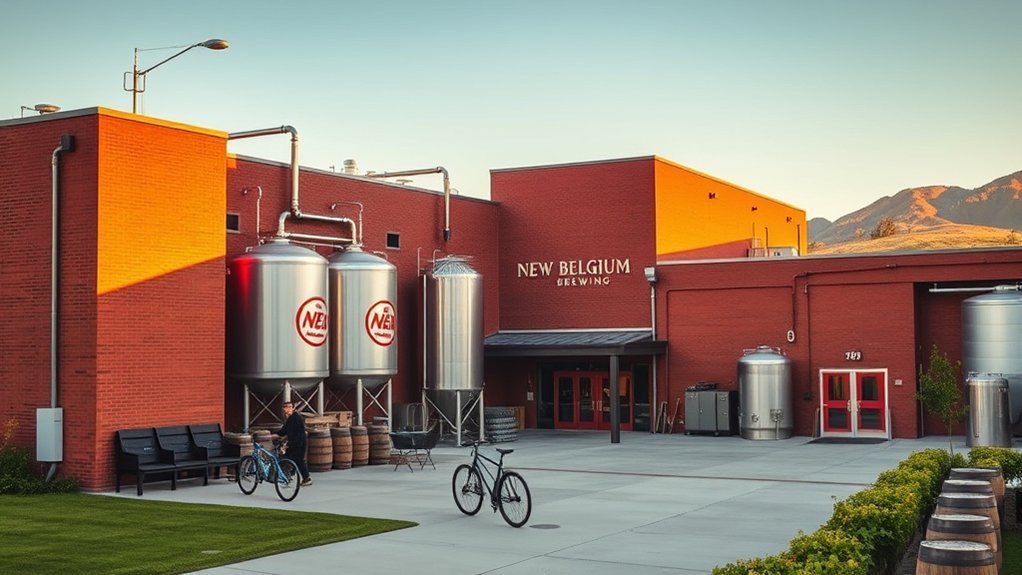
Fat Tire is brewed by New Belgium Brewing, with its origin and brand story tied most closely to Fort Collins, Colorado. That is where New Belgium was founded and where Fat Tire became one of the best-known beers in the company’s lineup.
For current consumer-facing locations, New Belgium lists Fort Collins, Colorado, and Asheville, North Carolina, as its main brewery destinations. The company also added a Daleville, Virginia, production brewery in 2023 to expand overall capacity. Because New Belgium does not publish a simple public batch-by-batch map for Fat Tire, the safest answer is this: Fat Tire is a New Belgium beer rooted in Fort Collins and supported by New Belgium’s broader brewing and distribution network.
Note: A beer’s brand home and its production network are not always the same thing. Fort Collins is Fat Tire’s historic home, while multiple brewery sites can support supply as demand changes.
[Products Worth Considering]

This heavy-duty fat bike inner tube is built for secure fit on 20-inch wheels with 3.5 to 4.0 inch wide tires, including e-bikes and mountain bikes. It uses thick butyl rubber for improved durability, air tightness, and a smoother, more comfortable ride. A standard Schrader valve makes inflation easy and helps keep pressure stable for safer rides, with tire levers included for simpler installation.

Upgrade your 20x4.0 fat tire ebike with these perfectly fitting inner tubes designed for 20-inch fat tires. The Schrader valve makes inflation easy and the premium butyl construction helps resist everyday wear. Each pack includes two tubes, making it simple to be ready for flats and keep your ride moving.

Ride with confidence using these fat tire inner tubes designed for 26-inch e-bikes and bikes. The butyl rubber construction delivers good airtightness, durability, and shock absorption for a smoother ride. Each tube fits 26x3.5 to 4.0 tires with an AV 32mm Schrader valve, and the kit includes tire levers for easier installation.
New Belgium’s Fort Collins Home Base
When you trace Fat Tire back to its source, Fort Collins is the place to start. New Belgium’s own story connects Fat Tire to co-founder Jeff Lebesch’s 1988 bicycle trip through Belgium and to the beer he later brewed in Colorado with Kim Jordan.
Fort Collins Brewery
The Fort Collins brewery remains the heart of the Fat Tire story. New Belgium’s official history says Kim Jordan and Jeff Lebesch developed Fat Tire Ale in 1991 after installing brewing equipment in the basement of their Fort Collins home. That makes Fort Collins more than a production location; it is the beer’s birthplace.
Fort Collins also shaped the company’s identity beyond the beer itself. New Belgium became known for cycling culture, employee-focused business practices, and sustainability projects. Fat Tire’s bicycle logo is not a random decoration; it points back to the trip that inspired the name.
Main Production Site
New Belgium’s Fort Collins location has long supported the company’s national growth. It also helped build the company’s environmental reputation. Fat Tire’s sustainability page says New Belgium’s coworkers voted in 1999 to bring wind power to the local electric grid, making it the first wind-powered brewery in the United States.
| 1991 | Fat Tire Ale is developed in Fort Collins, Colorado. |
| 1999 | New Belgium becomes known for its wind-power milestone. |
| 2013 | New Belgium becomes 100% employee-owned, before its later sale to Lion Little World Beverages. |
| Today | Fort Collins remains Fat Tire’s historic home and one of New Belgium’s main public brewery locations. |
Brand Heritage Roots
Fat Tire’s heritage comes from Belgium-inspired beer, Colorado brewing, and cycling culture. The name came from a bike trip, and the beer helped introduce many U.S. drinkers to craft beer. That history still matters, even though the recipe and branding have changed over time.
One important update: the current Fat Tire is not best described only as the old Fat Tire Amber Ale. New Belgium now markets it as Fat Tire Classic Ale. New Belgium’s Fort Collins beer listing treats the amber/red version as “Fat Tire (1991–2022),” while the current version is listed separately as Fat Tire Ale.
The Asheville Brewery in North Carolina
New Belgium’s Asheville brewery gave the company a major East Coast base. In its 2014 announcement, New Belgium described the project as a 133,000-square-foot brewery and tasting room, with capacity to brew up to 500,000 barrels annually at full build-out.
| Location | Asheville, North Carolina |
| Role | Second major New Belgium brewery and East Coast production base |
| Announced size | 133,000 square feet |
| Full build-out capacity | Up to 500,000 barrels annually |
| Why it matters | It helps New Belgium serve more East Coast markets while keeping Fort Collins as the brand’s historic home. |
For Fat Tire drinkers, Asheville matters because it helps explain why the beer can reach more markets than a single Colorado brewery could easily support. It also keeps New Belgium’s public brewery experience available on both sides of the country.
How Fat Tire Beer Expanded Production
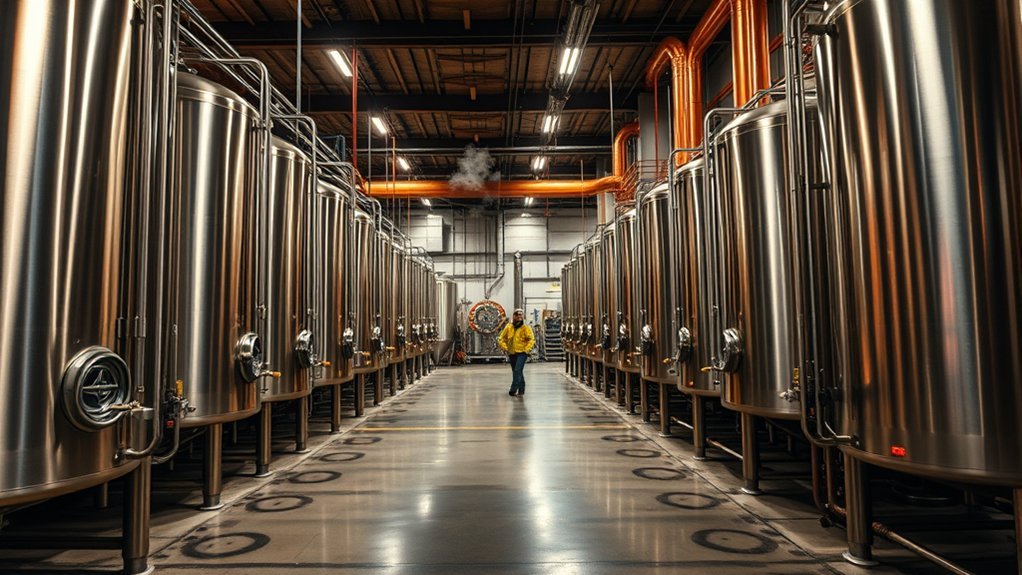
Fat Tire’s growth moved New Belgium beyond a single hometown brewery. Fort Collins gave the beer its roots. Asheville helped expand capacity and East Coast reach. Later, New Belgium added other production assets as its overall portfolio grew.
The Daleville, Virginia, brewery is the key point that needs careful wording. In 2023, New Belgium announced an agreement to acquire Constellation Brands’ 259,000-square-foot production brewery in Daleville. The release said the facility would help meet demand across New Belgium’s craft beer portfolio and would immediately focus on Voodoo Ranger Juice Force IPA and Fruit Force IPA. It did not clearly say that Daleville was brewing Fat Tire at launch.
Note: Daleville is part of New Belgium’s production network. That does not automatically prove every New Belgium beer, including Fat Tire, is brewed there. Breweries can shift brands between sites based on capacity, packaging, logistics, and demand.
Canada is a separate case. In 2019, New Belgium and Steam Whistle Brewing announced that Steam Whistle would brew Fat Tire Amber Ale for the Canadian market. Because beer distribution can change by province, retailer, and package format, Canadian drinkers should confirm current stock through local stores or provincial listings.
What Makes Fat Tire’s Recipe Unique?
Fat Tire stands out because it blends Belgian inspiration with an easy-drinking American craft profile. New Belgium’s current brewing notes describe Fat Tire as having a subtle malt presence, a slightly fruity hop profile, and a crisp finish.
The current Fat Tire Classic Ale is listed at 5.2% ABV, 15 IBU, and 140 calories. New Belgium also lists House Ale Yeast, Triumph, HBC-522, and Barbe Rouge hops, plus Pale, C-80, Munich, and raw barley malts.
The 2023 refresh matters because many people still remember the older Fat Tire Amber Ale. The current beer keeps the Fat Tire name and bike-inspired story, but New Belgium positions it as crisper, brighter, and easier drinking than the old amber version.
New Belgium’s Sustainability Commitment
New Belgium has long tied Fat Tire to sustainability. Fat Tire’s official site says the brand became America’s first certified carbon neutral beer, and the company says it has worked for decades to reduce its environmental impact.
That does not mean every environmental claim should be read as a simple brewing-location claim. Sustainability efforts can involve energy, water, packaging, supply chains, offsets, agriculture, and advocacy. For readers asking where Fat Tire is brewed, the more useful takeaway is that New Belgium connects the beer’s identity to both its Fort Collins roots and its wider production choices.
Fat Tire’s location story starts in Fort Collins, but its modern availability depends on New Belgium’s broader brewery and distribution network.
[Products Worth Considering]

The TANX hitch bike rack securely fits any 2-inch receiver and carries up to two bikes, including heavy-duty e-bikes and fat tires up to 5 inches wide. Its foldable, smart tilting design lets you access your trunk or tailgate without removing the bikes. An anti-wobble hitch tightener and locking hitch pin help keep the ride stable, while padded, adjustable cradles and straps protect bike finishes during transport.
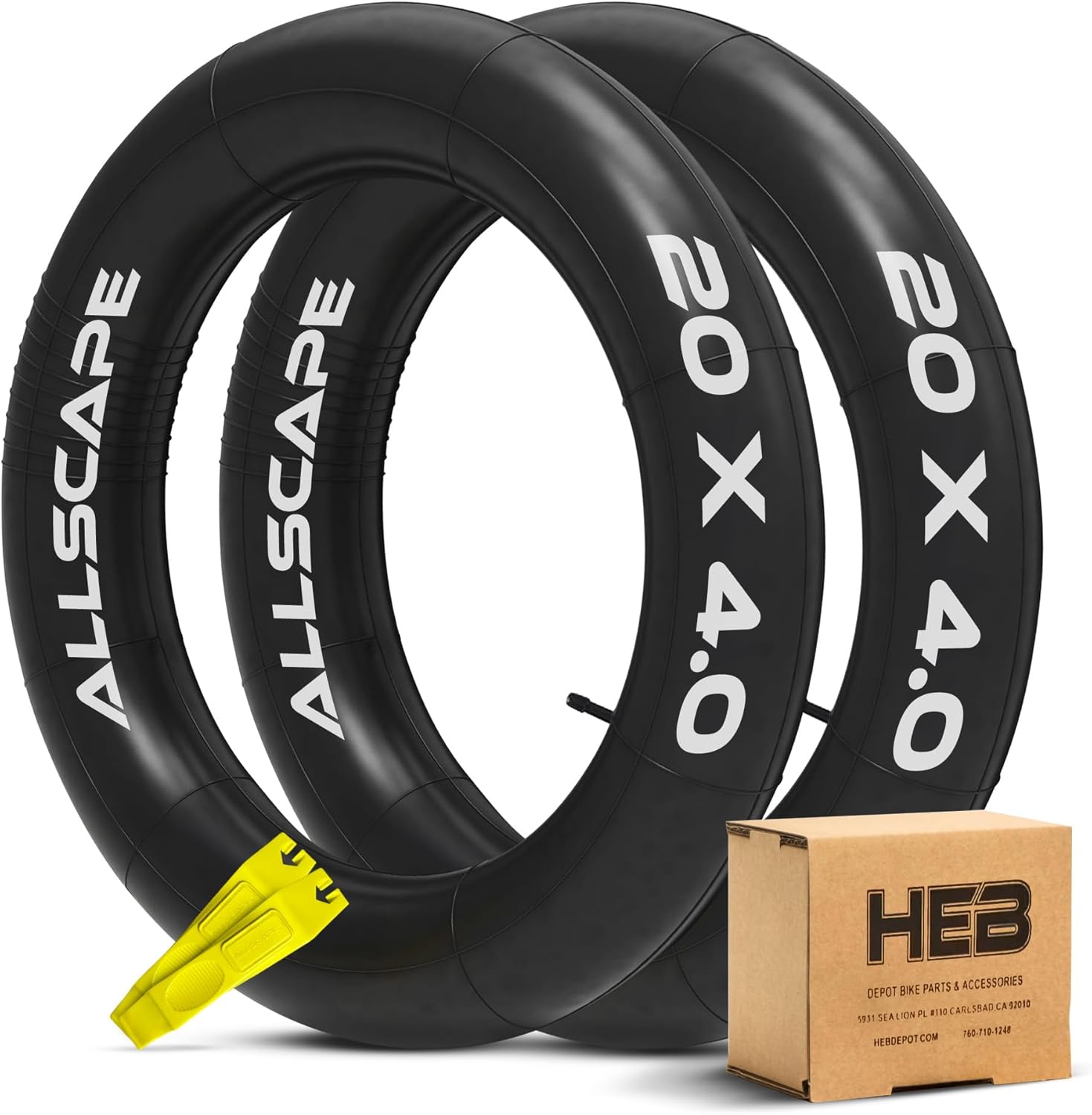
HEB heavy duty inner tubes deliver reliable puncture resistance for fat tire electric bikes and mountain bikes running 20x4 or 26x4 tires. Built for rugged backcountry trails, they help prevent flats from rocks and thorns while providing stability and traction. Choose a single tube or multi-packs for better value and keep your ride running smoothly in all seasons.

This hitch-mounted bike rack securely carries two bikes with soft padded hooks that help prevent swaying and frame scratches. It folds up when not in use and tilts down for easy trunk access without removing the bikes. Designed for a 2-inch receiver, it provides a wobble-free fit and supports bikes up to a total capacity of 200 lb, including fat tires up to 5 inches.
Fat Tire’s Label, Logo, and Bike Story
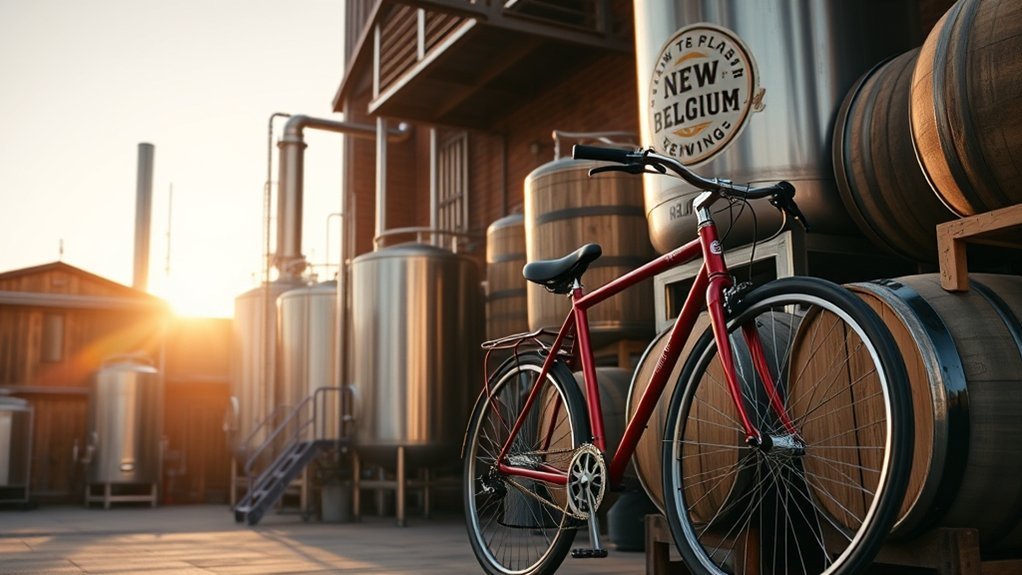
Fat Tire’s bicycle branding comes from the story behind the beer. New Belgium says the name was inspired by Jeff Lebesch’s bike trip through Europe, where his mountain bike tires drew attention during the ride. The beer’s label and bike icon keep that origin visible.
Label Art Evolution
Fat Tire’s early label art helped the beer stand out on shelves. Over time, New Belgium updated the package and recipe to reach new drinkers while keeping the bicycle story close to the brand. That is why the current can still feels connected to the original beer, even though the beer has evolved.
Bike-Inspired Logo
The bicycle icon works because it tells the brand story quickly. It points to the trip that inspired the name, the company’s cycling culture, and the idea of a beer built around motion, travel, and discovery.
The Fat Tire Story
Fat Tire began as a Colorado beer with Belgian inspiration. It then grew into a nationally recognized New Belgium brand. Today, the beer’s story combines Fort Collins history, Asheville expansion, broader production capacity, and a sustainability message that New Belgium continues to highlight.
Where to Find Fat Tire Beer Today
The easiest way to find Fat Tire near you is to use New Belgium’s Beer Finder. It lets you search for New Belgium beers by location and can point you toward nearby retailers, bars, or delivery options where available.
For the freshest beer, buy from a store with steady turnover and check the package date when available. If you are visiting New Belgium in person, check the Fort Collins or Asheville taproom pages before you go, since draft lists and packaged releases can change.
Pro Tip: If your goal is to visit the place most closely tied to Fat Tire’s origin, choose Fort Collins. If your goal is to see New Belgium’s East Coast brewery experience, Asheville is the better fit.
Sources
- New Belgium Fat Tire Classic Ale — current beer style, ABV, IBU, calories, hops, malt, and brewing notes.
- Official Fat Tire site — origin story, current brand positioning, and Fort Collins/Asheville contact locations.
- Fat Tire sustainability page — carbon-neutral claim, sustainability timeline, wind-power milestone, and Asheville opening note.
- CraftBeer.com Asheville brewery announcement — Asheville brewery size and full build-out capacity.
- New Belgium Daleville acquisition press release — Daleville production brewery acquisition and stated launch focus.
- New Belgium and Lion Little World Beverages press release — ownership change and Fort Collins headquarters note.
Frequently Asked Questions
Who owns Fat Tire beer?
Fat Tire is owned by New Belgium Brewing. New Belgium agreed in 2019 to be acquired by Lion Little World Beverages, the global craft beverages business of Lion, which is owned by Kirin Holdings. New Belgium’s headquarters remained in Fort Collins, Colorado.
Is Fat Tire still brewed in Fort Collins?
Fort Collins remains Fat Tire’s historic home and one of New Belgium’s main public brewery locations. New Belgium also uses a broader production network, so not every package in every market should be assumed to come only from Fort Collins.
Is Fat Tire brewed in Asheville?
New Belgium’s Asheville, North Carolina, brewery is one of the company’s main public brewery locations and an important East Coast production base. It helps explain how New Belgium supports wider distribution beyond Colorado.
Is Fat Tire brewed in Daleville, Virginia?
Daleville is part of New Belgium’s broader production network after the company announced its acquisition of the facility in 2023. Public launch materials named Voodoo Ranger Juice Force and Fruit Force as the immediate brewing focus, so Daleville should not be described as a confirmed Fat Tire brewing site unless New Belgium states that directly.
Is Fat Tire still an amber ale?
New Belgium now markets the beer as Fat Tire Classic Ale. The older amber/red version is treated as the 1991–2022 version on New Belgium’s Fort Collins beer listing, while the current beer is positioned as crisp, bright, and easy drinking.
How can I find Fat Tire near me?
Use New Belgium’s Beer Finder and enter your location. Availability can change by state, province, retailer, season, and package format, so the finder is more reliable than assuming one store always carries it.
Conclusion
Fat Tire’s brewing story starts in Fort Collins, Colorado, where New Belgium’s founders developed the beer that became a craft-beer landmark. Asheville later expanded New Belgium’s reach, and Daleville now adds to the company’s broader production capacity. The best simple answer is that Fat Tire is a New Belgium beer rooted in Fort Collins and supported by a wider New Belgium brewing network.
For the most accurate answer in your area, check the package, use New Belgium’s Beer Finder, or contact the brewery. Production and distribution can shift, but Fat Tire’s identity still points back to New Belgium’s Colorado roots, Belgian inspiration, bicycle story, and modern Classic Ale recipe.
[Products Worth Considering]

Two-pack 26" bicycle inner tubes for tires sized 1.75 to 2.125, built with a 35mm AV Schrader valve for easy compatibility. The thicker inner wall and premium butyl rubber help absorb bumps and vibrations while improving durability and air retention. Includes two upgraded tire levers for simpler installation and reduced risk of breakage.

This Hycline 2-pack mountain bike tire set delivers durable, puncture-resistant performance with a high-grip, aggressive tread designed for traction on hard surfaces and confident handling through mud and soil. Includes matching inner tubes and tire levers for easier everyday maintenance and quicker installation after folding storage. Built for a range of riding conditions with reinforced rubber and nylon cord for wear-resistant reliability.
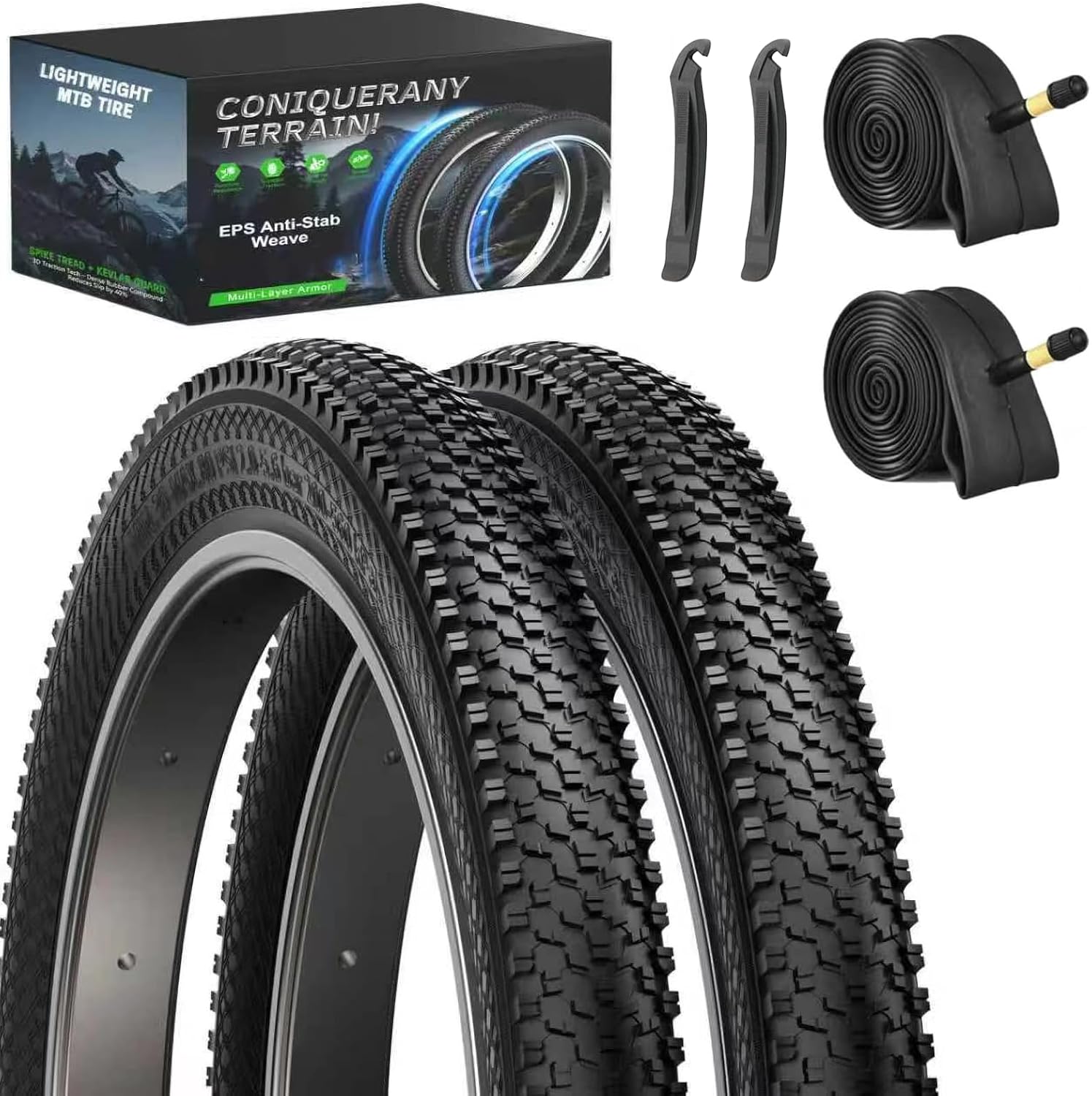
This 2-pack set includes two folding mountain bike tires, two inner tubes, and two tire levers for quick, budget-friendly replacements. The tires feature an anti-stab weave for added protection, plus strong grip and durable construction to help you stay stable across common trail and road conditions. Foldable design makes storage and travel convenient, while the included tubes provide a matched fit for smoother setup.

Related Articles
How Much Do Used Tires Cost? Price Guide
A quick guide to used tire prices reveals what you’ll really pay, and the factors that could save you more than you expect.
Read More
Walmart Tire Return Policy: Rules and Time Limits
At Walmart, tire returns have strict rules and time limits, but one overlooked detail could determine whether your refund gets approved.
Read More
How Often Does Costco Have Tire Sales?
Just how often does Costco discount tires, and when are the biggest savings hidden?
Read More