
What Does a Bad Tire Look Like? Visual Signs to Check
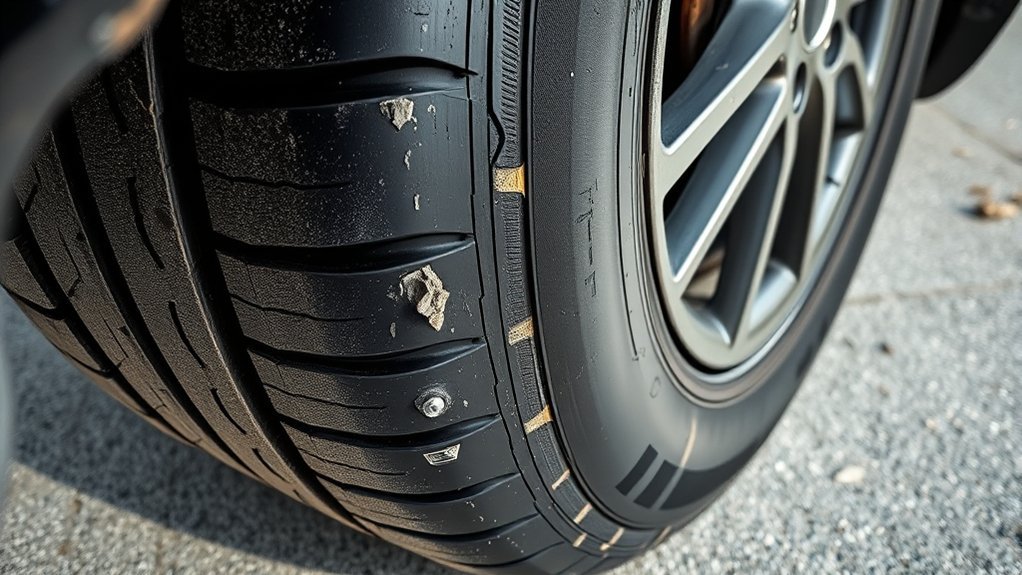
A bad tire often looks worn, damaged, or misshapen. The most serious signs are exposed cords, bald tread, sidewall bulges, deep cracks, cuts, punctures, flat spots, or tread that has worn down to the built-in wear bars. You may also feel vibration, hear rhythmic thumping, or notice the vehicle pulling to one side. If any tire shows structural damage, do not treat it as normal wear. Inspect it closely, check the pressure, and replace it or have it evaluated before normal driving.
Quick Answer
A bad tire may have bald tread, uneven wear, cracks, cuts, bulges, exposed wires, punctures, or tread worn to 2/32 inch. It may also cause vibration, thumping, pulling, or pressure loss. Exposed cords, sidewall bulges, deep cracks, and rapid air loss mean the tire needs urgent inspection and likely replacement.
Key Takeaways
- Exposed wires or cords mean the tire is dangerously worn and should not be used for normal driving.
- Tread worn to 2/32 inch, or level with the wear bars, means the tire should be replaced.
- Bulges, deep cracks, cuts, and sidewall damage can point to internal tire failure.
- Uneven tread wear often comes from low pressure, overinflation, poor alignment, worn suspension parts, or missed rotation.
- Noise, vibration, pulling, or repeated pressure loss can signal hidden tire damage even when the tire looks acceptable at first glance.
At a Glance
| Time Required | 5 to 10 minutes for a basic visual check |
| Difficulty | Easy, but serious damage should be checked by a tire professional |
| Tools Needed | Flashlight, penny, tire pressure gauge, and gloves if you have them |
| Cost | Free for a visual check; usually $5 to $20 for a basic pressure gauge if you do not own one |
Warning: Do not keep driving normally on a tire with exposed cords, a sidewall bulge, deep cracking, sudden vibration, rapid air loss, or a visible split. Slow down, pull over when safe, install the spare if your vehicle has one, or call roadside assistance.
Bad Tire Warning Signs
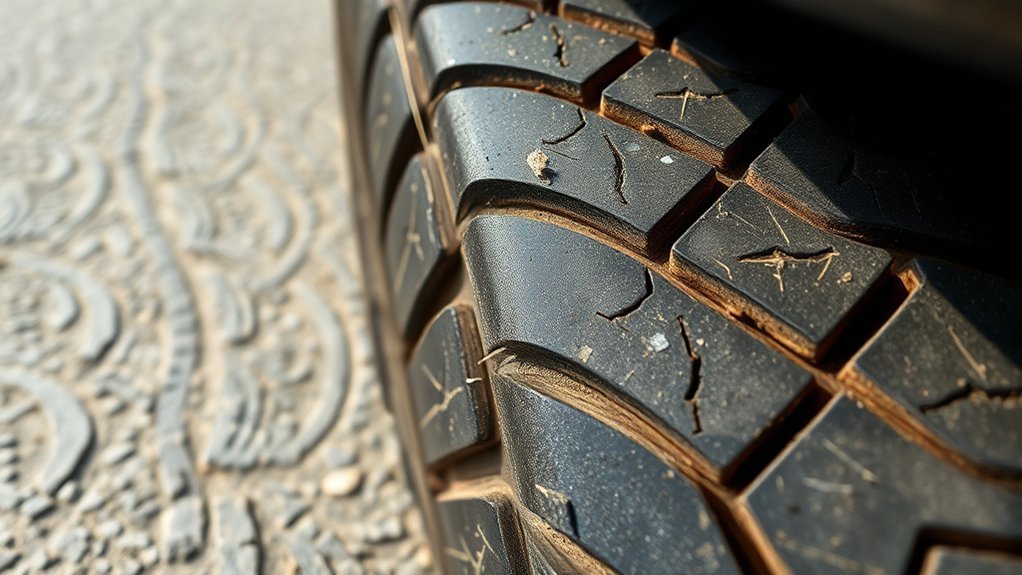
If you spot visible wires, bald patches, cracks, bulges, sidewall cuts, or uneven tread wear, your tire needs immediate inspection. These warning signs can mean the tread, sidewall, or internal casing has lost strength. A tire can look acceptable from a few feet away but still be unsafe once you check the grooves, shoulders, and sidewall closely.
Start with the tread. If the grooves are shallow, if the wear bars sit level with the tread, or if the top of Lincoln’s head is visible during the penny test, the tire has reached the replacement point. The National Highway Traffic Safety Administration says tires are not safe when tread is worn to 2/32 inch and should be replaced at that point.
Then check the sidewall. Bulges, cuts, bubbles, deep cracks, and exposed cords are more serious than normal cosmetic scuffs. A bulge often means the inner structure has been damaged. A cut can expose the tire to moisture, pressure loss, or cord damage. If you see structural damage, do not wait for the tire to fail on the road. Additionally, dedicated winter tires are crucial for optimal performance in snowy conditions.
[Products Worth Considering]

EVOULTES heavy duty tire inflator with an integrated gauge delivers accurate pressure readings from 10–120 PSI, helping you inflate, deflate, and check tires in one tool. The 16.5-inch extended dual-head air chuck with swivel base reaches hard-to-access dual wheel valves on trucks and RVs. A brass trigger core and side-mounted air release valve make operation smooth, with standard 1/4" NPT threading and quick-connect compatibility for easy setup.

This portable cordless tire inflator delivers up to 160 PSI with fast 17 L/min airflow to help you quickly top up tires and get back on the road. It features dual power mode, running on a 21V rechargeable battery or a 12V DC adapter for convenient roadside use. An automatic shut-off with digital pressure gauge helps prevent overinflation, and a built-in LED light improves visibility in low-light conditions.

The JACO FlowPro Tire Inflator measures, inflates, and airs down tires up to 100 PSI with battery-free operation and ±2% accuracy after calibration. It features a glowing pressure dial for night visibility, a heavy-duty steel build with a hybrid hose, and a precision push-to-inflate thumb trigger. The patented Lightning Air Chuck locks on for a secure seal, and the kit includes quick-connect hardware for easy inline use with your air compressor.
How to Inspect a Tire in 5 Minutes
Use this quick driveway check once a month, before long trips, and any time you hit a pothole, curb, or road debris.
- Park safely and turn the wheel. Park on level ground, set the parking brake, and turn the steering wheel so you can see the front tire shoulders.
- Check tread depth. Place a penny into several tread grooves with Lincoln’s head upside down. If the top of the head is visible, the tire is at or below the replacement point.
- Look for wear bars. Wear bars are raised rubber strips inside the grooves. If the tread is flush with them, replace the tire.
- Scan the sidewall. Look for cracks, bubbles, cuts, abrasions, missing rubber, or exposed cords on both the outer and inner sidewall.
- Run your hand over the tread. Feel for cupping, feathering, flat spots, nails, screws, glass, or sharp edges. Do this carefully so you do not cut your hand.
- Check cold tire pressure. Use the pressure listed on the driver’s door placard or owner’s manual, not the maximum pressure molded on the tire sidewall.
- Check the tire age. Find the DOT Tire Identification Number on the sidewall. The last four digits show the week and year the tire was made.
- Pay attention while driving. New vibration, thumping, pulling, or repeated pressure loss means the tire needs professional inspection.
Pro Tip: Check tread depth in several grooves on each tire. A tire can pass in the center but fail on one shoulder if alignment, pressure, or suspension problems are wearing one edge faster.
Uneven Tread Wear and Bald Spots
Uneven tread wear often shows up as bald spots, smooth shoulders, cupped patches, feathered edges, or a strip of tread that is lower than the rest of the tire. You should inspect the full tread pattern, not just one groove. Uneven wear can point to underinflation, overinflation, poor alignment, worn suspension parts, poor balance, or missed rotation.
- Both outer shoulders worn: often points to underinflation or hard cornering.
- Center tread worn faster: can point to overinflation.
- One edge worn faster: often points to alignment or suspension issues.
- Cupped or scalloped wear: can point to worn shocks, poor balance, or suspension movement.
- Flat spots: can come from skidding, hard braking, storage, or a tire defect.
If Lincoln’s head is visible during the penny test, your tire is too worn. Bald spots reduce wet-road grip and increase the chance of slipping or hydroplaning in rain. Regular checks help you act early and replace your tires before unsafe driving conditions take hold. Additionally, maintaining proper tire pressure can help prevent uneven wear and extend the life of your tires.
Cracks, Bulges, and Sidewall Damage
Cracks, bulges, and sidewall damage are serious warning signs that your tire’s structure may be weakening. Check the sidewall closely for dry cracking, weather checking, cuts, scrapes, punctures, bubbles, and areas where rubber is missing. Light surface checking may be age-related, but deep cracks, exposed cord, or splitting rubber are not safe to ignore.
Bulges are especially urgent. They often mean the tire’s inner layers have been damaged by impact, underinflation, or internal separation. If you see a bulge, stop driving as soon as it is safe and have the tire replaced or inspected before using it again. Sidewall damage is different from a simple tread puncture because the sidewall flexes heavily and carries pressure stress while the vehicle moves.
Do not ignore small defects. They can point to deeper damage you cannot see from the outside. When cracks, bulges, or sidewall damage appear, you may need to replace the tire rather than wait. Regular inspections can help you identify issues before they escalate, ensuring you maintain optimal tire performance on the road.
Wires Showing Through the Tire
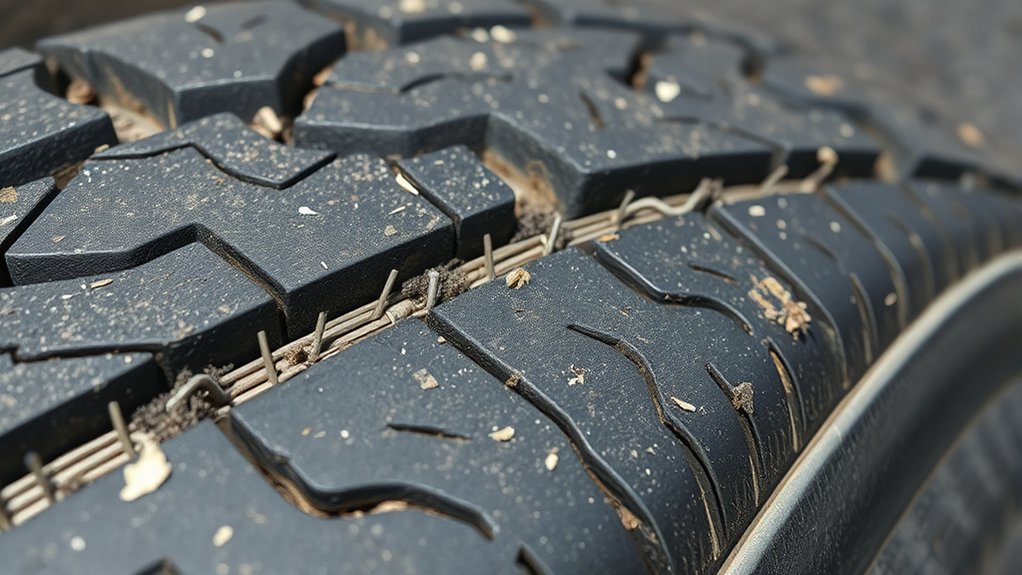
Wires showing through the tire mean the rubber has worn so thin that the internal steel belts or cords are exposed. This is not a “drive a little longer” condition. The tire can no longer protect its structure from heat, road impact, moisture, and flexing stress. It needs immediate replacement.
- Inspect for shiny metal strands, frayed cords, or fabric-like reinforcement.
- Compare all four tires for uneven wear.
- Check pressure, because low inflation can accelerate shoulder wear and heat buildup.
- Look for alignment or suspension problems if one tire is much worse than the others.
- Do not use the tire for normal driving once cords are visible.
Visible wires mean the tire cannot safely carry load or resist heat the way it should. If you see exposed cords, treat the vehicle as unsafe for regular driving until a technician checks the full set. Additionally, regular tire rotations and inflation checks can enhance the longevity of your tires and prevent such dangerous conditions from occurring.
NHTSA reported 511 traffic fatalities in tire-related crashes in 2024, which is why tread, pressure, age, and visible damage checks should be treated as safety tasks, not cosmetic maintenance.
Tire Age, Tread, and Wear Bars
Even if the tread still looks usable, tire age matters. Rubber and internal materials change over time because of heat, sunlight, storage, climate, use, and maintenance. The NHTSA tire aging guidance notes that some vehicle and tire manufacturers recommend replacement at six to 10 years old, regardless of remaining tread.
To check tire age, find the DOT Tire Identification Number on the sidewall. The last four digits show the week and year of manufacture. For example, “2421” means the tire was made in the 24th week of 2021. Check both sidewalls if you do not see the full code on the outer side.
Now check tread depth. You need at least 2/32 inch for legal minimum safety, but wet-road performance can decline before that. Use the penny test for a quick field check, and look for wear indicators molded into the grooves. If the tread is flush with the wear bars, the tire is done. Uneven wear across the surface can signal alignment problems, low tire pressure, or overinflation, so inspect and correct the cause. Additionally, routine tire rotations can help extend the life of your tires and improve safety.
Note: Tire Pressure Monitoring Systems are helpful, but they do not replace manual checks. A TPMS warning usually appears only after a tire is significantly underinflated, so use a gauge at least once a month and before long trips.
Tire Pressure and TPMS Warning Signs
A tire can be bad even if the tread looks fine. Low pressure, repeated pressure loss, or a TPMS light can point to a puncture, damaged valve stem, bead leak, cracked wheel, or internal tire damage. Check pressure when the tires are cold, meaning the vehicle has been parked for at least three hours. Use the pressure on the driver’s door placard or owner’s manual.
- One tire keeps losing air: inspect for a puncture, leaking valve stem, bead leak, or wheel damage.
- All tires are low: check pressure after temperature changes and refill to the vehicle’s recommended cold pressure.
- TPMS light stays on: check all tires, including the spare if your system monitors it.
- TPMS flashes then stays on: the system may have a fault and should be checked.
Poor tire maintenance, including underinflation and skipped rotation, can lead to flats, blowouts, tread separation, uneven wear, and shorter tire life. Pressure checks are simple, but they catch problems early.
[Products Worth Considering]

The Fanttik X10 Pro is a cordless portable tire inflator that reaches up to 150 PSI and can inflate an R15 tire in about 35 seconds for quick roadside or home top-ups. With AccuInFlate auto-stop and smart start/stop controls, it helps maintain accurate pressure and frees your hands once the target is reached. A high-visibility digital display and preset modes make it easy to set and monitor inflation for cars, motorcycles, bikes, and balls.

Blackline Blackout is a water-based trim and tire dressing that restores rubber, vinyl, and plastic with a rich satin, blackout look. Its no-sling formula dries quickly and helps prevent messy transfer onto paint. The coating repels water and offers UV protection to help prevent fading, cracking, and discoloration for a clean, long-lasting finish.
Bad Tire Noise and Vibration
If you hear rhythmic clicking or thudding from the tires, inspect them right away for debris, a puncture, a separated tread area, or uneven wear. If you feel steering wheel vibration, especially during acceleration, braking, or turning, your tires may be worn, unbalanced, misaligned, or damaged. If you notice unusual noise while turning, check for uneven wear and monitor whether the sound changes with speed. Additionally, regular maintenance can help identify issues before they escalate, ensuring safer driving conditions.
Rhythmic Tire Noise
Rhythmic tire noise, such as a repeating click or thud, usually points to a problem that needs immediate inspection. The cause may be debris trapped in the tread, a nail or screw, uneven tire wear, a flat spot, or internal damage. The faster the noise repeats, the more likely it is tied to wheel rotation.
- Check for embedded debris.
- Look for visible tire damage.
- Note whether the noise changes while turning.
- Watch for growing vibration.
- Replace worn or damaged tires quickly.
If the sound stays loud or the vibration intensifies, do not ignore it. A compromised tire can lose pressure or fail with little warning.
Steering Wheel Vibration
A bad tire can also telegraph trouble through the steering wheel. Vibration often points to uneven tread wear, misalignment, poor balance, low pressure, bent wheels, or tire damage. You may feel it as a steady shake at speed or a rhythmic pulse while cruising.
| Symptom | Likely Cause |
|---|---|
| Light steering wheel vibration | Wheel or tire imbalance |
| Stronger shake at speed | Tire damage, bent wheel, or severe imbalance |
| Pulse during cruising | Flat spot, separated tread, or pressure issue |
| Pulling plus vibration | Alignment problem or uneven tire wear |
| Vibration after a pothole hit | Internal tire damage or wheel damage |
Check the tire surface, pressure, balance, and wheel condition right away. If vibration grows, reduce speed and have the vehicle inspected. Replace any tire with bulges, exposed cords, deep cuts, or severe uneven tread wear before the problem spreads.
Noise During Turns
When you hear grinding, thumping, humming, or increased road noise during turns, inspect the tires right away. Noise during turns can come from tire wear, but it can also come from wheel bearings, suspension parts, brakes, or steering components. Start with the tires because they are easy to check and directly affect traction.
- uneven tire wear
- debris in the tread
- structural damage
- tire replacement needs
- steering wheel vibrations
If the vehicle pulls, check pressure and alignment too. A rhythmic click can mean a lodged object or weakened casing. If you feel steering wheel vibrations while turning, do not ignore them; imbalance or misalignment can spread damage fast. Use a tire inspection to check tread depth, sidewalls, and wear patterns. Worn tires can’t wait, and prompt tire replacement may prevent loss of traction and steering precision.
Can a Bad Tire Be Repaired or Should It Be Replaced?
Some tread punctures can be repaired, but not every damaged tire is repairable. A tire professional needs to remove the tire from the wheel and inspect the inside before calling it safe. Do not rely on a plug, sealant, or air refill as a permanent fix for structural damage.
In general, replacement is the safer choice when you see:
- exposed cords or wires
- sidewall bulges or bubbles
- deep sidewall cuts or cracks
- tread worn to 2/32 inch or level with wear bars
- tread separation, knots, or distorted shape
- damage from driving on a flat or severely underinflated tire
- repeated pressure loss after inflation
A small puncture in the tread area may be repairable if the tire has enough tread, has not been driven flat, and has no internal damage. Sidewall damage, shoulder damage, exposed cords, bulges, and old cracked rubber should be treated as replacement-level concerns.
When to Replace a Bad Tire
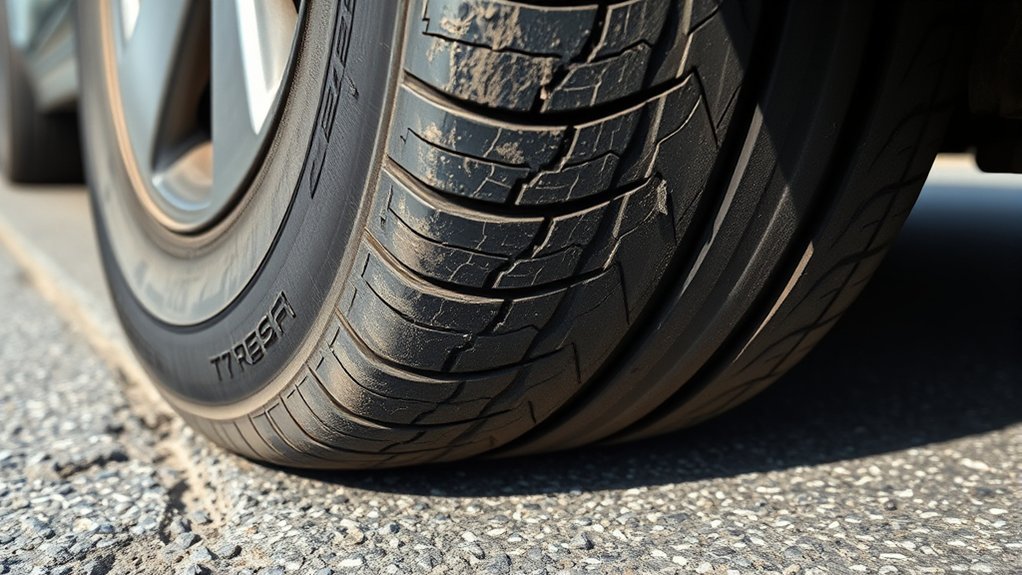
You should replace a bad tire immediately if you see visible wires, bald spots, deep cracks, cuts, or bulges. These signs mean the tire can fail without much warning. Check the tire tread for uneven wear, wear bars, and other signs that the time to replace has arrived. If the tread depth drops to 2/32 inch, use the penny test to confirm it is unsafe.
Also replace tires that are old enough to be risky, even if they still have some tread. Check the manufacturing date on the sidewall and compare it with your tire maker’s and vehicle maker’s age guidance. If your vehicle uses all-wheel drive or has staggered tire sizes, check the owner’s manual before replacing only one tire. Mismatched tire size, type, or tread depth can affect traction and drivetrain operation.
If only one tire is damaged, a technician may be able to match a single replacement to the remaining set. If two are worn, replacing tires in pairs is often the better choice. If three tires are bad, replacing all four usually makes more sense because the fourth is likely near the end of its service life too. Additionally, consider the UTQG rating to gauge the durability and expected lifespan of your tires.
What to Do if a Tire Fails While Driving
If a tire blows out or suddenly loses pressure, stay calm and keep both hands on the wheel. Avoid slamming the brakes. Ease off the accelerator, keep the vehicle as straight as possible, and move toward a safe shoulder once the vehicle slows and stabilizes. Turn on hazard lights and stay away from traffic while you decide whether to install the spare or call for help.
After a blowout, do not reuse the damaged tire. Have the wheel, other tires, suspension, and brake area inspected for impact or debris damage before returning to normal driving.
Frequently Asked Questions
How can you tell if a tire is bad?
You can tell a tire is bad by checking tread depth, sidewall condition, air pressure, tire age, and wear pattern. Replace the tire if the tread is at 2/32 inch, the wear bars are flush, cords are visible, or the sidewall has bulges, deep cracks, or cuts. Also inspect tires if you feel vibration, hear thumping, or see repeated pressure loss.
What does an unsafe tire look like?
An unsafe tire may look bald, cracked, swollen, cut, lumpy, or unevenly worn. You may see exposed cords, tread worn flat across the grooves, a sidewall bubble, puncture damage, or wear bars level with the tread. A tire can also be unsafe if it is old, keeps losing air, vibrates, or makes rhythmic noise while driving.
What is the 3 tire rule?
The “3 tire rule” is informal shop advice, not a universal law. It usually means that if three tires are worn or damaged, replacing all four is often safer and more balanced than keeping one older tire. The right choice depends on tread depth, tire type, drivetrain, vehicle manual guidance, and whether the remaining tire matches the new ones.
At what point are tires unsafe?
Tires are unsafe when tread reaches 2/32 inch, wear bars are flush, cords show, a sidewall bulge appears, deep cracks form, or the tire has severe cuts, rapid pressure loss, or strong vibration. Tires can also age out after several years, even with tread left, so check the DOT date code and follow the tire and vehicle maker’s replacement guidance.
Can I drive on a tire with wires showing?
No. Wires or cords showing through the tire mean the tread rubber has worn through to the internal structure. The tire is no longer safe for normal driving and can fail suddenly. Use a spare if available, avoid highway driving, and have the tire replaced immediately.
Is a sidewall bulge always bad?
Yes, a sidewall bulge is a serious warning sign. It often means the tire’s inner structure has been damaged and air pressure is pushing outward through a weak area. Do not ignore it or wait for the tire to “settle.” Replace the tire or have it inspected before normal driving.
Conclusion
In short, if you spot uneven tread, sidewall cracks, bulges, exposed cords, bald spots, repeated pressure loss, or wear bars that sit flush with the tread, you are looking at a bad tire. Do not ignore vibration or new road noise either. Those symptoms are often the tire’s way of warning you before a flat, blowout, or loss of traction. A tire can look fine from ten feet away, but close inspection tells the truth. Check tread, pressure, sidewalls, and age regularly, and replace unsafe tires promptly.
Sources
- NHTSA TireWise — supports tire tread depth, penny test, tire pressure, TPMS limits, tire aging, rotation, blowout response, and tire-related crash context.
- NHTSA Consumer Guide to Uniform Tire Quality Grading — supports UTQG treadwear, traction, and temperature rating context.
- 49 CFR § 575.104 Uniform Tire Quality Grading Standards — supports federal tire grading requirements for passenger tires.
- 49 CFR § 571.138 Tire Pressure Monitoring Systems — supports TPMS safety context for covered passenger vehicles.

Related Articles
Tire Tread Depth: How It Affects Grip and Safety
Tire tread depth shapes grip, braking, and wet-road safety, but the real warning signs and replacement timing may surprise you.
Read More
Are Run-Flat Tires Worth It? Pros and Cons Compared
Safe in a pinch, run-flat tires promise convenience and protection—but do their tradeoffs make them truly worth it?
Read More
Tire Inspection Checklist: 10 Checks Before You Drive
Never drive blind—this tire inspection checklist reveals 10 crucial checks that could save you from a dangerous surprise, and one hidden detail matters most.
Read More