
How Big Is a 265 70R17 Tire? Full Size Breakdown & Dimensions
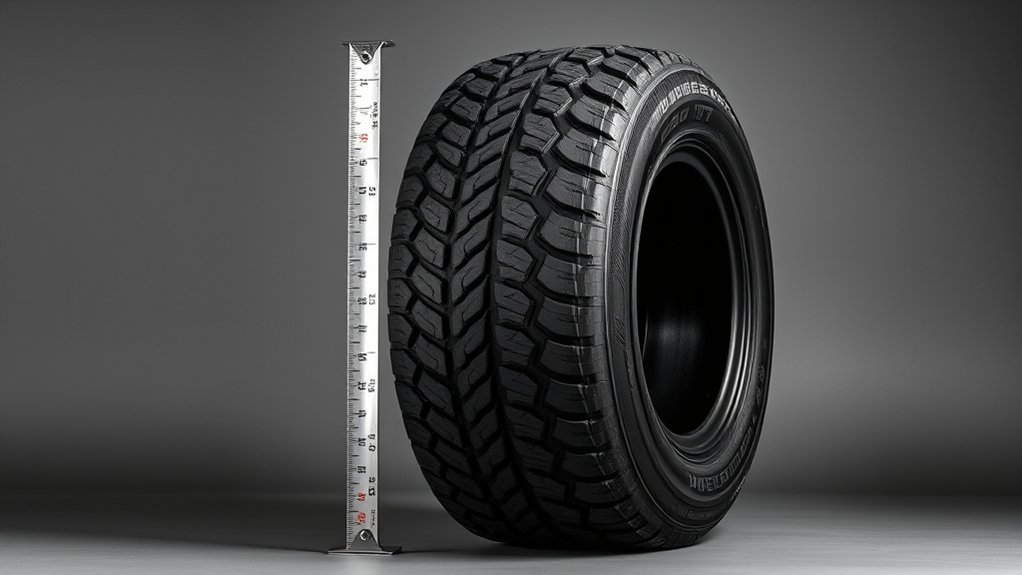
A 265/70R17 tire is about 31.6 inches tall, 10.4 inches wide, and made for a 17-inch wheel. The 265 is the nominal section width in millimeters, the 70 means the sidewall height is 70% of that width, the R means radial construction, and the 17 is the wheel diameter in inches. In everyday tire talk, it is close to a 32-inch tire, but it is not a true 33-inch tire. Before you install this size, compare it with your factory tire size, wheel width, clearance, load rating, and speedometer calibration.
Quick Answer
A 265/70R17 tire is nominally about 31.6 inches tall, 10.4 inches wide, and has a 7.3-inch sidewall. It fits a 17-inch wheel and is usually described as a near-32-inch tire. It is smaller than a true 33-inch tire.
Key Takeaways
- A 265/70R17 tire is about 31.6 inches in overall diameter and about 10.4 inches wide.
- The sidewall height is about 7.3 inches, because 70 means 70% of the 265 mm section width.
- It is commonly rounded to a 32-inch tire, but it is not a true 33-inch tire.
- A 275/70R17 is about 0.4 inch wider and 0.6 inch taller than a 265/70R17.
- A 285/70R17 is about 0.8 inch wider and 1.1 inches taller than a 265/70R17.
- Speedometer error depends on your original tire size, so compare circumference before you swap.
What Is a 265/70R17 Tire?
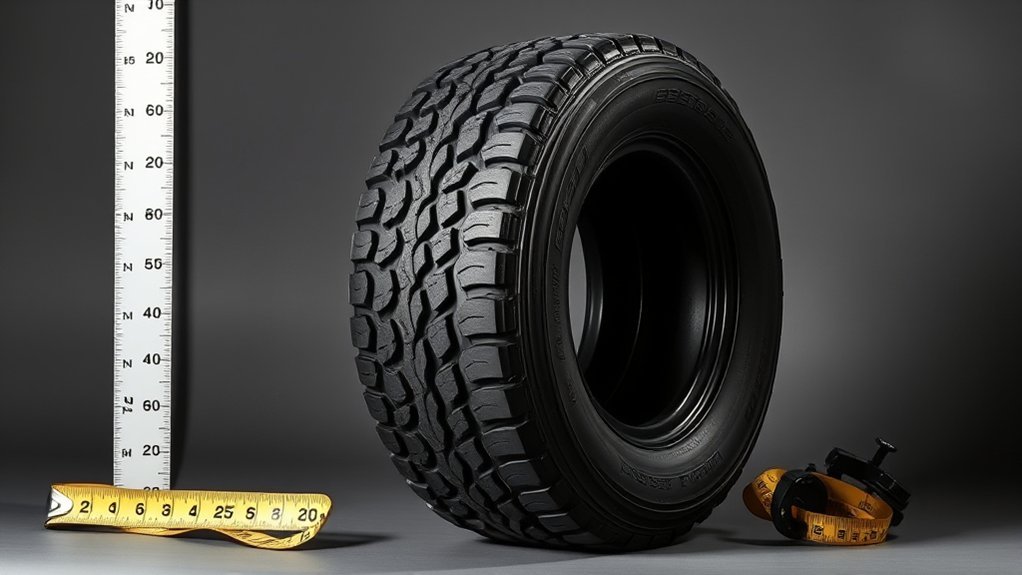
A 265/70R17 tire is a radial tire sized for a 17-inch wheel. You can read the size code as a set of measurements, not a guess. The 265 is the nominal section width in millimeters, which converts to about 10.4 inches. The 70 is the aspect ratio, so the sidewall height equals 70% of 265 mm. The R means radial construction, and the 17 means the tire mounts on a 17-inch rim.
Using the standard tire-size formula, a 265/70R17 comes out to about 31.6 inches in overall diameter. That size is popular on trucks and SUVs because it gives a useful balance of sidewall height, ground clearance, and road manners. It can also affect speedometer readings, gearing, fuel economy, and clearance if it is larger or heavier than the factory tire. Additionally, selecting the right tire can greatly enhance safety, comfort, and efficiency year-round.
Note: These are nominal tire-size calculations. Actual mounted diameter and tread width can vary by brand, tire model, tread depth, load, air pressure, and rim width. Always check the tire manufacturer’s spec sheet before buying.
[Products Worth Considering]

Camco Trailer Aid Plus tandem tire ramp lifts your trailer for quick, safe tire changes with ample clearance from its 5 1/2-inch lift. It helps you change a flat tire without unloading cargo, making roadside and routine maintenance more efficient. The heavy-duty, waterproof and rustproof polymer design supports up to 15,000 lb and is built for easy portability and storage.

Keep RV, trailer, or truck dual-axle tires protected with waterproof, UV-resistant covers that help guard against sunlight, snow, rust, and dirt. The dual tire covers are easy to install with a rope/bungee fastener for a stable fit that won’t easily slip. Designed for 27–30 inch diameter wheels, they help maintain tire condition through harsh weather.
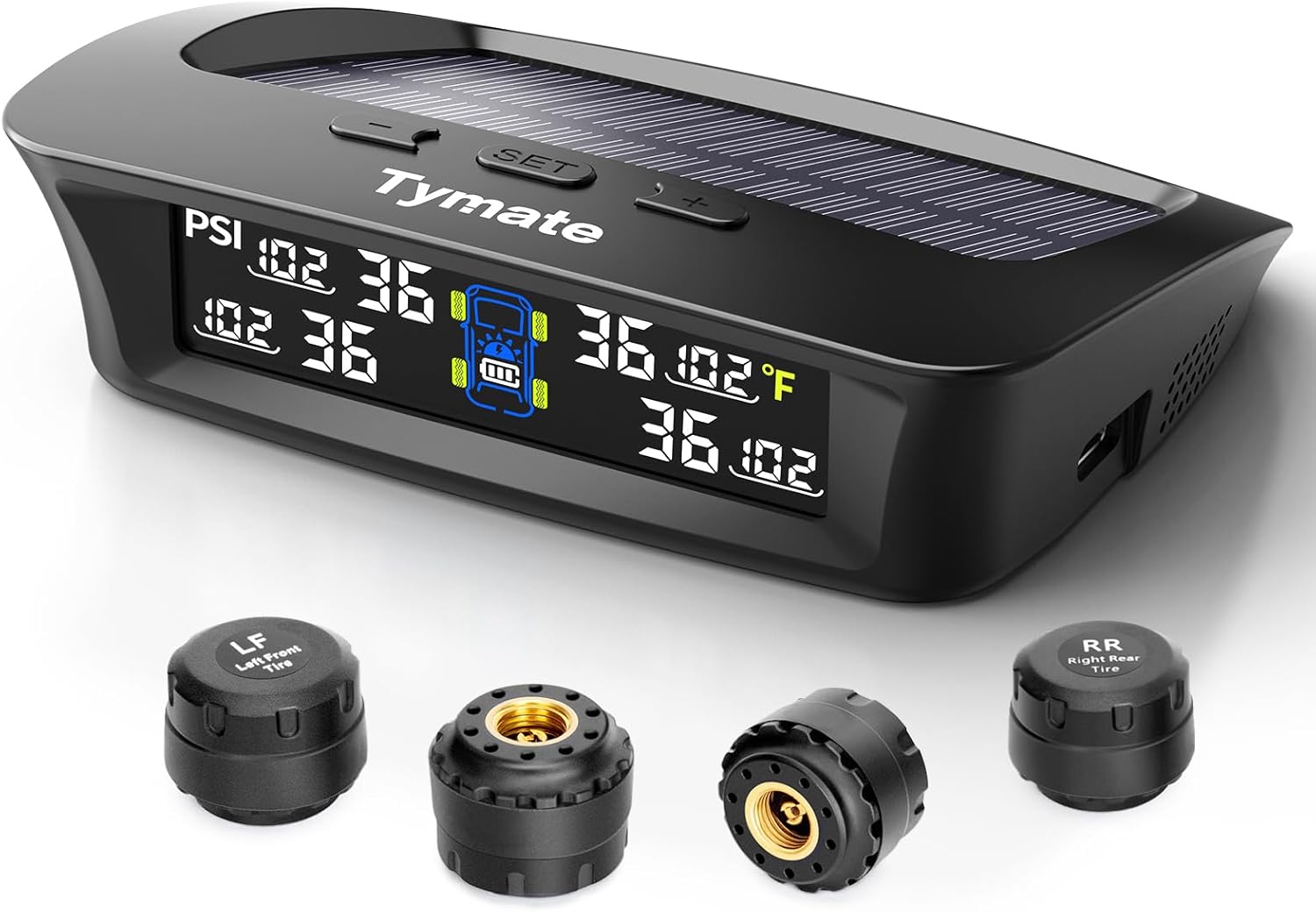
The Tymate TM3 RV TPMS delivers real-time tire pressure monitoring from 0 to 144 PSI with accurate readings and dependable wireless communication. It includes four external sensors with pre-pairing, six alarm modes for rapid leak, pressure extremes, temperature, and signal loss, plus an easy-reference setup for alert thresholds. Solar and USB-C charging help keep the display powered, while the color LCD and adaptive backlight improve visibility for safer driving and towing.
265/70R17 Tire Size in Inches
In inches, a 265/70R17 is about 10.4 inches wide, 31.6 inches tall, and has a 7.3-inch sidewall. Its approximate circumference is 99.3 inches, which works out to about 638 revolutions per mile.
| Nominal section width | 265 mm / about 10.4 in |
| Sidewall height | 185.5 mm / about 7.3 in |
| Wheel diameter | 17 in |
| Overall diameter | 802.8 mm / about 31.6 in |
| Circumference | About 99.3 in |
| Revolutions per mile | About 638 |
These inches-based measurements help you check wheel-well space, suspension clearance, brake clearance, spare tire storage, and speedometer impact. They also help you compare this tire size with nearby sizes before you buy. Additionally, understanding treadwear ratings can help ensure you choose a tire that meets your durability needs.
How to Calculate 265/70R17 Tire Height
You can calculate a 265/70R17 tire’s nominal height with a simple formula:
- Find sidewall height: 265 mm × 0.70 = 185.5 mm.
- Convert sidewall to inches: 185.5 mm ÷ 25.4 = 7.3 inches.
- Double the sidewall: 7.3 × 2 = 14.6 inches.
- Add wheel diameter: 14.6 + 17 = 31.6 inches.
That is why a 265/70R17 is usually grouped with near-32-inch tire sizes. The math is useful for comparison, but the actual tire on your vehicle may measure slightly shorter under load.
What Each Number in 265/70R17 Means
In 265/70R17, each part of the code tells you something specific about the tire’s dimensions and construction. The 265 is the nominal tire section width in millimeters, which works out to about 10.4 inches across. That width affects stance, clearance, and the general contact patch.
The 70 is the aspect ratio. It means the sidewall height is 70% of the tire’s section width, giving this tire a sidewall of about 7.3 inches. The R means radial construction, which is the common construction type for modern passenger, SUV, and light-truck tires. The 17 tells you the wheel diameter, so you need a 17-inch wheel.
Put together, those dimensions produce an overall tire diameter of about 31.6 inches and a circumference near 99.3 inches. Knowing this code helps you choose with clarity, compare sizes correctly, and match the tire to your vehicle’s needs. Additionally, selecting the right tire can significantly enhance your driving experience by providing improved traction and stability.
265/70R17 Vs 275/70R17
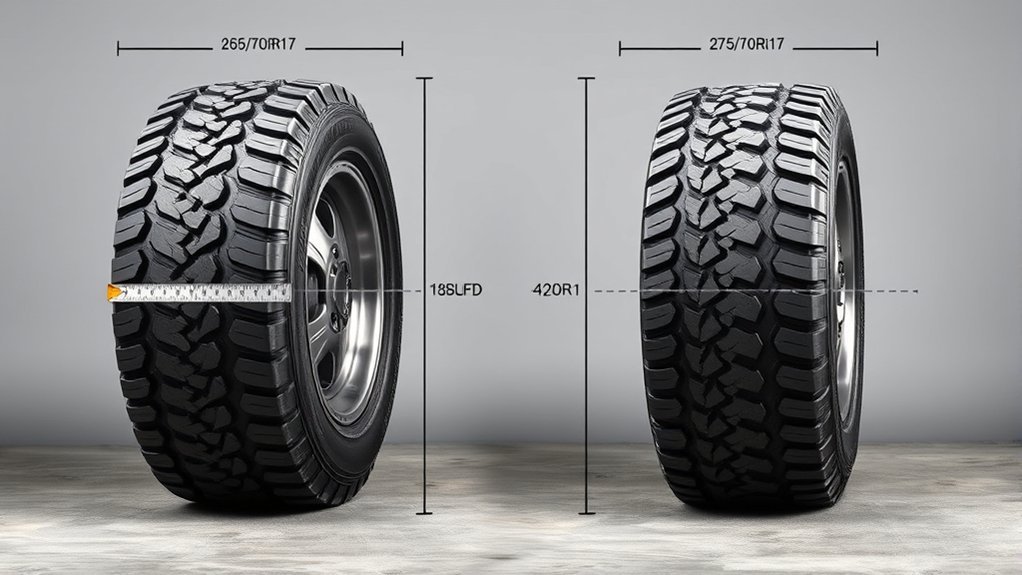
When you compare 265/70R17 to 275/70R17, the 275 tire is about 0.4 inch wider and about 0.6 inch taller. The 275/70R17 has a nominal section width of about 10.8 inches versus 10.4 inches for the 265/70R17. Its overall diameter is about 32.2 inches versus 31.6 inches.
Both sizes keep a 70 aspect ratio, so the wider 275 tire also gets a slightly taller sidewall. That can add a little ground clearance and a fuller stance, but it can also require more wheel-well clearance. Additionally, selecting the right tire size can significantly impact tire performance in rain and snow, ensuring a safer driving experience.
Size And Width Difference
The 265/70R17 and 275/70R17 differ by 10 mm in section width. That equals about 0.39 inch, so the 275 is only slightly wider. You may notice a stronger stance and a little more tire presence, but the difference is not dramatic.
If you are choosing between them, the 265 keeps a slimmer footprint and is usually easier to fit. The 275 asks for a little more room near the fender liner, upper control arm, mud flap, and bumper edge. Always check clearance at full steering lock and through suspension travel.
Diameter And Sidewall Change
The 275/70R17 also runs slightly taller than the 265/70R17, with an overall diameter of about 32.2 inches versus 31.6 inches. The sidewall grows from about 7.3 inches to about 7.6 inches.
- 265/70R17: about 31.6-inch diameter
- 275/70R17: about 32.2-inch diameter
- Diameter gain: about 0.6 inch
- Sidewall gain: about 0.3 inch
The change is small but measurable. If your vehicle has tight factory clearance, even this size jump can matter.
Speedometer And Gearing Impact
Going from a 265/70R17 to a 275/70R17 increases diameter by about 1.7%. If your speedometer is calibrated for the 265 and you install the 275 without recalibration, your actual road speed may be about 1.7% higher than the indicated speed. For example, an indicated 60 mph may be close to 61 mph.
The taller tire also slightly lengthens the effective gear ratio. You may see slightly lower engine rpm at highway speed, but throttle response can feel a little softer. Fuel economy may improve, stay similar, or drop depending on tire weight, tread design, pressure, and driving style.
265/70R17 Vs 285/70R17
When comparing 265/70R17 vs 285/70R17, the 285 size is clearly the larger option. A 285/70R17 measures about 11.2 inches wide and about 32.7 inches tall, compared with about 10.4 inches wide and 31.6 inches tall for the 265.
- Width: the 285 is about 0.8 inch wider than the 265.
- Diameter: the 285 is about 1.1 inches taller than the 265.
- Sidewall: the 265 sidewall is about 7.3 inches, while the 285 sidewall is about 7.9 inches.
- Speedometer effect: the 285 is about 3.5% taller, so it can create a noticeable speedometer change if your vehicle is calibrated for the 265.
Additionally, selecting the right tire can enhance off-road capability, making the vehicle more versatile across different terrains.
If you want closer factory behavior, the 265 usually stays simpler. If you want a wider stance, a taller look, and more sidewall, the 285 gives you more presence, but it also raises the chance of rubbing and may require wheel, lift, trimming, or alignment changes.
265/70R17 Vs 275/70R17 Vs 285/70R17 Chart
| Size | Width | Sidewall | Diameter | Revs/Mile |
| 265/70R17 | 10.4 in | 7.3 in | 31.6 in | 638 |
| 275/70R17 | 10.8 in | 7.6 in | 32.2 in | 627 |
| 285/70R17 | 11.2 in | 7.9 in | 32.7 in | 617 |
Is 265/70R17 a 33-Inch Tire?
A 265/70R17 is not a true 33-inch tire. Its nominal overall diameter is about 31.6 inches, which puts it much closer to a 32-inch tire. The 265 mm width equals about 10.4 inches, and the 70 aspect ratio creates a 7.3-inch sidewall. That combination does not reach 33 inches.
Even a 285/70R17, which is commonly called a 33-inch tire, is usually about 32.7 inches by nominal math. If you want accurate fitment, treat the 265/70R17 as a near-32-inch tire, not a 33-inch tire. That distinction helps you avoid clearance, gearing, and speedometer assumptions. Additionally, understanding tire sizing conventions can help prevent confusion when selecting tires for your vehicle.
[Products Worth Considering]

RVMATE dual-axle RV tire covers help shield your tires from sunlight, snow, rust, and dirt to keep them in better condition in harsh weather. Made with heavy-duty waterproof, UV-resistant 420D Oxford fabric, they provide strong shading and help reduce wear. They install easily by placing the cover on the wheel and fastening the rope for a stable fit.
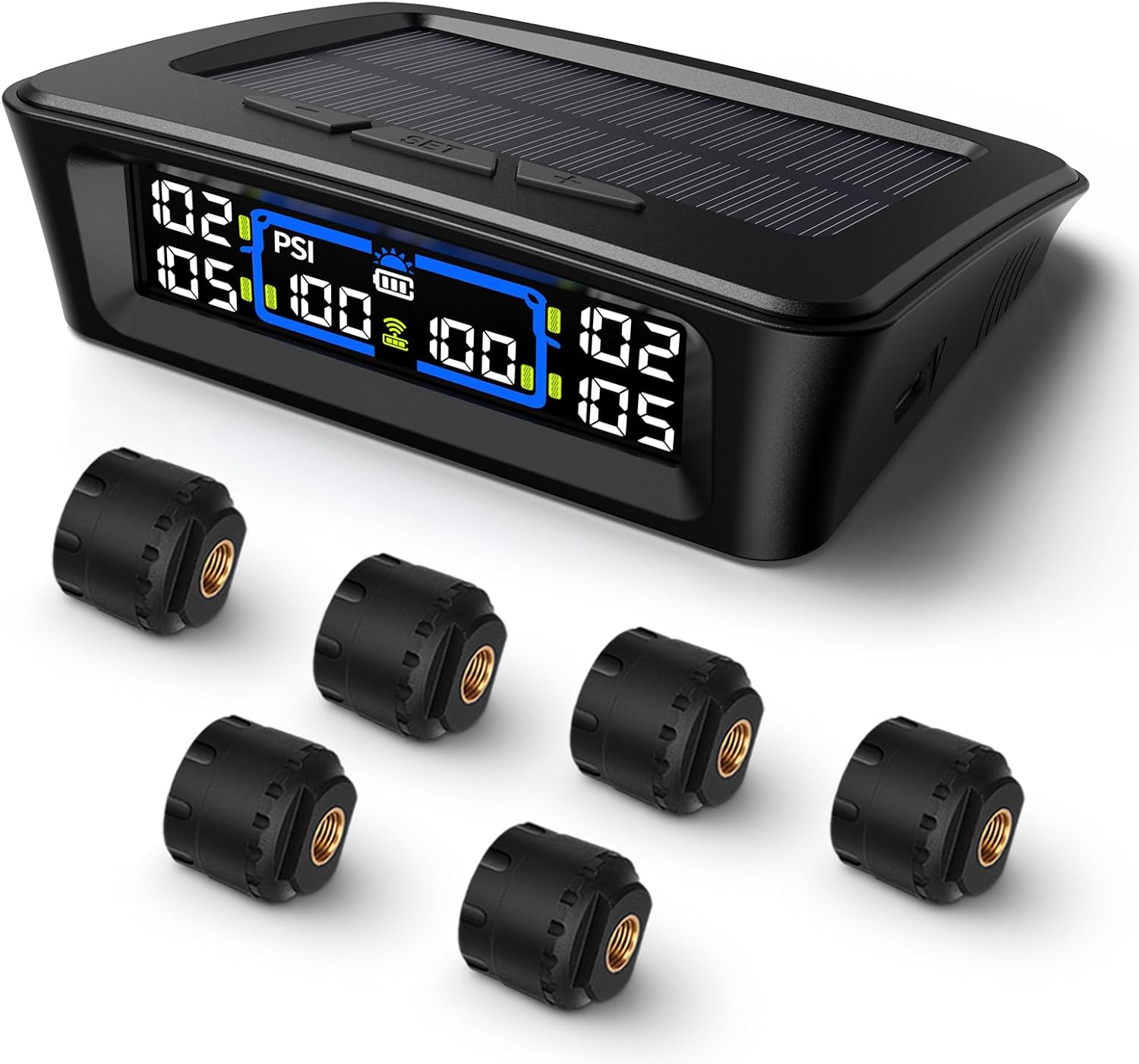
The Tymate TM12 RV TPMS delivers real-time tire pressure and temperature monitoring with a stable 433Hz display for safer long-distance driving. It supports simultaneous monitoring across vehicle and trailer zones, includes six alarm modes for pressure, temperature, leakage, battery, and signal loss, and features easy DIY installation with auto calibration. Power is supplied via USB-C charging or solar recharging, with a wide 0–144 PSI range and up to 50 ft signal coverage for RVs and towable trailers.
Speedometer Changes With 265/70R17
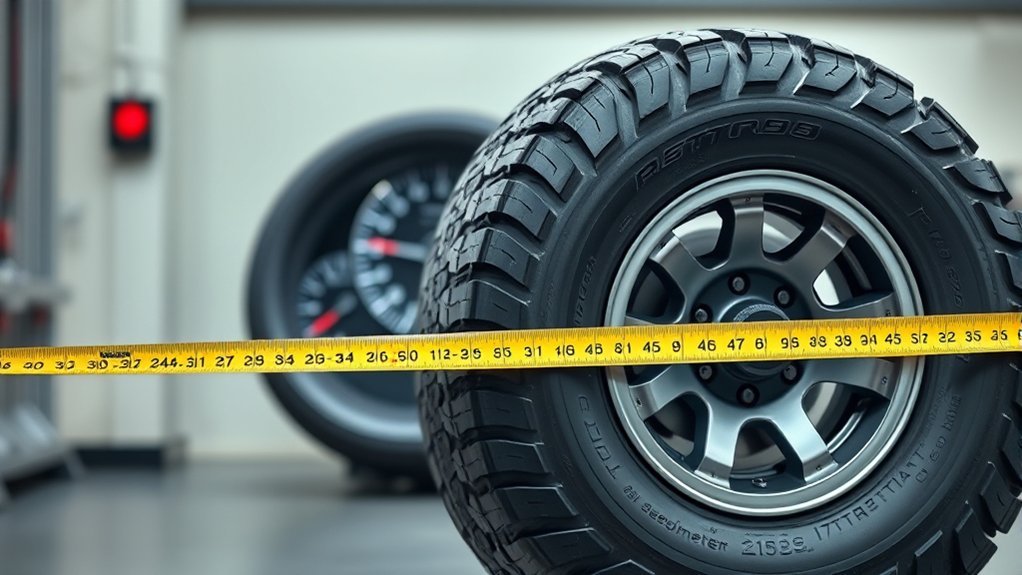
Installing 265/70R17 tires can change your speedometer reading, but the direction and size of the error depend on your original tire size. If the 265/70R17 is larger than your factory tire, your vehicle travels farther with each wheel rotation. In that case, your actual speed can be higher than the speed shown on the dash.
For example, if your vehicle was calibrated for a smaller tire and you move to a taller 265/70R17, an indicated 60 mph may be slightly slower than your true road speed. If your old tire was taller than a 265/70R17, the opposite can happen. Use a tire-size calculator, GPS comparison, or scan-tool calibration to confirm the real difference.
- Compare the 265/70R17 diameter and revolutions per mile with your original tire size.
- Check speed against GPS after installation.
- Recalibrate the speedometer if the error is meaningful.
- Verify the tire size in your vehicle settings when supported. Proper tire selection criteria is essential to ensure optimal fitment and performance.
Warning: Do not rely on tire-size names alone. A speedometer error can affect posted-speed compliance, trip mileage, shift behavior, driver-assist systems, and ABS/traction-control behavior on some vehicles.
Gear Ratio And MPG Effects
Because a 265/70R17 tire is about 31.6 inches tall, it can change the effective final drive ratio if it is taller than your original tire. A taller tire covers more road per revolution, which can lower engine rpm at highway speed. The tradeoff is that acceleration from a stop may feel softer, especially on heavier trucks or vehicles with tall factory gearing.
Fuel economy can also change, but there is no fixed MPG loss that applies to every vehicle. Tire weight, tread pattern, rolling resistance, air pressure, vehicle gearing, road speed, and driving style all matter. A heavier all-terrain or mud-terrain tire may reduce fuel economy more than a highway-focused tire in the same size.
If you want to preserve crisp response and accurate mileage readings, compare the new tire’s diameter to your stock size before installing it. For major size changes, axle gearing or software calibration may be worth discussing with a qualified shop. Additionally, consider how tire performance in rain can be affected by the size and design of your tires.
Fitment Checklist Before Installing 265/70R17 Tires
A 265/70R17 is a common truck and SUV size, but that does not mean it fits every 17-inch wheel or every vehicle without checks. Before you buy, confirm these points:
- Wheel width: Make sure your wheel width is approved for the exact tire model.
- Offset and backspacing: The wrong wheel offset can push the tire into the fender or suspension.
- Full-lock clearance: Check rubbing at full left and full right steering lock.
- Suspension clearance: Look near the upper control arm, sway bar, strut, and inner liner.
- Body clearance: Check the mud flap, bumper tab, pinch weld, and fender liner.
- Spare tire fit: Make sure the spare location can hold the same size if you plan to carry a full-size spare.
- Load index and speed rating: Match or exceed your vehicle’s required rating.
- TPMS and pressure: Confirm sensors work and set cold pressure according to the vehicle and tire load requirements.
Pro Tip: Test fit one front tire before mounting a full set if you are upsizing. Front clearance is usually the tightest because the tire turns and moves through suspension travel.
Best Trucks, SUVs, And Tire Types For 265/70R17
You’ll find the 265/70R17 size on many trucks and SUVs, and it is often cross-shopped for vehicles such as the Chevrolet Silverado 1500, Ford F-150, GMC Sierra, Toyota 4Runner, Toyota Tacoma, Nissan Frontier, and Jeep Wrangler. Fit still depends on year, trim, wheel specs, suspension, and load rating, so always check your owner’s manual and the tire maker’s spec sheet.
Your tire choice should match how you drive. All-season or highway-terrain tires suit paved commuting and long tread life. All-terrain tires work better for mixed pavement, gravel, snow, and trail use. Mud-terrain tires use more aggressive tread for loose terrain, but they can be louder and heavier on the road. Additionally, choosing the right tire for your vehicle can significantly enhance your vehicle’s performance and ensure a safer driving experience.
Best Vehicle Fits
The 265/70R17 works best when your suspension, wheel clearance, and load rating match its dimensions. On body-on-frame trucks and SUVs, it can give a useful balance of highway stability, sidewall protection, and mild off-road capability.
- You can get strong fitment on many midsize and full-size trucks.
- You can keep a practical sidewall for rough roads and light trail use.
- You can preserve near-factory proportions on vehicles designed around similar 17-inch tire sizes.
- You can avoid the larger clearance challenges that often come with 285/70R17 or true 33-inch sizes.
Tire Type Choices
When you choose a 265/70R17, the tire type matters as much as the size. You can match the tread to how you drive:
- Highway-terrain: best for quiet commuting, towing stability, and long tread life on pavement.
- All-season: best for daily driving in mild climates with a focus on comfort and wet traction.
- All-terrain: best for mixed pavement, gravel, snow, camping roads, and light trails.
- Mud-terrain: best for deep mud, rocks, and loose off-road surfaces, with more road noise and weight.
- Winter: best for cold-weather braking, ice, and packed snow when conditions demand dedicated snow tires.
Top Replacement Picks
A few common replacement choices make the 265/70R17 size easy to match to your driving style. Treat these as starting points, then confirm load range, speed rating, warranty, and availability for your exact vehicle.
- Pirelli Scorpion All Season Plus 3: consider it for highway comfort, wet grip, and daily road use.
- Falken Wildpeak A/T4W: consider it for balanced on-road comfort, all-terrain traction, and year-round versatility.
- Goodyear Wrangler Boulder MT: consider it when you need aggressive mud-terrain tread for off-road use.
- Dedicated winter tires: consider them if you regularly drive on ice, packed snow, or below-freezing roads.
Frequently Asked Questions
Is a 265 70R17 a 33 inch tire?
No. A 265/70R17 measures about 31.6 inches in nominal diameter, so it is closer to a 32-inch tire than a 33-inch tire. That matters for ground clearance, speedometer readings, gearing, and rubbing checks.
What size 17-inch tire is a 33?
A 285/70R17 is one of the most common 17-inch sizes people call a 33, but it is still usually about 32.7 inches by nominal math. Some true 33-inch flotation sizes are labeled differently, such as 33×12.50R17.
Is a 31-inch tire the same as a 265?
No. A 31-inch tire describes overall diameter, while 265 describes section width in millimeters. A 265/70R17 is about 31.6 inches tall, but “265” alone does not tell you the full tire height.
Are 265/70R17 tires 32-inch tires?
They are commonly rounded to 32-inch tires because the nominal diameter is about 31.6 inches. They are not exactly 32.0 inches, and actual mounted height can vary by tire model, pressure, load, and rim width.
Will 265/70R17 tires rub?
They may fit without rubbing on many trucks and SUVs, but fitment depends on your vehicle, wheel offset, suspension, alignment, and liner clearance. Check full-lock steering clearance and suspension travel before assuming they fit.
Do I need to recalibrate my speedometer for 265/70R17 tires?
You may need calibration if 265/70R17 is noticeably taller or shorter than your original tire. Compare the old and new tire diameters, then confirm road speed with GPS or a calibration tool.
Conclusion
Now you know a 265/70R17 tire is about 31.6 inches tall, 10.4 inches wide, and built for a 17-inch wheel. It is a practical near-32-inch tire, not a true 33-inch tire. If you switch from stock, you may notice changes in speedometer accuracy, gearing, throttle response, and fuel economy. Compare your original tire size, wheel clearance, load rating, and pressure requirements before you choose, and you’ll get a safer, cleaner fit for your setup.
Sources
- Bridgestone: How to Read Tire Size — backs up tire size code meanings, including width, aspect ratio, construction, and wheel diameter.
- Goodyear: Tire Size Guide — supports tire sidewall code interpretation and tire shopping basics.
- Tire Rack: How Do I Read My Tire Sidewall? — supports tire markings, load index, speed rating, and sidewall information.
- NHTSA: Tires — supports tire safety, inflation, maintenance, and tire-related vehicle safety checks.

Related Articles

How Much Do Used Tires Cost? Price Guide
A quick guide to used tire prices reveals what you’ll really pay, and the factors that could save you more than you expect.
Read More
Walmart Tire Return Policy: Rules and Time Limits
At Walmart, tire returns have strict rules and time limits, but one overlooked detail could determine whether your refund gets approved.
Read More
How Often Does Costco Have Tire Sales?
Just how often does Costco discount tires, and when are the biggest savings hidden?
Read More