
How to Choose Tires for a Toyota RAV4: A Practical Guide
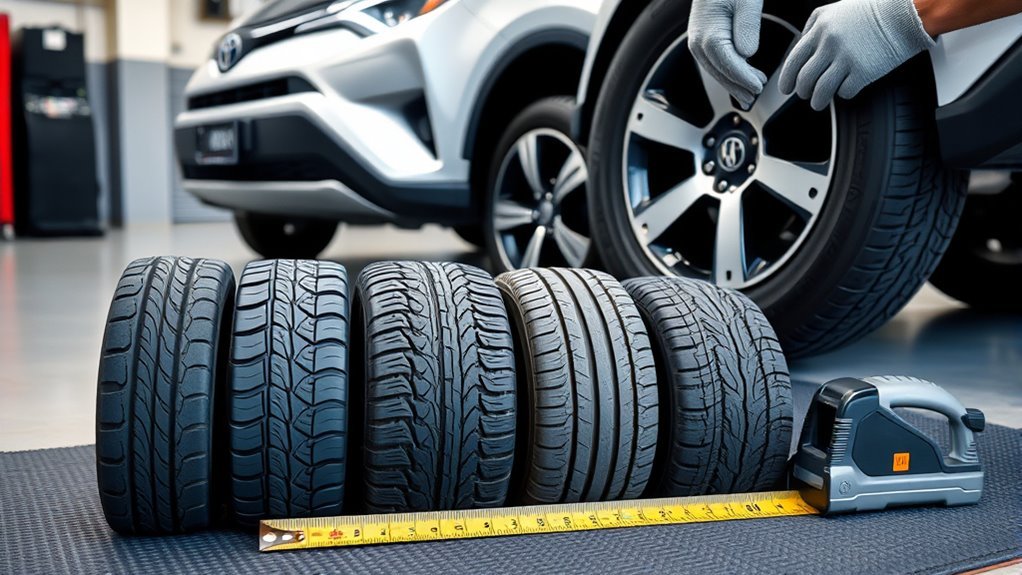
Choosing the right tires for your Toyota RAV4 starts with one simple rule: match the tire to your exact RAV4, not just to a generic size you found online. Your year, trim, wheel size, climate, road conditions, and budget all matter. The safest starting point is the Tire and Loading Information label on the driver-side door jamb, then you can compare tire types, ratings, warranties, and installed prices with confidence.
Quick Answer
To choose Toyota RAV4 tires, confirm the exact size, load index, speed rating, and cold PSI on your door-jamb tire label first. Then choose all-season, all-weather, winter, all-terrain, or performance tires based on your climate and driving style. Compare the full installed price, warranty, tread rating, and maintenance needs before buying.
Key Takeaways
- Do not rely on one “universal” RAV4 tire size. Common late-model sizes include 225/65R17, 225/60R18, and 235/55R19, but your door-jamb placard is the final authority.
- Match or exceed the original load index and speed rating. Never downgrade these ratings to save money.
- Choose tire type by climate: all-season for mild daily use, all-weather for year-round mixed conditions, winter for snow and ice, all-terrain for rough roads, and performance tires for sharper handling.
- Check pressure when the tires are cold, rotate regularly, and replace damaged, aged, or worn tires before they become a safety risk.
At a Glance
| Time Required | 20–40 minutes to compare options; about 60–90 minutes for shop installation, balancing, and inspection. |
| Difficulty | Easy if you use the door-jamb label and compare like-for-like tire ratings. |
| Tools Needed | Door-jamb tire label, owner’s manual, tire-pressure gauge, tread-depth gauge or penny, and written installed-price quotes. |
| Cost | Varies by country, size, brand, year of manufacture, warranty, and installation. In the UAE, AED 375–420 per tire is a value-range estimate, not a universal quality-tire price. |
Get to Know Your RAV4 Tire Specifications
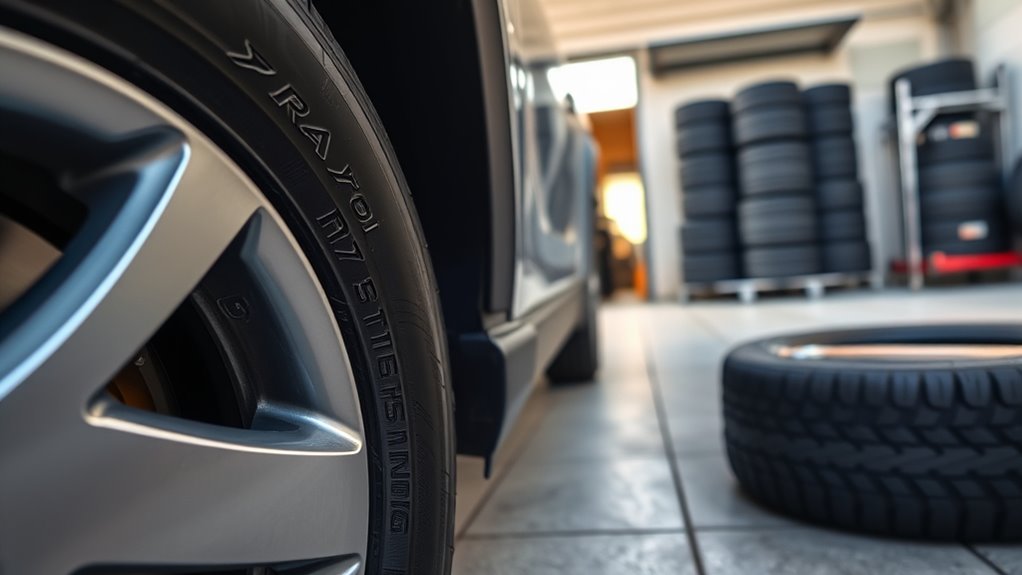
Before comparing brands, find your exact tire size. On most RAV4 models, the easiest place to check is the Tire and Loading Information label on the driver-side door jamb. You can also confirm the size in your owner’s manual or on the sidewall of your current tire. The NHTSA TireWise guide recommends using the owner’s manual or tire information label when choosing replacement tires.
Many late-model Toyota RAV4 trims use sizes such as 225/65R17, 225/60R18, or 235/55R19, depending on trim and wheel package. However, do not buy based on a common size alone. Your RAV4 may have a different factory wheel, regional specification, or previous-owner change.
[Products Worth Considering]

BESKAR foot scrubber mat lets you clean, exfoliate, and massage your feet in the shower or bathtub without bending or straining. Hundreds of flexible bristles scrub between...
How to Read a RAV4 Tire Size
A tire marked 225/65R17 102H gives you several important details:
- 225 is the tire width in millimeters.
- 65 is the sidewall height as a percentage of the tire width.
- R means radial construction.
- 17 is the wheel diameter in inches.
- 102 is the load index, which tells you how much weight the tire can carry when properly inflated.
- H is the speed rating.
Warning: Do not switch to a different tire size just because it “looks better” or promises more grip. A wrong size can affect clearance, speedometer accuracy, braking, ABS, traction control, TPMS, ride comfort, and AWD drivetrain behavior. Use the factory size or a manufacturer-approved/professionally verified alternative.
Also check the load index and speed rating. The safest approach is to match or exceed the original equipment ratings shown on your tire placard or current factory-size tires. Never choose a lower load rating to reduce cost, especially if you carry passengers, luggage, roof cargo, or tow within your RAV4’s rated limits.
Evaluate Tire Types for Your Toyota RAV4: All-Season, All-Weather, Winter, All-Terrain, or Performance?
Once you confirm the correct size and ratings, choose the tire type that fits your real driving conditions. The best tire for a city commute in Dubai will not be the same as the best tire for snowy mountain roads or gravel tracks.
All-Season Tires
All-season tires are the practical default for many RAV4 owners. They work well for daily commuting, highway trips, light rain, and mild weather. They are usually comfortable, reasonably quiet, and available at many price points. They are not the best choice for regular snow, ice, or severe winter driving.
All-Weather Tires
All-weather tires are different from standard all-season tires. Many carry the three-peak mountain snowflake symbol, which means they meet a defined snow-traction performance standard. They can be a strong choice if you want one year-round tire and occasionally face cold, wet, or light snowy conditions.
Winter Tires
Winter tires are the best choice for frequent snow, ice, slush, and cold-weather driving. Transport Canada advises looking for the peaked mountain with snowflake symbol and notes that all-season and summer tires begin losing elasticity below 7°C, while winter tires keep better grip in much lower temperatures.
All-Terrain Tires
All-terrain tires suit RAV4 drivers who regularly use gravel, construction roads, campsites, farms, or rougher tracks. They can improve cut resistance and loose-surface grip, but they may add road noise, reduce ride comfort, and affect fuel economy compared with highway-focused tires.
Performance Tires
Performance tires can sharpen steering response and dry-road grip. They make the most sense for drivers who value handling over tread life, winter traction, or maximum comfort. On a family SUV like the RAV4, they are usually a niche choice rather than the best all-around option.
The right RAV4 tire is not the most expensive tire or the most aggressive-looking tire. It is the tire that matches your exact size, load rating, climate, road surface, and maintenance habits.
Key Features to Look for in RAV4 Tires
Choosing the right tires for your RAV4 is not just about brand name. Compare the details that affect safety, comfort, wear, and value.
- Correct size: Match the door-jamb label unless a qualified tire professional confirms a safe alternate fitment.
- Load index and speed rating: Match or exceed the original equipment rating. This is especially important when carrying passengers, luggage, or roof cargo.
- Tread pattern: Symmetrical patterns often wear evenly and ride quietly. Asymmetrical or directional patterns can improve wet grip or handling, but may require specific rotation patterns.
- Wet traction: If you drive in frequent rain, prioritize wet braking, hydroplaning resistance, and strong traction ratings over appearance.
- UTQG ratings: The Uniform Tire Quality Grading system compares treadwear, traction, and temperature resistance. Use it as a comparison tool, not an exact mileage promise.
- Noise and ride comfort: Highway commuters should look for comfort-focused touring or highway tires rather than aggressive all-terrain patterns.
- Warranty: Compare treadwear warranty, road-hazard coverage, manufacturing-date policy, and what is excluded.
Note: A higher treadwear number usually suggests slower relative wear, but it does not guarantee exact mileage. Driving style, heat, alignment, inflation pressure, road surface, and rotation habits can change tire life dramatically.
How to Budget for Tires: Balancing Cost and Value
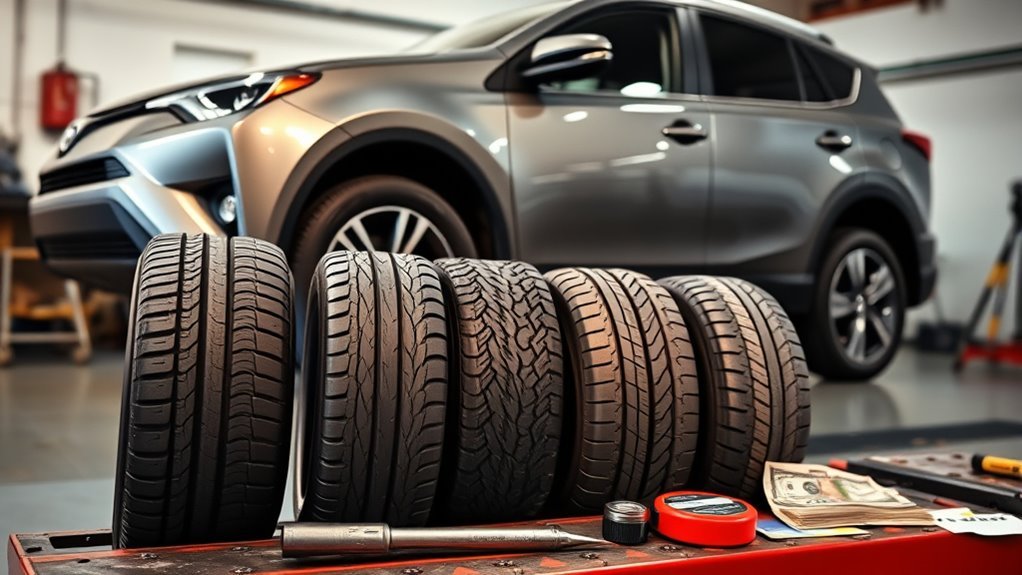
Budgeting for RAV4 tires is easier when you compare the installed cost, not just the tire price. Ask whether the quote includes fitting, balancing, new valve stems, old-tire disposal, VAT or sales tax, TPMS service, alignment, and road-hazard coverage.
If you are shopping in the UAE, AED 375–420 per tire may be a reasonable value-range target for some 225/65R17 options, but prices move with tire size, brand, production year, promotions, and installation package. Premium SUV tires can cost much more, while budget tires can cost less. The smart comparison is not “cheapest tire today,” but best safe value over the tire’s usable life.
Simple RAV4 Tire Budget Checklist
- Price per tire: Compare the same size, load index, and speed rating.
- Installed price: Include mounting, balancing, valves, disposal, and taxes.
- Alignment: Budget for alignment if your old tires show uneven wear or the car pulls to one side.
- Warranty: Check mileage warranty, manufacturing defect coverage, and road-hazard terms.
- Expected use: A more expensive tire may be better value if it gives safer wet braking, longer wear, lower noise, or better fuel efficiency.
- Manufacture date: Avoid old stock if the tire has been sitting for years, even if it looks new.
Pro Tip: When comparing two tire quotes, ask each shop for the DOT production date, full installed price, warranty terms, and whether balancing and valve service are included. This prevents a cheap quote from becoming expensive at checkout.
Maintenance Tips for Prolonging Tire Life on Your RAV4
Maximizing tire life is not only about buying the right set. Proper pressure, rotation, alignment, and inspection make a major difference in safety and long-term cost.
- Check tire pressure cold: Use the PSI listed on the driver-side tire label or owner’s manual, not the maximum PSI molded on the tire sidewall. The NHTSA recommends checking all tires, including the spare, at least monthly when the tires are cold.
- Rotate regularly: Rotate tires at the interval in your owner’s manual. As a practical range, NHTSA notes that many vehicles use 5,000–8,000 mile intervals when recommended by the manufacturer, which is roughly 8,000–13,000 km.
- Inspect tread monthly: Look for uneven wear, cuts, cracks, nails, bulges, vibration, or exposed cords.
- Balance new tires: New tires should be balanced when installed to reduce vibration and uneven wear.
- Check alignment: Get alignment checked after hard curb impacts, pothole hits, off-road driving, suspension work, or when you see uneven tire wear.
- Watch tread depth: NHTSA says tires are not safe and should be replaced when tread reaches 2/32 inch. For wet roads, many drivers replace earlier, and for snow-covered roads Transport Canada warns against using tires worn close to 4 mm.
- Track tire age: Tires can age even with good tread. Check the DOT date code and inspect for cracking or hardening, especially in hot climates.
FuelEconomy.gov also notes that proper inflation can improve gas mileage and that under-inflated tires can reduce fuel economy. In simple terms, correct pressure helps your RAV4 drive safer, wear tires more evenly, and use less fuel.
Warning: Replace a tire immediately if you see a sidewall bulge, exposed cord, deep cracking, repeated pressure loss, or damage after a hard impact. Do not rely on tread depth alone when there are signs of structural damage.
Frequently Asked Questions
What are the most durable RAV4 tire brands?
Durable RAV4 tire options are available from brands such as Bridgestone, Michelin, Yokohama, Continental, Goodyear, Falken, Toyo, Hankook, and BFGoodrich. The best choice depends on your size, climate, and driving style. Do not buy by brand alone; compare the exact model’s load rating, treadwear rating, wet traction, warranty, and user reviews for your tire size.
What tire size does a Toyota RAV4 use?
Common late-model RAV4 sizes include 225/65R17, 225/60R18, and 235/55R19, but the correct size depends on year, trim, wheel package, and market. Check the driver-side door-jamb tire label, owner’s manual, or current tire sidewall before ordering.
Should I choose all-season or winter tires for my RAV4?
Choose all-season tires for mild climates, daily commuting, and light rain. Choose winter tires if you often drive in snow, ice, slush, or temperatures below 7°C. Winter tires should be installed as a matching set of four for stable handling.
Can I put bigger tires on my Toyota RAV4?
Sometimes, but only after confirming clearance, overall diameter, rim width, load index, speed rating, TPMS compatibility, and AWD suitability. Oversized tires can rub, change speedometer readings, reduce fuel economy, and affect safety systems. Use factory-approved sizes or ask a qualified tire professional.
How often should RAV4 tires be rotated?
Follow your RAV4 owner’s manual first. A common rotation range is about every 5,000–8,000 miles, or roughly 8,000–13,000 km, if rotation is recommended for your tire setup. Rotate sooner if you notice uneven wear.
Conclusion
Choosing the right tires for your Toyota RAV4 is about fit, safety, and value. Start with the tire label on your door jamb, match the correct size and ratings, choose the tire type for your climate, and compare the full installed price instead of the sticker price alone. With proper pressure checks, rotation, alignment, and tread inspections, your RAV4 tires will last longer, drive better, and keep you safer on the road.
Sources
- NHTSA TireWise — tire size selection, tire pressure, tread depth, UTQG ratings, rotation, balancing, and alignment guidance.
- Toyota RAV4 Full Specs — official RAV4 specification reference and trim-specific equipment context.
- Transport Canada: Using Winter Tires

Related Articles

Toyota RAV4 TPMS Reset: Easy Steps That Work
Unlock the secrets to resetting your Toyota RAV4's TPMS effortlessly—discover the essential steps to ensure your tires are always safe.
Read More
Toyota RAV4 Tire Rotation: DIY Steps & Pattern
Take control of your Toyota RAV4's tire maintenance with our simple DIY rotation guide—discover the best steps for optimal performance and longevity!
Read More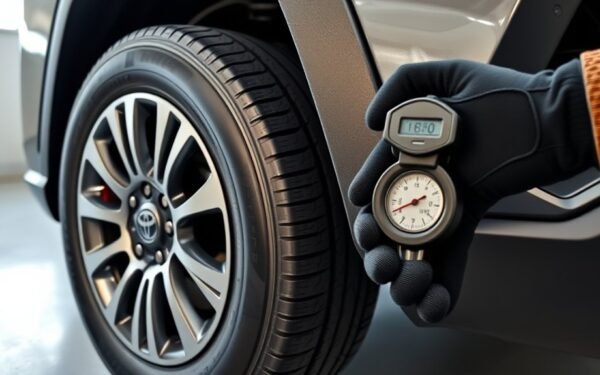
Mix Tire Brands on a Toyota RAV4? Expert Guide
Keeping your RAV4 safe? Learn when mixing tire brands risks traction, ABS/TCS and AWD damage — and what exact matches you must insist on.
Read More