
What Is a Bald Tire? Complete Guide & Best Options
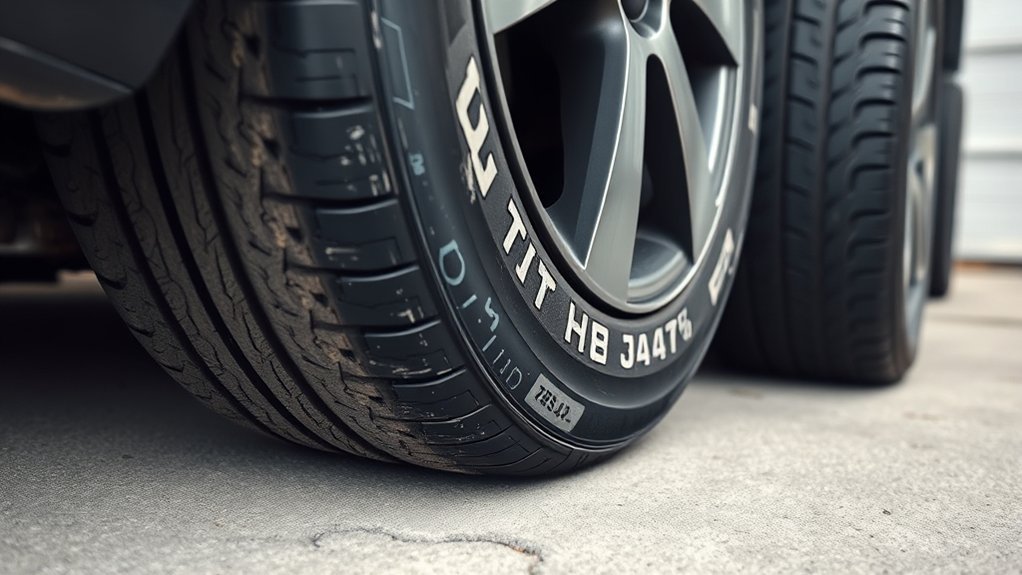
A bald tire has tread worn down to the point where it can no longer grip the road safely. In the United States, the key replacement threshold used by the National Highway Traffic Safety Administration is 2/32 inch of tread depth. At that point, wet-road traction, braking, and steering control can drop quickly.
You can often spot a bald tire by looking for treadwear bars that sit level with the tread, shallow or smooth grooves, cracks, bulges, exposed cords, or a failed penny test. If you find any of those signs, treat the tire as a safety problem, not a cosmetic issue.
Quick Answer
A bald tire is a tire with tread worn to 2/32 inch or less. It needs replacement because it has much less grip, especially in rain, snow, and emergency braking. Check tread with a gauge, wear bars, or the penny test, and do not keep driving on a bald or damaged tire.
Key Takeaways
- A tire is considered worn out when tread depth reaches 2/32 inch, and NHTSA says it should be replaced at that point.
- Warning signs include flush wear bars, shallow grooves, failed penny-test checks, uneven wear, cracks, bulges, vibration, or exposed cords.
- Bald tires increase the risk of skidding, hydroplaning, longer stopping distances, punctures, and blowouts.
- Check tire tread and pressure at least monthly, and check again before long trips or severe weather.
- When replacing tires, match the vehicle’s required size, load rating, speed rating, tire type, and manufacturer guidance.
At a Glance
| Time Required | 3 to 5 minutes for all four tires |
| Difficulty | Easy |
| Tools Needed | Tread depth gauge, penny, tire pressure gauge, and good lighting |
| Cost | Free with a penny; usually low cost for a basic tread depth gauge |
Warning: Do not keep driving on a bald tire, a tire with exposed cords, or a tire with bulges, deep cracks, or repeated pressure loss. If you must move the vehicle, drive only as far as needed to reach a safe repair location.
What Is a Bald Tire?
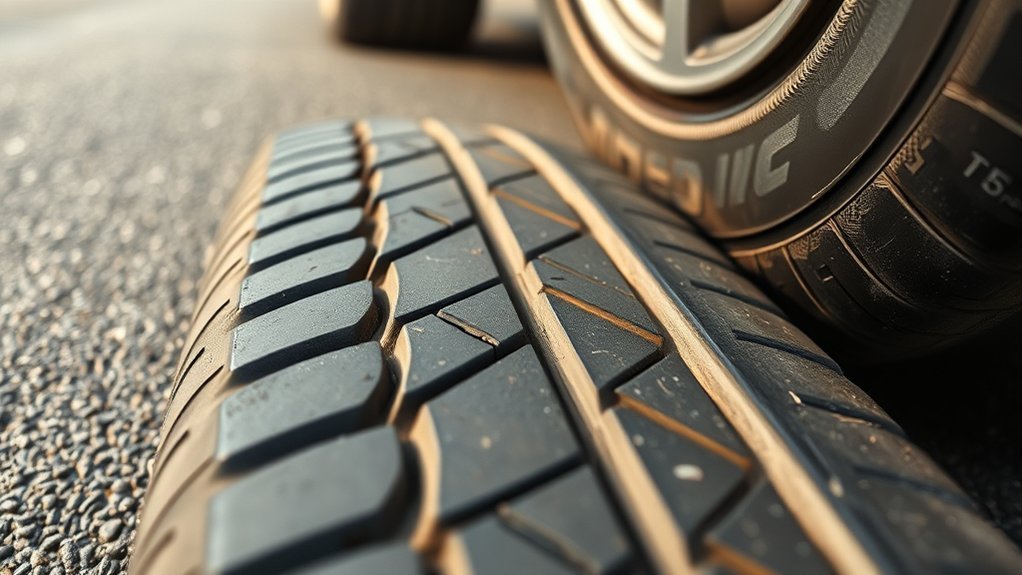
A bald tire is a tire with tread worn to 2/32 inch or less. That equals 1/16 inch. At this depth, the tire has very little tread left to channel water, bite into snow, and hold the road during braking or cornering.
Tread is not just a pattern on the tire. It helps the tire create grip, move water away from the contact patch, and stay stable when road conditions change. NHTSA says tire tread helps prevent slipping and sliding, especially when roads are wet or icy, and that tires should be replaced when tread is worn down to 2/32 inch.
The easiest home checks are the penny test, the built-in treadwear indicators, and a tread depth gauge. A gauge gives the most precise reading, but the penny test and wear bars can quickly tell you when the tire is at the replacement point.
[Products Worth Considering]

This VEVOR tire bead breaker uses a slide-hammer impact and wedge tip to separate tire beads from rims quickly and efficiently without damaging hub surfaces. The long handle and sturdy steel construction help reduce user strain while providing reliable, portable tire changing for cars, trucks, and more. Ideal for home mechanics and repair shops handling multiple vehicle tire sizes.

This compact capsule-style tire repair kit helps you quickly fix punctures and plug flats with minimal effort. The rugged stainless steel shell protects the contents for reliable roadside use, while the simple plug assembly makes repairs fast and tool-free. Suitable for motorcycles, cars, ATVs, UTVs, and even mountain bikes.
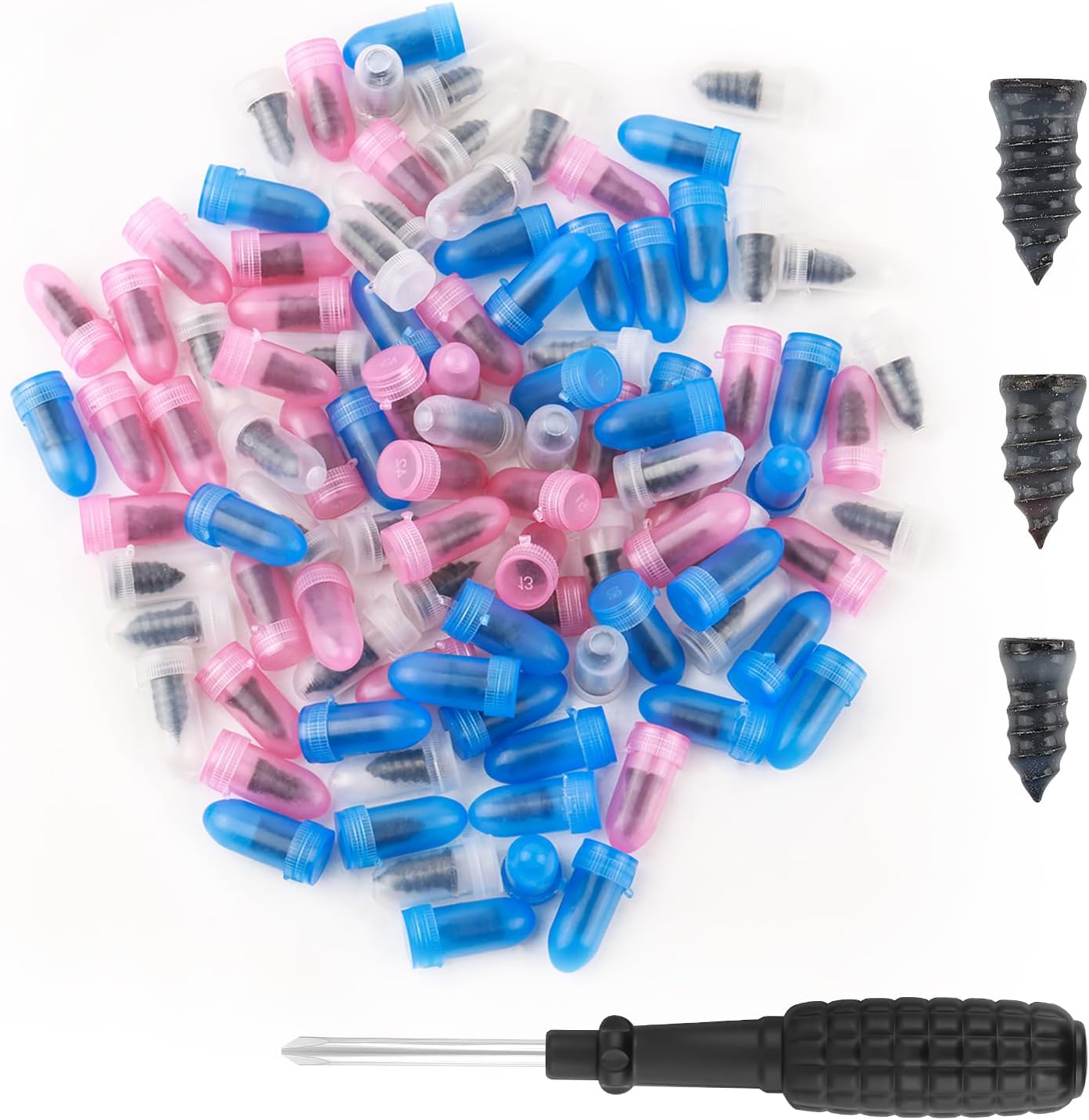
This 100-piece tire repair screw plug kit provides a fast, self-service solution for punctures on the road. Choose the correct plug size, insert it into the break, and screw it in to help seal the puncture and temporarily restore tire pressure. Thickened threads and rubber-wrapped plugs improve bite and sealing while remaining compact and easy to carry.
What Bald Tires Look Like
Bald tires usually look smoother, flatter, and less defined than healthy tires. The grooves may look shallow, the tread blocks may blend together, and the built-in wear bars may sit level with the tread surface.
Wear Bars Visible
Most passenger tires have small raised bars molded into the tread grooves. These are called treadwear indicators or wear bars. When the surrounding tread wears down until it is level with those bars, the tire has reached the replacement point.
Check across the full width of each tire. If the wear bars are flush in one area but not another, the tire may have uneven wear from alignment, inflation, suspension, or rotation problems. That tire still needs attention because the weakest section is what matters for safety.
Penny Test Check
The penny test is a quick way to check tread depth without special tools. Place a penny into the tread groove with Lincoln’s head upside down and facing you. If you can see the top of Lincoln’s head, the tread is too shallow and the tire should be replaced.
Check several grooves on each tire, not just one spot. Tread can wear unevenly from side to side or from the center to the shoulders. One safe-looking groove does not mean the whole tire is safe.
Tread Depth Signs
Low tread is not the only warning sign. Replace the tire or have it inspected right away if you see:
- Cracks in the sidewall or between tread blocks
- Bulges, bubbles, or soft-looking sidewall areas
- Exposed cords or fabric
- Deep cuts, punctures, or objects stuck in the tire
- Uneven wear on one edge, the center, or the shoulders
- New vibration, thumping, pulling, or repeated pressure loss
Note: A Tire Pressure Monitoring System can warn you when a tire is significantly underinflated, but it does not replace regular tire checks. NHTSA still recommends monthly inspection with an accurate gauge.
How Tires Become Bald
Tires become bald from normal use, but poor maintenance can make the wear happen much faster. Common causes include:
- Underinflation: Low pressure can make the tire flex too much and wear the shoulders faster.
- Overinflation: Too much pressure can wear the center of the tread faster.
- Poor alignment: A wheel that is not aligned can scrub one side of the tire.
- Poor balance: An unbalanced tire can wear unevenly and may cause vibration.
- Skipped rotation: Tires may wear at different rates if they are not rotated according to your vehicle manual.
- Overloading: Too much weight can increase heat and stress inside the tire.
- Aggressive driving: Hard braking, fast cornering, and quick launches wear tread faster.
- Road damage: Potholes, curbs, debris, and rough roads can damage tread and internal structure.
Good tire performance depends on tread depth, tire pressure, tire condition, and whether the tire fits the vehicle’s load and speed requirements.
Why Bald Tires Are Dangerous
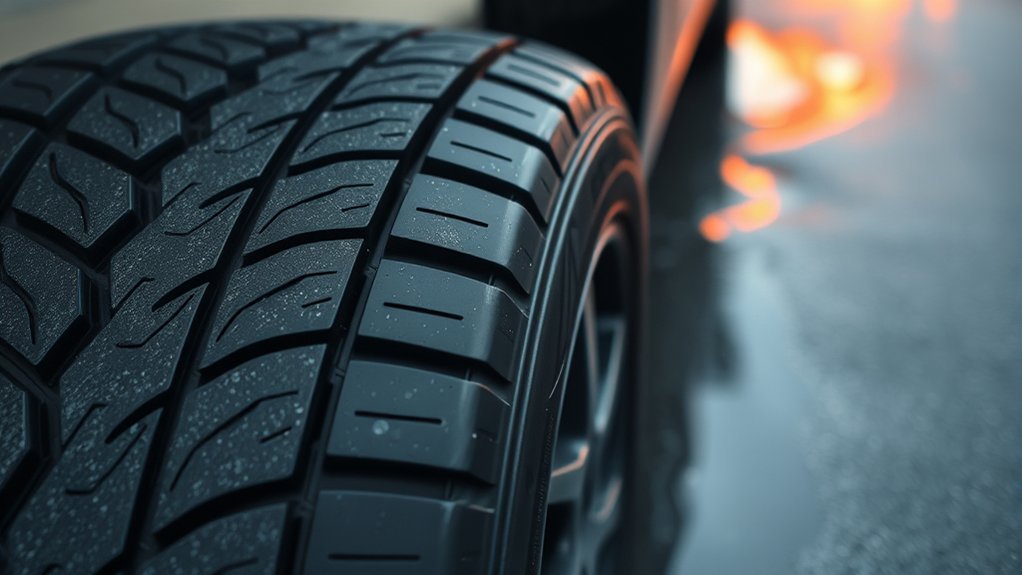
Bald tires are dangerous because they reduce the tire’s ability to grip the road. That is most obvious in rain, snow, and slush, but it can also affect emergency braking and steering on dry pavement.
NHTSA lists 511 traffic fatalities in tire-related crashes in 2024, which is a reminder that tire condition is a real safety issue, not just a maintenance detail.
When tread is too shallow, the tire cannot move water out from under the contact patch as well. That raises the risk of hydroplaning, where the tire rides on water instead of gripping the road. Bald tires also have less usable rubber depth to resist punctures, absorb impacts, and manage heat.
- Traction drops: The tire has less tread to grip wet or loose surfaces.
- Stopping distance increases: Emergency stops can take longer, especially on wet roads.
- Hydroplaning risk rises: Shallow grooves cannot clear water as effectively.
- Blowout risk can increase: Worn or damaged tires have less protection against heat, impacts, and debris.
- Control becomes less predictable: Steering, braking, and cornering can feel less stable.
In winter, bald tires are even more limited. If you drive in snow, ice, or freezing temperatures, the right winter tires can improve cold-weather grip compared with worn or mismatched tires.
Bald Tire Risks in Rain and Snow
Wet and snowy roads expose low tread quickly. Rain needs grooves that can move water away. Snow needs tread blocks and sipes that can bite into the surface. A bald tire has very little of either.
| Condition | What Bald Tires Do | Main Risk |
|---|---|---|
| Rain | Cannot channel water well | Hydroplaning and longer stops |
| Snow | Cannot bite into packed snow | Skidding and poor braking |
| Slush | Floats and pushes instead of gripping | Drifting or loss of steering response |
| Ice patches | Has almost no traction reserve | Sliding through turns or stops |
If you often drive in harsh winter weather, dedicated winter tires can make a major difference, but even winter tires must have enough tread depth to work safely.
How to Check Tread Depth at Home
You can check tread depth at home in a few minutes. Do it on all four tires, and check more than one groove on each tire.
1. Use a Tread Depth Gauge
A tread depth gauge is the most precise home tool. Place the probe into a main tread groove, press the base flat against the tread, and read the depth. If the reading is 2/32 inch or less, replace the tire.
2. Use the Penny Test
Place a penny into the tread with Lincoln’s head upside down and facing you. If you can see the top of Lincoln’s head, the tire has reached the replacement point. Repeat this in several grooves around the tire.
3. Inspect the Wear Bars
Look inside the tread grooves for raised bars running across the groove. If the tread surface is level with those bars, the tire is worn out and should be replaced.
4. Check for Damage and Age
Tread depth is only one part of tire safety. NHTSA says tires should also be replaced for damage such as cuts, cracks, bulges, irregular wear, or other damage related to underinflation or overloading. Tire age matters too. Some vehicle and tire manufacturers recommend replacement at six to 10 years old, even if tread remains.
To check tire age, look for the DOT Tire Identification Number on the sidewall. The last four digits show the week and year the tire was made. For example, “2422” means the tire was made in the 24th week of 2022.
Pro Tip: Check tread depth when you check tire pressure. NHTSA recommends checking pressure at least once a month when tires are cold, meaning the vehicle has not been driven for at least three hours.
When to Replace Bald Tires
Replace a tire as soon as tread depth reaches 2/32 inch or less. Do not wait for rain, snow, or a close call to prove the tire is unsafe.
You should also replace or professionally inspect a tire immediately if you see cracks, bulges, cuts, exposed cords, repeated pressure loss, or unusual vibration. Those problems can be dangerous even if the tread depth is above 2/32 inch.
- Check tread depth monthly and before long trips.
- Check tire pressure monthly when tires are cold.
- Inspect sidewalls and tread for cracks, bulges, punctures, and exposed cords.
- Rotate tires according to the vehicle manual if rotation is recommended.
- Have alignment and balance checked if wear is uneven or the vehicle pulls.
- Check for tire recalls at NHTSA’s recall lookup.
[Products Worth Considering]
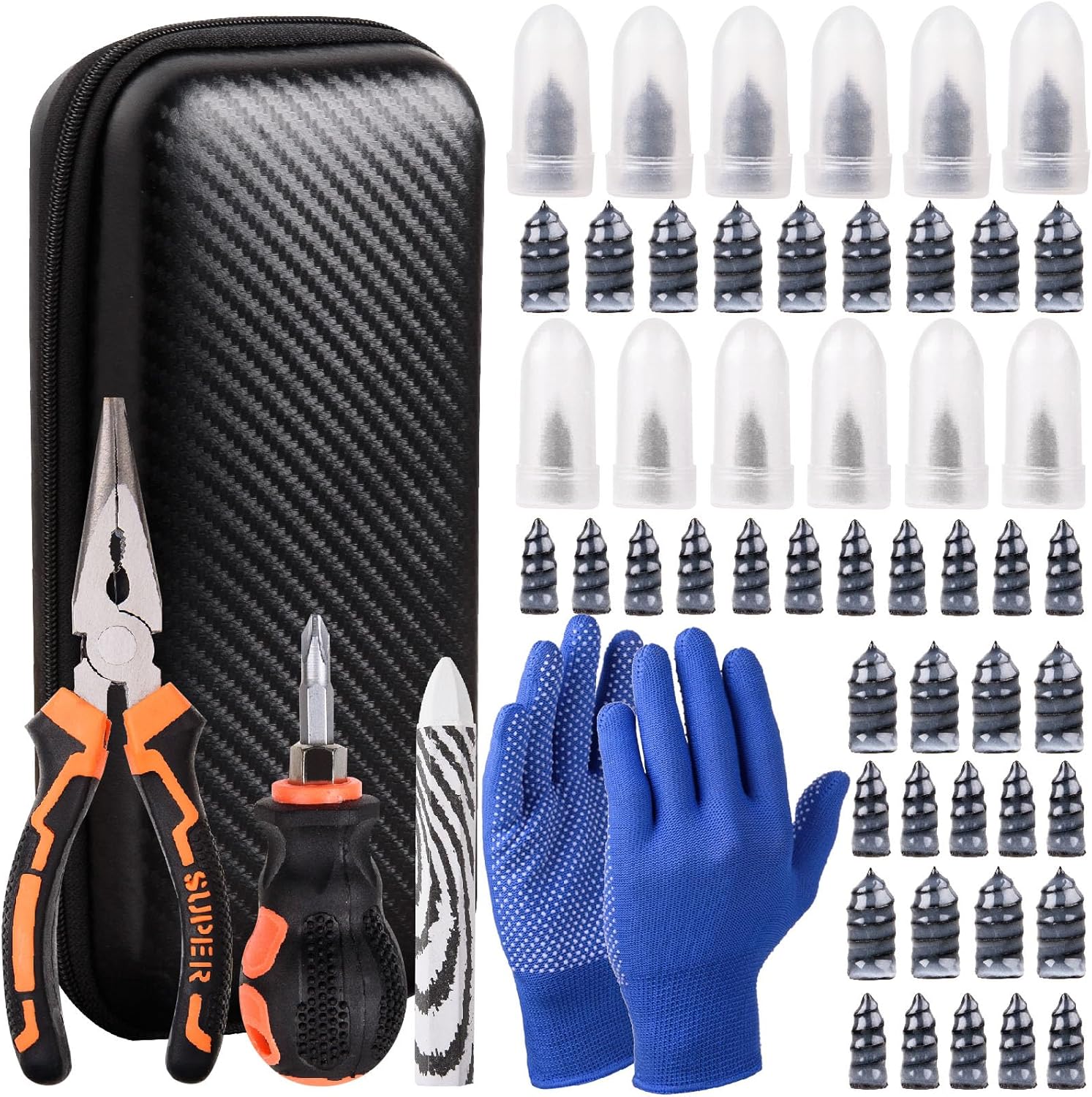
This tire sidewall puncture repair kit fixes flats fast without removing the tire, helping you get back on the road in minutes. It includes self-tapping repair nails, essential tools, gloves, and a portable storage bag for convenient roadside use. Designed for tubeless tires, it helps create a tight, leak-resistant seal for cars, motorcycles, trucks, SUVs, and ATVs.

This tire repair kit provides fast emergency puncture repair without removing the tire from the rim, helping you get back on the road quickly. Its screw plug system is designed for punctures in both tread and sidewall and includes a complete patch plug tool set with essential accessories. A portable storage bag makes it easy to carry for cars, trucks, SUVs, motorcycles, and heavy-duty applications.
What to Do If Only One Tire Is Bald
If only one tire is bald, do not ignore it. One worn tire can reduce braking, cornering, and stability, especially in wet weather. It can also point to a larger problem, such as poor alignment, incorrect inflation, suspension wear, or a tire that was never rotated properly.
In many cases, replacing tires in pairs on the same axle is safer than replacing only one tire, because it helps keep tread depth and traction more balanced from side to side. Some all-wheel-drive and four-wheel-drive vehicles may need all four tires to match closely in size and tread depth. Check your owner’s manual or ask a qualified tire professional before replacing just one tire.
If the tire is bald because of uneven wear, fix the cause before installing the new tire. Otherwise, the replacement tire may wear out early too.
Your Best Options for New Tires
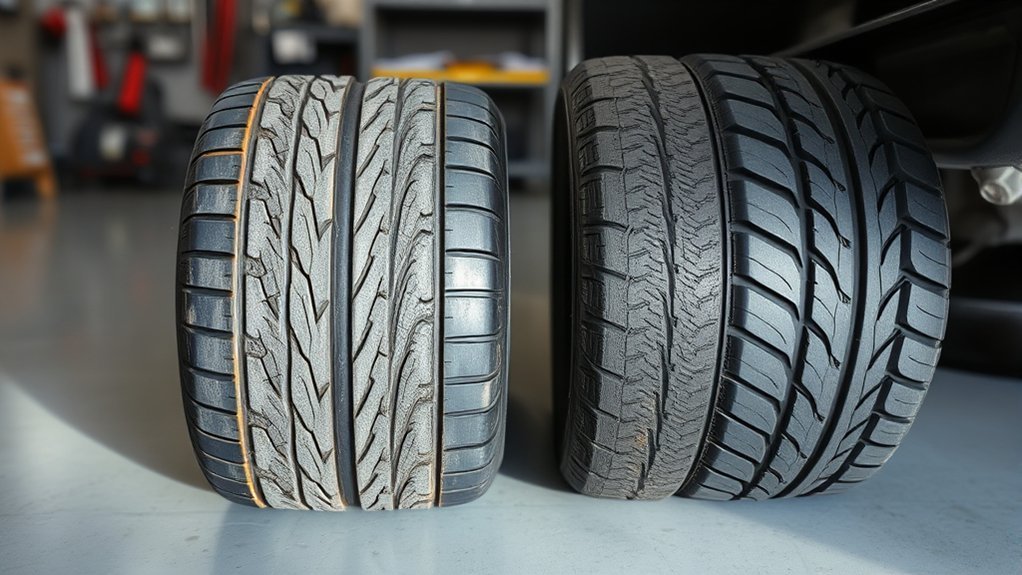
When your tires are bald or damaged, choose replacements that match your vehicle’s specifications. NHTSA recommends buying tires that are the same size as the original tires or another size recommended by the vehicle manufacturer. You can find the correct size on the Tire and Loading Information Label, usually on the driver’s door edge or doorjamb, or in the owner’s manual.
Use this checklist before buying:
- Correct size: Match the size listed on the vehicle placard or owner’s manual.
- Load rating: Make sure the tire can carry the vehicle’s required load.
- Speed rating: Match the vehicle’s needs and manufacturer guidance.
- Tire type: Choose all-season, winter, summer, all-terrain, touring, or performance tires based on your climate and driving.
- Treadwear rating: Use it as a comparison tool, not a guaranteed mileage promise.
- Traction rating: Look at wet-traction performance if you drive often in rain.
- Warranty and service: Ask about road-hazard coverage, rotations, balancing, and alignment checks.
- Recall status: Check for open tire recalls before installation.
Treadwear ratings and warranties can help you compare tire options, but they should not be the only deciding factor. Your driving conditions, climate, tire pressure habits, alignment, and rotation schedule also affect tire life.
If fuel economy matters, low rolling resistance tires may help reduce energy loss and improve fuel efficiency. Still, compare wet traction, braking, ride quality, and tread life before choosing a tire only for efficiency.
For mixed daily driving, all-season tires may be practical. For specific vehicles, compare tire size, load rating, speed rating, and warranty details before choosing a set like General tires or RAV4 replacement tires.
What to Do If a Tire Blows Out
A bald or damaged tire can raise your risk of a blowout. If a tire blows out while driving, stay calm and focus on keeping the vehicle stable.
- Hold the steering wheel firmly with both hands.
- Do not slam on the brakes.
- Ease off the accelerator gradually.
- Keep the vehicle moving straight while it slows.
- Signal and pull off the road when it is safe.
- Turn on hazard lights and call for roadside help if needed.
Do not use a spare tire as a long-term replacement for a bald tire. Spare tires are for temporary use, and full-size spares can age even when they look unused.
Frequently Asked Questions
Is it okay to drive on bald tires?
No. You should not keep driving on bald tires. Once tread reaches 2/32 inch or less, traction drops and the tire should be replaced. If the tire is bald, cracked, bulging, leaking, or showing cords, drive only as far as needed to reach a safe repair location.
What does “bald tire” mean?
A bald tire is a tire with tread worn down to 2/32 inch or less. It may also show smooth tread, flush wear bars, shallow grooves, cracks, uneven wear, or exposed cords. A bald tire has less grip and is more likely to hydroplane or skid.
How long can I drive with one bald tire?
You should not plan to drive on one bald tire. If you discover it away from home, go only to the nearest safe tire shop or repair location. One bald tire can reduce braking and stability, especially in rain or emergency maneuvers.
Should I replace one bald tire or all four?
It depends on the vehicle, drivetrain, tire age, tread depth on the other tires, and manufacturer guidance. Many vehicles do best with matching tires on the same axle. Some AWD and 4WD vehicles may need all four tires to match closely. Check the owner’s manual or ask a qualified tire professional.
Is the penny test enough to check tire safety?
The penny test is useful for a quick check, but a tread depth gauge is more precise. You should also inspect for cracks, bulges, punctures, uneven wear, vibration, pressure loss, and tire age. A tire can be unsafe even if it has more than 2/32 inch of tread.
Conclusion
A bald tire is not just worn. It is a safety risk. When tread reaches 2/32 inch or less, replace the tire. If you see damage such as cracks, bulges, exposed cords, or repeated pressure loss, get the tire inspected or replaced even sooner.
Make tire checks part of your monthly routine. Look at tread depth, wear bars, pressure, sidewalls, and tire age. Then choose replacement tires that match your vehicle, climate, and driving needs. Good tires give you better grip, more predictable braking, and safer control when road conditions change.
Sources
- NHTSA TireWise — tread depth, penny test, wear bars, tire pressure, tire age, tire selection, TPMS, and tire safety guidance.
- NHTSA Recalls — tire recall lookup and safety recall information.
- FuelEconomy.gov — proper tire inflation, fuel economy, and tire life guidance.

Related Articles

How to Drive on Black Ice: Winter Safety Tips
Protect yourself on black ice with smart winter driving tips that could keep your car steady when the road turns dangerously invisible.
Read More
How to Pass Your Driving Test the First Time
Uncover simple driving test strategies that boost your chances of passing first time, and discover the one mistake most learners overlook.
Read More
How Long Can You Drive a Car Continuously?
Pushing your limits, discover how long you can really drive continuously before fatigue, vehicle stress, and safety risks change the answer.
Read More