
How to Use a Tire Changing Machine: Easy Beginner’s Tutorial
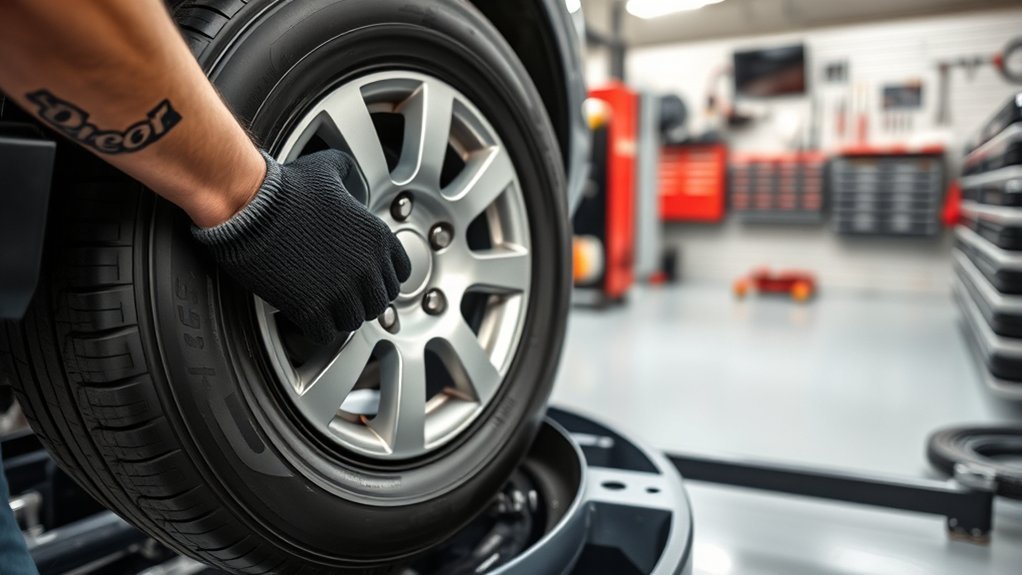
Using a tire changing machine can make tire removal and installation faster, cleaner, and more controlled than using hand tools alone. The process still deserves respect: you are working with compressed air, tight beads, moving machine parts, and a wheel that can be damaged if it is clamped or inflated incorrectly. This guide covers standard passenger and light-truck tubeless tires on single-piece drop-center wheels. Do not use these steps for split rims, multi-piece wheels, large commercial truck wheels, OTR tires, or unfamiliar run-flat and TPMS setups unless you are trained and have the correct equipment.
Quick Answer
To use a tire changing machine, deflate the tire by removing the valve core, break both beads, clamp the wheel securely, use the duck head to demount the old tire, lubricate the new beads, mount the replacement tire, seat the beads with controlled air pressure, then check for leaks and set the final cold PSI.
Key Takeaways
- Use the machine manual first; tire changers vary by clamp style, bead breaker, inflation system, and safety controls.
- Remove the valve core to deflate the tire completely before breaking the bead.
- Inspect the tire, rim, bead area, valve stem, and TPMS sensor before mounting anything.
- Use only tire-approved bead lubricant; never use petroleum products, silicone, antifreeze, ether, starter fluid, or other flammables.
- Do not exceed the tire manufacturer’s bead-seating limit; if no limit is provided, do not exceed 40 psi while seating the beads.
- After mounting, check for leaks, set pressure to the vehicle placard’s cold PSI, and balance the wheel before road use.
At a Glance
| Time Required | About 15–30 minutes per wheel after setup, longer for stiff sidewalls or first-time users |
| Difficulty | Intermediate; basic shop safety and machine familiarity are required |
| Tools Needed | Tire changing machine, valve core tool, approved tire lubricant, tire pressure gauge, leak-check solution, gloves, eye protection, shop air, and a wheel balancer for final service |
| Cost | Usually only lubricant, valve stems, wheel weights, and shop supplies if you already own or have access to the machine |
Gather Your Tire-Changing Tools
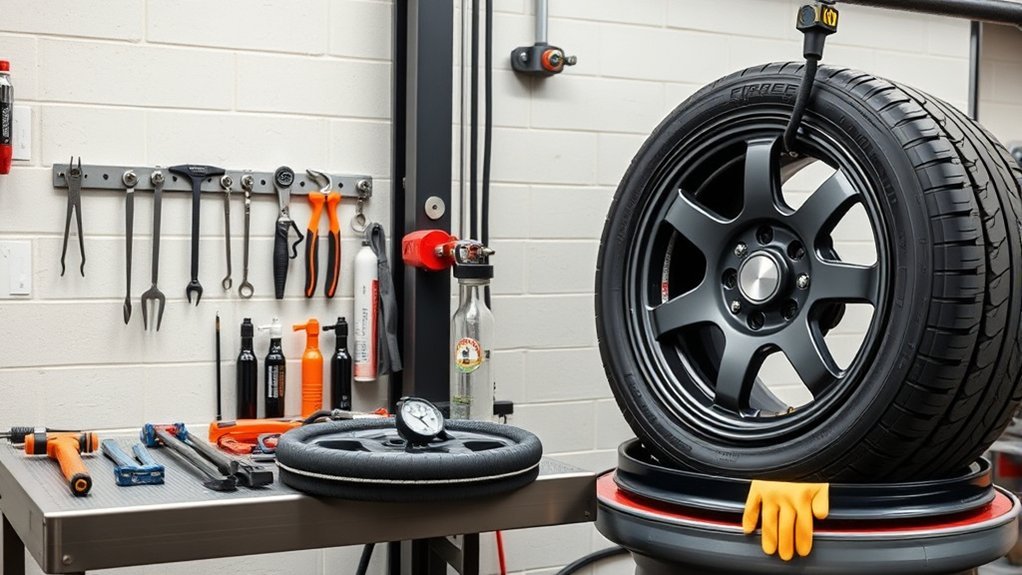
Before you start, gather every tool you need and place it within easy reach. At minimum, you need a tire changing machine, valve core tool, tire-approved bead lubricant such as Ru-Glyde, gloves, safety goggles, a tire pressure gauge, leak-check solution, clean rags, and access to regulated shop air. If the wheel is going back on a vehicle right away, also have a torque wrench and the vehicle’s lug-nut torque specification ready.
Inspect the tire changer before using it. Check that the bead breaker, turntable or center clamp, mounting arm, duck head, pedals, air hose, pressure gauge, guards, and emergency stop are working correctly. If anything sticks, leaks, or feels loose, stop and service the machine before mounting a tire.
Note: Tire changers are not all the same. A center-clamp machine, rim-clamp machine, motorcycle changer, and heavy-duty truck changer can require different setup steps. Follow your machine’s operator manual whenever it differs from this general guide.
[Products Worth Considering]

This VEVOR tire bead breaker uses a slide-hammer impact and wedge tip to separate tire beads from rims quickly and efficiently without damaging hub surfaces. The long handle and sturdy steel construction help reduce user strain while providing reliable, portable tire changing for cars, trucks, and more. Ideal for home mechanics and repair shops handling multiple vehicle tire sizes.

This 4-in-1 tire valve core removal tool helps you deflate, unblock, and remove or install valve cores quickly for easier tire repair. The multifunction design also supports re-taping damaged threads and reaming inside the valve stem for smoother service. Included as a 2-pack, it’s compact for convenient carry and works for cars, bicycles, and motorcycles.

This multi-function tire valve stem removal tool set makes it fast to remove, install, bleed, and clean valve cores for easier tire maintenance. It includes valve core removers, a 4-way spool tool, replacement valve caps, and spare cores to handle replacements and repairs with confidence. Universal compatibility suits cars, trucks, motorcycles, bicycles, and more for roadside convenience.
Inspect the Tire, Wheel, and Valve Before Mounting
Do not mount a tire just because it fits onto the machine. First, confirm that the tire size matches the wheel diameter and width range. A tire and rim mismatch can fail during inflation. Also check the rotation direction, outside/inside sidewall markings, load rating, speed rating, and any sidewall damage.
Next, inspect the rim. The bead seat area should be clean and free of heavy rust, old rubber buildup, cracks, bends, and sharp damage. Clean dirt and corrosion from the bead seat before mounting. If the wheel is cracked, badly bent, or deeply corroded, do not use it.
If the wheel has a TPMS sensor, locate it before you put the wheel on the machine. Keep the bead breaker, tire lever, and duck head away from the sensor area so you do not snap the sensor stem or damage the sensor body. If the valve stem is old, cracked, leaking, or a snap-in rubber stem being reused with a new tire, replace it before final inflation.
Remove the Valve Core and Fully Deflate the Tire
Remove the valve cap, then use a valve core tool to unscrew the valve core. This releases the air from the tire. Wait until the tire is completely deflated before using the bead breaker. Pressing on a partly inflated tire can make the bead release suddenly and unpredictably.
- Hold the valve core tool straight on the core.
- Turn counterclockwise until the core comes free.
- Place the core and cap in a clean spot if you plan to reuse them.
If you are replacing a snap-in valve stem, remove the old stem after the tire is off the wheel and install the new one before inflating the mounted tire. Do not confuse the valve core with the full valve stem: the core controls airflow, while the stem seals through the wheel.
Break the Tire Bead on the Machine
Move the wheel to the bead breaker area and position the bead breaker shoe or shovel against the tire sidewall close to the rim edge. The tool should press on the tire, not scrape the wheel. Keep your hands away from the bead breaker and sidewall pinch area.
Step on the bead-breaker pedal slowly and apply controlled pressure until the bead pops free from the rim seat. Rotate the tire and repeat around the sidewall as needed. Then flip the wheel and break the bead on the other side.
Position the Bead Breaker Correctly
Set the bead breaker squarely against the sidewall near the rim flange. If it is too far from the rim, it may only flex the sidewall. If it is too close or angled into the wheel, it can scratch or bend the rim lip. Work in small presses instead of one hard hit.
- Align the bead breaker with the sidewall, not the rim face.
- Press the pedal in controlled increments.
- Rotate the wheel and repeat until the bead is loose all the way around.
Rotate to Break Both Beads
After one bead is loose, rotate the tire and continue until that side is fully separated from the bead seat. Flip the wheel and repeat the same process on the opposite bead. Both beads must be free before you try to demount the tire on the turntable or center clamp.
Warning: Keep fingers, loose sleeves, cords, and tools out of the bead breaker and turntable areas. The machine can pinch, crush, or pull items in faster than you can react.
Lock the Tire on the Machine
Place the wheel on the machine and center it according to your tire changer’s design. Rim-clamp machines grip the rim at the edge. Center-clamp machines lock through the wheel center. Use the method recommended by the machine manufacturer and choose settings that protect the wheel finish.
Press the lock pedal or engage the center clamp so the wheel cannot shift during demounting. Give the wheel a light push before continuing. If it moves, release it and clamp it again.
Secure the Tire Position
A stable wheel makes the rest of the job safer. The rim should sit flat, the clamp should be fully engaged, and the valve stem or TPMS sensor should be positioned where the tool head will not strike it. For many TPMS wheels, keeping the sensor away from the starting pry point reduces the chance of damage.
Engage the Middle Lock
On machines with a center or middle lock pedal, press it firmly and confirm that the wheel is held tight. If the clamp action feels sticky or weak, stop and inspect the machine. A wheel that slips under tool pressure can scratch the rim, tear the bead, or throw off the demounting angle.
Check Rim Alignment
Before using the mounting arm, make sure the rim is level and centered. A crooked wheel changes the clearance between the duck head and rim edge. That can make the tool dig into the wheel or push the bead in the wrong direction.
Pry Off the Old Tire
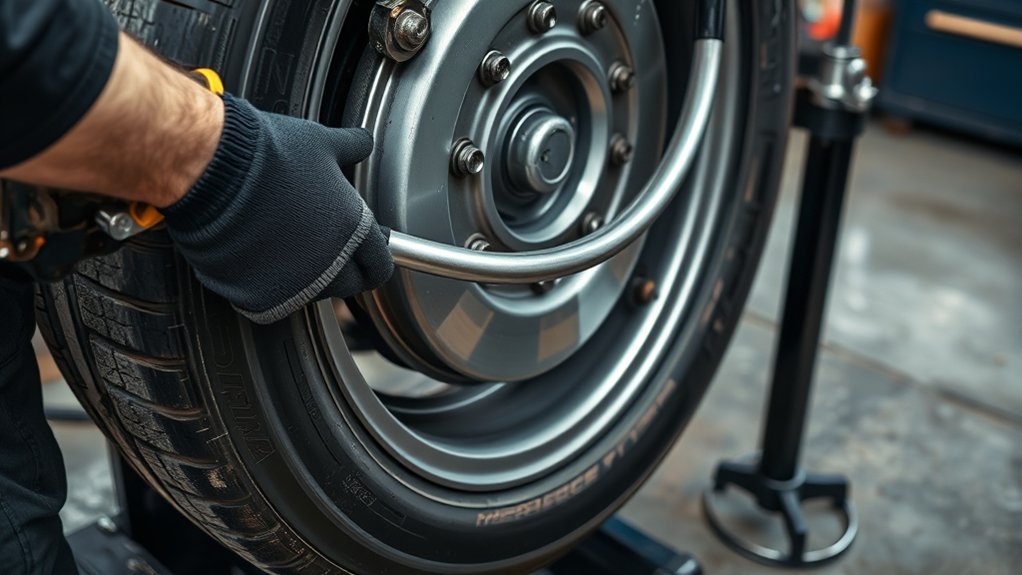
Lower the mounting arm and set the duck head next to the rim edge. Leave a small clearance so the duck head guides the bead without scraping the wheel. Lock the arm in place, then use the mounting bar to lift the top bead over the duck head.
Keep the opposite side of the bead pushed down into the wheel’s drop center. This is one of the most important parts of tire changing. The drop center gives the bead extra slack so it can climb over the rim lip without excessive force.
Once the bead is over the duck head, rotate the turntable slowly. Watch the bead as it travels around the rim. If it gets tight, stop and push more of the opposite bead into the drop center. Do not force the machine through heavy resistance.
After the top bead is off, repeat the process for the lower bead. Lift the tire away from the wheel carefully so you do not drag the bead across a sharp rim edge.
Lubricate the New Tire Bead
Use a clean brush or swab to apply tire-approved bead lubricant to both tire beads and the rim bead seat. The lubricant reduces friction, helps the bead move smoothly over the rim, and supports a better seal during inflation. Do not use engine oil, grease, silicone spray, antifreeze, petroleum products, ether, starter fluid, or any flammable product as bead lubricant.
Apply Bead Lubricant
Coat the full circumference of both beads. Thin, even coverage is better than heavy puddles. Dry spots can make the bead bind, while excess lubricant can fling onto the wheel or collect dirt.
- Apply lubricant to the lower and upper tire beads.
- Apply a light coat to the rim bead seat area.
- Wipe away excess after mounting so debris does not stick to the assembly.
Coat the Rim Edge
Pay special attention to the rim edge and bead seat where the tire first contacts the wheel. A clean, lightly lubricated rim helps the bead slide into place and reduces the chance of tearing the bead during mounting.
Ease Tire Mounting
Set the tire at a slight angle so the lower bead starts under the duck head and over the duck head tail correctly. Keep your hands clear of the pinch point while the turntable rotates. Let the machine move the bead; your job is to guide the tire and keep the opposite side in the drop center.
Pro Tip: If the tire feels too tight, the opposite side of the bead is probably not deep enough in the drop center. Stop, push the bead down, add a little more approved lubricant, and try again with steady pressure.
Mount the Tire With the Duck Head
Start with the lower bead. Position it so the bead passes over the duck head tail and under the duck head nose. Rotate the turntable slowly while guiding the tire. Once the lower bead is on the rim, repeat the process with the upper bead.
Watch the valve stem and TPMS sensor location during this step. Avoid starting or forcing the bead directly at the sensor. If the bead drags across the sensor, it can break the sensor or cause a slow leak at the valve stem.
Do not use sharp screwdrivers or pry bars on the bead unless the tire machine manufacturer specifically allows the tool for that step. Sharp tools can cut the bead or scratch the wheel. Use the correct mounting bar and keep it seated against the duck head.
[Products Worth Considering]

The AstroAI 2 pack air chucks provide a heavy-duty, closed-flow locking design that helps keep air flowing during inflation while securely attaching to the valve stem. Built with 250 PSI rated brass components and compatible with Schrader valves, they feature 1/4" female NPT threads for a wide fit with common inflators. The straight tip and locking clip make filling tires and monitoring pressure more convenient.
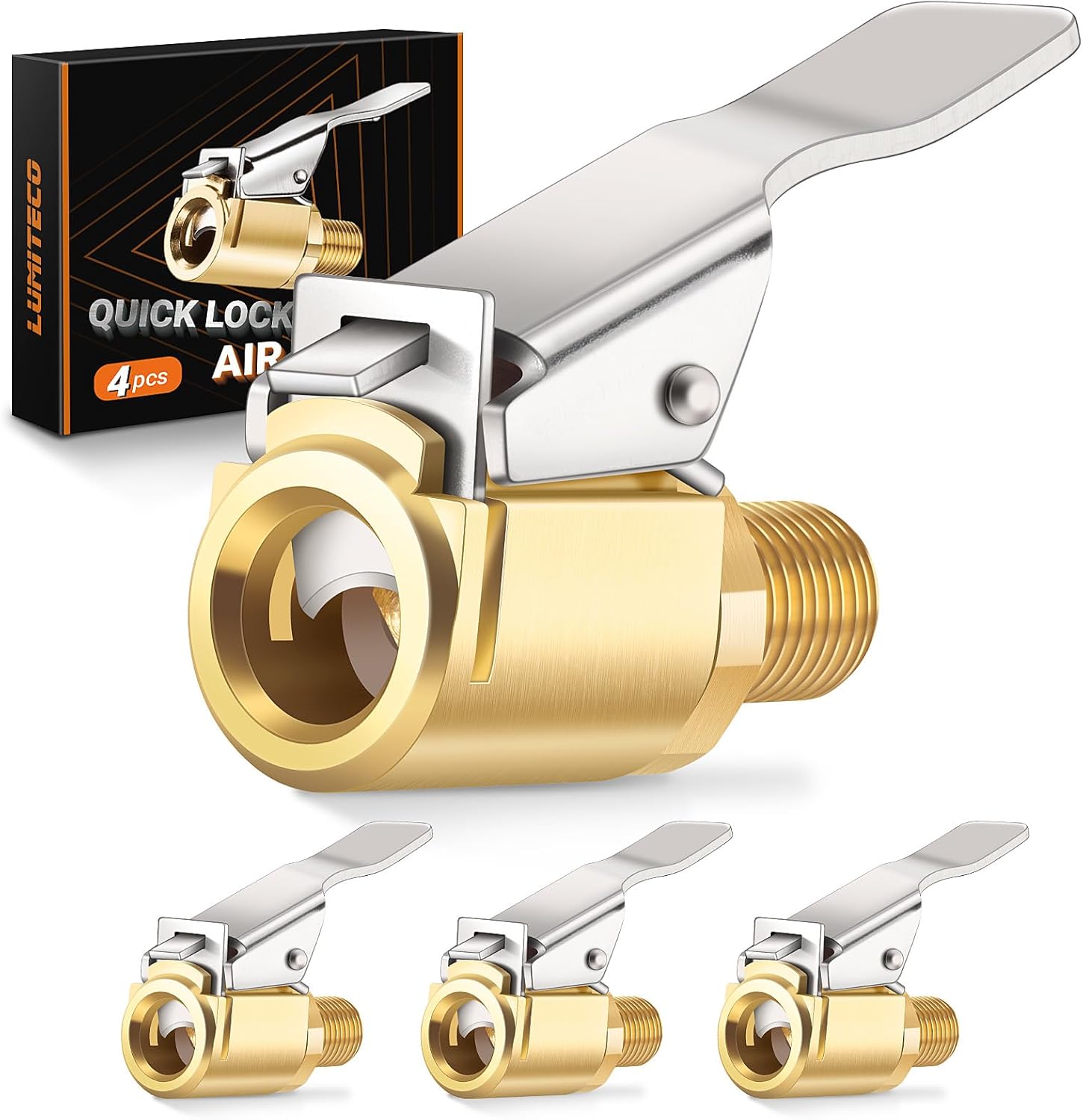
This brass air chuck adapter converts a screw-on inflator connection into a lock-on quick connect for hands-free, no-leak tire inflation. Clip the chuck onto Schrader valve stems and lock it in place to simplify inflating car, bike, and motorcycle tires. Built for durability with a corrosion-resistant brass body and strong quick operation.
Seat the Tire Bead With Air
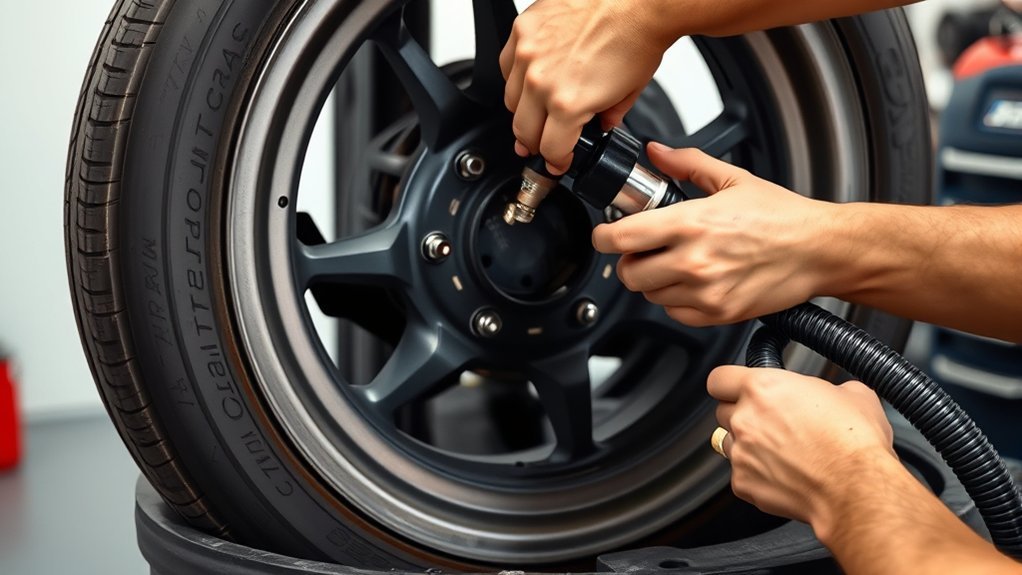
After both beads are mounted, connect the air hose to the valve stem. Keep your hands, arms, face, and body away from the tire’s sidewall path. Use controlled air bursts to help the beads move outward and seat against the rim.
Warning: Follow the tire manufacturer’s maximum bead-seating pressure. If no specific limit is provided, do not exceed 40 psi while seating the beads. If the beads do not seat by that point, stop, deflate the tire completely, reposition it, relubricate the beads, and try again. Never use starter fluid, ether, gasoline, or any flame-based method to seat a tire bead.
- Confirm the wheel is still clamped securely.
- Stand to the side, not over the tire and wheel assembly.
- Add air in short, controlled bursts.
- Listen for the bead seating pops and watch the bead line around the rim.
- Stop once both beads are fully seated.
The molded bead line on the tire should appear evenly spaced from the rim all the way around both sides. If one area sits low, deflate the tire, relubricate, and reseat it. Do not keep adding pressure to force a stuck bead.
Reinstall the Valve Core and Check Pressure
Once both beads are seated, reinstall the valve core if it was removed for bead seating. Tighten it snugly with the valve core tool, but do not overtighten it. Add air to the vehicle manufacturer’s recommended cold tire pressure shown on the tire information placard or in the owner’s manual. Do not use the tire sidewall maximum as the normal operating pressure.
Use a reliable pressure gauge and check the reading after the tire sits for a moment. Install the valve cap to help keep dirt and moisture out of the valve core.
Check for Leaks and Finish the Job
Spray leak-check solution or soapy water around the bead seats, valve stem base, and valve core. Bubbles mean air is escaping. If the bead leaks, deflate the tire, break the bead back down, clean the bead seat, relubricate, and seat it again. If the valve leaks, replace the valve core or valve stem as needed.
After the tire holds pressure, balance the wheel before road use. A freshly mounted tire can still vibrate if it is not balanced. If you reinstall the wheel on a vehicle, tighten the lug nuts in the correct pattern with a torque wrench set to the vehicle manufacturer’s specification. Recheck torque after the recommended driving interval if the vehicle maker or wheel maker calls for it.
Follow Tire Machine Safety Tips
Before operating the tire changing machine, put on safety goggles and gloves. Keep the floor dry, remove loose tools from the work area, and keep bystanders away from the machine. Know how to stop the machine quickly before you start.
A mounted, inflated tire stores serious energy. Controlled pressure, correct tools, and safe body position matter more than speed.
- Read the machine manual before using a tire changer you have not operated before.
- Inspect air hoses, pedals, clamps, guards, and the inflation gauge before the job.
- Keep hands away from the bead breaker, duck head, turntable, and sidewall pinch points.
- Use approved tire lubricant only.
- Do not exceed bead-seating pressure limits.
- Do not service damaged, mismatched, cracked, or heavily corroded wheels.
- Do not use this passenger-tire workflow for multi-piece rims or large commercial wheels.
Troubleshooting Common Tire Changer Problems
| Problem | Likely Cause | Fix |
| Bead will not break | Old bead is stuck, tool is too far from rim, or tire is not fully deflated | Confirm the valve core is removed, reposition the bead breaker close to the rim, and work around the tire in controlled presses |
| Tire is hard to mount | Bead is not in the drop center or there is not enough approved lubricant | Stop the turntable, push the opposite bead into the drop center, relubricate, and continue slowly |
| Bead will not seat | Dry bead, dirty bead seat, poor tire position, or air escaping too quickly | Deflate completely, clean the bead seat, relubricate, reposition, and retry without exceeding the bead-seating pressure limit |
| Slow leak after mounting | Dirty bead seat, damaged bead, leaking valve core, or bad valve stem | Use leak-check solution, then repair the leak source before the wheel goes back into service |
| TPMS light stays on | Sensor was disturbed, damaged, or needs relearn | Check for leaks at the sensor stem, inspect the sensor, and follow the vehicle’s TPMS relearn procedure |
Frequently Asked Questions
How do beginners use a tire changing machine?
Beginners should start by reading the machine manual, wearing eye protection and gloves, and practicing slowly. The basic order is: remove the valve core, deflate the tire, break both beads, clamp the wheel, demount the old tire with the duck head, lubricate the new beads, mount the tire, seat the beads safely, check for leaks, and set final pressure.
Do you remove the valve stem or the valve core first?
Remove the valve core first to deflate the tire. The valve stem is the full valve assembly in the wheel. Replace the valve stem if it is cracked, leaking, damaged, or required for the tire service, but do that as a separate step before final inflation.
How much air pressure can you use to seat a tire bead?
Follow the tire manufacturer’s bead-seating pressure limit. If no specific limit is provided, do not exceed 40 psi while seating the beads. If the beads do not seat, deflate the tire completely, reposition it, apply more approved lubricant, and try again.
Can you use a DIY tire changing machine at home?
Yes, but only for tire and wheel assemblies your machine is designed to handle. You still need proper PPE, approved lubricant, a reliable air source, a pressure gauge, leak-check solution, and a way to balance the wheel. If the tire is a run-flat, the wheel has a sensitive TPMS setup, or the rim is damaged, use a qualified tire service professional.
What are the key parts of a tire changer machine?
Common parts include the bead breaker, turntable or center clamp, mounting arm, duck head, locking pedals, inflation hose, pressure gauge, and sometimes a blast inflation system. Higher-end machines may add helper arms, bead press tools, and wheel-protection features for low-profile or stiff tires.
Do you still need to balance a tire after using a tire machine?
Yes. A tire changing machine mounts the tire on the wheel, but it does not balance the assembly. Balance the wheel after mounting so the vehicle does not shake or vibrate at speed.
Conclusion
A tire changing machine can give you clean, professional-style tire mounting when you use it correctly. The safest workflow is simple: inspect the tire and wheel, deflate the tire fully, break both beads, clamp the wheel securely, keep the bead in the drop center, use approved lubricant, seat the bead within pressure limits, and verify the final pressure and seal. Take your time, follow the machine manual, and never force a tire that is binding. A careful setup protects the tire, the wheel, the machine, and you.
Sources
- U.S. Tire Manufacturers Association — Tire mounting and demounting safety bulletin — bead seating pressure, approved lubricant, tire/rim matching, and inflation cautions
- NHTSA TireWise — cold tire pressure, vehicle placard pressure, and tire safety basics
- 49 CFR 571.138 — Tire Pressure Monitoring Systems — official cold pressure and TPMS context
- OSHA 29 CFR 1910.177 — rim-wheel servicing safety, training, and wheel inspection principles for covered large-vehicle assemblies
- Cornell EHS Tire Changer Safety Awareness — tire changer inspection, manuals, guards, and safe machine operation
- Bridgestone Tire Maintenance and Safety Manual — tire inflation, bead seating, and service-professional safety guidance

Related Articles
How to Use a Tire Spoon: Pro Technique for Mounting Tires
Careful technique makes tire mounting easier, but the real pro trick for using a tire spoon starts with one overlooked step.
Read More
How to Unmount a Tire: Tools, Steps & Pro Tips for Clean Removal
Start unmounting a tire with the right tools and pro tricks, then discover the cleanest way to avoid costly damage.
Read More
How to Tie a Tire Swing: Safe Knot & Hanging Guide
D**iscover the safest knot, rope, and branch choices for a tire swing, plus expert tips that could prevent a dangerous mistake.
Read More