
What Is a Passenger Tire? Types, Ratings & How to Choose
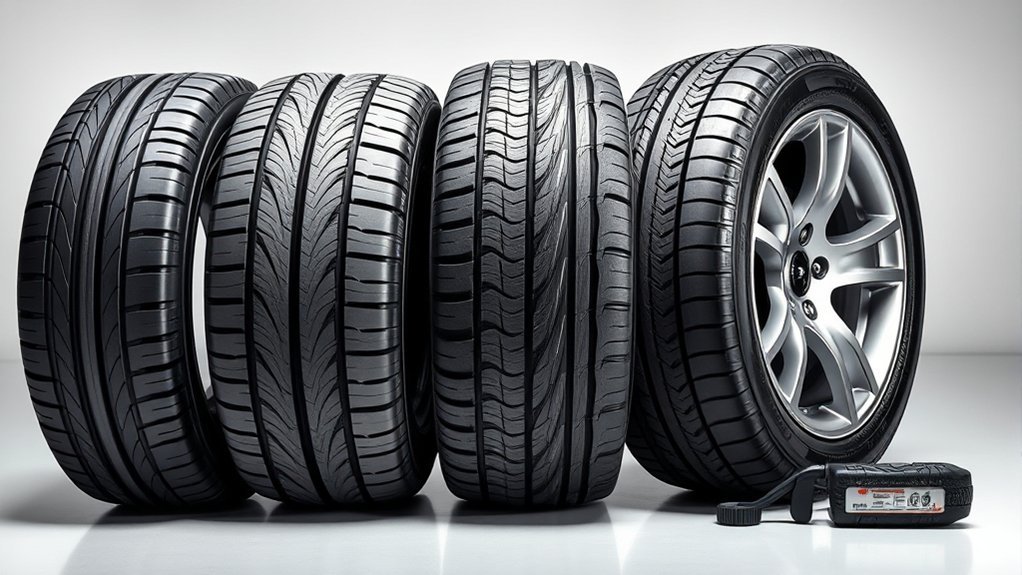
A passenger tire is made for your car, minivan, or small SUV, giving you a smooth, quiet ride and dependable traction on paved roads. You can choose all-season, performance, touring, or low rolling resistance tires based on your climate, comfort, and fuel goals. Check the tire size, load index, and speed rating on your vehicle label, and match them to your driving needs. If you keep going, you’ll see how to pick the best fit.
Key Takeaways
- Passenger tires are made for sedans, minivans, and smaller SUVs, offering a smoother, more comfortable ride on paved roads.
- Common types include all-season, performance, touring, and low rolling resistance tires, each suited to different driving needs.
- Tire size, load index, and speed rating must match your vehicle’s Tire and Loading Information Label for safe fit and performance.
- Passenger tires differ from LT tires by using lighter construction, which improves comfort but makes them unsuitable for heavy-duty loads.
- Choose replacements by checking tread depth, visible damage, pressure, and age; replace worn tires around 2/32 inch tread depth.
What Is a Passenger Tire?
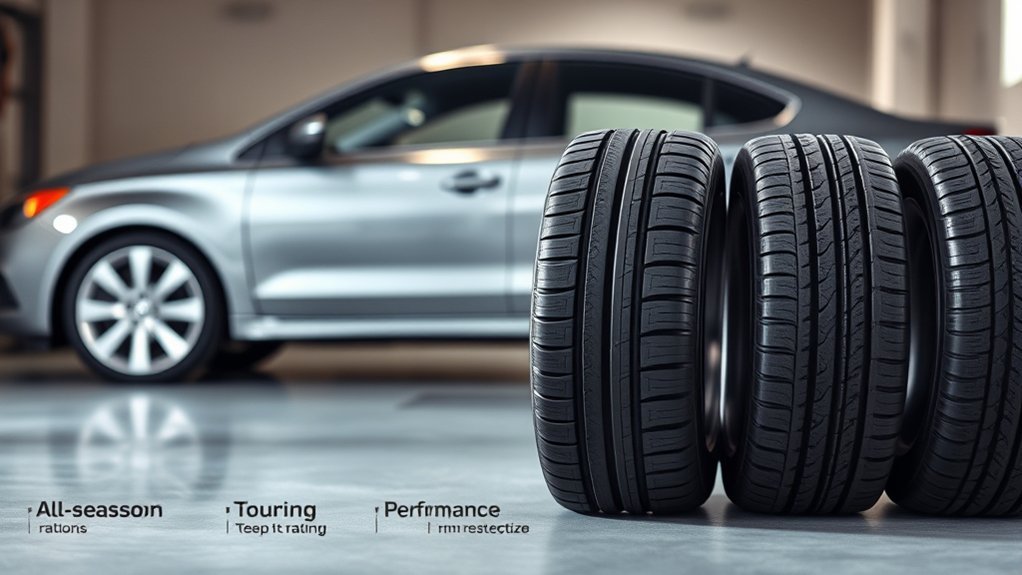
A passenger tire is designed for lighter vehicles like sedans, minivans, and smaller SUVs, giving you a smoother ride and reliable traction in everyday driving conditions. When you choose passenger tires, you’re selecting a softer construction that improves comfort and responsiveness on paved roads. These tires usually carry a P rating, which shows they’re built for standard driving and lighter load capacities. They support your vehicle needs without overcomplicating maintenance or sacrificing control. You’ll also find different types that match specific goals, including all-season, performance, and fuel-efficient options. Each one can improve efficiency and safety while still delivering a comfortable ride. Passenger tires aren’t built for heavy-duty work, so using them on larger trucks or oversized SUVs can reduce performance and raise failure risk. By matching the tire to the vehicle, you protect handling, support freedom of movement, and keep daily driving steady, practical, and dependable. Additionally, understanding tire performance ratings can help you make informed choices based on your driving habits and conditions.
Passenger Tire Types and Tread Patterns
Once you know what a passenger tire does for your vehicle, the next step is choosing the right type and tread pattern for how you drive. Passenger tires for sedans, minivans, and crossovers aim for comfort, traction, and control on wet and dry roads. The main types of passenger tires include all-season tires, performance tires, touring tires, and low rolling resistance tires. All-season tires use versatile tread patterns and carry an M+S marking, so they handle daily commuting and mild winter conditions with confidence. Performance tires prioritize sharper steering and stronger grip, giving you a more responsive feel in warmer driving conditions. Touring options often emphasize a quieter, smoother ride for long trips. Low rolling resistance tires, like Bridgestone’s Ecopia line, help you improve fuel economy while keeping safety and comfort intact. When you compare tread patterns, match them to your climate, road surfaces, and the balance of efficiency, grip, and ride quality you want. Additionally, selecting tires based on their user feedback can guide you to options that provide the best performance for your needs.
Understanding Tire Size, Load, and Speed Ratings
Specs matter: when you look at a tire size like P215/65R15, each part tells you something essential about fit and function—“P” means passenger tire, “215” is the tire width in millimeters, “65” is the sidewall height as a percentage of that width, “R” means radial construction, and “15” is the wheel diameter in inches. You should match this tire size to your vehicle’s label so the tire type fits correctly and supports safety and performance.
Additionally, consider all-season tire performance when selecting tires, as it affects year-round traction and comfort.
| Rating | Meaning |
|---|---|
| Load index | Maximum weight per tire |
| Speed code | Highest safe speed |
Load ratings tell you the maximum weight a tire can safely carry; a 95 index equals 1,521 lbs. Speed ratings, such as H or V, show how fast the tire can run safely. Choose passenger tires with both ratings met, because shortfalls can hurt handling and raise failure risk. Check the Tire and Loading Information Label before you buy.
Passenger Tires vs. LT Tires
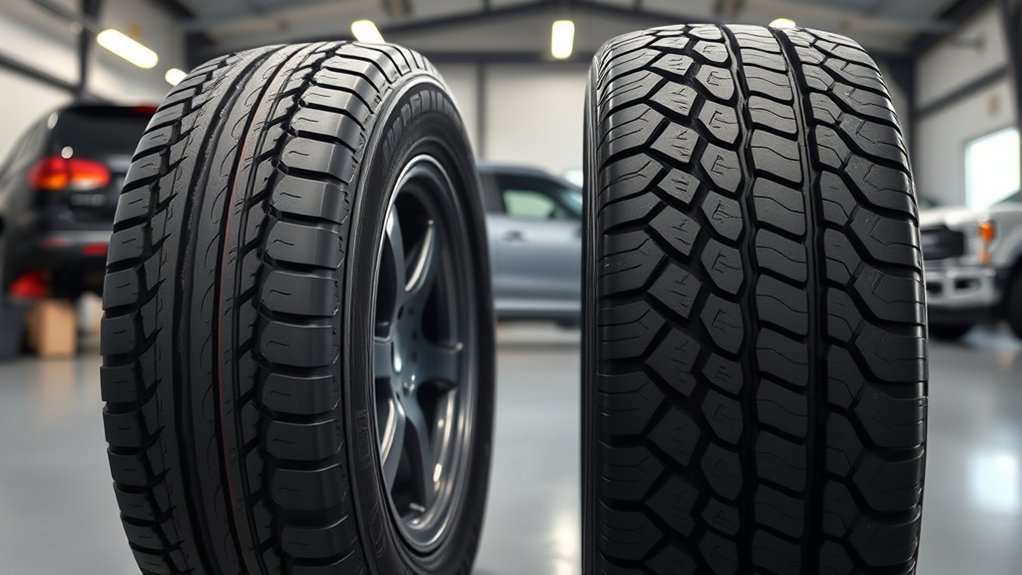
Passenger and LT tires serve different jobs, so choosing the right one depends on your vehicle’s weight and how you drive. Passenger tires suit lighter vehicles and give you a smoother ride, lower road noise, and strong traction in wet and dry conditions. Their softer 4-ply or 6-ply construction prioritizes comfort, but it limits load capacity. LT tires are built for trucks and SUVs that face heavy loads, towing or hauling, and rough terrain. Their reinforced sidewalls, often 8-ply or 10-ply, improve durability, puncture resistance, and off-road strength. If you put passenger tires on a heavy-duty vehicle, you risk tire failure. If you use LT tires on a lighter vehicle, you may notice a bumpier ride and lower fuel efficiency. When comparing passenger tires and LT tires, focus on load capacity and intended use. This ensures you select the best option for your driving needs, especially considering aspects like traction in wet conditions.
How to Choose the Right Passenger Tire
To choose the right passenger tire, you need to match your driving needs with the tire type that fits them best. Check your vehicle’s tire label for the correct size, load index, and speed rating, then compare options like all-season, performance, or fuel-efficient tires based on how and where you drive. If you face rain, snow, or mixed conditions, look at tread design and sidewall markings so the tire’s capabilities align with your environment. Additionally, consider the treadwear warranty offered by various models to ensure longevity and performance.
Driving Needs
When choosing the right passenger tire, start by matching the tire to your usual driving conditions, including weather, road surface, and terrain, so you can decide whether all-season, performance, or fuel-efficient tires make the most sense. Passenger tires are designed for passenger vehicles, and each category is engineered to handle different driving habits and driving conditions. If you drive mostly in wet and dry conditions, an all-season option may offer balanced traction. If you want a quieter, more comfortable ride, standard tire types often fit best; if you prefer sharper response, performance models may suit you. Check your Tire and Loading Information Label for the correct size, then verify the load index and speed rating. Read customer reviews and tire tests to compare brands before you buy.
Tire Type Match
Choosing the right passenger tire starts with matching the tire type to your vehicle and how you drive. For passenger cars, minivans, and smaller SUVs, check the Tire and Loading Information Label for the recommended size and the “P” designation. Compare types of tires by use: all-season tires support balanced traction and everyday comfort, performance tires sharpen handling, and low rolling resistance options can improve fuel efficiency. Then verify tire ratings, especially load index and speed rating, so the tire can safely carry your vehicle and handle your typical speeds. Choose tires that fit your climate, roads, and driving style, not just the lowest price. Inspect them regularly and follow manufacturer guidance; that keeps your ride controlled, efficient, and ready for the road.
When to Replace Passenger Tires
You should replace passenger tires once the tread depth reaches 2/32 of an inch, since traction drops sharply at that point, especially on wet roads. At this minimum, the tire can’t channel water well, and braking distances increase. You should also use visual inspections to catch cracks, bulges, cuts, or uneven wear before failure becomes obvious. Check tire pressure regularly, because under-inflated tires can wear unevenly and may need replacement sooner than expected. Age matters too: even if tread remains, manufacturers recommend replacing tires every six years because rubber degrades over time. If you notice vibrations, pulling, or weaker handling, don’t ignore them; those symptoms can signal internal damage or advanced wear. Review load and speed ratings when you choose a replacement, but don’t let ratings delay action when safety is slipping. Replacing a worn tire on time protects control, stability, and your freedom to travel with confidence. Additionally, tread depth is critical for ensuring optimal performance, especially in wet conditions.
Frequently Asked Questions
What Is the Difference Between a Tire and a Passenger Tire?
A tire is any round rubber component that supports your vehicle, while a passenger tire is built for lighter cars and emphasizes comfort, traction, and everyday road use. You’ll notice differences in tire construction, tread patterns, load capacity, performance ratings, and seasonal suitability. Passenger tires usually need correct inflation pressure and regular maintenance tips to preserve durability factors. Choose the right type, and you’ll protect performance and safety.
Why Are They Called Passenger Tires?
You call them passenger tires because they’re built to carry you and your passengers safely, like when you’re driving your family home in a sudden rainstorm. Their tire construction, performance ratings, and tread patterns prioritize comfort and control across seasonal variations and common driving conditions. They’re designed for moderate load capacity, proper inflation pressure, and lower noise levels, so your daily drive feels smooth, efficient, and free.
What’s the Difference Between a Passenger Tire and a Crossover Tire?
You’ll find passenger tires suit lighter cars with smoother rides, while crossover tires use tougher construction, deeper tread, and thicker sidewalls for heavier SUVs. Crossover tire applications include mixed roads and light off-road use, boosting durability and load capacity. Compare crossover tire types, performance, benefits, maintenance, longevity, brands, and pricing to match your driving needs. Passenger tires prioritize comfort and efficiency, but crossover tires give you more versatility.
Does Passenger Tire Mean Passenger Side?
No—passenger tire doesn’t mean passenger side; it means a tire built for your car, SUV, or minivan. You’ll want to check tire construction, tread patterns, load capacity, and inflation pressure to match your vehicle. Seasonal variations affect grip, while performance ratings and noise levels help you compare options. Don’t ignore mileage warranty, since it shows expected wear. Choose what supports your driving, not labels that mislead you.
Conclusion
Choosing the right passenger tire keeps your ride smooth, safe, and steady, like finding the right shoes for a long walk. You’ve seen how tire types, tread patterns, and ratings work together to match your driving needs. By checking size, load, and speed ratings, you can avoid costly mistakes. And when tread wears thin, it’s time to act. A good tire doesn’t just carry you—it helps carry your confidence down the road.

Related Articles
Best All-Terrain Tires for Highway Driving 2026
Best All-Terrain Tires for Highway Driving in 2026 Last updated: June 12, 2026 Best All-Terrain Tires for Highway Driving in 2026 All-terrain tires are…
Read More
Summer Performance Tires: 7 Best Picks for Grip
Best Performance Summer Tires: 7 Top Picks for Grip Best Performance Summer Tires for Dry Grip, Wet Braking, and Confident Handling Choosing summer performance…
Read More
Best All-Terrain Tires for Trucks (2026): Top 6 Picks for Road and Off-Road
All-terrain (A/T) tires are the compromise that many truck owners actually want: confident traction on pavement, plus durability for gravel, mud, and rough trails.…
Read More