
Rlcvecv Sidewall Tire Repair Kit Review: Portable Side Wall Slug Emergency Repair Tool

Disclosure: As an Amazon Associate, we earn from qualifying purchases. If you click a link on this page and make a purchase, we may receive a small commission at no extra cost to you.
A torn ATV or mower tire can leave you stuck far from a trailer, garage, or spare. The Rlcvecv Sidewall Tire Repair Kit is a compact metal emergency repair tool made for selected off-road and utility tires. It can be useful when the alternative is walking out or stopping work, but it is not a permanent tire repair and it is not appropriate for highway passenger tires. This review explains what the listing actually includes, what tools you need, and when you should replace the tire instead.
Quick Verdict
Quick Verdict
Rating: 7.5/10, recommended with important safety caveats
Best For: ATV, UTV, lawn mower, trailer, and farm-equipment owners who need a compact off-road emergency option
Bottom Line: The small metal tool is easy to store and may help you make a temporary field repair with a 10 mm wrench and pliers. Its narrow use case is the main tradeoff: severe damage, exposed cords, bead damage, and highway-service tires call for replacement or professional service.
[Products Worth Considering]

This tire repair kit provides fast emergency puncture repair without removing the tire from the rim, helping you get back on the road quickly. Its screw plug system is designed for punctures in both tread and sidewall and includes a complete patch plug tool set with essential accessories. A portable storage bag makes it easy to carry for cars, trucks, SUVs, motorcycles, and heavy-duty applications.

This tire repair patch tool kit helps you quickly seal small punctures using upgraded mushroom plugs and a built-in roller system that presses for even penetration. The tungsten buffing wheel and HSS twist drill bits prepare the damaged surface for stronger adhesion, while the crown-angle friendly plugs are designed to keep water and debris out. Ideal for puncture repairs on many vehicle types, from cars and trucks to bikes and scooters.

This VEVOR tire bead breaker uses a slide-hammer impact and wedge tip to separate tire beads from rims quickly and efficiently without damaging hub surfaces. The long handle and sturdy steel construction help reduce user strain while providing reliable, portable tire changing for cars, trucks, and more. Ideal for home mechanics and repair shops handling multiple vehicle tire sizes.
Key Specifications
| Specification | Detail |
|---|---|
| Brand | Rlcvecv |
| Manufacturer part number | KPM-001 |
| Product type | Metal sidewall emergency repair slug |
| Item weight | 1.13 ounces |
| Package dimensions | 3.19 x 2.4 x 1.77 inches |
| Material | Metal |
| Tools required | 10 mm wrench and pliers, according to the listing |
| Listed compatibility | ATVs, UTVs, SXS vehicles, lawn mowers, farm tractors, trailers, and similar off-road or utility tires |
| Best use | Temporary emergency field repair |
| Safety note | Not a permanent repair and not recommended here for passenger-car or highway-service tire sidewalls |
Rlcvecv Sidewall Tire Repair Kit
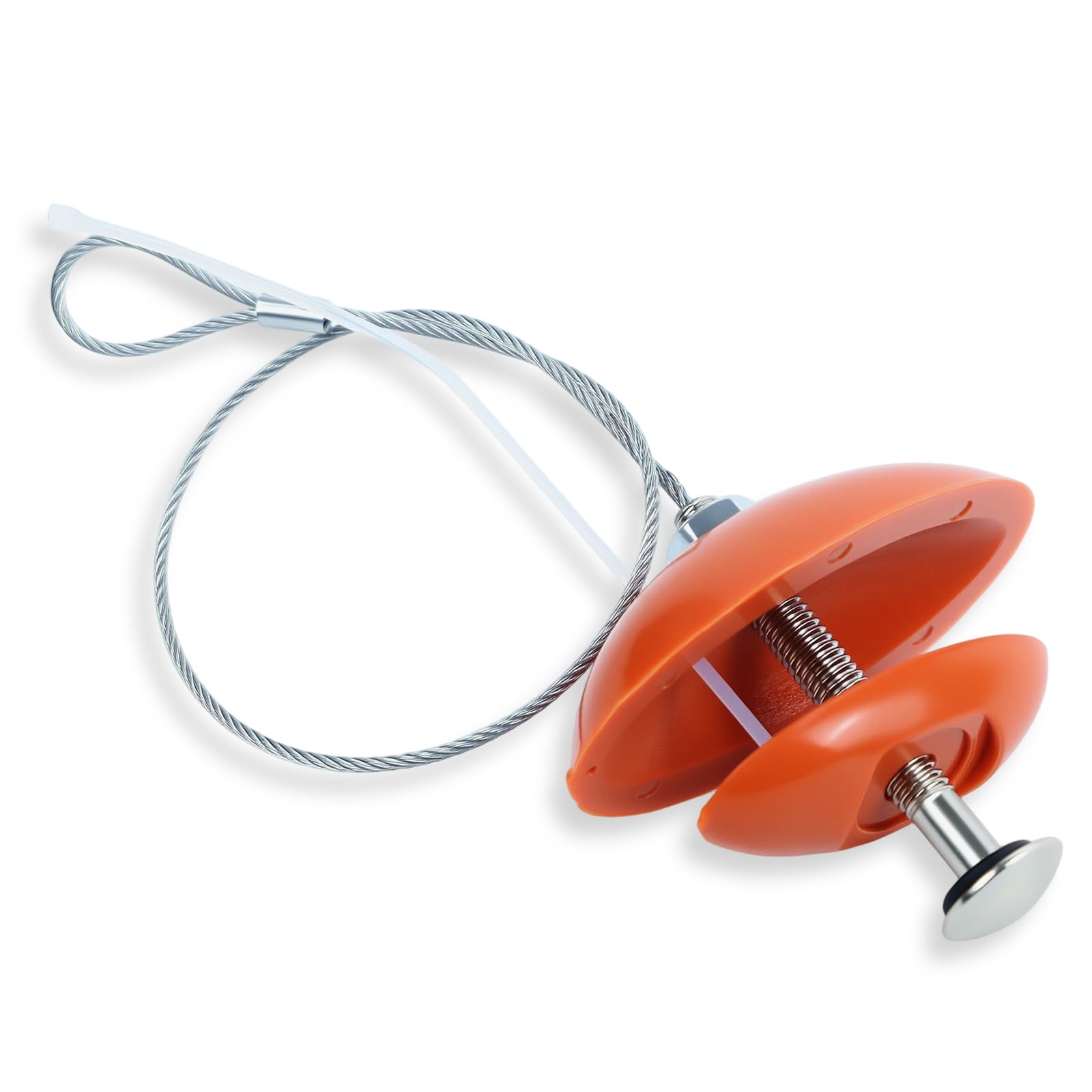
The Rlcvecv KPM-001 is a compact metal slug designed for temporary sidewall repairs on selected off-road and utility tires. The accessible Amazon listing describes installation with a 10 mm wrench and pliers. That matters because the original article described adhesive, strings, and an insertion tool, which are not the repair method shown in the current listing.
At 1.13 ounces with a package measuring 3.19 x 2.4 x 1.77 inches, it takes little space in a tool roll, glove compartment, mower toolbox, or recovery bag. The appeal is simple: you carry a small mechanical repair part instead of a bulky kit, then use it only when damage and conditions make a temporary field fix reasonable.
Before You Buy: Do not treat this product as an approved permanent repair for a passenger-car or light-truck sidewall. Industry guidance for highway tires limits repairable injuries to the tread area and calls for internal inspection by a trained technician. Replace the tire when cords are exposed, the bead is damaged, the tear is large, or the tire cannot hold pressure safely.
Who Should Buy It?
Best For
- ATV, UTV, and SXS riders building a compact trail-recovery kit
- Lawn mower, farm tractor, and utility-equipment owners who work away from a shop
- Trailer or off-road users who understand that this is only an emergency measure
Skip If
- You need a permanent, road-approved repair for a passenger or light-truck tire
- The tire has exposed cords, bead damage, a long split, or obvious structural failure
- You do not carry the required wrench, pliers, inflation equipment, and a pressure gauge
Build Quality and Portability
The listing identifies the repair slug as metal and positions it for harsh outdoor use. A metal body is a better match for repeated tightening and tool contact than the plastic alignment pieces described in the original copy. However, the accessible listing does not provide a load rating, pressure rating, maximum cut size, or material grade, so you should not assume performance beyond the listed emergency purpose.
Portability is the clearest strength. The small package and 1.13-ounce weight make it easy to carry alongside a valve-core tool, pressure gauge, compact inflator, and basic hand tools. That low storage cost is valuable for riders and equipment owners who already carry recovery gear.
Compatibility and Fit
Rlcvecv lists the tool for ATVs, UTVs, SXS vehicles, lawn mowers, farm tractors, trailers, and similar off-road or utility tires. Compatibility still depends on the tire construction, damage location, and the vehicle maker’s instructions. A product category match does not mean every puncture on every listed vehicle is repairable.
Do not use the listing’s broad compatibility language as permission to repair a highway tire sidewall. Passenger and light-truck repair guidance from the U.S. Tire Manufacturers Association limits repairs to qualifying tread-area punctures, not shoulder or sidewall injuries. For road vehicles, have the tire removed and inspected by a trained tire professional.
Installation and Ease of Use
The current listing says the slug installs with a 10 mm wrench and pliers. That is a simpler tool list than a conventional plug kit, but it still requires enough access to the damaged area and enough control to tighten the repair without worsening the tear. The listing does not confirm that the wrench or pliers are included, so plan to carry your own.
Before a trip, inspect the tool, confirm the fastener moves freely, and practice identifying the wrench size. Also carry a safe way to lift or stabilize equipment when needed, plus an inflator and pressure gauge. Never place any part of your body under unsupported equipment, and never work beside moving traffic when the location is unsafe.
Pro Tip: Store the slug with a dedicated 10 mm wrench, locking pliers, pressure gauge, and compact inflator in one labeled pouch. A repair part without the matching tools or a way to restore pressure will not get you moving.
How It Performs in Real Use
[Products Worth Considering]
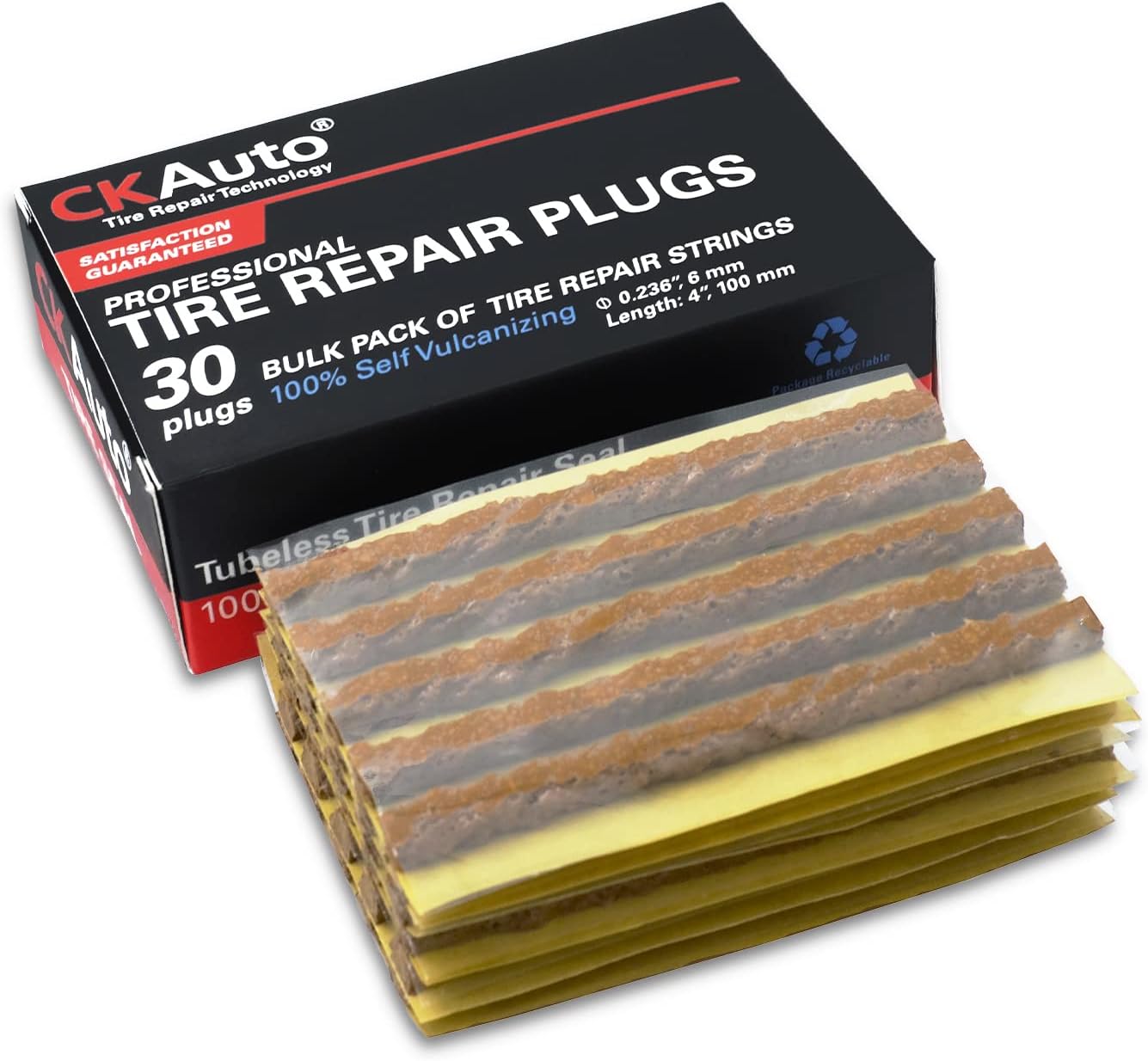
CKAuto tire repair strings provide a fast, reliable way to seal punctures in tubeless off-road tires without removing the tire from the rim. The rubber repair plugs are designed for quick roadside fixes and work across many vehicle types including cars, bikes, ATVs/UTVs, wheelbarrows, and mowers.
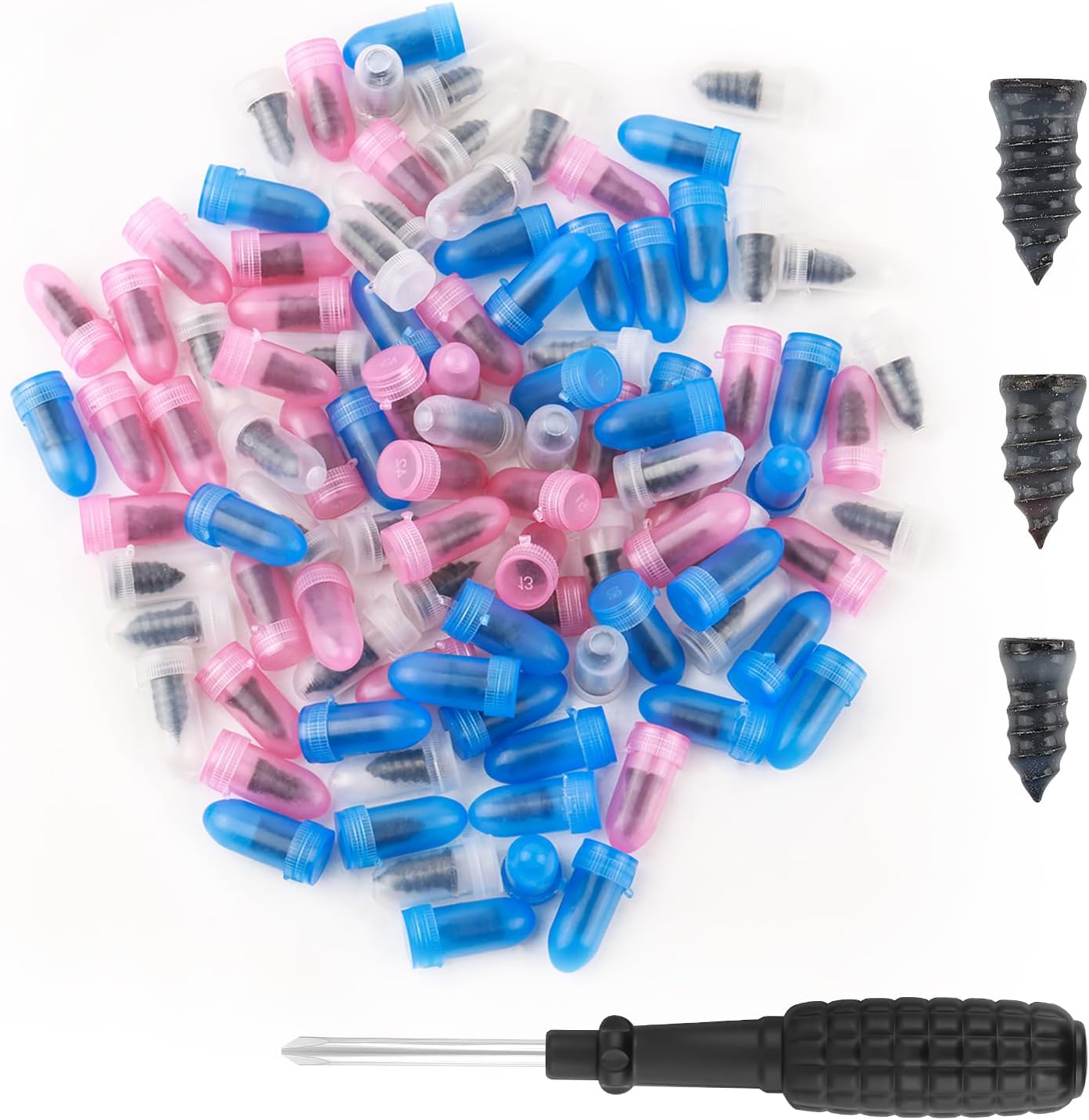
This 100-piece tire repair screw plug kit provides a fast, self-service solution for punctures on the road. Choose the correct plug size, insert it into the break, and screw it in to help seal the puncture and temporarily restore tire pressure. Thickened threads and rubber-wrapped plugs improve bite and sealing while remaining compact and easy to carry.
On an ATV or UTV Trail
The compact size makes sense when cargo space is limited. A successful temporary seal may help you return to camp or a trailer, but you should reduce load and speed, check pressure often, and stop immediately if the tire deforms, leaks, or becomes unstable. The goal is controlled recovery, not finishing the ride as planned.
During Lawn and Property Work
A mower or small utility machine may be stranded far from the workshop even though it never travels on public roads. In that setting, the tool can provide a practical stopgap when the damage is limited and the tire remains structurally sound. Replace or professionally assess the tire before resuming normal long-term use.
For Farm and Trailer Emergencies
The listed compatibility includes farm tractors and trailers, but those applications vary widely in load, pressure, and tire construction. Use extra caution with loaded trailers and heavy equipment. If the damaged tire supports a high load, sits near a bead, or shows cord separation, recovery by service vehicle or tire replacement is the safer choice.
As Group Recovery Gear
One small unit can fit into a shared trail kit, but every rider should know its limits. Pair it with communication equipment, a spare tire plan, an inflator, and recovery contacts. A sidewall tool should add one option to your plan, not replace the plan.
What Buyers Should Know About Feedback
The source article summarized customer sentiment as positive, mainly around portability, low cost, and emergency usefulness. However, the underlying review set and sentiment-analysis method were not available for independent audit. Treat the chart as a snapshot of the source article’s review analysis rather than proof that the tool will work on every sidewall injury.
Overall Sentiment: Positive

Pros and Cons
Pros
- Very compact 3.19 x 2.4 x 1.77-inch package
- Light 1.13-ounce carry weight
- Metal construction suited to a mechanical emergency repair tool
- Listed for several off-road and utility vehicle categories
- Uses common 10 mm wrench and pliers rather than a powered tool
Cons
- Temporary emergency use only, not a permanent sidewall repair
- No verified maximum tear size, pressure rating, or load rating on the accessible listing
- Required wrench, pliers, pressure gauge, and inflator may need to be carried separately
Common Mistakes to Avoid
- Using it on a highway passenger tire: Sidewall repairs are outside accepted passenger and light-truck tread-puncture repair guidance.
- Ignoring structural damage: Exposed cords, bulges, bead damage, long splits, or a tire that will not hold pressure are replacement signs.
- Leaving the tools at home: The listing calls for a 10 mm wrench and pliers, and you still need inflation and pressure-check equipment.
- Continuing at normal speed or load: A temporary field repair is for cautious recovery to a safe location, not routine operation.
- Skipping follow-up inspection: Have the tire assessed or replaced before normal use, even when the temporary repair appears to hold.
Is It Worth the Price?
The Rlcvecv kit sits in the budget emergency-tool category. Its value comes from low weight, small storage needs, and the chance that it may help you move disabled off-road equipment to a safer location. Buyers who regularly ride remote trails or work on large properties get more practical value than someone who only drives a passenger car.
The limitation is just as important as the value. You are buying a narrow recovery tool, not a complete tire-repair system, a spare tire, or a professional repair. Check the current listing for package contents and price before ordering, then budget for the wrench, pliers, inflator, and gauge if those items are not already in your kit.
How It Compares to Alternatives
The Sidewall Slug official kit is the closest like-for-like alternative because it uses a similar mechanical emergency-repair concept. GlueTread external patch kits use bonded rubber patches and may be better when you want to cover a larger exterior injury on a tubeless off-road tire. A full-size spare remains the stronger option when your vehicle can carry one and the terrain allows a safe tire change.
The Rlcvecv model makes the most sense when your priority is minimal size and weight. Compare the seller, package count, documented instructions, and stated damage limits before choosing between similar-looking products.
Why Buyers Consider It
The main reasons to consider this tool are its compact metal design, off-road and utility compatibility, and common-tool installation. The source chart below reflects the original article’s summary of buyer motivations. As with the sentiment chart, use it as contextual editorial data rather than independently verified product testing.

Frequently Asked Questions
Is the Rlcvecv sidewall repair permanent?
No. The listing presents it as an emergency solution that may help you reach camp, home, a trailer, or another safe location. Replace or professionally assess the tire before returning to normal use.
Can you use it on a passenger-car sidewall?
This review does not recommend that use. Industry guidance for passenger and light-truck tires limits repairable punctures to qualifying tread-area injuries and excludes shoulder or sidewall damage.
What tools do you need?
The Amazon listing specifies a 10 mm wrench and pliers. You should also carry a pressure gauge and suitable inflator, since a sealed injury is not useful if you cannot restore and monitor tire pressure.
Which vehicles are listed as compatible?
The listing names ATVs, UTVs, SXS vehicles, lawn mowers, farm tractors, trailers, and similar off-road or utility vehicles. Confirm your tire construction and vehicle-maker guidance before attempting a repair.
When should you skip the repair?
Skip it when cords are exposed, the bead is damaged, the sidewall is bulged or separated, the split is large, or the tire will not hold pressure. Arrange recovery or replace the tire instead of risking a sudden failure.
Does the kit include adhesive or plug strings?
The accessible listing describes a metal sidewall slug installed with a 10 mm wrench and pliers. It does not support the original article’s claim that this model uses adhesive, plug strings, or a conventional insertion tool.
What should you carry with it?
Carry the required hand tools, an inflator, a pressure gauge, gloves, lighting, and a communication or recovery plan. A spare tire is still preferable when your machine can safely carry and use one.
The Bottom Line
The Rlcvecv KPM-001 is worth considering for ATV, UTV, mower, trailer, and farm-equipment owners who want a very small emergency tool in a broader recovery kit. Its compact metal design is the main strength, while its temporary status and missing published damage limits are the main drawbacks. Skip it for passenger-car sidewalls, structural tire damage, or any situation where safe professional recovery is available.
Ready to Buy?
Check the latest price, seller, package contents, and product details before you decide.

Related Articles

Best All-Terrain Tires for SUVs 2026: Rugged Tires for Trails and Daily Driving
You need tires that bridge the gap between weekend trails and weekday commutes, so choosing the right all-terrain set matters more than ever. The…
Read More
Best Westlake Tires 2026: Affordable Tires for Daily Driving and All-Season Use
You spend a lot of time on the road, and the tires you choose affect safety, comfort, fuel economy, and long-term costs. Westlake offers…
Read More
Best Sailun Tires 2026: Affordable Tire Picks for Everyday Driving
You rely on tires for safety, fuel economy and ride comfort, so choosing the right Sailun model matters more than just price. This guide…
Read More