
HEB Heavy Duty Bike Tube Review
Disclosure: As an Amazon Associate, we earn from qualifying purchases. If you click a link on this page and make a purchase, we may receive a small commission at no extra cost to you.
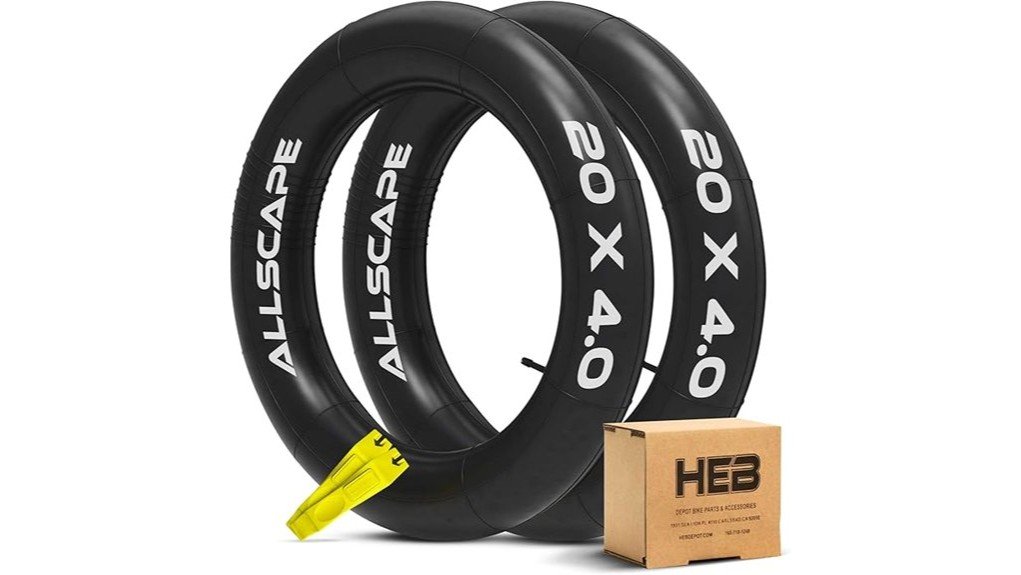
A flat on a heavy fat-tire e-bike can be harder to handle than a puncture on a standard bicycle, so tube size and construction matter. HEB Heavy Duty Bike Tubes give you thicker butyl-rubber replacements for common 20 x 4 and 26 x 4 fat tires, with Schrader valves and several pack quantities. They are a practical upgrade when you want a tougher spare or replacement tube, but they cannot prevent every puncture and must match your exact tire and rim. This review explains the fit, installation tradeoffs, pack choices, and real-world value.
Quick Verdict
Rating: 8.2/10, Recommended with caveats
Best For: Fat-tire e-bike riders who need a heavy-duty 20 x 4 or 26 x 4 Schrader-valve replacement or spare.
Bottom Line: The thick butyl build and broad pack selection make these tubes a sensible step up from many basic stock tubes. The tradeoff is extra weight and bulk, and correct sizing and installation still matter more than the brand name printed on your bike.
| Specification | Detail |
|---|---|
| Brand | Happy Ebikes, sold as HEB heavy-duty tubes |
| Product type | Replacement fat-bike inner tube |
| Supported sizes | 20 x 4 inches and 26 x 4 inches |
| Material | Heavy-duty butyl rubber |
| Valve type | Schrader |
| Pack options | 1-pack, 2-pack, 4-pack, and 8-pack options |
| Bike types | Fat-tire e-bikes, fat bikes, and compatible mountain bikes |
| Named compatibility examples | Selected Super73, Rad Power Bikes, Lectric, and Happy Ebikes models with matching tire dimensions |
| Best use | Replacement, workshop stock, or emergency spare |
| Main limitation | Heavy-duty construction reduces risk but does not make a tire puncture-proof |
Key Takeaways
- HEB Heavy Duty Bike Tubes are offered for 20 x 4 and 26 x 4 fat-tire setups.
- The butyl-rubber construction is thicker and heavier than many basic stock tubes, which can improve resistance to pinch damage and small punctures.
- Schrader valves suit many fat-tire e-bike rims, but you should confirm the valve type and valve-hole size before ordering.
- Brand compatibility is not universal. Match the numbers on your tire sidewall rather than buying only by bike brand.
- A 1-pack works as a single spare, while larger packs make more sense for two-wheel replacement, frequent riding, or shared maintenance stock.
[Products Worth Considering]

Convert Presta bicycle valves to accept standard Schrader pump nozzles for fast, hassle-free inflation. This kit includes durable brass adapters with leak-resistant connections, plus sports inflation needles and protective valve caps for convenient use on bikes and ball sports equipment.

This 4-in-1 tire valve core removal tool helps you deflate, unblock, and remove or install valve cores quickly for easier tire repair. The multifunction design also supports re-taping damaged threads and reaming inside the valve stem for smoother service. Included as a 2-pack, it’s compact for convenient carry and works for cars, bicycles, and motorcycles.
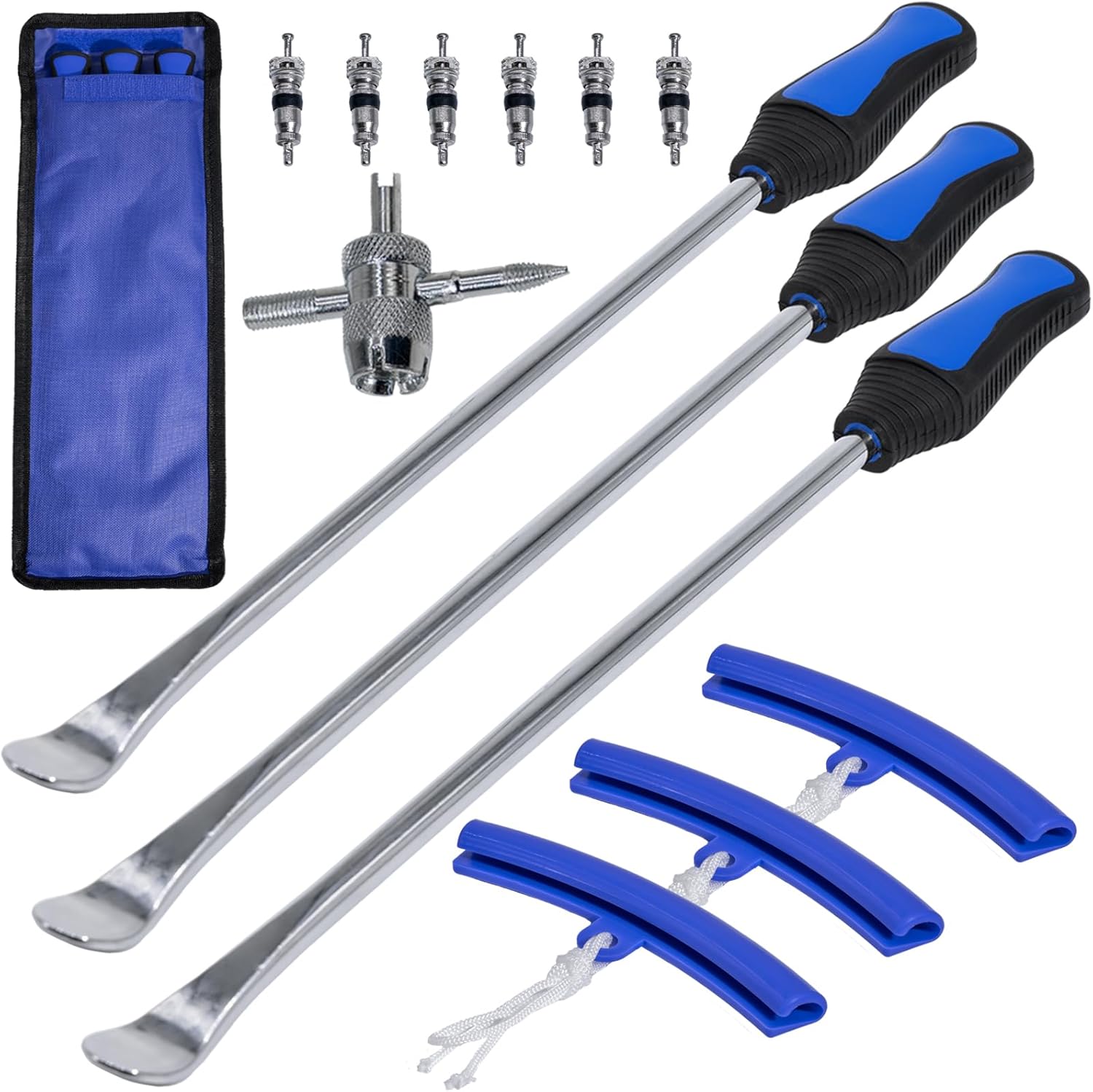
This tire spoon set helps you remove and install motorcycle, dirt bike, lawn tractor, and bicycle tires with extra leverage from a 14.5-inch spoon length. The kit includes tire removal tools, rim protectors, and a valve tool to simplify repairs and help protect rims during changing. Designed for quick, on-the-go service, it’s convenient for garage work, trails, and track-side fixes.
What Are HEB Heavy Duty Bike Tubes?
HEB Heavy Duty Bike Tubes are replacement inner tubes sold by Happy Ebikes for wide fat-bike tires. The reviewed listing covers 20 x 4 and 26 x 4 sizes, uses butyl rubber, and pairs the tube with a Schrader valve. These details make the product relevant to many electric fat bikes, utility bikes, cruisers, and mountain-style fat bikes.
The main selling point is added material compared with a thin standard tube. More rubber can give the tube a stronger barrier against pinching, abrasion, thorns, and small trail debris. That does not guarantee a flat-free ride, but it may reduce failures caused by underinflation, rough impacts, or light puncture hazards.
Before You Buy: Do not rely on a bike-brand compatibility list alone. Read the size molded into your tire sidewall, confirm that it says 20 x 4 or 26 x 4, and verify that your rim accepts a Schrader valve.
Who Should Buy It?
Best For
- Riders replacing a worn or punctured 20 x 4 or 26 x 4 inner tube
- Commuters who want a tougher spare in a home, car, or workshop repair kit
- Owners who prefer a conventional butyl tube over a tubeless conversion
Skip If
- Your tire is not exactly compatible with the chosen 20 x 4 or 26 x 4 size
- Your rim requires a Presta valve or a different valve configuration
- You want the lowest possible rotating weight for performance-focused riding
Fit and Compatibility
The listing names Super73, Rad Power Bikes, Lectric, Happy Ebikes, and other fat-tire bikes as examples. That is useful as a starting point, but each brand sells multiple models and tire sizes. A tube that fits one Rad Power or Lectric model may not fit another.
Check three things before ordering: the tire diameter, the tire width, and the valve type. A tire marked 20 x 4 needs the 20 x 4 tube option, while a tire marked 26 x 4 needs the 26 x 4 version. The valve should also align with the rim hole without pulling sideways after inflation.
Pro Tip: Photograph the tire-sidewall size and existing valve before shopping. That simple reference helps you avoid confusing wheel diameter, tire width, and bike-model names.
Build Quality and Puncture Resistance
The heavy-duty butyl construction is the central reason to choose these tubes. A thicker tube is generally less likely to fold, chafe, or pinch as easily as a very light stock tube when tire pressure drops or the wheel hits a hard edge. It can also give you more material before a thorn or sharp fragment reaches the air chamber.
| Feature | Buyer Benefit | Tradeoff |
|---|---|---|
| Thick butyl wall | More resistance to pinching and light puncture hazards | More weight and bulk |
| Wide fat-tire sizing | Fills common 4-inch tire casings correctly when matched | Limited to the listed dimensions |
| Schrader valve | Works with common automotive-style pumps and many e-bike rims | Not suitable for a Presta-only rim hole |
No inner tube is puncture-proof. Sharp metal, large glass pieces, severe rim strikes, damaged rim tape, or incorrect installation can still cause a failure. Tire pressure, tire condition, and rim condition remain part of the system.
Installation and Safety
You can install a fat-bike tube at home if you already have the correct tools and understand wheel removal. Fat e-bike wheels can be heavy, and hub-motor wheels may include cables, axle hardware, or torque components that must be handled correctly. Follow the bike manufacturer’s instructions when removing and reinstalling the wheel.
Before fitting the new tube, inspect the inside of the tire for thorns, wire, glass, or rough casing damage. Check the rim strip for gaps or sharp spoke holes. Add only enough air to give the tube shape, place it evenly inside the tire, and make sure it is not trapped under the bead before full inflation.
Inflate to the pressure range printed on your tire or specified by the bike manufacturer. Do not assume the tube itself sets the correct pressure. After installation, confirm that the tire bead sits evenly around both sides of the rim and that the valve remains straight.
How HEB Tubes Compare to Stock Inner Tubes
A basic stock tube often prioritizes low cost and lighter weight. The HEB tube prioritizes durability by using a heavier butyl build. That difference can be useful on heavier e-bikes, rough city pavement, gravel connectors, and trail surfaces where impact and puncture exposure are higher.
The tradeoff is that thicker tubes take more room to carry and may be harder to position inside a wide tire. They also add rotating weight. Riders who focus on maximum efficiency or the lightest wheel setup may prefer a lighter tube or a properly configured tubeless system.
[Products Worth Considering]

This 20-piece tire changer kit makes motorcycle and bike tire repairs easier with extended 14.5-inch spoons for leverage and access. Built from CrV steel with a corrosion-resistant chrome finish, it helps resist bending while protecting rims and tubes using smooth rounded spoons and included rim protectors. The all-in-one set includes valve removal and accessory tools for faster tire changes across motorcycles, bicycles, ATVs, and lawn equipment.

This PXZBLG bike repair kit helps you tackle common tire and on-the-ride issues with a compact, ride-ready tool collection. It includes a mini tire pump supporting both Presta and Schrader valves, a 16-in-1 bike multitool, tire levers, glueless patches with a plastic box, plus 4mm and 5mm Allen wrenches. A convenient bike bag stores everything so you can mount it on your road bike or mountain bike for lightweight, portable preparedness.
How It Performs in Real Use
Daily Commuting
For commuting, the main benefit is having a conventional replacement that is built with more rubber than many lightweight tubes. It can be a sensible choice for riders who cross cracked pavement, construction debris, or rough shoulders. Regular pressure checks are still necessary because an underinflated fat tire can pinch the tube against the rim.
Rough Pavement and Trails
On gravel, packed dirt, and uneven pavement, the thick tube provides an added layer between the casing and the air chamber. It may handle small impacts and abrasion better than a thin stock tube, but it will not stop a large nail, severe sidewall cut, or hard rim strike.
Emergency Spare Use
A 1-pack can serve as a workshop or vehicle spare, while a 2-pack gives you a replacement plus a backup. Fat-bike tubes are bulky, so confirm that the tube fits your saddlebag or cargo setup before relying on it for roadside repairs.
Frequent or Shared Use
The 4-pack and 8-pack options can make sense for a household with more than one compatible bike, a rental fleet, or a rider who keeps maintenance stock. Buying more tubes is less useful when you have only one bike and rarely ride, because rubber parts should still be stored away from heat, sunlight, sharp tools, and chemicals.
How to Choose the Right Pack
Choose the tube size first, then the quantity. A 1-pack is enough when you need one immediate replacement or one spare. A 2-pack is practical when you want to replace one tube and keep another ready, or when you want matching tubes for both wheels.
A 4-pack suits frequent riders, multi-bike households, or a small maintenance bench. An 8-pack is mainly useful for high-mileage riders, fleets, or group use. Do not buy a bulk pack until you have confirmed that one tube fits your exact tire and rim correctly.
Pros and Cons
Pros
- Heavy-duty butyl construction offers more material than many basic tubes
- Available for two common fat-tire sizes, 20 x 4 and 26 x 4
- Schrader valve works with many fat-bike and e-bike rims and pumps
- Multiple pack quantities cover single-spare, two-wheel, and fleet needs
- Useful as either a direct replacement or an emergency backup
Cons
- Heavier and bulkier than a standard lightweight tube
- Compatibility depends on exact tire size and valve type, not bike brand alone
- Heavy-duty construction lowers risk but cannot prevent every flat
Is It Worth the Price?
HEB Heavy Duty Bike Tubes offer strong value when your priority is a thicker conventional tube in a verified fat-tire size. The pack choices let you avoid paying for more tubes than you need, while regular riders can keep matching spares on hand.
The value is weaker when low weight matters most or when you have not confirmed compatibility. A heavy-duty tube is also not a substitute for replacing a damaged tire, fixing faulty rim tape, removing embedded debris, or correcting chronic underinflation.
How It Compares to Alternatives
Compared with a standard OEM-style tube, the HEB option emphasizes thickness and durability rather than minimum weight. Self-sealing fat-bike tubes add sealant for small punctures but can cost more and may be messier to service. A tire liner, such as an Ultraverse-style liner, adds a separate protective layer but still requires a correctly sized inner tube.
Corki Cycles and other brands also sell heavy-duty 20-inch fat-bike tubes, sometimes with broader width ranges. The HEB tubes make the most sense when you want the listed 20 x 4 or 26 x 4 size, a Schrader valve, and straightforward pack choices from one product family.
Frequently Asked Questions
How do I know whether I need the 20 x 4 or 26 x 4 tube?
Read the size printed or molded on the sidewall of your installed tire. Match both numbers exactly, because the first number identifies the wheel diameter and the second identifies the approximate tire width.
Do HEB tubes fit every Super73, Rad Power, or Lectric bike?
No. Those brands sell different models and wheel sizes. The tube fits only when your tire dimensions and Schrader-valve rim match the selected option.
Are these tubes puncture-proof?
No inner tube is puncture-proof. The heavy-duty butyl build can improve resistance to pinching, abrasion, thorns, and light debris, but large sharp objects, hard impacts, or installation damage can still cause a flat.
Can I use an HEB tube inside a tubeless-ready tire?
The product is an inner tube, not a tubeless conversion. Many tubeless-ready tires and rims can accept a tube, but you should confirm that setup with the tire, rim, or bike manufacturer and remove any tubeless valve hardware correctly.
What valve type do HEB Heavy Duty Bike Tubes use?
They use Schrader valves, the wider automotive-style valve found on many fat-tire e-bikes. Confirm that your rim has a Schrader-size valve hole before ordering.
Are heavy-duty tubes harder to install?
They can feel stiffer and take more room inside the tire than a thin tube. Add a small amount of air before placement, keep the tube away from tire levers, and inspect the full bead before inflating.
Which pack size should I buy?
Choose one tube for a single replacement or spare, two for a replacement plus backup, and larger packs for multiple compatible bikes or frequent maintenance. Test fit before committing to bulk quantity.
What pressure should I use?
Use the pressure range printed on the tire sidewall and follow the bike manufacturer’s guidance. The correct pressure depends on the tire, load, terrain, and wheel setup, not only the inner tube.
The Bottom Line
HEB Heavy Duty Bike Tubes are a solid choice for riders who need a conventional 20 x 4 or 26 x 4 Schrader-valve replacement with a thicker butyl build. Buy them when durability and spare availability matter more than minimum weight, but skip them when your tire size or valve type does not match exactly.
Ready to Buy?
Check the latest price, selected size, pack quantity, and product details before you decide.

Related Articles
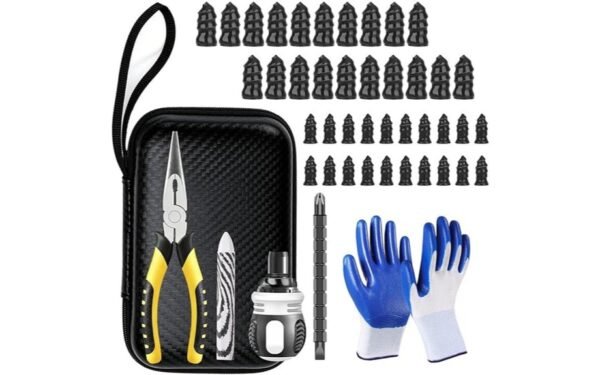
Tire Screw Plug Repair Kit Review
Compact tire screw plug repair kit review reveals fast roadside fixes, but which punctures are truly safe enough to trust?
Read More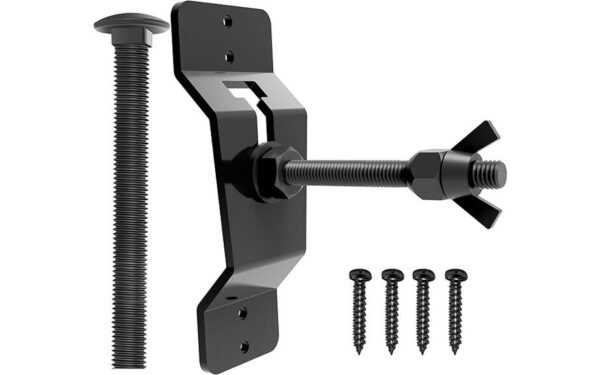
Wall Mount Spare Tire Carrier Mount Review
I review the wall mount spare tire carrier’s fit, strength, and stability—see what could make or break your trailer setup.
Read More
Socpuro Tire Repair Patch Tool Kit Review
Great for quick DIY puncture fixes, the Socpuro Tire Repair Patch Tool Kit has limits and surprises you’ll want to know before buying.
Read More