
CDWTPS TPMS Sensor Review: Essential for Ford Owners
Disclosure: As an Amazon Associate, we earn from qualifying purchases. If you click a link on this page and make a purchase, we may receive a small commission at no extra cost to you.
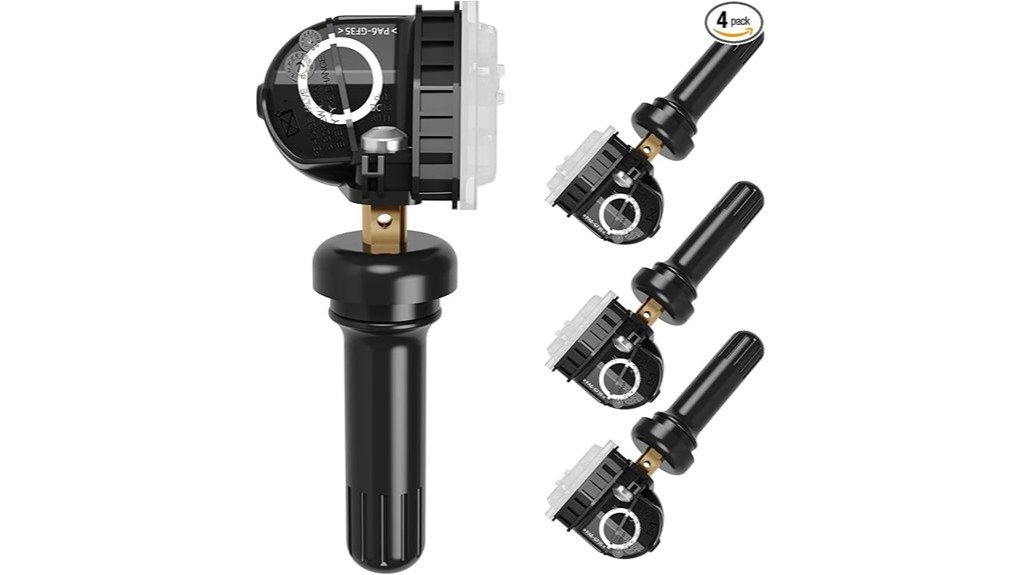
A replacement TPMS sensor only saves money when it matches your vehicle, wheel, frequency, and relearn procedure. The CDWTPS TPMS Sensor Set of 4 is a 315 MHz, pre-programmed option for selected Ford and Lincoln vehicles, including listed Bronco, F-150, Edge, Mustang, Ranger, and Navigator applications. Its main strengths are broad listed coverage, multiple OE cross-references, and a claimed 5 to 8-year battery life. Its main limitation is fitment complexity, because the model year, original part number, wheel design, and activation process still need to match before installation.
Quick Verdict
Rating: 8.3/10, recommended with fitment caveats
Best For: Ford and Lincoln owners who can confirm a 315 MHz system and a matching OE part number
Bottom Line: This four-pack offers strong value when it matches your exact vehicle and your installer can complete the relearn. It is not a universal Ford sensor, so you should verify the year, trim, original sensor number, and valve-mounted wheel design before ordering.
Key Takeaways
- The package contains four 315 MHz CDWTPS tire pressure monitoring sensors.
- The sensors are sold as pre-programmed, but they still need vehicle activation or relearning after installation.
- Listed OE cross-references include F2GT1A180AB, F2GT1A150AB, F2GZ1A189A, GL3T1A180GB, HC3Z1A189A, FR3Z1A189A, and JX7T1A180A.
- Fitment covers selected, not all, Ford and Lincoln model years. The original sensor number remains the safest buying check.
- The manufacturer lists a CR2032 battery, a 5 to 8-year normal-use estimate, a -40°C to 125°C operating range, and a one-year warranty.
| Specification | Detail |
|---|---|
| Brand | CDWTPS |
| Product | TPMS Sensor Set of 4 |
| Manufacturer model/SKU | TPMS Sensor / HLC-F-6200 |
| Frequency | 315 MHz |
| Programming status | Pre-programmed; vehicle relearn or activation still required |
| Vehicle coverage | Selected Ford and Lincoln models and years listed by the seller |
| Battery | CR2032 |
| Claimed battery life | About 5 to 8 years under normal use |
| Temperature range | -40°C to 125°C |
| Warranty | One year, according to the manufacturer listing |
| Best use | Replacing a matching four-sensor set or adding sensors to compatible seasonal wheels |
[Products Worth Considering]

This spare tire tool kit is designed for the 2004 to 2018 Ford F-150 to help you loosen and tighten wheel lug nuts and manage the spare tire and provided jack functions from underneath the vehicle. It includes the lug nut wrench and extension pieces plus a convenient storage carrying case for organized transport. The jack itself is not included.

This roadside assistance kit helps drivers and passengers in urgent situations after an accident or breakdown, providing practical support while waiting for help. It includes a lightweight, compact tire inflator for fast inflation of standard vehicle tires, plus reinforced jumper cable protection for safer handling. Ideal for winter weather, road trips, camping, and travel, with everything stowed neatly in a trunk bag.
What Is the CDWTPS TPMS Sensor Set?
The CDWTPS set contains four valve-mounted tire pressure monitoring sensors designed to transmit pressure data on a 315 MHz system. The sensors are marketed as direct-fit replacements for specific Ford and Lincoln OE numbers, which makes them different from universal programmable sensors that require shop programming before installation.
Pre-programmed does not mean plug-and-drive. After the sensors are mounted inside compatible wheels, your vehicle must learn their identification codes. Depending on the Ford or Lincoln model, that may involve a TPMS activation tool, a scan tool, a manual training sequence, or a drive-based relearn described in the owner’s manual.
Who Should Buy It?
Best For
- Owners replacing four worn or failed sensors with matching OE cross-references
- Drivers building a compatible winter wheel set that needs its own sensors
- DIY buyers who already have a tire shop or TPMS tool available for mounting and relearning
Skip If
- Your vehicle uses 433 MHz sensors or a different OE number
- Your wheels do not accept the required valve-mounted sensor design
- You need a sensor that can be programmed or cloned across many vehicle brands
Before You Buy: Do not choose TPMS sensors by vehicle name alone. Match the frequency and OE number from the original sensor, then confirm the exact year, trim, wheel type, and relearn procedure with your vehicle manual or installer.
Fit and Compatibility
The current product listing names many Ford applications, including selected Bronco, Bronco Sport, EcoSport, Edge, Expedition, Explorer, F-150, F-Series Super Duty, Fusion, Mustang, Mustang Mach-E, Ranger, Transit, and related performance or fleet models. Lincoln coverage includes selected Continental, Mark LT, MKC, MKX, MKZ, Nautilus, and Navigator model years.
The year ranges are not identical across every nameplate. For example, the listing identifies 2014-2020 F-150, 2015-2024 Edge, 2017-2024 Expedition, 2014-2023 Mustang, and 2018-2021 Ranger applications, while other models have different ranges. A later model year with the same vehicle name may use a different sensor, so never extend a listed range without checking the original part number.
Pro Tip: Take a clear photo of the original sensor number before the old tires are discarded. Matching that number is usually faster and more reliable than searching only by make, model, and year.
OEM Part Numbers and Cross-Reference
The strongest fitment evidence is the OE number printed on the original sensor or listed in a trusted parts catalog. CDWTPS lists the following replacement references for this set:
| Listed OE Reference | Buying Use |
|---|---|
| F2GT1A180AB / F2GT1A150AB | Common Ford sensor cross-reference |
| F2GZ1A189A | Primary replacement number shown in the Amazon title |
| GL3T1A180GB | Additional Ford application cross-reference |
| HC3Z1A189A | Additional Ford application cross-reference |
| FR3Z1A189A | Additional Ford application cross-reference |
| JX7T1A180A | Additional Ford and Lincoln platform cross-reference |
A similar-looking sensor can still use another frequency or protocol. Treat the cross-reference list as a verification tool, not proof that every vehicle carrying one of these model names will accept this exact set.
Installation, Activation, and Safety
TPMS installation requires removing the tire from the wheel, fitting and torquing the sensor or valve hardware correctly, remounting the tire, balancing the assembly, and relearning the sensor IDs. Because incorrect installation can damage the sensor, cause an air leak, or leave the warning light on, most buyers should use a tire shop with TPMS equipment.
Inflate each tire to the cold pressure shown on the vehicle’s tire information placard, not the maximum pressure molded into the tire sidewall. Then follow the exact training sequence for your model. Ford procedures vary: some use a dedicated activation tool and horn-chirp sequence, while others use a scan tool or an in-vehicle training mode.
Setup Checklist
- Confirm 315 MHz operation and an exact OE cross-reference before opening the package.
- Check that the wheel accepts the correct valve-mounted sensor style.
- Use new compatible sealing hardware when required by the valve design.
- Have the tire professionally mounted and balanced if you lack tire service equipment.
- Complete the relearn and verify that all four positions report correctly.
- Recheck tire pressure and inspect for valve-area leaks after installation.
A TPMS system is a warning aid, not a replacement for regular pressure checks. Check your tires when cold and inspect them before long trips, even when the dashboard shows no warning.
How It Performs in Real Use
Replacing a Failed Factory Sensor
When the OE number and frequency match, the pre-programmed design reduces one step compared with a blank universal sensor. The main job is physical installation followed by relearning. This can make a four-sensor replacement more economical than buying individual dealer-branded sensors, but only when fitment has been confirmed first.
Building a Winter Wheel Set
A dedicated set of four sensors can let a compatible winter wheel package report pressure without moving sensors between seasonal wheels. You still need compatible valve holes, correct hardware, and a relearn when the wheel set is changed if your vehicle does not automatically recognize the stored IDs.
After Tire Rotation
Some Ford and Lincoln systems need retraining after rotation so the display associates each sensor with the correct corner. Other vehicles may relearn position automatically. Follow your model’s manual instead of assuming one procedure covers every vehicle in the fitment list.
Long-Term Ownership
The claimed 5 to 8-year battery estimate is useful for buyers replacing an aging full set. Actual life depends on storage, temperature, transmission activity, and use. Because TPMS batteries are normally sealed inside the sensor, a depleted battery usually means replacing the sensor rather than installing a new coin cell.
Battery Life, Build, and Reliability
CDWTPS states that each sensor uses a CR2032 battery and is designed for normal operation from -40°C to 125°C. The manufacturer also says each unit is tested before shipment and includes a one-year warranty. Those details are appropriate for an automotive component exposed to seasonal temperature swings, wheel vibration, and moisture.
The warranty is shorter than the claimed battery life, so it mainly protects against early defects rather than long-term battery depletion. Installation quality also matters. A good sensor can still develop an air leak if the stem, seal, retaining hardware, or torque procedure is wrong.
Pros and Cons
Pros
- Four-sensor package suits a complete wheel set
- Pre-programmed for the listed Ford and Lincoln applications
- Multiple OE cross-references simplify compatibility checks
- Claimed 5 to 8-year battery life reduces routine replacement needs
- Wide listed operating temperature range and one-year warranty
Cons
- Not universal across all Ford or Lincoln model years
- Still requires mounting, activation, and sometimes a TPMS tool
- One-year warranty is much shorter than the claimed battery lifespan
Is It Worth the Price?
This CDWTPS four-pack sits in the value-focused aftermarket category. It is worth considering when you need four matching sensors, can verify one of the listed OE numbers, and already expect to pay a shop for tire mounting and relearning. Buying a set can be more practical than replacing sensors one at a time when all four batteries are the same age.
The value drops quickly when compatibility is uncertain. Installation labor may not be refundable if the sensors do not communicate with the vehicle, so a cheaper purchase is not a bargain when the wrong frequency or platform code is selected.
How It Compares to Alternatives
A Motorcraft OE sensor is usually the simpler choice when you want factory-branded fitment and are willing to pay more per sensor. Programmable options such as the Autel MX-Sensor or Schrader EZ-sensor can cover more vehicles, but they require compatible programming equipment and installer support.
The CDWTPS set makes the most sense when your original number appears in its cross-reference list and you want a pre-programmed four-pack rather than a universal shop-programmed sensor.
Frequently Asked Questions
Do these sensors work with every Ford and Lincoln?
No. They are listed for selected models and years that use a compatible 315 MHz system and one of the stated OE references. Confirm the original sensor number or ask a qualified parts professional before ordering.
Are the CDWTPS sensors already programmed?
They are sold as pre-programmed for the listed applications. They still need activation or relearning so the vehicle recognizes each sensor ID after installation.
Can I install these sensors myself?
The electronic relearn may be DIY-friendly on some models, but physical installation requires tire removal, correct valve hardware, proper torque, and wheel balancing. A tire shop is the safer choice unless you have suitable tire service equipment and TPMS experience.
Can I reuse the old valve stem or seal?
Do not assume old sealing parts are reusable. The correct service kit depends on the sensor and wheel design, and worn seals can leak. Ask the installer to inspect the hardware and use new compatible sealing components when required.
Will the TPMS warning light clear immediately?
Not always. The light should clear after successful installation, correct inflation, and completion of the vehicle’s relearn procedure. A continuing warning can indicate a failed relearn, wrong sensor, low tire pressure, or another TPMS fault.
Do they work with aftermarket or winter wheels?
They can work when the wheel accepts the correct valve-mounted design and the vehicle uses a compatible 315 MHz protocol. Confirm valve-hole dimensions, wheel clearance, OE number, and relearn requirements before the tires are mounted.
Do I need to relearn the sensors after tire rotation?
Some Ford and Lincoln vehicles need retraining so the display shows the correct wheel position after rotation. Others may update automatically. Use the procedure in the owner’s manual for your exact model and year.
Can the CR2032 battery be replaced?
The battery is normally sealed inside the TPMS sensor and is not treated like a user-replaceable coin cell. When the battery reaches the end of its life, the usual repair is sensor replacement followed by another relearn.
The Bottom Line
The CDWTPS 315 MHz TPMS Sensor Set of 4 is a sensible aftermarket choice for Ford and Lincoln owners who can confirm an exact OE-number and model-year match. Its pre-programmed design, four-piece package, and claimed 5 to 8-year battery life are the main strengths, while limited compatibility and required relearning are the main tradeoffs. Skip it when your original sensor number, wheel design, or frequency does not match.
Ready to Buy?
Check the latest price, fitment list, and product details before you decide.

Related Articles
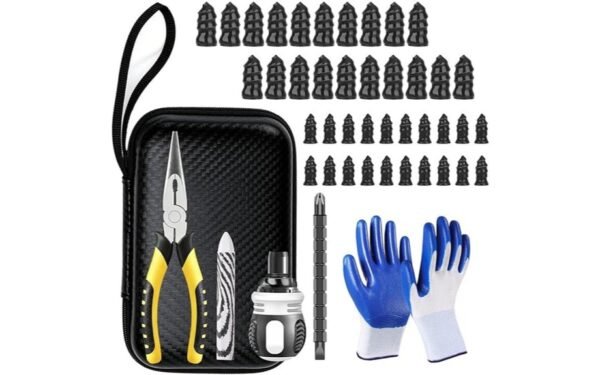
Tire Screw Plug Repair Kit Review
Compact tire screw plug repair kit review reveals fast roadside fixes, but which punctures are truly safe enough to trust?
Read More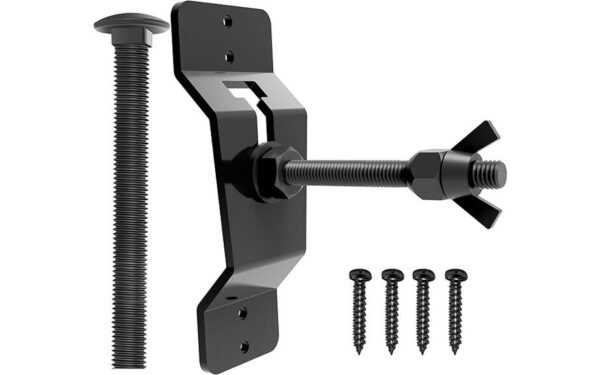
Wall Mount Spare Tire Carrier Mount Review
I review the wall mount spare tire carrier’s fit, strength, and stability—see what could make or break your trailer setup.
Read More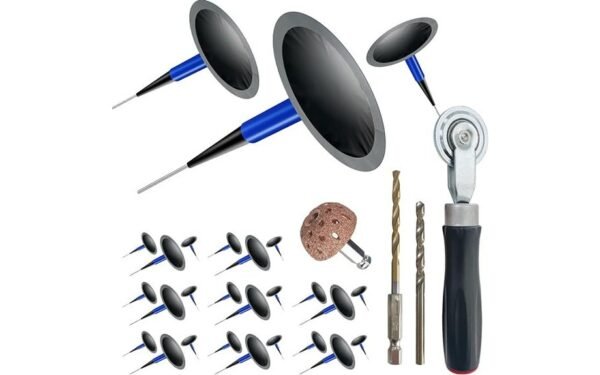
Socpuro Tire Repair Patch Tool Kit Review
Great for quick DIY puncture fixes, the Socpuro Tire Repair Patch Tool Kit has limits and surprises you’ll want to know before buying.
Read More