
Vigorder Rubber Cement Glue Review
Disclosure: As an Amazon Associate, we earn from qualifying purchases. If you click a link on this page and make a purchase, we may receive a small commission at no extra cost to you.
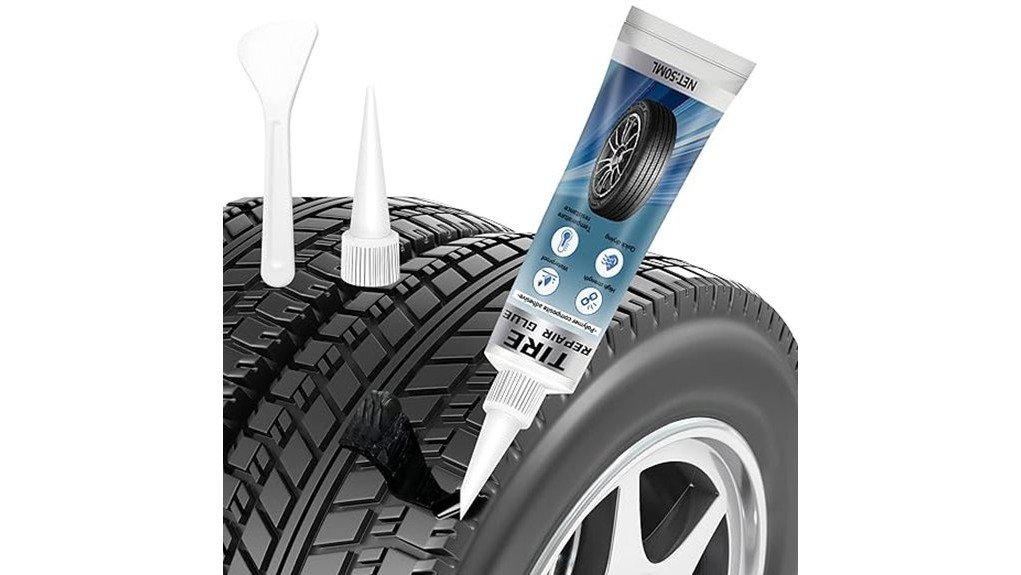
A damaged tire can leave you searching for a fast fix, but speed matters less than using the right repair method. Vigorder Rubber Cement Glue is a compact, black rubber-based adhesive sold in a 50ml bottle with an advertised 30-second cure time. This review explains what is verified, where the product may be useful, and why it should not be used to restore a damaged passenger-car or motorcycle tire sidewall. Its small size and quick-curing claim are convenient, but the safety limits are significant.
Quick Verdict
Rating: 4/10, recommended only with major caveats
Best For: Non-structural rubber bonding when the product label confirms compatibility
Bottom Line: Vigorder Rubber Cement Glue offers a compact 50ml format and an advertised fast cure. However, it is not a safe substitute for professional tire inspection, a proper combination repair in the tread area, or tire replacement when the sidewall or shoulder is damaged.
| Specification | Detail |
|---|---|
| Brand | Vigorder |
| Model | Rubber Cement-01 |
| Product type | Rubber-based liquid adhesive |
| Color | Black |
| Volume | 50 milliliters, about 1.69 fluid ounces |
| Package quantity | 1 bottle |
| Advertised cure time | 30 seconds |
| Advertised features | Quick curing, temperature resistant, and waterproof |
| Package dimensions | 5.31 x 1.41 x 0.94 inches |
| Item weight | 2.39 ounces |
| ASIN | B0FP9212B1 |
| Safety note | Do not use it to restore structural damage in a road-tire sidewall or shoulder. |
Key Takeaways
- Vigorder Rubber Cement Glue is a 50ml black, rubber-based liquid adhesive sold as a single bottle.
- The listing advertises a 30-second cure, waterproof performance, and resistance to operating heat.
- A quick surface bond does not make a damaged tire safe to drive on.
- Passenger-car and light-truck tire repairs are generally limited to eligible punctures in the tread area, not the sidewall or shoulder.
- The product makes the most sense for non-structural rubber work that is specifically allowed by its label, not as a complete tire repair system.
[Products Worth Considering]

This tire repair patch tool kit helps you quickly seal small punctures using upgraded mushroom plugs and a built-in roller system that presses for even penetration. The tungsten buffing wheel and HSS twist drill bits prepare the damaged surface for stronger adhesion, while the crown-angle friendly plugs are designed to keep water and debris out. Ideal for puncture repairs on many vehicle types, from cars and trucks to bikes and scooters.

This tire repair kit provides fast emergency puncture repair without removing the tire from the rim, helping you get back on the road quickly. Its screw plug system is designed for punctures in both tread and sidewall and includes a complete patch plug tool set with essential accessories. A portable storage bag makes it easy to carry for cars, trucks, SUVs, motorcycles, and heavy-duty applications.

This compact capsule-style tire repair kit helps you quickly fix punctures and plug flats with minimal effort. The rugged stainless steel shell protects the contents for reliable roadside use, while the simple plug assembly makes repairs fast and tool-free. Suitable for motorcycles, cars, ATVs, UTVs, and even mountain bikes.
What Is Vigorder Rubber Cement Glue?
Vigorder Rubber Cement Glue, model Rubber Cement-01, is a medium-viscosity liquid adhesive packaged in a small bottle. The verified listing describes it as rubber-based, black, waterproof, quick curing, and temperature resistant.
The bottle is easy to store in a toolbox, garage cabinet, or repair kit. Its main selling point is convenience: you can apply a controlled amount to a compatible rubber surface without carrying a large container.
However, the product should be viewed as an adhesive, not as a complete road-tire repair. A tire repair also requires correct damage assessment, internal inspection, and an approved repair method when the damage is repairable at all.
Who Should Buy It?
Best For
- Buyers who need a compact adhesive for label-approved, non-structural rubber work
- Toolbox or garage storage where a small 50ml bottle is easier to manage
- Users who already have the correct patch, preparation tools, and instructions for a compatible repair system
Skip If
- Your passenger-car, truck, or motorcycle tire has sidewall or shoulder damage
- You need a permanent repair for a road tire
- You expect glue alone to replace a patch, plug stem, internal inspection, or tire replacement
Formula and Packaging
The verified product data identifies the formula as rubber-based and the item form as liquid. The black color may blend better with dark rubber than a clear or amber adhesive, although color matching does not add structural strength.
The 50ml bottle holds about 1.69 fluid ounces. That is enough for several small applications, depending on how much the label directs you to use. The compact package is practical, but the listing does not confirm that a patch, rasp, applicator, or other repair tool is included.
Curing and Bonding Claims
Vigorder advertises a 30-second full cure time. That figure is useful for comparing products, but you should still follow the current label because cure time can be affected by surface preparation, application thickness, temperature, and the materials being joined.
The listing also describes the adhesive as waterproof and temperature resistant. Those claims may help with ordinary rubber bonding, but they do not prove that the glue can restore damaged tire cords, belts, plies, or the inner liner.
Pro Tip: Treat the 30-second figure as an advertised adhesive cure time, not permission to inflate, load, or drive on a damaged tire. Follow the label and have road-tire damage inspected before the tire returns to service.
Compatibility and Tire Safety
The product is marketed for automotive and tire repair, but that does not mean every tire injury can be repaired. The U.S. Tire Manufacturers Association says a passenger or light-truck tire should be removed from the wheel and inspected, and repair is limited to qualifying tread-area punctures no larger than 1/4 inch, or 6mm.
The Tire Industry Association also states that shoulder and sidewall damage is not repairable. A sidewall flexes with every rotation and carries load, so an exterior layer of adhesive cannot restore its internal structure.
Before You Buy: Do not use this glue as a structural repair for a passenger-car, truck, or motorcycle tire sidewall. A cut, puncture, exposed cord, bulge, or shoulder injury needs professional inspection and often tire replacement.
How It Performs in Real Use
[Products Worth Considering]

Wykodra tire plugs provide quick vulcanizing repairs for tubeless tires, helping you seal punctures and get back on the road. The industrial-strength rubber creates a long-lasting, leak-resistant bond and is designed for emergency fixes without removing the tire. Choose between two standard plug sizes with color-matched options for small to larger damage across many vehicles and off-road uses.
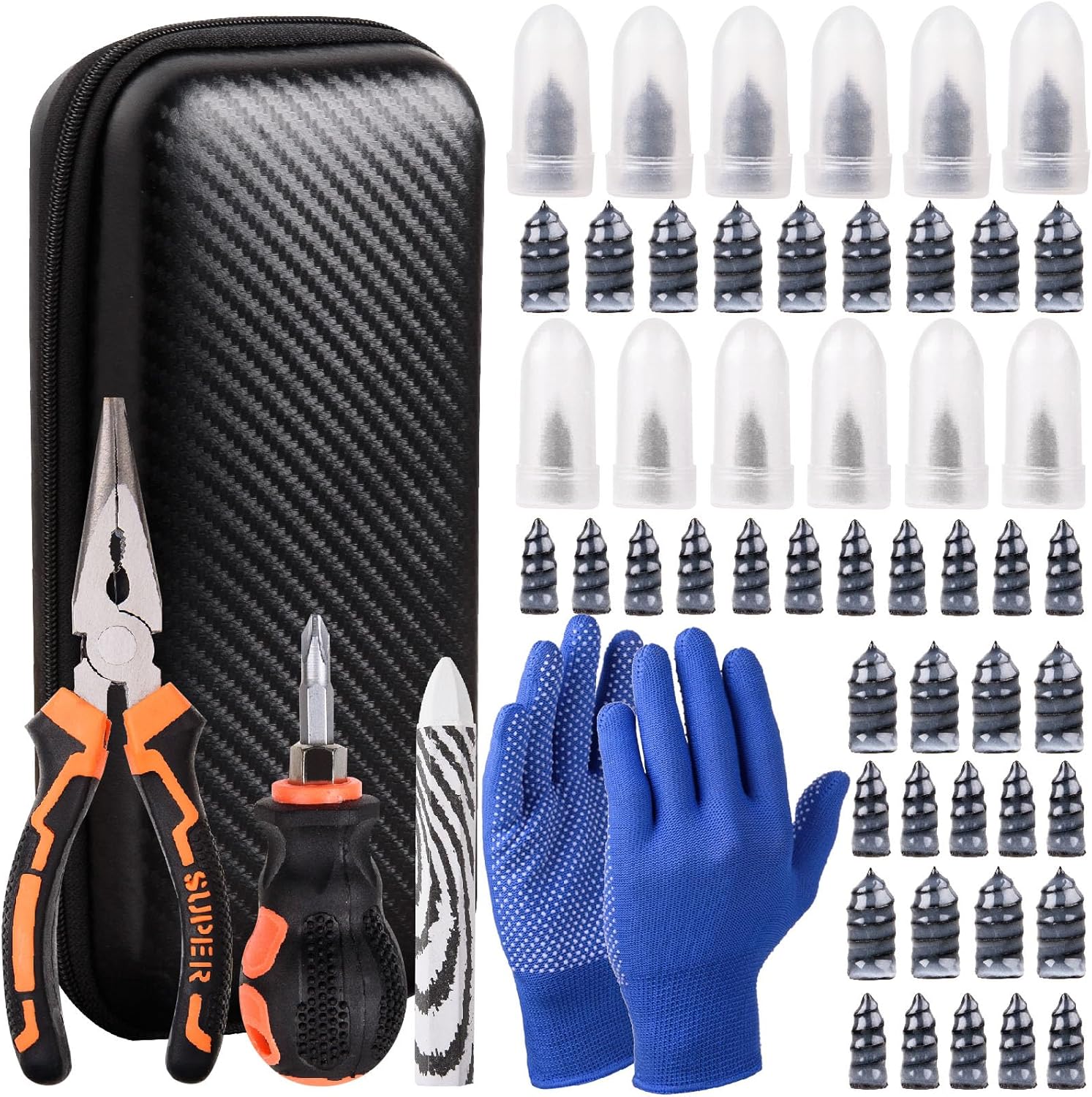
This tire sidewall puncture repair kit fixes flats fast without removing the tire, helping you get back on the road in minutes. It includes self-tapping repair nails, essential tools, gloves, and a portable storage bag for convenient roadside use. Designed for tubeless tires, it helps create a tight, leak-resistant seal for cars, motorcycles, trucks, SUVs, and ATVs.
For Non-Structural Rubber Bonding
The small bottle and medium-viscosity liquid should make controlled application easier than pouring from a large can. It may be useful for compatible rubber items where failure would not affect vehicle control, but the label should identify the material and approved use.
For a Passenger-Car Tread Puncture
Glue alone is not a proper repair. For an eligible puncture in the central tread area, industry guidance calls for removing the tire, inspecting the inside, filling the injury with a rubber stem, and sealing the inner liner with a patch or combination unit.
For Sidewall or Shoulder Damage
This is the product’s biggest limitation. Even a neat-looking exterior bond cannot show whether cords or plies are damaged. Do not inflate and drive on a sidewall repair made with adhesive.
For Bicycle Tubes
A bicycle tube may be repairable with a complete, compatible vulcanizing patch system. Do not assume this bottle replaces the patch or the vulcanizing fluid specified by your tube repair kit, and do not use it on a damaged tire casing unless the tire manufacturer allows that repair.
How to Use It Correctly
- Identify the damaged part. Separate a repairable rubber item or inner tube from a road-tire casing, sidewall, shoulder, bead, or structural component.
- Read the current label. Confirm material compatibility, ventilation, application thickness, cure time, and storage instructions.
- Prepare the surface. Use the cleaning and roughening method required by the repair system. The surface normally needs to be clean and dry, but do not add solvents unless the label permits them.
- Use the complete repair system. Apply the glue only with the patch or component specified for that repair. Adhesive alone does not fill every injury or restore structural reinforcement.
- Allow the stated cure. Do not load, stretch, inflate, or test the repair before the instructions allow it.
For any road tire, stop using the tire and have it inspected if you see a bulge, exposed cord, deep cut, bead damage, rapid pressure loss, or damage near the shoulder.
Pros and Cons
Pros
- Compact 50ml bottle is easy to store
- Rubber-based liquid formula is intended for controlled application
- Advertised 30-second cure is faster than many general-purpose adhesives
- Black color may look less noticeable on dark rubber
- Listing identifies waterproof and temperature-resistant properties
Cons
- Not suitable for structural sidewall or shoulder repairs on road tires
- Glue alone is not an industry-approved permanent tire repair
- No verified three-year warranty or product-specific safety data sheet was found during review
Is It Worth the Price?
Vigorder Rubber Cement Glue fits the budget-accessory category because it is a small, single-purpose bottle rather than a complete repair kit. It may offer reasonable value when you already know the compatible material, have the required patch or repair parts, and need a compact amount of adhesive.
It is not a good value as a substitute for professional tire service. If the real problem is sidewall, shoulder, bead, or structural damage, spending money on glue can delay the tire replacement or inspection that you actually need.
How It Compares to Alternatives
For an eligible road-tire tread puncture, a professional combination patch-and-plug repair is the safer alternative because it includes internal inspection and seals both the injury channel and inner liner. For sidewall or shoulder damage, tire replacement is the appropriate comparison, not another adhesive.
For bicycle inner tubes, a complete vulcanizing patch kit is easier to evaluate because the patch and cement are designed to work together. Vigorder makes the most sense only when its current label clearly supports the material and repair method you plan to use.
Frequently Asked Questions
Can Vigorder Rubber Cement Glue repair a passenger-car tire sidewall?
No. Sidewall and shoulder damage on a road tire is not considered safely repairable by industry guidance. Have the tire inspected and replace it when the technician or tire manufacturer requires it.
Does a 30-second cure mean the tire is ready to drive on?
No. The 30-second figure is an advertised adhesive cure time. It does not replace internal tire inspection or prove that a structural tire injury is safe.
Can you apply it to a wet rubber surface?
A wet or dirty surface can weaken many adhesive bonds. Follow the label’s preparation directions and use the product only when the material and conditions meet those instructions.
Does it work on bicycle inner tubes?
It may work only when the tube material, patch, and adhesive are compatible. A complete tube patch kit is usually clearer because its parts are designed and instructed as one system.
Is the adhesive black after curing?
The verified listing identifies the product color as black. The final appearance can still depend on application thickness, the repair material, and surface preparation.
Is Vigorder Rubber Cement Glue waterproof?
The listing advertises waterproof performance. That claim does not make the product suitable for every submerged, pressurized, or safety-critical repair.
What does the warranty cover?
A product-specific three-year warranty could not be verified. Check the current Amazon seller terms, return window, and any written manufacturer warranty before purchase.
How should you store the bottle?
Keep it tightly sealed and follow the temperature, ventilation, and hazard directions on the current label. Store it away from children and from any heat or ignition source prohibited by the label.
The Bottom Line
Vigorder Rubber Cement Glue is worth considering only for compatible, non-structural rubber bonding where the product instructions clearly approve the use. Skip it for passenger-car, truck, or motorcycle sidewall and shoulder repairs, because its compact size and fast cure cannot restore a tire’s internal structure.
Ready to Buy?
Check the current label, seller terms, and product details before you decide.

Related Articles
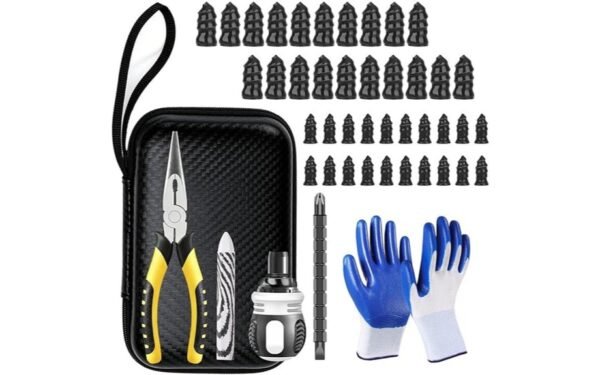
Tire Screw Plug Repair Kit Review
Compact tire screw plug repair kit review reveals fast roadside fixes, but which punctures are truly safe enough to trust?
Read More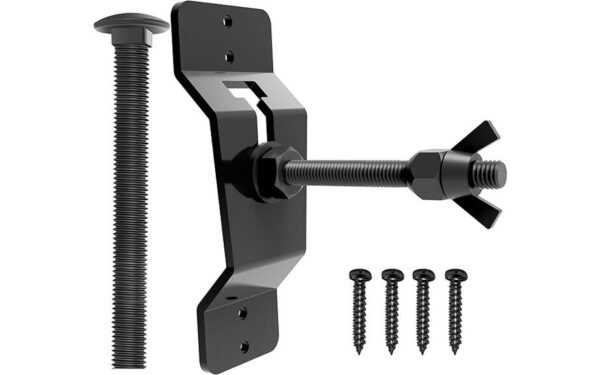
Wall Mount Spare Tire Carrier Mount Review
I review the wall mount spare tire carrier’s fit, strength, and stability—see what could make or break your trailer setup.
Read More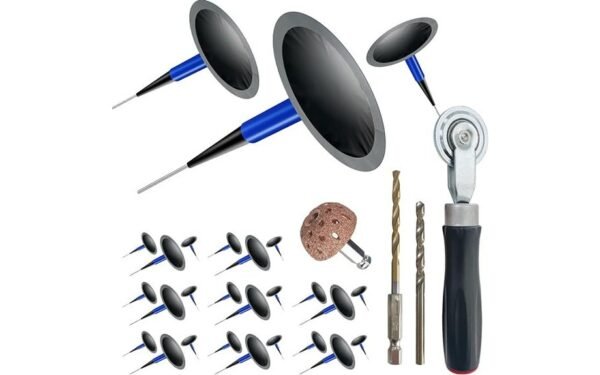
Socpuro Tire Repair Patch Tool Kit Review
Great for quick DIY puncture fixes, the Socpuro Tire Repair Patch Tool Kit has limits and surprises you’ll want to know before buying.
Read More