Radial and Bias-Ply Tires: 2026 Safe Towing Guide
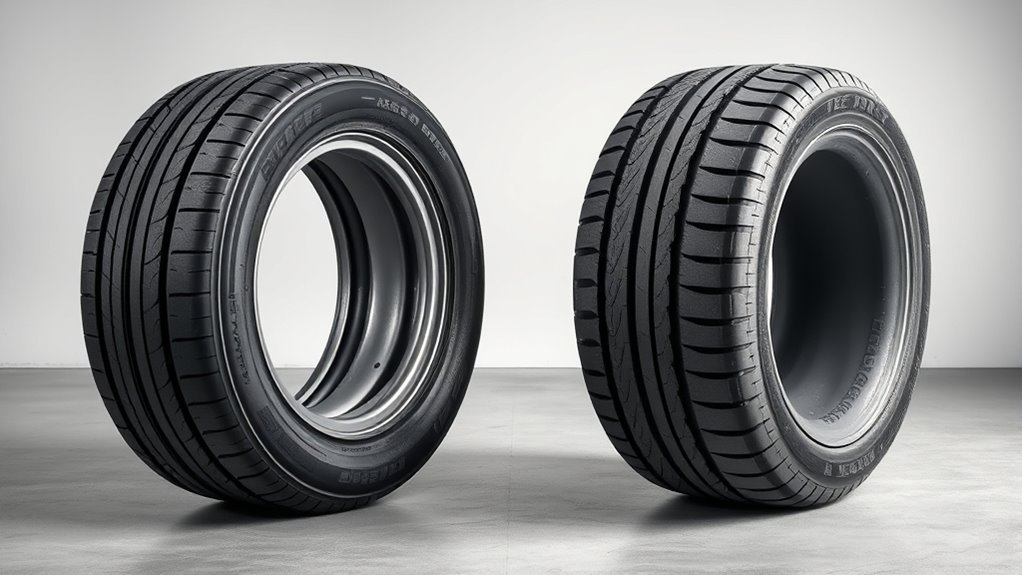
Choosing the wrong trailer or equipment tire can cost you fuel, tread life, and stability. Radial and bias-ply tires use different internal builds, so each type handles heat, load, rough ground, and highway speed in a different way. This guide explains the tradeoffs so you can match the tire to your load, terrain, speed, and maintenance needs.
Quick Answer
Choose radial tires for highway driving, fuel economy, smoother handling, cooler running, and longer tread life. Choose bias-ply tires for low-speed heavy loads, rough terrain, tougher sidewalls, and better resistance to cuts and punctures. Always match tire load rating, speed rating, and inflation pressure to your vehicle or trailer.
Key Takeaways
- Pick radial tires when you need better highway comfort, wet grip, heat control, and tread life.
- Pick bias-ply tires when heavy static loads, rugged sidewalls, and rough surfaces matter more.
- Use load rating, speed rating, axle weight, and inflation pressure before you compare price.
- Do not mix radial and bias-ply tires on the same axle because handling can become unstable.
- Inspect tires often because cuts, bulges, heat damage, and low pressure shorten tire life.
What’s in This Article
- Quick Decision Guide: Radial or Bias-Ply?
- Radial vs Bias-Ply Tire Construction
- How Construction Affects Load Capacity and Trailer Stability
- On-Road Performance: Ride, Handling and Fuel Efficiency
- Off-Road Durability and Puncture Resistance
- Heat Management, Tread Wear and Expected Service Life
- When to Choose Bias-Ply (Use Cases and Examples)
- When to Choose Radial (Use Cases and Examples)
- Buying and Maintenance Checklist for Maximum Tire Life
- Frequently Asked Questions
Quick Decision Guide: Radial or Bias-Ply?
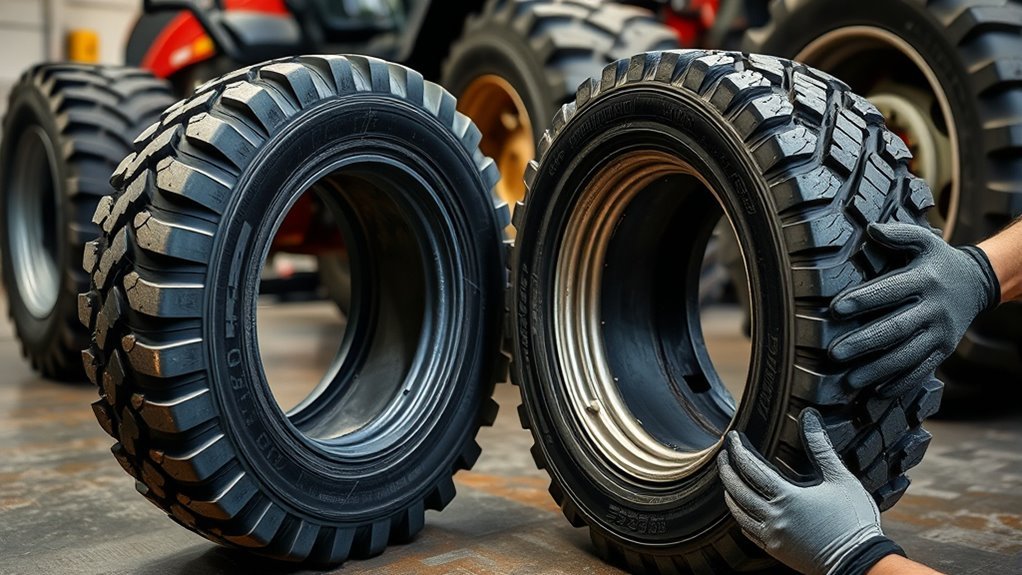
Choose radial tires when you drive at highway speeds, tow long distances, or want better ride comfort. Their flexible sidewalls, steel belts, and larger contact patch help lower rolling resistance, improve handling, and promote even tread wear.
Choose bias-ply tires when you carry heavy static loads, travel short distances, or work on rough ground. Their diagonal plies create stiff sidewalls that help resist cuts, punctures, and trailer sway under load.
Compare your choice against four practical metrics: expected lifespan, rolling resistance, wet traction, and load rating. The best tire is the one that matches your vehicle, terrain, speed, and payload.
[Products Worth Considering]

This digital tire pressure gauge combines a sturdy pistol grip inflator with a backlit 0.1 PSI display for quick, accurate readings in any lighting condition. Its 360° swivel gauge and 20" rubber hose make it easy to use and store, while the integrated inflate/deflate trigger and ¼" NPT air inlet provide fast, reliable tire maintenance.

The Milton 555e digital tire inflator delivers fast, accurate pressure readings with a backlit display and multiple unit options, making tire inflation quick and easy. Its durable 20" EPDM rubber hose and grip‑head chuck provide reliable connection, while the ±1 PSI accuracy ensures precise inflation for cars, bikes, and trucks.

The KUXISA 180PSI portable air compressor delivers three times faster inflation with a high‑efficiency battery and dual LCD screens that show real‑time and preset pressure. It offers four automatic modes for cars, motorcycles, bicycles and balls, plus a manual setting up to 180 PSI, and automatically shuts off to prevent over‑inflation. Its compact cordless design includes a storage pouch, LED light and emergency power bank capability, making it ideal for roadside emergencies and everyday inflating tasks.
Radial vs Bias-Ply Tire Construction
Radial and bias-ply tires differ most in ply angle and carcass design. Radial tires use cords that run about 90 degrees to the direction of travel, while bias-ply tires use diagonal layers that usually cross at about 30 to 45 degrees.
That build changes how each tire flexes under load. Radials separate sidewall flex from tread stability, while bias-ply tires form a thicker and stiffer unit.
Ply Angle and Layers
Radial plies run across the tire from bead to bead. This layout lets the tread stay flatter on the road while the sidewall flexes.
Bias-ply tires stack angled layers across the carcass. This design creates strength and stiffness, but it can increase heat and vibration at higher speeds.
| Attribute | Radial Tires | Bias-Ply Tires |
|---|---|---|
| Ply angle | About 90° | About 30–45° |
| Carcass flex | More flexible | Stiffer |
| Ride comfort | Higher | Lower |
| Static load support | Depends on rating | Often strong for rugged use |
| Rolling resistance | Lower | Higher |
Sidewall and Tread
Radial tires let the sidewall and tread work more independently. This design creates a larger, more even contact patch, which helps traction, fuel economy, and ride comfort.
Bias-ply tires trade comfort for stiffness. Their layered build helps the sidewall resist damage from rocks, debris, curbs, and rough jobsite surfaces.
- Radial tires: flexible sidewalls, steady footprint, lower heat buildup, and smoother handling.
- Bias-ply tires: stiff sidewalls, thick carcass layers, strong load support, and better cut resistance.
- Radial tread design: focuses on grip, highway stability, and rolling efficiency.
- Bias-ply tread design: focuses on durability, stability, and damage resistance.
How Construction Affects Load Capacity and Trailer Stability
Tire construction affects how a tire supports weight, flexes, and reacts to side loads. Bias-ply tires often feel more stable under heavy static loads because their angled plies create a rigid carcass.
Radial tires can also carry heavy loads when you choose the correct load range. They need proper inflation because sidewall flex can increase when you overload or underinflate them.
[Products Worth Considering]

The Milton 507KIT delivers fast, accurate tire inflation, deflation and pressure measurement with a backlit LCD gauge and 14" rubber hose. Its 3‑in‑1 design meets ANSI/ASME standards and provides readings from 0‑250 PSI with 0.1 PSI resolution. The ergonomic pistol‑grip body and brass lock‑on chuck make one‑handed operation effortless, while the auto‑off feature conserves battery life.

The AZUNO Digital Tire Inflator provides fast, accurate inflation with a 200 PSI capacity and a digital gauge that reads within 1% of true pressure. Its stainless‑steel braided hose resists cracking and bending, while the smart LCD displays clear units and auto‑shuts after inactivity. The built‑in air bleeder valve lets you switch between inflation and deflation with a single trigger, making tire maintenance quick and convenient.

Set of 2 New ST205/75D15 Bias Tires, (tires only), Brand name: Free Country
Load Capacity Differences
Do not judge capacity by tire type alone. Check the tire’s load index, load range, maximum pressure, and speed rating before you buy.
Bias-ply tires often suit heavy, low-speed work because their stiff sidewalls control deflection well. Radials work better when highway speed, heat control, and even tread wear matter more.
- Bias-ply tires: support rugged work, stiff sidewalls, and short-haul load stability.
- Radial tires: support highway use, cooler running, and smoother ride quality.
- Stability: the right tire rating and pressure matter more than tire type alone.
- Load matching: compare tire capacity with gross axle weight rating before towing.
Warning: Never exceed the tire’s load rating or maximum pressure because overload can cause heat buildup and failure.
Trailer Sway Control
Choose tire construction based on your trailer’s load profile and trip length. Bias-ply tires can reduce sidewall movement on heavy, low-speed trailers, especially on rough ground.
For long-distance highway towing, radials usually offer better heat control and road contact. Their flexible sidewalls can help maintain a steady footprint when you use the correct pressure.
Improve sway control with the right hitch setup, balanced cargo, safe speed, and proper tongue weight. Tire choice helps, but it cannot fix poor load distribution.
On-Road Performance: Ride, Handling and Fuel Efficiency
Radial tires usually perform better on paved roads. Their flexible sidewalls reduce vibration, and their flatter tread contact helps steering feel more predictable.
They also run cooler at sustained speeds because the tread and sidewall flex less as one solid unit. That heat control helps extend tread life and lower failure risk during highway use.
- Rolling resistance: radials usually need less energy to roll, which can improve fuel economy.
- Contact patch: radials keep a wider and steadier footprint on pavement.
- Tread wear: radials tend to wear more evenly when you maintain alignment and pressure.
- Handling: radials give more predictable cornering and braking on dry or wet roads.
Choose radials when you tow on highways, drive long distances, or want fewer tire changes over time. Choose bias-ply only when your load, terrain, or equipment design calls for a stiffer tire.
[Products Worth Considering]

Set of 4 New Premium Radial Trailer Tires 225/75R15 10PR, Brand: FREE COUNTRY

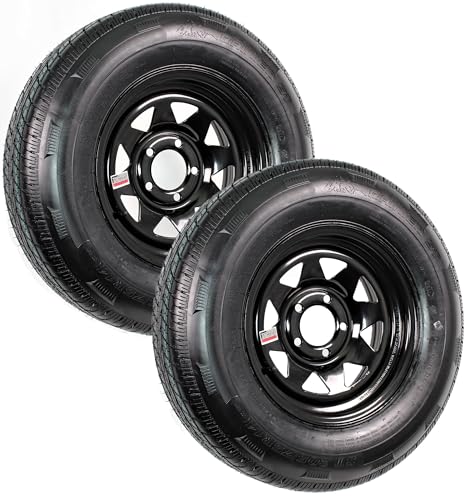
COMPLETE TIRE SPECS: Radial trailer tire rated for 2040 lbs. max load and 65 PSI with a 26.1" overall diameter and Load Range D. Designed for reliable Radial trailer tire performance, supporting stable towing and consistent tire operation.
Off-Road Durability and Puncture Resistance
Radials give clear road benefits, but rough terrain changes the decision. Bias-ply tires often perform better where rocks, stumps, ruts, and debris threaten the sidewall.
Their layered carcass helps resist cuts and can limit damage around the entry point. This can make field repair easier and reduce downtime on farms, jobsites, and remote work areas.
You can often lower pressure on bias-ply tires for low-speed off-road traction, but only within safe limits. Lower pressure can expand the contact patch, yet it also raises heat and sidewall stress if you drive too fast.
Pro tip: Check pressure before the tire warms up, then adjust it for the load, speed, and terrain.
Heat Management, Tread Wear and Expected Service Life
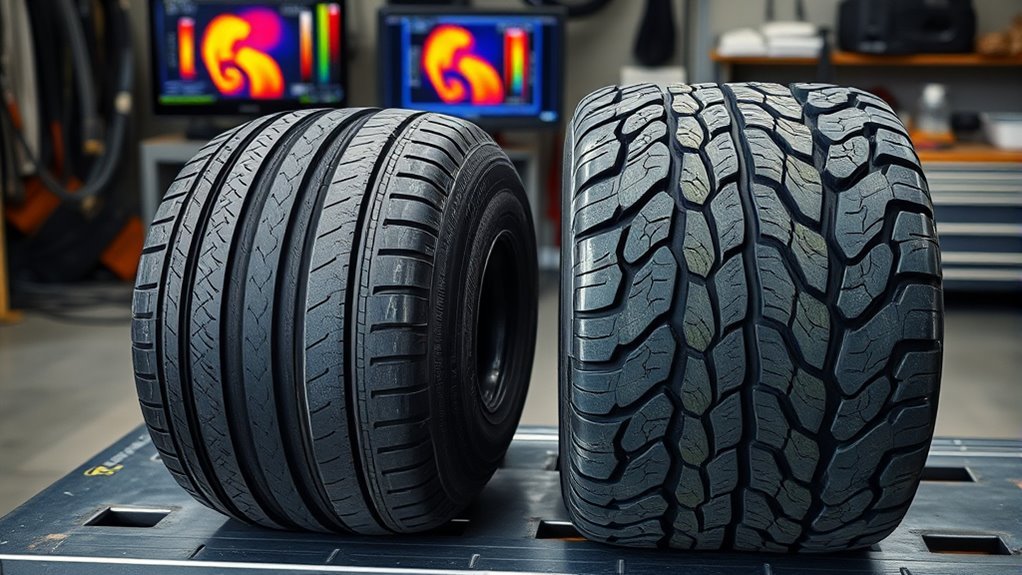
Radial construction helps control heat because the tread and sidewall flex more independently. The tread stays flatter, which spreads wear across more of the contact patch.
Bias-ply tires can build more heat during long highway runs because their carcass flexes as a single unit. Heat speeds up rubber wear and can raise failure risk when you overload or underinflate the tire.
Radial tires usually run cooler and wear more evenly than bias-ply tires when both operate within their rated limits.
- Heat control: radial cord layout, lower carcass flex, and a flatter footprint help manage temperature.
- Tread wear: radials usually show more even abrasion on paved roads.
- Service life: radials often last longer in highway use with correct pressure and alignment.
- Maintenance: regular pressure checks and inspections help both tire types last longer.
Choose radials if you value long service life and cooler running at speed. Choose bias-ply tires if sidewall strength and short-haul durability matter more.
When to Choose Bias-Ply (Use Cases and Examples)
Choose bias-ply tires when your work demands stiff sidewalls, rugged carcass strength, and strong resistance to rough surfaces. They fit low-speed, heavy-duty settings better than long highway trips.
Common use cases include farm equipment, construction vehicles, utility trailers, and industrial machines. These applications often need load control and damage resistance more than ride comfort.
| Use Case | Main Advantage | Typical Vehicle |
|---|---|---|
| Farm fields | High load support and puncture resistance | Tractors, spreaders, balers |
| Construction sites | Sidewall stiffness and impact resistance | Dump trucks, loaders, site trailers |
| Short-haul trailers | Durable build and lower purchase cost | Utility trailers, equipment haulers |
Choose bias-ply tires when off-road durability, payload support, and budget matter more than highway tread life. They work best when you keep speeds modest and inspect damage often.
When to Choose Radial (Use Cases and Examples)
Choose radial tires when you need stable highway handling, better heat control, and more even wear. Their steel-belted tread and flexible sidewalls help reduce rolling resistance and improve ride quality.
For sustained highway speed, fuel-efficient towing, and even tread wear, radial tires usually make the better choice.
- Long-haul highway use: radials help reduce heat buildup on RVs and trailers.
- High-speed driving: radials improve lateral stability and wet-road control.
- Passenger vehicles and light trucks: radials balance comfort, tread life, and predictable handling.
- Fleet use: radials can reduce lifecycle cost when routes stay mostly on pavement.
Choose radials to improve road comfort and reduce long-term wear costs. They suit drivers and fleet operators who spend most of their time on paved roads.
Can You Mix Radial and Bias-Ply Tires?
Do not mix radial and bias-ply tires on the same axle. Each type flexes and grips differently, so mixed tires can cause uneven handling, poor braking, and irregular tread wear.
If you must run different tire types on a vehicle or trailer, follow the vehicle maker’s guidance. When in doubt, use the same tire type, size, load rating, and tread pattern across the axle.
Note: Tire size, load range, speed rating, and inflation pressure must match the job, even when tire construction matches.
Buying and Maintenance Checklist for Maximum Tire Life
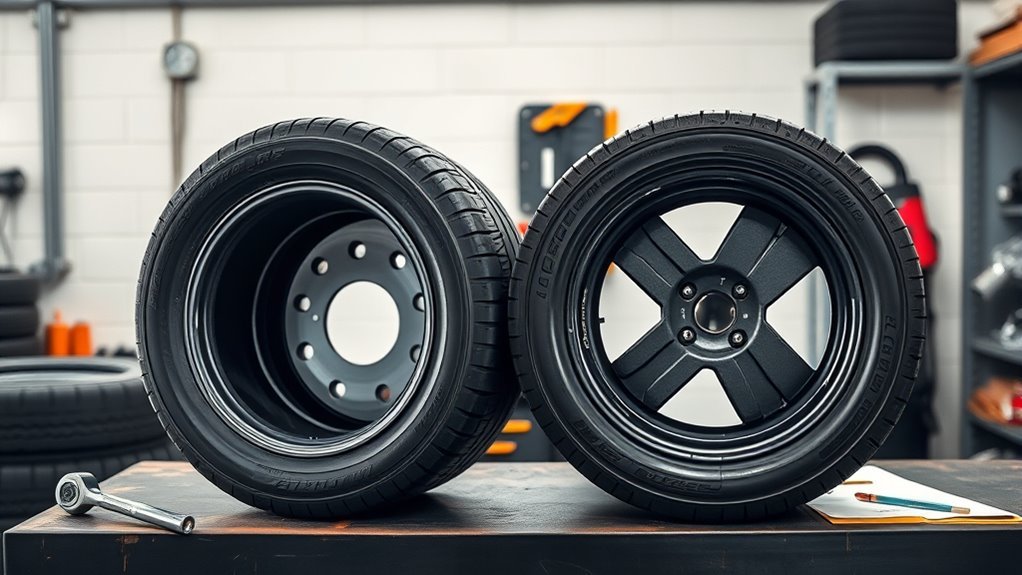
Start with the basics before you compare brands or prices. Match tire size, load rating, speed rating, and inflation pressure to your vehicle, trailer, or equipment manual.
- Check tire pressure at least monthly and before long trips.
- Measure tread depth and replace tires that meet the legal or maker’s wear limit.
- Inspect sidewalls for cuts, bulges, cracks, and embedded objects.
- Rotate tires every 5,000 to 7,500 miles when the vehicle maker recommends it.
- Keep loads within the tire rating and the gross axle weight rating.
- Store spare or seasonal tires in a cool, dry place away from sunlight.
- Record pressure checks, rotations, repairs, and replacements for warranty support.
Act fast if you feel vibration, pulling, fast pressure loss, or unusual tread wear. A qualified tire technician can check alignment, balance, damage, and load match before the problem grows.
Frequently Asked Questions
Can I mix radial and bias-ply tires on the same axle?
No. You should not mix radial and bias-ply tires on the same axle because each type flexes and grips differently. Mixing them can reduce stability, change braking feel, and cause uneven wear.
Are radial tires always better than bias-ply tires?
No. Radial tires usually work better for highway speed, comfort, heat control, and tread life. Bias-ply tires can work better for low-speed heavy loads, rough terrain, and sidewall abuse.
Which tire type is better for trailers?
Radial trailer tires usually suit long highway trips because they run cooler and wear more evenly. Bias-ply trailer tires can suit short hauls, rough ground, and heavy static loads.
Do bias-ply tires resist punctures better?
Bias-ply tires often resist cuts and sidewall damage better because they use a thick, layered carcass. Radials can still perform well off-road when they have reinforced sidewalls and the correct load rating.
How do tire choices affect resale value of equipment?
Well-matched tires with even tread wear can improve buyer confidence because they show careful maintenance. Mismatched, cracked, or worn tires can lower offers because buyers may expect repair costs.
Are there environmental impacts of tire disposal differences?
Yes. Tire disposal can affect landfill use, emissions, and local waste systems. Recycle or dispose of old tires through approved programs instead of dumping them.
Can tire type influence GPS or precision farming accuracy?
Yes. Tire type can affect traction, soil compaction, and equipment tilt, which may affect repeatability in precision farming. Keep tire pressure, ballast, and load distribution consistent to support better pass-to-pass accuracy.
Do tire choices affect insurance or warranty coverage?
They can. Warranty or insurance coverage may exclude damage from overloading, misuse, underinflation, or unapproved tire fitment. Check your policy, equipment manual, and tire warranty before changing tire type.
Conclusion
Choose the tire type that fits your real use, not the one that sounds tougher or newer. Pick bias-ply tires for heavy, low-speed work and rough terrain, and pick radials for highway towing, comfort, cooler running, and longer tread life.
Before you buy, confirm the load rating, speed rating, tire size, and inflation pressure for your vehicle or trailer. Keep tires inspected, inflated, and within their rated limits so every trip stays safer and more predictable.
References
- Tires — National Highway Traffic Safety Administration
- Tire Safety — National Highway Traffic Safety Administration
- Tire Care and Safety — U.S. Tire Manufacturers Association

Related Articles

What Is a Fat Tire? Complete Guide & Best Options
I’ll show you what makes fat tires different, which setups work best, and why the right choice could change your ride.
Read More
What Does W Mean on a Tire? Load, Speed & Rating Guide
Huh, what does W on a tire really mean, and why could choosing the wrong rating affect your safety and performance?
Read More
What Does Tire Flipping Work? Muscles, Benefits & Workout Guide
Strong tire flips hammer your entire body, but which muscles and benefits matter most?
Read More