
Winter Tires vs Tire Chains: Traction Solutions Compared
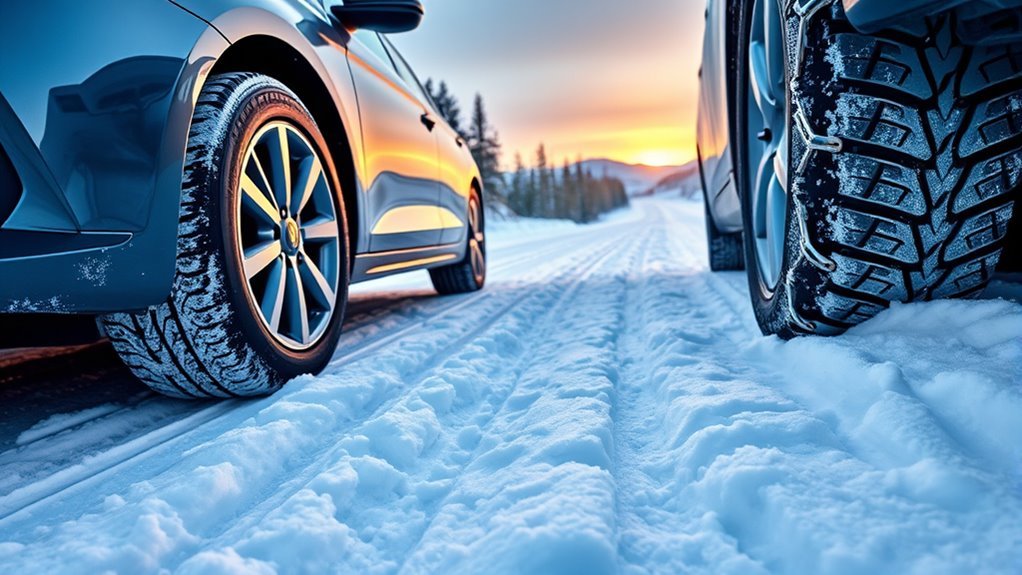
You should prioritize winter tires for routine cold-weather driving because their soft compounds and sipes maintain grip, shorten stopping distances, and offer predictable high-speed control; chains give superior mechanical bite in deep snow or on glazed ice but force low speeds, increase vibration and drivetrain stress, and can damage pavement. Fit winter tires before temperatures fall, reserve chains for short, severe or legally mandated use, and inspect fit and condition carefully—keep going to see detailed comparisons and practical tips.
Winter Tires or Tire Chains : Which Should You Choose?
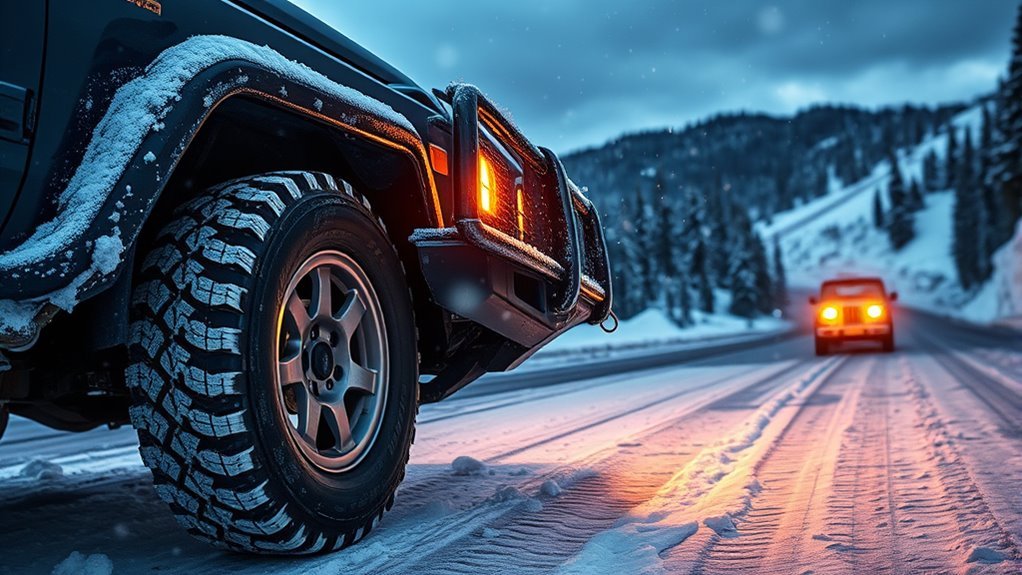
Which option suits you depends on expected conditions and acceptable risk: choose winter tires for consistent, all-season cold-weather traction and lower long-term risk, or fit chains when you face intermittent, severe snow and ice and need short-term, high-traction solutions. You evaluate trade-offs: winter tires deliver superior tire performance across temperatures below 45°F, reduce installation burden, and maintain comfort and control for routine winter travel, supporting winter safety with predictable handling. Chains give immediate, high-traction gains in deep snow or glazed ice, cost far less upfront, and let you liberate yourself from permanent equipment commitments — but they impose speed limits (~30 mph), installation complexity, surface damage risk, and legal restrictions in some jurisdictions. If you travel regularly in sustained cold or live where regulations mandate them, winter tires lower cumulative risk. If your exposure is rare and conditions spike, chains provide a targeted, economical contingency. Choose based on frequency, legal context, and acceptable operational constraints.
How Winter Tires Work: Rubber, Tread, and Cold Grip
You’ll rely on the rubber compound’s low-temperature flexibility to keep the contact patch compliant below about 45°F, which directly reduces slip risk on cold pavement. The tread architecture—deeper grooves plus thousands of sipes—actively evacuates water and snow to maintain bite and limit hydroplaning. Inspecting and fitting tires seasonally preserves these compound and tread properties, sustaining control during acceleration, braking, and cornering.
Rubber Compound Properties
Because rubber stiffens as temperatures fall, winter tires use a specialized, softer compound that stays flexible below about 45°F so you maintain traction when pavement is cold. You’ll rely on engineered polymer blends and plasticizers that preserve tire flexibility and cold performance, reducing brittle behavior that compromises grip. This compound trade-off increases molecular mobility at low temperatures, so the contact patch conforms to microtexture and improves friction for acceleration, braking, and lateral control. The risk calculus is clear: using inappropriate compounds raises stopping distances and loss-of-control potential. You should prioritize tires specified for sub-45°F operation to minimize winter driving hazards and assert your freedom to travel safely; compounds tuned for cold deliver measurable reductions in icy stopping distance versus all-season rubber.
Tread And Sipe Design
Although winter tires rely on softer rubber to stay pliable in cold conditions, their tread and dense sipe patterns are the mechanical frontline for traction, channeling slush and water while biting into snow and ice to reduce slip risk. You’ll rely on engineered tread patterns with deeper grooves and sharp-edged blocks to evacuate water and compact snow for predictable contact patches. Thousands of sipes increase edge count, improving sipe effectiveness by deforming to bite micro-ice and then springing back to shed debris. That combination shortens stopping distances—studies show up to 30% on ice—and minimizes hydroplaning risk. If you want freedom of movement in winter, choose tires whose tread and sipe design prioritize measurable grip and controlled failure modes.
How Tire Chains Work and When They Excel
When roads are glazed with ice or packed deep with snow, tire chains wrap metal links around your tires to mechanically bite into the surface and convert slip into forward traction. You’ll rely on their direct mechanical engagement when rubber alone can’t free you. Chain installation demands familiarity: correct sizing, tensioning, and spare tools reduce failure risk. You’ll respect speed limits (about 30 mph / 50 km/h) to prevent chain/pod failure and vehicle damage. Use chains when severe conditions, mountain passes, or legal mandates leave no other option.
- Metal cross-links cutting into packed snow
- Side chains stabilizing lateral slip
- Tensioners keeping links seated under load
- Quick-release challenges during roadside installs
- Road-surface restrictions and regulatory signage
Know the traction benefits and operational limits. You’ll weigh added noise, wear, and installation time against escape from immobilization. Use chains judiciously, follow regulations, and remove them when pavement conditions risk road damage.
Performance Comparison: Snow, Ice, Slush, Packed Roads
If you need predictable control across mixed winter surfaces, choose winter tires for most driving and reserve chains for extreme cases: winter tires’ softer compounds and engineered treads give you superior braking, lateral grip, and hydroplaning resistance on slush and packed snow, while chains provide markedly greater bite on deep snow and glazed ice but only at low speeds and with higher risk of vibration, drivetrain stress, and pavement damage. You’ll get ideal snow traction with winter tires across slush and packed roads; their siping and void patterns expel water and reduce hydroplaning, improving stopping distances and handling by up to 30% versus chains in typical scenarios. In icy conditions, chains can outperform tires by physically cutting into glaze, but they force low-speed operation and increase mechanical risk. Chains also produce a rougher ride and can damage road surfaces and components. For a liberated driver who values mobility and control, prioritize winter tires for daily use and carry chains only for genuine severe-ice or deep-snow emergencies.
Installation: Swapping Winter Tires vs. Fitting Chains
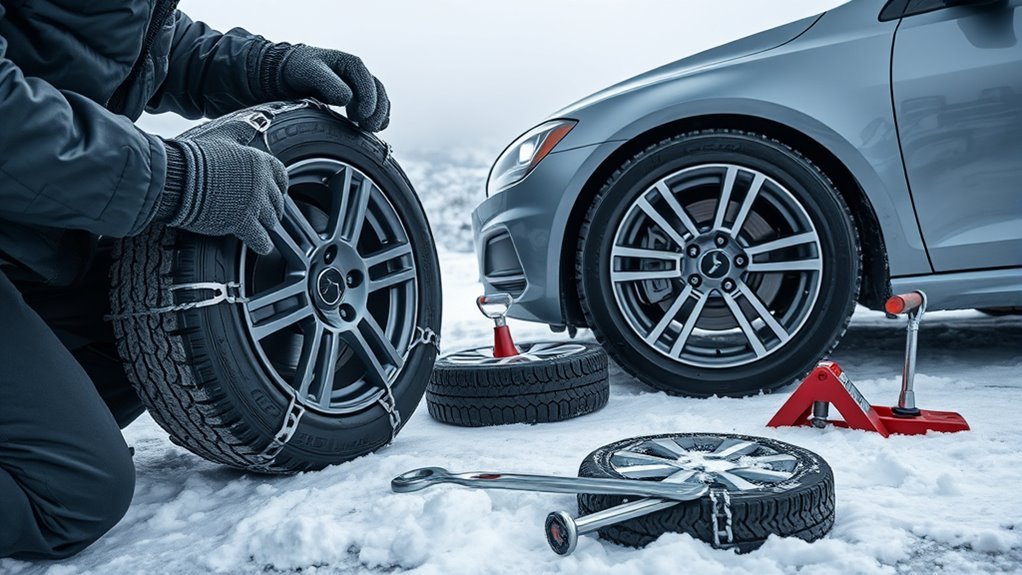
Plan the swap: installing winter tires means removing your seasonal tires and mounting a separate set on wheels (or having a shop do it), a process that’s more time-consuming and usually takes 30–60 minutes for all four wheels but yields consistent, temperature-optimized traction; you’ll trade quick deployability for predictable performance. You’ll follow tire maintenance routines and professional installation tips to minimize risk.
- Lifting the vehicle: jack points, torque sequence, wheel alignment checks.
- Mounting tires: balance, valve inspection, proper bead seating.
- Chains on the fly: wrap, tension, road-test for clearance and binding.
- Timing: install winter tires before temps drop below 45°F; chains as-needed in storms.
- Safety checks: tire pressure, tread depth, chain fit, wheel-lug torque.
You’ll value liberation through preparedness: a full swap reduces on-road failure risk, chains give flexible emergency traction. Choose by your tolerance for prep time, mechanical skill, and exposure to sudden severe conditions; follow strict installation tips to protect yourself and your vehicle.
Cost, Lifespan, and Maintenance: Chains vs. Winter Tires
Although winter tires demand a higher upfront investment—typically $600–$1,000 for a full set—they deliver predictable, season-long traction and a 4–5 season service life when you manage rotation, pressure, and storage, whereas chains cost $50–$150 a pair, wear quickly under prolonged use, and are strictly a short-term, situational solution that increases risk of vehicle damage and loss of control if driven improperly or left on dry pavement. As you evaluate cost comparison, factor lifecycle cost: tires amortize over seasons, reducing per-season expense and freeing you from ad‑hoc purchases. Chains lower immediate expenditure but force frequent replacement and heighten failure probability under repeated use. For maintenance tips, inspect winter tires for tread depth, uneven wear, and correct inflation; store them clean, cool, and dry to preserve rubber compounds. For chains, clean, dry, and examine links and tensioners after each use; replace damaged components before storage. Choose the option that aligns with your autonomy goals: predictable, durable traction versus economical, conditional utility.
Safety Trade‑Offs: Speed, Handling, and Vehicle Wear
When you need predictable high‑speed control on icy or snowy roads, winter tires outperform chains by delivering consistent grip above about 30 mph while preserving ride quality and minimizing stress on suspension and alignment; chains, by contrast, force low‑speed operation, produce a bumpier ride that can degrade handling, and—if installed or used improperly—accelerate wear to vehicle components and road surfaces. You’ll weigh safety considerations and performance limits: winter tires keep rubber pliable in cold, reduce component wear, and let you maintain higher speeds safely; chains grant superior bite in extreme conditions but impose speed caps, harsh impacts, and potential damage.
- Steady cornering at highway speeds with compliant winter compounds
- Jarring impacts from chains over asphalt gaps
- Accelerated alignment drift from repeated chain-induced shocks
- Road surface scarring where chains dig in during turns
- Maintenance checkpoints: fit, tension, seasonal swap
Choose liberation through predictable, sustained performance and reduced mechanical risk; respect chain limits when conditions demand maximum traction.
Legal Rules: Where Chains or Studded Tires Are Required or Banned
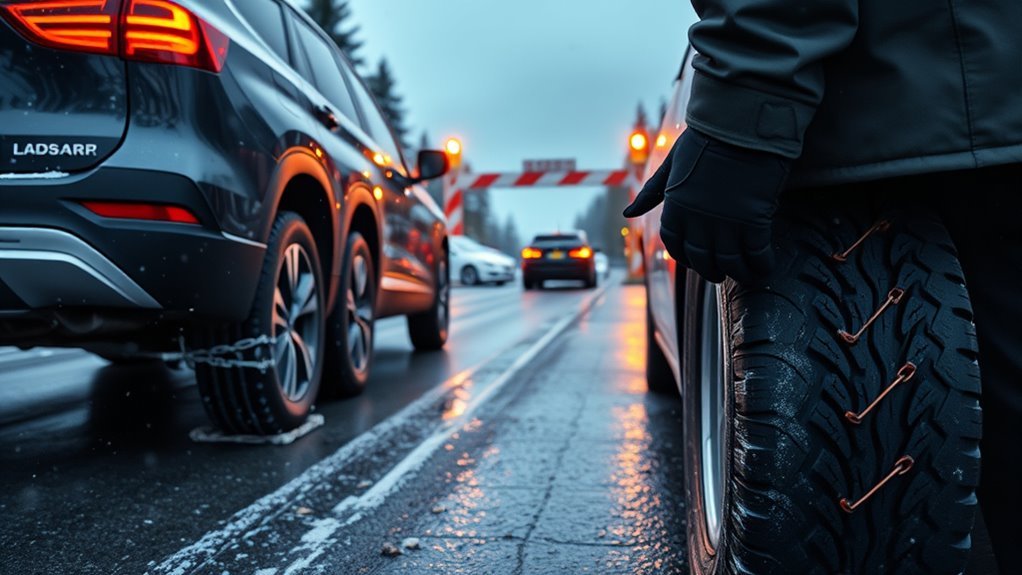
You must know local chain mandates because mountain routes and chain‑control zones can legally require chains under specific weather conditions. You’ll also face studded‑tire restrictions or seasonal bans in many jurisdictions to limit pavement damage and fines. Check signage and local statutes before travel to guarantee compliance and avoid operational or legal risk.
Regional Chain Mandates
Because local laws target both safety and infrastructure preservation, you need to know regional mandates for chains and studded tires before driving in winter conditions. You’ll face regional variations and compliance challenges that affect route planning and equipment choices. Know where chains are compulsory, where studded tires are time-limited, and where both may be restricted to protect pavements.
- Mountain pass checkpoint requiring chains during storms
- Coastal state allowing studded tires seasonally
- French alpine zone mandating winter tires or chains
- State road closed to chains to prevent surface damage
- County patrol enforcing chain controls at summit
Assess legal risk, carry appropriate gear, and choose routes that maximize freedom while minimizing liability and infrastructure harm.
Studded Tire Restrictions
Although regional rules vary widely, drivers must verify local statutes on studded tires and chains before planning winter travel because legal limits affect both liability and road preservation. You’ll confront varied studded tire legality: some U.S. states (California, Washington) limit months of use to prevent pavement damage; others (Minnesota, New Jersey) ban them seasonally. In Canada, provinces like Quebec and British Columbia mandate winter tires December 1–March 15 and fine non-compliance, altering your equipment choices. Certain jurisdictions permit chains only in extreme conditions or impose chain-use procedures, as in parts of Colorado. European regions may allow studs under strict controls. Assess regional variations proactively, weigh legal risk versus traction benefit, and plan compliant equipment to avoid fines and preserve public infrastructure.
When to Use Tires, Chains, or Both: A Practical Decision Guide
When winter roads are predictable and temperatures stay below freezing for weeks, fit dedicated winter tires for continuous, reliable traction; reserve tire chains for short-term, severe events—heavy wet snow, compacted ice, or steep mountain passes—where chains’ superior bite and braking control outweigh their speed limits and pavement wear. You’ll choose based on risk, freedom to travel, and local rules: traction alternatives and seasonal considerations guide that choice. Use winter tires if you want persistent performance, lower noise, and consistent stopping distance without frequent changeovers. Deploy chains when conditions exceed tire limits or authorities mandate them. Combine both only for extreme slopes or multi-day storms when you must move without delay.
- Long, cold commutes with packed snow: winter tires
- Sudden blizzard on mountain roads: chains
- Short urban trips with light snow: snow socks
- Chain-required passes: chains despite cost
- Mixed conditions and legal constraints: hybrid plan
Make decisions that secure mobility while minimizing mechanical risk and legal exposure.
Buying Checklist: Sizing, Materials, and Fit‑For‑Your‑Car
Before you buy, confirm the exact tire size stamped on your sidewall and cross-check it with the vehicle and chain manufacturers’ fitment charts to avoid clearance or mounting failures. Prioritize materials that maintain flexibility at low temperatures for tires and high-tensile, corrosion-resistant alloys for chains, since material failure under load creates immediate safety and liability risks. If sizing or materials are uncertain, get a professional fitment check—improper fit or degraded materials greatly increase the chance of loss of control or drivetrain damage.
Correct Tire Size
Tire size is the critical spec you must confirm before buying winter tires or chains: read the alphanumeric code on your sidewall (e.g., 215/65R16) and match width, aspect ratio, and rim diameter to any product you consider. You’ll perform compatibility checks to prevent fitment failures, handling degradation, or legal infractions.
- 215 width gripping compacted snow
- 65 aspect ratio controlling sidewall flex
- R16 rim diameter ensuring bead-seat fit
- Chain fitment tailored to your tire profile
- Vehicle clearance limits for suspension and brakes
Check your owner’s manual and consult a pro for vehicle-specific fitments. Confirm local regulations for chains. Accurate tire size selection frees you from roadside risk and preserves traction, control, and legal compliance.
Material Durability
Anyone planning winter equipment must weigh material durability against intended use: winter tires use engineered rubber compounds that stay pliable below freezing and resist tread hardening, while chains rely on high‑strength metal alloys that tolerate abrasion and impact but will show wear quickly under regular road use. You’ll assess longevity versus mission: winter tire performance gives multi‑season predictable grip if you maintain correct pressure and alignment; tire chain maintenance demands inspection after each use for broken links and corrosion.
| Component | Durability/Risk |
|---|---|
| Winter Tires | 4–5 seasons; risk: compound aging, sidewall damage |
| Tire Chains | Temporary use; risk: rapid wear, vehicle damage if loose |
Choose the system that maximizes your mobility freedom while minimizing exposure to failure.
Frequently Asked Questions
Are Snow Chains Better Than Winter Tires?
No — you’ll choose based on conditions: snow chain benefits show superior bite in extreme ice and deep snow, but winter tire performance gives consistent, higher‑speed control and lower risk for everyday winter travel and liberation of movement.
What Is the 7 7 Rule for Winter Tires?
You switch to winter tires when temperatures stay below 7°C (45°F); juxtaposing flexibility with brittle all-season rubber, you’ll prioritize tire maintenance and winter driving safety, reducing slip risks and reclaiming confident, liberated control on cold roads.
Conclusion
“An ounce of prevention is worth a pound of cure” — choose winter tires for consistent cold‑temperature traction and predictable handling; add chains when deep snow or steep, icy inclines push risk beyond tire capability. You’ll balance stopping distance, cornering limits and legal restrictions against installation time and vehicle wear. Prioritize correct sizing, compatible materials and regular inspection. If conditions spike, swap or supplement promptly — conservative choices reduce crash, chain‑damage and liability exposure.
Related Articles
All-Season vs Summer Tires: Grip, Wear & Best Climate
All-season vs summer tires: A concise guide to grip, wear, and ideal climates—discover which suits your driving and when to swap for peak performance.
Read More
When to Switch Winter Tires to Summer Tires: Timing, Checklist, and Cost Tips
Knowing when to swap winter for summer tires can save safety and money—learn the exact temperature cues, inspection steps, and timing tips to avoid costly mistakes.
Read More
When to Use Winter Tires: Temperature & Timing Guide
How do you know the exact moment to switch to winter tires when temperatures dip toward 45°F—discover timing tips and tradeoffs inside.
Read More