What Is Tire Speed Rating? Letters, Chart & Safety Tips
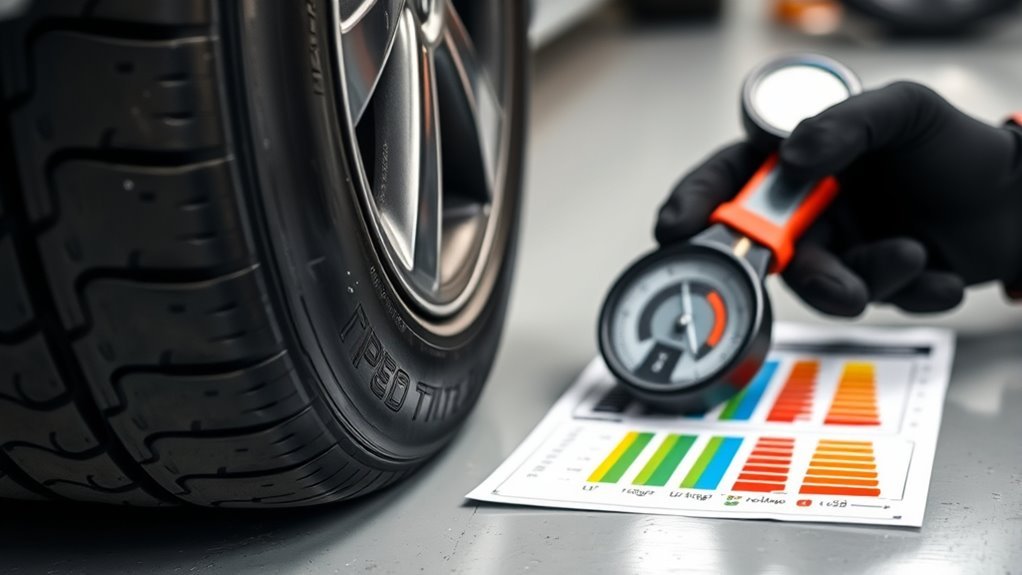
A tire speed rating is the letter on your tire sidewall that specifies the maximum sustained speed the tire can safely handle under load; it’s set by manufacturer testing (ECE/SAE spin cycles) and listed with size and load index (e.g., 205/60R15 91V). You should match or exceed the vehicle’s specified rating and avoid mixing different ratings on an axle to maintain handling, traction and heat resistance. Follow the owner’s manual and doorjamb placard for proper selection to learn more.
What Is a Tire Speed Rating : and Where to Find It
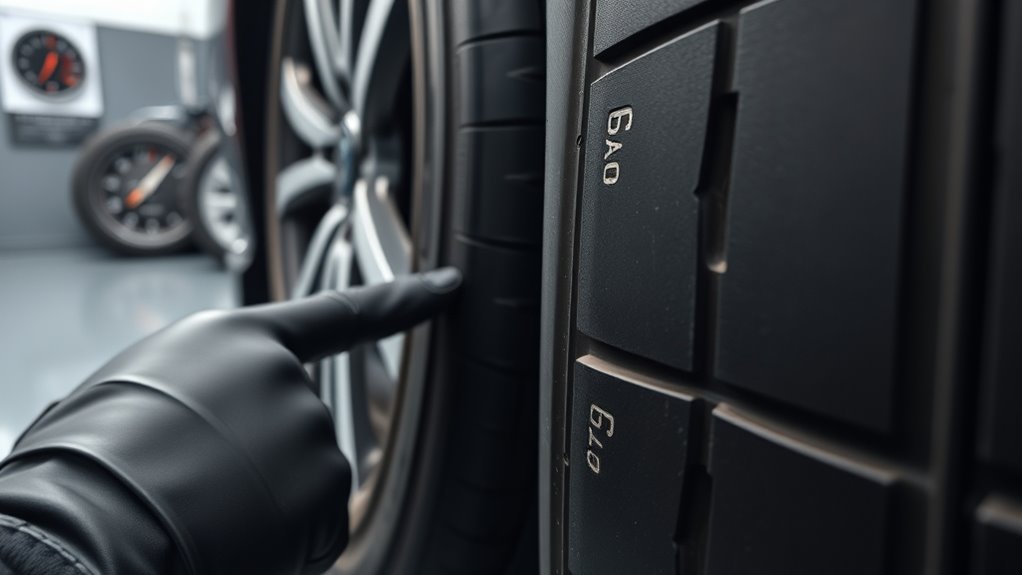
Because a tire’s speed rating defines the maximum speed it can safely sustain under load, you should always check that letter code before fitting or replacing tires. You’ll interpret a tire speed as a single letter appended to the size and load index (e.g., 205/60R15 91V), where V corresponds to 149 mph. For finding ratings, inspect the tire sidewall—the rating appears as the final letter in the size sequence—and cross-reference the vehicle owner’s manual or the driver’s doorjamb placard for manufacturer recommendations. You should match or exceed the original equipment rating when replacing tires. Recording both the letter and its numerical equivalent simplifies compliance. This procedure minimizes mismatch risk and preserves handling, stability, and rated load performance.
Why Speed Ratings Matter : and How They’re Tested
You’ve already learned how to read a tire’s speed letter; now understand why that letter matters and how manufacturers determine it.
You need correct speed ratings because they define maximum sustained speed under load, directly affecting tire performance and safety implications. Manufacturers test tires per ECE/SAE protocols: controlled spin cycles increase speed until failure to verify thresholds. Mixing ratings reduces the vehicle’s usable speed to the lowest-rated tire, degrading handling and accelerating wear.
| Test Aspect | Purpose |
|---|---|
| Load condition | Simulate real-world weight |
| Speed increment | Determine limit point |
| Duration | Assess heat buildup |
| Failure mode | Identify weak point |
| Compliance | Meet standards (ECE/SAE) |
Use uniform ratings to preserve handling, longevity, and safety.
Common Tire Speed Rating Letters and What They Mean
You’ll find speed-rating letters—like T (118 mph), H (130 mph), V (149 mph) and ZR (over 149 mph)—at the end of the tire size code and they define the tire’s certified maximum speed. When selecting tires, match or exceed your vehicle manufacturer’s recommended rating and avoid mixing different-rated tires on the same axle. Remember higher ratings improve handling and heat resistance but can reduce ride comfort and tread life.
Common Letter Definitions
Tire speed ratings use single letters (and sometimes letter combinations like ZR) stamped on the sidewall to indicate the maximum sustained speed the tire can safely handle; common ones you’ll see are T (118 mph), H (130 mph), and higher-rated letters that cover speeds above 149 mph. You should read these letters as discrete speed rating categories: A through Y define increasing maximum speeds (A = 3 mph, T = 118 mph, H = 130 mph, Y = 186 mph), with ZR indicating designs for sustained very high speeds. Each letter reflects tested heat tolerance, structural limits and steering response. Selecting a tire with appropriate speed rating categories matters because mismatched or lower-rated tires reduce handling capability and expose you to increased risk; never mix ratings across an axle.
Practical Selection Tips
Having seen what each letter represents, you can now use those codes to pick tires that match your vehicle’s performance and driving habits. You should choose a speed rating that equals or exceeds your vehicle’s top capabilities and typical driving conditions. Prioritize matching ratings on all four corners; the lowest-rated tire sets the safe limit. For daily commuting on highways, T or H often suffices; for spirited driving, select V or ZR for improved tire performance, heat tolerance, and handling. Check the sidewall—speed rating is the last letter in the size code—during maintenance or replacement. If you tow or carry heavy loads, up the rating to preserve heat resistance and safety.
| Scenario | Typical Rating | Purpose |
|---|---|---|
| Commute/highway | T/H | Economy, stability |
| Sporty driving | V/ZR | High-speed handling |
| Heavy load/towing | H/V | Heat tolerance, safety |
How Speed Ratings Affect Handling, Safety, and Tire Wear
When you choose a tire speed rating, you’re affecting cornering stability, braking performance, and how the tread handles heat and wear. Higher-rated tires (V/W/Y) typically give better lateral grip and shorter stopping distances, but they also dissipate heat more effectively to limit accelerated tread degradation and blowout risk. Mixing ratings forces the system to the lowest-rated tire, reducing handling precision, traction under braking, and overall thermal tolerance.
Cornering And Stability
Because higher speed ratings demand materials and construction tuned for sharp handling, you’ll notice improved cornering stability and quicker steering response from V-, ZR-, and similar-rated tires. You should apply cornering techniques that match the tire’s capability—smooth inputs, controlled entry speed, and consistent throttle—to exploit enhanced grip and reduced lateral deflection. Stability factors include stiffer sidewalls, optimized tread compounds, and heat-resistant construction that maintain contact patch integrity under lateral load. Avoid mixing speed-rated tires; the vehicle’s handling defaults to the lowest-rated tire, risking unexpected understeer or oversteer during high-speed maneuvers. Monitor tread wear, pressure, and alignment frequently, since high-performance compounds can wear faster; proactive maintenance preserves predictable handling, maximizes safety margins, and sustains the designed cornering performance.
Braking And Traction
You’ve seen how stiffer sidewalls and heat-resistant construction sharpen cornering; those same attributes also shape braking response and traction under emergency loads. When you match tires to the correct speed rating, the compound and structural design sustain higher temperatures and lateral forces, shortening braking distance and preserving predictable lock-up thresholds. Higher speed-rated tires deliver increased mechanical grip, so traction control systems have more consistent inputs and intervene less aggressively, improving vehicle stability during abrupt stops. If you fit lower-rated tires and exceed their design envelope, you risk delayed braking response, reduced lateral adhesion, and accelerated degradation that degrades control. Regularly inspect pressure, tread and sidewall condition, and never mix disparate speed ratings to maintain consistent braking performance and predictable traction control behavior.
Tread Wear And Heat
Although speed ratings primarily signal safe top speeds, they directly govern how a tire handles the heat and wear that build up during high-speed driving. You’ll rely on higher-rated tires because their tire composition — compounds, belts, and carcass architecture — is engineered for superior heat dissipation and structural integrity. As velocity rises, internal temperatures increase; rated tires maintain tread stiffness and contact patch stability, limiting accelerated tread wear and reducing blowout risk. If you fit lower-rated tires, you’ll see faster degradation, reduced steering response and a higher likelihood of overheating under sustained speed. Match or exceed manufacturer speed ratings, inspect tires regularly for wear and heat damage, and adhere to rated limits to preserve handling, safety and service life.
Choosing the Right Tire Speed Rating for Your Car and Driving

Choosing the right tire speed rating matters because it defines the maximum sustained speed and handling characteristics your tires can safely deliver; consult your owner’s manual or the driver’s-side door placard and choose tires that meet or exceed the original equipment rating. You’ll evaluate tire performance metrics—maximum safe speed, grip, steering response, and expected tread life—against your driving style considerations, such as commuting, spirited driving, or track use. For typical daily driving, S or T ratings suffice; for high-performance vehicles choose V, W, or Y to preserve handling at higher speeds. Never mix different speed ratings across an axle; the vehicle’s dynamics will default to the lowest-rated tire, degrading safety and control. Expect higher-rated tires to trade comfort and tread life for increased responsiveness.
Checklist: Checking, Matching, and Replacing Speed-Rated Tires
When checking speed-rated tires, start by reading the sidewall code—it’s the final letter in the size sequence (for example, “205/60R15 91V” indicates a V rating)—and verify that every tire on the vehicle has the same or a higher speed rating than the manufacturer’s specification. Next, inspect all four sidewalls and the driver’s doorjamb or owner’s manual for the recommended load index and speed rating. Don’t mix ratings on the same axle; mismatched tires alter understeer/oversteer balance and reduce stability. When replacing tires, choose equivalents or higher-rated units approved by the manufacturer. Integrate this into routine tire maintenance and debunk speed rating myths: a higher letter isn’t always necessary, but never fit a lower-rated tire than specified.
Frequently Asked Questions
What Is Better, H or V Rating on Tires?
V rating performance is better for high-speed handling and cornering; H rating advantages include adequate 130 mph capability and comfort for commuting. You should match or exceed OEM speed rating to maintain safety and dynamics.
Which Speed Rating Is Better, S or T?
Like a tuned engine, T is better for higher speeds: you’ll get improved tire performance and handling up to higher speed limits, while S offers comfort at lower speeds; match ratings to your driving for safety.
Is the Y Rating Better Than W?
Yes — you’ll prefer Y over W for higher tire performance and greater speed capabilities; Y supports up to 186 mph versus W’s 168 mph, improving high-speed grip and handling, but guarantee matching vehicle requirements for safety.
Are Zr or R Tires Better?
ZR tires are better for high-speed, sporty driving when you want superior tire performance and sharper handling characteristics, while R tires suit everyday comfort; choose based on vehicle capability, driving style, and heat-dissipation needs.
Conclusion
You’ve learned how tire speed ratings—those little letters—map to performance limits, much like a pilot’s airspeed indicator keeps the jet safe. You’ll check the sidewall, match ratings across axle pairs, and never downgrade below your vehicle’s spec. Remember test protocols and how higher ratings influence grip, heat, and wear. When replacing tires, follow manufacturer guidance to maintain handling and safety so you’ll navigate roads confidently, not tempt fate.
Related Articles
How to Read Motorcycle Tire Size: Complete Breakdown
Often misunderstood, this guide decodes motorcycle tire sizes like 180/55ZR17—learn what each number and letter means to ensure safe, perfect fitment.
Read More
How to Read Bicycle Tire Size: Inches, Metric & ISO
Get the essential trick to decoding ETRTO/ISO codes so you’ll always pick rim-compatible tyres—discover what to check next.
Read More
How to Read Tire Size Numbers: Decode the Sidewall
Step-by-step guide to decode tire sidewalls—sizes, load, speed, DOT and winter symbols—so you’ll know what fits and when to replace.
Read More