What Is Tire Load Index? Numbers, Chart & Meaning
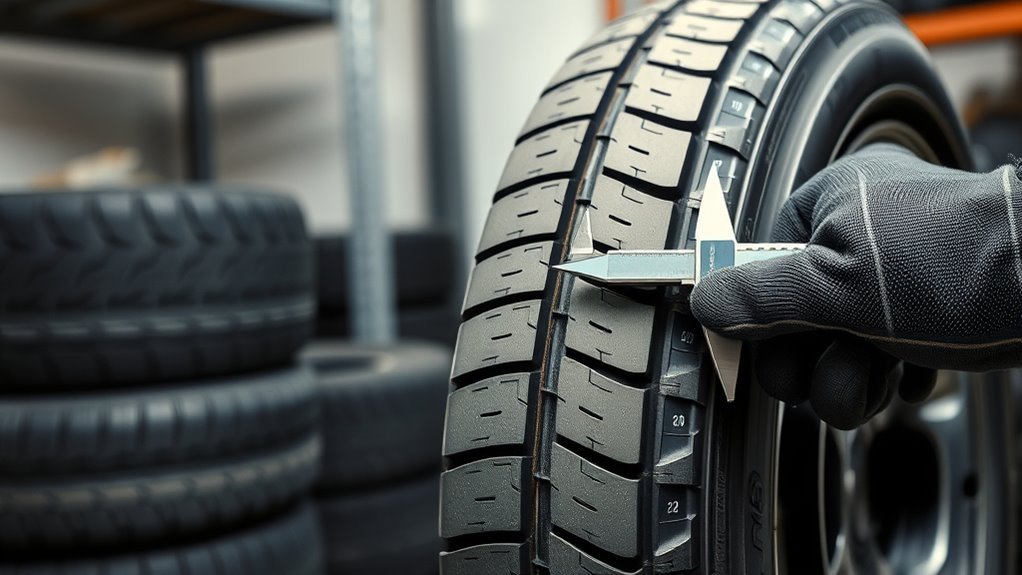
The tire load index is a numerical code on your tire sidewall that tells you the maximum weight one tire can carry at its specified inflation; for example, index 94 equals 1,477 pounds. You’ll find the index after the size (e.g., 215/60R16 95H) and use a standard chart to convert the number to pounds or kilograms. Match or exceed your vehicle’s placard/GVWR, consider load range for pressure limits, and check inflation—keep going to learn specifics.
What the Tire Load Index Is
The tire load index is a numerical code printed on the sidewall that tells you the maximum weight a single tire can support when properly inflated; values typically range from about 0 to 150 and passenger tires usually start near 88. You use this index to determine load index significance for vehicle safety and performance. Each index maps to a precise mass rating—for example, index 94 corresponds to about 1,477 pounds at the correct pressure. The index appears after the size (e.g., 215/60R16 95H) so you can verify ratings visually. For tire safety considerations, always fit replacements that meet or exceed the manufacturer’s specified index. Incorrect selection risks overload, compromised handling, and accelerated wear.
How to Read Load Index Numbers (With Load Chart)
Although it looks like a simple number on the sidewall, the load index directly maps to a precise per-tire weight rating you can verify against a load chart; when you read the sidewall number (typically 0–150 for passenger tires), consult the chart to find the exact pounds per tire. Load index significance is that each indexed value equals a defined load capacity—load index examples include 94 = 1,477 lb per tire. To replace tires, match or exceed the OEM load index; identical numbers guarantee identical capacity, lower numbers reduce margin and risk. Use the load chart as an authoritative lookup: read the index, convert to pounds via the chart, then confirm combined axle and vehicle requirements meet or exceed your expected payload.
Tire Load Index vs Load Range vs GVWR: Which Matters for Your Vehicle?
How do load index, load range, and GVWR work together to keep your vehicle safe? You must view them as complementary specifications. The load index quantifies maximum weight per tire; its load index implications determine whether tires can support vehicle mass. Load range (C, D, E) denotes inflation-pressure capability and influences duty cycle and heat tolerance, not direct ply count. GVWR is the vehicle’s total permissible weight; tire selection criteria require choosing tires whose combined load capacity meets or exceeds GVWR under expected loading and conditions. Use both numeric load index and lettered load range to match manufacturer GVWR and operating pressures. Selecting underspecified tires degrades handling, increases wear and failure risk; proper matching preserves safety and longevity.
When to Choose a Higher Tire Load Index (And When Not To)

If you regularly haul heavy loads, tow, or have added weight through modifications, pick a higher load index so each tire can carry a larger share of the vehicle mass with reserve capacity. Choose higher load-index tires when payloads, towing, or altered suspension increase axle loads; they enhance load safety, tire performance, stability, and durability under strain. Verify required values against the vehicle placard or owner’s manual and exceed OEM load index only as needed. Avoid upsizing purely for perceived robustness: excessive load index can stiffen the ride, raise rolling resistance, and reduce fuel economy. If your usage is normal and unmodified, stick to OEM specifications to maintain intended ride comfort and efficiency while preserving safe operational margins.
How Tire Load Index Affects Pressure, Safety, and Care
Because the load index defines a tire’s maximum supported weight at the correct inflation, you must match or exceed the vehicle’s specified index and keep pressures within the manufacturer’s recommended range to maintain capacity, handling, and heat management. You check the load index to confirm load capacity and use correct tire inflation to achieve rated performance. Under-inflation reduces load capacity, increases flex, raises temperature, and accelerates wear; over-inflation alters contact patch and handling. For safety, inspect indices during replacement and monitor pressure weekly or before heavy loads. Proper care extends tire life and preserves stability.
- Verify load index against vehicle placard and tire sidewall.
- Maintain manufacturer tire inflation specs; adjust for load.
- Inspect tires for heat damage, uneven wear, and pressure loss.
Frequently Asked Questions
What Does Load Index 123-120 Mean?
Load index 123–120 means your tires’ capacity differs: 123 supports 1,550 lb (705 kg) per tire and 120 supports 1,476 lb (670 kg). You’ll choose higher load ratings to meet or exceed vehicle requirements.
What Is Better, H or V Rating on Tires?
Like a VHS tape in a streaming world, V-rated tires are better for tire performance and higher speed rating demands; you’ll get sharper handling and speed capability, though you might sacrifice some ride comfort versus H-rated tires.
Conclusion
You now know how tire load index numbers map to weight capacity, how to read the chart, and how that differs from load range and GVWR. Choose a higher load index when you need extra capacity, but balance it against ride and cost. Check pressures regularly and match tires to vehicle specs. Like a tuned instrument, proper tire selection keeps performance and safety in harmony—measure, match, and maintain to avoid surprises on the road.
Related Articles

How to Read Motorcycle Tire Size: Complete Breakdown
Often misunderstood, this guide decodes motorcycle tire sizes like 180/55ZR17—learn what each number and letter means to ensure safe, perfect fitment.
Read More
How to Read Bicycle Tire Size: Inches, Metric & ISO
Get the essential trick to decoding ETRTO/ISO codes so you’ll always pick rim-compatible tyres—discover what to check next.
Read More
How to Read Tire Size Numbers: Decode the Sidewall
Step-by-step guide to decode tire sidewalls—sizes, load, speed, DOT and winter symbols—so you’ll know what fits and when to replace.
Read More