What Is ISO Tire Sizing? How It Standardizes Wheel Fit
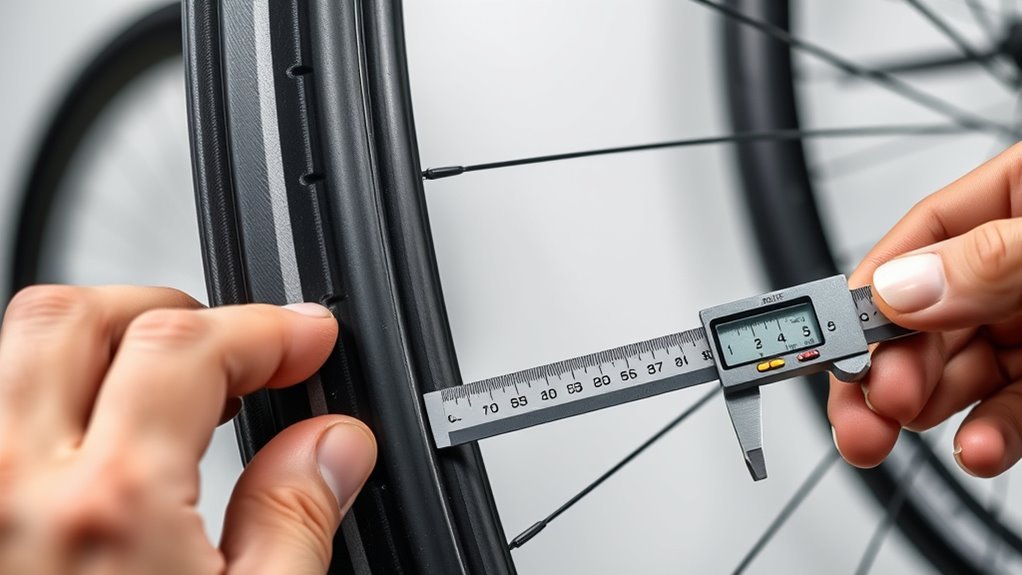
ISO tire sizing gives you a simple, universal code — width and bead‑seat diameter (BSD) in millimetres — so you’ll know a tyre will seat and roll safely on a rim. The first number is tyre width (mm), the second is BSD (mm); e.g. 37‑622 means 37 mm on a 622 mm rim. Match identical BSDs and rim‑recommended widths, and check clearance, brake and hub fit. Continue for a concise checklist and compatibility tips.
What ISO Tire Sizing Is (And Why It Matters)
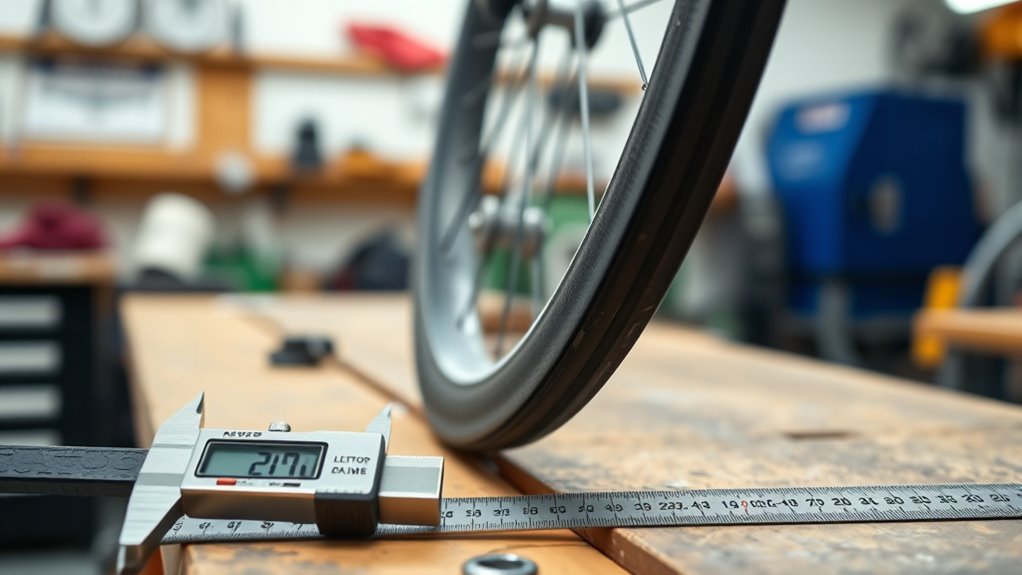
Because tire sizing used to be inconsistent, the ISO system gives you an unambiguous, technical way to match tires and rims: the two-number format (for example, 37-622) specifies tire width in millimeters and bead seat diameter (BSD), so any tire with the same ISO numbers will seat correctly on the same rim. You’ll use ISO sizing to guarantee tire compatibility across brands and styles, eliminating confusion from inch and French conventions. This standard improves sizing accuracy, making selection predictable and repeatable for different bike types. Accurate ISO matching reduces fit-related handling risks and simplifies replacement procurement. Apply the ISO code as a precise specification that directly maps to rim geometry and frame clearance, prioritizing safety and consistent performance.
How to Read an ISO Code: BSD and Width (Example: 37‑622)
Now that you know ISO sizing gives an unambiguous pairing of tires and rims, here’s how to read an ISO code: it’s a two-number notation where the first value is tire width in millimeters and the second is bead seat diameter (BSD) in millimeters. Read 37-622 as a 37 mm tire width that mounts on a 622 mm bead diameter rim. The BSD is the critical numeric reference for seat compatibility; mismatched bead diameter prevents proper seating regardless of nominal tire width. ISO codes replace ambiguous traditional labels by specifying both dimensions, so you can verify rim and tire compatibility precisely. When selecting or inspecting tires, confirm both tire width and bead diameter match the rim specifications to guarantee correct fit and safe operation.
Using ISO to Match Tires and Rims Safely
When you match tires and rims, use the ISO code as the definitive reference: the first number gives tire width in millimetres and the second gives the bead seat diameter (BSD), which must equal the rim’s BSD for a safe fit. You verify tire compatibility by reading the ISO stamp on the tire and the rim; identical BSD values guarantee the bead seats align. Use width values to confirm the rim’s recommended tyre width range and avoid extreme mismatches that compromise seating or handling. For rim selection, prefer rims whose documented BSD and internal width match ISO recommendations for your intended tire width. Always cross-check manufacturer specs and existing ISO markings to ascertain safe, interchangeable tire compatibility.
Don’t Forget: Brakes, Hub Spacing, and Frame Clearance
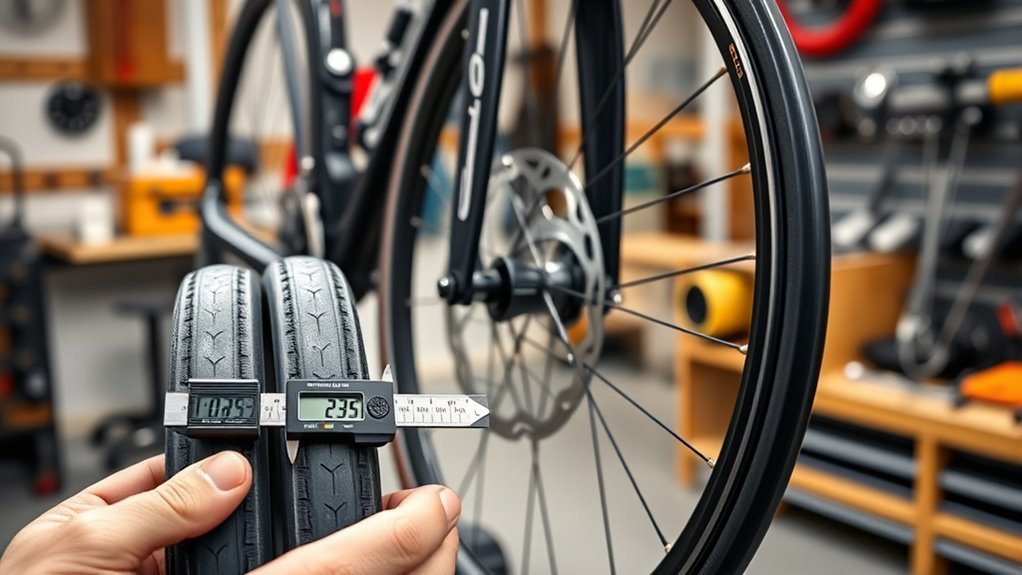
Matching ISO codes for tires and rims is only part of fitting a wheelset—brakes, hub spacing, and frame clearance will determine whether those components actually work together on your bike. You must verify brake types (rim vs disc) against rim diameter or rotor mount, and confirm rotor diameter clearance for your frame. Check hub dimensions (OLD) — common road 100/130mm, MTB 100/135mm — to match dropouts and axle standards. Confirm frame geometry provides 4–6mm minimum tire clearance, and guarantee rim internal width suits intended tire widths for tire compatibility.
- Brake types: rim surface match or disc rotor mount and clearance.
- Hub dimensions: OLD and axle spec must fit dropouts.
- Frame geometry: maintain 4–6mm tyre clearance.
- Tire compatibility: internal rim width vs tire width.
A Step‑by‑Step Checklist to Choose a Replacement Wheel
Start by verifying the wheel and tire ISO numbers printed on your current setup (e.g., 37-622) or, if they’re missing, measure the rim circumference and divide by π (3.142) to derive the diameter; this gives you the Bead Seat Diameter (BSD) you must match. Next, measure rim bed height to confirm BSD and verify internal rim width so you can select compatible tire widths. Use the internal width to map acceptable tire widths (13–17mm → 23–28mm tires; 26mm+ → 50mm+ tires). Check frame and brake clearance, leaving 4–6mm between tire and frame. Choose wheel materials for strength, weight, and durability. Finally, verify hub spacing and spoke pattern, then match tire brands recommendations for rim width to guarantee safe fit and performance.
Frequently Asked Questions
What Does ISO Mean for Tires?
ISO for tires means a standardized system that specifies tire dimensions (width and bead seat diameter) so you can verify wheel compatibility precisely, ensuring correct fit, safer performance, and easy interchangeability across rims with matching BSD.
What Does 406 ISO Mean?
Like finding the right key, 406 ISO means a 406 mm bead seat diameter; you’ll guarantee tire compatibility with rims of that wheel dimension. You’ll match tire sizing to precise wheel dimensions for safe, secure fitment.
What Is the ISO Standard for 700C Wheels?
The ISO standard for 700c wheels is 622mm bead seat diameter (BSD); you’ll guarantee 700c compatibility by matching tire width (commonly 23–45mm) to rim and brake specifications for proper fit and safe operation.
What Is the ISO for a 27.5 Rim?
The ISO for a 27.5 rim is 584 mm BSD; you’ll use 27.5 compatibility specs when matching tires like 58-584, and you’ll check rim measurement and frame clearance to guarantee proper fit and avoid rubbing.
Conclusion
You’ve seen how ISO sizing ties tire and rim measurements into a single language; think of it as the axle that keeps the system turning. When you match BSD and width, you’re aligning gears—safety, performance, and fit all click into place. Don’t ignore brakes, hubs, or clearance: they’re the spokes that carry load. Use the checklist methodically, and your replacement wheel will run true, reliable, and predictable under every ride.
Related Articles
How to Read Motorcycle Tire Size: Complete Breakdown
Often misunderstood, this guide decodes motorcycle tire sizes like 180/55ZR17—learn what each number and letter means to ensure safe, perfect fitment.
Read More
How to Read Bicycle Tire Size: Inches, Metric & ISO
Get the essential trick to decoding ETRTO/ISO codes so you’ll always pick rim-compatible tyres—discover what to check next.
Read More
How to Read Tire Size Numbers: Decode the Sidewall
Step-by-step guide to decode tire sidewalls—sizes, load, speed, DOT and winter symbols—so you’ll know what fits and when to replace.
Read More