What Is a Tire Valve Stem? Types & How It Works
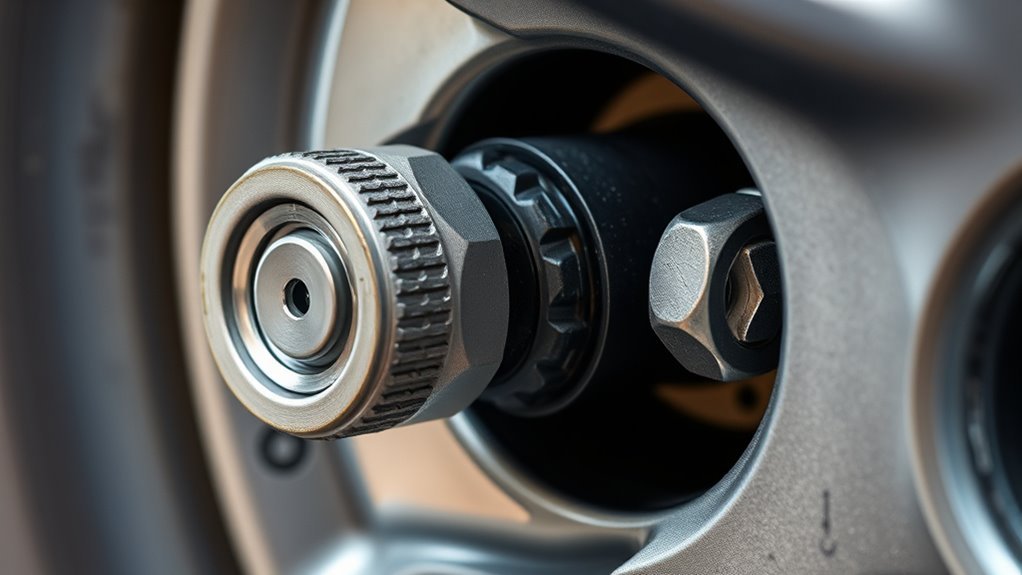
A tire valve stem is the spring‑loaded one‑way gate that lets you add air and keeps it sealed, preventing leaks and contamination. You’ll find a valve core, cap, rubber or metal stem body, and sometimes a TPMS sensor. Types include rubber snap‑in, high‑pressure snap‑in, and metal clamp‑in for heavy or high‑speed use. Inspect caps and cores for corrosion, test with soapy water, and replace damaged stems promptly. Keep going to learn specifics on selection, tools, and fixes.
What a Valve Stem Is and How It Works
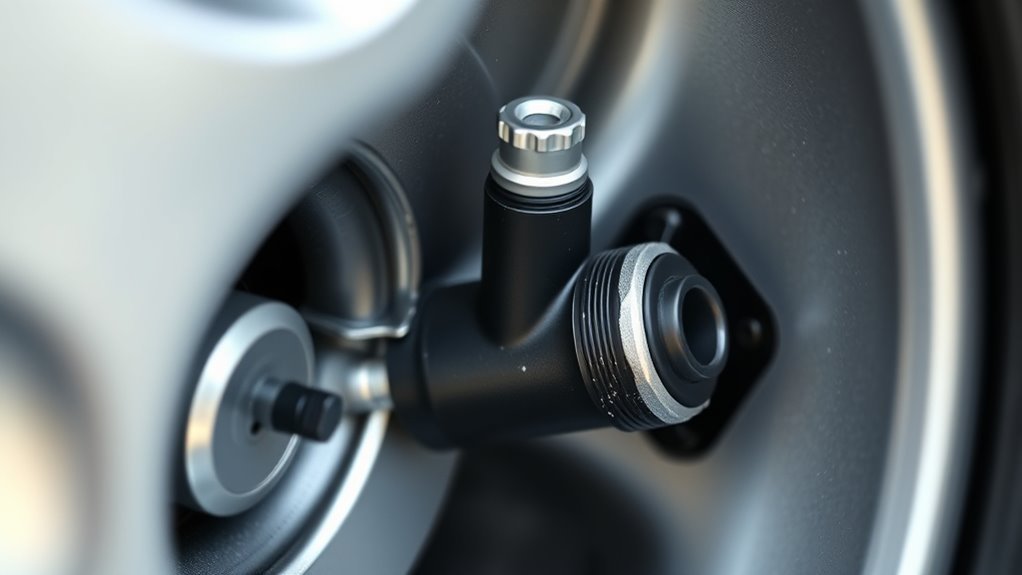
Think of the valve stem as the tire’s airgate: it’s a small tube mounted through the wheel that lets air in and keeps it from leaking out. You rely on that one-way function for consistent tire inflation; a spring-loaded valve core seals automatically when you remove the air source. Valve stem history traces incremental changes from early metal designs to modern tubeless rubber and high-pressure metal versions tailored to vehicle demands. You’ll encounter Tubeless Rubber Snap-in, High-Pressure Tubeless Snap-in, and High-Pressure Metal Clamp-in stems, sized commonly at 0.453″ for passenger vehicles and 0.625″ for heavier units, with ratings from 65–200 psi. Inspect and maintain stems regularly to preserve tire integrity, fuel efficiency, and safety.
Valve Stem Parts and Their Functions
You’ll first look at the valve core, the spring‑loaded pin that seals the tire and opens only during inflation or pressure checks. Then you’ll examine the valve cap, which keeps moisture and debris out of the stem to prevent corrosion and leaks. Understanding both parts helps you spot failures that can cause pressure loss and safety issues.
Valve Core Function
The valve core is a small, spring-loaded piston inside the valve stem that lets air in during inflation and seals automatically to prevent leaks; it’s usually nickel-plated to resist corrosion and must seat cleanly to maintain proper tire pressure, which directly affects handling, fuel economy, and safety. You rely on the core to open under pressure and snap closed when you remove the inflator, keeping air sealed. Inspect it for dirt or moisture that can cause slow leaks. Regular valve core maintenance prevents pressure loss and poor MPG. If damaged or corroded, perform valve core replacement to restore sealing integrity.
| Symptom | Action |
|---|---|
| Slow leak | Check core |
| Corrosion | Replace core |
Valve Cap Purpose
Alongside the valve core, the valve cap plays a direct protective role by keeping moisture, dirt, and debris out of the stem so the core can seat and seal reliably. You rely on the cap to prevent contaminants that cause air loss or corrosion and to preserve the core’s sealing ability. Valve cap materials range from basic plastic to machined metal; choose metal for durability or plastic for economy. Some caps prioritize valve cap aesthetics—colored, branded, or styled—to match wheels, but functionality remains primary. Inspect caps regularly for cracks, cross-threading, or loss; replace damaged caps immediately. A properly secured cap extends valve-stem life, supports consistent tire pressure, and reduces maintenance frequency.
Types of Valve Stems (Rubber, Metal, Snap‑In, Clamp‑In)
One common area to check when servicing tires is the valve stem type, since rubber snap‑in, metal clamp‑in, high‑pressure snap‑in, and TPMS stems each have distinct pressure ratings, diameters, and mounting requirements. You’ll choose rubber vs metal based on operating pressure and rim type: rubber snap‑in stems suit passenger cars (0.453”–0.625”, up to 65 PSI) and are economical, offering snap in advantages like quick installation. For medium/heavy duty or high pressure applications, use high‑pressure tubeless snap‑ins (longer lengths, >65 PSI) or metal clamp‑in stems. Clamp‑in benefits include higher speed and pressure tolerance; metal clamp‑ins handle up to 200 PSI and come straight or angled. Match stem diameter and material to the wheel and service conditions.
TPMS vs Standard Valve Stems : What’s Different
Having covered stem types and service conditions, you’ll also need to know how TPMS stems differ from standard ones. TPMS stems integrate electronic sensors to monitor tire pressure in real time; standard stems don’t. You’ll notice TPMS features include a metal stem body, rubber seal, and retaining nut to secure the sensor and guarantee an airtight fit. Standard valve stems are typically rubber and rely on manual inspection or gauges.
From a service perspective, TPMS stems prioritize sensor mounting and signal integrity; you’ll avoid mixing incompatible metals because galvanic action can accelerate wear. Corrosion concerns are different: TPMS uses corrosion-resistant metals but demands material compatibility between wheel, stem, and fasteners to prevent galvanic corrosion and maintain system reliability.
Choose the Right Valve Stem Size & PSI
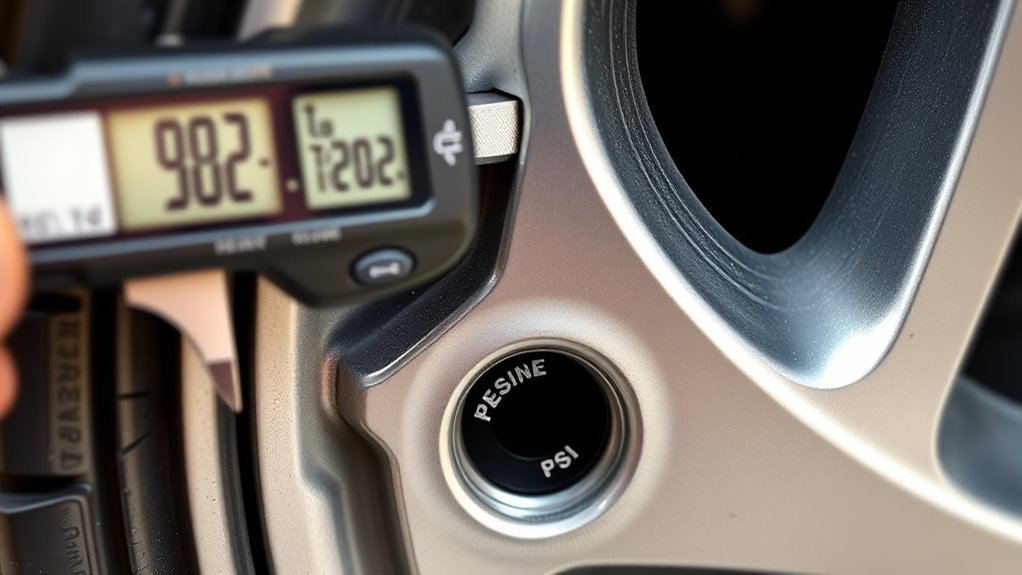
Because the right stem size and pressure rating match your rim specs and driving needs, pick stems that fit the rim bead seat and handle the required PSI. Check rim profile: low-profile rims (up to 0.9) take 1.5 valve stems; taller rims need at least 3.1 for secure seating. Match common diameters—0.453″ for passenger, 0.625″ for commercial—to your wheel. Choose rubber snap-in stems for up to 65 PSI in normal passenger use; select metal clamp-in stems for high-pressure or high-speed applications up to 200 PSI. Replace stems when mounting new tires to avoid brittle failures. Proper selection prevents leaks, preserves fuel efficiency and safety, and simplifies routine tire pressure adjustments with compatible hardware.
Signs a Valve Stem Is Failing
If your tire keeps losing pressure or you hear a faint hiss near the rim, the valve stem may be failing and needs inspection. Check for visible cracks, brittleness, or discoloration of the rubber—these indicate age-related degradation that compromises sealing. Monitor tire pressure; consistent low readings despite correct inflation point to a faulty valve core or stem seal. During tire stem inspections, listen for hissing during and after inflation as a primary leak detection cue. Also inspect the base of the stem where it meets the rim for corrosion or movement. Address issues promptly: failing stems can cause slow leaks, poor handling, and reduced fuel efficiency. Schedule regular valve stem inspections as part of routine tire maintenance to catch deterioration early.
Find Leaks and Simple Repairs (Cores, Caps, Replacements)
Start by spraying soapy water around the valve stem and watch for bubbles to pinpoint leaks. If bubbles appear at the core, remove it with a core tool and replace with a compatible, corrosion-resistant core. Always fit a tight cap and, when swapping stems, install a matching core and cap to restore a complete, pressure-rated seal.
Spotting Valve Stem Leaks
When you suspect a slow leak, spray a soapy water solution on the valve stem—bubbles will pinpoint escaping air at the core, stem base, or around the cap—then inspect the cap and core for wear or contamination and replace them as needed. Use leak detection during routine pressure monitoring so you catch issues early; check tires when cold for consistent readings. Visually examine the stem for cracks, corrosion, or deformation. Remove the cap to inspect the core for corrosion or debris that can prevent a proper seal. If the core looks worn or the cap is missing/damaged, replace them and recheck for bubbles. If the stem itself shows aging or structural damage, replace the entire stem to restore reliable tire pressure control.
Quick Core And Cap Fixes
You’ve already checked for bubbles and inspected the cap and core; now focus on quick fixes that get you back on the road fast. For valve stem maintenance, spray a soapy water solution to pinpoint leaks—bubbles mark failing cores or stem seating. If bubbles form at the core, depress the core with a tool and replace it; use a nickel-plated replacement to resist corrosion. Tighten or swap caps if cracked or missing—metal caps offer durability, plastic is acceptable short-term. After replacement, recheck with soapy water and verify pressure. Perform these quick repairs during routine checks and after tire changes to prevent moisture contamination and long-term air loss. Keep a basic core tool and spare caps in your kit for immediate service.
Maintenance Tips to Extend Valve Stem Life
Although valve stems often get overlooked, regular inspection and simple care will materially extend their service life and prevent pressure loss. Prioritize valve stem longevity with routine inspections: check for cracks, rubber degradation, and seating issues after mounting new tires or following impact events. Use plastic caps to block moisture and corrosion at the core. Apply a silicone-based lubricant sparingly to sealing surfaces to improve airtightness and reduce material stress. Monitor and maintain correct tire inflation frequently; under-inflation elevates flex and load on stems, accelerating wear. When possible, park vehicles under cover or in a garage to shield stems from UV, ozone, and temperature extremes that embrittle rubber. Replace any compromised stem promptly to avoid sudden leakage and uneven tire wear.
Frequently Asked Questions
What Is Better, Presta or Schrader?
It depends: you’ll prefer Presta advantages for lightweight, aerodynamic, and lower-leak cycling setups, while you’ll favor Schrader benefits for durability, higher pressure capacity, and compatibility with standard pumps on cars, commuting, or everyday bikes.
Conclusion
You now know valve stems: what they do, parts, types, and when they fail, so you can spot problems and act. Stay vigilant—visually verify seals, swap worn rubber for metal when needed, and service TPMS-compatible stems properly. Regularly check pressure, tighten caps, and replace corroded components to prevent leaks. With simple, scheduled steps you’ll secure safer, smoother service, saving time, trouble, and tire costs through smart, systematic stewardship.
Related Articles
How to Read Motorcycle Tire Size: Complete Breakdown
Often misunderstood, this guide decodes motorcycle tire sizes like 180/55ZR17—learn what each number and letter means to ensure safe, perfect fitment.
Read More
How to Read Bicycle Tire Size: Inches, Metric & ISO
Get the essential trick to decoding ETRTO/ISO codes so you’ll always pick rim-compatible tyres—discover what to check next.
Read More
How to Read Tire Size Numbers: Decode the Sidewall
Step-by-step guide to decode tire sidewalls—sizes, load, speed, DOT and winter symbols—so you’ll know what fits and when to replace.
Read More