What Is a Tire Bead? Function & Why It Matters
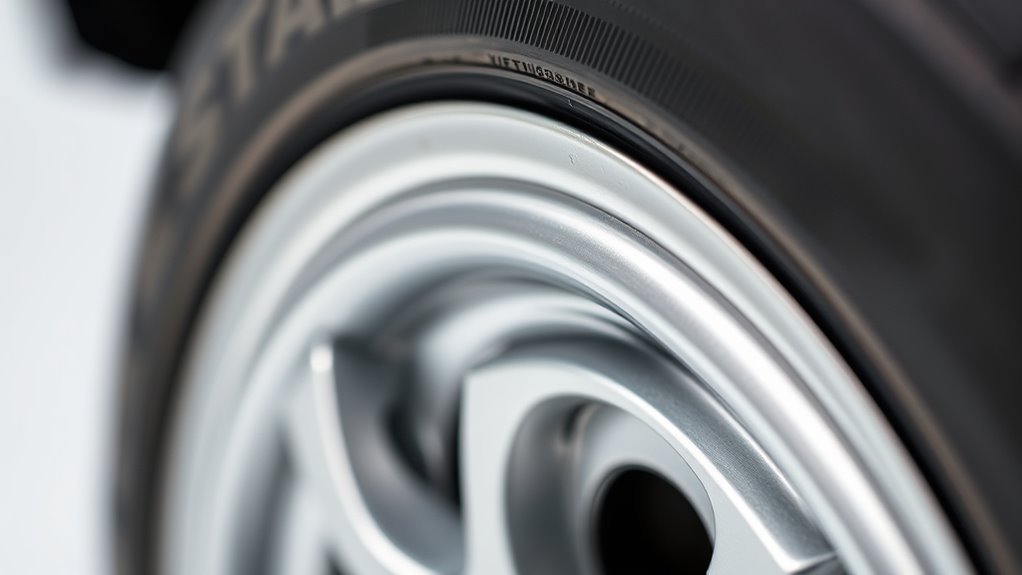
A tire bead is the reinforced edge of the tire that sits on the rim’s bead seat and locks the tire to the wheel so it’ll hold air, transfer loads, and resist slippage. You’ll find high‑tensile steel wires encapsulated in rubber that compress against the rim to form a gas‑tight seal when you inflate to staging pressure. Inspect for corrosion, exposed wire, and misalignment; follow proper mounting, lubrication, and pressure procedures to avoid failures—more specifics follow.
What a Tire Bead Is and Where It Sits on the Rim
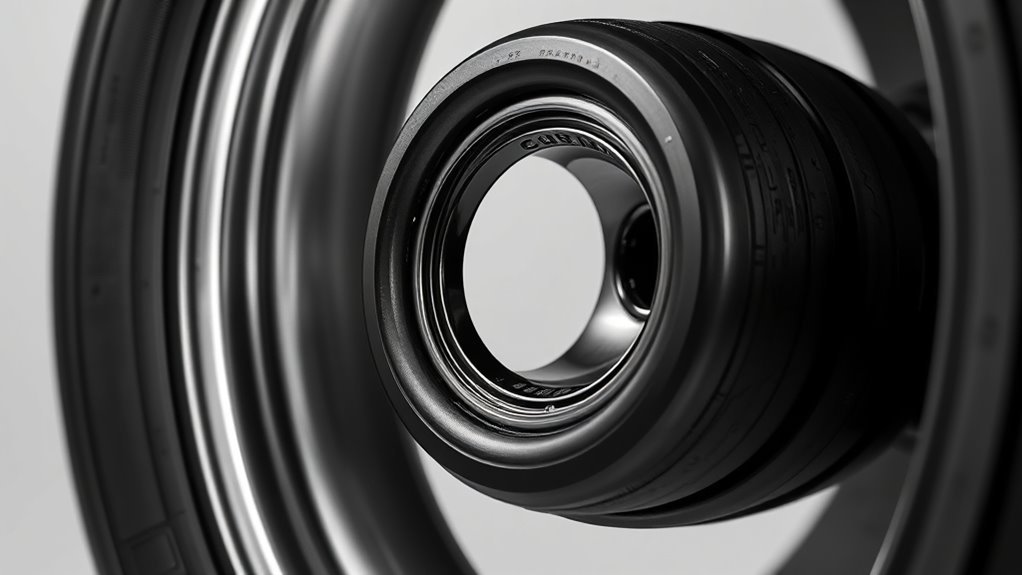
Think of the tire bead as the tire’s reinforced rim edge: it’s a bundle of high-tensile steel wires coated in rubber that sits in the rim’s bead seat and seals the tire to the wheel. You inspect bead design for uniformity and integrity before mounting, checking for damage, corrosion, or irregularities that could compromise fit. When you position the tire, you align the bead alignment marks with the rim and guarantee the bead nests fully in the groove; improper alignment causes slippage under load. Inflate incrementally while monitoring that both beads seat evenly against the bead seat. Maintain correct pressure so the bead stays pressed outward, locking the tire to the rim and preserving structural integrity during acceleration and cornering.
How a Tire Bead Creates an Airtight Seal
You’ll first look at how the bead’s rubber-coated steel bundle contacts the rim lip to form a continuous interface. Then you’ll examine the mechanics—how conforming surfaces and compression of the rubber create a gas-tight barrier. Finally, you’ll see how correct inflation pressures push the bead into the rim groove, locking it in place and maintaining the seal under load.
Bead-To-Rim Contact
A correct bead-to-rim contact depends on the bead’s reinforced steel wire seating precisely into the rim’s bead seat groove, where inflation pressure pushes the bead outward to form an airtight seal; this mechanical lock both holds the tire on the wheel and lets the air pressure maintain seating during acceleration, braking, and cornering. You should verify proper bead installation by aligning the bead evenly around the rim, using correct mating tools, and inflating to specified pressure in controlled steps. Inspect the bead area for corrosion, cuts, or foreign material before mounting and during routine bead maintenance. If you detect damage or contamination, service or replace the tire and clean or repair the rim to restore reliable contact.
- Check seating visually and by touch after inflation
- Remove rust/debris from rim bead seat
- Follow torque and rim compatibility specs
Seal Formation Mechanics
With the bead seated properly against the rim groove, the next step is to understand how that contact becomes an airtight seal. You’ll inspect bead-to-rim conformity, check for damage, and confirm seating depth. Inflation forces the reinforced steel-and-rubber bead outward so seal dynamics rely on uniform radial pressure and surface contact. You’ll monitor for gaps, corrosion, or tears that reduce bead durability and lead to leaks. Regular maintenance preserves the metal core and rubber coating so the mechanical lock stays effective under load. Follow a procedural check: clean rim, align bead, inflate to staging pressure, verify uniform contact, and perform a leak test.
| Checkpoint | Action |
|---|---|
| Clean rim | Remove debris |
| Align bead | Center bead on rim |
| Inflate | Stage pressure |
| Inspect | Look for damage |
| Leak test | Soap or gauge |
Pressure-Assisted Seating
Start by seating the bead on the rim and then inflate to staging pressure so the internal air pushes the reinforced steel-and-rubber bead outward into the rim groove, creating a radial contact that forms the airtight seal. You’ll confirm bead alignment visually and by feeling uniform pressure around the rim as bead inflation forces the bead into the groove. Work methodically: inspect the bead and rim for debris, verify proper seating lip engagement, then apply controlled air. If pressure’s too low, the bead can stay loose; too rapid inflation risks damage. Maintain recommended pressures and recheck alignment after initial run-in. Regularly inspect the bead for damage or corrosion that could compromise sealing under load.
- Inspect rim and bead edges before inflation
- Inflate to staging pressure gradually
- Verify bead alignment and airtight seating
Tire Bead Materials and Construction
One essential element you’ll encounter in tire bead construction is a bundle of high-tensile steel wires coated in rubber and often plated with copper, brass, or bronze to resist corrosion and boost strength. You inspect bead assembly for consistent wire bundling, uniform plating, and complete rubber encapsulation, because these factors determine tire bead construction and material durability. The rubber coating seals to the rim and provides flexibility for varied wheel profiles. Under load, beads must retain shape through acceleration, braking, and temperature shifts. Quality control steps: verify plating adhesion, measure rubber thickness, and test tensile resistance. Maintain records of batch tests to trace failures and guarantee replacements meet specifications.
| Component | Purpose | Test |
|---|---|---|
| Steel bundle | Strength | Tensile |
| Plating | Corrosion resistance | Adhesion |
Why the Tire Bead Matters for Safety and Handling
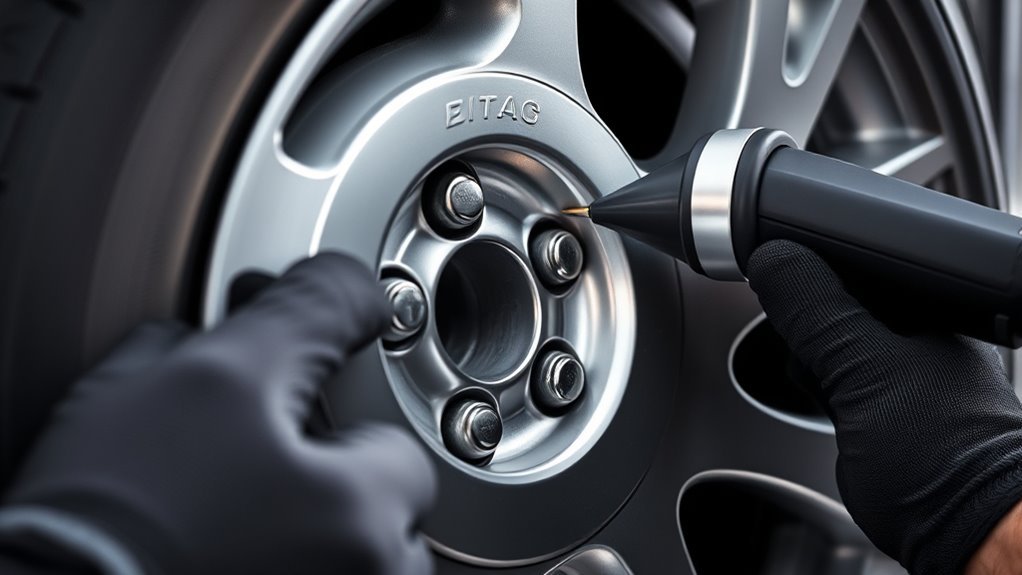
After inspecting bead wire bundling, plating, and rubber encapsulation, you should consider how those construction elements affect safety and handling. The bead creates the airtight seal with the rim that prevents slow leaks or sudden air loss, so bead maintenance and routine safety inspections are essential. Proper seating keeps the tire’s contact patch uniform, which improves traction, steering precision, and fuel efficiency. If the bead is compromised or seated incorrectly, you’ll notice vibration, instability, or reduced control.
Inspect and maintain bead seating and rim surfaces—proper sealing prevents leaks, vibration, and handling issues.
- Check bead seating and rim seating surface for corrosion or debris during every service.
- Verify tire pressure after mounting and after short test drives to confirm seal integrity.
- Record findings and schedule corrective action immediately if you detect anomalies.
Signs of a Failing Tire Bead
Watch for visible bead exposure along the rim, which can indicate improper seating and a risk of detachment. If your tire is losing pressure slowly without obvious punctures, suspect a compromised bead seal and have it checked. Uneven wear or new vibrations while driving are further signs the bead may be failing and affecting wheel alignment and balance.
Visible Bead Exposure
A bead that’s visibly pulled away from the rim or showing the metal edge means the seal is compromised and you should address it immediately. Visible bead exposure often results from underinflation or impact damage; bead exposure causes include improper inflation and corrosion. If you see pulled rubber, cracks, or rust, stop driving and inspect.
- Check for rust, cracks, or the metal bead wire showing; these are deterioration signs.
- Confirm proper inflation and verify the bead sits evenly around the rim; wobble or uneven wear indicates a loose or damaged bead.
- Follow bead maintenance tips: clean the bead seating area, avoid repeated underinflation, and schedule professional inspection if frequent topping-up is needed.
Address issues promptly to prevent leaks, blowouts, and loss of control.
Slow Pressure Loss
Slow pressure loss often points to a failing tire bead, so if you’re topping up a tire frequently without visible punctures, inspect the bead and rim for damage, corrosion, or debris that can break the seal. Check air pressure with a calibrated gauge, record baseline readings, then recheck after 24 hours to quantify loss. Visually examine the bead line for cracks, separation, or rust on the rim; use a soft brush to remove grime and a mild solvent for corrosion if needed. If you find gaps or persistent leakage, remove the tire and inspect the mating surfaces under light. Address defects by reseating the bead, cleaning the rim, or replacing the bead assembly. Include bead checks in routine tire maintenance.
Uneven Tire Wear
When a tire bead is damaged or misaligned, you’ll often see uneven wear because the tread no longer contacts the road consistently; one side may scuff or develop scalloping while the other remains relatively intact. Inspect tires visually and by touch: run your hand over the tread to detect cupping or scallops that indicate bead seating problems and potential tire alignment issues. Measure tread depth across the width; significant variance signals excessive tread wear concentrated on one flank. Check inflation pressure and bead seating at the rim; incorrect pressure can worsen wear and compromise bead integrity. If you find irregular patterns, remove the wheel for a closer rim and bead inspection, then reseat or replace the bead as required to restore even contact.
- Look for scalloping/cupping on one side.
- Compare tread depth across the tire.
- Verify inflation and rim seating.
What Damages Tire Beads (Impacts, Corrosion, Mounting Errors)
If you hit a curb or pothole, or if water and salt get trapped between rim and bead, the bead’s rubber and reinforcing wire can tear, corrode, or deform and stop sealing properly. Inspect regularly as part of bead maintenance: look for rubber cracks, wire exposure, rust, or visible deformation at the bead-rim interface. For impact prevention, drive cautiously over obstacles and avoid hard curb strikes; even minor hits can cause slow leaks or wobble. During mounting, use correct seating procedures and adequate lubrication to avoid nicking or stretching the bead. If you see corrosion between rim and bead, clean and dry the area promptly and address rim damage. Document findings and remove the tire from service if sealing is compromised.
Repair vs. Replace: When a Tire Bead Can Be Fixed
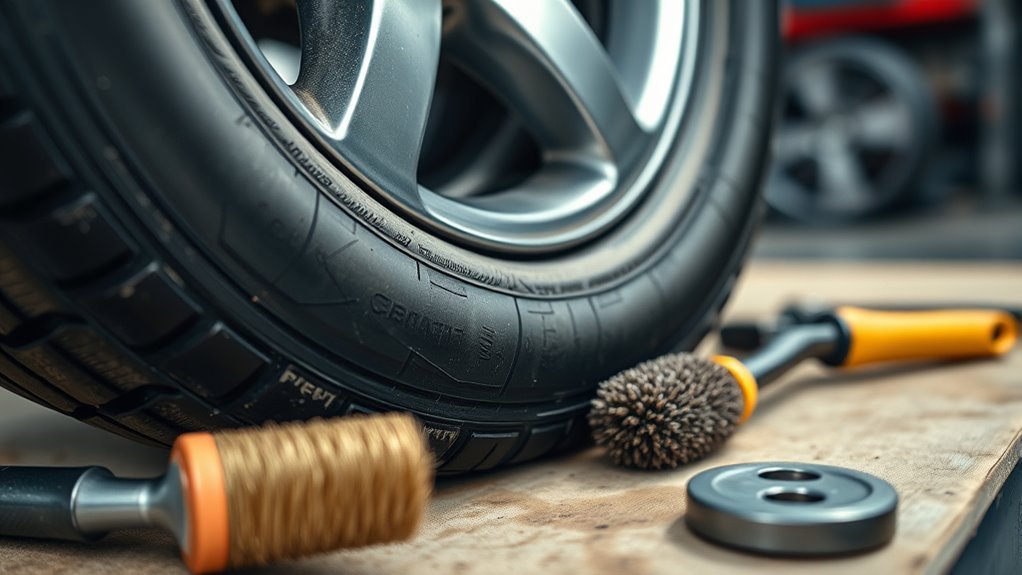
Because the bead seals your tire to the rim, you should treat any damage as either repairable or a replacement issue based on severity and safety risk. Inspect visually and feel around the bead area; minor nicks or light scuffs may be addressed with bead repair using a patch or sealer, restoring a reliable seal for continued use. If you detect exposed wires, bending, fraying, or significant deformation, replace the tire—these defects compromise tire safety and risk sudden air loss or blowout. Always get a professional evaluation; trained technicians will dismount the tire, assess bead wire integrity, and recommend repair or replacement.
- Minor cosmetic damage: consider bead repair if technician approves.
- Slow leaks: may be repairable.
- Frayed/bent bead: replace immediately.
Immediate Steps and Best Practices for Mounting and Maintenance
Start by thoroughly cleaning the rim and bead seating area to remove rust, dirt, and old sealant so the bead can sit flush against the rim. You’ll apply bead lubricant or soapy water, use correct mounting techniques, and align the bead lip before seating. Inflate gradually in short bursts, watching bead position and valve behavior. Once seated, confirm balance and inspect for leaks with soapy water. Maintain correct pressure and perform regular inspections as part of routine maintenance tips.
| Step | Action | Check |
|---|---|---|
| 1 | Clean rim & seat | No rust/debris |
| 2 | Lubricate & mount | Smooth roll-on |
| 3 | Inflate & test | Bead sealed, balanced |
Follow these steps to guarantee a secure seal and reliable performance.
Special Cases: Off‑Road, Beadlocks, and Dual‑Wheel Applications
When you’re tackling off‑road, beadlock, or dual‑wheel setups, pay close attention to bead security and pressure management to prevent bead loss, uneven loading, or premature tire damage. You’ll lower pressure for off road performance to gain traction, but monitor it to avoid bead unseating. Use beadlock technology where you expect extreme deflection; torque the clamping ring to spec and inspect the bead-seat interface regularly. In dual-wheel applications, prioritize even inflation and correct spacing so the dual wheel advantages in stability and load distribution aren’t compromised. Consider reinforced or dual‑bead tires for heavy or agricultural use.
Lower tire pressure for off‑road traction—but secure beads, torque beadlocks to spec, and keep dual wheels evenly inflated.
- Check pressure frequently during use and after temperature shifts.
- Torque beadlock bolts and recheck per manufacturer intervals.
- Inspect inner/outer tire contact and alignment for even load distribution.
Frequently Asked Questions
What Is the Function of the Tire Bead?
The tire bead seals the tire to the rim, maintains air pressure, and transfers loads; you’ll inspect tire bead construction for steel wire integrity and perform tire bead maintenance regularly to prevent leaks, blowouts, and uneven wear.
How to Tell if a Tire Bead Is Bad?
About 30% of roadside blowouts link to seating failures: you’ll spot tire bead damage by inspecting for cracks, fraying, rust, slow leaks, or an uneven/wobbly ride; test bead seat issues by deflating, reseating, and checking for bubbles.
Conclusion
You’ve now got the bead basics: it sits where tire meets rim, uses a steel-reinforced, rubber-coated hoop to seal airtight, and needs clean, undamaged surfaces and correct mounting to perform. Don’t ignore cuts, corrosion, or seating issues—those lead to leaks or blowouts faster than you can say “flat.” Inspect, clean, lubricate, and torque properly; repair only per manufacturer limits. When in doubt, replace—safety isn’t worth a gamble.
Related Articles
How to Read Motorcycle Tire Size: Complete Breakdown
Often misunderstood, this guide decodes motorcycle tire sizes like 180/55ZR17—learn what each number and letter means to ensure safe, perfect fitment.
Read More
How to Read Bicycle Tire Size: Inches, Metric & ISO
Get the essential trick to decoding ETRTO/ISO codes so you’ll always pick rim-compatible tyres—discover what to check next.
Read More
How to Read Tire Size Numbers: Decode the Sidewall
Step-by-step guide to decode tire sidewalls—sizes, load, speed, DOT and winter symbols—so you’ll know what fits and when to replace.
Read More