What Is a Presta Valve? Guide for Cyclists & Beginners
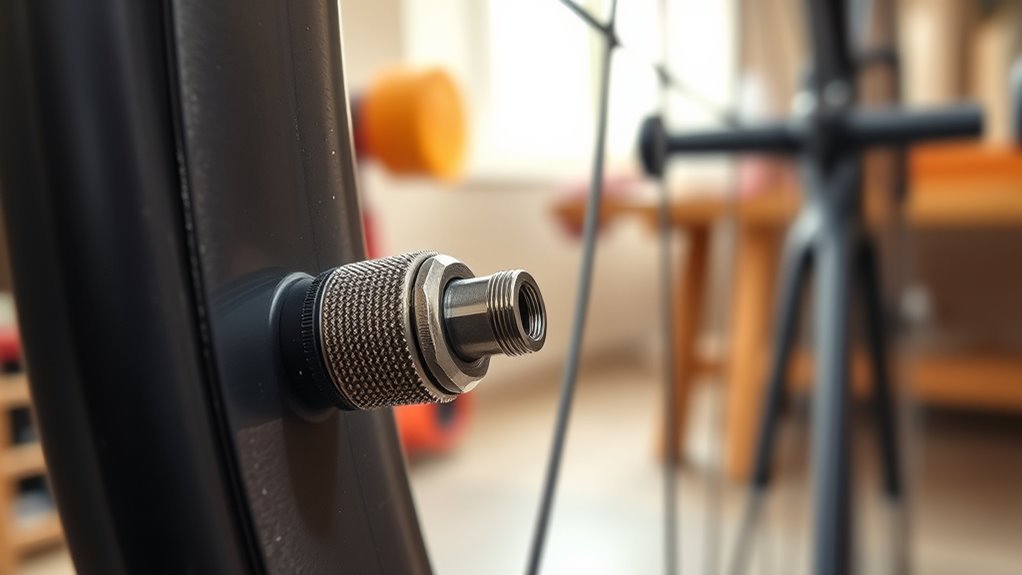
A Presta valve is the slim, threaded valve used on road and high‑pressure bike tires; you’ll pick it for lighter rims, higher pressures (up to ~15 bar), and a more secure seal. Its 6.5 mm stem minimally weakens the rim and uses a screw‑lock core to prevent air loss. You’ll unscrew the lock‑nut to pump or press to release air, and use adapters or compatible pumps as needed. Keep it clean and you’ll avoid common leaks—more practical tips follow.
What Is a Presta Valve and Why Use It?
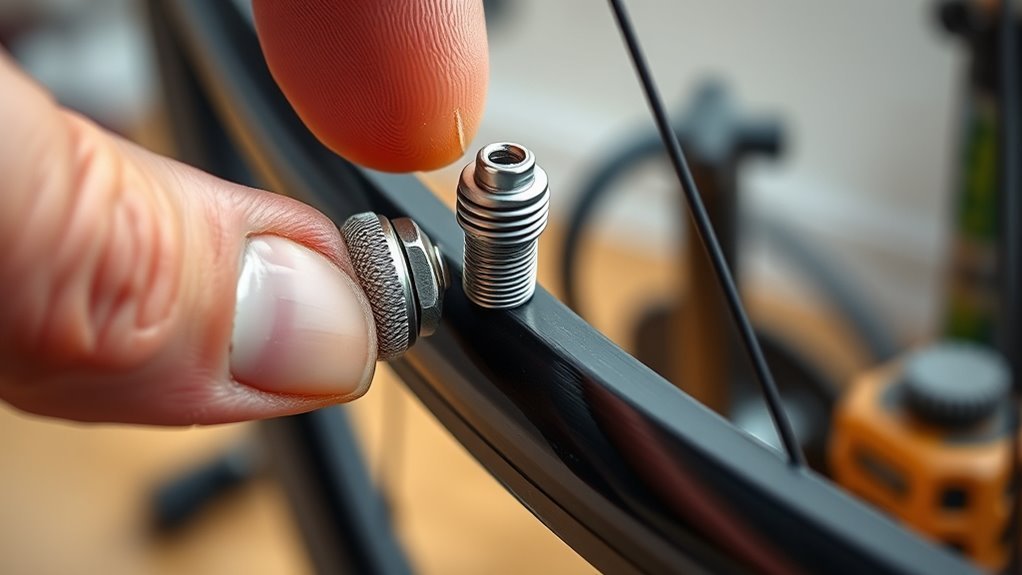
Think of a Presta valve as the slim, high-pressure option purpose-built for road bikes: its narrow, threaded stem and brass lock-nut let you reach pressures up to about 15 bar (≈217 psi) while minimizing air loss. You’ll choose Presta for valve benefits that directly boost cycling performance: the smaller base preserves rim strength on narrow rims, reducing stress and improving wheel stability at high pressure. Its threaded stem and unscrewable lock-nut create a secure seal, so you’re less likely to lose air during inflation or riding. Compared with wider valves, Presta is also less prone to impact damage when treated properly. You should still handle the stem gently to avoid bending, but overall it’s optimized for high-pressure, performance-oriented use.
Presta Valve Anatomy and Parts
Now that you know why riders pick Presta for high-pressure performance, let’s look at what makes one work. The slim 6.5 mm stem reduces rim drilling while supporting pressures up to about 15 bar (≈217 psi), ideal for road tires. The threaded stem accepts a small lock‑nut you unscrew before inflation; it seals air when closed and aids valve maintenance by preventing slow leaks. The core and tip allow you to press gently to release trapped air for quick pressure checks without a pump. Presta’s threaded interface also lets compatible pump heads lock on securely, delivering efficient inflation and reliable pressure management. Knowing each part helps you maintain seals, check pressures, and avoid common failures.
Presta vs Schrader vs Dunlop: Which Fits Your Bike?
Which valve fits your bike depends on tire type, riding style, and pump access. You’ll choose Presta when you need high-pressure performance and a slim profile for narrow rims; Presta advantages include higher inflation limits (up to ~15 bar) and lighter weight, useful on road bikes. If you ride a mountain or hybrid bike, Schrader’s wider, car-style stem offers durability and easy public pump access, though Schrader disadvantages are lower max pressure and heavier fittings. Dunlop valves combine easy pumping with regional prevalence; Dunlop features include broad pump compatibility in mainland Europe and a middle ground in performance. Consider valve maintenance—clean threads, check cores, and verify pump head compatibility. Match valve type to rim design, pressure needs, and available pumps.
Inflate a Presta Valve : Step‑by‑Step
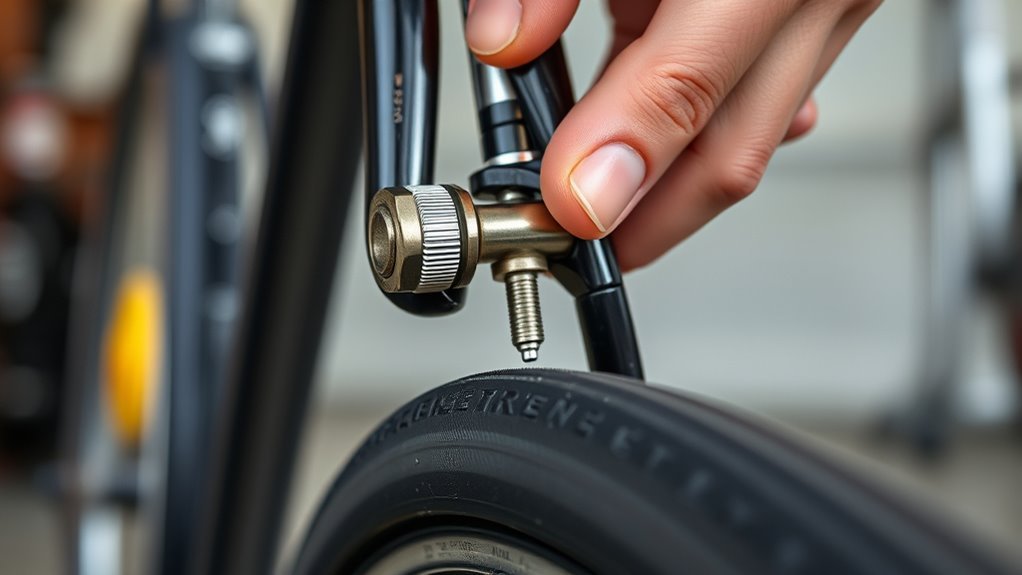
If you’ve decided a Presta valve suits your rims and riding needs, inflating one is straightforward once you know the steps. Start by removing the dust cap and unscrewing the brass lock‑nut until it stops, leaving it attached to the stem. Lightly press the valve tip to release a brief puff of air to confirm it’s free and not stuck. Fit your pump head securely—engage any locking lever—to the Presta valve and monitor your pump gauge as you inflate to the tire’s recommended pressure on the sidewall. When you reach target pressure, remove the pump head carefully, screw the lock‑nut back down, and replace the dust cap. These practices support Presta valve maintenance and highlight Presta valve advantages: secure fit and precise inflation.
Deflate a Presta Valve and Check Pressure
Get your pump ready and unscrew the Presta lock‑nut fully so the valve tip is accessible. Gently press the tip to release air in a controlled way while watching the pressure drop. When finished, reseal the lock‑nut and use the pump head to verify pressure with the gauge, and inspect the valve core for cleanliness and leaks.
Prepare Valve And Pump
Start by removing the dust cap and unscrewing the brass lock-nut on the Presta valve until it stops, then press the valve tip gently to let air out slowly—this prevents a sudden pressure drop and gives you controlled deflation for accurate pressure checks. Next, inspect the lock-nut and valve core for wear or leakage; these valve maintenance tips reduce failures and improve reliability. Lightly press the tip to confirm the valve opens before attaching a pump. Choose a pump with a dual head or a Presta-compatible chuck per the pump selection guide to avoid adapters. After checking pressure, screw the lock-nut back in and replace the dust cap to protect the valve and maintain integrity.
Release Air And Measure
To deflate a Presta valve and check tire pressure, fully unscrew the brass lock‑nut, press the valve tip gently to let air out slowly, and watch the gauge on a Presta‑compatible floor pump for an accurate reading. After initiating controlled air release, monitor the pump gauge for the target PSI or bar; stop deflating when the gauge shows your desired pressure measurement. Use brief, steady presses on the valve tip to avoid sudden pressure loss or tube damage. When finished, screw the lock‑nut back down to secure the valve and fit the dust cap to keep dirt out. Test for leaks by listening for hissing at the valve tip; persistent hissing means service or valve‑core replacement is needed.
Choose the Right Presta Valve Length
Choosing the right Presta valve length is essential for seamless inflation: measure your rim depth and match it to a valve that leaves enough exposed stem for the pump head—typically 32mm for shallow rims, 40mm for standard road rims, and 60mm or longer for deep-section wheels. You should measure rim depth precisely, then select ideal valve lengths so the pump head seats cleanly. Short valves suit shallow rims; deep-section wheels demand 60mm+ stems for access. This reduces fiddling and risk of damaging the valve core. Maintain valves regularly—check and tighten caps, keep threads clean, and follow valve maintenance tips to guarantee reliability.
| Rim Type | Typical Depth | Recommended Valve |
|---|---|---|
| Shallow | ≤20mm | 32mm |
| Standard | ~25–35mm | 40mm |
| Deep | ≥45mm | 60mm |
Common Presta Valve Leaks and Quick Fixes
A few simple checks will fix most Presta valve leaks quickly: first tighten the small lock‑nut (the knurled collar) by hand to stop slow seepage, then inspect the removable core for damage or misseating and swap it if it won’t hold pressure. Use these valve maintenance tips and common repair techniques to get rolling.
Tighten the Presta lock‑nut, check and swap a faulty core, and clear debris to stop most leaks.
- Tighten the lock‑nut: hand‑secure it to stop slow leaks; don’t overtighten.
- Replace the core: use an affordable replacement if threads or seal fail.
- Clear debris: blow or use a pick to remove grit from the valve tip before inflating.
- Inspect seals/dust cap: worn rubber or missing cap requires tube or valve replacement.
Follow these technical, clear steps and you’ll resolve most leaks quickly.
Using Adapters and Pumps for Presta Valves
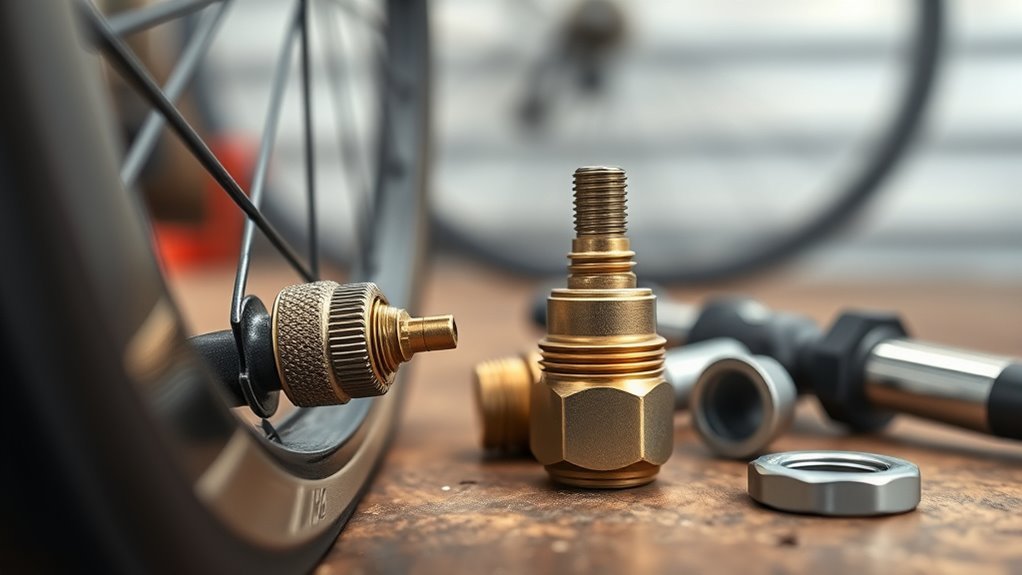
Now that you’ve handled common leaks and checked valve cores, let’s look at getting air into the tyre reliably. Presta’s 6.5 mm slim profile suits high-pressure road tyres and rim stability, but you’ll need compatible gear. Many pumps have dual heads for Presta and Schrader; use the Presta side or flip the head according to the manufacturer. If your pump lacks a Presta option, screw on a Presta valve adapter to accept a Schrader-compatible pump. For inflation techniques, unscrew the lock-nut, press the tip briefly to clear trapped air, then attach the pump head securely before pumping to recommended pressure. For valve maintenance, keep the dust cap on and check for leaks after inflating.
Tubes, Tubeless, and Presta Compatibility
When you choose between tubes and tubeless, consider how a Presta’s slim 6.5 mm diameter affects rim fit and sealing. You’ll need a Presta-compatible pump head (or a Schrader adapter) and valve-core tools for maintenance or emergency tube swaps. I’ll cover compatibility issues, necessary adapters, and the practical pros and cons of carrying a Presta inner tube as backup.
Tubes Vs Tubeless
If you’re deciding between tubes and tubeless setups, consider how Presta valves fit into each system: they’re narrower and built for high-pressure use, so they suit road tubes and tubeless valve stems alike, but you must match valve type to pump and maintenance routines. Tubeless advantages include puncture-sealing and lower rolling resistance; tube performance still excels for simple repairs and predictable pressure control. Maintain Presta cores and keep them clean whether in a tube or tubeless stem.
- Tubes: match Presta tube valves to your pump, inspect cores, and rely on consistent tube performance for road riding.
- Tubeless: use Presta-compatible valve stems, add sealant, and check for airtight seating.
- Backup: carry a Presta spare tube even with sealant.
- Pumping: use Presta adapters or dedicated heads.
Presta Valve Compatibility
Because Presta valves are narrower and built for high pressures, you’ll need to match valve type to the system — tube or tubeless — and to your pump or adapter choices to guarantee a reliable seal and easy inflation. Choose inner tubes labeled Presta to fit the 6.5 mm bore common on road and performance rims; that preserves the Presta valve advantages like high-pressure tolerance. For tubeless, use Presta-compatible tubeless valves that seal to the rim and core; poor fit compromises airtightness. Practice regular Presta valve maintenance: check for leaks, keep the core clean, and confirm tight seating. Below is a quick compatibility reference to guide choices.
| System | Valve need |
|---|---|
| Tube | Presta inner tube |
| Tubeless | Tubeless Presta valve |
| Pumps | Presta adapters allowed |
Adapters And Accessories
Having matched valve types to tubes or tubeless systems, you’ll want to outfit your kit with the right adapters and accessories to make Presta use reliable and convenient. Presta’s slim 6.5 mm profile suits high-pressure road setups but needs proper tools. Follow these accessory recommendations and valve maintenance steps to stay ready:
- Pump heads/adapters: carry a compact Presta adapter if your pump is Schrader-only, or use a dual-head pump for versatility.
- Valve caps: use threaded caps to keep dirt out and protect the valve core during rides.
- Core tools: a small core remover lets you clean or tighten cores for leak-free performance.
- Tubeless compatibility: verify valves and stems match rim thickness and use sealed cores for tubeless air retention.
These choices keep inflation simple and reliable.
Buying Guide: Replacing Presta Tubes and Valves
1 clear rule when replacing Presta tubes and valves: match the tube to your wheel diameter and tire width, and confirm the valve fits your rim and pump. When shopping, pick tubes labeled for your size (e.g., 700c) and a valve length that reaches past the rim profile. Check pump compatibility—many pumps have dual heads or require a Presta adapter—so consider choosing adapters if needed. Before fitting, unscrew the Presta lock‑nut and slightly inflate the tube to avoid pinching. Inspect and clean the threaded stem and valve core as part of valve maintenance tips; replace cores if damaged. Keep a dust cap to block dirt. These steps guarantee reliable high‑pressure performance and simplify roadside repairs.
Frequently Asked Questions
What Are the Disadvantages of Presta Valves?
You’ll face compatibility limits, delicate Presta valve maintenance, and fiddly unscrewing before inflation; they’re narrower so pump adapters and spare parts can be scarce, and their slim design risks bending or breaking during use.
Conclusion
You’ve got this: the Presta valve’s slim profile, locknut, and removable core make it ideal for high-pressure road wheels and narrow rims. Practice inflating, deflating, and fitting adapters so you can swap tubes or go tubeless confidently. Keep a spare tube, mini pump, and valve tool in your kit. Think of it like upgrading from horse carriage to a racing bicycle—you’ll ride smoother, fix flats faster, and stay in control on every ride.
Related Articles
How to Read Motorcycle Tire Size: Complete Breakdown
Often misunderstood, this guide decodes motorcycle tire sizes like 180/55ZR17—learn what each number and letter means to ensure safe, perfect fitment.
Read More
How to Read Bicycle Tire Size: Inches, Metric & ISO
Get the essential trick to decoding ETRTO/ISO codes so you’ll always pick rim-compatible tyres—discover what to check next.
Read More
How to Read Tire Size Numbers: Decode the Sidewall
Step-by-step guide to decode tire sidewalls—sizes, load, speed, DOT and winter symbols—so you’ll know what fits and when to replace.
Read More